


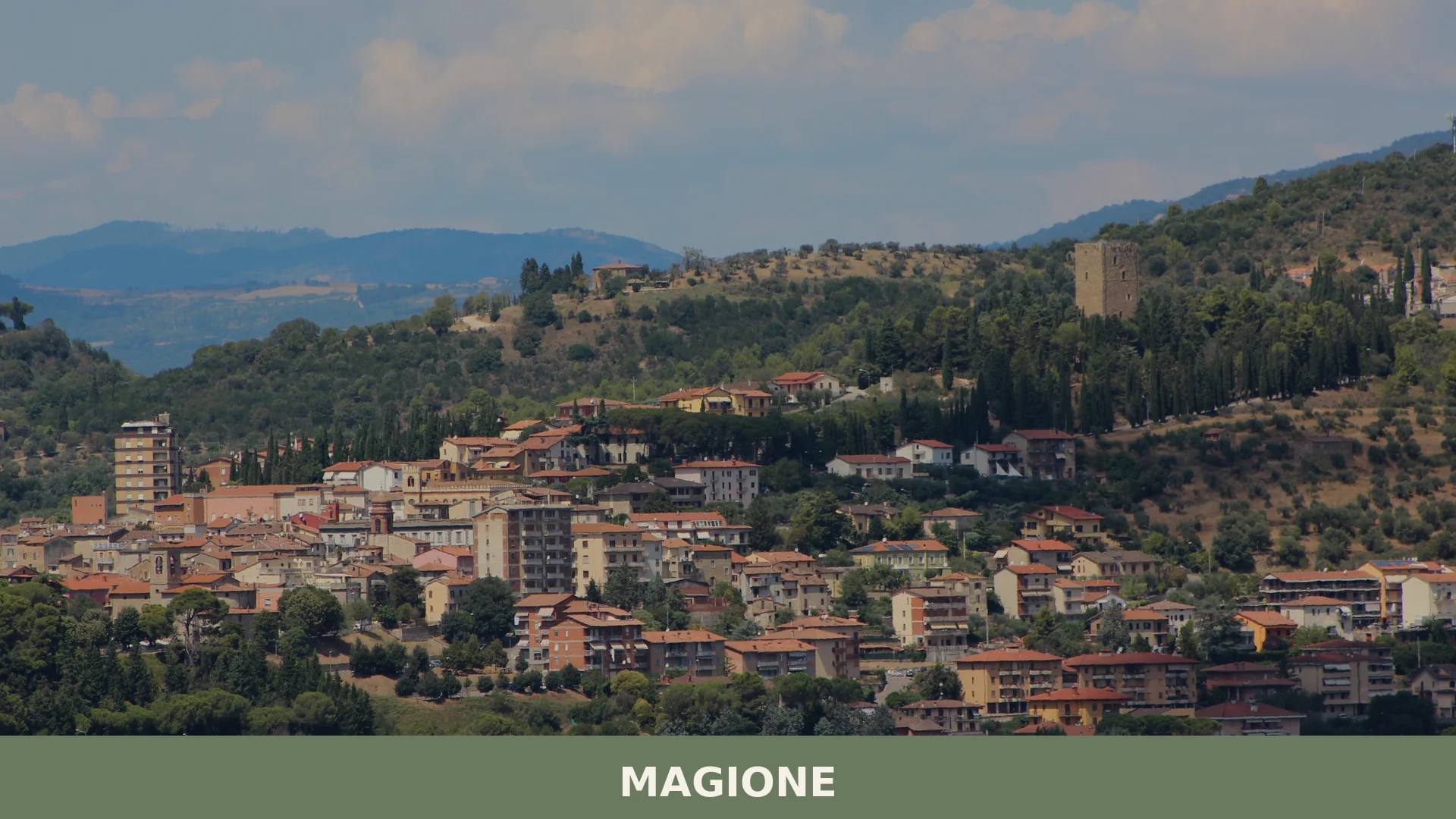

Magione is a hilltop comune of around 14,680 inhabitants on the eastern shore of Lake Trasimeno, province of Perugia, first recorded around 1075 and internationally known as the site of the 1502 Congi
Discover Magione
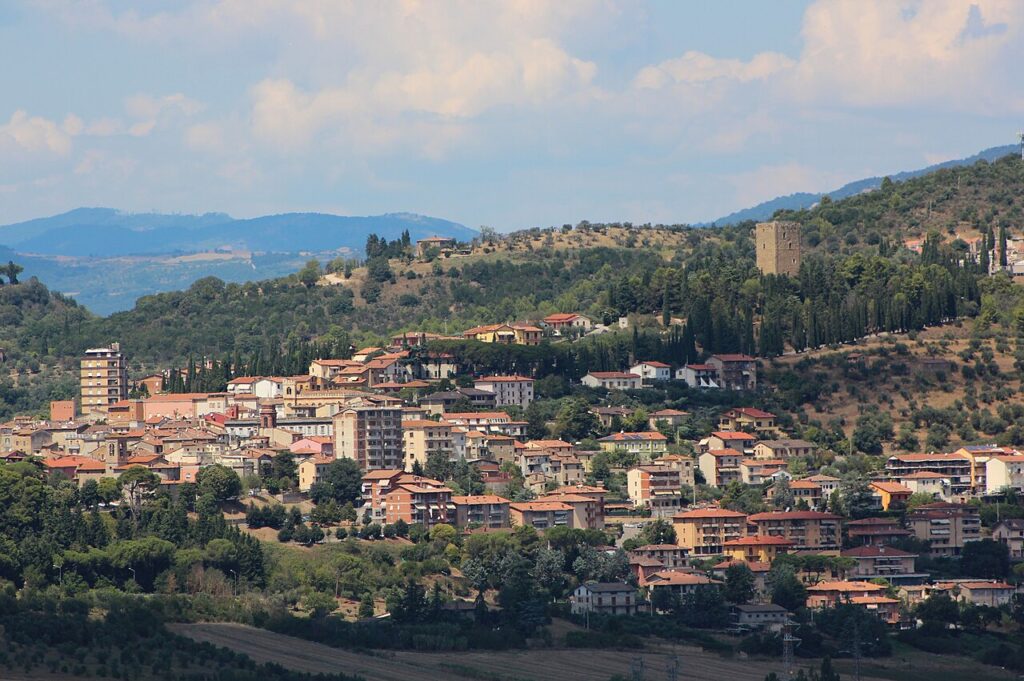
Magione is a comune of around 14680 inhabitants situated on a hill along the eastern shore of Lake Trasimeno, in the province of Perugia, Umbria, at an altitude of 299 metres above sea level and covering a surface area of approximately 129.81 square kilometres. First documented around 1075 under the name Pian di Carpine, it entered the domain of Perugia during the eleventh century and grew steadily around a pilgrim hospice established by the Knights Hospitaller along one of the main routes used by travellers heading south. The settlement takes its very name from that original foundation: magione was the term used for a house offering shelter to pilgrims and the sick, and the word eventually came to identify the entire community that gathered around it.
The hospice was later converted into an abbey, then progressively fortified over the following centuries until it functioned as a full castle — a transformation that culminated in 1502 with one of the most dramatic episodes in Renaissance Italian politics, when a group of lords assembled within its walls to conspire against Cesare Borgia. That event, known as the Congiura della Magione, made Magione a notable site in Renaissance Italian history, and the town’s layered past—visible in its streets, towers and surrounding countryside—rewards careful exploration.
History, origins and identity
Magione, a hilltop comune on the eastern shore of Lake Trasimeno in the province of Perugia, was first recorded around 1075 under the name Pian di Carpine, entered the domain of Perugia during the eleventh century, grew around a pilgrim hospice built by the Knights Hospitaller, and became internationally notorious in 1502 as the site of the Congiura della Magione — a conspiracy hatched by a group of Umbrian and Marchigiani lords against Cesare Borgia.
The settlement’s character was defined early on by its position along a major pilgrimage route. The Knights Hospitaller — also known as the Knights of Jerusalem — established a magione, that is, a house for travellers and the sick, at Villa Pian di Carpine. The name gradually came to denote the entire surrounding settlement. The original building was later converted into an abbey, then progressively fortified until it resembled a fortress more than a place of worship. Further strengthening work was carried out in the fifteenth century.
It was inside this fortified castle that, in 1502, several lords conspired against Cesare Borgia. The plot ended badly for most of those involved: the majority of the conspirators were killed at Senigallia and at Città della Pieve by Borgia’s forces. In later centuries the castle recovered a more peaceful reputation, counting Pope Benedict XIV and Pope Pius VII among its distinguished guests.
The comune also preserves memories of Giovanni da Pian del Carpine, whose name echoes the town’s earliest recorded toponym. The territory around Montesperello, around two kilometres east of the centre, has its own distinct chronology: a villa was built there in 608, later reconstructed as a castle, and a church began to rise in that area from the latter half of the fourteenth century onward.
Castles, Towers and Churches of Magione
Magione’s main points of architectural and historical interest include the Castello dei Cavalieri di Malta, the Torre dei Lambardi, the Castello di Zocco, the Castello di Montesperello, the Castello di Montecolognola, the Chiesa di Santa Maria delle Grazie and the Chiesa di San Giovanni Battista, spread across the town and its surrounding territory along the eastern shore of Lake Trasimeno.
Castello dei Cavalieri di Malta
The castle’s origins go back to an hospice built by the Knights of St John at Villa Pian di Carpine, a crossing point on the pilgrimage routes. The building was later converted into an abbey, then progressively fortified until it took on the appearance of a fortress. A further phase of strengthening was carried out in the fifteenth century. In 1502 the castle became the meeting point for the conspiracy known as the Congiura della Magione, a plot hatched by a group of Umbrian and Marche lords against Cesare Borgia. In later centuries the castle received distinguished guests, among them Pope Benedict XIV and Pope Pius VII.
Torre dei Lambardi
The Torre dei Lambardi stands on a hill just above the town centre, at an elevated point from which both Perugia and Lake Trasimeno are visible. It was erected between the twelfth and thirteenth centuries. The tower rises to approximately thirty metres and is divided into three floors and two intermediate terrace levels; it has a square plan and was originally equipped with a projecting structure protecting the entrance portal, with a high plinth in the form of a bastion at its base. Between the late medieval period and the Renaissance it gradually lost its strategic function.
Castello di Montesperello and Chiesa di San Cristoforo
Located approximately two kilometres east of Magione, the Castello di Montesperello stands on the site of a villa documented from 608, which was later rebuilt as a castle. A church in the Montesperello area began to be constructed from the second half of the fourteenth century; the adjacent Chiesa di San Cristoforo is listed among the churches of the municipal territory.
Castello di Zocco and Castello di Montecolognola
The Castello di Zocco lies along the provincial road between San Feliciano and Magione, near Monte del Lago. The Castello di Montecolognola is situated in the homonymous locality within the municipal area. The sources record their names and positions without further architectural detail.
Chiesa di San Giovanni Battista
Built by the Knights of Malta in 1571, the church was destroyed during Second World War bombing raids and rebuilt in the immediate postwar period. The interior was subsequently frescoed by Gerardo Dottori.
Chiesa di Santa Maria delle Grazie
Founded between the thirteenth and fourteenth centuries, the church was originally part of a hospital complex belonging to Basilian monks. It was largely rebuilt in the first half of the eighteenth century. The interior preserves the fresco known as Virgo lactans (Madonna nursing), dated 1371.
Other churches and castles
- Chiesa di San Donato
- Chiesa di San Michele Arcangelo
- Chiesa dei Santi Antonio e Rocco
- Castello di Antria
Museo della Pesca del Lago Trasimeno
The Museo della Pesca is located along the main street of San Feliciano, a village on the shores of Lake Trasimeno. Its rooms document the origin and evolution of the lake, which formed approximately one million seven hundred thousand years ago following tectonic movements that created a depression in the ground where water collected. Over the centuries the shoreline shifted considerably; to counter flooding, hydraulic works including an artificial emissary were undertaken at different periods, with a second outlet added in the twentieth century.
Food and Wine Around Magione and Lake Trasimeno
Magione and its surrounding Umbrian territory are known for a range of certified products — including Agnello del Centro Italia IGP, Prosciutto di Norcia IGP, Lenticchia di Castelluccio di Norcia IGP and Patata Rossa di Colfiorito IGP — alongside a local craft tradition of producing fishing nets that reflects the village’s deep ties to Lake Trasimeno. These products belong to the broader provincial and regional food culture rather than to Magione exclusively, but they are very much part of the table visitors will find here.
Among the charcuterie and cured meats typical of Umbria, regional tradition offers items such as capocollo, corallina, guanciale, mazzafegati and porchetta — all worth seeking out in the area’s taverns and markets. The annual Settimana Magionese, running from the first Saturday of August, opens local taverns serving traditional dishes, giving visitors a direct and lively encounter with the food of this part of Umbria.
For wine, the territory around Magione falls within several recognised appellations. The Colli del Trasimeno DOC is the most immediately local, produced in the hills surrounding the lake. Further afield, the region also offers the prestigious Montefalco Sagrantino DOCG and Torgiano Rosso Riserva DOCG, as well as DOC wines including Assisi, Colli Perugini and Montefalco.
Getting to Magione and Planning Your Visit
Magione sits on the eastern shore of Lake Trasimeno at around 299 metres above sea level, approximately 18 km from Perugia — roughly a 20–25 minute drive — making it a straightforward destination by car from the regional capital. The nearest motorway access is the A1 Autostrada del Sole, with the Val di Chiana exit leading towards the lake from the south.
The village covers a surface area of about 129.81 square kilometres and includes fifteen distinct hamlets, several of which border the lakeshore. This means that exploring the full municipal territory rewards more than a single day. The lakeside hamlet of San Feliciano, home to the Museo della Pesca, and the hillside frazioni such as Montesperello and Montecolognola each have their own character and merit separate visits.
From Castiglione del Lago, on the western shore of Lake Trasimeno, Magione is approximately 25 km by road, or around 30 minutes by car — a pleasant circuit around the lake that takes in contrasting perspectives on the water. Visitors interested in the quieter inland valleys to the north may also consider a detour towards Lisciano Niccone, set among wooded hills not far from the provincial border.
Spring and early autumn are the most comfortable seasons for a visit, with mild temperatures suited to outdoor exploration of the lakeside paths and hilltop viewpoints. August brings the Settimana Magionese and the Palio del Giogo — the rione challenge held on the second Saturday of the month — which draw visitors specifically to the village centre.
| Departure | Distance | Time |
|---|---|---|
| Perugia | approx. 18 km | approx. 20-25 min |
| Castiglione del Lago | approx. 25 km | approx. 30 min |
| Lisciano Niccone | approx. 30 km | approx. 35 min |
These practical references help organise the journey clearly, while the village itself is best understood slowly and on foot once you arrive.
Frequently asked questions about Magione
What is the best time to visit Magione?
Spring (April–May) and autumn (September–October) offer ideal weather for exploring Magione and Lake Trasimeno. Summer can be warm but attracts more visitors. November 23rd marks the feast of San Clemente, Magione's patron saint, featuring local celebrations. Winter is quieter and cooler. For lakeside activities and hiking, late spring through early autumn is optimal.
How do I reach Magione by car?
Magione is located in Perugia province, Umbria, along Lake Trasimeno's eastern shore. From Perugia (approximately 30 km north), take the E76/SS3 toward Città della Pieve, then follow signs to Magione. From Florence, take the A1 motorway southbound, exit at Valdichiana, then continue toward Trasimeno. Parking is available in the town centre and near the lake.
What historical event makes Magione significant beyond its size?
In 1502, Magione Castle hosted the Congiura della Magione (Conspiracy of Magione), a pivotal event in Renaissance politics where Italian lords conspired against Cesare Borgia. The castle, originally a pilgrim hospice founded by the Knights Hospitaller around 1075, was progressively fortified into a fortress. This conspiracy is one of the most dramatic episodes in central Italian Renaissance history and distinguishes Magione historically.
Are there outdoor activities around Magione?
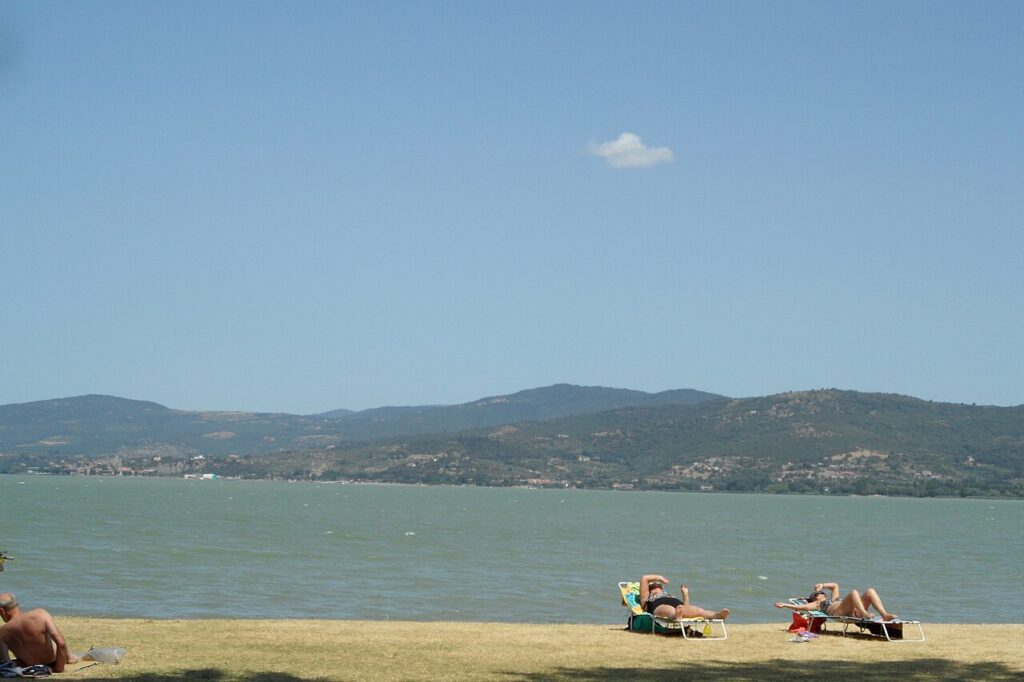
Yes. Magione's position on Lake Trasimeno's eastern shore offers water-based activities including swimming and boating. The surrounding countryside provides walking and cycling opportunities through Umbrian hills and along the lakeside. The area is suitable for nature exploration and photography. Consult local tourism offices for specific documented trails and CAI-marked hiking routes in the region.
How long should I plan to spend in Magione?
A day visit allows exploration of the historic centre, castle remains, and lakeside views. Overnight stays (1–2 nights) enable deeper discovery of local history, countryside walks, and Lake Trasimeno attractions. The compact size means main sights are accessible within a few hours, but the layered medieval history and surrounding landscape reward leisurely exploration and relaxation.
📷 Photo Gallery — Magione
In Umbria More villages to discover
Scheggino
 Hills
Hills
Situated at an altitude of 282 meters above sea level, Scheggino is a compact village in the Umbrian Apennines, home to 446 inhabitants in the province of Perugia. Its development has been shaped by its proximity to the Nera River, a constant presence that influenced both its economy and defensive structures over centuries. Understanding what […]
Attigliano
Hills
What to see in Attigliano, Umbria, Italy: explore a medieval castle with 6 towers, the 1885 Fontana dei Delfini, and San Lorenzo church. Discover how to get there.
Monte Castello di Vibio
Hills
Monte Castello di Vibio holds the world's smallest theatre and an intact medieval centre above the Tiber valley. A complete guide to its history, attractions, and local food.
Terni
 Lake
Lake
 Plains
Terni is a historically rich Umbrian city of about 106,310 inhabitants, known as the birthplace of San Valentino and home to Roman, medieval and Renaissance heritage along the river Nera.
Paciano
Hills
As the early morning mist begins to lift from the rolling hills, a faint scent of woodsmoke and damp earth hangs in the air. The first rays of sunlight strike the ancient stone of Paciano, illuminating a quiet street where a lone figure sweeps the flagstones outside a modest doorway. Here, life unfolds with a […]
Cerreto di Spoleto
Hills
A ridge-top village of 975 inhabitants in the Valnerina, Cerreto di Spoleto holds medieval streets, scattered hamlets, and a centuries-old tradition of itinerant herbalists.
Allerona
Hills
A comune of 1,687 inhabitants at the western edge of Umbria. Allerona shares borders with Lazio and Tuscany, hosting the Pugnaloni festival each May.
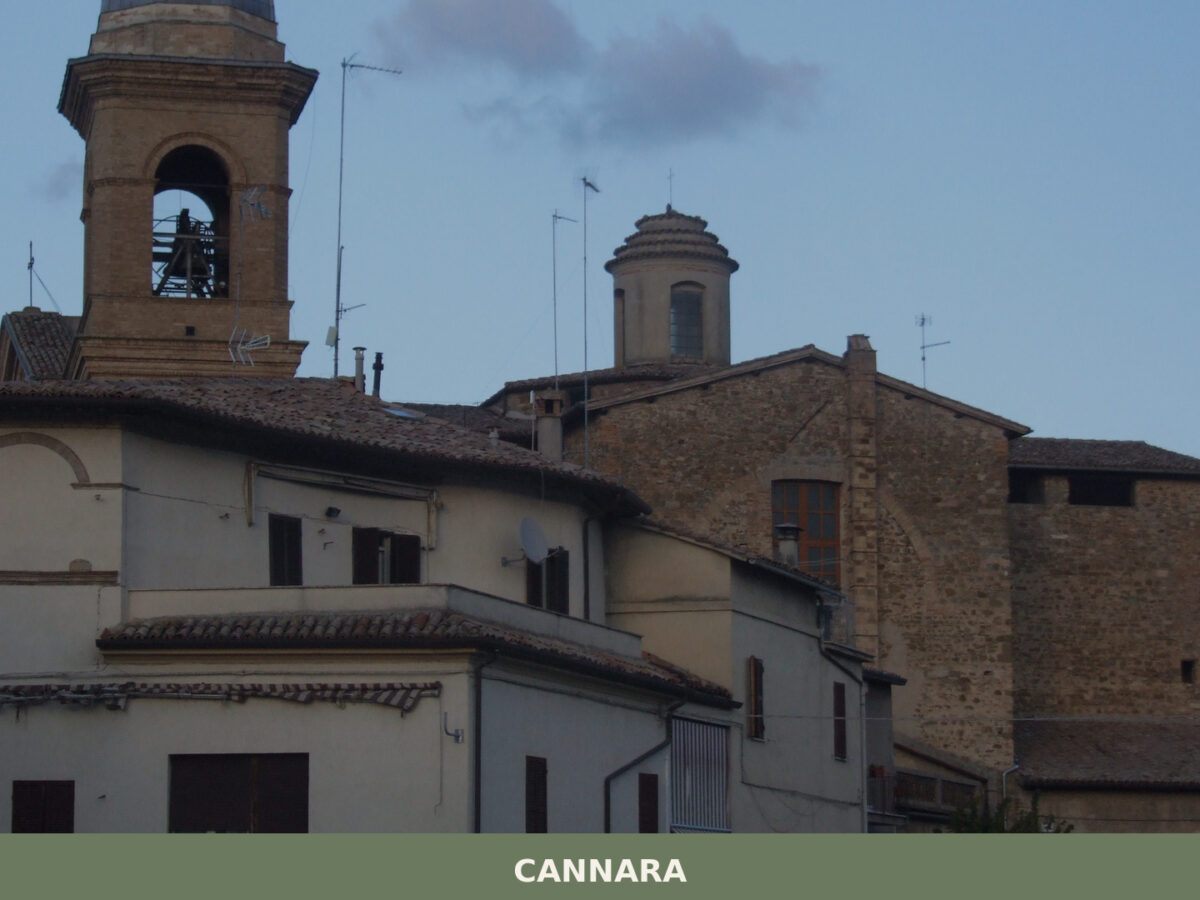
Cannara
Plains
Cannara is a walled medieval town in Umbria's Valle Umbra where Franciscan tradition, old stone churches and a hilltop castle reward a quiet, unhurried visit.
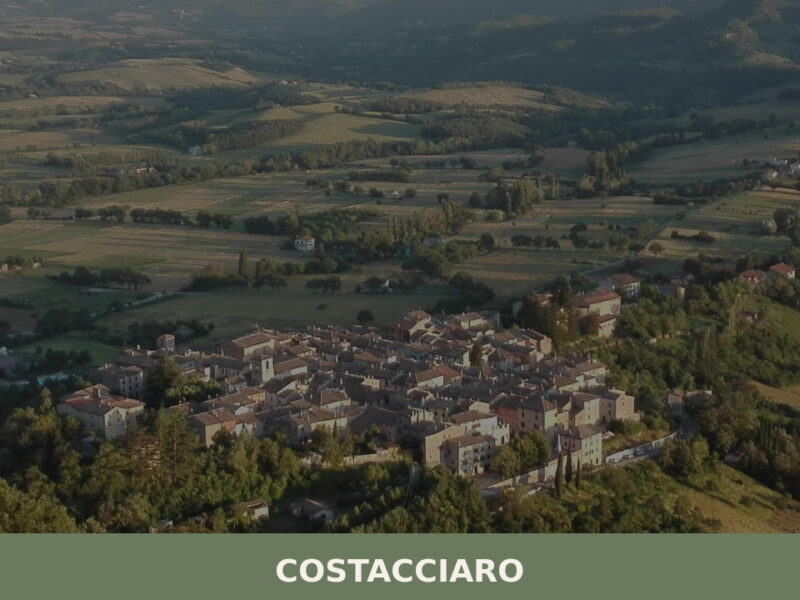
Costacciaro
Hills
Morning light reaches Costacciaro slowly, filtered through the mass of Monte Cucco before it spills across stone facades and narrow lanes still damp from overnight mountain air. At 1,280 inhabitants, this is a village measured not in monuments but in texture — the grain of limestone walls, the sound of water channelled from karst springs, […]
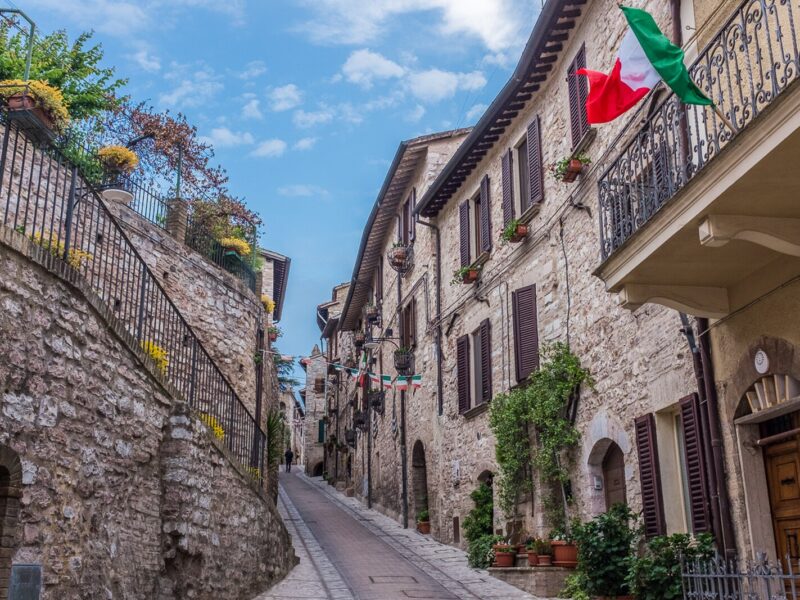
Spello
 Sea
Sea
Spello, a commune in the Italian region of Umbria, rises on a spur of Monte Subasio, offering visitors a clear view of the surrounding plain.





🏡 Know Magione better than we do?
If you’re a local or have been there, your knowledge matters: add what’s missing or fix a detail on this page.