


Attigliano
 Hills
Hills
What to see in Attigliano, Umbria, Italy: explore a medieval castle with 6 towers, the 1885 Fontana dei Delfini, and San Lorenzo church. Discover how to get there.
Discover Attigliano
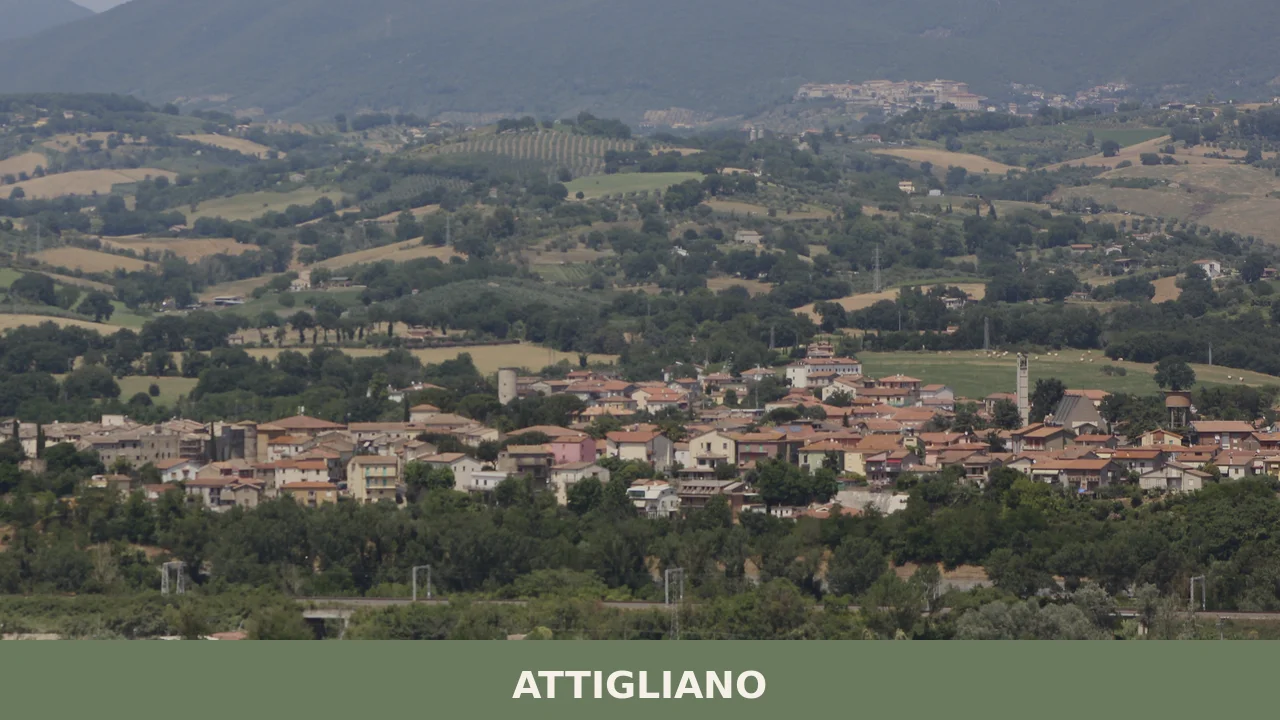
The left bank of the Tiber flattens here into a valley floor that opens broadly toward the north, and the medieval walls that still enclose parts of the settlement rise from that plain without the benefit of a cliff or a hilltop. Six towers break the skyline of the old castle. A 15th-century portal, restored but still legible, marks the original entrance to a fortress that was once ringed by a moat and reached only by drawbridge.
The nearest woodland, called La Bandita, begins at the edge of the built area.
Deciding what to see in Attigliano becomes straightforward once you understand the village’s scale and position: this is the lowest-elevation municipality in the entire region of Umbria, situated about 70 km (43.5 mi) south of Perugia and 30 km (18.6 mi) west of Terni, in the Province of Terni. Visitors to Attigliano find a compact historic centre enclosed by partial medieval walls, a castle with documented origins in 1130, a 19th-century fountain built above two public springs, and a modern church whose interior holds marble statues and a coloured-glass cycle. The village is served directly by the Florence–Rome railway, making it accessible without a car.
History of Attigliano
The name itself carries a botanical origin. Local tradition holds that Attigliano derives from the Latin phrase ad tiliam, meaning “near the linden trees,” a reference to the abundance of those trees in the surrounding area when the settlement first took shape. The village emerged as a commune between the 11th and 12th centuries, and its castle entered the written record in 1130, when it was documented under the lordship of Bonconte of Alviano.
During the following two centuries it passed through the hands of several noble families, among them the Borghese and the Orsini, though the Alviano family of Todi exercised the most sustained control. By the 13th century the Alviano had consolidated their authority to the point where the community held its own civic statutes — an administrative arrangement that reflected genuine local governance rather than simple feudal dependence.
The 16th century brought violent disruption. In 1527 a force of approximately 4,000 men under the command of the bandit Fabrizio Maramaldo, operating alongside Landsknechts — the German mercenary infantry active across central Italy during that period — devastated Attigliano. Four years later, in 1531, the territory passed by dowry to the Monaldeschi della Cervara family.
The 17th century brought a different kind of transfer: in 1654 Olimpia Pamphili acquired the territory, and over the following decades the castles of the region, including Attigliano, came under the direct authority of the Papal Government. By 1701 the village was recorded as a feudal domain of the Prince Pamphilj, a status still documented in 1803 under the Prince Doria Pamphilj. Ownership then passed to Duke Don Giulio Lante, recorded on 22 November 1816.
The Napoleonic interlude reshaped administrative boundaries across central Italy. Between 1809 and 1814, Attigliano formed part of the Department of Trasimeno in the District of Todi. After the Restoration in 1816 it was designated a baronial place within the Delegation of Spoleto, and from 1817 to 1827 it functioned as an appodiato — a dependent administrative unit — of the nearby commune of Giove, under the governor of Amelia. A mid-century census recorded 457 inhabitants in 1859, of whom 386 lived within the village itself and 71 in the surrounding countryside.
At that point the former feudal estate was in the hands of Prince Borghese, described in contemporary sources as the wealthiest landowner in the territory. Those layered transfers of ownership — from Alviano to Pamphilj to Lante to Borghese — left physical traces that are still readable in the architecture of the historic centre today. Travellers who also visit Cannara, another Umbrian commune with a comparably complex medieval history, will recognise the same pattern of competing noble claims and slow ecclesiastical consolidation.
What to see in Attigliano, Umbria: top attractions
The Castle of Attigliano and Medieval Walls
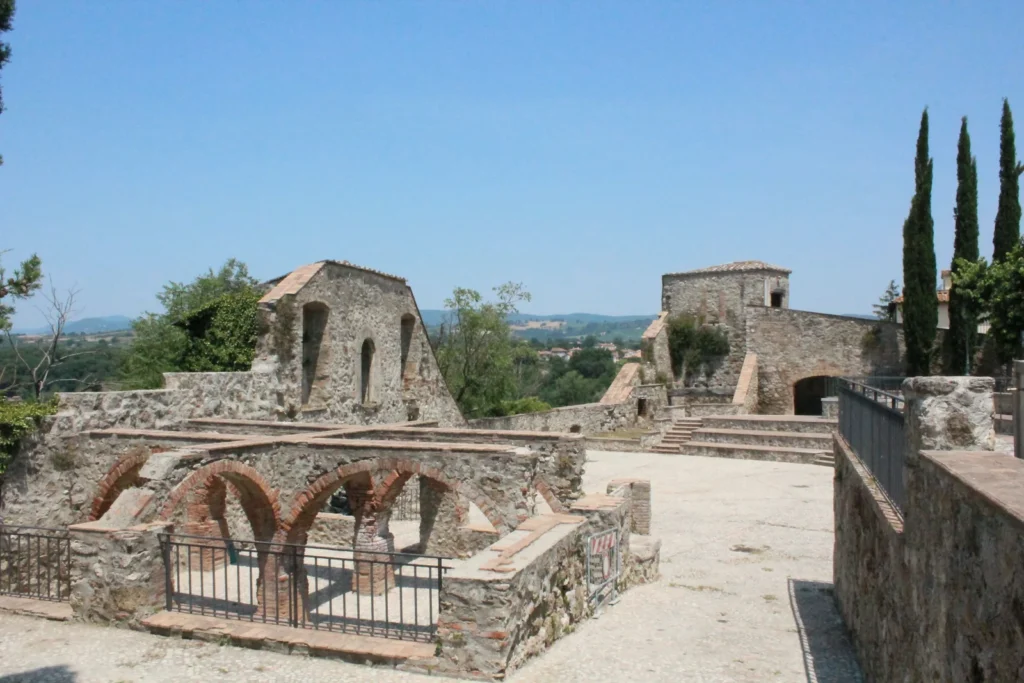
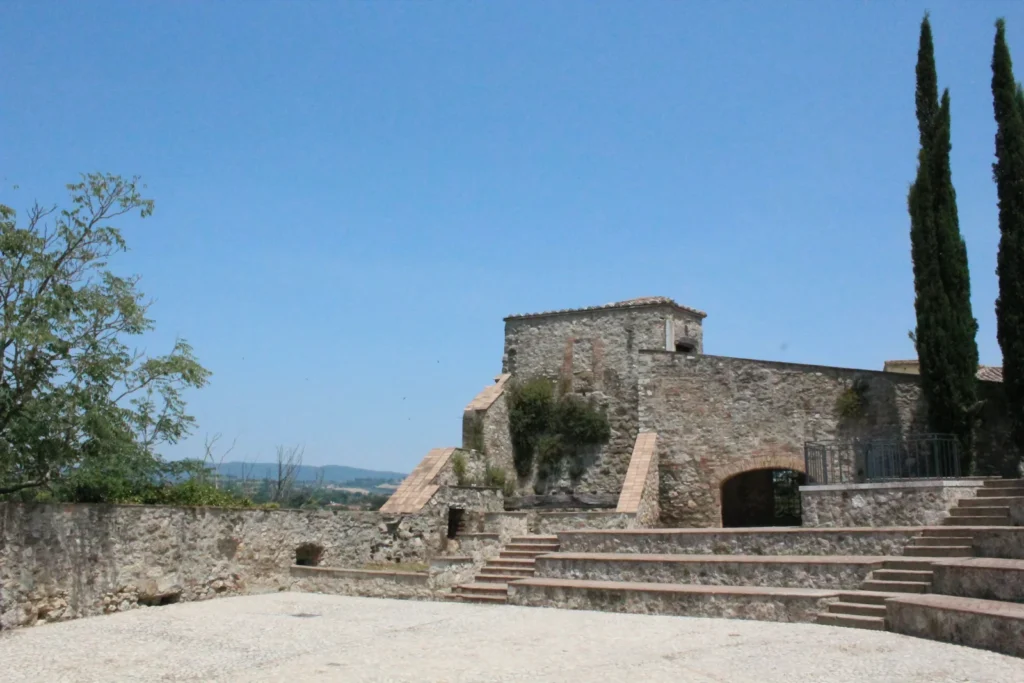
Stretches of stone wall and six surviving towers define the perimeter of the original fortress, which is first documented in 1130. The 15th-century entrance portal has been restored, but its proportions and stonework remain legible as a late-medieval threshold. Before modifications over subsequent centuries, the castle was surrounded by a moat and accessible only by drawbridge — a layout still traceable in the topography of the land immediately outside the walls. Walking the accessible sections of the medieval circuit gives a direct sense of the settlement’s original footprint.
Parts of the town remain enclosed within these walls, so the boundary between the medieval fabric and later construction is visible at several points as you move through the centre.
Fontana dei Delfini e dei Tritoni
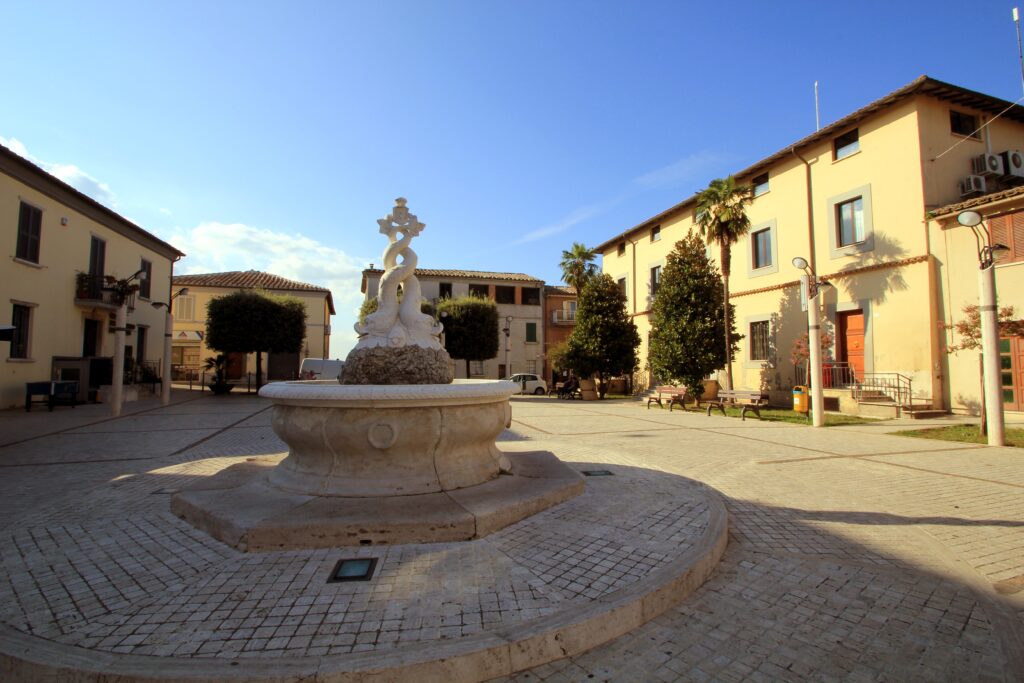
Standing in the main square of the historic centre, this fountain was built in 1885 and served a dual function from the start: ornamental display and practical public water supply, fed by two documented springs. The sculptural programme features dolphins and tritons — marine figures set in an inland valley, a combination that reflects the decorative conventions of late-19th-century civic infrastructure rather than any local mythological tradition. At 138 years old, the fountain remains the focal point of the piazza and is in working condition. It is worth arriving at the square in the early morning, when the light hits the stonework before the heat builds, and the sound of running water is audible from some distance.
Church of San Lorenzo (1983)
The current church of San Lorenzo replaced an earlier parish building and was completed in 1983. Its façade is dominated by a large mosaic depicting Saint Lawrence distributing the wealth of the Church to the poor — a scene drawn directly from the historical account of the martyr’s life. Inside, the most structurally distinctive feature is the series of large multicoloured glass windows that regulate the quality of light throughout the interior.
The church also contains two statues in Carrara marble, representing Christ carrying the Cross and the Madonna of the Eucharist, as well as a Via Crucis — a sequence of fourteen stations depicting the Passion — designed by the painter Aligi Sassu. The combination of mid-century artistic commissions and modern architecture in a single interior makes this building more layered than its construction date suggests.
The Earlier Parish Church of San Lorenzo
Before the 1983 structure was built, the parish church dedicated to San Lorenzo stood within the castle walls. That earlier building housed an organ and contained a panel painting which 19th-century sources attributed, with some uncertainty, to either Giotto or Pietro Perugino — two painters separated by roughly two centuries, which indicates the degree of scholarly dispute rather than settled attribution. The church’s position inside the medieval castle perimeter connected religious and civic life in a way that was common in central Italian communes during the medieval and early modern periods.
The earlier structure no longer functions as the primary place of worship, but its former location within the castle fabric remains part of the documented architectural history of the site.
La Bandita Woodland and the Tiber Valley Outlook
Attigliano sits on the left bank of the Tiber at a valley floor elevation that is the lowest of any municipality in Umbria, and the landscape facing north opens across flat agricultural land toward the Tiber corridor. The nearest woodland, called La Bandita, adjoins the built area and offers a direct transition from the village to a tree-covered environment within a short walk. The valley outlook is broad rather than dramatic — the appeal is in the scale of the view and the clarity of the geographic relationship between the settlement and the river, rather than in elevation or steep terrain. For visitors travelling along the Tiber valley by bicycle or on foot, Attigliano sits approximately 15 km (9.3 mi) from Amelia, making it a natural stopping point along that corridor.
Local food and typical products of Attigliano
Attigliano sits in the southern section of Umbria, where the Tiber valley has historically connected the cooking traditions of the Umbrian interior with those of the neighbouring Lazio border zone. The village’s position near Amelia — a town with its own documented food culture — and its agricultural lowland setting place it within a culinary territory defined by cereal cultivation, olive groves along the valley slopes, and livestock rearing on the surrounding land. The absence of a major urban market historically meant that cooking in this area developed around preserved, slow-cooked, and grain-based preparations rather than fresh market produce.
The table in this part of Umbria is built around a small number of staple preparations.
Umbricelli al ragù, a hand-rolled thick pasta made without egg and dressed with a slow-cooked meat sauce, represents the most widespread first course across the province of Terni. Lenticchie in umido — lentils braised with garlic, celery, and local olive oil — appear as both a side dish and a main course, particularly in cooler months. Porchetta, the whole roasted pork seasoned with wild fennel, black pepper, and garlic, is common at outdoor markets and local festivals across southern Umbria. Bruschetta here refers specifically to toasted bread rubbed with a raw garlic clove and dressed with the season’s new olive oil — a preparation whose quality depends entirely on the oil rather than on additional ingredients.
No product with a certified designation of origin (DOP, IGP, or STG) is specifically registered to Attigliano in the available sources. The broader Province of Terni falls within the production area of the Umbria DOP olive oil, which covers five sub-zones across the region, and producers in the Tiber valley corridor contribute to that designation.
For verified local purchasing, the weekly markets in Amelia, 15 km (9.3 mi) away, carry seasonal produce, cured meats, and local oil directly from producers in the surrounding municipalities.
In this part of southern Umbria, late autumn — from October through November — is the period when freshly pressed olive oil becomes available, and producers sometimes open their frantoi (oil mills) for direct sales. Spring markets, typically from April onward, offer fresh legumes, wild greens gathered from field margins, and the first artichokes from the valley floor. Visitors who plan their stay around these seasonal windows will find a more direct connection to the agricultural calendar that has defined cooking in this valley for centuries.
Festivals, events and traditions of Attigliano
The principal religious festival of Attigliano is celebrated on 10 August in honour of Saint Lawrence, the patron saint to whom both the current and earlier parish churches are dedicated. The date corresponds to the feast of Saint Lawrence in the Roman Catholic calendar, marking the anniversary of the martyr’s death in 258 AD. This festival has been the central communal observance in Attigliano for a documented period stretching back through the village’s history as a commune, and the dedication of the church within the castle walls confirms the saint’s centrality to local religious identity well before the modern church was built in 1983.
The Sisters of Charity maintained a presence in Attigliano during the 19th century, a fact that points to a tradition of organised religious and social activity beyond the parish calendar.
No additional secular festivals or food fairs are documented in the available sources for Attigliano specifically. The 10 August feast, however, falls during the warmest period of the Umbrian summer, a time when outdoor gatherings, evening processions, and communal meals in the village square are consistent with the regional pattern of summer sagre — traditional festivals combining religious observance with local food and music — though the specific programme for Attigliano’s observance is not detailed in the current record.
When to visit Attigliano, Italy and how to get there
The best time to visit Attigliano and the surrounding area of southern Umbria is between April and June, and again in September and October. Spring brings mild temperatures, wildflowers across the Tiber valley, and manageable numbers of visitors at nearby sites. Early autumn combines harvest activity — including the olive-picking season that begins in October — with cooler air and clear skies that make walking the medieval walls and the riverside area more comfortable than in the height of summer. July and August are the hottest months, with temperatures regularly exceeding 35°C (95°F) in the valley, though the 10 August feast of Saint Lawrence gives those months one specific reason to visit.
Winter is quiet, cold, and largely free of tourist traffic, which suits visitors whose priority is the architecture and the landscape rather than events. International travellers planning a broader Umbrian itinerary might also consider the shores of Castiglione del Lago on Lake Trasimeno, roughly 80 km (49.7 mi) to the north, as a complementary stop in a different landscape zone.
Attigliano is directly served by the Florence–Rome railway via the Trenitalia network, with the Attigliano–Bomarzo station handling regional services on that corridor. From Rome Termini, the journey along the Florence–Rome line reaches this section of Umbria in approximately 1 hour 20 minutes to 1 hour 40 minutes depending on the service. From Florence, travel time is roughly 2 hours. The village is about 15 km (9.3 mi) from Amelia and borders the municipalities of Bassano in Teverina, Bomarzo, Giove, Graffignano, and Lugnano in Teverina.
If you arrive by car, the A1 motorway (Autostrada del Sole) provides the most direct road access from both Rome and Florence; the Attigliano exit is on the A1 and places you directly at the edge of the village. The nearest major airport is Rome Fiumicino (FCO), approximately 120 km (74.6 mi) to the south, with a transfer by train and regional connection taking around 2 hours in total. For international visitors, it is worth noting that English is not widely spoken in smaller shops and at local markets; carrying cash in Euros is practical, as card payment is not universally accepted in this part of rural Umbria.
Travellers using Attigliano as a base for day trips will find Perugia reachable in under 90 minutes by a combination of train and regional connection, while the nearby village of Fratta Todina in the Todi area represents a compact Umbrian commune that shares the same general geographical and historical context as the Tiber valley settlements.
Frequently asked questions about Attigliano
How do I reach Attigliano by train?
Attigliano is served directly by the Florence–Rome railway line, making it easily accessible without a car. The village has its own railway station on this major route. From Rome, the journey takes approximately 1.5 hours; from Florence, around 2 hours. This makes Attigliano one of the few small Umbrian villages with direct rail connection to Italy's two largest cities.
When is the best time to visit Attigliano?
August 10th marks the feast of San Lorenzo, Attigliano's patron saint, offering an excellent opportunity to experience local traditions and celebrations. The summer months provide warm weather ideal for exploring the medieval centre and the nearby La Bandita woodland. Spring and autumn offer milder temperatures and fewer crowds, making them suitable alternatives for leisurely visits.
What is the historical significance of Attigliano's castle?
The castle has documented origins dating back to 1130. Originally a fortress ringed by a moat and accessible only by drawbridge, it features six towers that break the medieval skyline. A restored 15th-century portal still marks the original entrance, providing legible evidence of its architectural evolution across centuries.
How long should I plan to spend in Attigliano?
Attigliano is a compact village, so a visit of 2–3 hours suffices to explore the historic centre enclosed by partial medieval walls, the castle, the 19th-century fountain above two public springs, and the modern church with its marble statues and coloured-glass interior. Its small scale and straightforward layout make it ideal for a morning or afternoon excursion.
Is Attigliano the lowest municipality in Umbria?
Yes, Attigliano holds the distinction of being the lowest-elevation municipality in the entire Umbria region, situated at 95 metres above sea level. Located approximately 70 km south of Perugia and 30 km west of Terni in the Province of Terni, its position on the Tiber's left bank creates a distinctive valley setting unique within the region.
📷 Photo Gallery — Attigliano
In Umbria More villages to discover
Bevagna
Hills
What to see in Bevagna, Umbria, Italy: explore 5 key attractions, Romanesque churches, Roman ruins, and local food. Population 5,130. Discover the full guide.
Todi
Discover Todi Umbria: a walled medieval town of 15,481 souls perched above the Tiber, anchored by Renaissance churches and civic palaces that shape one of Italy's most intact historic cores.
Monteleone di Spoleto
 Mountain
Monteleone di Spoleto: discover the history and art of this Umbrian village. Visit the museum and the Church of San Francesco. Plan your visit now!
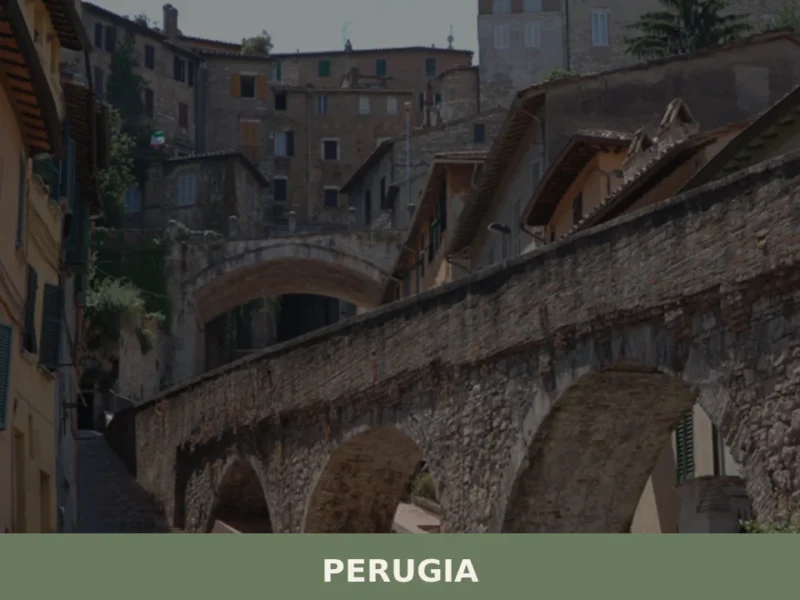
Perugia
Hills
What to see in Perugia: discover 5 main attractions, from Fontana Maggiore to Rocca Paolina. Plan your trip and visit the heart of Umbria.
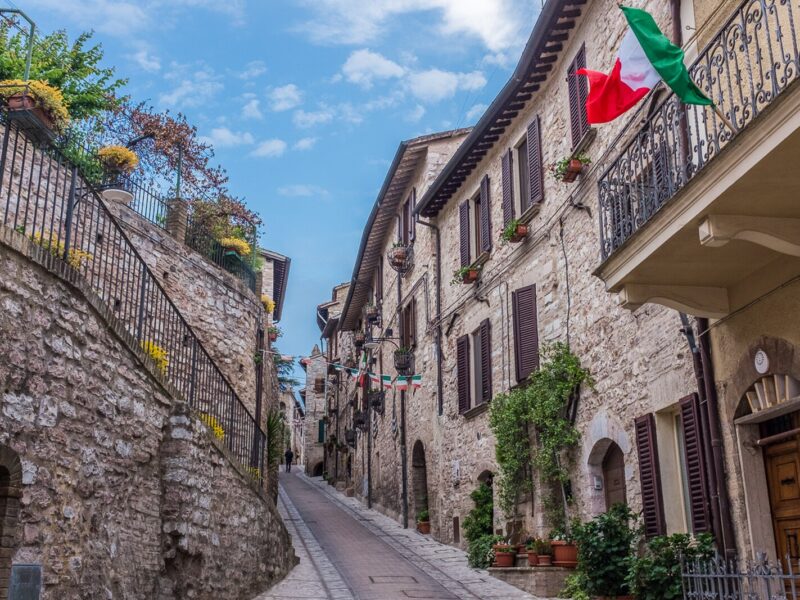
Spello
 Sea
Sea
What to see in Spello, Umbria, Italy: Roman gates, mosaic villa, medieval walls at 314 m. Discover top attractions, local food and how to get there.
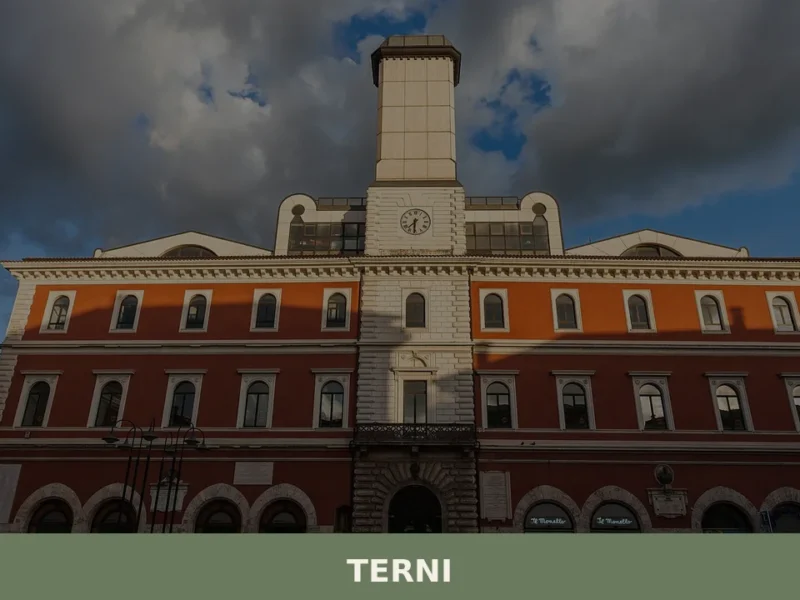
Terni
 Lake
Lake
 Plains
What to see in Terni: from the Marmore Falls to the historic center, discover the 5 top attractions. Plan your visit with the complete travel guide.
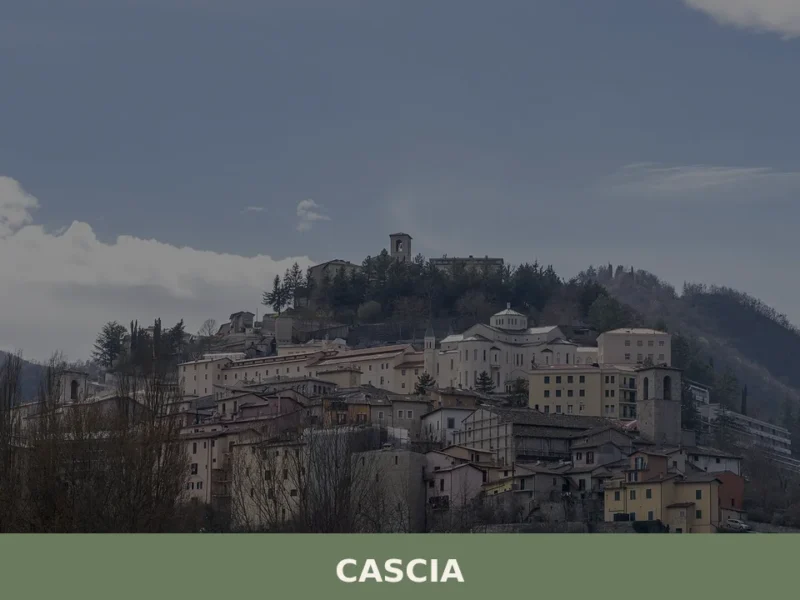
Cascia
Mountain
What to see in Cascia, Umbria, Italy: explore the Basilica of Santa Rita, medieval churches, and local truffles at 653 m altitude. Discover the full travel guide.
Acquasparta
Hills
Discover what to see in Acquasparta, Umbria: Renaissance palaces, the Cesi legacy, mineral springs, Martani Hills trails, and local food. A complete travel guide.
Monte Castello di Vibio
Hills
Monte Castello di Vibio holds the world's smallest theatre and an intact medieval centre above the Tiber valley. A complete guide to its history, attractions, and local food.

Orvieto
Hills
Orvieto stands on a dramatic tufa mesa above the Paglia Valley, home to a great Gothic cathedral and over 3,000 years of layered history. A essential destination in southern Umbria.




🏡 Know Attigliano better than we do?
If you’re a local or have been there, your knowledge matters: add what’s missing or fix a detail on this page.