


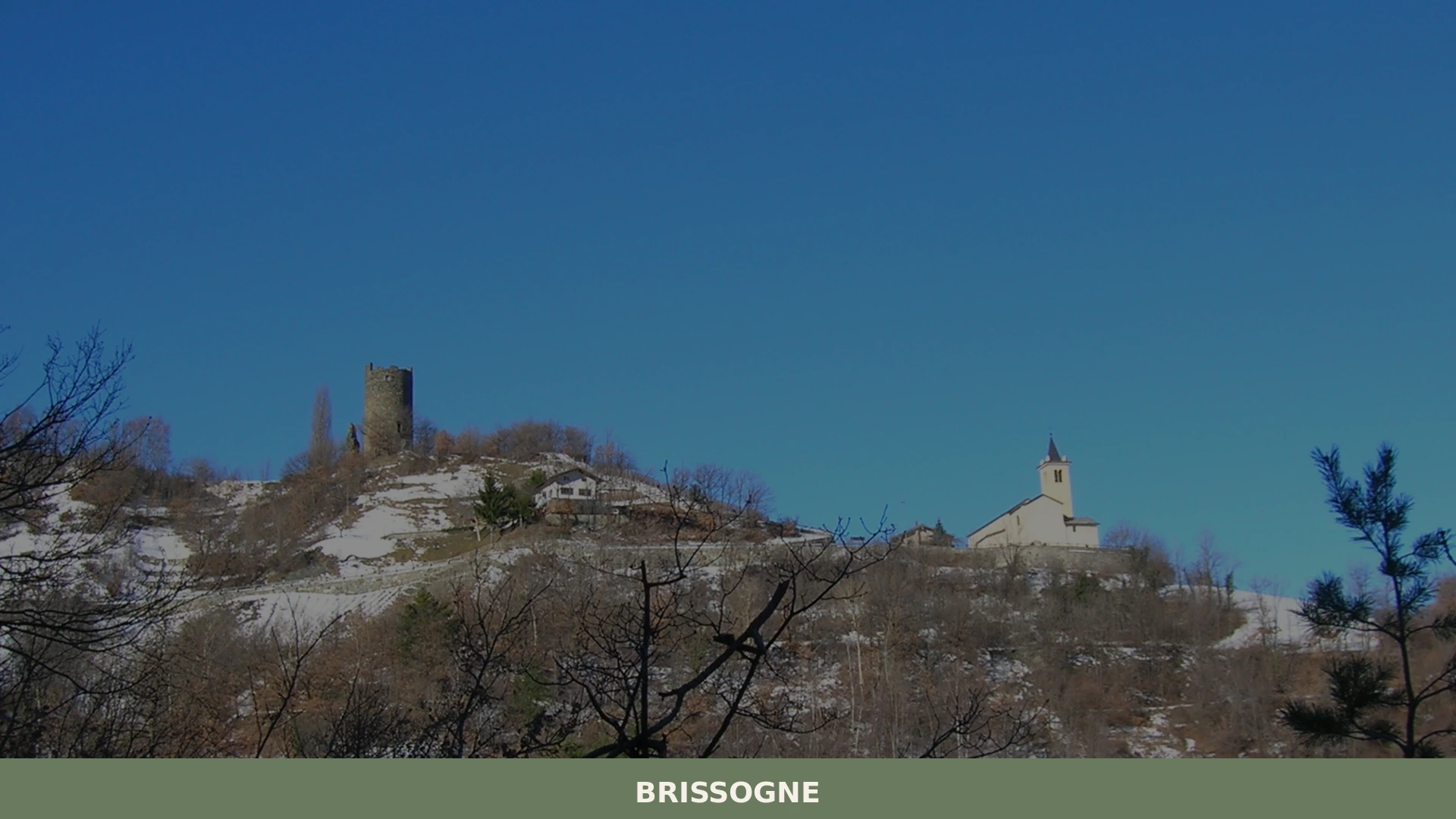

What to see in Brissogne? Discover the 5 unmissable attractions of this village in Aosta Valley. From the church to the castle, plan your visit here!
Discover Brissogne
Nine hundred and seventy-four inhabitants, a scattered municipality distributed across several hamlets, and a name that in the Valdostan patois sounds like Brèissogne: these details alone say something precise about this corner of Valle d’Aosta.
The territory stretches along the left bank of the Dora Baltea, in that valley floor belt where the mountain slopes descend steeply toward the watercourse and the hamlets rest on plateaus like fixed points in a vertical landscape.
The buildings in local stone, the votive chapels scattered between one cluster of houses and the next, the meadows climbing toward the forest: everything contributes to defining a place that has its own internal logic, built over time.
Those who want to understand what to see in Brissogne will find a territory made up of several inhabited centres, with historic churches, rural architecture from the medieval period and an alpine natural setting that offers documented hiking routes.
The municipality is located in the province of Aosta, easily reachable from the A5 motorway, and represents a useful stop for those travelling through the central Valley.
The main attractions include religious buildings of medieval origin, evidence of traditional Valdostan architecture and itineraries connecting the hamlets through the mountain landscape.
History and origins of Brissogne
The name Brissogne has its roots in a toponymy of Latin or pre-Roman origin, common to many settlements in Valle d’Aosta that occupy intermediate positions between the valley floor and the higher elevations. The scattered municipality structure, characteristic of the Valdostan territory, reflects an ancient settlement pattern: populations spread across several hamlets to make the best use of different altitudes, dedicating the lower elevations to cultivation and the higher ones to seasonal grazing.
This organisational scheme, documented throughout the western Alpine arc, can be clearly seen in the territory of Brissogne as well, where the inhabited centres still retain their distinct identity today.
During the Middle Ages, Valle d’Aosta was traversed by the great communication routes linking the Po Valley to the Alpine passes toward France and Switzerland.
The territory of Brissogne, situated along the Dora Baltea, fell within the sphere of the feudal lordships that controlled these strategic routes.
The ecclesiastical structures present in the municipality bear witness to the widespread penetration of medieval religious institutions even into smaller rural centres: the chapels and churches built between the 12th and 15th centuries served the communities of each hamlet, sparing the inhabitants from having to descend to the valley floor for ordinary liturgical services.
This religious polycentrism can still be read today in the distribution of places of worship across the territory.
Between the 17th and 19th centuries, Brissogne followed the political events that affected the entire Valdostan region: the transition to Savoyard control, the administrative transformations of the Napoleonic era with its annexation to the département of Doire, and the subsequent return to Piedmont within the framework of the Restoration.
The agricultural structure of the municipality remained essentially unchanged until the first half of the 20th century, when emigration toward the industries of the plain and of Aosta altered the composition of the population.
The municipality presents itself today as a residential settlement that maintains its rural character while gravitating toward the urban area of Aosta, the regional capital located just a few kilometres away.
What to see in Brissogne: main attractions
Parish church of Saint-Gilles
The parish church dedicated to Sant’Egidio — the saint who in France and in French-speaking areas bears the name of Saint-Gilles — is the main place of worship in the municipality and the most architecturally significant landmark in the area. The building retains elements traceable to the original Romanesque structure, modified over the centuries through interventions reflecting the tastes and liturgical needs of different eras.
The exposed stone walls, typical of Aosta Valley religious architecture, showcase the quality of local craftsmanship: squared blocks arranged in regular courses, with a structural compactness that has ensured the building’s preservation through the centuries.
Those who approach the church in the morning hours can observe how the raking light highlights the texture of the stone and the marks of manual workmanship. The interior houses decorative elements and furnishings of historical interest, consistent with the artistic tradition of the medieval Aosta Valley area.
Access is from the centre of the main hamlet.
Votive chapels of the hamlets
The territory of Brissogne is home to a series of votive chapels distributed among the various hamlets, each built in local stone following the models of rural Aosta Valley religious architecture.
These structures, generally built between the 14th and 18th centuries, served to provide a nearby place of prayer for communities scattered across the territory without requiring them to travel significant distances.
The dimensions are modest — a single nave, simple façade with an arched portal and often a small bell gable — but the constructive care is evident in the details: the carved portals, the votive frescoes preserved in some cases inside, the inscriptions documenting the dates of construction or restoration. Walking the paths connecting the hamlets means encountering these chapels in sequence, reading in the landscape a map of popular devotion that has layered itself over the course of many generations.
The most suitable period for this exploration runs from May to October, when the paths are accessible even without specialist footwear.
Traditional rural Aosta Valley architecture
The hamlets of Brissogne preserve significant examples of traditional Aosta Valley rural construction, with raccard — hay barns raised on stone pillars topped with flat stone slabs to prevent access by rodents — and granaries built according to techniques consolidated over centuries of Alpine agropastoral economy.
These buildings, constructed in stone and larch wood, display a strictly functional constructive logic: every architectural element responds to a precise requirement dictated by the Alpine climate, by the need to store hay and grain, and by the availability of local materials.
The combination of grey stone and wood darkened by the years gives the hamlets a visual coherence that distinguishes these built landscapes from any other geographical area in Italy. Some of these buildings date back to the 17th and 18th centuries, as documented by the inscriptions on the door lintels. Those who walk through the hamlets attentively can recognise the different building types and understand the logic of a mountain economy that shaped the territory for centuries.
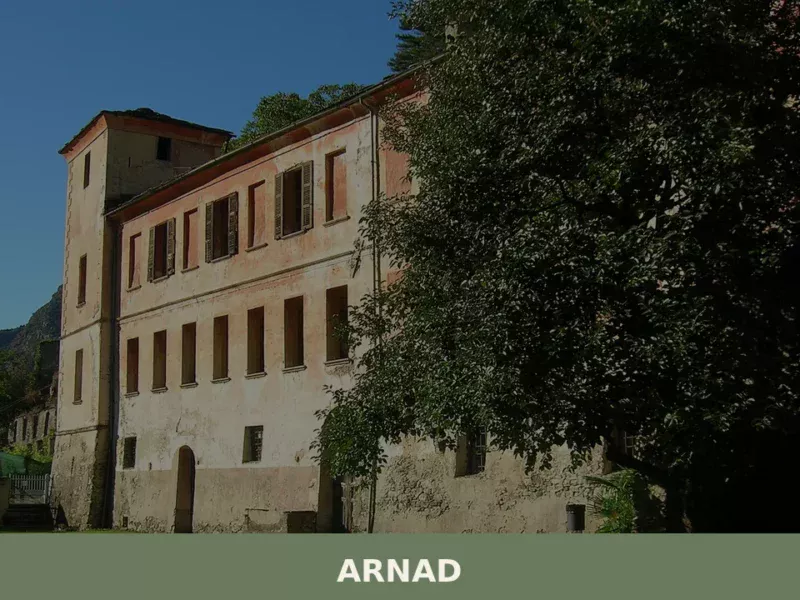
A similar context can be found in the municipality of Arnad, further east along the Dora Baltea, where traditional rural architecture is equally well preserved.
Alpine landscape and paths between the hamlets
The municipal territory of Brissogne spans a significant difference in elevation, ranging from the valley floor of the Dora Baltea up to the higher altitudes of the mountain slopes.
The paths connecting the hamlets cross meadows, chestnut and conifer woods, and stretches of Alpine pasture, offering a reading of the territory that asphalt roads do not allow. The local trail network forms part of the Aosta Valley hiking network, marked and maintained by the relevant regional bodies.
The elevation changes vary depending on the chosen route: the links between the lower-lying hamlets are accessible even to those without hiking experience, while the paths towards the higher altitudes require appropriate equipment and a reasonable level of physical fitness.
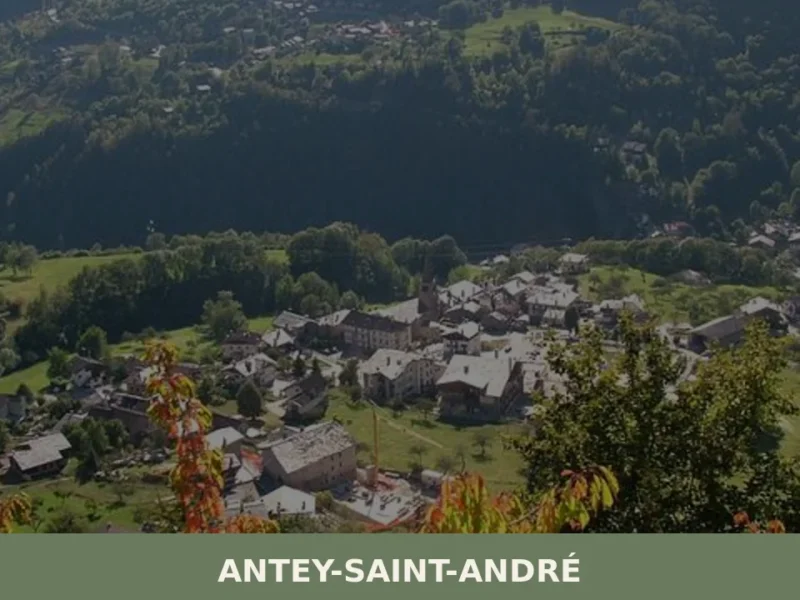
Late spring — from mid-May onwards — and summer through to September represent the optimal period, when the vegetation is at its most developed and trail conditions are generally good. Those wishing to compare this type of landscape with a more complex high-altitude setting may consider a stop at Antey-Saint-André, in the Valtournenche valley floor.
Views over the Valle d’ Aosta centrale
From the elevated position of some hamlets of Brissogne, sweeping views open up over the central Aosta Valley, with the Dora Baltea valley floor stretching eastward and westward, the opposite slopes with their settlements, and in the background the peaks of the Pennine and Graian Alps.
This privileged position — typical of scattered municipalities occupying the middle slopes of alpine valleys — allows one to read the morphology of the Valdostan landscape with a clarity that cannot be achieved from the valley floor.
The afternoon light, when it illuminates the north-facing slopes turned toward the setting sun, enhances the contrasts between wooded areas, meadows and rocky terrain.
The altitude of the higher hamlets guarantees a noticeably cooler temperature even during the summer months compared to the valley floor, where the climate can become sultry in July and August. To reach the best observation points it is necessary to walk the local trails, as the roads do not always lead to the most panoramically interesting spots.
Those curious about what to see in Brissogne will find these elevated vantage points among the most rewarding experiences the village has to offer.
Traditional cuisine and products of Brissogne
The cuisine of the Brissogne area is rooted in the gastronomic tradition of the Aosta Valley, one of the most coherent and recognisable culinary traditions in the Italian Alpine arc.
The region’s geographical characteristics — harsh winters, alpine pastures, and scarce availability of cereals compared to the Po Valley plains — have historically oriented local food culture towards high-energy-density products: cheeses, meats, rye bread, and thick soups. This tradition is not the result of aesthetic choices but of adaptation to an environment that demanded precise strategies for food procurement and preservation.
The dishes of Valdostan cuisine documented by historical sources and still found in the homes and restaurants of the region reflect this logic with consistency.
Among the most representative dishes of Valdostan cuisine also found in the Brissogne area, fonduta valdostana holds a place of primary importance: made with Fontina, a semi-hard cheese produced from whole cow’s milk, slowly melted with eggs and butter, it is the dish that more than any other embodies the region’s cheesemaking tradition.
Rye bread and fontina soup, known locally as seupa à la vapelenentse in the lower valley variants, uses stale rye bread as a base layered with cheese and vegetables, baked in the oven until a golden crust forms.
Carbonade — beef marinated in red wine and slowly cooked — represents another staple of mountain cuisine, traditionally accompanied by maize or chestnut polenta.
The most important cheese of the entire Valdostan region is Fontina, produced from the whole milk of Valdostan cows and aged for at least three months in cool, humid environments.
The Aosta Valley is the exclusive production region for this cheese, whose specification guarantees that the milk comes from cattle raised within the region.
There are no products with PDO, PGI, or PAT certification specifically associated with the municipality of Brissogne alone in the reference database, but Valdostan Fontina is the benchmark dairy product for the entire area.
Arnad lard, protected by PDO designation and produced in the municipality of according to a traditional recipe involving ageing in wooden containers with alpine aromatic herbs, is another iconic product of the lower Aosta Valley, readily available in local markets and shops in the area.
The agricultural markets and fairs of the Aosta Valley, held mainly in autumn when the summer pasturing season ends, are the primary opportunity to purchase local products directly from producers.
The désalpe — the return transhumance of animals from the high pastures to the valley floor — generally takes place between September and October and is often accompanied by folkloric events in the region’s villages.
For up-to-date information on local events and markets, the Aosta Valley Region portal publishes the updated calendar of initiatives.
Festivals, events and traditions of Brissogne
The patron saint’s feast of Brissogne is linked to the cult of Sant’Egidio, the titular saint of the main parish church, whose feast day falls on 1 September according to the Catholic liturgical calendar.
As in most Valdostan municipalities, the patron saint’s celebration represents the most important communal gathering of the year for the local community, featuring a solemn mass, a procession through the village streets, and the traditional convivial festivities that follow the religious services.
The early September date coincides with the end of the alpine summer, when agricultural and pastoral activities begin their seasonal wind-down and the community can devote time to collective celebrations.
The traditions tied to the agricultural and pastoral cycle mark the rhythm of the year in Brissogne as well, as throughout the Valdostan territory.
The désalpe, the return of the herds from the summer pastures, is one of the most anticipated events of autumn: cows adorned with garlands of flowers and cowbells make their way through the village streets in a procession that retains the character of a collective ritual, even in its more recent editions.
This connection with the pastoral cycle is documented across the entire Valdostan region and constitutes one of the most distinctive cultural expressions of the Alpine mountain territory. To check the precise dates of events in the current year, it is advisable to consult the municipality’s official website. If you are exploring what to see in Brissogne, attending the désalpe offers an authentic insight into the living traditions of this community.
When to Visit Brissogne and How to Get There
The best time to visit Brissogne depends on the purpose of the trip.
Those who wish to walk the paths between the hamlets and enjoy the Alpine landscape in its greenest form have a window from mid-May to September, with the peak beauty of the meadows falling between June and July.
August guarantees long days and pleasant temperatures at altitude, but it is also the month of greatest tourist presence throughout the Aosta Valley. September offers autumnal light, fewer crowds, and the chance to witness the désalpe. Those who prefer winter will find a completely different landscape, with the hamlets silent under the snow and an atmosphere that restores the original character of these rural Alpine settlements.
To reach Brissogne by car, take the A5 Turin–Mont Blanc motorway to the Aosta Est toll exit, from which the municipality can be reached in just a few minutes by following state road 26.
The nearest railway station is Aosta, served by the Turin–Chivasso–Aosta line.
Updated timetables are available on the Trenitalia website.
The nearest international airport is Turin Caselle, approximately 100 km away, or Geneva, reachable via the Mont Blanc Tunnel in around 130 km. Local public transport services also depart from the regional capital, connecting the municipalities of the valley: for up-to-date timetables and routes, it is always advisable to check directly with local operators, as frequencies may vary seasonally.
| Departure Point | Distance | Estimated Time |
|---|---|---|
| Turin (A5, Aosta Est exit) | approx. 110 km | approx. 1 hour 15 minutes |
| Aosta (city centre) | approx. 8 km | approx. 15 minutes |
| Turin Caselle (airport) | approx. 100 km | approx. 1 hour 10 minutes |
| Geneva (via Mont Blanc Tunnel) | approx. 130 km | approx. 1 hour 30 minutes |
Those planning a broader itinerary through the central Aosta Valley can combine a visit to what to see in Brissogne with a stop in the municipality of Allein, in the upper Gran San Bernardo Valley, where the mountain landscape and traditional rural architecture offer a useful comparison with the character of the lower and middle valley territory. The two municipalities, though some distance apart, share the scattered-hamlet settlement pattern typical of the Aosta Valley.
Frequently asked questions about Brissogne
What is the best time to visit Brissogne?
The optimal period for hiking and exploring the hamlets of Brissogne is from late spring (mid-May onwards) through summer until September, when paths are accessible and vegetation is lush. During July and August, the elevated hamlets offer noticeably cooler temperatures and panoramic views of the central Aosta Valley. For a cultural experience, consider visiting on November 25th for the patronal feast dedicated to Santa Caterina d'Alessandria, which offers a glimpse into local traditions amidst the characteristic autumn atmosphere of the mountains.
What are the historical origins of Brissogne?
Brissogne's origins trace back to a Latin or pre-Roman toponymy, reflecting its intermediate position in the valley. Its scattered municipality structure is an ancient settlement pattern designed to utilize different altitudes for cultivation and grazing. During the Middle Ages, it was strategically located along communication routes and saw the establishment of numerous ecclesiastical structures from the 12th to 15th centuries. The village later followed the political events of the Aosta Valley, including Savoyard rule and Napoleonic changes, maintaining its rural character until the 20th century.
What to see in Brissogne? Main monuments and landmarks
In Brissogne, visitors can explore the Parish Church of Saint-Gilles (Sant'Egidio), the main place of worship in the municipality. Located in the center of the main hamlet, it showcases original Romanesque elements and exposed stone walls typical of Aosta Valley architecture. Additionally, the territory is dotted with numerous votive chapels, built between the 14th and 18th centuries, which can be discovered by walking the paths connecting the various hamlets. These paths also reveal significant examples of traditional rural Aosta Valley architecture, including raccard and granaries, some dating back to the 17th and 18th centuries, offering a glimpse into centuries-old Alpine life.
What are the main natural or scenic attractions of Brissogne?
Brissogne offers a rich Alpine landscape with a network of trails connecting its hamlets, part of the official Aosta Valley hiking network. These paths traverse meadows, chestnut and conifer woods, and Alpine pastures, suitable for various fitness levels, especially from mid-May to September. From the elevated hamlets, visitors can enjoy sweeping panoramic views over the central Aosta Valley, encompassing the Dora Baltea valley floor and the majestic peaks of the Pennine and Graian Alps. Accessing the best viewpoints often requires walking these local trails.
Where to take the best photos in Brissogne?
For stunning photographs in Brissogne, head to the elevated hamlets, which offer sweeping panoramic views of the central Aosta Valley, the Dora Baltea river, and the surrounding Alpine peaks. The afternoon light, particularly when illuminating north-facing slopes, creates dramatic contrasts ideal for landscape photography. Additionally, the Parish Church of Saint-Gilles, with its exposed stone walls, provides excellent photographic opportunities in the morning hours, when the raking light beautifully highlights the stone's texture and craftsmanship. Exploring the connecting trails will lead to numerous picturesque spots and votive chapels.
Are there museums, churches or historic buildings to visit in Brissogne?
Yes, Brissogne offers several historic buildings to visit. The most significant is the Parish Church of Saint-Gilles (Sant'Egidio), located in the main hamlet, which retains Romanesque elements and traditional Aosta Valley stone architecture. Throughout the various hamlets, you can discover numerous votive chapels, dating from the 14th to the 18th centuries, often featuring preserved frescoes and intricate details. Furthermore, the hamlets showcase remarkable examples of traditional rural Aosta Valley architecture, including ancient raccard (hay barns) and granaries, some from the 17th and 18th centuries, illustrating centuries of Alpine agricultural life.
What can you do in Brissogne? Activities and experiences
Brissogne is ideal for outdoor activities and cultural exploration. Visitors can embark on hiking excursions along the well-marked trails that connect the various hamlets, offering diverse elevation changes and stunning Alpine scenery. This allows for the discovery of votive chapels and traditional rural architecture firsthand. Enjoy panoramic viewpoints over the central Aosta Valley and the surrounding peaks. The village also provides an authentic experience of traditional Valdostan life, with opportunities to appreciate local cuisine and products.
Who is Brissogne suitable for? Families, couples, hikers, solo travelers?
Brissogne is particularly suitable for hikers and nature lovers, offering a range of trails from easy walks between lower hamlets to more challenging routes towards higher altitudes. It appeals to those seeking tranquility and authentic rural Alpine charm, with its traditional architecture and scattered settlements. Cultural enthusiasts will appreciate the historic churches and votive chapels. Its proximity to Aosta makes it a convenient stop for travelers exploring the central Valley, appealing to couples and solo travelers looking for a blend of natural beauty, historical insight, and peaceful surroundings.
What to eat in Brissogne? Local products and specialties
NULL
Nearby Villages near Brissogne
In Aosta Valley More villages to discover
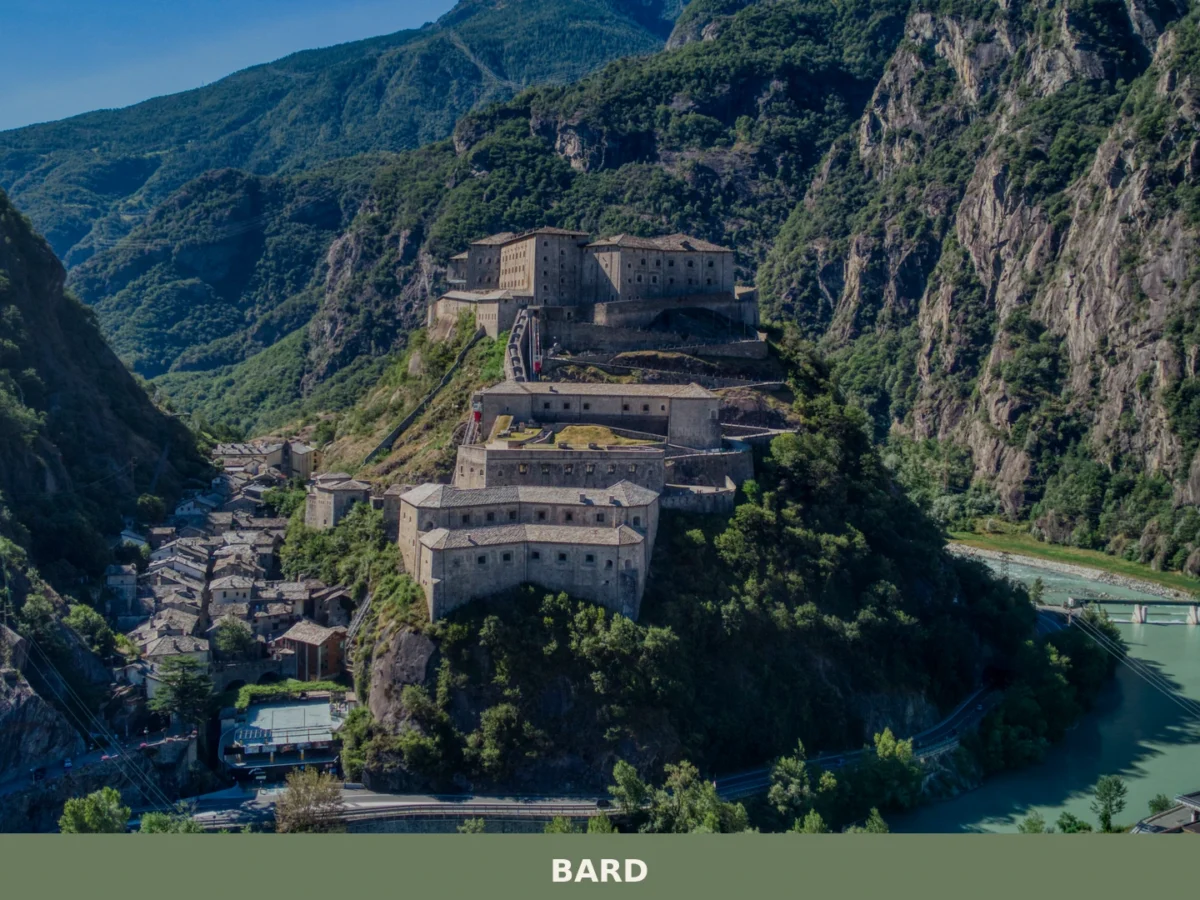
Bard
 Mountain
What to see in Bard, Valle d'Aosta, Italy: explore the Fort, medieval streets and local food. Bard sits at 400 m. Discover top attractions and how to get there.
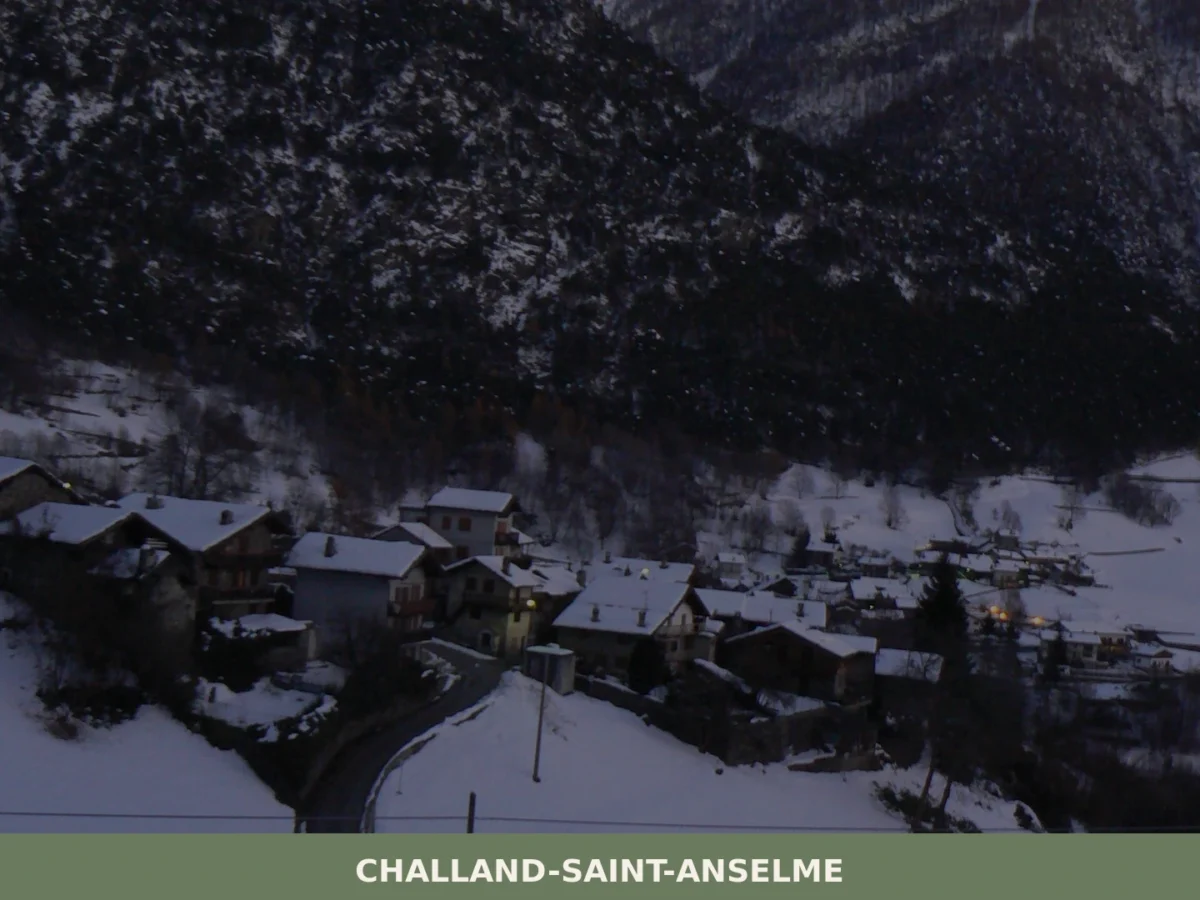
Challand-Saint-Anselme
Mountain
What to see in Challand-Saint-Anselme, Italy? Discover its 1036 m (3,399 ft) altitude, ancient mills, and the Church of Saint-Anselme. Explore this mountain village.
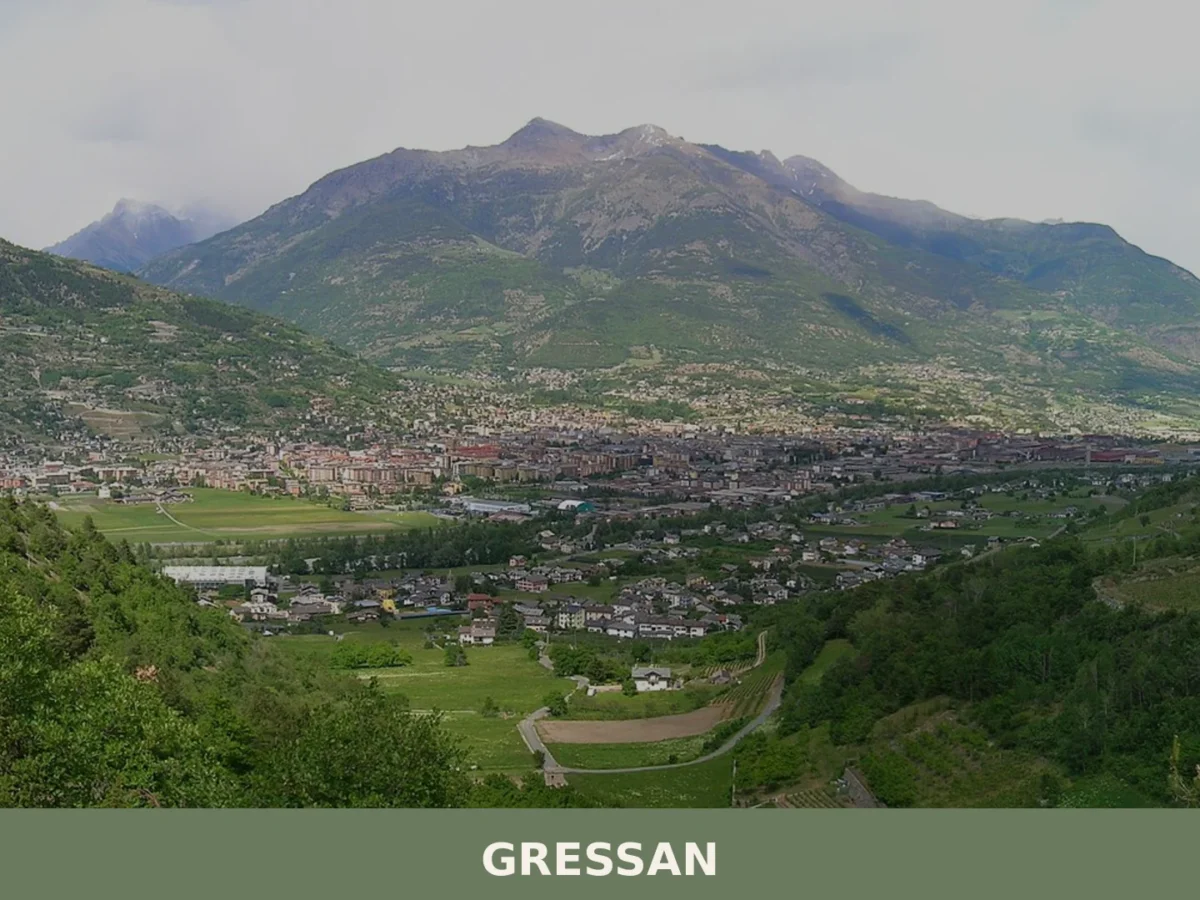
Gressan
Mountain
Gressan is a mountain commune of around 3,300 inhabitants in the Valle d'Aosta, rich in medieval heritage, natural landscapes and alpine traditions.
Avise
Mountain
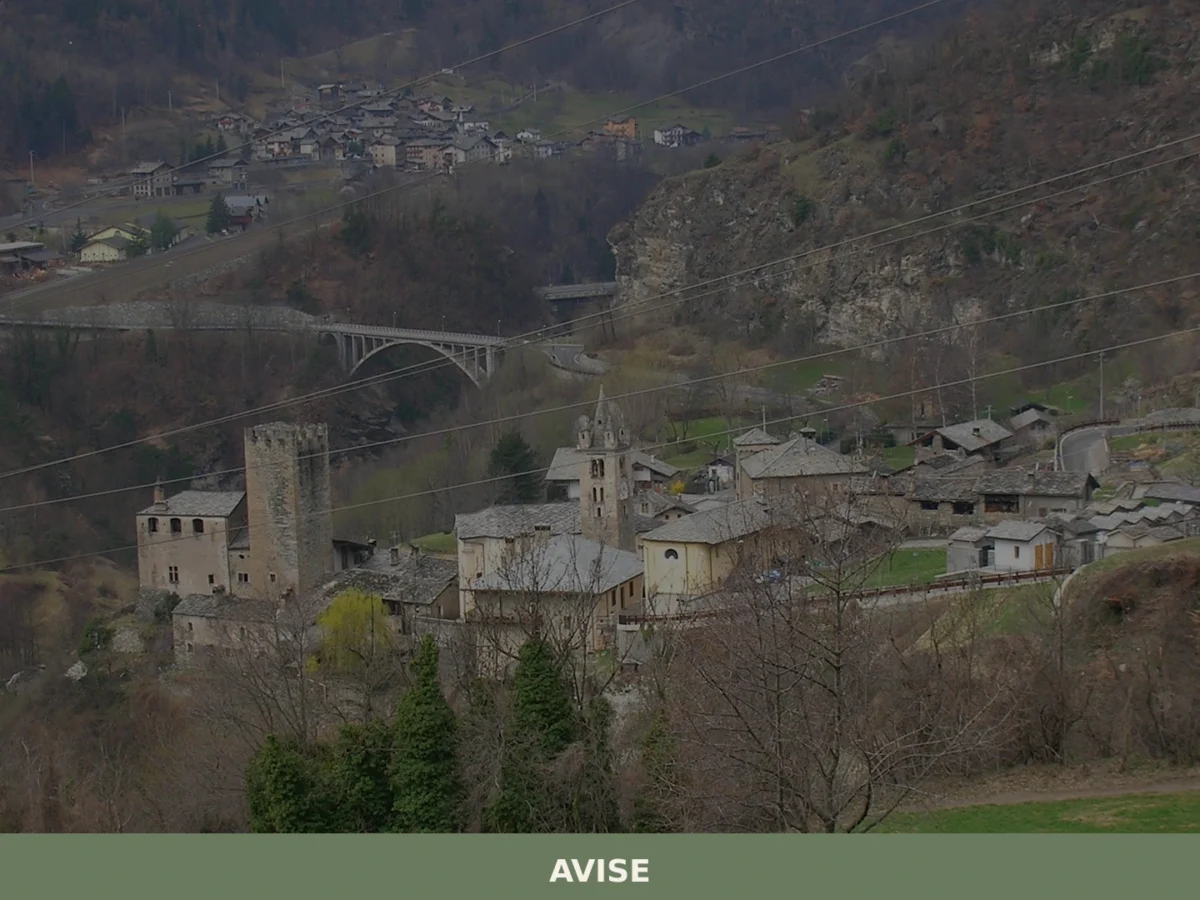
Discover what to see in Avise: a medieval castle, Romanesque church, alpine vernacular architecture and valley views in the upper Valle d'Aosta at 996 metres.
Gaby
Mountain
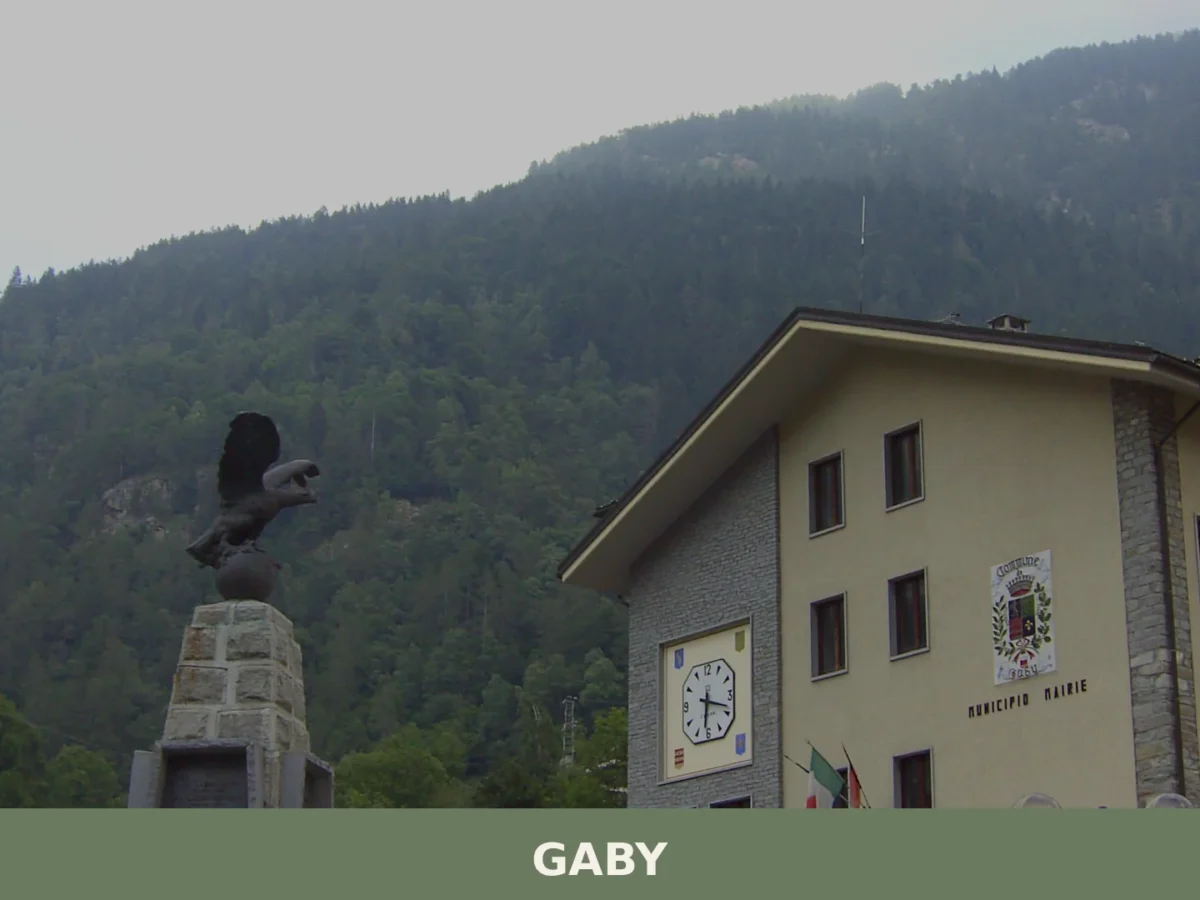
Gaby is a small mountain commune in the Valle d'Aosta, set at 1,050 metres in the Lys valley between Issime and Gressoney-Saint-Jean, where Walser heritage, francoprovençal culture and alpine scenery
La Thuile
Mountain
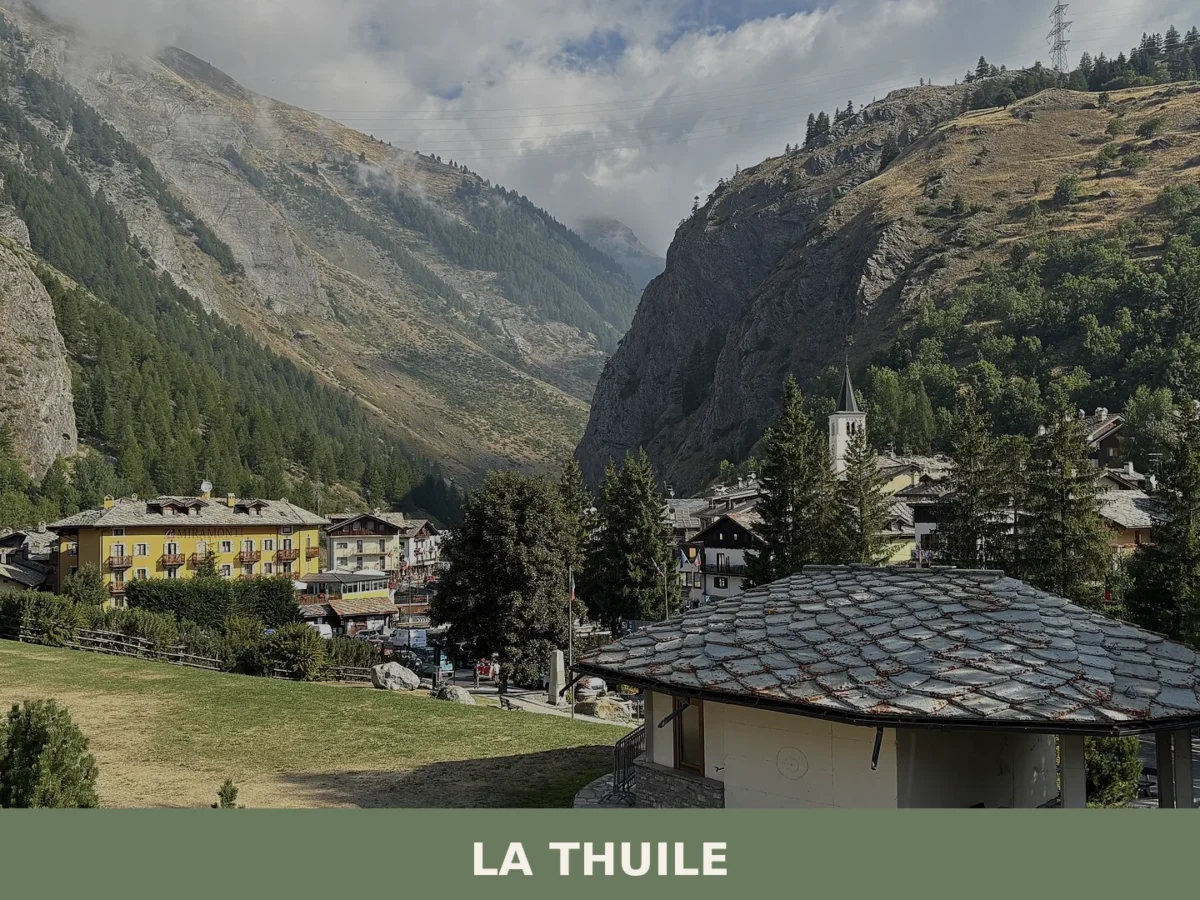
La Thuile is an Alpine municipality at 1,455 metres in the Aosta Valley, a historic mountain crossing between Italy and France with 774 residents and over 126 square kilometres of high-altitude landsc
Aymavilles
Mountain
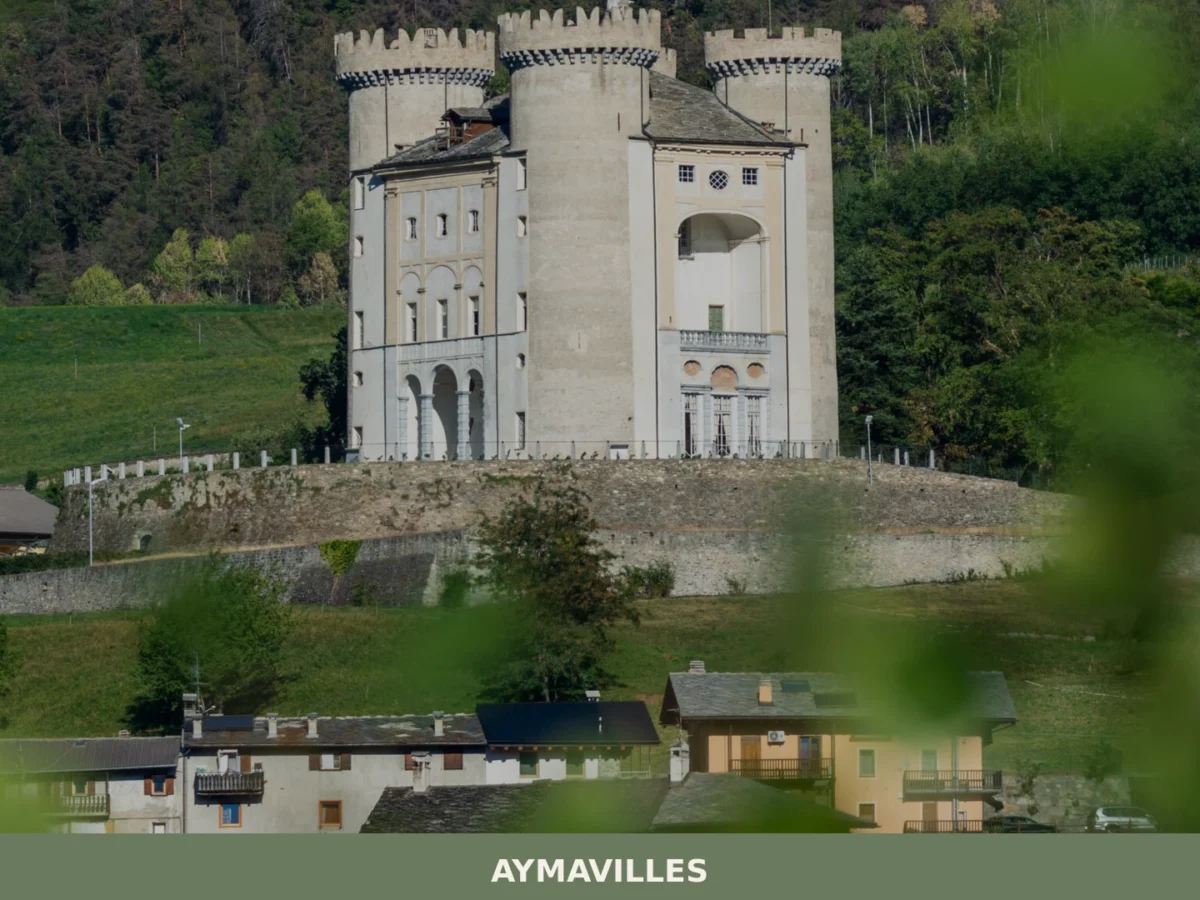
What to see in Aymavilles, Italy: explore the Roman Pont d'Aël bridge over a 66 m gorge and Alpine trails. Discover top attractions in Valle d'Aosta.
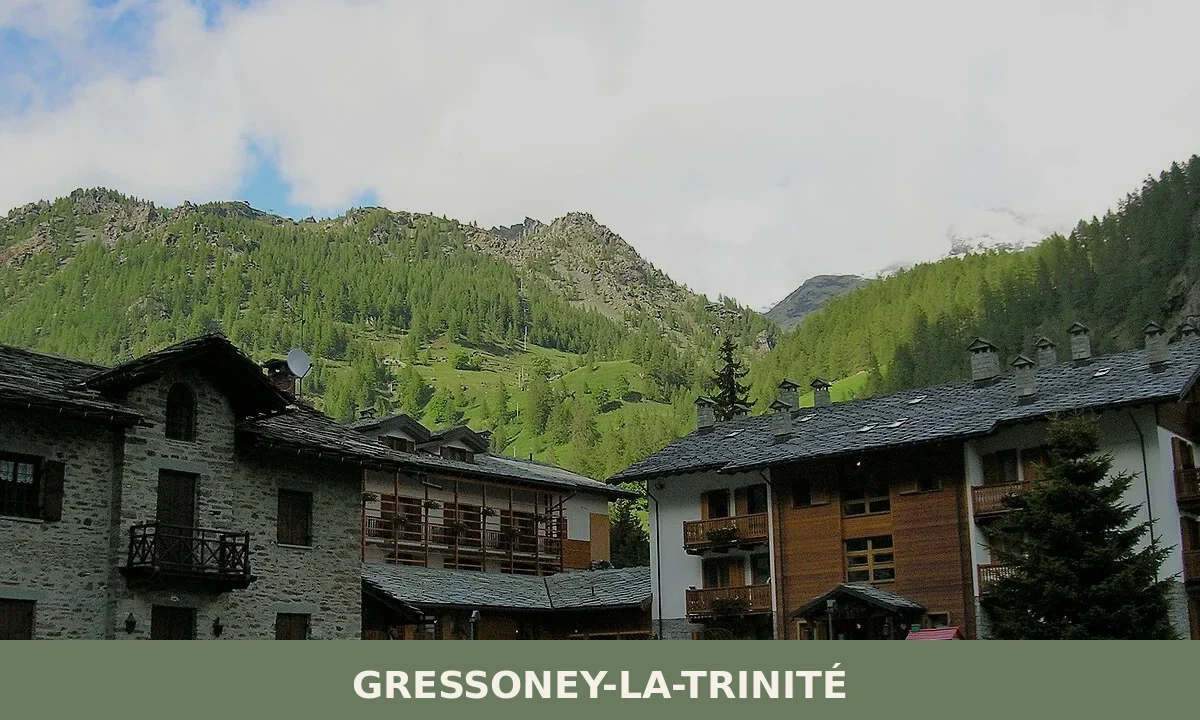
Gressoney-La-Trinité
Mountain
Gressoney-La-Trinité is a 322-inhabitant Walser commune at 1,629 metres in the Valle del Lys, Valle d'Aosta, set against the glaciers and high peaks of the Monte Rosa massif.
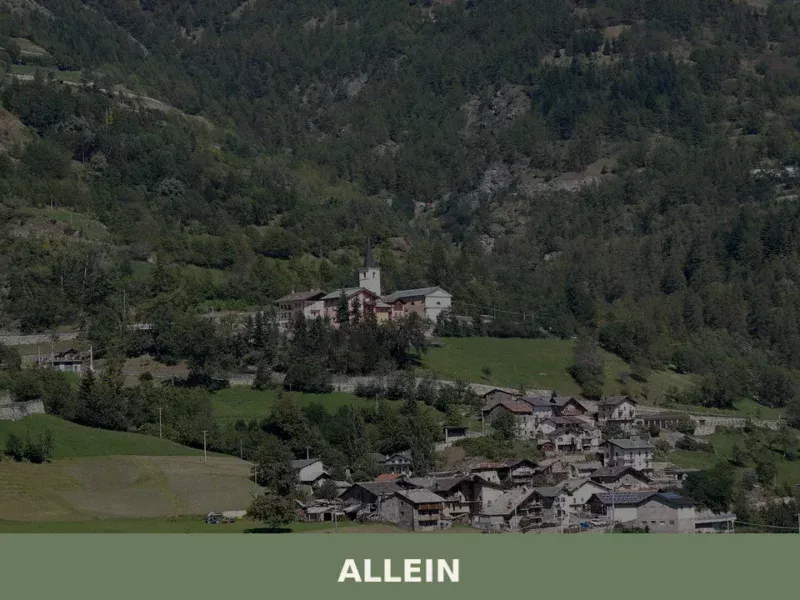
Allein
Mountain
Discover what to see in Allein, a 198-resident comune sparso in the Gran San Bernardo Valley, Valle d'Aosta. History, food, and travel tips.
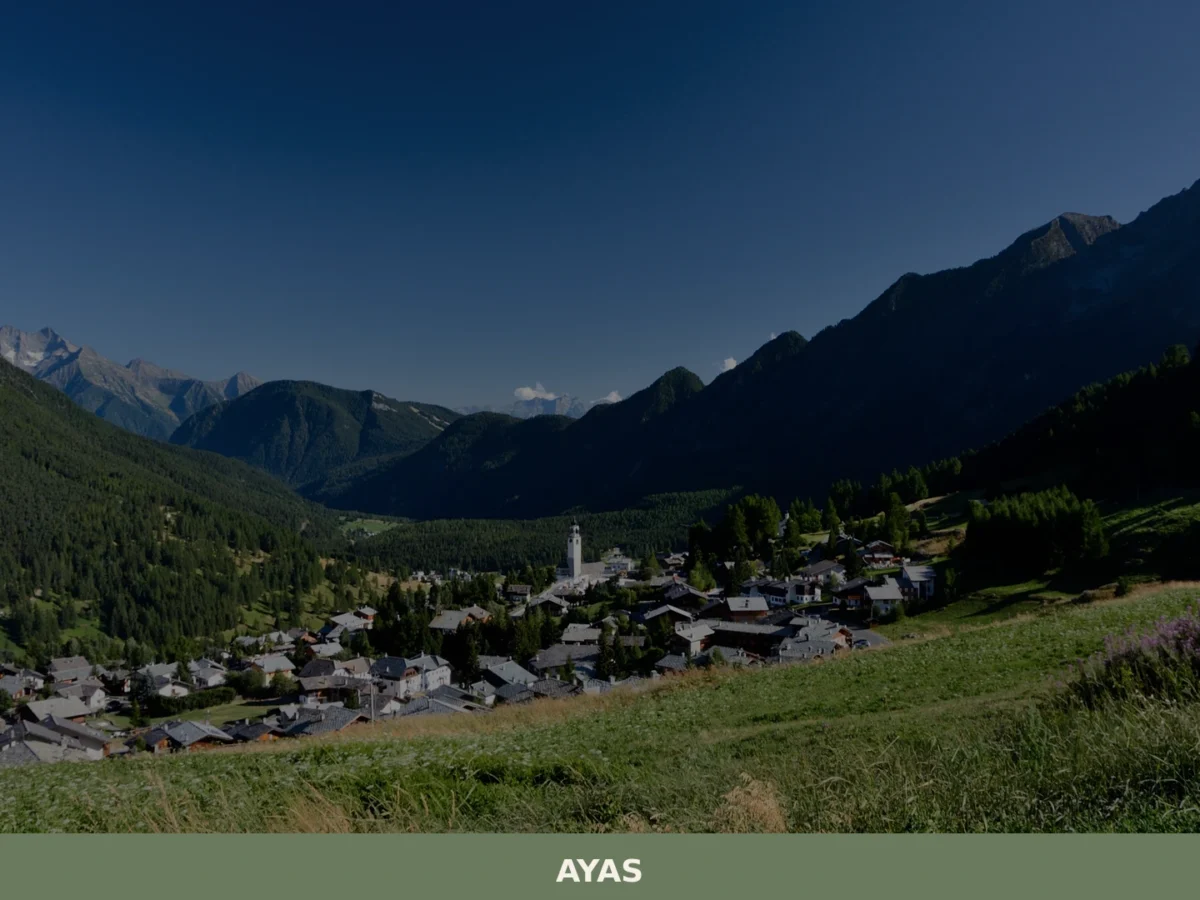
Ayas
Mountain
What to see in Ayas, Valle d'Aosta, Italy: explore alpine villages at 1,600 m, medieval chapels and local cuisine. Discover top attractions and how to get there.



🏡 Know Brissogne better than we do?
If you’re a local or have been there, your knowledge matters: add what’s missing or fix a detail on this page.