


Vicchio
 Hills
Hills
A Florentine village of 8,000 souls in the Mugello Valley, Vicchio gave the world two painters who transformed Italian art. Medieval towers, sacred art museums and Etruscan archaeology define its landscape.
Vicchio: Where Two Masters of Art Shaped the Renaissance
An Image Carved in Stone and Light
The Mugello Valley floor rises gently toward the Apennines, and at 203 metres above sea level sits Vicchio, a village where terracotta rooftops and pale stone facades catch the afternoon light as they have for centuries. The Sieve river runs nearby, and the surrounding hills roll soft and green, interrupted by the vertical punctuation of a medieval tower or a church spire. The air carries the smell of earth and stone—the physical signature of a place that has known both creation and catastrophe.
Vicchio, a comune of just over 8,000 residents in the province of Florence, rests in the middle Mugello, a territory shaped by two Renaissance painters and a series of tremors, wars and intellectual rebellions that carved its modern identity. Visitors come to walk the birthplace of Giotto, to stand before the works of Beato Angelico, and to sense the landscape where Etruscan communities once made pottery and left behind the evidence of their hands.
“Vicchio è la patria di due pittori che hanno fatto grande l’arte figurativa: Giotto e il Beato Angelico.” — The village itself holds this pride as its defining truth, written into its public memory and its museums.
Birthplace of Masters: Art, Resilience and Upheaval
The identity of Vicchio rests on two figures whose names shaped Western visual culture. Giotto, born at Vespignano in the Vicchio territory, broke the conventions of Byzantine painting and opened the door to perspective and human emotion in art. The house where he was born, on the hill of Vespignano, draws visitors each year who stand at the threshold where a shepherd boy learned to draw. In 1901, the writer Giosuè Carducci, a regular guest of the noble Giarrè Billi family in the hamlet of Pilarciano, presided over the ceremony that raised Giotto’s statue in the central piazza—a bronze monument to the village’s most famous son.
Beato Angelico, the Dominican friar whose paintings glow with gold leaf and sacred geometry, also belonged to this territory. His legacy is preserved in the Museum of Sacred Art and Popular Religiosity, opened in 2000, which gathers works rescued over decades from rural chapels and family chapels threatened by theft and neglect. In front of the museum stands a bronze figure of Beato Angelico created by sculptor Sergio Benvenuti: the friar stands upright in Dominican robes, his gaze directed upward, clutching the palette, set square and brushes to his chest—a replica of the statue already present in the Basilica of San Marco in Florence.
The 20th century brought trauma as well as cultural memory. On 29 June 1919, Vicchio became the epicentre of one of Italy’s major earthquakes, with a magnitude of 6.2. Of 1,500 dwellings, 700 were destroyed and 500 damaged beyond repair. More than a hundred people died; thousands lost their homes. The medieval walls fell, and three of the six towers were levelled. Two of the larger towers, the Tower of the East and Tower of the West, were deliberately demolished by the German army during its retreat in 1944. Only the Torre Cerchiai, with its rare pentagonal base and medieval origins, survives today, visible from Piazza della Vittoria.
The Second World War left deeper scars. On 6 March 1944, partisans occupied the village and executed fascist sympathisers. Reprisals came swift: on 12 March, militias of the Italian Social Republic rounded up draft dodgers and young men in hiding. Five of them—named Leandro Corona, Ottorino Quiti, Antonio Raddi, Adriano Santoni and Guido Targetti, all twenty-one years old—were executed on 22 March by the Banda Carità on the charge of draft evasion. They were later honoured with the Gold Medal for Civil Valour by President Giorgio Napolitano on 25 April 2008. Between 10 and 11 July 1944, German forces carried out a massacre in the hamlet of Padulivo, killing fifteen civilians in reprisal for the death of a German soldier.
In the small fraction of Barbiana, the priest and pedagogue don Lorenzo Milani arrived after the Curia reassigned him, seeking to silence what it regarded as an uncomfortable voice. He founded a school for the children of farm labourers—children who should have been working the fields—and his teaching and writings shook the educational debates of the 1960s. The Church of Sant’Andrea at Barbiana preserves his memory and remains a site of pilgrimage for those interested in his vision of social education.
Churches and Sacred Spaces
Pieve of San Giovanni Battista
The parish church of San Giovanni Battista, the patron saint of Vicchio, was completed around 1447, though sacred worship at this site traces back further through earlier structures. In the 16th century the church underwent transformation, eventually receiving a Greek-cross plan with a small central cupola, three aisles and a square bell tower. The artist Galileo Chini decorated the interior in 1909; the 1919 earthquake nearly destroyed it, but restoration and expansion followed. The façade shows Tuscan Renaissance style, graced by a portico with Renaissance columns.
Oratory of San Filippo Neri (Chapel of Mercy)
Built in the early 17th century as an oratory of the Confraternity of the Blessed Sacrament, this chapel has served since 1910 as the seat of the Confraternity of Mercy of Vicchio. Inside, protected in a crystal case, lies a wax crucifix—a work of extraordinary anatomical precision by Clemente Susini, the celebrated wax artist of the La Specola museum in Florence. The Confraternity obtained a solemn papal blessing from Pope Pius VI before transporting the figure from Florence to Vicchio, an act that underscored its spiritual and artistic worth.
Church of San Martino at Vespignano
This church, documented as early as 1218, stands on the highest point of the ancient Vespignano castle site. Its patrons were the Bishop of Florence and the Risaliti family, local nobility whose names echo through the territory. The church commands views across the valley and connects directly to the legend of Giotto’s birthplace, making it a point of pilgrimage for those tracing the painter’s origins.
Church of Sant’Andrea at Barbiana
This modest church, small in scale but large in modern significance, was the parish church where don Lorenzo Milani conducted his revolutionary educational work until 1967. The church itself has become a beacon for visitors interested in his pedagogy and his commitment to educating the rural poor. Its simple interior reflects the spirit of the man who served there.
Archaeology and Medieval Stones
Poggio Colla Etruscan Site
Excavations directed by Professor Gregory Warden of American universities have revealed the remains of Etruscan settlement and ritual practice at Poggio Colla. The site is open to visitors during the summer excavation seasons in June and July, offering a rare chance to witness archaeological work in progress and to touch the continuity of Mugello settlement reaching back more than two thousand years.
Bridge of Ragnaia (Cimabue’s Bridge)
Near the state road 551 and not far from Vespignano stands the Bridge of Ragnaia, commonly called Cimabue’s Bridge. Its present structure dates to the 16th century and replaced a medieval bridge that, according to local tradition, was the site of the legendary meeting between the master painter Cimabue and a young shepherd boy named Giotto, who was sketching a sheep. Whether historical or legendary, the bridge connects two names bound forever in art history.
The Table of the Mugello
The Mugello valley produces grains, fruits and vegetables in the rich alluvial soils along the Sieve and its tributaries. The surrounding hills yield wine grapes, and the cooler altitudes support chestnuts, walnuts and hazelnuts. Farm households traditionally preserved foods through winter using salt, smoke and fermentation, practices that shaped the region’s flavour profile. Olive oil and locally raised meats feature in the cooking of the area, though the village sits in a zone where both mountain and plain agriculture coexist, lending variety to the table.
How to Visit Vicchio
Vicchio lies in the Mugello, north of Florence and east of the autostrada A1. The village sits on the railway line connecting Pontassieve to Borgo San Lorenzo, making it accessible by train from Florence with a journey of about 40 minutes. The station is within walking distance of the centro storico. If you arrive by car, regional roads connect Vicchio to Firenze to the south and to the towns of the upper Mugello to the north. A car offers access to the hamlets and archaeological sites scattered across the comune, though the village centre itself is best explored on foot.
Spring and autumn are ideal seasons for visiting. The weather is mild, the light clear, and the valley green without the heat of summer. Winter can bring rain and occasional snow at altitude, while July and August see the greatest visitor numbers. The Museum of Sacred Art and Popular Religiosity, the Etruscan excavations (seasonal), and the house of Giotto at Vespignano form the core of a 2–3 day visit. Walking routes connect nearby villages: the Panoramica road from Gattaia offers sweeping views across the Mugello toward the Apennines and toward the neighbouring comune of Borgo San Lorenzo.
| Departure | Distance | Journey Time |
|---|---|---|
| Florence (city centre) | ~50 km | 50 min by train; ~1 h by car |
| Borgo San Lorenzo | ~15 km | 20 min by car |
| Scarperia e San Piero | ~20 km | 25 min by car |
| Florence airport (FLR) | ~60 km | ~1 h 15 min by car |
A modest but functional infrastructure supports visitors: small hotels, agriturismos and guesthouses offer accommodation; restaurants and bars serve local dishes in the piazza and along the main streets. Tourist information is available at the municipal offices on Piazza della Vittoria. The Museo di Arte Sacra is the principal cultural institution; opening times vary seasonally, so advance inquiry is advisable. Many of the smaller churches outside the village centre are locked outside of Mass times—ask at the municipality for keys or contact information.
The territory of Vicchio, part of the Unione Montana dei Comuni del Mugello, shares cultural and natural resources with the surrounding villages. Borgo San Lorenzo to the west, Barberino di Mugello to the north, and other Mugello comuni form a loose network of historical sites and landscape features that reward deeper exploration over several days.
Frequently asked questions about Vicchio
How do I reach Vicchio from Florence by car or public transport?
Vicchio lies approximately 40 kilometres north of Florence in the province of Florence. By car, take the A1/E35 motorway toward Bologna and exit at Barberino di Mugello, then follow regional roads toward the Mugello valley. The nearest railway station is at Borgo San Lorenzo, about 12 kilometres away, served by regional trains from Florence. Local buses connect the station to Vicchio village centre. Journey time from Florence is roughly 1–1.5 hours by car.
When is the best time to visit Vicchio, and what events should I know about?
Late spring through autumn offers ideal weather for exploring the village and surrounding chestnut forests. The patron saint feast of San Giovanni Battista (Saint John the Baptist) is celebrated in June, featuring processions and local celebrations. Olive harvest season (September–November) and grape harvest (August–October) reflect agricultural traditions. Mild temperatures in May and September make these months especially pleasant for outdoor activities and cultural visits.
What documented walking or cycling routes are available around Vicchio?
The Mugello valley and surrounding hills offer multiple trekking and mountain-biking opportunities. The CAI (Italian Alpine Club) maintains several marked trails through chestnut forests and medieval landscapes in the area. Visitors can explore routes connecting Vicchio to nearby villages and rural communes. Detailed trail maps and route information are available through local tourism offices and regional hiking resources. The terrain suits both casual walkers and experienced trekkers.
How long should I plan to spend in Vicchio, and where can I park?
A full cultural visit—including Giotto's birthplace, Beato Angelico monuments, and the central piazza—requires 3–4 hours. Overnight stays allow exploration of the broader Mugello valley. Parking is available in the village piazza and surrounding streets; free street parking is typical in the village centre. During peak tourist seasons, arriving early ensures accessible parking. Monument opening hours vary; contact local tourism information ahead of your visit for current schedules.
What is the historical significance of Giotto and Beato Angelico's connection to Vicchio?
Giotto (1267–1337), founder of Renaissance painting, was born on the hill of Vespignano near Vicchio. In 1901, poet Giosuè Carducci led a committee erecting Giotto's statue in the central piazza, marking the village's formal identity as the birthplace of Western art's Renaissance. Beato Angelico (1395–1455), the Dominican friar-painter, was also born here and honoured with a bronze monument. Both artists remain central to Vicchio's cultural heritage and draw pilgrims and art historians worldwide.
📷 Photo Gallery — Vicchio


In Tuscany More villages to discover
Certaldo
 Plains
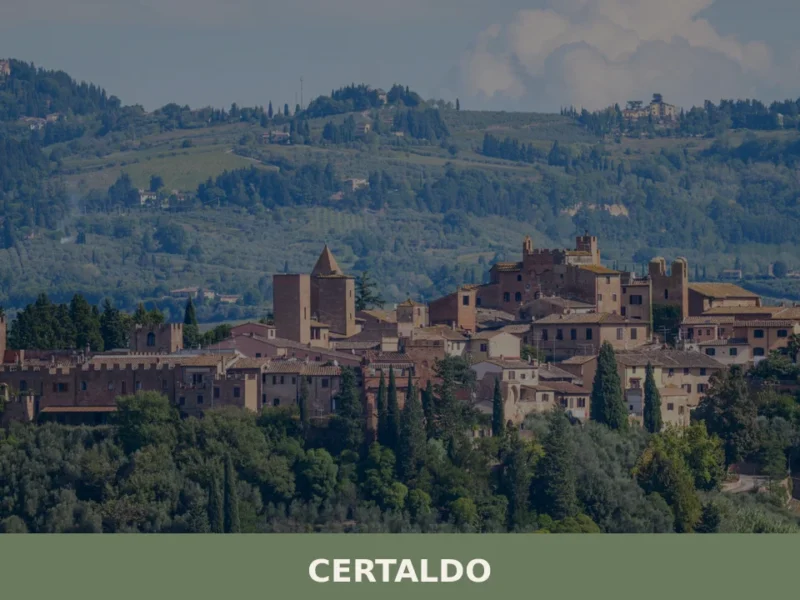
Red brick rises above the Valdelsa in distinct horizontal courses, the same fired clay that built the house where Giovanni Boccaccio is documented to have died in 1375. The upper town, Certaldo Alto, sits at 67 m (220 ft) above sea level on a ridge that divides the valley floor from the surrounding hills, its […]
Villafranca in Lunigiana
Plains
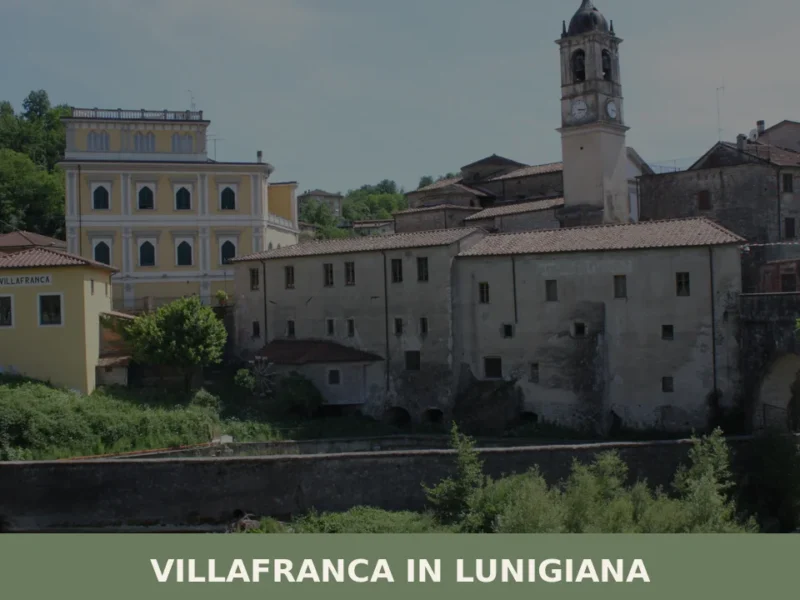
What to see in Villafranca in Lunigiana: explore the Via Francigena, medieval churches and local cuisine in Toscana, Italy. Population 4,803. Discover it now.
Tresana
Plains
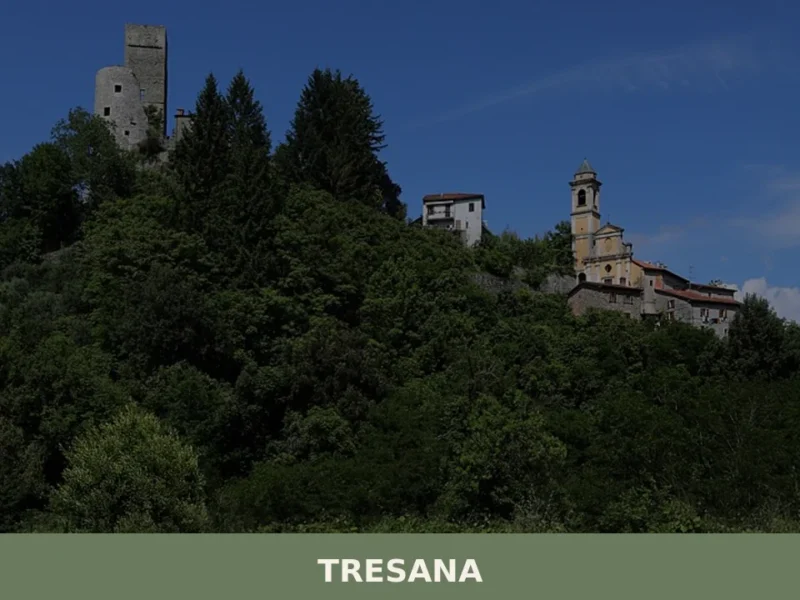
Standing at 112 metres above sea level, in the valley floor where the Osca stream flows into the River Magra, Tresana is a scattered municipality in the province of Massa and Carrara, made up of over thirty hamlets spread between the plain and the surrounding hills. With a population of 2,071, it is one of […]
Zeri
 Mountain
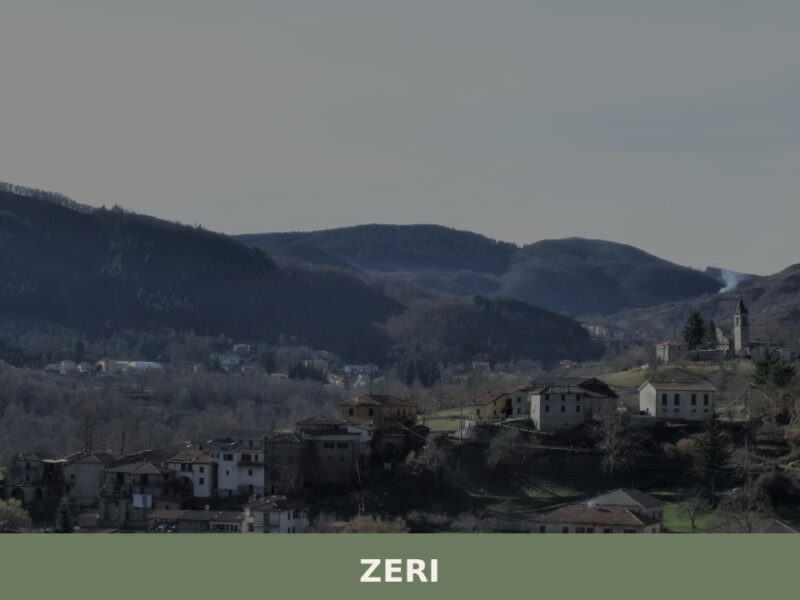
Morning mist lifts slowly from the Lunigiana valley floor, revealing a scattering of stone hamlets across green ridgelines that roll toward the Ligurian border. The air carries wood smoke and the distant sound of cowbells — the famed Zerasca breed still grazes these highlands. Zeri, a municipality of 1,166 inhabitants in the province of Massa […]
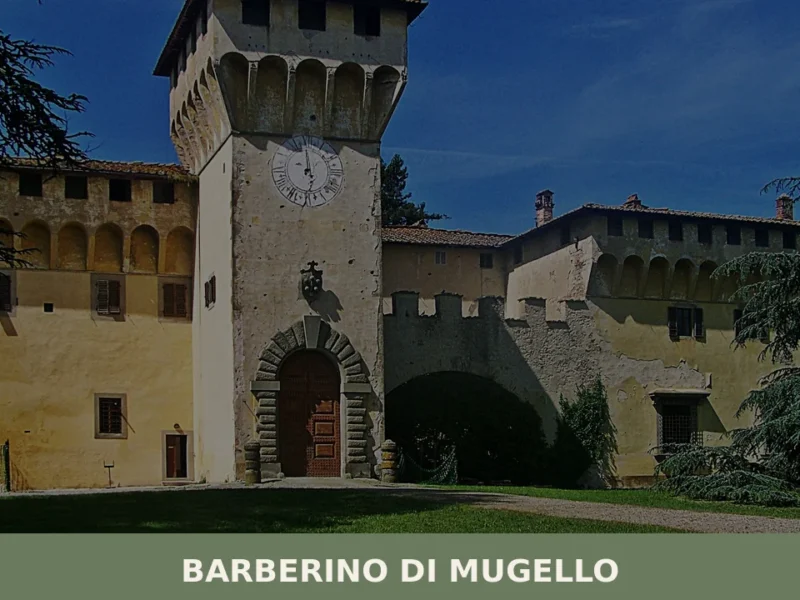
Barberino di Mugello
Hills
What to see in Barberino di Mugello, Italy: explore the Villa Medici of Cafaggiolo, local food traditions, and a town of 10,751 inhabitants. Discover the full guide.
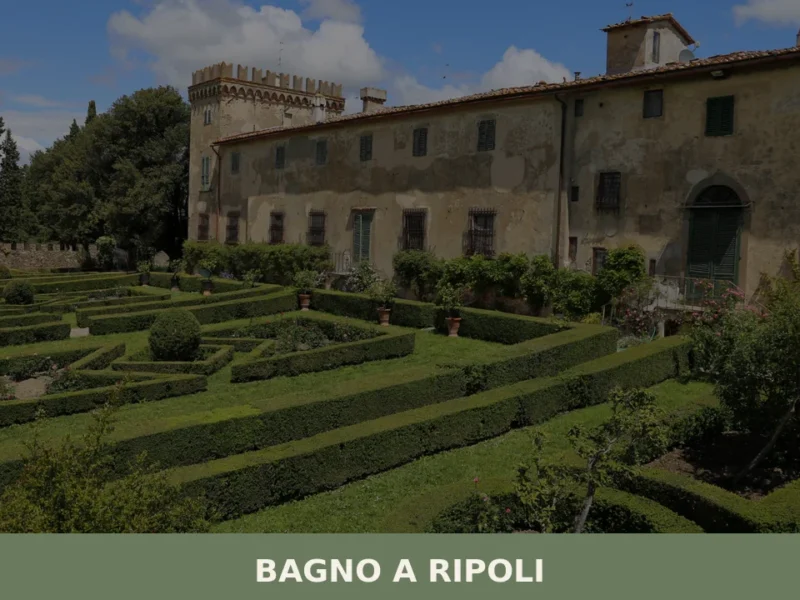
Bagno a Ripoli
Plains
What to see in Bagno a Ripoli, Italy: 25,488 inhabitants, 7 km from Florence. Discover top attractions, local food, and how to get there. Explore now.
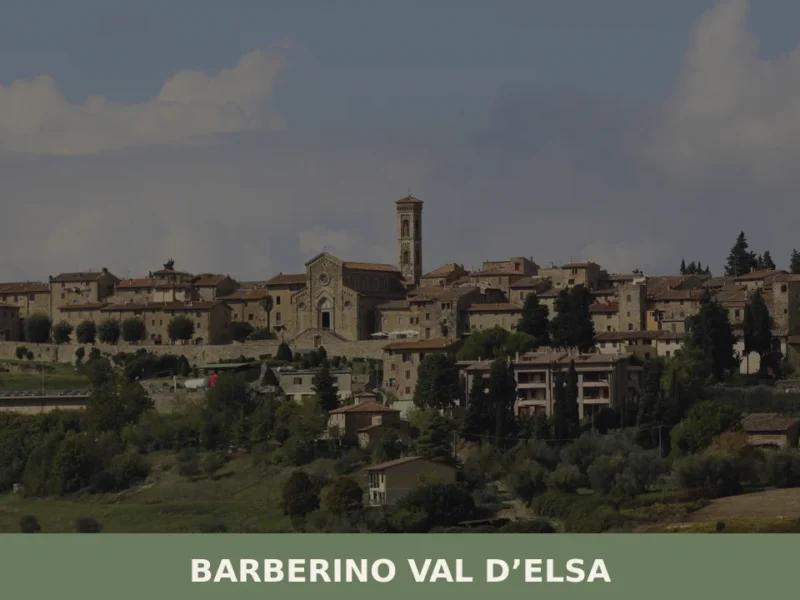
Barberino Val d’Elsa
Hills
The 14th-century walls still enclose the historic centre of Barberino Val d’Elsa within an almost intact perimeter, with two town gates that filter access to the village just as they did six centuries ago. In this article History and origins of Barberino Val d’Elsa What to see in Barberino Val d’Elsa: main attractions Traditional Cuisine […]
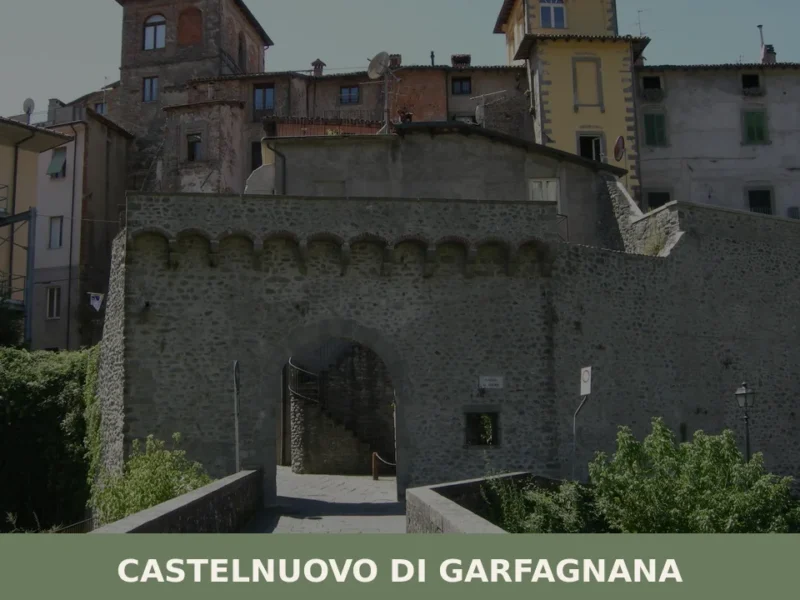
Castelnuovo di Garfagnana
Hills
What to see in Castelnuovo di Garfagnana: Rocca Ariostesca, the Cathedral and the historic centre. Discover the guide to plan your visit to this Tuscan village.
Mulazzo
Hills
In 1306, a notary from the village of Mulazzo signed the deed granting hospitality to Dante Alighieri, exiled from Florence and welcomed by Marquis Franceschino Malaspina. That document — known as the Peace of Castelnuovo — ties Mulazzo to Dante’s biography in a direct and documented way. Anyone wondering what to see in Mulazzo today […]
Abbadia San Salvatore
Mountain
Discover what to see in Abbadia San Salvatore: the Lombard abbey, medieval borgo, mercury mining museum and Monte Amiata. Practical travel guide for Siena province.

🏡 Know Vicchio better than we do?
If you’re a local or have been there, your knowledge matters: add what’s missing or fix a detail on this page.