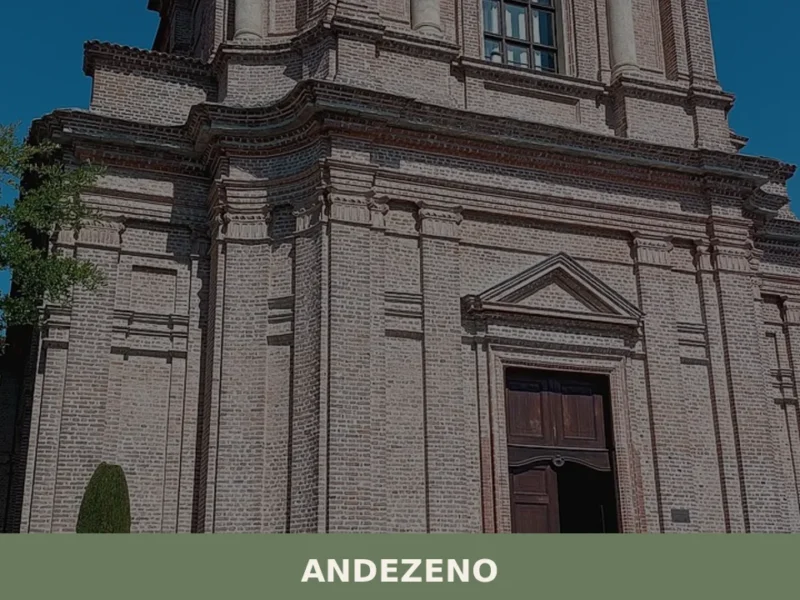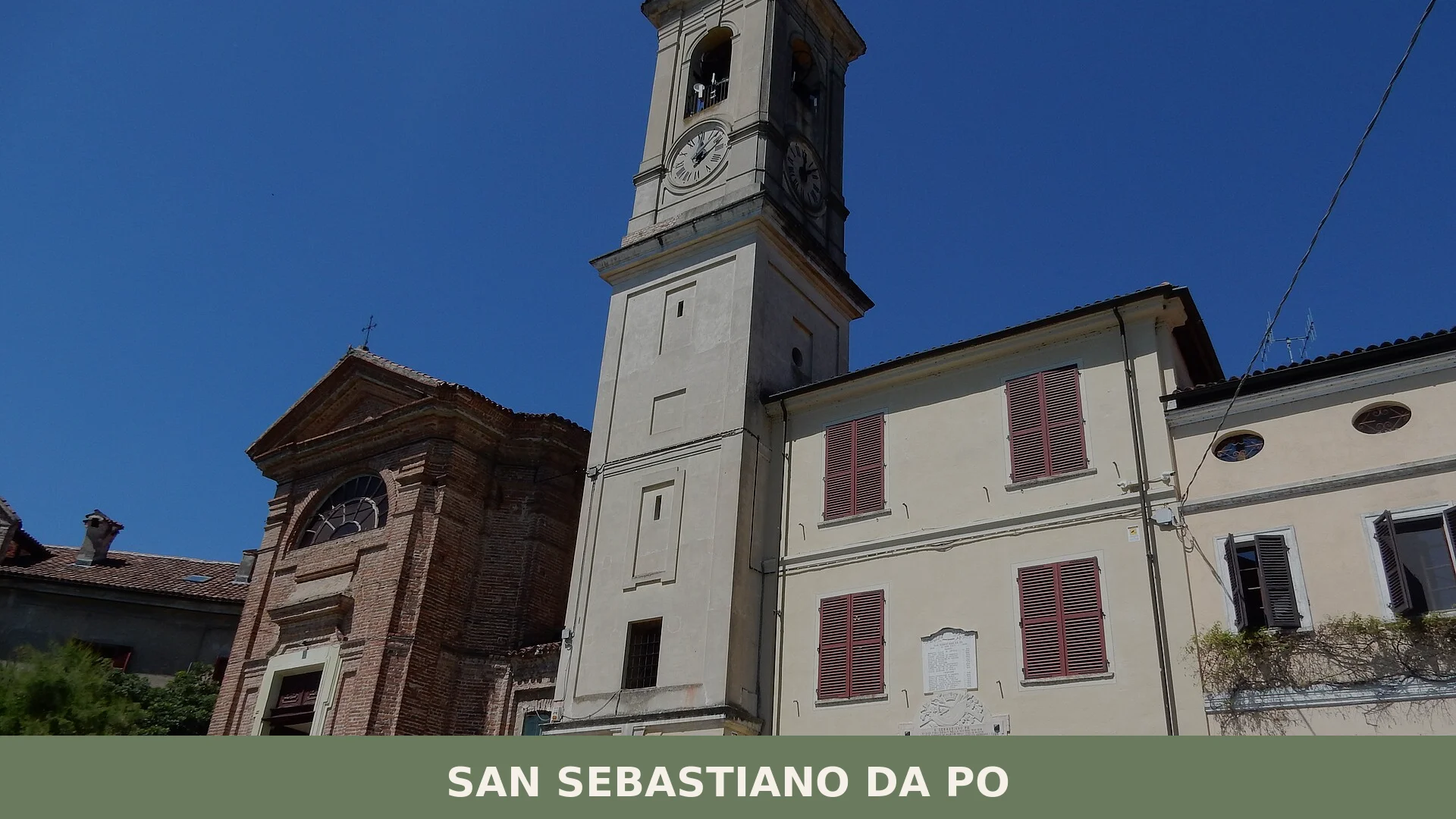
The valley of the Leona torrent opens onto the Padana plain at barely two hundred metres of altitude, its low hills rising to four hundred metres on either side. Here, where the watercourse once fed a busy river port, stands San Sebastiano da Po—a village of 1,855 inhabitants in the province of Turin, Piedmont.
San Sebastiano da Po village in Piedmont lay at the border between two states for centuries: the marchesate of Monferrato and the duchy of Savoy. Its identity was forged not in isolation, but in the friction of feudal jurisdictions, taxed by both Gonzaga lords and ducal treasuries, its population sustained by wine sales and the affitti of common lands.
From Aleramici to Savoy: The Long Tenure of Monferrato
Certainty about San Sebastiano begins in 1278, when a document records it as an already distinct territory, though originally coterminous with Radicata. The village was probably already centuries old by then, part of the sprawling marchesate of Monferrato, under the Paleologi line until the death of Gian Giorgio, the last legitimate heir, in 1533.
The succession crisis opened the floodgates. Carlo V assumed jurisdiction over the marchesate, and in 1536 granted it in fief to Federico II Gonzaga, duke of Mantua. That same year, the armies of Francesco I of France invaded much of Piedmont and Monferrato. San Sebastiano rendered formal homage to the French king in 1538 and again on 1 April 1539, though it would not remain in French hands. The peace of Cateau Cambrésis in 1559 ended the wars that had ravaged the entire region.
San Sebastiano lay at the frontier: Chivasso and Casalborgone belonged to the Savoyard dukes, while San Sebastiano remained Monferrato territory. Its port on the Po—built when the river still flowed at the foot of the hills before later embankments forced its course—served both the village and Radicata, the feudal domain that shared the crossing. Radicata had once been a feud of Chivasso, whose citizens enjoyed exemption from ferry tolls, a privilege recorded in the original document of 1278.
By the early 1600s, after the war of succession in Mantua and Monferrato, the Treaty of Cherasco transferred San Sebastiano and other communities on the right bank of the Po to the duchy of Savoy. The Radicati counts had long dominated as absolute lords; by 1604 they still held much of the jurisdiction but now shared it with nine other co-lords.
The Life of a Mediate Community: Council, Statutes, and Taxation
San Sebastiano was never a free commune, but rather a terra mediata—held as a mediate fief of the marquess of Monferrato. Its administration unfolded within statutory norms and council decrees, approved by the co-lords and the marchese. From 1540 to 1556, council meetings convened in the chapel of the Beata Vergine Maria, in the parish church, or in private homes. By 9 January 1557, the council had acquired its own seat, and all subsequent congregations met there until at least 1590.
The podestà headed the council and wielded full jurisdiction; two consoli served six months each, enforcing statutes and proposing matters for debate; eleven councillors, drawn from household heads deemed credible and honest, could delegate a family member to represent them. A notary recorded proceedings and authenticated minutes. Every six months, the council elected estimators, auditors, boundary verifiers, and other officials; most posts—the cashier, the town crier, the gravedigger—were auctioned off to the highest bidder during the burning of a candle.
The fundamental tool was the catasto, a register of all allodial—feudally unencumbered—property, assessed at market value. In 1562, San Sebastiano’s communal catasto totalled 1,074 soldi, five denari and a half. By apportioning the tax burden across these estimates, the council could levy taglie proportionally. Yet the communal treasury remained perpetually strained: gifts to the Gonzaga fell upon the village as forced donations. Revenue came only from timber sales and the rental of common lands. Many inhabitants were too poor to pay in coin; the town crier and other officeholders accepted grain, legumes, or labour in kind.
The population depended entirely on field crops and wine sales. The barber provided medical services and other care to villagers. By the late 1600s, Vittorio Amedeo II imposed tax equalisation, requiring all proprietors, including nobles and clergy, to furnish original documentation of their holdings, closing loopholes that had long exempted feudal acquisitions from the public burden.
The Parish Church of San Sebastiano
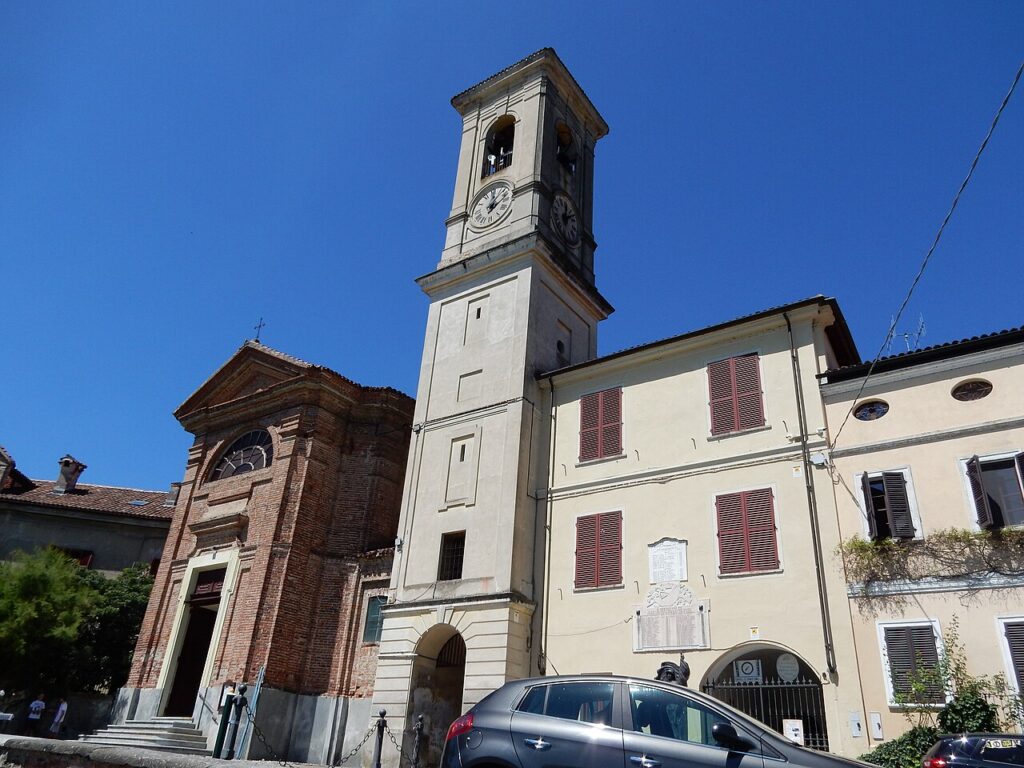
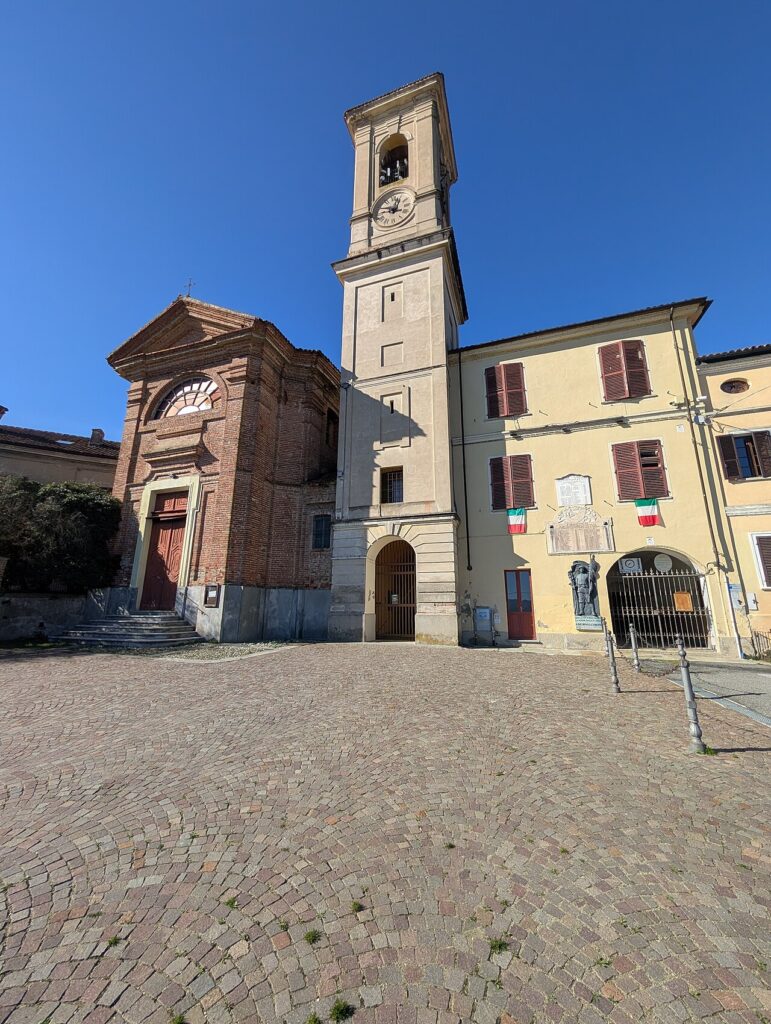
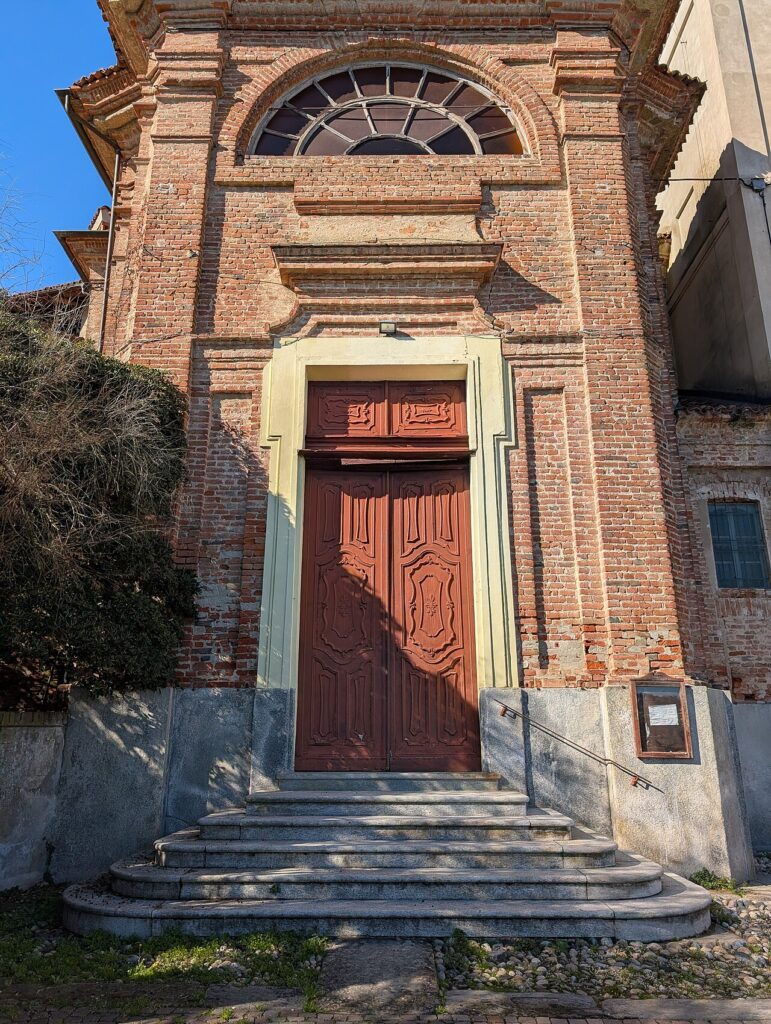
At the summit of the medieval village stood a small chapel dedicated to San Sebastiano, patron of the commune. The larger parish church occupied the central piazza, serving both as sacred space and as a meeting hall for the council in the 1540s and 1550s. San Sebastiano Martire is venerated on 20 January, the day when the village remembers its protector.
The River Port and Economic Life
The Po port was vital to San Sebastiano’s modest economy. Before the river was constrained by engineered banks, it flowed freely past the foot of the colline, and the crossing at San Sebastiano served both local traders and travellers between Monferrato and Savoy. Tolls and ferriage fees were split among the co-lords, while the ducal camera collected duties on all goods transported overland or by water. The port gave the settlement strategic value, anchoring its identity as a threshold between two powers.
Flavours of the Po Plain
The land surrounding San Sebastiano yields wine and grain, the staples of Piedmontese agriculture. Wine production and sale formed the backbone of household income; small surpluses reached local markets and distant fairs. Traditional Piedmontese products such as Toma Piemontese and Nocciola del Piemonte represent the culinary heritage of the region.


 Mountain