


Castiglione Messer Raimondo
 Hills
Hills
What to see in Castiglione Messer Raimondo, Italy: explore 5 top attractions near Gran Sasso, medieval history and local food. Discover Abruzzo’s Teramo province.
Discover Castiglione Messer Raimondo
The Gran Sasso massif rises to the east, its limestone flanks defining the skyline above the Teramo hills. In the valley below, the medieval borough of Castiùne — as locals still call it — holds its ground on the agricultural plain of central Abruzzo, its stone core compact enough to walk end to end in minutes, its economy still anchored to the surrounding fields rather than to tourist flows.
The name itself carries the trace of a feudal past: a fortified settlement once associated with a lord named Raimondo, recorded in the administrative language of medieval Italy.
Deciding what to see in Castiglione Messer Raimondo means working through a concentrated set of medieval and ecclesiastical monuments within a comune that belongs to the province of Teramo, Abruzzo, Italy.
The borough stands near the Gran Sasso d’Italia massif, placing it within reach of both mountain landscapes and lowland agricultural territory. Visitors to Castiglione Messer Raimondo find a well-preserved historic centre, a number of documented religious buildings, and a surrounding countryside that has shaped local food production for generations. The Castiglione Messer Raimondo highlights include its medieval urban fabric and proximity to some of the most geologically significant terrain in the central Apennines.
History of Castiglione Messer Raimondo
The settlement takes its full name from the medieval feudal system that organised much of the Abruzzo interior during the Norman and Angevin periods.
The element Castiglione derives from the Latin castellione, denoting a fortified place or a secondary fortification, while Messer Raimondo refers to a feudal lord — a messer being a title applied to knights and landowners in medieval Italian usage. This naming pattern, combining a topographic descriptor with a personal title, was common across the territory of the Kingdom of Naples, of which Abruzzo formed a part for several centuries. The village thus carries in its very name the social and administrative structure of a specific historical moment.
As a comune in the province of Teramo, Castiglione Messer Raimondo developed within a broader network of medieval settlements that occupied the foothills between the Adriatic coastal plain and the Gran Sasso massif.
This corridor of territory was strategically important during the medieval period, connecting lowland agricultural zones with mountain passes.
The nearby village of Atri, one of the oldest and most historically documented towns in the Teramo province, illustrates the density of medieval and Roman-era settlement in this part of Abruzzo. Castiglione Messer Raimondo belonged to the same administrative and ecclesiastical geography, subject to the shifting jurisdictions of local lords, the Church, and eventually the Bourbon Kingdom of the Two Sicilies before Italian unification in 1861.
Following unification, the comune was incorporated into the administrative structure of the unified Italian state, retaining its historic name and its essentially agricultural character. The twentieth century brought the changes common to much of the Apennine interior: outward migration toward coastal cities and the industrial north, a reduction in the active farming population, and a consolidation of landholdings.
Despite these demographic shifts, the medieval layout of the historic centre remained largely intact, and the economy continued to rest on agriculture — the condition documented into the present day.
The surrounding fields produce grain, vegetables, and livestock, maintaining a productive relationship with the land that predates the comune’s recorded history.
What to see in Castiglione Messer Raimondo, Abruzzo: top attractions
The Medieval Historic Centre
The compact stone core of the village preserves a street plan that reflects medieval spatial logic: narrow lanes converging on a central open space, with residential buildings constructed in local stone against one another to conserve heat and defensive coherence. Walking through the historic centre, a visitor can read the successive phases of construction in the varying courses of masonry — earlier rough-cut blocks at the base of walls giving way to more regularised stonework at upper levels.
The historic centre sits at an elevation that places it above the surrounding agricultural plain, providing clear orientation toward the Gran Sasso massif approximately 30 km (18.6 mi) to the west. The best time to explore on foot is early morning, when the lanes are quiet and the light comes in low from the east.
The Parish Church
Religious architecture forms the most durable layer of the built fabric in Castiglione Messer Raimondo, as in most Abruzzo comuni of comparable scale. The parish church, serving the local community continuously over multiple centuries, represents the principal religious monument within the village perimeter.
Its fabric incorporates elements from different construction phases, a common feature of Abruzzo ecclesiastical buildings that were rebuilt or extended following earthquake events, several of which affected the Teramo province during the eighteenth and nineteenth centuries.
The interior typically preserves devotional furnishings — altarpieces, carved wooden choir elements, votive objects — that document local religious practice across several generations. Visitors should note that access may be restricted to morning hours outside of Sunday services.
The Surrounding Agricultural Landscape
The territory of the comune extends across a section of the Teramo hill country where cereal cultivation, olive groves, and livestock grazing have structured the landscape for at least a millennium. From the edge of the village, the view covers a sequence of cultivated ridges dropping toward the Vomano and Tordino river valleys, with the Gran Sasso range closing the horizon to the west at elevations above 2,900 m (9,514 ft).
This agricultural landscape is not incidental background: it is the economic and cultural foundation of the settlement, documented explicitly as the basis of the local economy.
Walking the unpaved tracks between fields in spring, between March and May, gives direct access to a working landscape at its most visually coherent, with winter crops still green and fruit trees in flower.
The Approach from the Gran Sasso Foothills
The road approach to Castiglione Messer Raimondo from the direction of the Gran Sasso massif passes through a section of the Apennine foothill zone where the geology shifts from mountain limestone to the clay and sandstone formations of the Teramo basin.
This transition, visible in road cuttings and stream banks, explains both the agricultural productivity of the lower ground and the construction materials used in the village.
The drive covers roughly 30 km (18.6 mi) from the Gran Sasso National Park boundary, taking approximately 35 to 40 minutes on provincial roads. Those arriving from Teramo city, located about 25 km (15.5 mi) to the north-east, pass through a landscape of moderate hills with scattered farmhouses and occasional roadside shrines — a representative cross-section of interior Abruzzo topography.
The Local Cemetery and Memorial Monuments
In Italian comuni of this scale, the municipal cemetery typically contains the most concentrated collection of nineteenth and twentieth-century commemorative sculpture, recording the names and dates of local families across generations of agricultural and artisan life.
Castiglione Messer Raimondo’s cemetery, positioned at the margin of the built area following post-Napoleonic regulations that required burial grounds to be placed outside inhabited perimeters, follows this pattern.
The funerary monuments — ranging from simple crosses in local stone to more elaborate marble markers from the early twentieth century — document demographic data not always available in other public records: family names, lifespan distributions, the impact of the two World Wars on a small rural community. The site is accessible year-round and is most visited by local families on 2 November, the Feast of All Souls.
Local food and typical products of Castiglione Messer Raimondo
The food traditions of Castiglione Messer Raimondo are those of the Teramo hill country, where the kitchen has historically worked with what the surrounding fields and pastures produce: hard wheat, legumes, vegetables grown in household plots, pork from seasonal slaughter, and sheep’s milk cheese from flocks grazed on both lowland and upland pastures. This is not a cuisine of refinement or courtly influence but one shaped by the practical demands of agricultural labour and seasonal availability.
The proximity to the Gran Sasso massif brought transhumance routes through or near this territory, connecting the village’s food culture to the broader pastoral economy of central Abruzzo.
Among the dishes most consistently associated with the Teramo tradition, virtù occupies a particular place: a complex soup prepared on 1 May combining dried legumes, fresh spring vegetables, pasta offcuts, and cured pork parts, traditionally using up the last of the winter stores.
The technique requires long cooking and the layering of ingredients at different stages, producing a thick, mineral-tasting dish that varies from household to household. Maccheroni alla chitarra — square-section egg pasta cut on a wire-strung wooden frame called a chitarra — is the standard pasta format throughout the Teramo province, typically served with a lamb ragù or a tomato-based sauce enriched with sheep’s intestines.
Arrosticini, short skewers of mutton or castrated sheep meat grilled over elongated charcoal braziers, appear at virtually every outdoor gathering and are prepared with a precision of cut and heat management that local cooks treat as a technical discipline.
The cheesemaking tradition of the area draws on sheep’s and mixed milk, producing formats that range from fresh pecorino consumed within days of production to aged rounds capable of months of maturation. Pork products — cured hams, salami, and ventricina, a spreadable cured sausage seasoned with dried sweet and hot peppers — are produced in the autumn and winter months following household pig slaughter, a practice that, while less universal than in previous generations, continues in rural households in the Teramo province.
No PDO or PGI certified products specific to Castiglione Messer Raimondo are recorded in the available sources, but the village participates in the broader certified production zones of the Teramo territory.
Local markets and seasonal food events in the Teramo province tend to concentrate in late summer and autumn, between September and November, when harvests are complete and processors bring cured products to market. Visitors interested in purchasing directly from producers should enquire at the municipal offices or local associations, as retail infrastructure within the village itself is limited.
Carrying cash is advisable, since card payment facilities may not be available at smaller producers or seasonal stalls.
Festivals, events and traditions of Castiglione Messer Raimondo
The religious calendar of Castiglione Messer Raimondo follows the pattern common to Abruzzo comuni: a patron saint feast day as the central annual event, with associated processions, outdoor Masses, and communal gatherings. The precise date of the patron saint feast is tied to the liturgical calendar of the local parish, and visitors planning to attend should verify the current year’s date with the municipal administration or the parish directly, as the celebration’s format can vary. Sagre — traditional local food festivals — take place across the Teramo province during the warmer months, with some events in neighbouring comuni drawing participants from surrounding villages including Castiglione Messer Raimondo.
The Feast of All Souls on 2 November is observed with particular attention in smaller comuni, where the cemetery visit is a collective rather than purely private act.
Families gather at the municipal cemetery through the morning hours, maintaining grave sites and placing flowers, in a ritual that functions simultaneously as a religious observance and a social occasion for a dispersed community.
This practice has remained consistent across generations and represents one of the most reliably documented communal events in villages of this scale throughout Abruzzo. The winter period also sees the continuation of household food-processing traditions — pig slaughter, pasta preparation, and the laying down of preserves — that function as informal community events even where they lack an organised public format.
When to visit Castiglione Messer Raimondo, Italy and how to get there
The most practical period to visit Castiglione Messer Raimondo falls between late April and early June, and again in September and October. Spring brings moderate temperatures across the Teramo hills — typically between 14°C (57°F) and 22°C (72°F) — with the agricultural landscape at full productivity and the Gran Sasso massif still carrying snow on its upper flanks, providing a clear visual reference from lower ground.
Autumn offers similar temperatures with the addition of harvest activity in the fields and greater availability of seasonal food products.
Summer can be warm in the valley, with temperatures occasionally reaching 32°C (90°F) in July and August, though the altitude of the village provides some relief compared to the coastal plain. Winter is cold, with snowfall possible from December through February, and some local businesses operating on reduced hours.
Castiglione Messer Raimondo sits approximately 25 km (15.5 mi) south of Teramo city, which is the most natural base for a day visit. From Rome, the journey covers roughly 220 km (136.7 mi) via the A24 motorway (Rome–L’Aquila–Teramo), with the Teramo exit serving as the main approach point; from the motorway exit, provincial roads lead south toward the village in approximately 30 to 40 minutes.
The nearest commercial airport is Pescara Airport, located approximately 80 km (49.7 mi) to the south-east, with connections to several European hubs and a transfer time of around 1 hour 15 minutes by car.
Train services to the area operate via Trenitalia, with Teramo as the nearest significant rail hub; onward travel from Teramo to Castiglione Messer Raimondo requires a local bus or private vehicle, as no direct rail connection serves the village. International visitors should be aware that English is not widely spoken in smaller shops and at local producers; carrying euros in cash is practical, as card facilities are not universally available.
Those making a day trip from Rome can reach the Teramo province in under three hours, making Castiglione Messer Raimondo viable as a half-day stop combined with a visit to other Teramo hill comuni.
Travellers interested in what to see in Castiglione Messer Raimondo as part of a wider Abruzzo itinerary might consider pairing the village with the medieval town of Gessopalena, in the Chieti province, which shares a comparable medieval borough structure and agricultural context, or with Bugnara, another Abruzzo comune that documents a similar pattern of medieval settlement and ecclesiastical heritage.
Visitors extending their time in the region may also find it useful to explore Ocre, a medieval comune in the L’Aquila province with a documented monastic history, which adds a different dimension to any broader survey of what to see in Castiglione Messer Raimondo and the surrounding Abruzzo interior.
Frequently asked questions about Castiglione Messer Raimondo
What is the best time to visit Castiglione Messer Raimondo?
Spring (March to May) is ideal for exploring the village and its agricultural landscape, when winter crops are still green, fruit trees are in bloom, and the countryside is at its most photogenic. Early summer is recommended for the patron saint festival: San Donato Martire is celebrated on 7 August, the village's most significant annual event. Autumn brings harvest activity to the surrounding fields. Avoid the height of summer if you prefer quiet lanes and cooler temperatures, as the hill climate at 306 m remains pleasant well into October.
What are the historical origins of Castiglione Messer Raimondo?
The village name encodes its medieval origins directly: Castiglione derives from the Latin castellione, meaning a fortified secondary settlement, while Messer Raimondo refers to a feudal lord who held the site under the Norman and Angevin administrative system of the Kingdom of Naples. This naming pattern — combining a topographic descriptor with a feudal title — was standard across medieval Abruzzo. The comune developed as part of a network of hill settlements linking the Adriatic coastal plain to the Gran Sasso passes, and after Italian unification in 1861 was absorbed into the province of Teramo.
What to see in Castiglione Messer Raimondo? Main monuments and landmarks
The medieval historic centre is the primary attraction: a compact stone core with narrow converging lanes, readable construction phases in the masonry, and a central open space typical of Abruzzo hill villages. The parish church is the main religious monument, its fabric incorporating elements from multiple rebuilding phases following regional earthquakes; interior furnishings include altarpieces and carved wooden elements. The municipal cemetery, positioned outside the built perimeter following post-Napoleonic regulations, contains commemorative sculpture documenting local family history from the nineteenth and twentieth centuries. All sites are accessible on foot within minutes.
What are the main natural or scenic attractions near Castiglione Messer Raimondo?
The village sits approximately 30 km from the Gran Sasso d'Italia massif, the highest peak in the Apennines at over 2,900 m, which forms a dramatic western horizon. The surrounding Teramo hill country offers a working agricultural landscape of cultivated ridges dropping toward the Vomano and Tordino river valleys. The drive from the Gran Sasso National Park boundary takes roughly 35 to 40 minutes on provincial roads and passes through a geologically varied foothill zone where mountain limestone transitions to the clay and sandstone formations of the Teramo basin.
Where to take the best photos in Castiglione Messer Raimondo?
The edge of the historic centre offers the clearest views over the agricultural plain toward the Gran Sasso massif to the west — best photographed in early morning when light arrives from the east and casts long shadows across the cultivated ridges. The medieval lanes themselves, with their rough-cut stone walls and compact spatial proportions, reward close-up architectural photography. In spring, the unpaved field tracks surrounding the village provide wide-angle compositions combining the stone village profile against a backdrop of green crops and distant mountain peaks.
What can you do in Castiglione Messer Raimondo? Activities and experiences
The village and its surroundings suit slow, self-directed exploration: walking the medieval historic centre, following unpaved agricultural tracks between fields in spring, and driving the provincial roads toward the Gran Sasso National Park. Food and wine experiences are rooted in local Teramo tradition — look for arrosticini, maccheroni alla chitarra, and seasonal pecorino from the surrounding hill farms. The patron saint festival of San Donato Martire on 7 August is the main communal event. The Gran Sasso massif, reachable in under an hour, extends the range to mountain hiking and high-altitude landscapes.
Who is Castiglione Messer Raimondo suitable for?
The village suits travellers who prefer authentic, non-tourist-oriented Apennine hill towns over more frequented destinations. It is particularly well matched to visitors interested in medieval rural architecture, agricultural landscapes, and the food traditions of the Teramo interior. Couples and solo travellers seeking quiet, unhurried itineraries will find the compact historic centre and surrounding countryside rewarding. Its proximity to the Gran Sasso National Park makes it a practical base for hikers combining mountain and village experiences. Families with older children interested in history or food culture will also find it worthwhile.
What to eat in Castiglione Messer Raimondo? Local products and specialties
The local table follows the Teramo hill tradition. Maccheroni alla chitarra — square-section egg pasta cut on a wire-strung wooden frame — is the standard pasta format, typically served with lamb ragù. Arrosticini, short mutton skewers grilled over elongated charcoal braziers, are the most emblematic street and outdoor food of the area. Virtù, a complex layered soup of dried legumes, spring vegetables, pasta offcuts, and cured pork prepared on 1 May, is the most historically specific dish of the Teramo tradition. Local sheep's milk pecorino, in both fresh and aged formats, completes the core repertoire.
Getting there
Via Vittorio Emanuele II, 64034 Castiglione Messer Raimondo (TE)
Nearby Villages near Castiglione Messer Raimondo
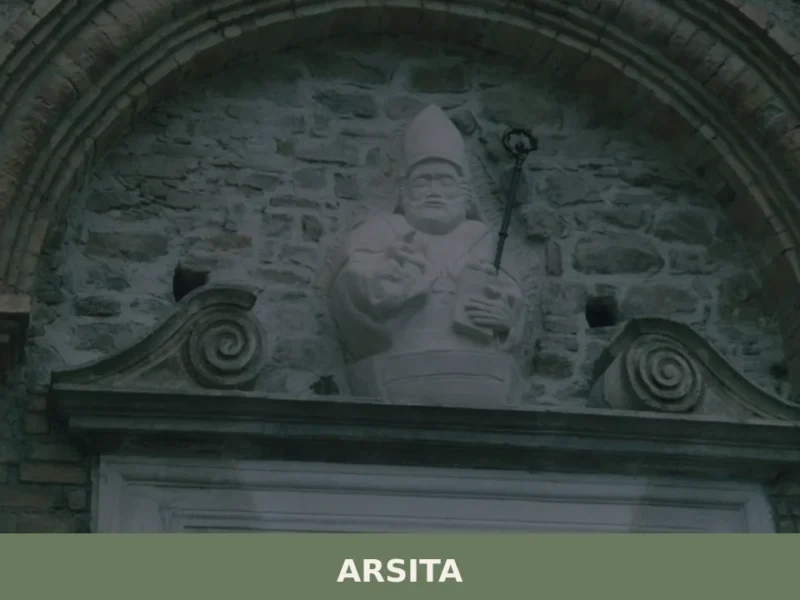
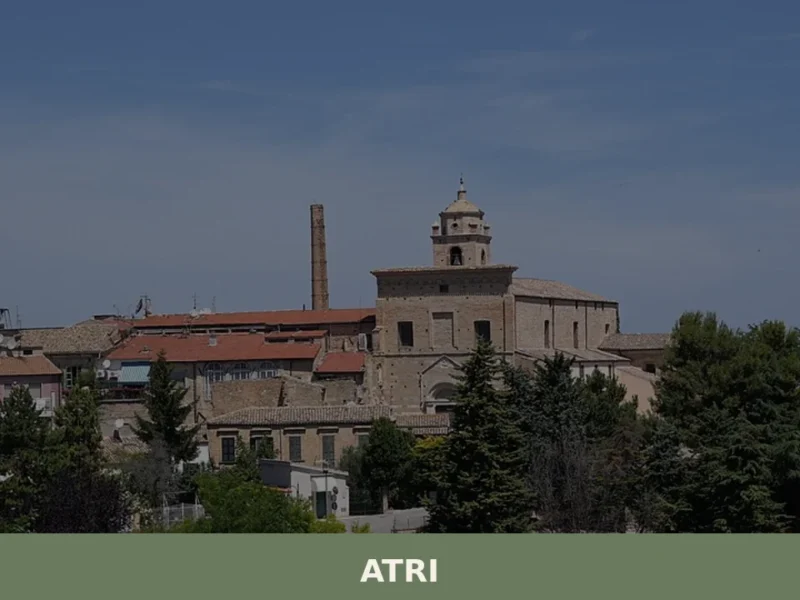
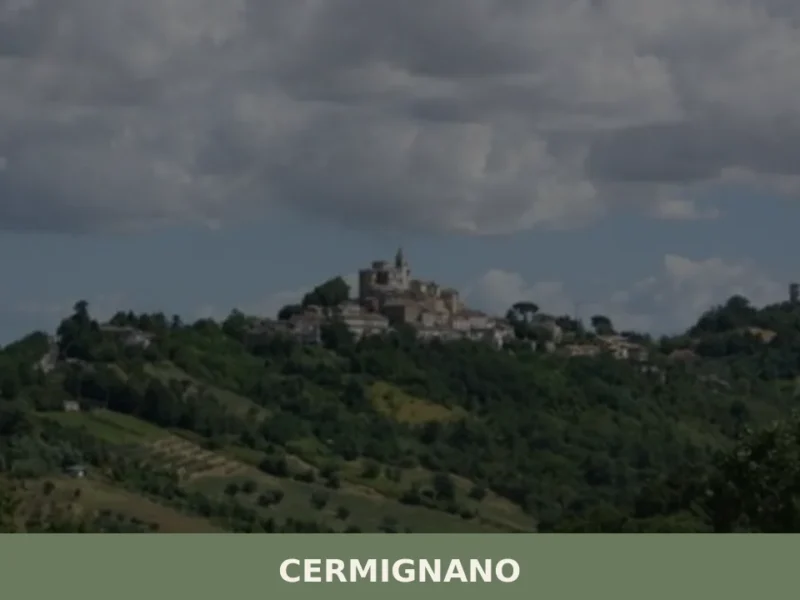
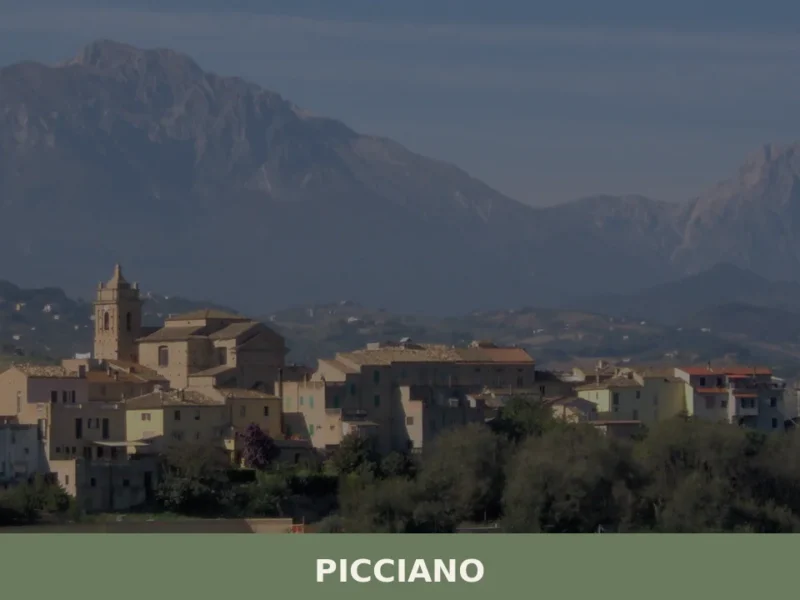
In Abruzzo More villages to discover
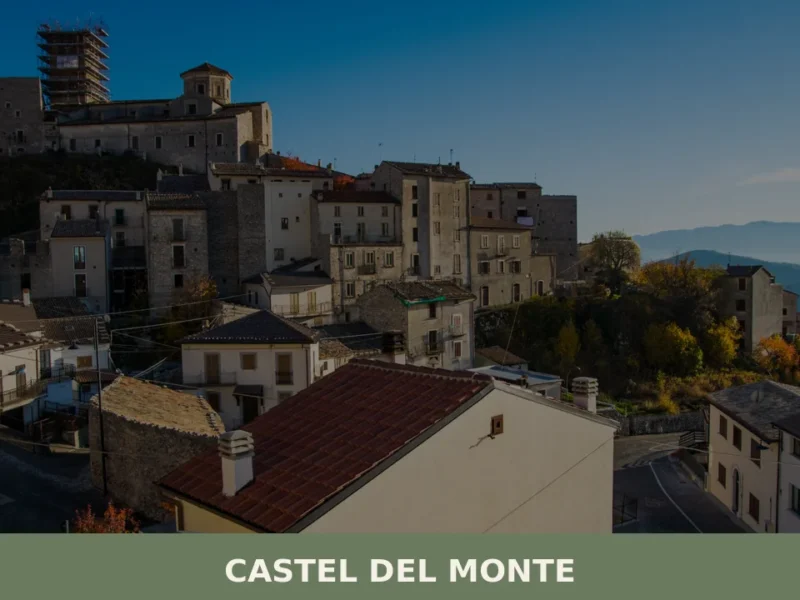
Castel del Monte
 Mountain
what to see in Castel del Monte? Discover this Abruzzo village at 1346m altitude. Explore historic churches, medieval walls, and taste traditional canestrato cheese in Italy.
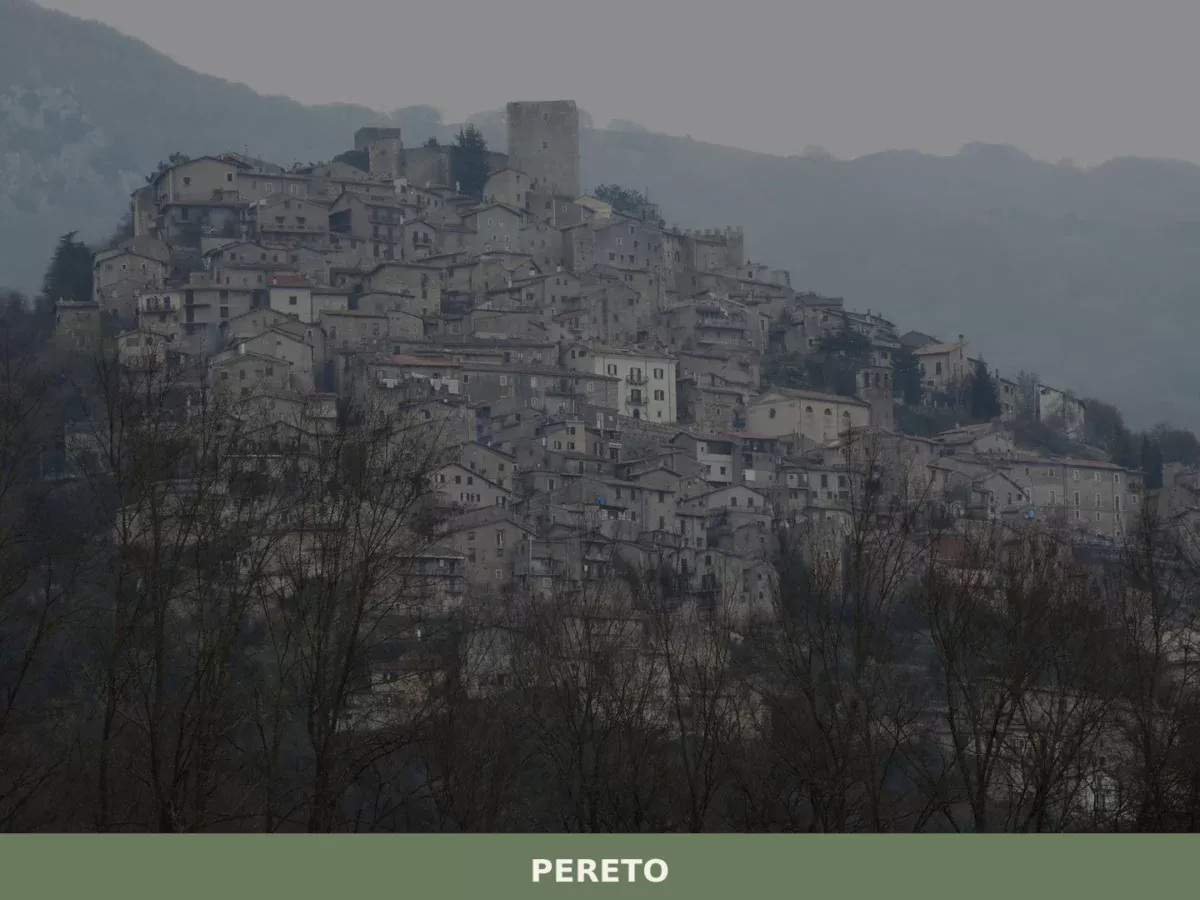
Pereto
Mountain
Discover Pereto's 5 must-see attractions in Abruzzo. From Rocca Orsini to historic churches, read our guide and plan your trip!

Casalbordino
Hills
 Sea
Sea
What to see in Casalbordino, Italy: a sanctuary dating to 1576, 7.5 km of sand beach, and a nature reserve. Discover top attractions and travel tips.

Casoli
Hills
What to see in Casoli, Abruzzo, Italy: explore Castello Masciantonio, Lake Casoli 4 mi away, and a medieval town listed among Italy's most beautiful villages. Discover it now.
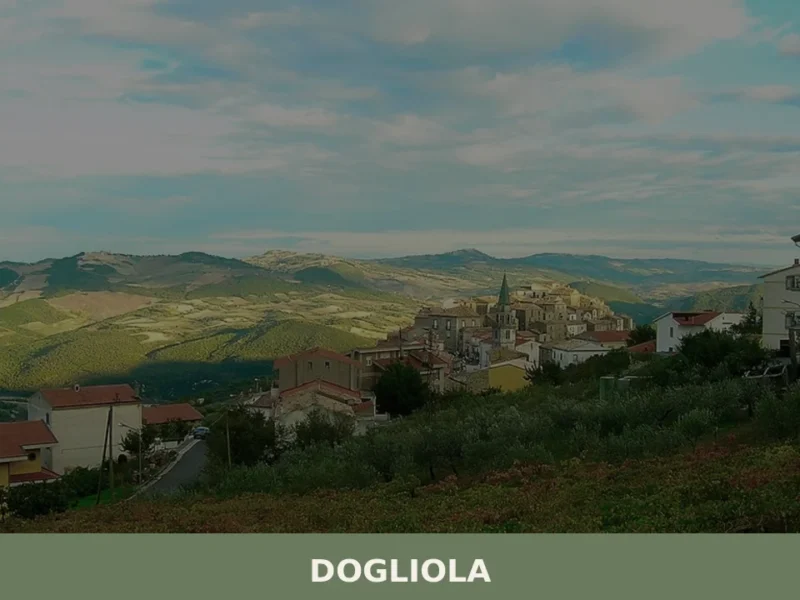
Dogliola
Hills
what to see in dogliola, Italy: Discover the 445 m elevation, 311 residents, and San Rocco festival. Explore rich history and stunning landmarks.

Castel Frentano
Hills
What to see in Castel Frentano, Italy: 5 top attractions, bocconotto dessert, 14th-century walls & WWII history. Discover this Chieti province village in Abruzzo.
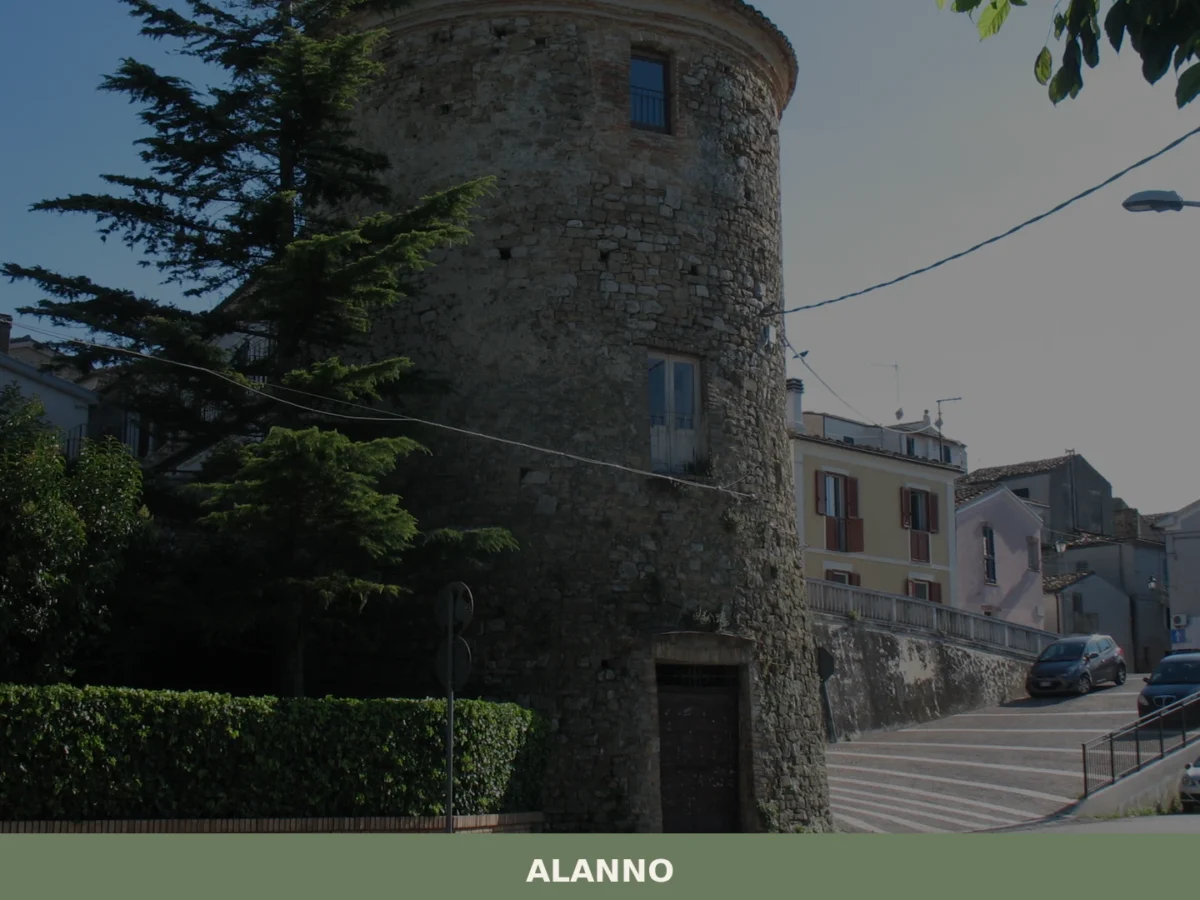
Alanno
Hills
what to see in alanno: Discover Italy's Abruzzo region, a comune recorded with 114 families in 1443. Explore the 1485 Santa Maria delle Grazie church and the Wildlife Oasis. Read more.
Civitella del Tronto
Hills
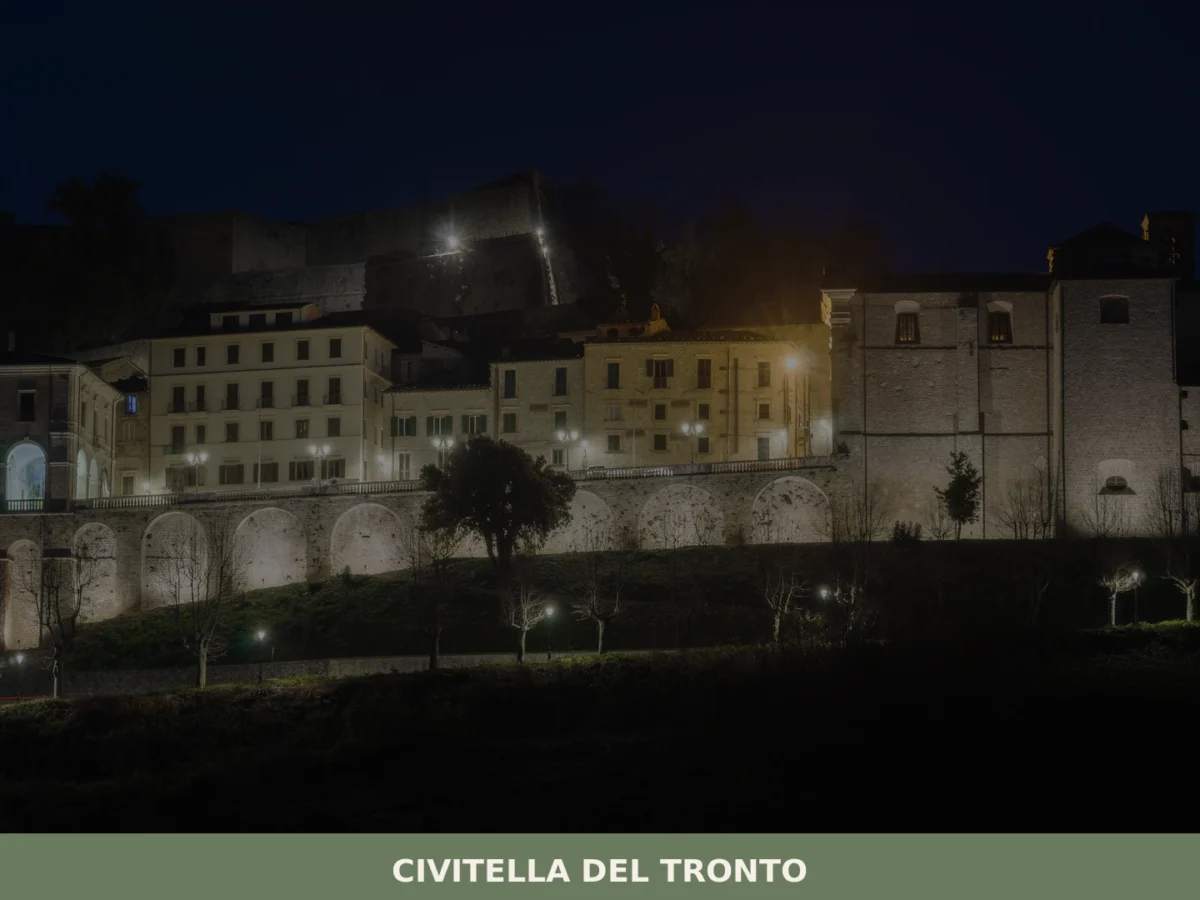
what to see in civitella del tronto, Italy: Discover the historic Fortress and the 1326 San Francesco church in this Abruzzo village at 589 meters altitude. Explore now.

Cappelle sul Tavo
Hills
What to see in Cappelle sul Tavo, Abruzzo, Italy: discover 5 top attractions, local food traditions and how to get there. Explore this Pescara province comune.
Avezzano
 Lake
Mountain
Lake
Mountain
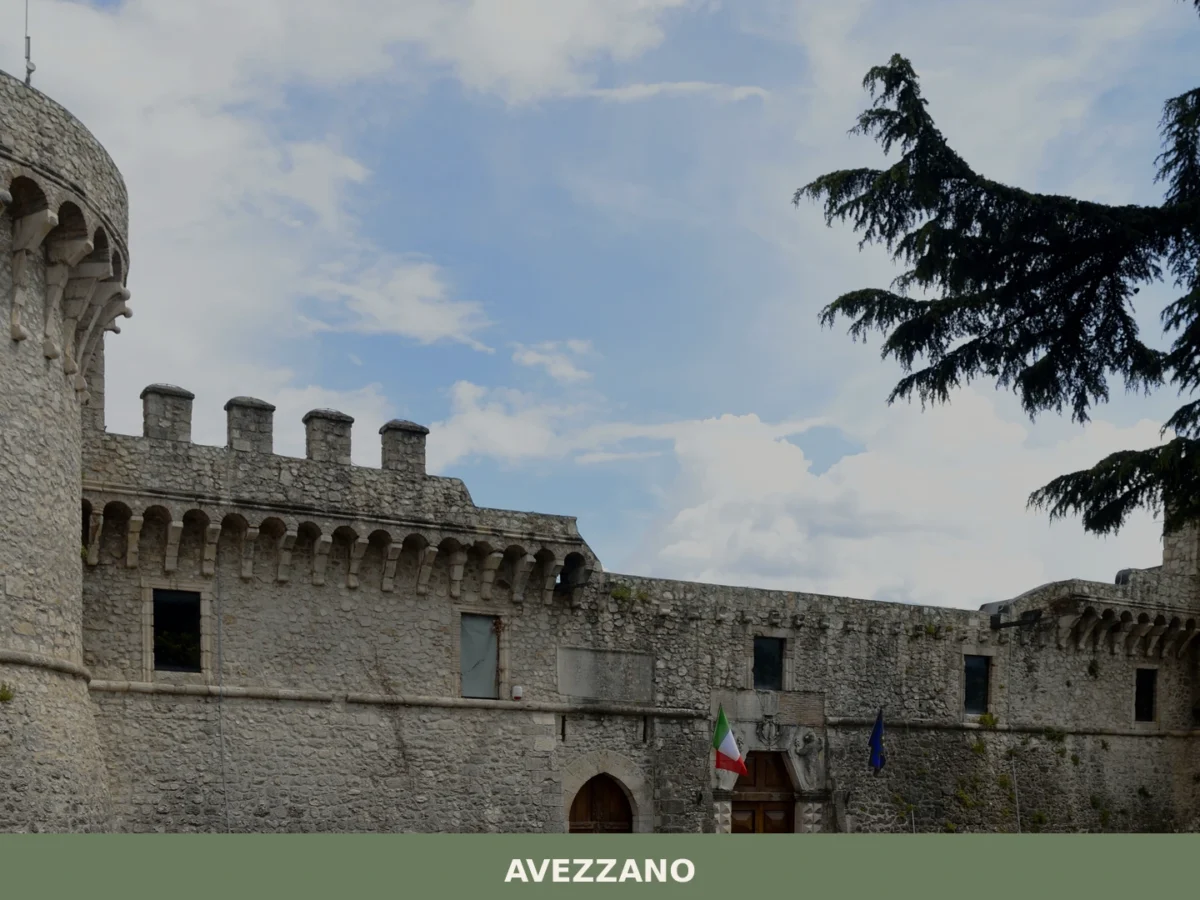
What to see in Avezzano, Italy: explore the Orsini-Colonna Castle, Roman villa, and Fucino PGI potato. 100 km from Rome. Discover Abruzzo's Marsica hub.




🏡 Know Castiglione Messer Raimondo better than we do?
If you’re a local or have been there, your knowledge matters: add what’s missing or fix a detail on this page.