


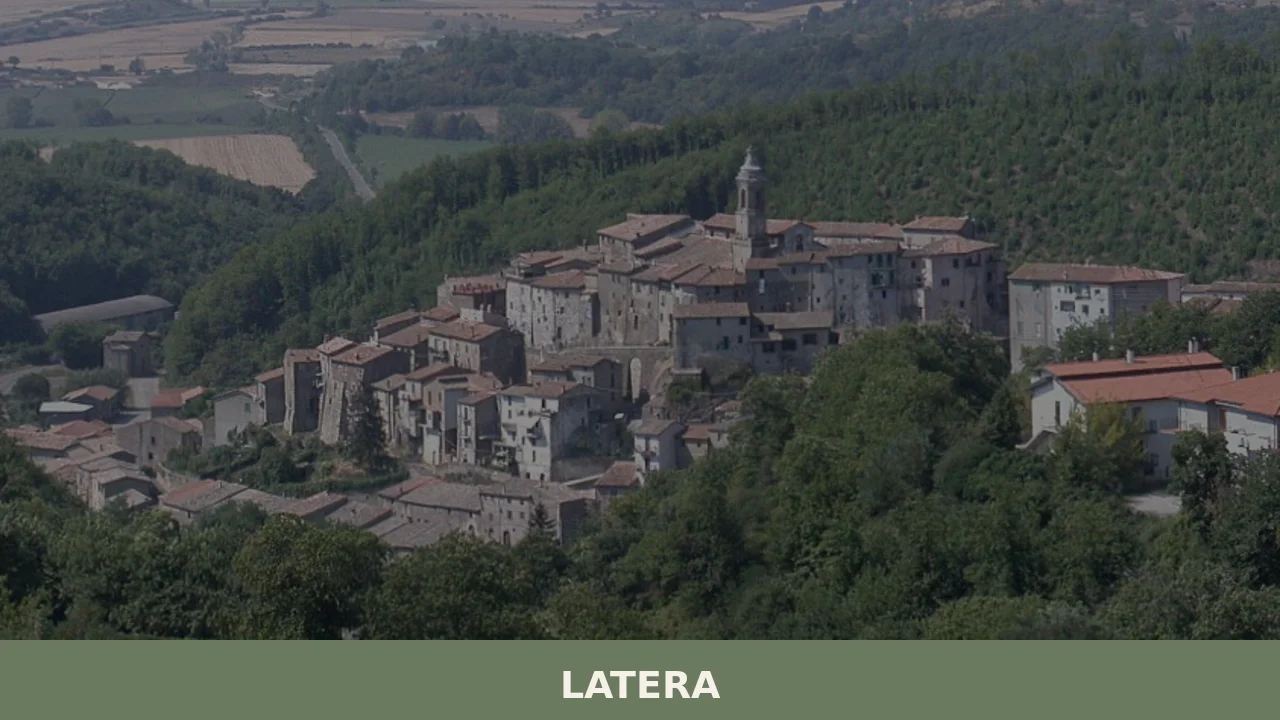
Latera
 Hills
Hills
 Lake
Lake
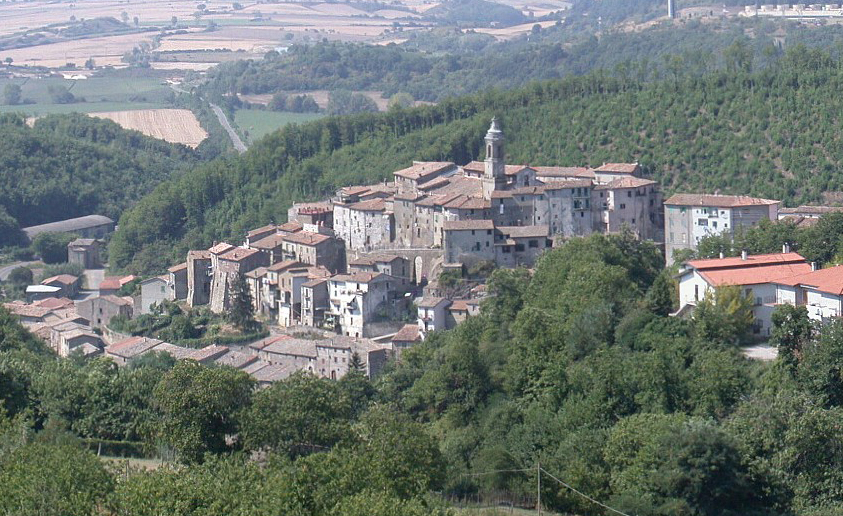
Latera has 766 inhabitants and sits on a tuff plateau at 508 metres above sea level, on the far northern edge of the province of Viterbo, close to the borders with Umbria and Tuscany. For centuries a fiefdom of the Farnese family, this small centre retains a compact Renaissance urban layout, with straight streets converging […]
Discover Latera
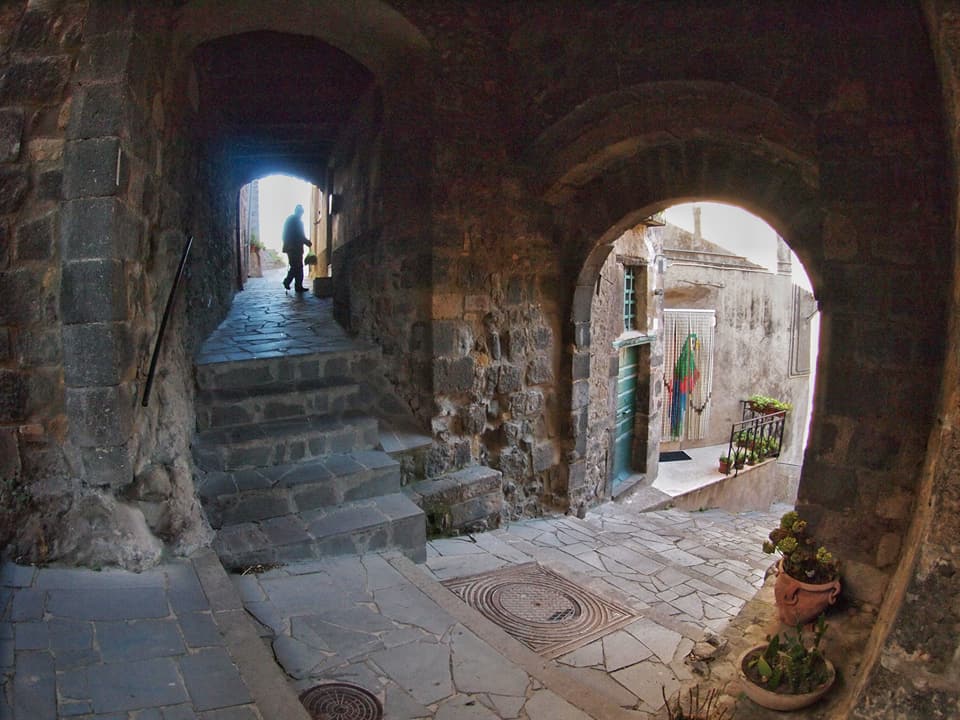
Latera has 766 inhabitants and sits on a tuff plateau at 508 metres above sea level, on the far northern edge of the province of Viterbo, close to the borders with Umbria and Tuscany. For centuries a fiefdom of the Farnese family, this small centre retains a compact Renaissance urban layout, with straight streets converging on the square in front of the ducal palace. Understanding what to see in Latera means reading the layered history of a volcanic territory — that of the Latera caldera, one of the most studied geological structures in central Italy — where civic and religious architecture exists alongside a landscape shaped by Quaternary eruptions.
History and origins of Latera
The place name Latera first appears in documents from the 9th century, probably derived from the Latin latus (side, slope), referring to the position of the settlement on the rim of the volcanic caldera. During the medieval period, the town fell within the domains of the Patrimonium Sancti Petri in Tuscia and passed through the control of various local noble families before entering the Farnese sphere of influence in the 15th century. It was under this dynasty that Latera acquired the rank of duchy, a status it maintained until the extinction of the Latera branch of the Farnese in 1668, when the fief reverted to the Apostolic Chamber.
The Farnese period left the deepest mark on the layout of the village. The ducal palace, built in the 16th century and later enlarged, became the focal point of the settlement. The Farnese of Latera, a cadet branch compared to those of Caprarola and Parma, were military and diplomatic figures active in the Italian Wars: Mario Farnese, Duke of Latera, served as a papal general at the Battle of Lepanto in 1571. The village, though small, functioned as the administrative centre of an extensive agricultural territory organised around grain cultivation and livestock farming.
After the Unification of Italy, Latera followed the trajectory common to the towns of the Alta Tuscia: progressive demographic decline, emigration towards Rome and the cities of the north, and a subsistence agricultural economy. The population, which in the mid-19th century exceeded 2,000 residents, has shrunk to the current 766. This contraction, however, has preserved the 16th- and 17th-century urban layout almost intact, without the building expansions that have altered historic centres elsewhere.
What to see in Latera: 5 main attractions
1. Palazzo Ducale Farnese
A 16th-century building with a quadrangular plan and an internal courtyard, it occupies the highest point of the village. The tuff façade features a rusticated portal and windows with peperino stone frames. Today it houses the Town Hall and the Museo della Terra (Museum of the Land), which contains an ethnographic collection devoted to the agricultural cycle and peasant activities of the Alta Tuscia. The rooms on the piano nobile retain traces of stucco decoration from the Farnese period.
2. Church of San Clemente Papa
Dedicated to the patron saint of the village — Pope Clement I, celebrated on 23 November — this parish church was rebuilt in the 17th century on an earlier structure. The single-nave interior holds a polychrome marble high altar and several 17th-century canvases attributed to Viterbo-area workshops. The sober façade, built of tuff ashlar blocks, faces a small square that serves as a raised parvis above the main street.
3. The Latera Caldera
A volcanic structure approximately 7 kilometres in diameter, formed between 0.3 and 0.15 million years ago by the collapse of a volcanic edifice within the Vulsini complex. The caldera floor, now occupied by cultivated fields and woods of oak and chestnut, is crossed by unpaved trails that pass through residual geothermal features — fumaroles and hot springs — which have been the subject of volcanological studies since the 19th century.
4. Museo della Terra
Set up inside the Palazzo Ducale, the museum documents agricultural work in the Latera area from the 18th to the 20th century through original tools, period photographs and reconstructions. The sections dedicated to linen processing, charcoal production and transhumance provide a detailed picture of the pre-industrial rural economy. The exhibition, presented with bilingual didactic panels, can be visited by contacting the Municipality of Latera in advance.
5. Church of the Madonna della Cava
Located just outside the built-up area, along the road that descends towards the valley floor, this rural church dates from the 16th century and takes its name from the tuff cavity in which it was built. The small interior preserves a votive fresco depicting the Madonna and Child, attributable to the Viterbo painting school of the late 16th century. The site can be reached on foot from the village in about ten minutes.
Traditional cuisine and local products
The cuisine of Latera reflects the peasant tradition of the Alta Tuscia of Viterbo, built on a base of pulses, cereals and pork. The most characteristic dish is acquacotta, a soup of stale bread, wild greens, eggs and pecorino cheese — a local variant of a preparation found throughout the Lazio and Tuscan Maremma. Lentils grown in the volcanic soils of the caldera — small and dark, with a short cooking time — appear in soups and side dishes. Wild boar, plentiful in the surrounding woods, is prepared as a stew with tomato and wild herbs.
Among the products of the area is the extra virgin olive oil of the Tuscia, a zone that falls within the Canino DOP designation, produced mainly from Caninese and Leccino cultivars. The local pecorino, aged in tuff caves, and chestnut honey round out the food offering. Dining options in the village are limited to a few family-run trattorie, where menus follow the seasons with no concessions to international cuisine: it is advisable to check opening times, especially during the winter months.
When to visit Latera: the best time of year
The hill climate, with hot but breezy summers and cold winters, makes the months from May to October the most suitable period for a visit. In August the Festa del Palazzo takes place, an event that livens up the historic centre with re-enactments linked to the Farnese history of the village. Autumn, between September and November, coincides with the chestnut harvest in the caldera woods and the olive pressing season — a time when local olive mills open for direct sales.
It is worth noting that Latera, with fewer than 800 residents, does not have a well-developed tourist services network: accommodation is limited to a few agriturismi in the surrounding countryside and some rental apartments in the historic centre. Anyone planning a visit during the low season — from November to March — should take into account nighttime temperatures that often drop below zero and the possibility of finding restaurants and shops closed on weekdays.
How to get to Latera
Latera is reached by car along the Strada Statale 74 Maremmana, which connects Viterbo to the Tyrrhenian side of Tuscany. From Rome (about 140 km), the most direct route takes the A1 motorway to the Orvieto exit, then the SP 17 southward through Umbrian territory to the border with Lazio. From Viterbo the distance is about 45 km, which takes around an hour on single-carriageway provincial roads.
The nearest railway station is Orvieto, on the slow Rome–Florence line, about 30 km from the village. From there it is necessary to continue by private vehicle or by Cotral public transport services, whose timetables — limited to a few daily runs — should be checked in advance. The reference airport is Rome Fiumicino, about 160 km away. Those arriving from southern Tuscany can use the Chiusi-Chianciano Terme motorway exit on the A1 and head south for about 60 km.
What to see in Latera and in nearby villages in Lazio
The Alta Tuscia area of the Viterbo province has a concentration of smaller centres that share the same geological and historical background. To the south-east of Latera, heading towards the Tiber valley, you come to Bassano in Teverina, a hilltop village in the province of Viterbo that overlooks the river gorge from a tuff ridge. The distance — about 60 km — can be covered in just over an hour, passing through landscapes that shift from volcanic countryside to river gorges.
Closer by, heading south towards the Tyrrhenian coast, Arlena di Castro occupies a plateau between the valleys of streams flowing down to the sea. This small centre, also historically linked to the Patrimonium Sancti Petri in Tuscia, preserves traces of Etruscan settlements in the surrounding territory. Combining a visit to Latera with a stop at Arlena di Castro allows you to read the complete geological sequence of the region: from the volcanic deposits of the caldera to the sedimentary formations of the coastal belt.
Frequently asked questions about Latera
What is the best time to visit Latera?
The ideal window is May to October, when the hill climate at 508 metres keeps temperatures pleasant. August is the liveliest month, when the Festa del Palazzo animates the historic centre with Farnese-era historical re-enactments. Autumn — September to November — adds the appeal of chestnut harvesting in the caldera woods and fresh olive-oil pressing at local mills, with direct sales on offer. The feast of patron saint Pope Clement I falls on 23 November, already at the edge of the cold season. From November to March, temperatures regularly drop below zero and many restaurants close on weekdays.
What are the historical origins of Latera?
The name Latera first appears in 9th-century documents, likely derived from the Latin latus (slope), describing the settlement's position on the rim of the volcanic caldera. Through the medieval period it belonged to the Patrimonium Sancti Petri in Tuscia before passing to the Farnese in the 15th century, who elevated it to a duchy. The Latera branch of the Farnese — a cadet line — produced military figures such as Mario Farnese, papal general at the Battle of Lepanto in 1571. The duchy reverted to the Apostolic Chamber in 1668 when the local Farnese line died out.
What to see in Latera? Main monuments and landmarks
The 16th-century Palazzo Ducale Farnese, with its rusticated tuff portal and internal courtyard, is the centrepiece; it houses the Town Hall and the Museo della Terra (bookable via the Municipality). The parish Church of San Clemente Papa features a polychrome marble high altar and 17th-century canvases. The rural Church of the Madonna della Cava, carved into a tuff cavity just outside the village, preserves a late-16th-century votive fresco and is reachable on foot in about ten minutes. All three sites can be visited on a single morning walk through the compact Renaissance street grid.
What are the main natural or scenic attractions of Latera?
The Latera Caldera is the defining natural feature: a volcanic structure roughly 7 kilometres in diameter, formed between 300,000 and 150,000 years ago within the wider Vulsini complex. Its floor — now fields, oak and chestnut woodland — is crossed by unpaved trails passing residual geothermal features including fumaroles and hot springs. The caldera is one of the most studied volcanic structures in central Italy and offers a direct, walkable encounter with the region's Quaternary geological history. No admission fee; trails are accessible from the village perimeter.
Where to take the best photos in Latera?
The raised parvis in front of the Church of San Clemente Papa offers a clean elevated view over the main street and the surrounding plateau. The tuff façade of the Palazzo Ducale Farnese, best lit in morning light, provides a strong architectural subject. For landscape photography, the rim of the Latera Caldera — reachable on foot via unpaved trails from the village edge — frames a wide panorama over the wooded caldera floor, with the Vulsini hills as a backdrop. Early autumn combines golden foliage with clear air and soft light.
Are there museums, churches or historic buildings to visit in Latera?
The Museo della Terra, inside the Palazzo Ducale, documents rural life in the Alta Tuscia from the 18th to the 20th century through original tools, period photographs and reconstructed scenes covering linen processing, charcoal production and transhumance. Bilingual didactic panels are provided. Visits must be arranged in advance by contacting the Municipality of Latera. The Church of San Clemente Papa and the Church of the Madonna della Cava are both accessible; the latter requires a short walk outside the village. No ticket prices are published for any of these sites.
What can you do in Latera? Activities and experiences
Walking the unpaved trails across the Latera Caldera floor is the main outdoor activity, combining volcanic geology with woodland scenery and residual geothermal features. In autumn, chestnut picking in the caldera woods and visits to local olive mills during the pressing season are practical seasonal experiences. The Festa del Palazzo in August offers historical re-enactments tied to the Farnese period. The Museo della Terra provides cultural depth for those interested in rural heritage. The compact village itself — Renaissance street grid, tuff architecture, no tourist crowds — rewards slow, self-guided exploration on foot.
Who is Latera suitable for?
Latera suits travellers who prefer authenticity over infrastructure. History and architecture enthusiasts will appreciate the intact Farnese urban layout and the Palazzo Ducale. Geology and nature lovers find the Latera Caldera genuinely rare — a walkable volcanic structure with active geothermal features. Food travellers can explore Alta Tuscia peasant cuisine and Canino DOP olive oil. It is less suited to families expecting organised leisure or visitors needing extensive accommodation choice; with under 800 residents and limited services, it works best as a half-day or full-day stop within a wider Alta Tuscia itinerary.
What to eat in Latera? Local products and specialties
Acquacotta — a hearty soup of stale bread, wild greens, eggs and pecorino — is the most representative dish of the Alta Tuscia tradition. Small dark lentils grown in the volcanic caldera soils appear in soups and as side dishes. Wild boar stewed with tomato and wild herbs is a fixture on seasonal menus. Local pecorino is aged in tuff caves. Extra virgin olive oil from the area falls within the Canino DOP designation, produced from Caninese and Leccino cultivars. Chestnut honey rounds out the local pantry. Dining options are limited to a few family-run trattorie; check opening times in advance, especially in winter.
📷 Photo Gallery — Latera
Nearby Villages near Latera
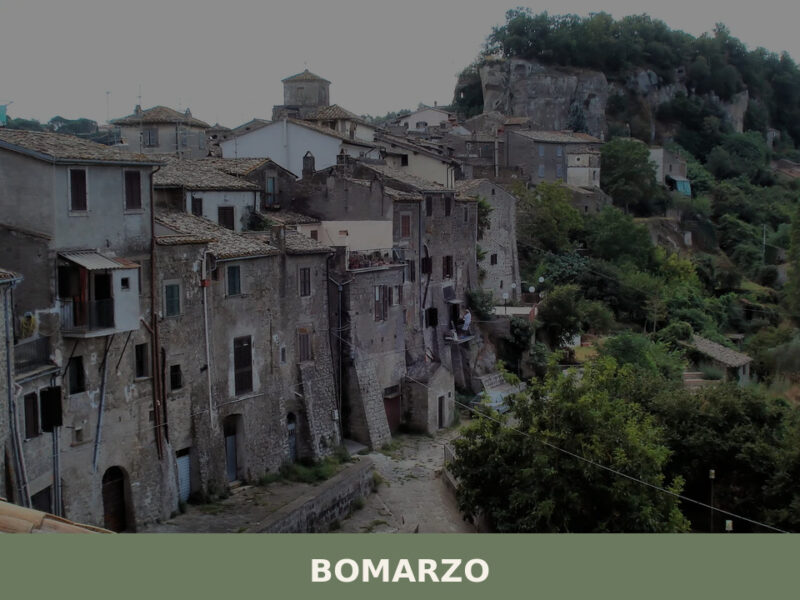
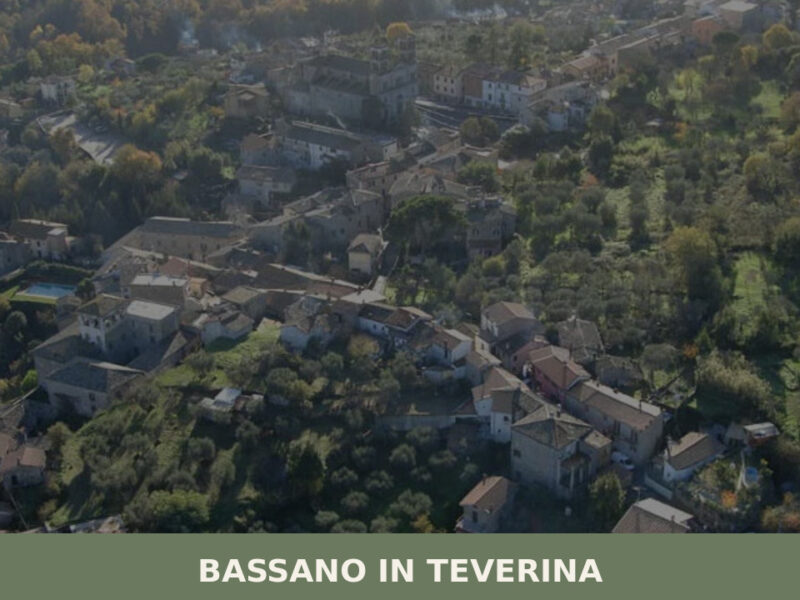
In Lazio More villages to discover

Roma
 Sea
Sea
The capital of Italy and the Lazio region, Roma encompasses 1287 km² and 2.7 million inhabitants, making it Europe's largest commune and a global center of political, religious and cultural influence.
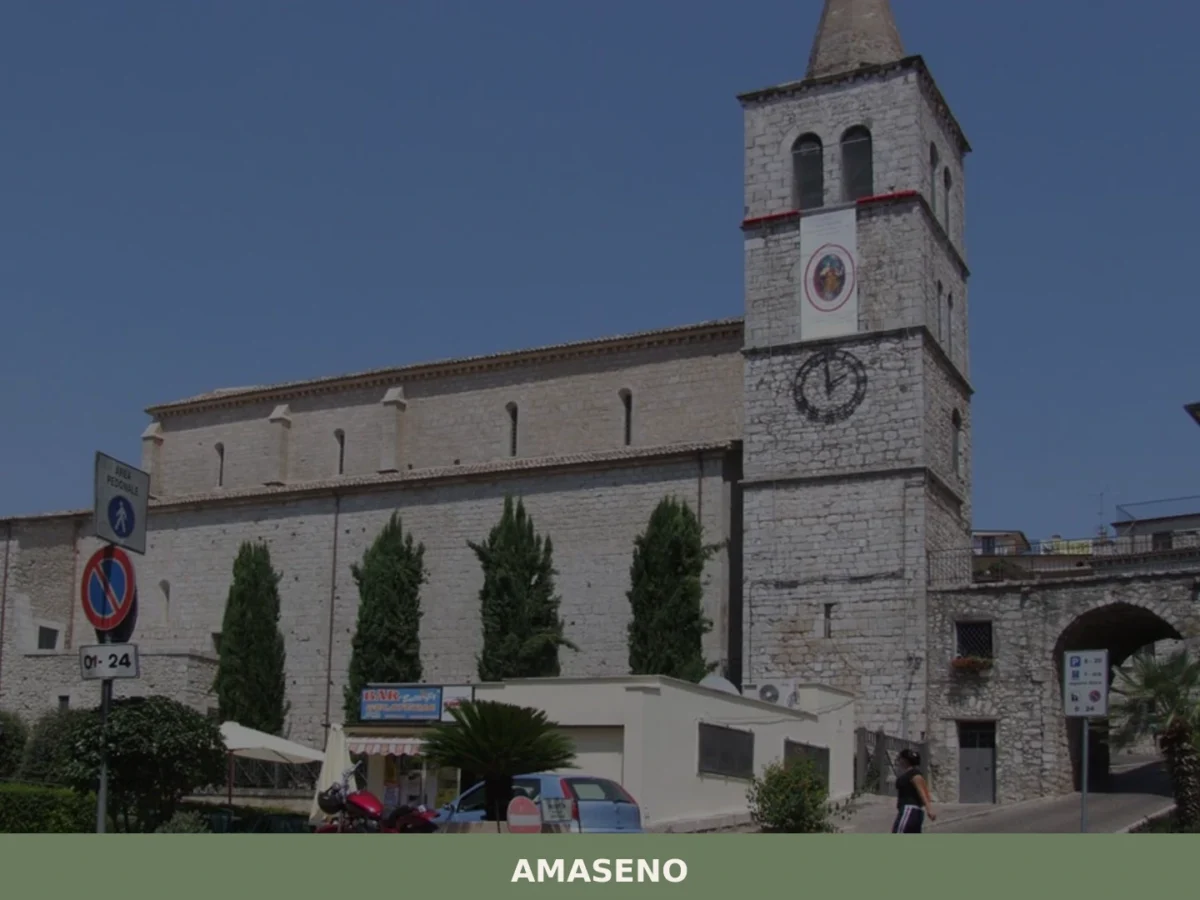
Amaseno
Hills
What to see in Amaseno: visit the 5 top attractions in this Lazio village, from the Madonna Sanctuary to Palazzo Caetani. Discover the complete guide.

Terracina
Sea
44,000 residents, one ancient temple on a cliff, and centuries of Roman, medieval and papal history waiting along the Tyrrhenian coast.
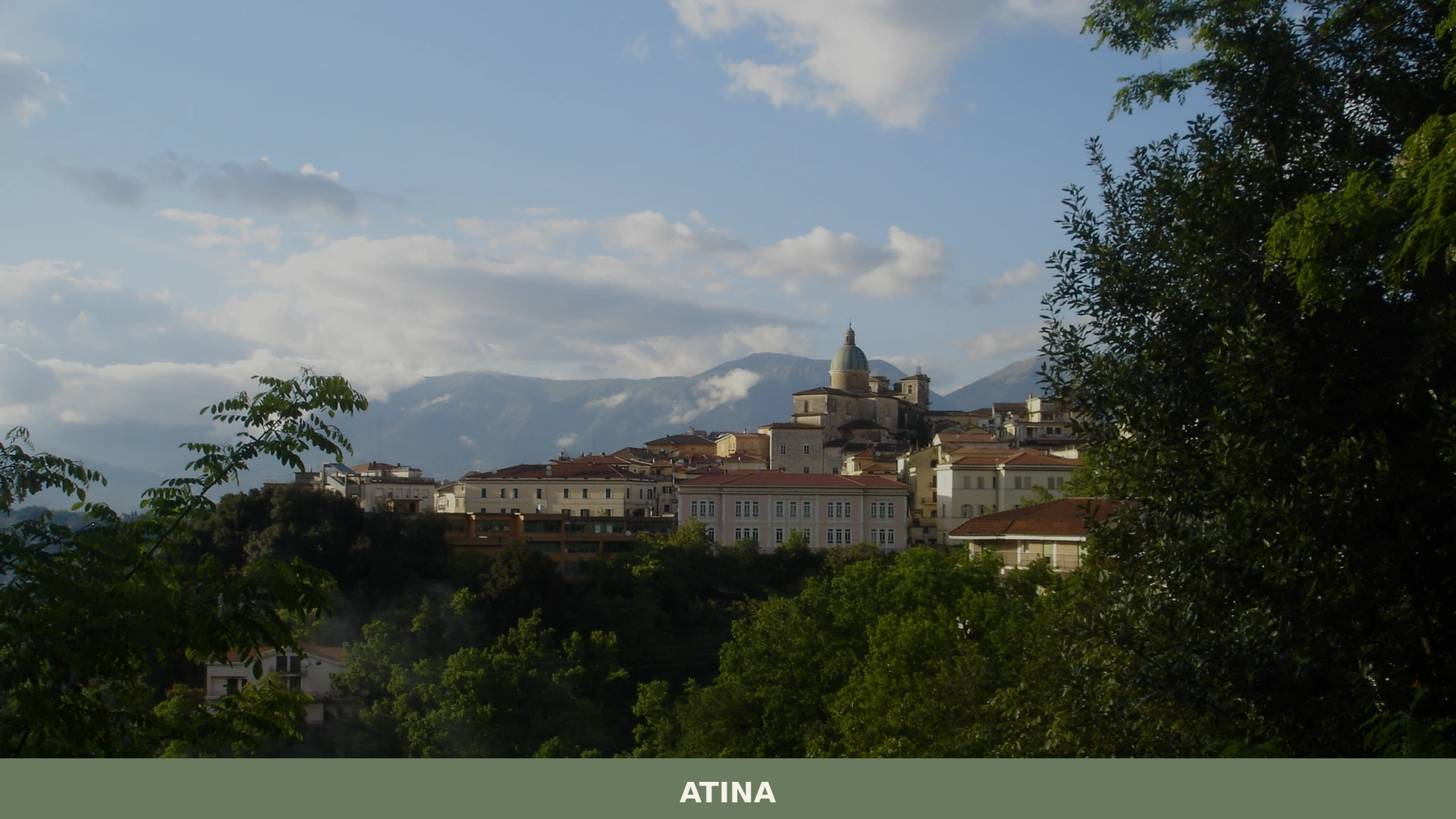
Atina
 Mountain
What to see in Atina, Lazio, Italy: explore polygonal walls, a DOC wine zone, and a Baroque cathedral. Discover top things to do in this Frosinone village.
Castelnuovo di Farfa
Hills
What to see in Castelnuovo di Farfa: 1,032 inhabitants at 358 m in the Sabina. Explore the medieval castle, San Nicola church and PDO cacio fiore. Plan your visit now.
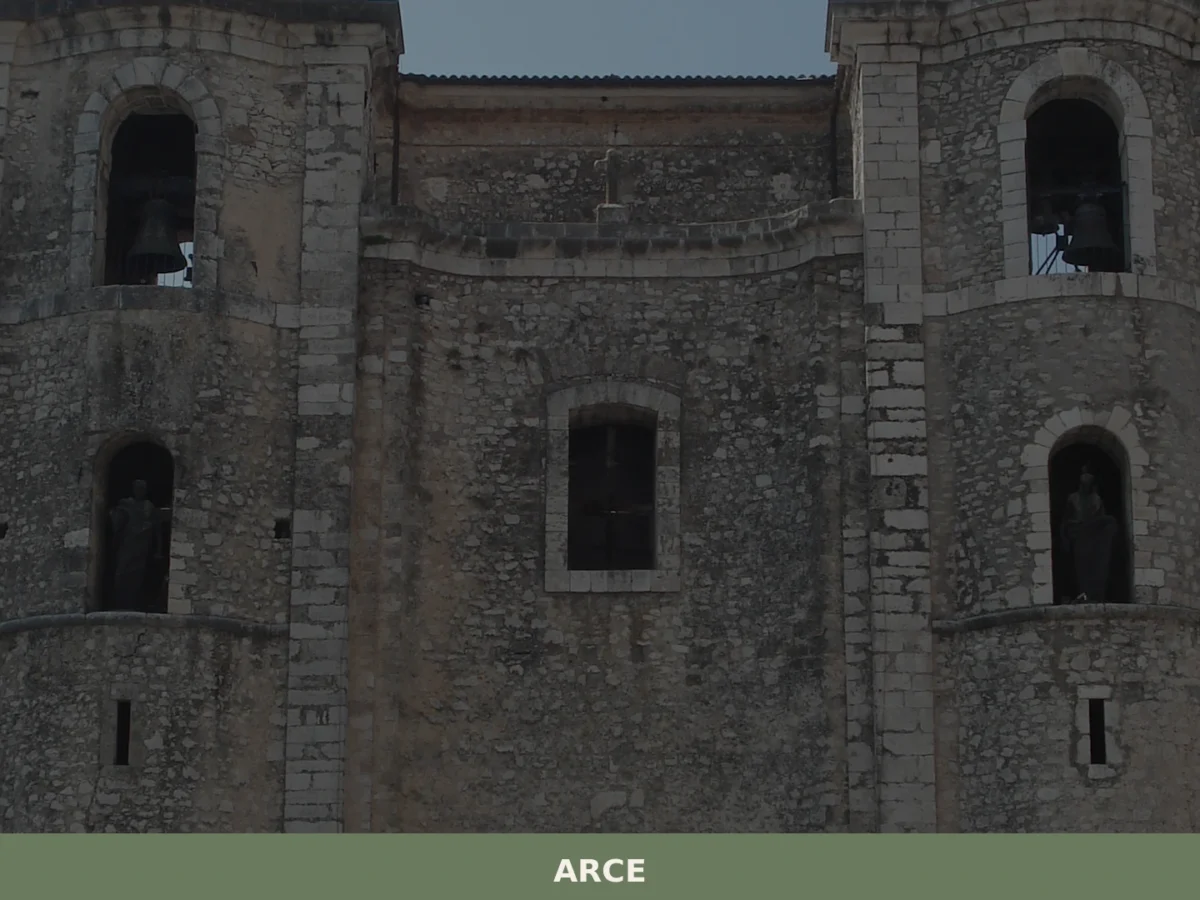
Arce
 Plains
What to see in Arce: discover the 5 unmissable aspects of this Lazio village. From medieval fortresses to scenic views, your complete guide. Plan your visit!
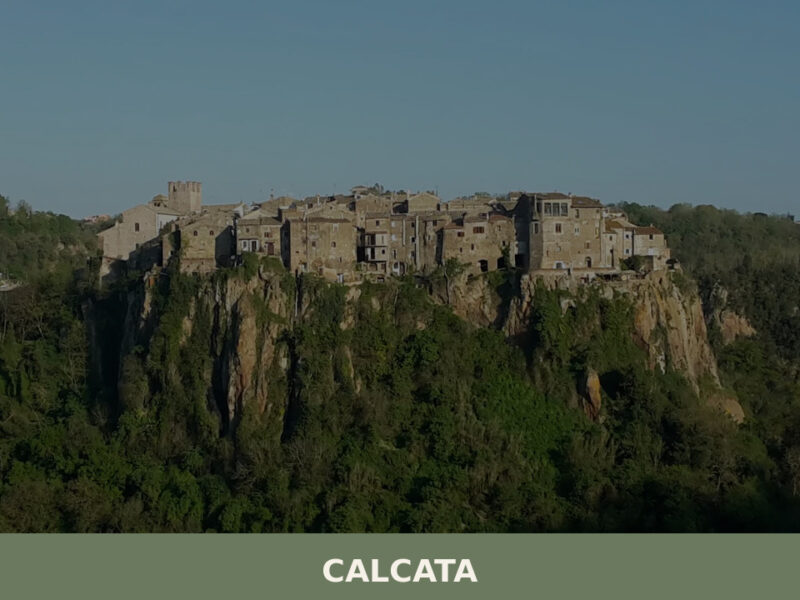
Calcata
Hills
In 1935, the Italian government declared Calcata Vecchia a village to be abandoned due to the instability of the tuff cliff on which it stands. Fifty years later, the village was reborn as an artistic center, now offering visitors a unique experience. If you are wondering what to see in Calcata, the village appears as […]
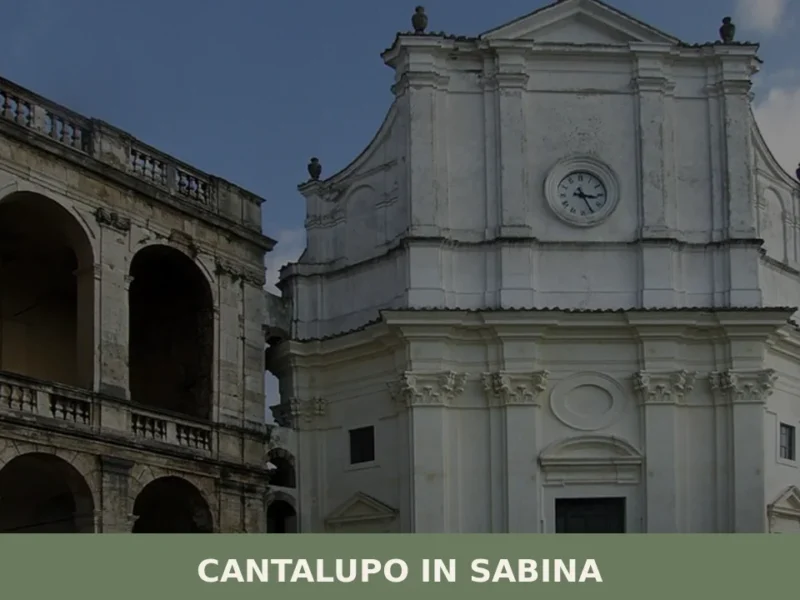
Cantalupo in Sabina
Hills
What to see in Cantalupo in Sabina: a hill village at 297 m in Rieti with 1,738 residents. Explore the medieval centre, the San Biagio feast and PAT-certified guanciale. Plan your visit now.
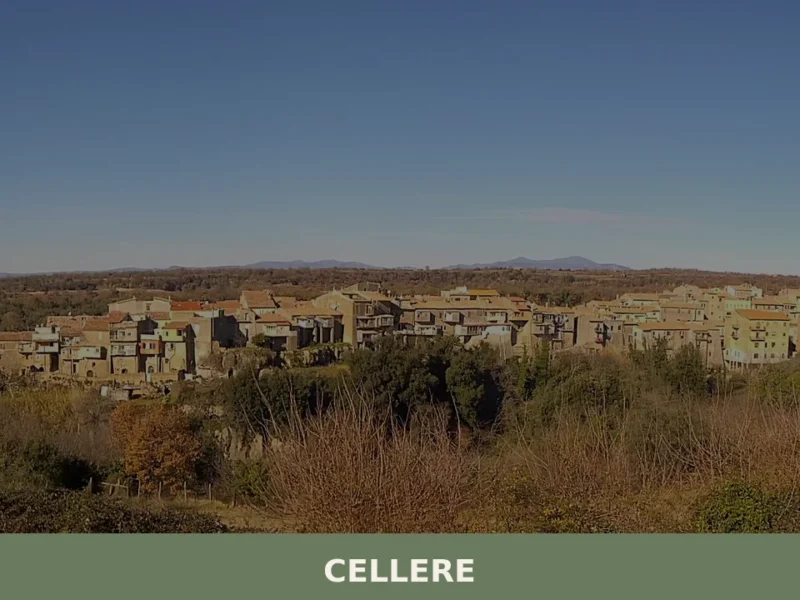
Cellere
Hills
what to see in cellere, Italy. Explore this Viterbo province village, 344 m high. Discover the Church of Sant'Egidio and local traditions. Read our guide!
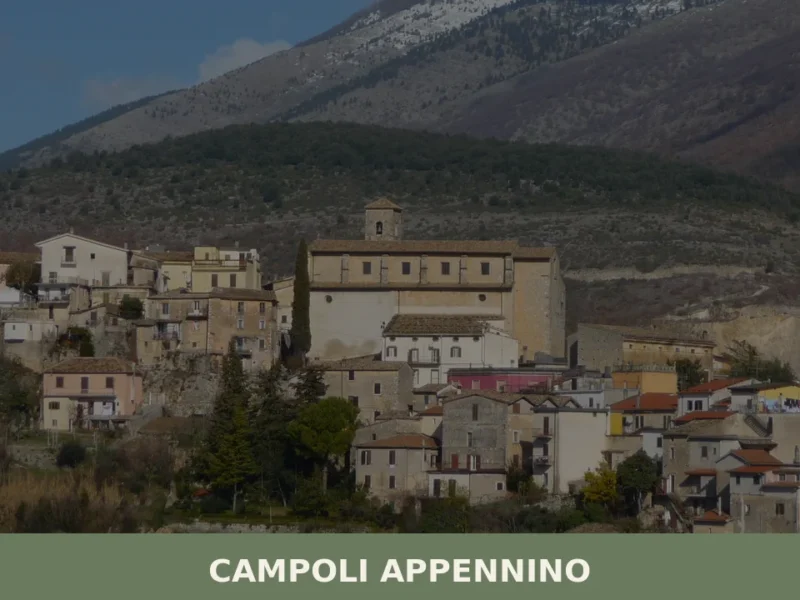
Campoli Appennino
Mountain
What to see in Campoli Appennino, Italy: a medieval tower 25 m tall, Roman aqueduct, and patron feast on 12 May. Discover this Frosinone village at 650 m altitude.

🏡 Know Latera better than we do?
If you’re a local or have been there, your knowledge matters: add what’s missing or fix a detail on this page.