


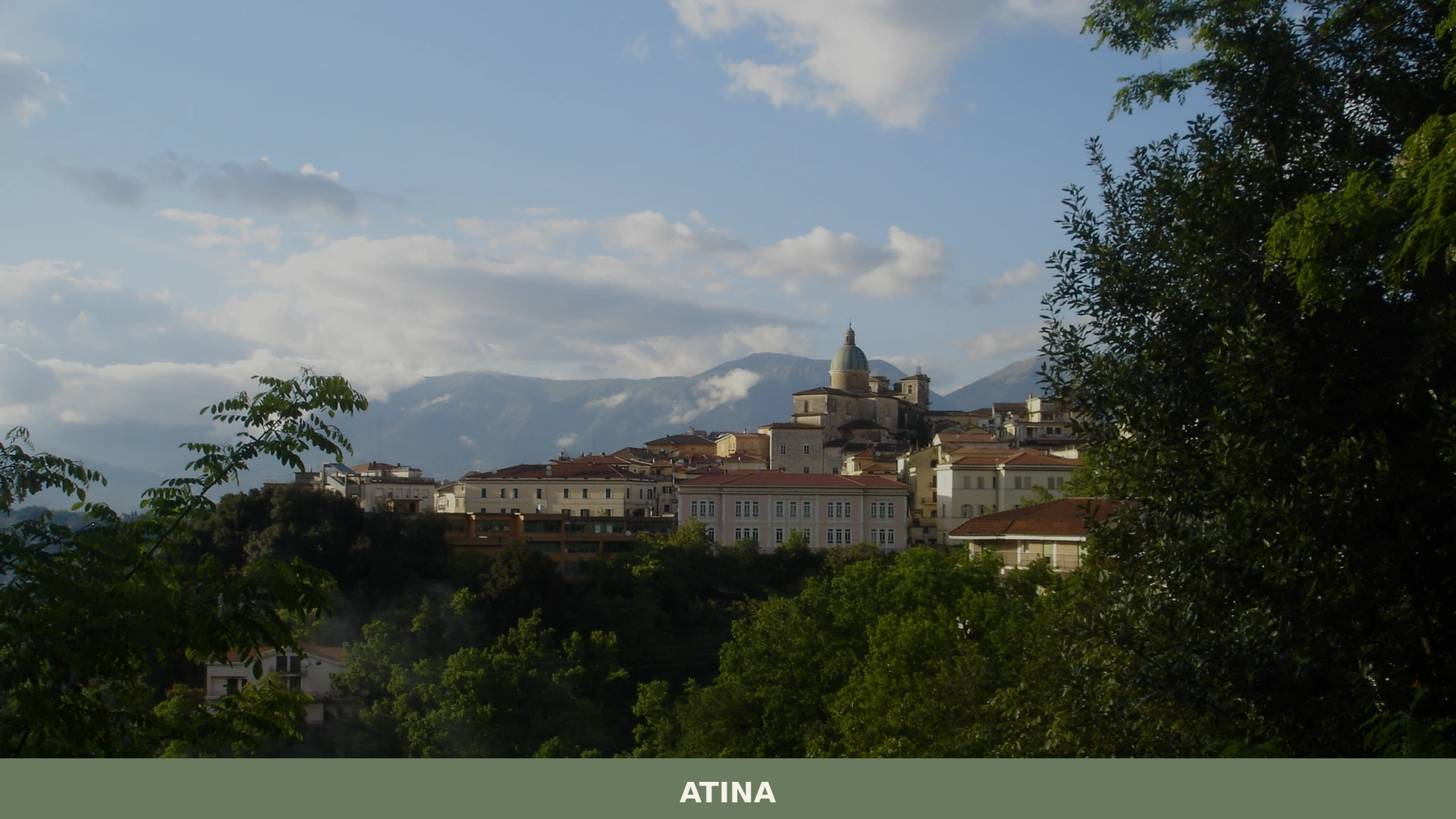

What to see in Atina, Lazio, Italy: explore polygonal walls, a DOC wine zone, and a Baroque cathedral. Discover top things to do in this Frosinone village.
Discover Atina
Polygonal blocks of stone, cut with a precision that later populations never replicated, form sections of wall older than the Roman conquest. The interlocking grooves between the blocks — some squared, some irregular — create a seismic-resistant structure that has stood through two millennia of central Italian geology.
Below the walls, the Comino Valley spreads out toward the Apennine ridgeline, and the fields produce olive oil, beans, and Cabernet-based wines on alluvial marl soils that carry a DOC designation.
What to see in Atina, Lazio: top attractions
Deciding what to see in Atina becomes straightforward once you understand the layering of the place: pre-Roman fortifications, a medieval ducal palace built in 1349, a Baroque cathedral on the foundations of a temple to Saturn, and a 17th-century Franciscan convent.
Atina, Lazio, Italy, sits in the province of Frosinone at the edge of the Val di Comino, roughly 140 km (87 mi) southeast of Rome. Visitors to Atina find a compact historic centre where every major monument is within walking distance of the next, and where the surrounding agricultural land supplies both the table and the cellar.
History of Atina
Atina was already a significant settlement before Rome absorbed it.
The town began as a municipium of the Samnites, an Italic people whose territory covered much of south-central Italy before the Roman expansion. The cyclopean fortification walls — built in two distinct techniques, polygonal and squared — predate the Roman period and remain the most physically imposing evidence of that early urban life. Cicero, writing in the late Roman Republic, described Atina as a prosperous country town that had not yet fallen into the hands of large landowners, a relatively rare condition in an era of growing aristocratic estates.
Imperial-period inscriptions confirm that Atina continued to flourish well into the first centuries CE.
After the fall of the Western Roman Empire, the town passed through a sequence of powers that defined much of southern Lazio’s medieval geography. In 702 it became part of the Duchy of Benevento under Lombard rule. Control then shifted successively to the lords of Capua, the counts of the Marsi, and the counts of Aquino.
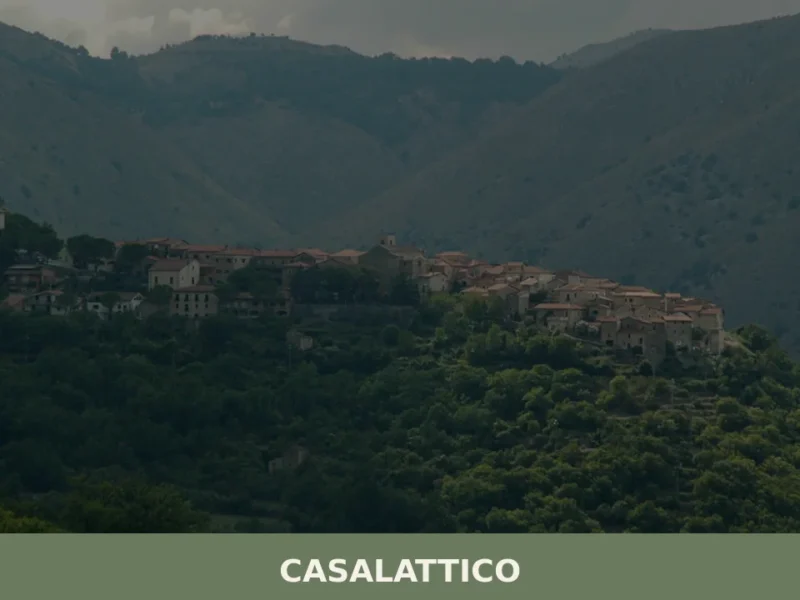
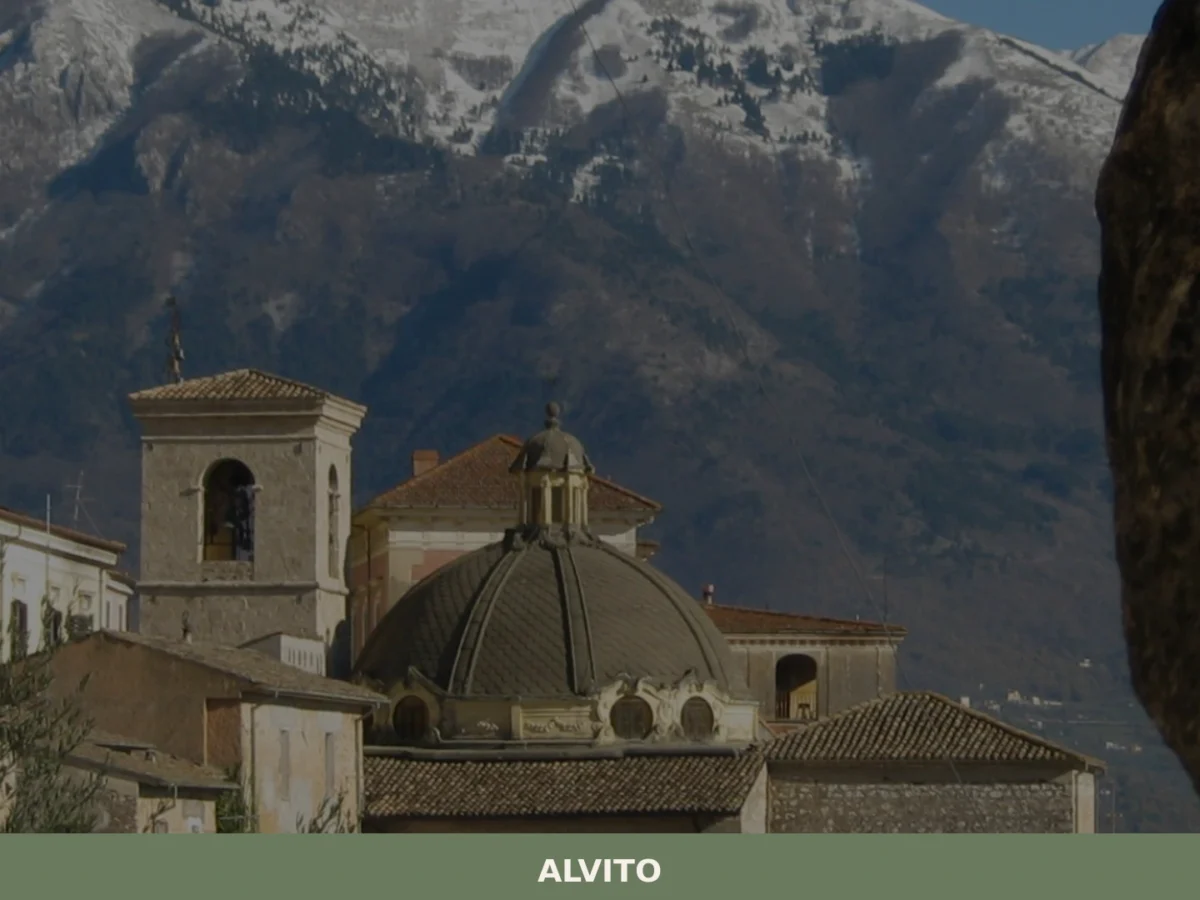
For an extended period it formed part of the County — later Duchy — of Alvito, and together with much of the Comino Valley it remained under that administrative framework until the area was incorporated into the Kingdom of Naples, where it stayed until 1860. The nearby village of Casalattico, which shares the same Val di Comino geography, followed a broadly comparable medieval trajectory under the same regional powers.
The administrative map changed again after Italian unification. Atina had long been part of the historic Terra di Lavoro province, one of the largest and most agriculturally productive provinces of the former Kingdom of Naples. In 1929, during the reorganisation of Italian provincial boundaries under the Fascist government, Atina was reassigned to the newly enlarged province of Frosinone, where it remains today.
The town has since been recognised as one of I Borghi più belli d’Italia — a national association of historically significant villages — a designation based on verifiable criteria of heritage conservation and urban coherence.
What to see in Atina, Lazio: top attractions
Cyclopean Polygonal Walls
The walls present two distinct masonry systems side by side: polygonal blocks locked together through a sophisticated groove interlacement, with surfaces either sawn or left unfinished, and squared blocks laid in parallel courses and worked with a chisel.
The enclosure they define is larger than the modern town, indicating that ancient Atina occupied a more extensive footprint than today’s built-up area. What makes the polygonal sections particularly significant is that the method of cutting and transporting the individual blocks — some of considerable mass — remains unexplained; later populations in the region never reproduced the technique. Standing along the preserved stretches of wall, you can trace the seam lines between individual stones and observe how tightly they interlock without mortar.
The best time to examine the external faces is in the morning, when low-angle light emphasises the surface texture and the depth of the joints.
Ducal Palace (Palazzo Ducale)
Three mullioned windows mark the façade of the Ducal Palace, each one a clear signal of the Gothic register in which the building was conceived. The palace was constructed in 1349 by the nobleman Rostaino Cantelmo, and the entrance is framed by an ogival portal incorporating an ancient Roman relief — a detail that places two very different historical moments in direct physical contact.
Inside, the Piano Nobile, or Noble Floor, contains a mosaic dated to the 2nd century BCE, which predates the building itself by roughly fifteen centuries and was evidently preserved or relocated during construction. The combination of Gothic architecture, Roman decorative spolia, and a Republican-era mosaic in a single structure gives this palace a documentary density that rewards close attention.
The palace stands within the historic centre and is accessible on foot from the main access points to the village.
Cathedral of Santa Maria Assunta
The current structure presents a Baroque interior dating to the 18th century, but the building’s foundations tell a longer story: the first church on this site was erected in the 11th century on the remains of a temple dedicated to Saturn, placing Christian and pre-Christian sacred use in direct sequence on the same ground. The nave is flanked by two aisles, and the walls carry frescoes depicting St. John the Baptist, St.
Thomas Aquinas, and the Transfiguration — all three painted by Teodoro Mancini, a local artist born in 1796 and died in 1868. The Mancini frescoes are the principal figurative works inside the cathedral and represent the most significant ensemble of 19th-century religious painting documented in Atina.
It is worth arriving early in the day, when natural light from the side windows falls directly across the fresco surfaces and brings out the tonal gradations in the figures.
Convent of St Francis
The Convent of St Francis dates to the 17th century and operated under Franciscan friars for most of its active religious life. In 1865 the friars abandoned the complex, a consequence of the suppression of religious orders that followed Italian unification. Six years later, in 1871, the municipality of Atina took ownership of the building, a transfer that preserved the structure from private development or demolition.
The convent’s exterior and the spaces accessible today reflect the functional austerity typical of Franciscan architecture, with an emphasis on plain surfaces over decorative elaboration.
For visitors interested in the intersection of religious history and civic administration in post-unification Italy, the building provides a concrete local example of a process that reshaped hundreds of similar properties across the peninsula throughout the 1860s and 1870s.
Boundary Stone of the Gracchan Land Reforms
Set within the context of the polygonal walls and the wider archaeological fabric of ancient Atina, one particular inscription stands apart from the structural remains: a boundary stone relating to the assignation of lands during the time of the Gracchi, the Roman tribunes who promoted agrarian reform in the 2nd century BCE. Only six comparable examples have been documented across Campania and Basilicata, making the Atina stone part of a small and geographically scattered group.
The stone records the formal division of public land into individual plots — a process that Cicero’s observations about Atina’s relative freedom from large landowners help contextualise historically. Visitors with an interest in Roman epigraphy and Republican land policy will find this object a direct material link to one of the most documented political debates of the late Roman Republic.
Local food and typical products of Atina
The agricultural base of Atina’s economy has remained consistent across centuries.
Olive oil, wine, and beans are the three pillars documented in the territory, all produced on the alluvial and marl soils of the Comino Valley. This soil profile — mineral-rich and well-drained — suits both viticulture and legume cultivation, and the valley’s elevation moderates summer temperatures enough to slow grape ripening and retain acidity in the finished wines.
The Comino Valley’s agricultural identity is not isolated: villages like Bassano in Teverina in northern Lazio similarly ground their local economy in certified agricultural production, reflecting a broader regional pattern across the Lazio interior.
Beans from Atina and the surrounding valley are grown as a field crop and appear in local cooking primarily in slow-cooked preparations: long-simmered soups built on a base of pork fat, dried chilli, and rosemary, with the beans absorbing the cooking liquid over several hours until the skins begin to break down and the broth thickens.
Pasta e fagioli in this territory uses a short rough-edged pasta, typically homemade, that catches the bean starch as it cooks in the same pot. Olive oil produced locally is used as a finishing condiment rather than a cooking medium in many traditional preparations, drizzled raw over legume dishes at the table to preserve its grassy, slightly bitter character.
The certified wine of the area carries the Atina DOC denomination, a Denominazione di Origine Controllata — Italy’s controlled designation of origin for wine — that defines both the grape varieties permitted and the production standards required.
The standard red blend consists of 50–70% Cabernet Sauvignon alongside 10–30% each of Syrah, Merlot, and Cabernet franc, with local varieties including Abbuoto permitted up to 15% of the blend.
Wines labelled simply as Cabernet must contain at least 85% Cabernet Sauvignon and/or Cabernet franc. Maximum vineyard yield is set at 12 tonnes per hectare, and finished wines must reach a minimum alcohol level of 12%. A Riserva category exists for any DOC wine that achieves at least 12.5% alcohol and undergoes a minimum of two years of ageing before release.
Local wine producers and agricultural cooperatives in the Comino Valley are the most direct point of purchase for both DOC wines and cold-pressed olive oil. The harvest period for grapes typically falls in October, and visiting during that window gives access to the working rhythm of the vineyards. Bean cultivation follows a summer-to-autumn cycle, with dried beans available at local markets from September onward.
For international visitors, smaller producers may not have English-speaking staff, and carrying cash in euros is practical when buying directly from farms or village markets.
Festivals, events and traditions of Atina
Atina’s religious and civic calendar reflects the pattern common to towns with a strong medieval ecclesiastical identity in the province of Frosinone.
The Cathedral of Santa Maria Assunta serves as the focal point for the town’s principal religious observances, and the feast of the Assumption on 15 August marks the most significant date in the local liturgical year. Processions through the historic centre, open-air masses, and evening celebrations in the main square are the documented components of this annual observance. The summer period — July and August — is also when the valley’s agricultural activity peaks and local food products are most visible at markets and in restaurants.
The Val di Comino area hosts a series of local sagre — traditional food festivals organised around a specific product — during the late summer and autumn months, when harvests of beans, chestnuts, and grapes define the seasonal rhythm.
These events are community-run, held in village squares, and structured around collective tastings, cooking demonstrations, and local wine pours. For visitors timing a trip to Atina around food and harvest culture, September and October represent the most active period in the valley’s agricultural calendar, combining grape harvest activity with the first bean and chestnut markets of the season.
When to visit Atina, Italy and how to get there
The best time to visit Atina depends on what you are looking for.
Spring — from April through June — brings mild temperatures and the olive trees in early leaf, while the historic centre is accessible without the heat that builds in July and August. Autumn, from September through November, aligns with the grape and bean harvests, making it the most agriculturally active season in the Comino Valley. Summer visits are viable and popular among Italian domestic tourists, but July and August bring warmer temperatures to the valley floor.
Winter is quiet, and some local businesses operate reduced hours from December through February.
Atina sits approximately 140 km (87 mi) southeast of Rome, making it a realistic day trip from the capital for those with a car. The most direct road connection from Rome runs via the A1 motorway (the Autostrada del Sole) to the Cassino exit, followed by a drive of roughly 30 km (18.6 mi) northeast into the Comino Valley along the SS627. If you arrive by car, parking is available at the edge of the historic centre; the streets within the walled area are narrow and not suited to larger vehicles.
The nearest major rail hub is Trenitalia services to Cassino station, from which the town is accessible by local bus or taxi. The nearest international airport is Rome Ciampino, approximately 130 km (80.7 mi) by road, with Rome Fiumicino at a comparable distance of around 155 km (96.3 mi).
International visitors should note that English is not widely spoken in smaller shops and at farm-direct outlets; carrying euros in cash is advisable for purchases outside the main tourist circuit.
For those building a longer itinerary through the Lazio interior, the Comino Valley sits within easy range of several other recognised villages. The village of Ascrea in the Rieti area of Lazio offers a different geographic and historical register — lake landscape rather than mountain valley — and can be incorporated into a broader circuit of the region’s less-travelled communities.
Closer to the Comino Valley itself, Lubriano in the Viterbo province rounds out a possible multi-day route through Lazio’s interior, covering volcanic tufa landscapes in contrast to Atina’s limestone and alluvial valley setting.
Frequently asked questions about Atina
What is the best time to visit Atina?
Spring (April–June) and early autumn (September–October) offer the most comfortable conditions for exploring Atina on foot, with mild temperatures at 481 m altitude and clear views across the Comino Valley. October is particularly significant: the feast of patron saint San Marco Galileo falls on 1 October, bringing local celebrations to the historic centre. Summer is warm but not extreme thanks to the valley's elevation, making July and August viable for hiking in the surrounding Apennine terrain. Winter visits are quieter and suit those interested in the monuments without crowds.
What are the historical origins of Atina?
Atina originated as a Samnite municipium before Roman conquest, with cyclopean polygonal walls that predate Roman rule serving as the most tangible evidence of its early urban life. Cicero described it as a prosperous town unusually free from large aristocratic landowners. After Rome's fall, Atina passed through Lombard, Capuan, and various feudal hands, becoming part of the County and later Duchy of Alvito. It remained within the Kingdom of Naples until Italian unification in 1860, was historically part of Terra di Lavoro, and was reassigned to the province of Frosinone in 1929.
What to see in Atina? Main monuments and landmarks
The compact historic centre contains four principal sites within walking distance of each other. The pre-Roman cyclopean polygonal walls are best examined in morning light when low-angle sun accentuates the jointwork. The Ducal Palace (1349) features Gothic mullioned windows, an ogival portal with Roman spolia, and a 2nd-century BCE mosaic on the Noble Floor. The Cathedral of Santa Maria Assunta preserves 19th-century frescoes by local painter Teodoro Mancini on foundations going back to a temple of Saturn. The 17th-century Franciscan Convent, now municipal property since 1871, completes the circuit.
What are the main natural or scenic attractions of Atina?
Atina sits at the edge of the Val di Comino at 481 m, surrounded by Apennine ridgelines that provide a natural backdrop for walking and hiking. The valley floor's olive groves and vineyards offer accessible rural scenery. The nearby Mainarde mountains and the broader territory of the province of Frosinone include trails within reach for day excursions. The valley's agricultural landscape — olive oil, beans, and DOC vineyards on alluvial marl soils — forms a scenic and productive terrain well suited to slow, on-foot exploration between villages.
Where to take the best photos in Atina?
The external faces of the cyclopean polygonal walls are most photogenic in the morning, when raking light deepens the joints between the massive interlocking blocks and emphasises their texture. The façade of the Ducal Palace, with its three Gothic mullioned windows and the ogival portal incorporating Roman relief, offers a concentrated architectural composition. From the elevated historic centre, open viewpoints look out over the Comino Valley toward the Apennine ridgeline, providing landscape shots that combine agricultural foreground with mountain backdrop, particularly clear in spring and autumn.
Are there museums, churches or historic buildings to visit in Atina?
The Ducal Palace (Palazzo Ducale, 1349) contains a Republican-era mosaic from the 2nd century BCE and decorative Roman spolia integrated into its Gothic architecture — one of the most documentarily layered buildings in the Lazio interior. The Cathedral of Santa Maria Assunta houses an ensemble of frescoes by Teodoro Mancini (1796–1868), the most significant 19th-century religious paintings documented in Atina. The former Franciscan Convent, transferred to municipal ownership in 1871, is also accessible. Specific opening hours should be verified locally with the Comune di Atina or the Pro Loco before visiting.
What can you do in Atina? Activities and experiences
Atina rewards visitors who combine archaeological exploration with food and wine experiences. Walking the preserved stretches of pre-Roman polygonal walls requires no special equipment and takes under an hour for the main accessible sections. The surrounding Val di Comino countryside is suited to cycling and hiking among olive groves and DOC vineyards. Tasting the local Atina DOC wines and slow-cooked bean dishes in agriturismo or local restaurants grounds any visit in the area's documented agricultural identity. The 1 October feast of San Marco Galileo adds a civic and cultural dimension for autumn visitors.
Who is Atina suitable for? Families, couples, hikers, solo travelers?
Atina suits a broad range of visitors. History enthusiasts and archaeology lovers will find the cyclopean walls, the Gracchan land-reform boundary stone, and the layered monuments of the historic centre particularly rewarding. Couples and slow-travel visitors benefit from the compact walkable centre and the food and wine culture of the Comino Valley. Hikers and nature-oriented travellers use Atina as a base for the surrounding Apennine terrain. The village's recognition among I Borghi più Belli d'Italia and its manageable scale make it accessible for families and solo travellers seeking an authentic, uncrowded destination in inland Lazio.
What to eat in Atina? Local products and specialties
Three products define Atina's table. Local beans — grown in the Comino Valley's mineral-rich alluvial soils — appear primarily in slow-cooked soups built on pork fat, dried chilli, and rosemary, and in pasta e fagioli made with short rough-edged homemade pasta cooked directly in the thickening bean broth. Locally produced olive oil is used as a raw finishing condiment rather than a cooking medium, drizzled over legume dishes at the table to preserve its grassy, slightly bitter character. The Atina DOC wine, based on Cabernet grown on valley marl soils, is the area's certified denominazione di origine controllata.
📷 Photo Gallery — Atina
Nearby Villages near Atina
In Lazio More villages to discover
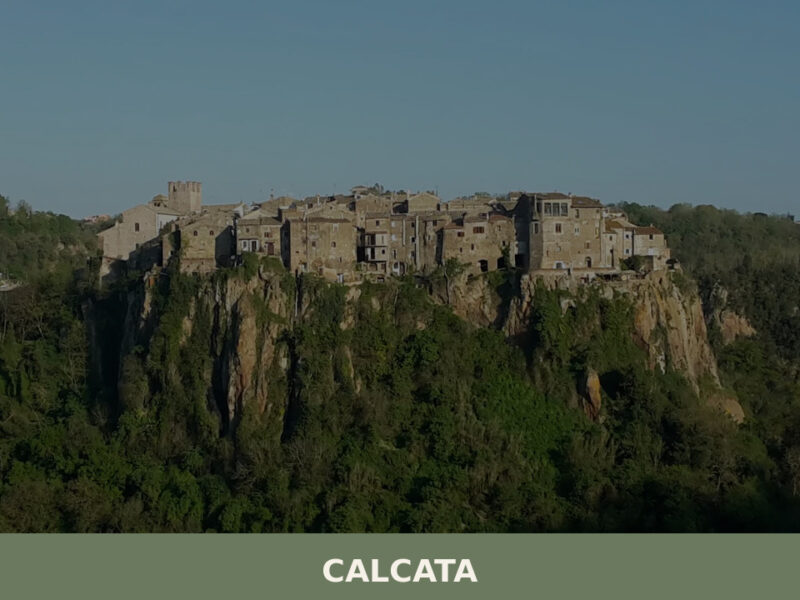
Calcata
 Hills
Hills
In 1935, the Italian government declared Calcata Vecchia a village to be abandoned due to the instability of the tuff cliff on which it stands. Fifty years later, the village was reborn as an artistic center, now offering visitors a unique experience. If you are wondering what to see in Calcata, the village appears as […]
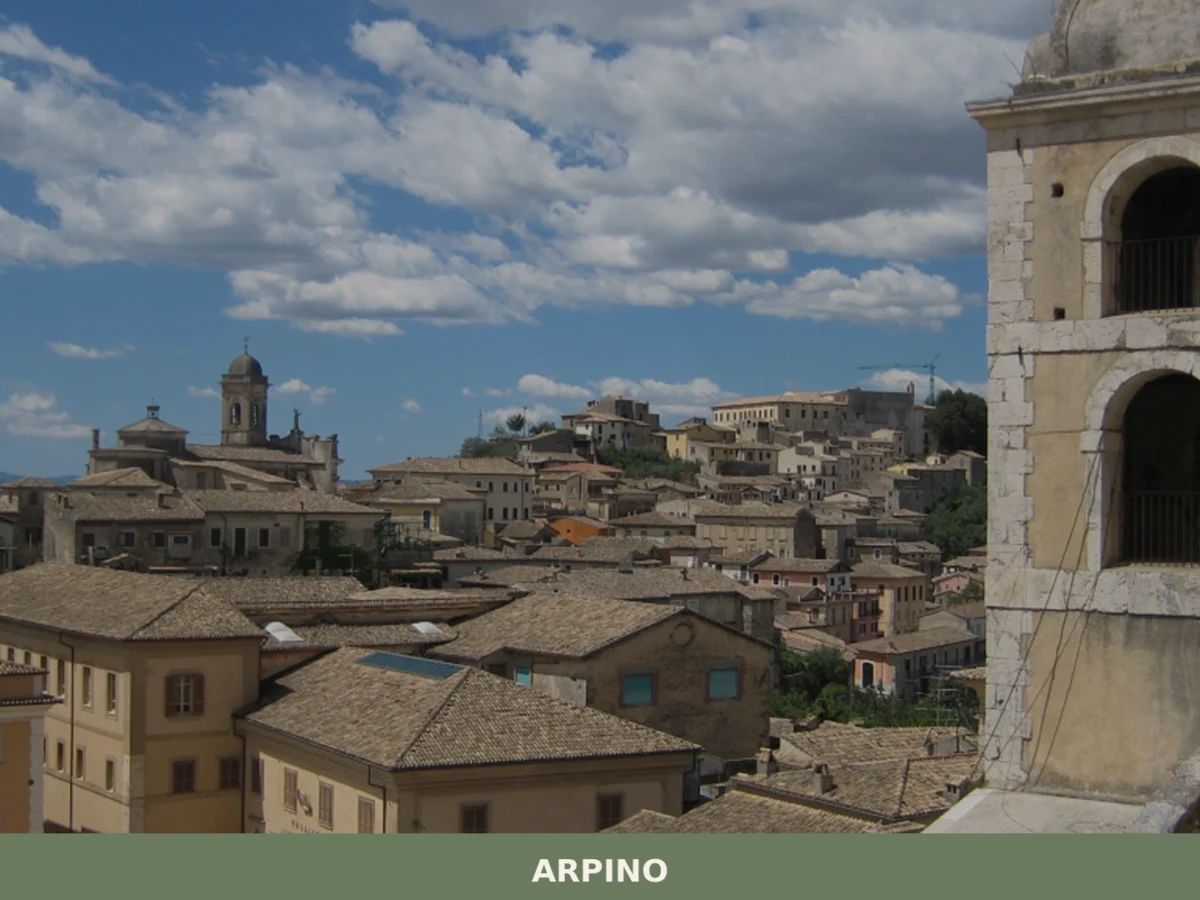
Arpino
Hills
What to see in Arpino, Lazio, Italy: polygonal walls, Cicero's birthplace, and Roman history 100 km from Rome. Discover the top attractions and how to get there.
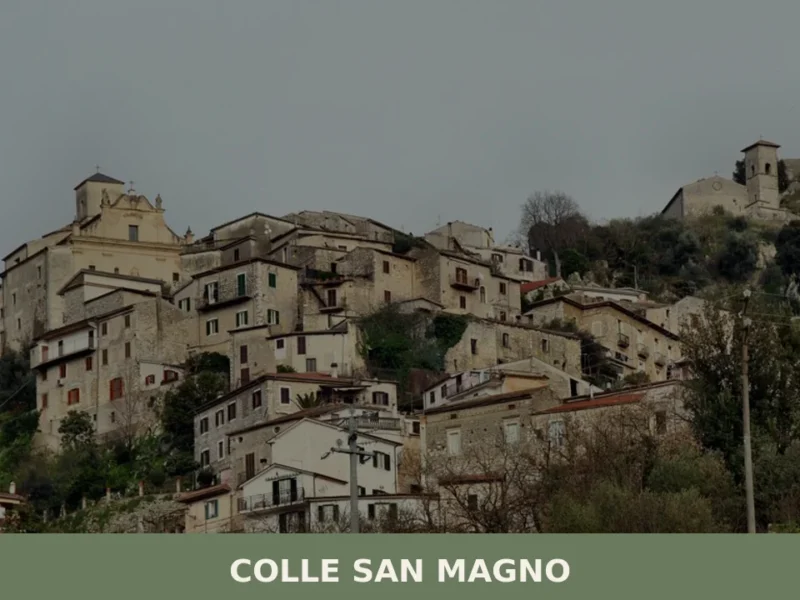
Colle San Magno
Hills
Colle San Magno is a mountain comune in the province of Frosinone, Lazio, at 534 metres, known for its Museo Vivo della Memoria and its position above the Liri valley.
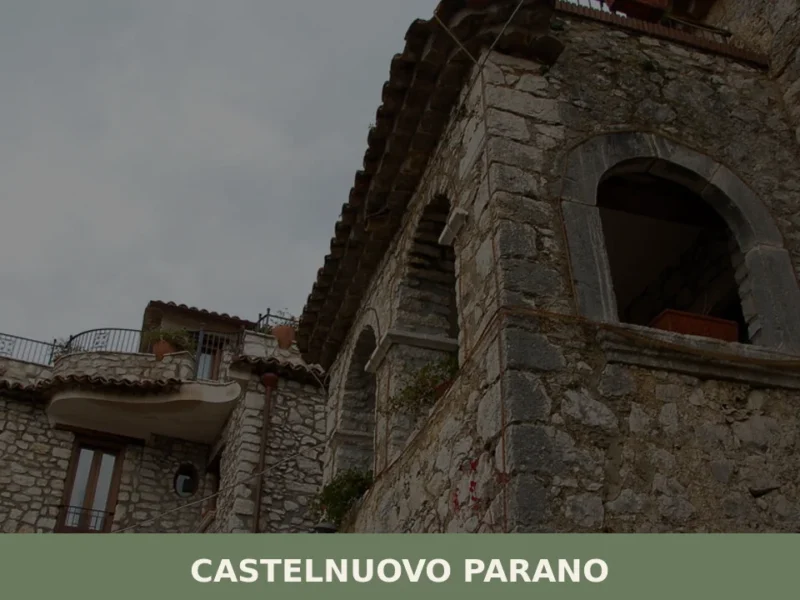
Castelnuovo Parano
Hills
Castelnuovo Parano is a hill municipality of 846 inhabitants in the province of Frosinone, Lazio, with medieval roots dating to the mid-eleventh century and a rich territorial heritage in the heart of
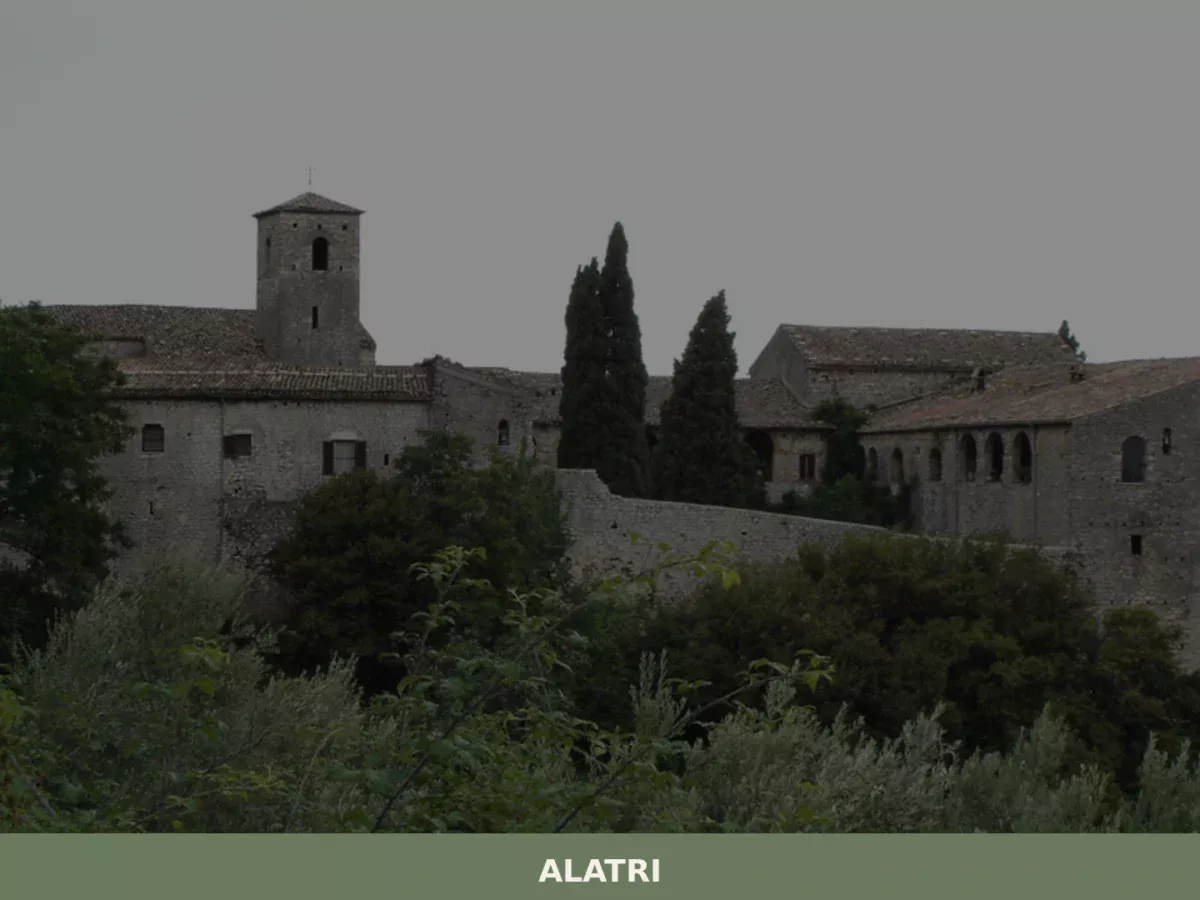
Alatri
 Mountain
Limestone blocks measuring up to 3 by 2 metres sit without mortar on the hill above the city, fitted so precisely that a knife blade cannot pass between them. The terrace walls of the acropolis rise to over 15 metres (49 ft), enclosing a rectangular plateau of 220 by 100 metres (720 by 330 ft). […]
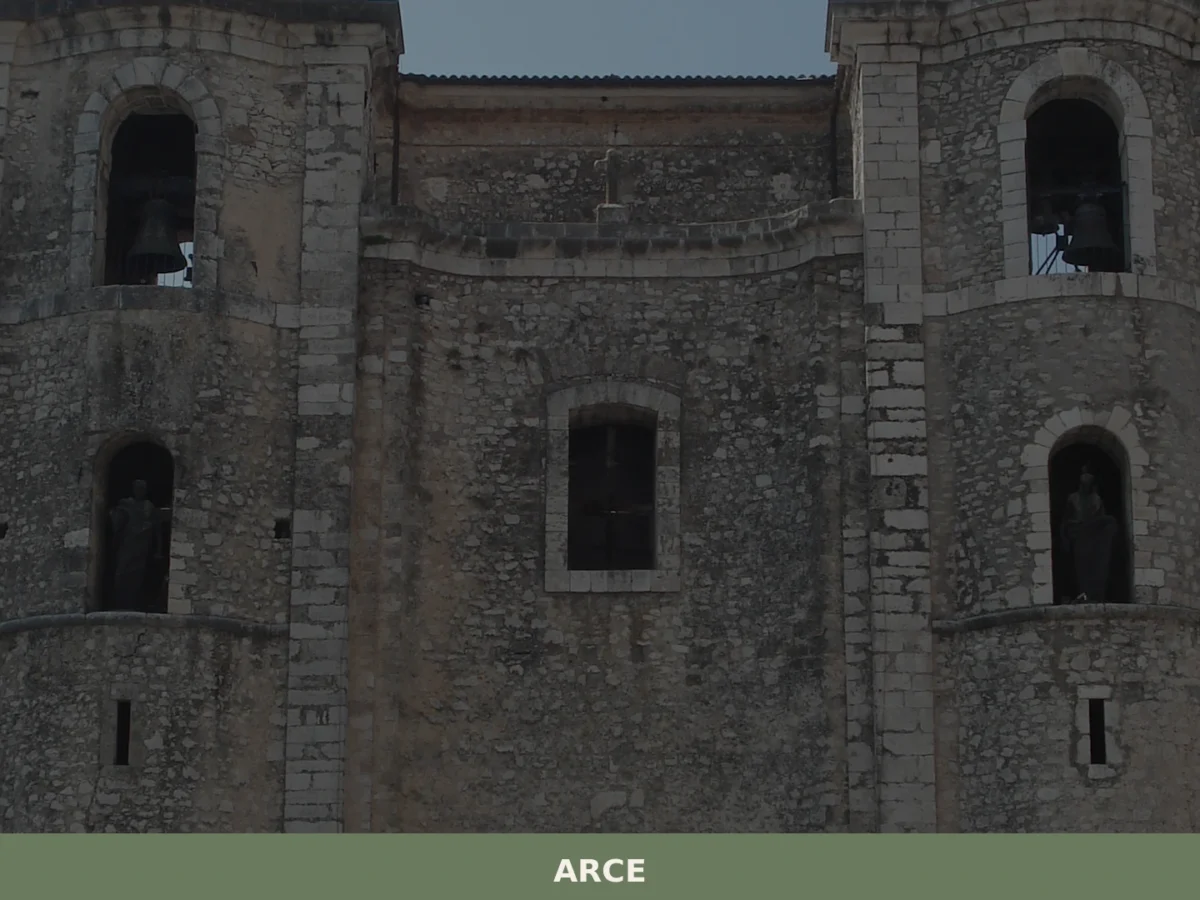
Arce
 Plains
What to see in Arce: discover the 5 unmissable aspects of this Lazio village. From medieval fortresses to scenic views, your complete guide. Plan your visit!
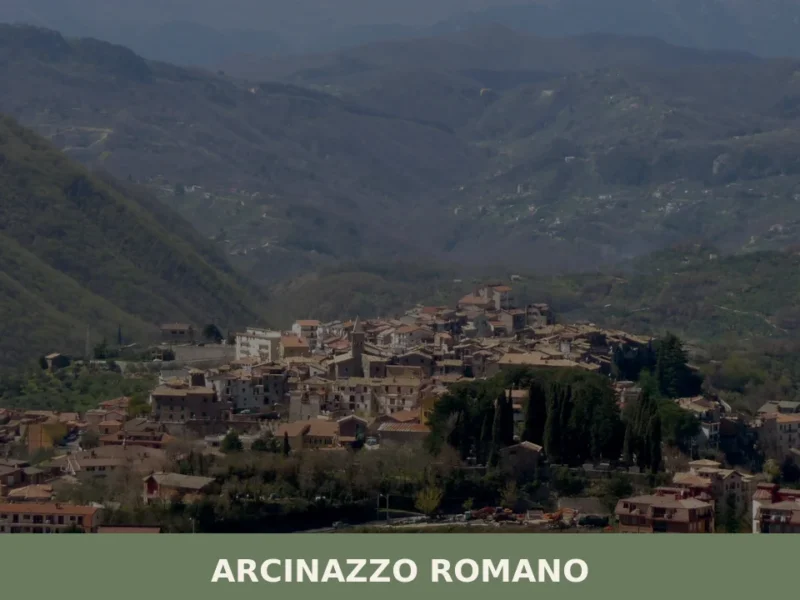
Arcinazzo Romano
Mountain
Arcinazzo Romano is a mountain village in the Metropolitan City of Rome, Lazio, perched at 796 metres with 1.232 inhabitants and a history reaching back to at least the early eighth century.
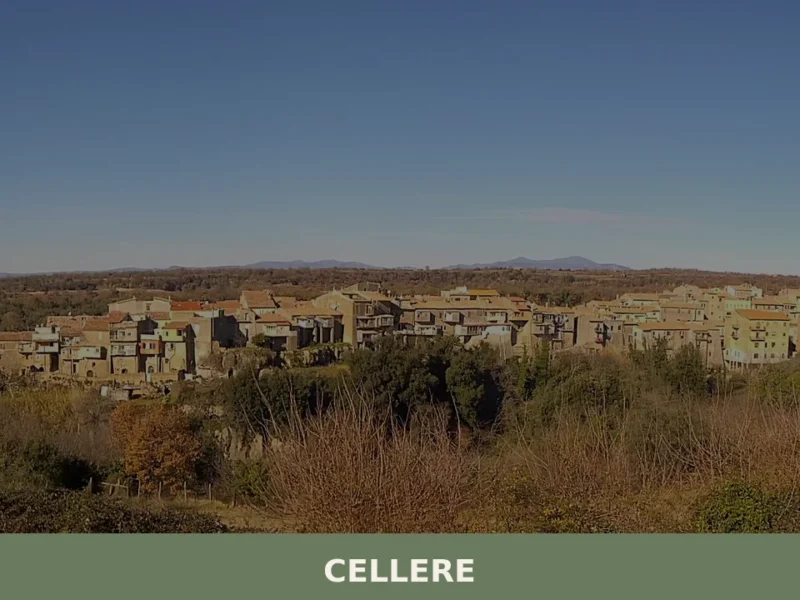
Cellere
Hills
what to see in cellere, Italy. Explore this Viterbo province village, 344 m high. Discover the Church of Sant'Egidio and local traditions. Read our guide!
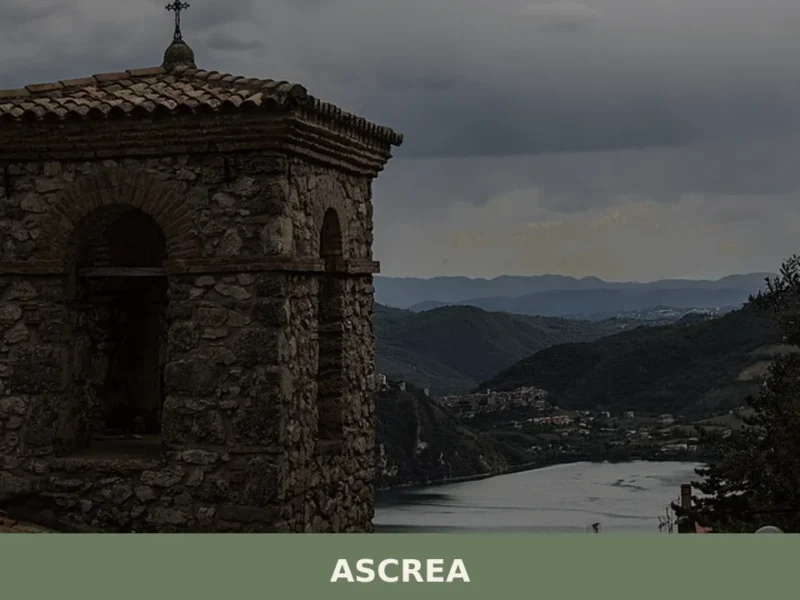
Ascrea
 Lake
Mountain
Lake
Mountain
What to see in Ascrea: a mountain village at 757 m in the province of Rieti with 261 residents. Discover the church of San Nicola, PAT-certified products and how to get there.
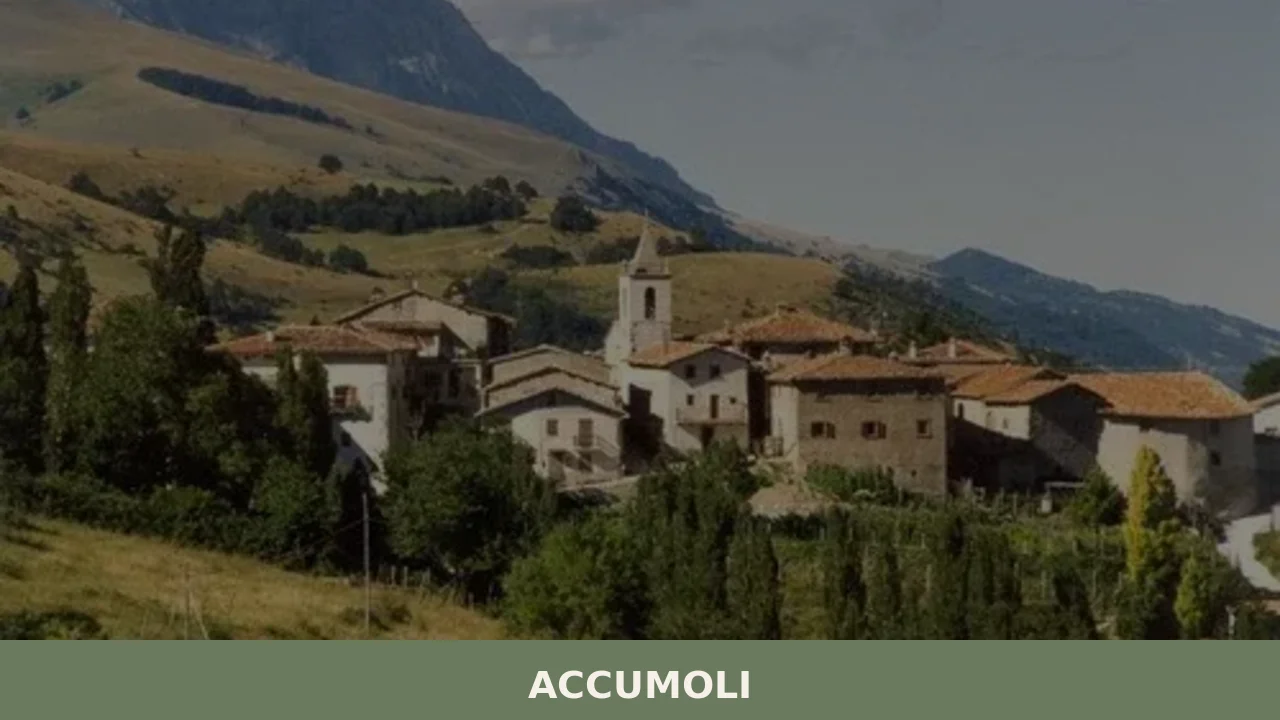
Accumoli
Mountain
Accumoli is a mountain commune of 503 inhabitants in the province of Rieti, Lazio, set at 709 metres within the Parco Nazionale del Gran Sasso e Monti della Laga.
🏡 Know Atina better than we do?
If you’re a local or have been there, your knowledge matters: add what’s missing or fix a detail on this page.