


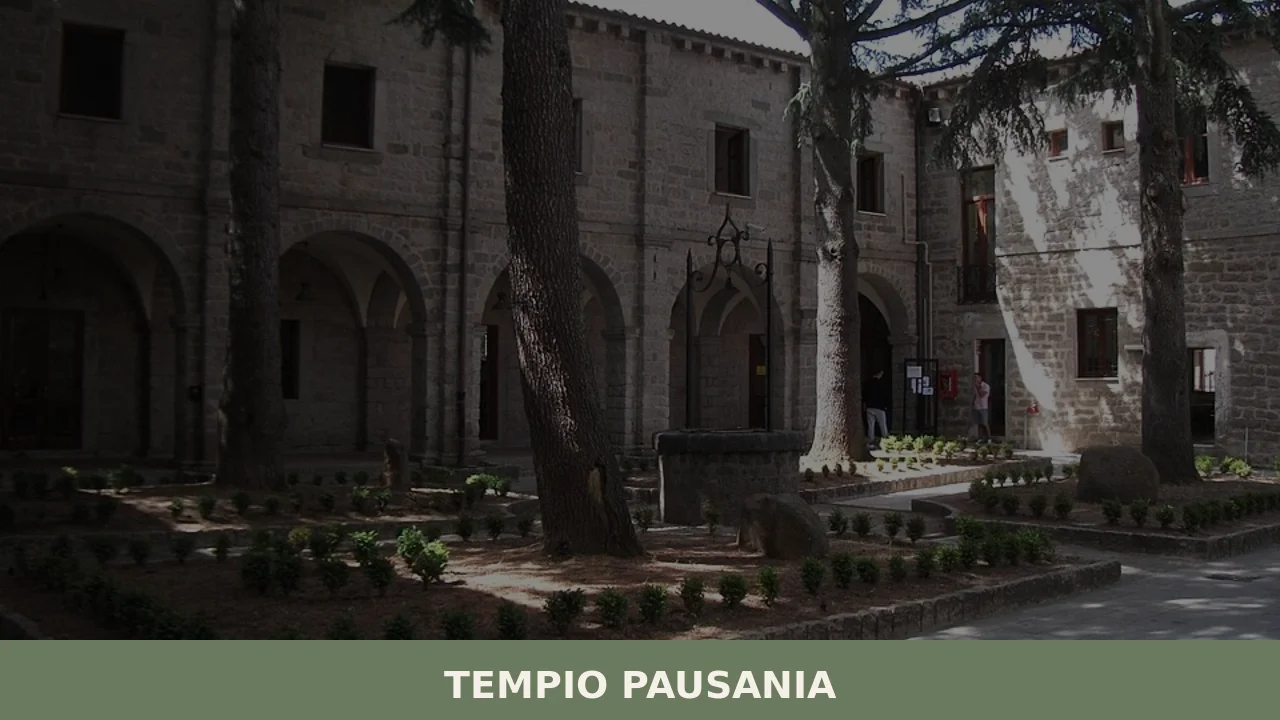

Tempio Pausania is a historic Gallurese town of 13,973 residents at 568 metres on Monte Limbara, seat of a diocese and gateway to the granite landscapes of north-eastern Sardinia.
Discover Tempio Pausania
Tempio Pausania is a Gallurese town of approximately 13,973 residents, set at 566 metres above sea level on the slopes of Monte Limbara in the north-eastern corner of Sardinia, covering a municipal territory of around 213.69 square kilometres. Capital of the Gallura Nord-Est Sardegna province, it holds a long civic and ecclesiastical identity — seat of the Diocese of Tempio-Ampurias and home to a cluster of historic churches gathered around Piazza San Pietro — that gives it an institutional weight unusual for a town of its size. The surrounding landscape, granite-ridged and cork-forested, frames a centre where medieval foundations, Spanish-era architecture, and a living calendar of religious observances around the feast of San Pietro on 29 August coexist quietly.
What draws visitors to this Tempio Pausania village in Sardinia is precisely that layering: prehistoric nuragic remains identified even beneath the town centre, a cathedral whose origins reach back to the medieval giudicale period, a diocesan museum housed in a former seminary — the Palazzo Pes-Villamarina — and a table that draws on the cheeses, lamb, and wines of Gallura, including the DOCG Vermentino di Gallura and the IGT Colli del Limbara. Lying roughly 40 kilometres from Olbia (approximately 40 minutes by road), about 10 kilometres from Aggius (around 15 minutes), and some 45 kilometres from Aglientu (around 50 minutes), Tempio Pausania is well placed as a base for exploring the interior of Gallura without sacrificing the comforts of a functioning provincial town.
History of the Tempio Pausania village in Sardinia
Tempio Pausania is a Gallurese town with documented roots stretching from prehistoric times through Roman occupation, medieval giudicale governance, and several centuries of Aragonese and Spanish rule, each layer leaving traceable marks on the built and institutional fabric of the place. The territory shows evidence of Neolithic and Eneolithic activity on the slopes of Monte Limbara, followed by nuragic settlement from around 1800 BC, attested by corridor and tholos nuraghi, rock-cut villages, and chamber tombs scattered across the municipality, with nuragic remains identified even beneath what is now the town centre.
The settlement enters written records as Templo in 1173, in a document between the Primatial of Pisa and the bishop of Civita, and later as Villa Templi. During the giudicale period it served as the chief centre of the Curatoria di Gemini, a subdivision of the Giudicato di Gallura. The original churches of San Pietro and Santa Croce are traditionally attributed to this medieval phase, forming the nucleus around which the town grew. When the Giudicato of Gallura passed into Pisan hands following the death of Nino Visconti in 1296 — a figure mentioned by Dante — popular tradition associates a residence in the town centre with him, though no historical evidence confirms the attribution.
Aragonese conquest of Sardinia in 1324 brought the town into the Crown of Aragon’s Regno di Sardegna. A fifteenth-century fiscal census lists it among the villages of the Curatoria di Gemini with a relatively modest tax burden, reflecting the demographic crisis of the fourteenth century, during which more than sixty small Gallurese centres disappeared entirely. Infeudated in 1420 to the Carroz d’Arborea family, the town began a gradual demographic and economic recovery over the following decades, partly through Corsican immigration. The church of San Pietro was consecrated following reconstruction in 1519, retaining from that campaign the base of the bell tower and the late-Gothic portal on the main façade. From 1543, a Franciscan convent with a church was established, and Friars Minor Observants settled there by 1545. From the first half of the sixteenth century, as Terranova declined, Tempio gradually became the principal centre of northern Sardinia’s Gallura region.
Piazza San Pietro and the Religious Monuments of Tempio Pausania
Tempio Pausania holds a compact but notable ensemble of religious architecture concentrated around Piazza San Pietro, including the cathedral, several historic churches, an oratory, and a diocesan museum housed in a former seminary.
Cattedrale di San Pietro
The cathedral of San Pietro Apostolo is the principal Catholic place of worship in Tempio Pausania and the mother church of the Diocese of Tempio-Ampurias. It stands in the piazza that bears its name, at the centre of the town. The medieval origins of the church of San Pietro are among the earliest documented in the area.
Chiesa di Santa Croce
The church of Santa Croce stands in Piazza San Pietro, directly beside the cathedral. Along with San Pietro, it represents one of the oldest religious structures associated with the formation of the town’s historic core.
Oratorio del Rosario
Also in Piazza San Pietro, the Oratorio del Rosario faces the cathedral across the square, completing the concentrated religious character of this central space.
Chiesa di San Francesco
Located on the street that bears its name, the church of San Francesco is consecrated to Catholic worship and belongs to the parish of San Pietro Apostolo within the Diocese of Tempio-Ampurias.
Chiesa di San Giuseppe
The church of San Giuseppe is the seat of its own parish and likewise belongs to the Diocese of Tempio-Ampurias.
Chiesa dell’Immacolata Concezione
A further Catholic church in the town, the Immacolata Concezione is part of the same diocesan structure.
Museo Diocesano di San Pietro Apostolo
A short distance from the cathedral, the Diocesan Museum of San Pietro Apostolo occupies the former seminary building, now known as Palazzo Pes-Villamarina. The museum is managed by the Diocese of Tempio-Ampurias and represents the main institutional collection associated with the town’s long role as a episcopal centre.
Flavours of Tempio Pausania and the Gallura Table
Tempio Pausania and its surrounding Gallura territory are associated with several certified products, including the Vermentino di Gallura DOCG — the only DOCG wine of Sardinia — alongside the Colli del Limbara IGT, produced from vineyards in the hills that frame the town. On the table, look for Pecorino Sardo DOP and Fiore Sardo DOP, two aged sheep’s-milk cheeses with roots in the island’s pastoral traditions, as well as Agnello di Sardegna IGP and the prized Carciofo Spinoso di Sardegna DOP. Among traditional Sardinian distillates, the area is also linked to filu e ferru, a strong grape-based acquavite long associated with home production across the island’s rural communities.
These products belong to a broader Gallura and Sardinian tradition rather than being exclusive to the town’s boundaries, but Tempio Pausania, as the main centre of the Gallura Nord-Est, is a natural place to encounter and taste them — in its markets, its restaurants, and the farms of the surrounding countryside.
Getting to Tempio Pausania and Planning Your Visit
Tempio Pausania is most easily reached from Olbia, approximately 40 km away by road and around 40 minutes by car, making Olbia’s airport the practical entry point for most travellers arriving by air. Sitting at 566 metres above sea level in the Gallura hills, the town has a Mediterranean climate with mild summers and cool winters, and annual rainfall of around 785 mm concentrated in autumn and winter — meaning late spring through early autumn offers the most settled conditions for a visit.
Within the Gallura, Tempio Pausania also serves as a base for exploring nearby villages: Aggius lies roughly 10 km away and is reachable in about 15 minutes, while Aglientu, closer to the northern coast, is approximately 45 km distant, around 50 minutes by car. Visitors following the Cammino di Santu Jacu — a long-distance pilgrimage route across Sardinia — will find Tempio Pausania along its path.
The town’s patron saint is San Pietro, and the main patronal feast falls on 29 August, offering a particular reason to visit at the end of summer. With a resident population of 13,973 and a surface area of around 213.69 square kilometres, Tempio Pausania functions as a genuine service hub for the Gallura — home to a hospital, law courts, schools, and a diocesan seat — which means accommodation, transport connections, and visitor facilities are comparatively well developed for a mountain town of this scale.
| Departure | Distance | Time |
|---|---|---|
| Olbia | approx. 40 km | approx. 40 min |
| Aggius | approx. 10 km | approx. 15 min |
| Aglientu | approx. 45 km | approx. 50 min |
Frequently asked questions about Tempio Pausania
How do you get to Tempio Pausania from Olbia?
From Olbia, the most practical route is by car via the SS127 road, covering roughly 40 kilometres in about 40 minutes. Olbia Costa Smeralda Airport is the nearest international hub. ARST buses connect Olbia to Tempio Pausania on a regular schedule, making the town accessible without a car. The nearest railway station is in Olbia; a narrow-gauge tourist train, the Trenino Verde, historically served inland Gallura, though seasonal availability should be confirmed before travelling.
When is the best time to visit Tempio Pausania?
Late spring and early autumn offer mild temperatures at 566 metres elevation, avoiding summer heat while keeping roads and facilities open. The most significant local event is the feast of San Pietro, patron saint of the town, celebrated on 30 August with religious processions and community festivities centred on Piazza San Pietro. Carnival is also traditionally lively in Tempio Pausania. Winter brings occasional snow on Monte Limbara, appealing to visitors seeking a quieter, atmospheric experience of the Gallura interior.
Are there hiking or outdoor routes around Tempio Pausania?
Monte Limbara, rising directly above the town, offers documented hiking trails including CAI-marked routes reaching the summit at Punta Balistreri (1,359 metres), the highest peak in Gallura. The forest of cork oaks surrounding the massif provides well-established woodland paths. Mountain biking routes across the granite landscape are also documented by local tourism bodies. The Limbara massif is a protected natural area, and trail conditions are best verified with the local Pro Loco or regional forestry authority before departure.
How long should you plan to visit Tempio Pausania?
A minimum of one full day allows you to visit the cathedral, the Diocesan Museum in Palazzo Pes-Villamarina, and the historic churches around Piazza San Pietro, plus a meal sampling local Gallurese cuisine. Two to three days are recommended if you intend to combine the town with day trips to nearby Aggius (about 10 kilometres away) or natural sites on Monte Limbara. Opening hours for the Diocesan Museum and churches vary seasonally; contacting the Diocese of Tempio-Ampurias or the local tourist office in advance is advisable.
What is a lesser-known historical curiosity about Tempio Pausania?
Tempio Pausania served as the capital of Gallura during the medieval giudicato period and later developed significantly under Aragonese and Spanish rule, which accounts for the distinctive granite architecture visible in its historic centre. The town's name itself combines 'Tempio', believed to reference an ancient Roman or pre-Roman sacred site, with 'Pausania', added in 1862 to distinguish it from other Italian towns named Tempio. This dual name reflects the layered administrative history of the Sardinian interior across Roman, medieval, and unified-Italy periods.
Nearby Villages near Tempio Pausania
 Mountain
In Sardinia More villages to discover
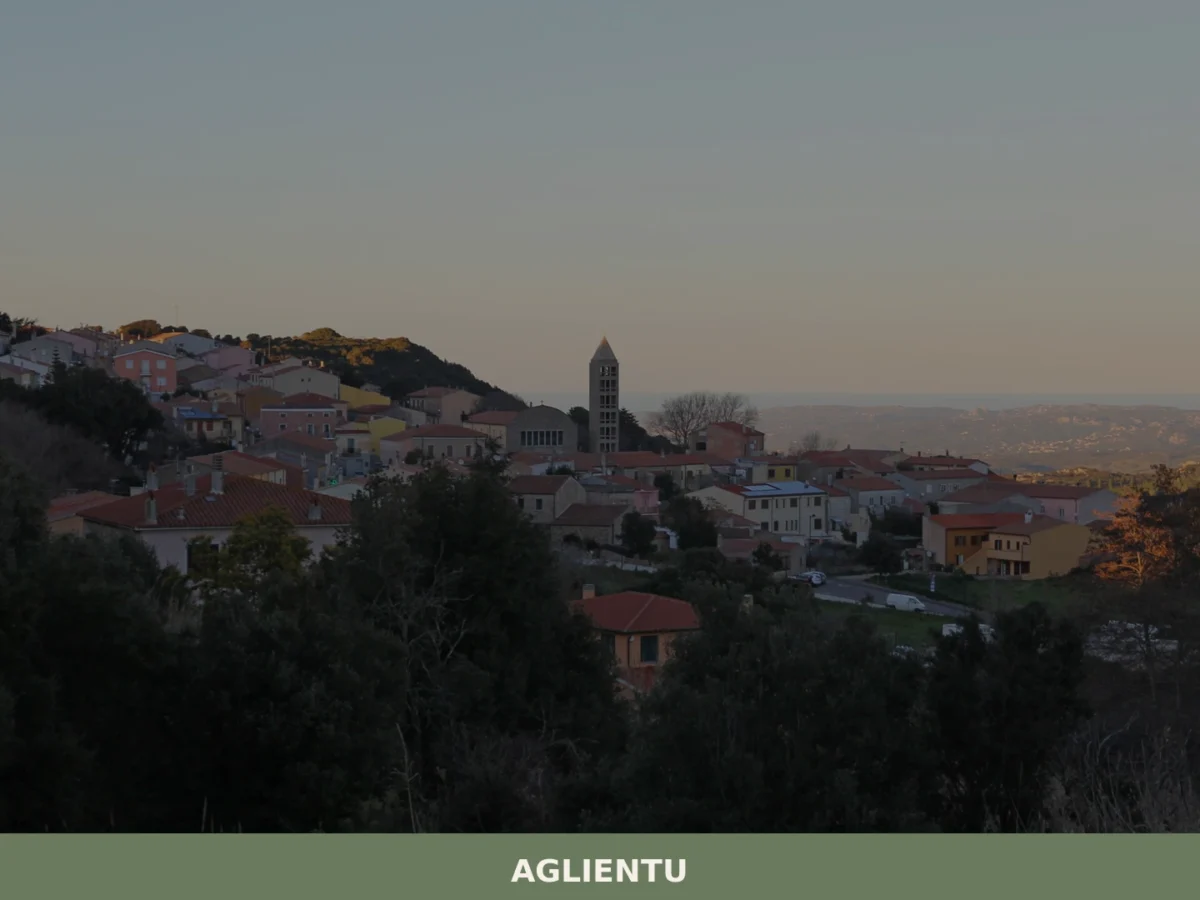
Aglientu
 Sea
Sea
Discover what to see in Aglientu, a Gallura village in north Sardinia: granite coasts, cork oak landscapes, Nuragic sites, and local pecorino culture.
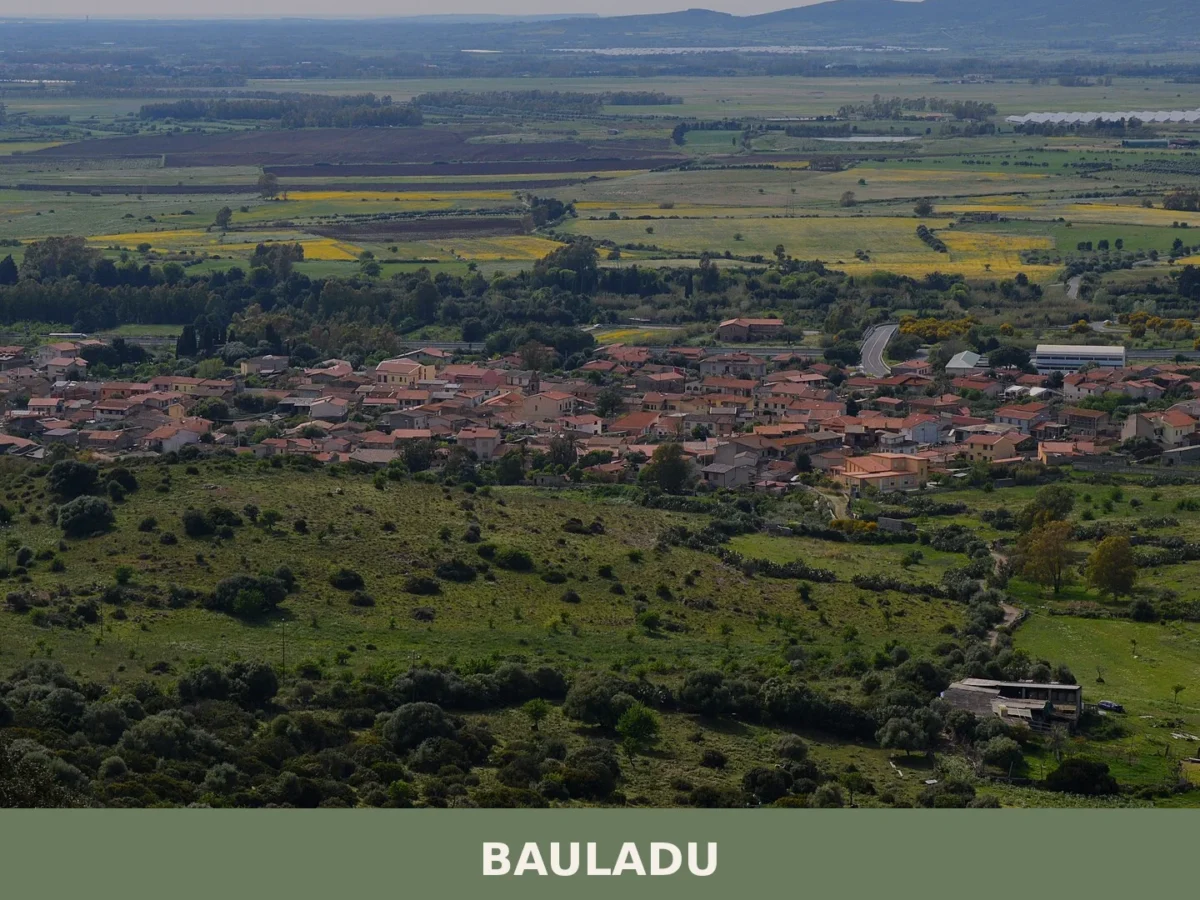
Bauladu
 Plains
Bauladu is a small municipality of 706 inhabitants in the province of Oristano, Sardegna, with nuragic roots, a medieval parish church and a landscape shaped by volcanic hills and the rio Cìspiri.
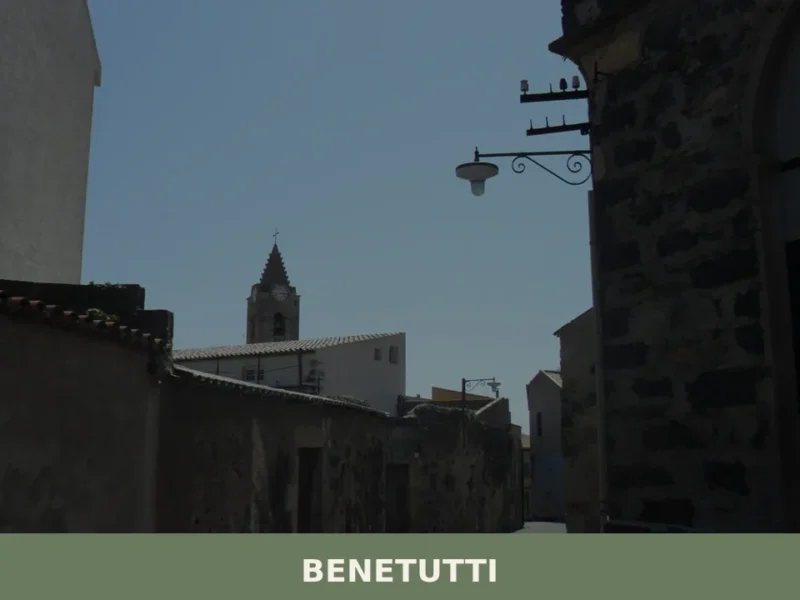
Benetutti
 Hills
Hills
The thermal springs of San Saturnino, known since Roman times for their waters emerging at 43°C, define the identity of Benetutti more than any other element. This village of 1,686 inhabitants, at 406 metres above sea level in the province of Sassari, occupies a stretch of the Rio Tirso valley between granite formations and expanses […]
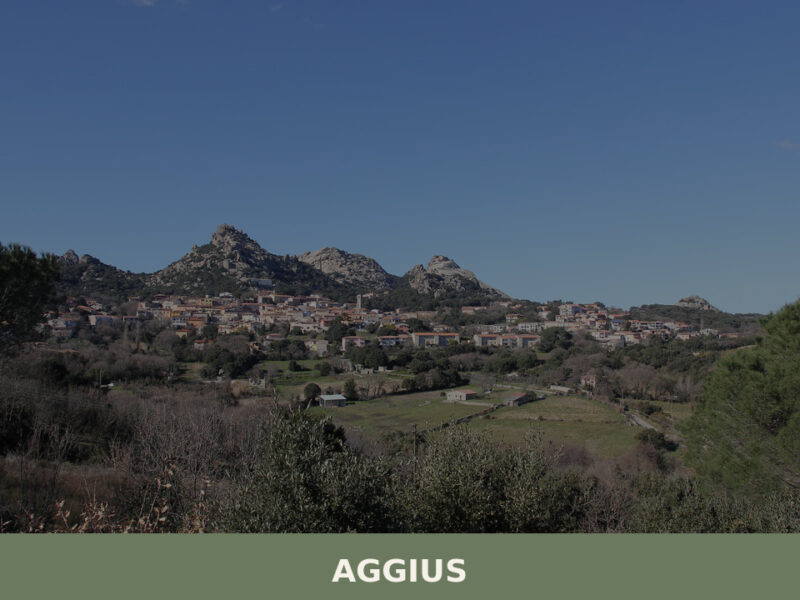
Aggius
Hills
Granite boulders glow amber in the late afternoon, stacked like ancient sentinels across a valley floor that drops away toward the Gallura coast. Wind pushes through narrow lanes of grey stone houses, carrying the faint rhythm of a polyphonic chorus rehearsing behind closed shutters. At 514 metres above sea level, this village of just over […]
Barrali
Plains
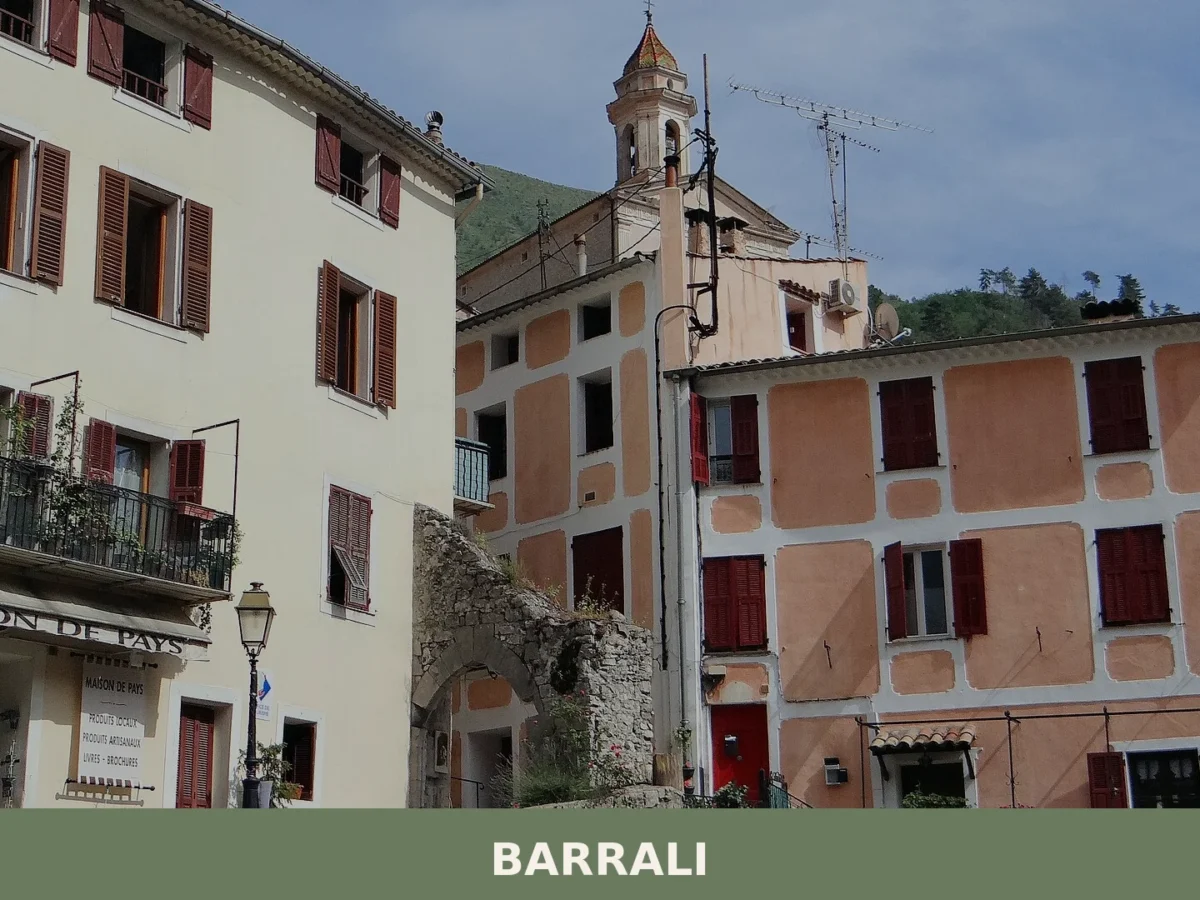
Barrali is a small comune of around 1,135 inhabitants in the Trexenta area of the Città metropolitana di Cagliari, with a history stretching from the Neolithic to modern municipal independence.

Nuraminis
Plains
Discover Nuraminis, a Sardinian village with ancient nuraghi, Byzantine treasures & a Gothic-Catalan church. Your guide to an unmissable cultural escape.
Barumini
Plains
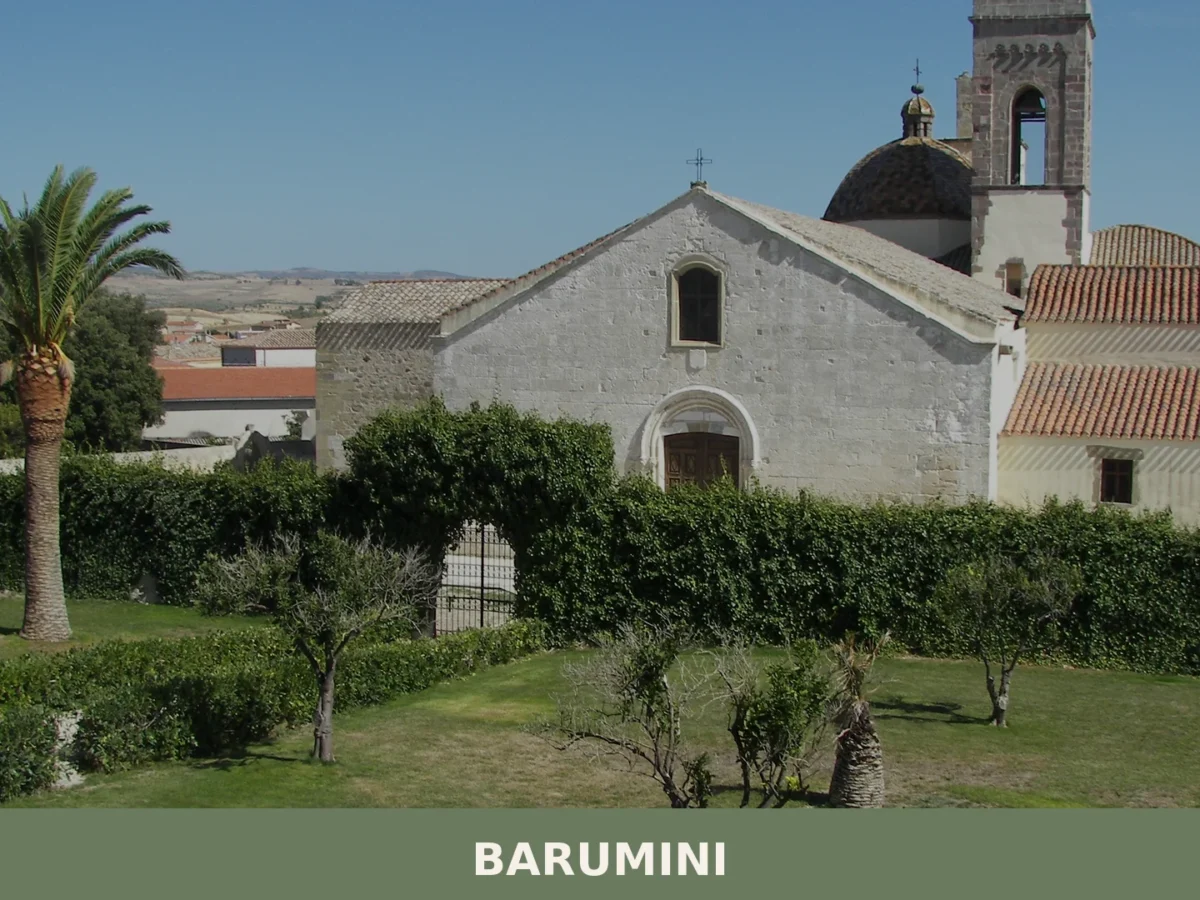
Barumini is a small Sardinian comune in the Marmilla whose UNESCO-listed nuragic complex of Su Nuraxi and a seventeenth-century palace museum make it one of the island's most concentrated cultural des
Ardara
Hills
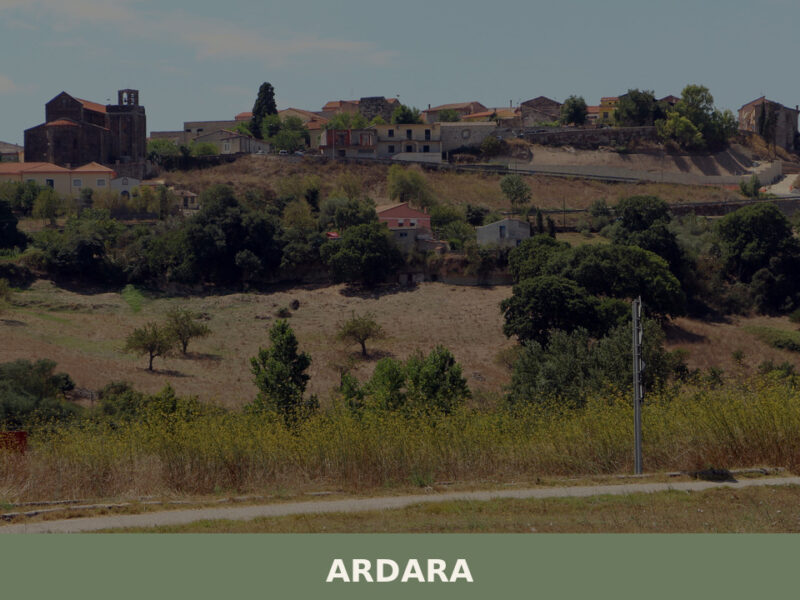
Morning light strikes the dark basalt walls of an old church, turning the stone the colour of wet coal. A rooster calls from somewhere behind the municipio. Ardara sits on a low rise at 296 metres above sea level in the province of Sassari, a village of 729 people that once served as the capital […]
Bonnanaro
Hills
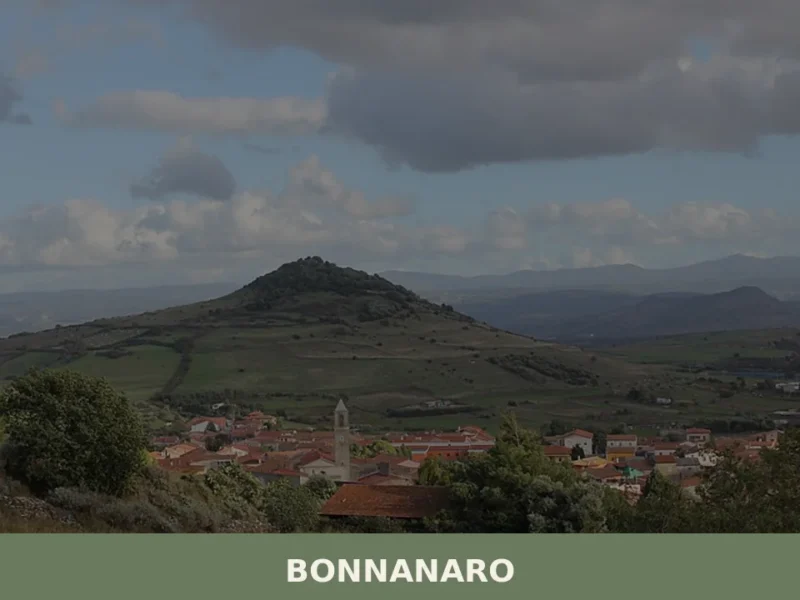
In 1388, when representatives of the Sardinian villages signed the peace treaty with the Crown of Aragon, among the signatories was the village of Bonnanaro, an agricultural centre already known for the fertility of its volcanic soils on the slopes of Monte Pelao. Today this village of 921 inhabitants, situated at 405 metres above sea […]
Bessude
Hills
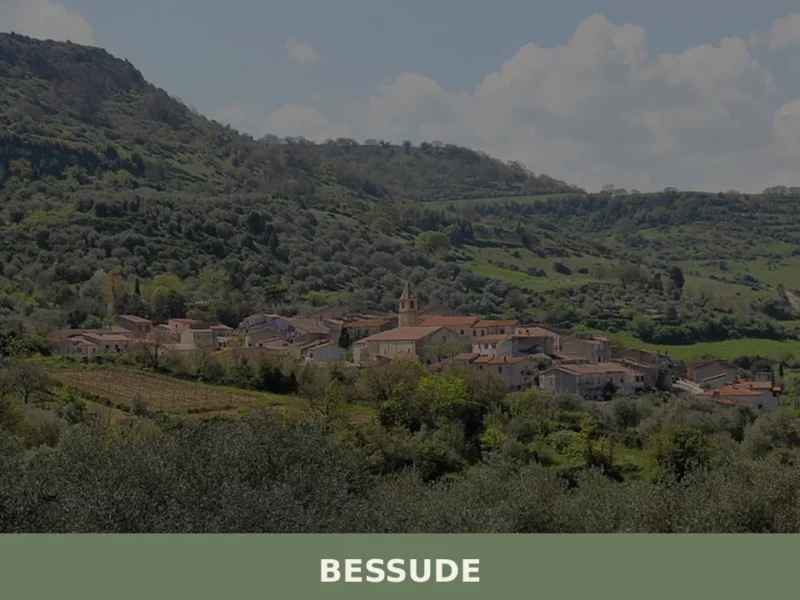
At 447 meters above sea level, with a population of 383 inhabitants as of 2023, Bessude is a small town in Logudoro-Meilogu, in the province of Sassari, whose existence is documented at least since 1341 in the Rationes Decimarum Sardiniae. The village, known for its hilly location and the Nuragic remnants that surround its territory, […]




🏡 Know Tempio Pausania better than we do?
If you’re a local or have been there, your knowledge matters: add what’s missing or fix a detail on this page.