


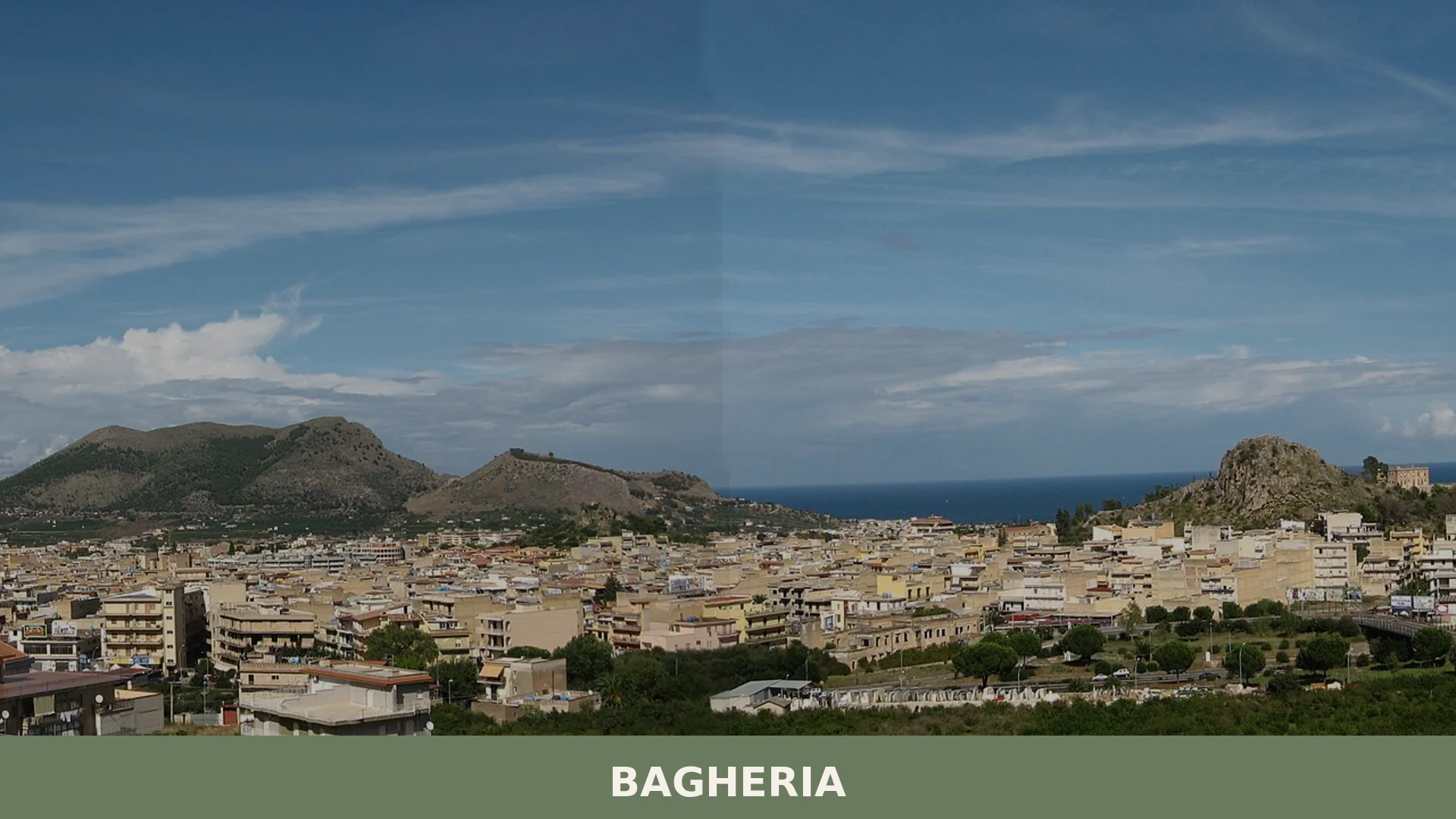

Bagheria is a town of around 53,000 people in the Metropolitan City of Palermo, facing the Tyrrhenian coast and famed for its baroque aristocratic villas, layered history and proximity to Palermo.
Discover Bagheria
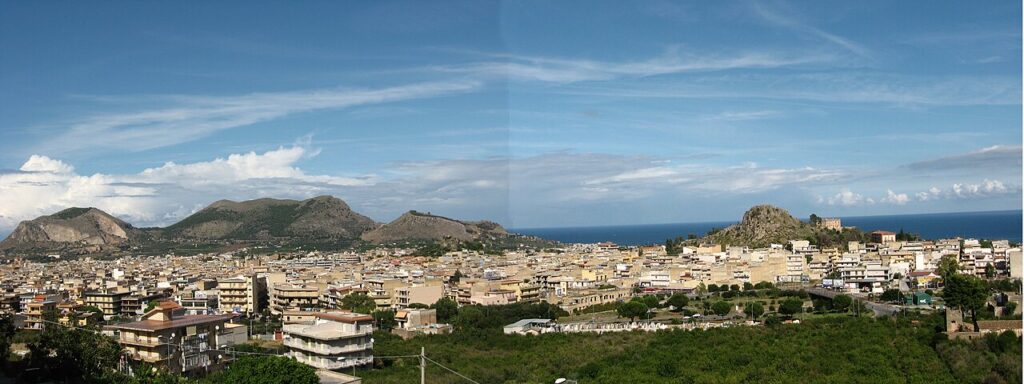
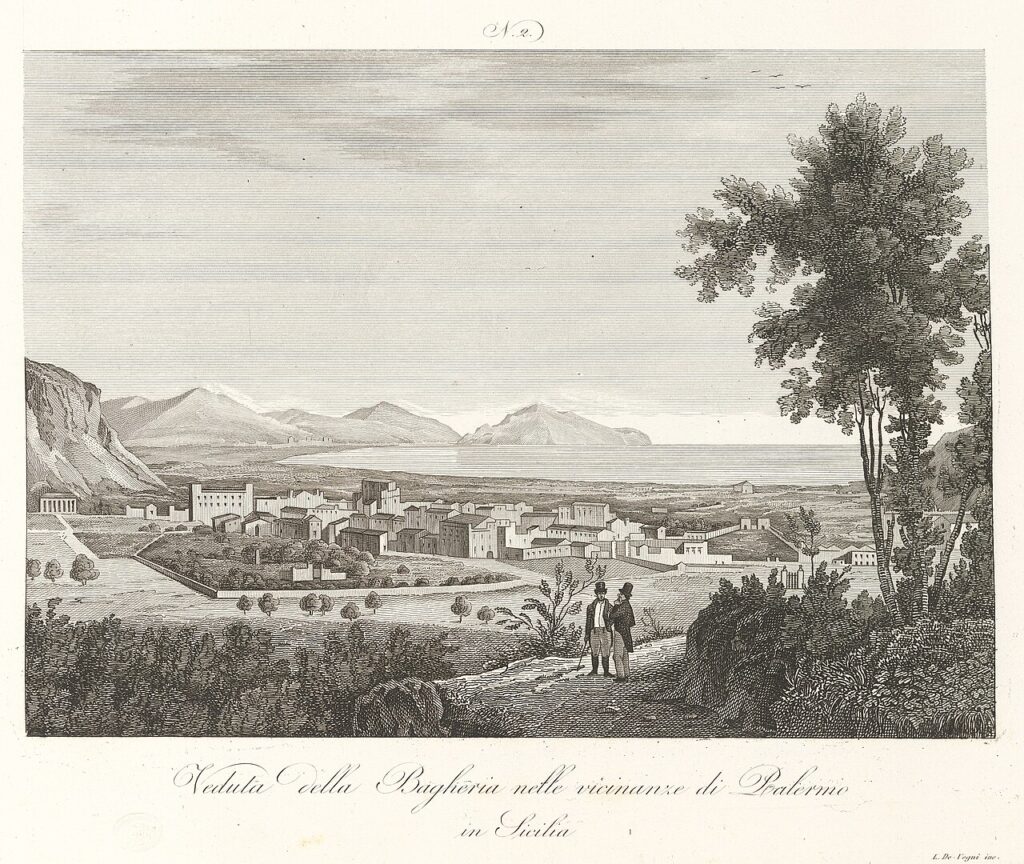
Bagheria is a town of around 53100 inhabitants in the Metropolitan City of Palermo, Sicily, set on a coastal hill some 78 metres above sea level where the Piana di Bagheria stretches toward the Tyrrhenian Sea. The second most populous municipality in the metropolitan area after Palermo itself, it looks out over the south-eastern arc of the Gulf of Palermo, flanked by the Catalfano and Irice mountains to the north-east and a chain of inland hills to the south-west. Its streets still carry the imprint of the Branciforti princes, who from the mid-seventeenth century turned a modest feudal territory into a stage for aristocratic villas, grand axial boulevards and ornate churches.
Travellers today are drawn to Bagheria by its distinctive historical layers: traces of a pre-Roman settlement documented near Monte Porcara, a long medieval silence broken only by timber-cutters, and then an abrupt baroque flourishing that left Villa Palagonia, Villa Valguarnera and the monumental Palazzo Butera as its most visible legacy. The painter Renato Guttuso and the film director Giuseppe Tornatore were both formed here, and the town’s toy museum, housed inside the eighteenth-century Villa Aragona Cutò, keeps alive the craft traditions of Sicilian rural culture alongside a working restoration laboratory for toys, nativity scenes and wax figures.
Bagheria village in Sicily: history from ancient settlement to modern town
Bagheria’s history stretches from a pre-Roman hilltop settlement documented between the 7th and 3rd centuries BC to a bustling Sicilian town of over 53100 inhabitants, shaped above all by the aristocratic building ambitions of the Branciforti family from the mid-17th century onward. According to the archaeologist Vittorio Giustolisi, an ancient community known as Pàropos once stood near Monte Porcara, roughly 3.5 km southwest of today’s town centre, leaving behind traces of a defensive wall and a necropolis. After that settlement disappeared, the territory fell largely empty and became known as the Foresta della Bacarìa, used mainly for timber gathering.
The area returned to organised life in 1392, when Maria of Sicily granted the Casasaya family the fiefdom of Solanto. From that point, watchtowers and farm complexes were raised along the Eleuterio river to support the cultivation of vines, olive trees and sugarcane, while quarrying of the local Pietra d’Aspra stone also took hold. The decisive turning point came in 1595, when the prince Giuseppe Branciforti purchased a farmstead previously owned by Benedetto Rizzo; he then developed it into the imposing Palazzo Butera, completed in 1658. Modest dwellings for the palace’s servants grew up around it — 43 units had appeared between 1653 and 1697 even without formal planning authorisation, and a further 137 were added between 1705 and 1723. In 1769, Prince Salvatore Branciforti laid out the town’s two main axes, Corso Butera (nicknamed Stratuni) and the future Corso Umberto I (Stratunieddu), anchoring the urban plan that still defines Bagheria today.
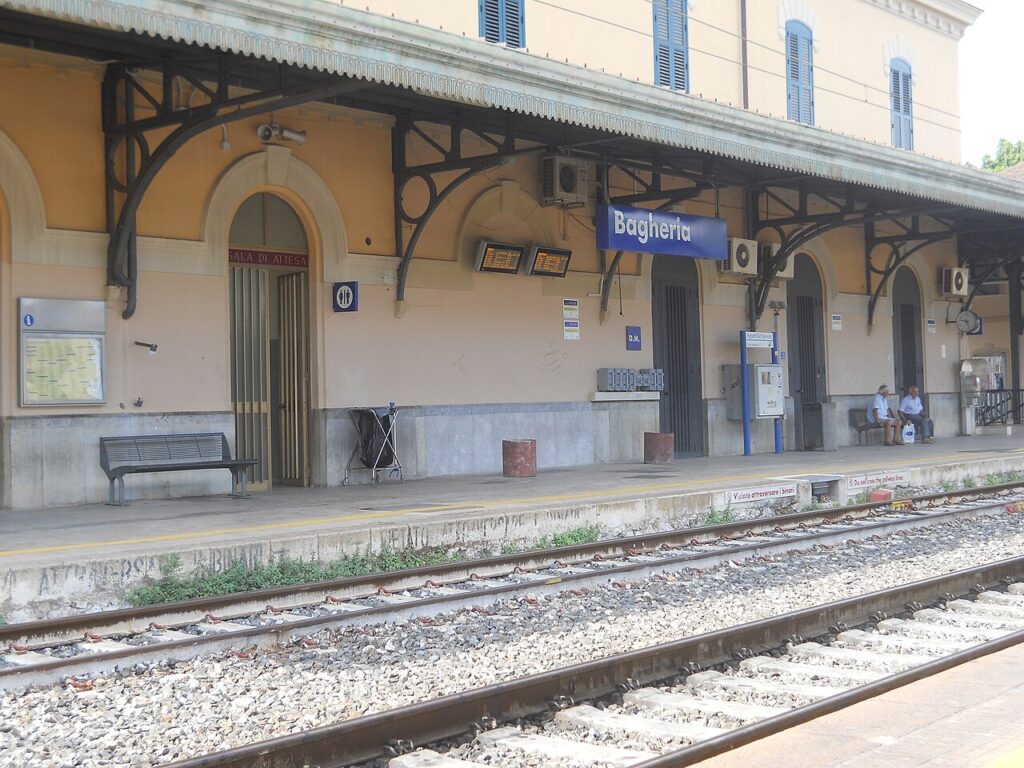
The 19th century brought new momentum: the opening of the railway station in 1863 encouraged the growth of a small industrial district in the Punta Aguglia quarter, centred on food preservation. A rising local bourgeoisie supported cultural initiatives such as the progressive movement known as the Casa di Cultura, promoted by Giuseppe Verdone and Gioacchino Guttuso Fasulo, which in 1911 pushed for the extension of Corso Butera all the way to the fishing hamlet of Aspra. The 20th century proved more turbulent: between 6 and 7 July 1943 Allied bombing raids killed 26 civilians, and the decades following the two world wars saw rapid, poorly planned urban expansion, with entire neighbourhoods built without basic infrastructure.
Villas, Churches and Palaces along the Corso Butera
Bagheria preserves a concentrated set of aristocratic villas, baroque and neogothic churches, a neoclassical certosa, and a museum of traditional toys, most of them arranged along or near the two historic axes of Corso Butera and Corso Umberto I.
Palazzo Butera
The oldest and most prominent noble residence in Bagheria, Palazzo Butera was completed in 1658 by Prince Giuseppe Branciforte, who had purchased an existing farmstead from Benedetto Rizzo in 1595. Known locally as U Palazzu, it was around this building that the town’s urban fabric first took shape. The northern facade was redesigned in 1769 by Giovanni Giglio. A marble epigraph on the palace carries a verse inscription by Miguel de Cervantes. Attached to the complex is the Certosa di Villa Butera, a neoclassical structure with a colonnaded portico designed by Vincenzo Fiorelli in 1797; it was Prince Ercole Michele Branciforti who conceived the idea of assembling a collection of statuary figures there. The upper-floor decorations inside the Certosa were executed by Giuseppe Velasquez.
Villa Palagonia
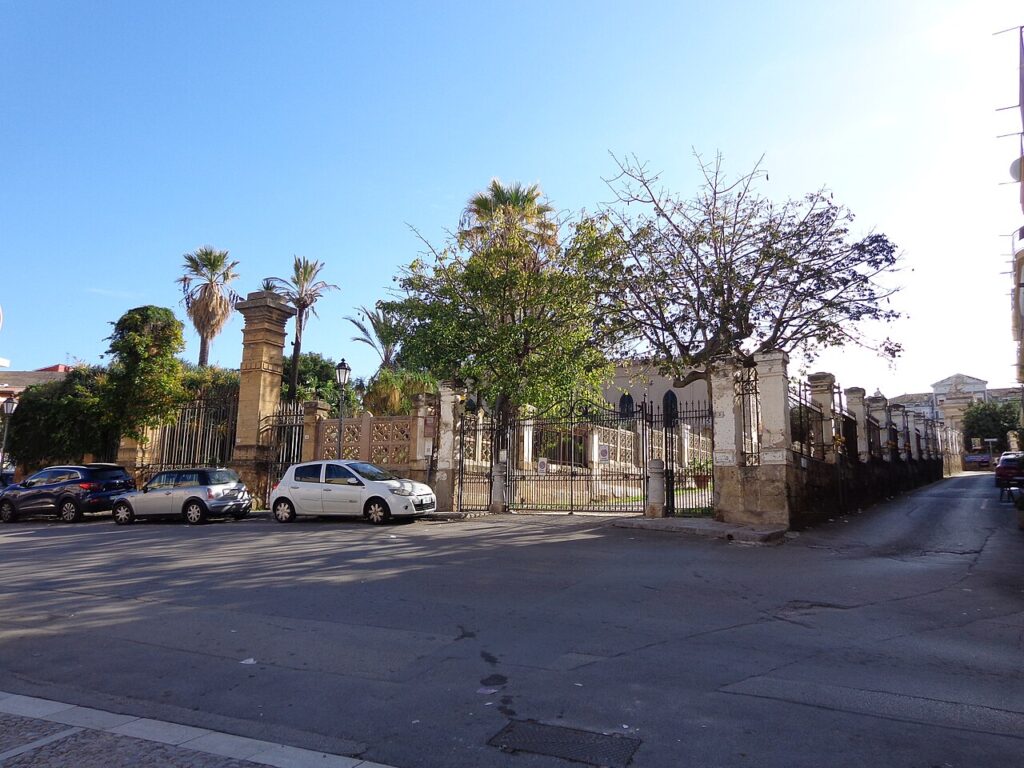
An eighteenth-century villa in baroque style, Villa Palagonia is notable also for its urban presence: the two tall calcarenite pillars of its secondary entrance are now incorporated into Corso Umberto I.
Villa Valguarnera
Another baroque villa of the eighteenth century, Villa Valguarnera stands among the aristocratic residences that gave Bagheria its reputation as a city of villas.
Chiesa Madrice — Natività di Maria
Commissioned by Prince Salvatore Branciforti in 1769 and completed in 1771, the Chiesa Madrice is dedicated to the Nativity of the Virgin Mary. It was designed by Salvatore Attinelli. In 1872, at the initiative of Domenico Mangione, a clock was added to the facade.
Chiesa del Santissimo Sepolcro
The first structure on this site was built in 1734 at the behest of Prince Nicolò Branciforti. The building’s current appearance dates from 1914, when architect Ernesto Armò redesigned it in a neogothic style.
Museo del Giocattolo Pietro Piraino
Housed inside the eighteenth-century Villa Aragona Cutò, this museum displays collections of toys from Sicilian rural culture, traditional board games, automata, and works in wax. An on-site laboratory is dedicated to the restoration of toys, nativity figures, papier-mâché objects, and wax works.
Bagheria and Its Territory: Certified Products and Regional Flavours
Getting to Bagheria and Planning Your Visit
Bagheria is straightforwardly reached from Palermo — roughly 15 km to the west along the A19 motorway or by frequent regional rail services — making it an easy half-day or full-day excursion from the Sicilian capital, best timed for spring or autumn when the Mediterranean climate (Köppen Csa) is warm but not oppressive. The town sits at about 78 metres above sea level on the coastal hill zone overlooking the Tyrrhenian Sea, which keeps winters mild and summers hot, so visitors sensitive to heat may prefer the shoulder months of April, May, September and October. Those exploring the broader metropolitan area can combine Bagheria with the inner villages reached via the same motorway corridor; the small communes of Cefalà Diana and Godrano lie further south toward the Sicilian interior and make for a rewarding contrast with Bagheria’s coastal plain. Walkers and long-distance pilgrims should note that the Via Francigena Normanna, commonly cited as approximately 430–440 km in length and linking Palermo to Messina, passes through this part of Sicily and offers a slower way to approach or leave the area.
| Departure | Distance | Time |
|---|---|---|
| Palermo | approx. 18 km | approx. 20 min (autostrada A19) |
| Palermo (treno) | approx. 18 km | approx. 20 min (linanda fandrroviaria) |
| Aeroporto Falcone-Borsellino (Punta Raisi) | approx. 45 km | approx. 40 min |
| Cefalù | approx. 65 km | approx. 50 min |
These practical references help organise the journey clearly, while the village itself is best understood slowly and on foot once you arrive.
Frequently asked questions about Bagheria
What is the best time to visit Bagheria?
Visit Bagheria between May and September for warm weather and sea access. The patron saint feast of San Giuseppe takes place on the first Sunday of August, featuring local celebrations and religious processions. Spring and early autumn offer pleasant temperatures ideal for exploring the baroque villas and coastal landscapes without excessive summer heat.
How do I reach Bagheria from Palermo?
Bagheria lies approximately 20 kilometres east of Palermo. By car, take the A19 motorway or the coastal SS113 road, both connecting directly to the town. Regional trains operate between Palermo and Bagheria stations, offering a scenic journey. Local buses also connect the two cities. Journey time by car is around 30 minutes depending on traffic.
What are the main baroque villas worth visiting?
The three most significant villas are Villa Palagonia, famous for its eccentric architecture and grotesque sculptures; Villa Valguarnera, showcasing refined aristocratic design; and the monumental Palazzo Butera. The eighteenth-century Villa Aragona Cutò houses the toy museum, displaying Sicilian craft traditions alongside a restoration laboratory for toys, nativity scenes, and wax figures.
How long should I spend in Bagheria?
A full day visit allows time to explore the main baroque villas, visit the toy museum, and stroll through the historic centre along Corso Butera. If you wish to combine cultural sightseeing with coastal relaxation by the Tyrrhenian Sea, consider an overnight stay. Most visitors allocate 4 to 6 hours for the primary attractions.
Are there any connections to famous artists from Bagheria?
Bagheria is the birthplace of celebrated painter Renato Guttuso and renowned film director Giuseppe Tornatore. Both artistic figures were shaped by the town's baroque heritage and cultural atmosphere. Their works reflect the layered history and distinctive character of this Sicilian village, making it an important location for twentieth-century Italian art and cinema.
📷 Photo Gallery — Bagheria
In Sicily More villages to discover
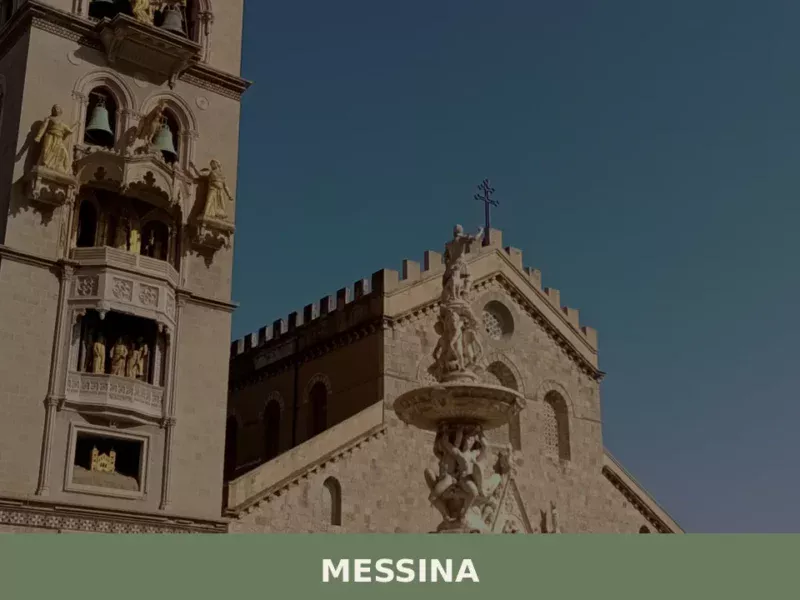
Messina
 Sea
Sea
What to see in Messina: 242,267 inhabitants, the astronomical clock tower, two Caravaggios and the Norman Cathedral. Plan your visit and discover how to get there.
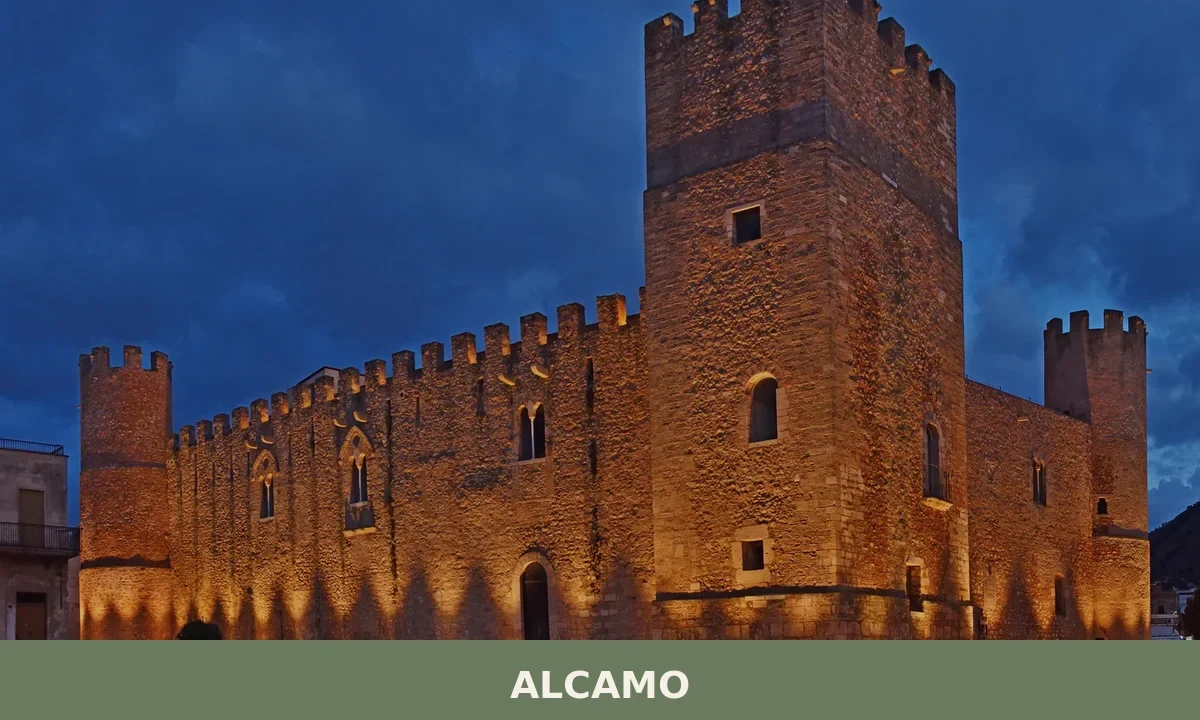
Alcamo
Alcamo sits where Arab merchants once haggled at fiorenti markets and Norman barons held court. Discover how a Mesolithic settlement became Sicily's most layered trading town.
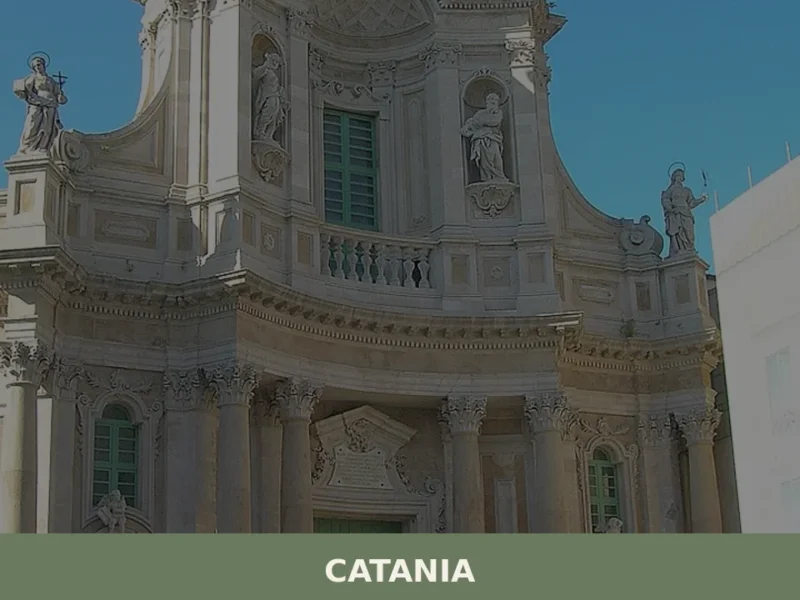
Catania
Sea
Discover Catania, a captivating village in Sicily, Italy. Explore its rich history, stunning architecture, local culture, and hidden gems waiting to be found.
Baucina
 Hills
Hills
Nine historic churches and a 2013 archaeological museum make Baucina a compact but layered destination in the Palermo hinterland.

Licata
 Mountain
34,000 residents, Greek foundations and a coastline of alternating cliffs and sandy coves make Licata one of the most layered towns on Sicily's southern shore.
Gratteri
Mountain
Gratteri, a medieval village in the province of Palermo: history, mother church and stone streets. Discover how to visit it and how to get there from the Madonie.
Contessa Entellina
Hills
Discover what to see in Contessa Entellina: Arbëreshë heritage, Rocca d'Entella ruins, Byzantine-rite churches, local food, and practical travel tips.
Pedara
Hills
Pedara is a hillside town of around 15,000 people near Catania, set at 605 metres on the southern slopes of Etna and shaped by centuries of eruptions, earthquakes and remarkable religious heritage.
Acquaviva Platani
Hills
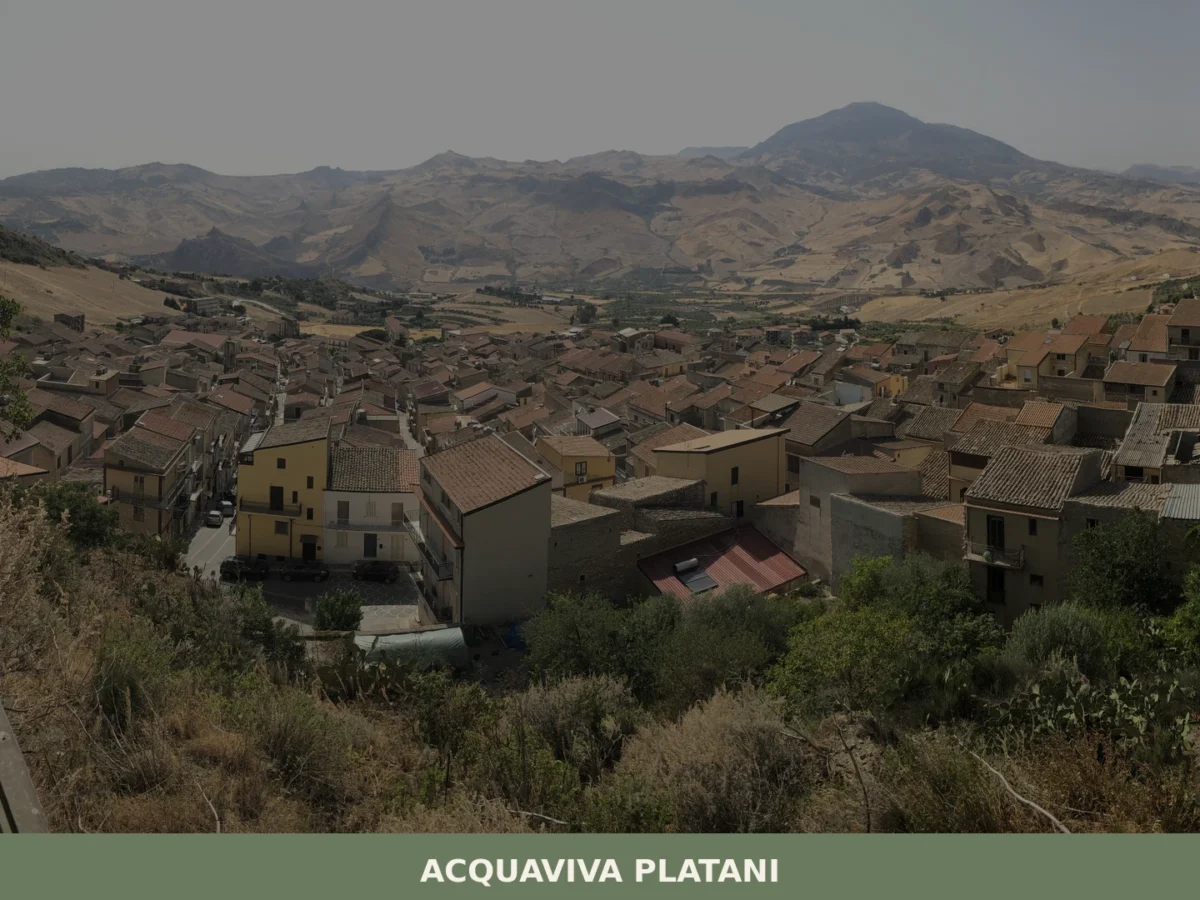
A clock tower built in 1894 rises above the roofline of a compact hill town in the province of Caltanissetta, its stone face marking hours in a landscape where the Platani river moves through the valley below. The name of the place translates directly from Italian as “Living Water,” a reference to the natural springs […]

Belpasso
Hills
A town rebuilt three times from volcanic catastrophe. Belpasso village in Sicily embodies resilience through its geometric urban grid and living festival traditions.



🏡 Know Bagheria better than we do?
If you’re a local or have been there, your knowledge matters: add what’s missing or fix a detail on this page.