


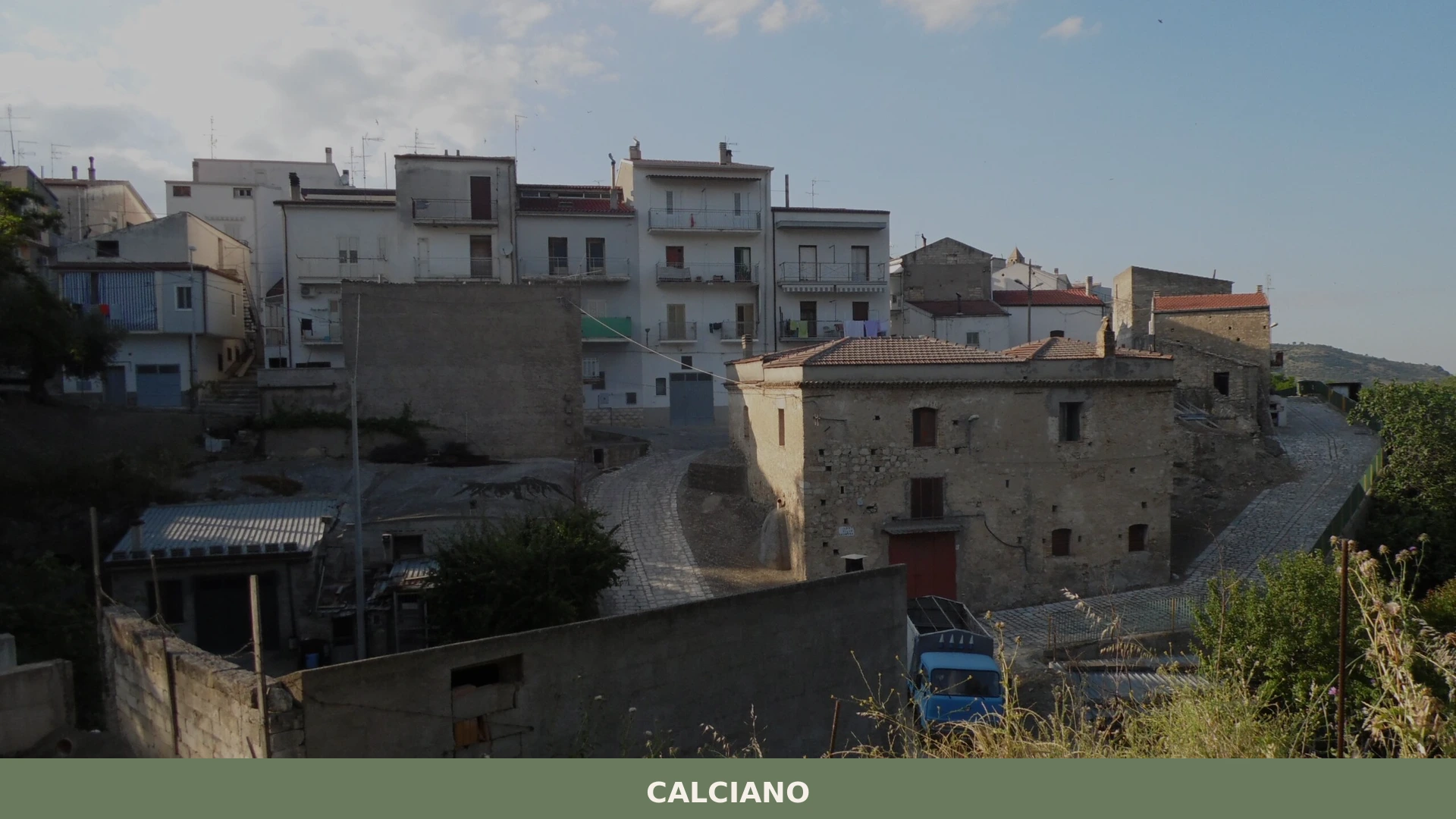

Six hundred inhabitants, a dialect that calls the town Caucësciànë, and a landscape that the province of Matera renders with geometric precision: clay hills that change colour with the passing hours, narrow streets where the wind carries dust in summer and silence in winter. In this article History and origins of Calciano What to See […]
Discover Calciano
Six hundred inhabitants, a dialect that calls the town Caucësciànë, and a landscape that the province of Matera renders with geometric precision: clay hills that change colour with the passing hours, narrow streets where the wind carries dust in summer and silence in winter.
Calciano belongs to that network of Lucanian villages where the small scale is not a limitation but a condition that allows every stone, every doorway, every square to be read like a handwritten page.
What to see in Calciano is the right question for anyone who wants to plan a well-considered stop in inland Basilicata.
The village has 617 inhabitants, is located in the province of Matera and belongs to the National Association of Honey Cities, a detail that already orients the visit towards local beekeeping production and its gastronomic derivatives.
Those who come here find a compact historic centre, a religious tradition firmly rooted in the festive calendar and a territory that lends itself to slow exploration, on foot or by car along the provincial roads that cut through the clay lands of central Basilicata.
History and origins of Calciano
The dialectal name Caucësciànë most likely preserves a root dating back to the medieval period, when the inland centres of Basilicata were founded or re-founded on defensible heights, often following the Saracen incursions that between the 9th and 10th centuries reshaped the geography of southern settlements.
Calciano fits into this settlement logic common to many municipalities in the province of Matera: an elevated position, visual control over the valley, a dense urban structure that concentrates civic and religious functions within a confined space.
The community organised itself around a parish and a system of agrarian relations that lasted until the Unification of Italy, when the administrative reforms of the new kingdom incorporated the small Lucanian municipalities into the provincial structures.
During the 19th century, Calciano, like most centres in the Lucanian interior, experienced the social tensions linked to the agrarian question.
The concentration of land in few hands, the lack of infrastructure and the harsh working conditions in the clay fields fuelled a constant emigration that intensified in the post-war period. Between the end of the 19th century and the early decades of the 20th, the population reached levels higher than those of today, only to decline progressively with waves of migration towards northern Italy and abroad.
This demographic process, common throughout rural Basilicata, has left legible traces in the urban fabric: closed houses, abandoned courtyards, the occasional family palazzo bearing the signs of a peasant prosperity now long gone.
Membership of the National Association of Honey Cities is one of the most recent lenses through which to read the history of Calciano.
This recognition, awarded to Italian municipalities with a documented and active beekeeping tradition, places the village within a national network that promotes honey production as a territorial heritage.
Beekeeping in the Matera area has its roots in ancient practices linked to the use of the spontaneous flowering of the clay hills, where thyme, sainfoin and other wild plants typical of the Lucanian landscape provide the bees with a rich and distinctive nectar.
This vocation has survived the economic transformations of the 20th century intact and today represents one of the most solid elements of the village’s identity. Those wishing to deepen their understanding of the historical context of the area can compare the history of Calciano with that of Tursi, another municipality in the province of Matera that shares the same medieval settlement matrix and the same dynamics of 19th-century depopulation.
What to See in Calciano: Main Attractions
The Historic Centre and the Medieval Urban Fabric
The streets of Calciano’s historic centre follow the logic of the hillside: contour lines transformed into pedestrian paths, stairways connecting different levels, sudden open spaces where the village’s profile opens onto the surrounding landscape.
The building materials, quarried locally over the centuries, give the facades a uniform tone that changes with the light: grey in the morning, ochre at midday, almost brown at sunset.
The oldest buildings in the original core date back to the medieval period, although subsequent renovations have altered their elevations.
Walking through the historic centre takes about an hour at a leisurely pace, following the sequence of public spaces and religious sites that structure the urban layout.
Those visiting Calciano in this part of the village immediately understand how the morphology of the land determined every settlement choice.
The Parish Church
The parish church of Calciano is the architectural and spiritual reference point of the village, as is the case in the vast majority of Lucanian centres of similar size. The structure, which incorporates building elements from different eras, dominates the main square with its local stone facade and the bell tower that visually marks the profile of the village as seen from the provincial road.
Inside, the single-nave layout typical of rural churches in southern Italy houses sacred furnishings and devotional works that document centuries of the community’s religious life.
The patron saint festivities represent the moment when the building once again becomes the active centre of collective life, with processions and rites that draw back even those residents who are temporarily away.
Arriving in the morning, the doors are often found open during the hours of ordinary religious services.
The Clay Landscape and the Surrounding Badlands
The municipal territory of Calciano extends across a landscape that geology has made unique in inland Basilicata: the grey-blue Pliocene clays emerge along the hillsides, eroding into formations locally known as calanchi (badlands). These structures, produced by the combined action of rain and wind on impermeable clays, create a jagged and ever-changing relief that alters its appearance with the seasons.
In spring, when rainfall is still frequent, the edges of the calanchi crumble and the landscape visibly transforms.
In summer, the clay surface cracks into regular polygons under the sun. Following the paths that skirt this landscape allows visitors to observe the geological stratification up close and to understand why the inhabited centres of the area were built on the ridges rather than in the valley floors.
The afternoon light is the best time to observe the chromatic contrasts of the clays.
The Beekeeping Tradition and the Places of Honey Production
Calciano’s membership in the National Association of Honey Cities is not a mere formal label but reflects a beekeeping practice that is still very much alive in the area. Local apiaries take advantage of the spontaneous flowering of the surrounding hills, in particular sulla clover, thyme and other species of Mediterranean scrubland that characterise the landscape between spring and summer.
The honey produced in the Calciano area varies by type depending on the harvesting period: sulla monofloral honeys, produced between April and June, are distinguished by their light colour and delicate flavour, while thyme honeys, harvested in summer, have a more intense aromatic profile.
Visiting the village during the flowering season, between April and July, allows visitors to meet local producers and purchase the product directly.
For those wishing to explore this topic further, the Calciano Municipal website can provide up-to-date information on producers and events related to the beekeeping tradition.
The Viewpoint and the Panorama over the Val d’Agri and the Matera Hills
From certain vantage points within the village, the panorama opens onto an arc of hills that on clear days reaches distant sectors of inland Basilicata. The elevated position of the village, a characteristic common to the medieval foundation centres of the province of Matera, guarantees wide visibility in all directions, with the ridges of the Lucanian Apennines closing the horizon to the west and the clay expanses opening out towards the east.
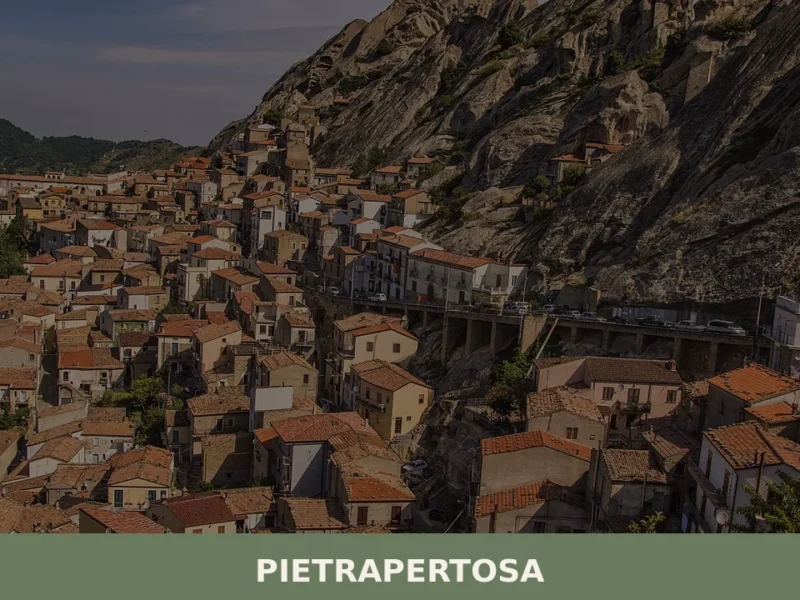
The highest points of the village, reachable on foot within a few minutes from the centre, offer the best perspective over the surrounding territory and allow visitors to read in the morphology of the landscape the logic that guided the choice of this site as a place of settlement. Those visiting Calciano in summer, before ten o’clock in the morning, will find optimal visibility conditions before thermal haze reduces the contrasts. The position is analogous to that of Pietrapertosa, which in the same region offers a belvedere experience overlooking an equally rugged and layered landscape.
Traditional cuisine and products of Calciano
The cuisine of Calciano belongs to the gastronomic tradition of rural Basilicata, built on humble ingredients worked with techniques aimed at preservation and concentration of flavour.
The Lucanian hinterland, far from the coast and lacking nearby large urban centres, developed over the centuries an intelligent subsistence cuisine, where seasonality dictates the menu and nothing goes to waste. The influences of historical dominations — Norman, Angevin, Aragonese — left traces in cooking methods and in the use of spices, although the final form of the dishes is that which the peasant community crystallised between the eighteenth and nineteenth centuries.
Among the dishes that the territory consistently expresses, homemade pasta occupies the central place.
Lagane with chickpeas, wide flat pasta dressed with boiled legumes and extra virgin olive oil, represent a dish documented throughout southern Basilicata and are present in the culinary tradition of Calciano as well.
Peperoni cruschi, dried peppers fried in abundant oil until crispy, appear as a condiment in many local preparations and are also found as an accompaniment to meat main courses.
Pork, processed into cured meats and preserves according to techniques handed down within families, provides the protein base of the traditional diet. Beans, broad beans and lentils complete the picture of a cuisine that uses legumes as protagonists, not as side dishes.
The product most directly linked to the identity of Calciano is honey, an expression of the beekeeping tradition that led the municipality to join the National Association of Honey Towns. The varieties produced locally depend on the floral essences of the territory: sulla honey, thyme honey, chestnut honey in the higher areas, and wildflower honey that reflects the botanical diversity of the clay hills.
These are not DOP or IGP certified products, but artisanal productions closely tied to the municipal territory and purchasable directly from local producers.
Quality varies depending on the year and the management of the apiaries, but the continuity of beekeeping practice guarantees a steady production that the village promotes as a distinguishing element within the landscape of Lucanian municipalities.
A similar tradition can be found in the area of Bernalda, another municipality in the province of Matera where quality local production is tied to a well-characterised agricultural territory.
Opportunities to come into direct contact with local gastronomy are concentrated in the summer months, when village festivals and patron saint celebrations offer stalls of products and traditional preparations.
There are no documented fixed markets held on a weekly basis in the centre of Calciano, but honey producers can be reached through the municipality or local associations.
Those planning a visit in summer will find the best conditions for purchasing fresh seasonal products directly from families who still practice artisanal production.
Festivals, events and traditions of Calciano
The festive calendar of Calciano is marked by the religious devotion that characterises Lucanian centres of this size.
The patron saint festival represents the most important community event of the year, with processions carrying sacred statues through the streets of the historic centre, accompanied by the municipal band and the participation of residents — including emigrants who return for the occasion. The summer period concentrates the majority of public events, with evenings in the square that bring the village to life during the months of July and August.
Participation in the events is open, and the village welcomes visitors who happen to be in the area on these occasions.
The beekeeping tradition has produced in recent decades local events dedicated to honey culture, in keeping with membership of the National Association of Honey Towns. These initiatives, varying in format from year to year, involve producers, tastings and informational sessions on the beekeeping supply chain. Specific dates change each season: for up-to-date information on planned events, it is best to check directly with the Municipality or consult local institutional channels, as timetables and calendars are subject to annual variations.
When to Visit Calciano and How to Get There
The best time to visit Calciano is spring, between April and June, when the blossoming of the clay hills is at its peak and the temperature allows you to explore the area on foot without discomfort.
During these months the landscape reaches its chromatic peak, with the intense green of the fields contrasting with the grey of the clay in the most eroded areas.
Summer, from July onwards, brings intense heat but also local village festivals and greater liveliness in the town. Autumn suits those seeking tranquillity and wishing to observe the colours of the landscape in the oblique light of September and October. Winter is not recommended for extended visits, as the village has limited services and the provincial roads can become difficult in the event of snow or ice.
To reach Calciano by car, the main reference point is the A3 Salerno–Reggio Calabria motorway, with the exit at Sicignano degli Alburni, followed by the state road towards the province of Matera.
Alternatively, from the A16 Naples–Bari motorway you exit at Candela and continue southward through inland Basilicata. The nearest railway station is Ferrandina-Pisticci, on the Taranto–Potenza line, approximately 25 kilometres from Calciano.
For updated timetables and rail connections, the point of reference is Trenitalia.
The nearest airport is Bari Karol Wojtyła Airport, approximately 120 kilometres away, serving the main Italian and European destinations. From Bari the connection is made by car, travelling along the SS96 and then the provincial roads towards Matera and the hinterland. Those planning an itinerary through what to see in Calciano and northern Basilicata may also consider Banzi as a complementary stop, a Lucanian municipality with a long history of ancient settlement that connects to the routes of the inland region.
| Starting Point | Distance | Estimated Time |
|---|---|---|
| Matera | approx. 40 km | 45–55 minutes by car |
| Potenza | approx. 65 km | 1 hour 10 minutes by car |
| Bari Airport | approx. 120 km | 1 hour 30 minutes by car |
| Ferrandina-Pisticci Railway Station | approx. 25 km | 30 minutes by car |
Frequently asked questions about Calciano
What is the best time to visit Calciano?
The ideal period is spring, between April and July, when the clay hills bloom with sulla clover and thyme, making it the best season to meet local beekeepers and purchase fresh honey directly from producers. The patronal feast of Maria SS. della Serra on 8 September is the most significant community event of the year, drawing back residents from across Italy and offering an authentic glimpse of Lucanian religious tradition. Summer mornings before 10:00 offer the clearest panoramic views before thermal haze sets in.
What to see in Calciano? Main monuments and landmarks
The historic centre is the primary destination: a compact hillside fabric of stairways, stone facades and sudden viewpoints accessible entirely on foot in about an hour. The parish church, recognisable by its local stone facade and bell tower, anchors the main square and is typically open during morning religious services. The surrounding badlands (calanchi), eroded Pliocene clay formations visible along the hillsides, form the most dramatic natural landmark of the municipal territory and can be observed from paths skirting the village.
What are the main natural or scenic attractions of Calciano?
The calanchi — jagged badland formations carved by rain and wind into grey-blue Pliocene clays — are the defining natural feature of Calciano's territory. These ever-changing landforms are most dramatic in spring when erosion is active, and in summer when the clay surface fractures into geometric patterns under the sun. The clay hills also sustain spontaneous Mediterranean flora, including thyme and sulla clover, which underpin the local beekeeping tradition recognised by the National Association of Honey Cities.
Where to take the best photos in Calciano?
The highest points of the village, reachable on foot within minutes from the centre, provide the widest panoramic arc over the surrounding Matera hills and, on clear days, towards the ridges of the Lucanian Apennines. The best light for photographing the clay landscape falls in the afternoon, when chromatic contrasts between ochre, grey and brown tones are most pronounced. The main square in front of the parish church offers a composed architectural foreground typical of small Lucanian hill villages.
What can you do in Calciano? Activities and experiences
Visitors can explore the historic centre on foot, observe the calanchi landscape along paths skirting the village perimeter, and purchase local honey directly from producers during the flowering season (April–July). The 8 September patronal feast of Maria SS. della Serra offers an immersive experience of Lucanian religious tradition, with processions and community rites. The provincial roads crossing the clay lands of central Basilicata are well suited to slow scenic drives connecting Calciano to other nearby villages in the province of Matera.
Who is Calciano suitable for? Families, couples, hikers, solo travelers?
Calciano suits travellers who prefer slow, contemplative tourism over mass attractions. Couples and solo travellers drawn to authentic, uncrowded Lucanian villages will find the compact historic centre and dramatic clay landscape genuinely rewarding. Food enthusiasts interested in artisan honey production have a specific and documented reason to visit. The terrain is accessible for families with older children capable of walking uneven stone streets. It is not oriented towards beach tourism or large-group itineraries, but pairs naturally with broader inland Basilicata cultural routes.
What to eat in Calciano? Local products and specialties
Calciano's table follows the rural Basilicata tradition: lagane with chickpeas (wide flat pasta with boiled legumes and extra virgin olive oil) is a documented staple of the area. The most distinctive local product is honey, produced from the spontaneous flowering of the clay hills — particularly sulla monofloral honey (light, delicate, harvested April–June) and thyme honey (more intense, harvested in summer). Calciano's membership in the National Association of Honey Cities makes local honey the single most identifiable gastronomic product of the village.
📷 Photo Gallery — Calciano
Nearby Villages near Calciano
In Basilicata More villages to discover
Grottole
 Hills
Hills
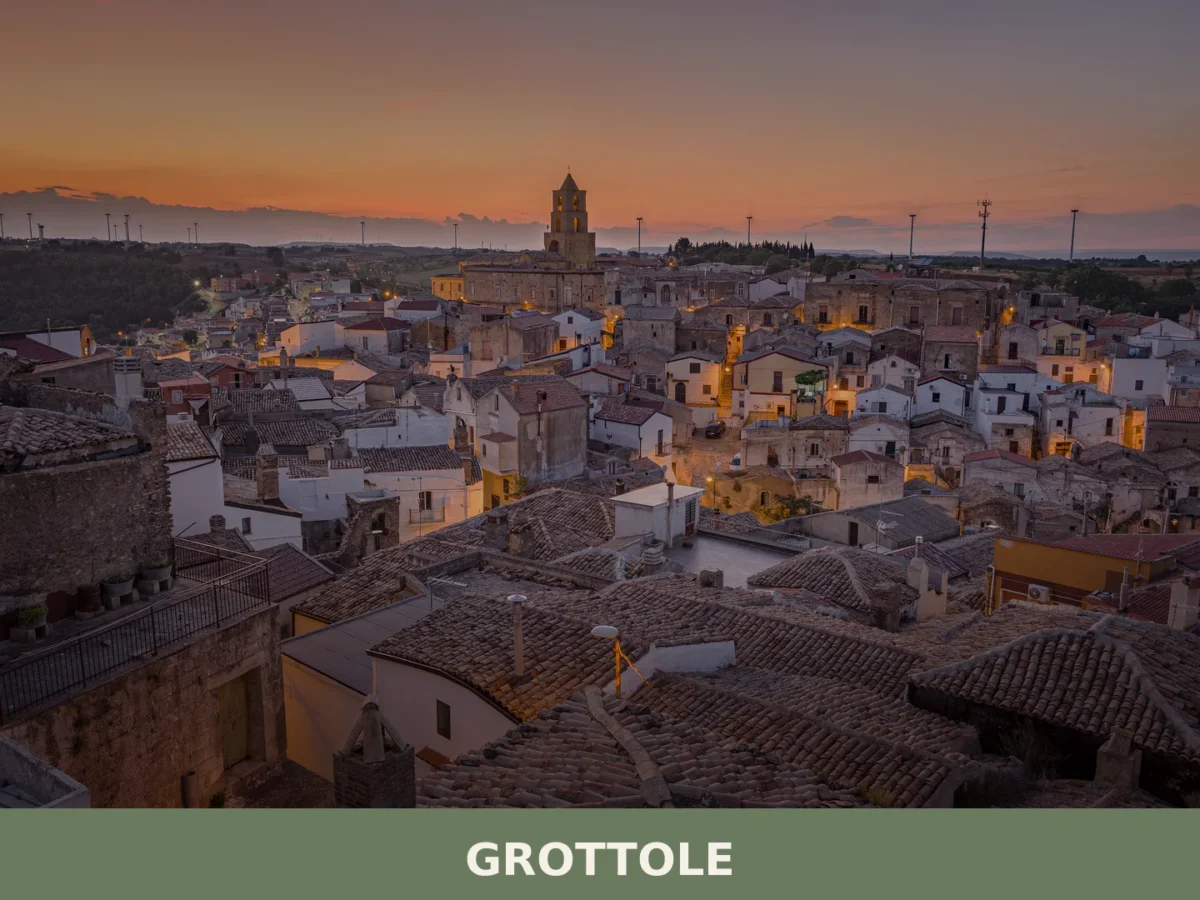
Grottole is a hill town of roughly 1,960 inhabitants in the province of Matera, Basilicata, with a documented history from prehistoric times through to the end of the feudal era in 1874.
Grumento Nova
 Mountain
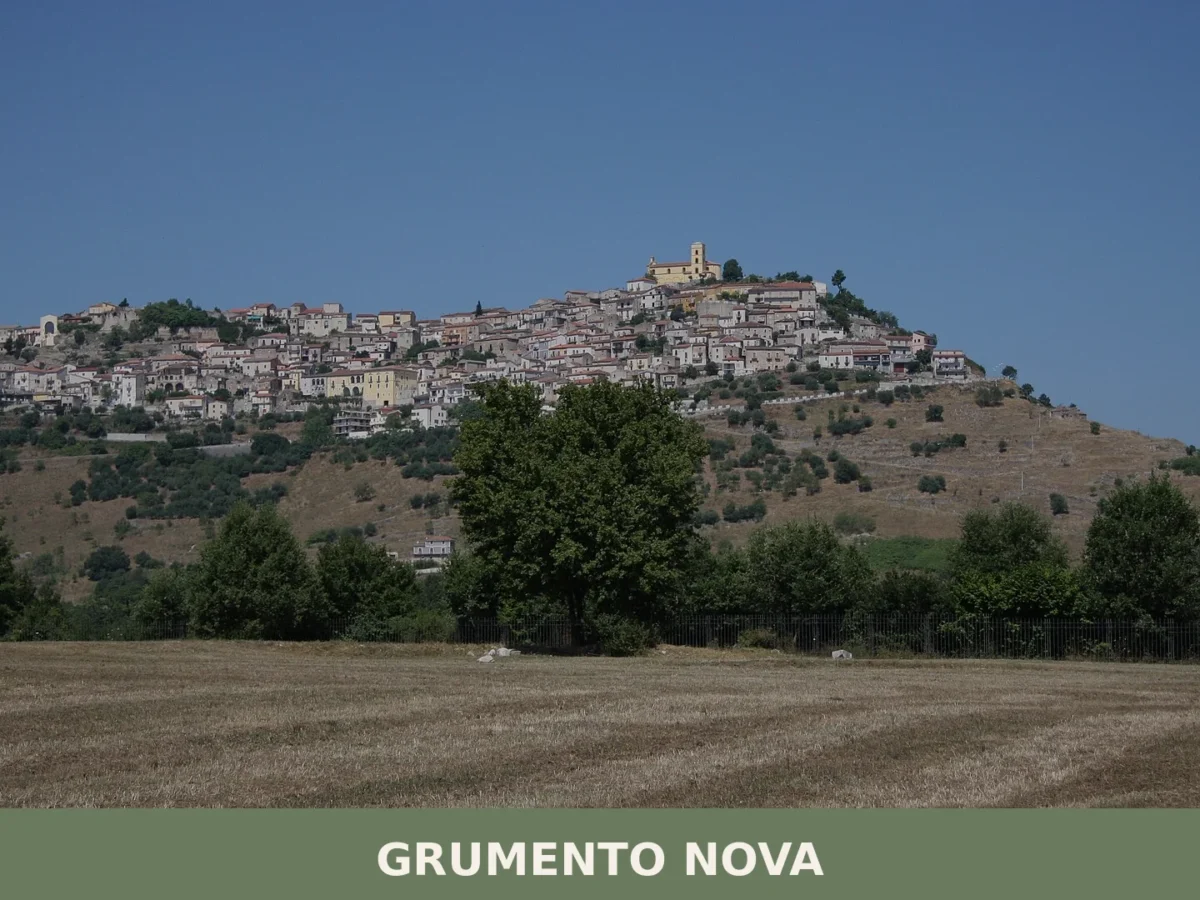
Grumento Nova is a mountain comune at 746 metres in Basilicata's Val d'Agri, where the ruins of Roman Grumentum and more than a thousand years of layered history await travellers seeking an authentic
Barile
Mountain
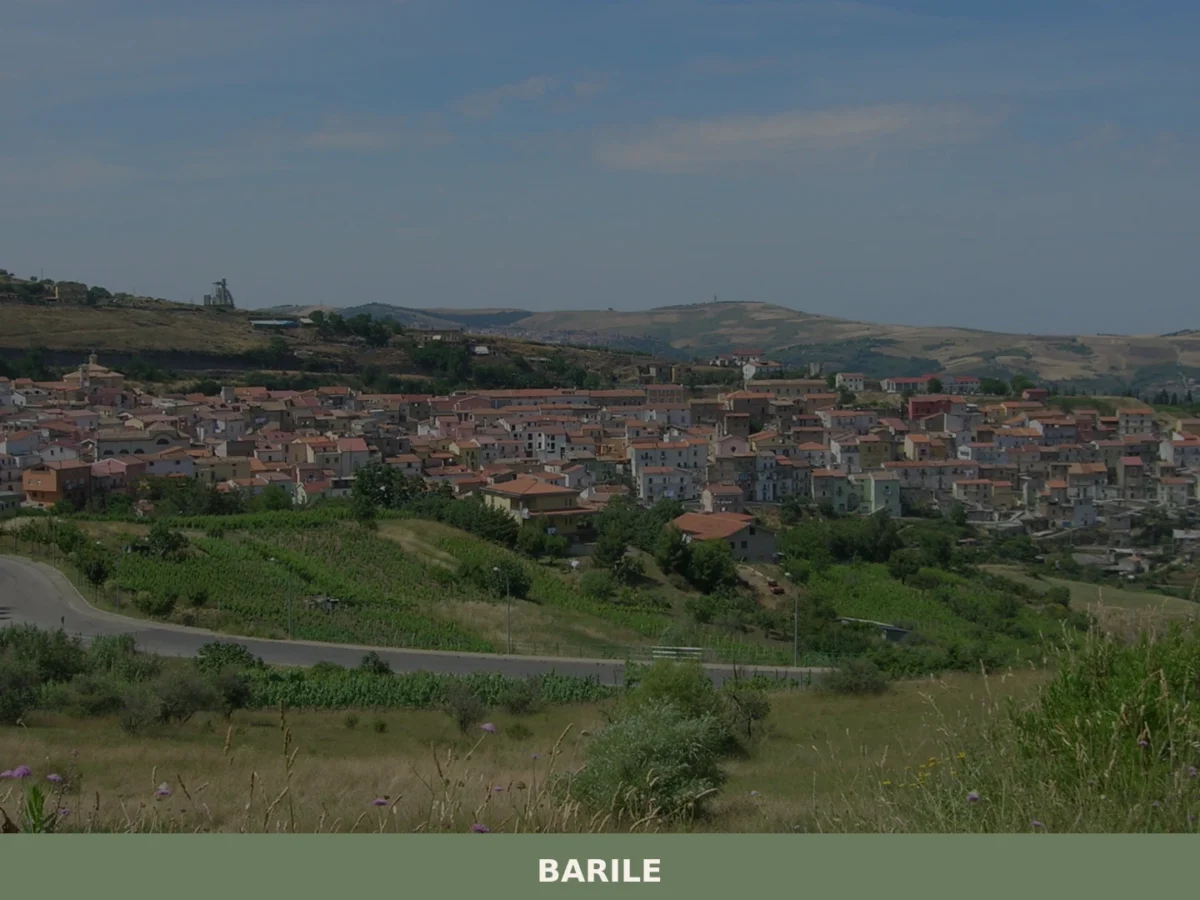
What to see in Barile? Discover 5 must-see attractions in this Basilicata village. The complete guide to visiting Barile awaits you. Plan your trip!
Banzi
Hills
In 1956, during archaeological excavations in the area of ancient Bantia, the “Bantine Table” was discovered, a bronze tablet inscribed in the Oscan language, providing direct evidence of the legislation of this Italic community from the 4th-3rd century BC. For those wondering what to see in banzi today, the village, located at 571 meters above […]
Cancellara
Mountain
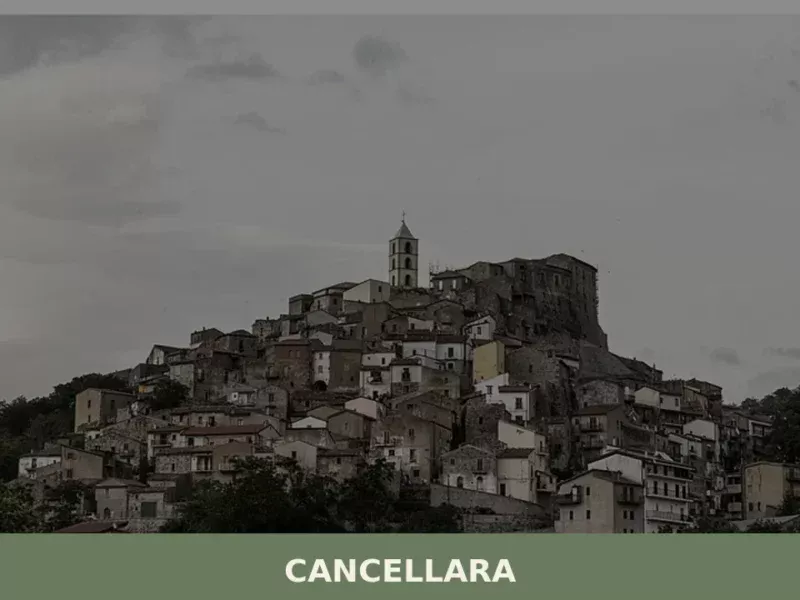
Population 1,091. A hillside village in Potenza province where rural rhythms and agricultural heritage define everyday life.

Genzano di Lucania
Mountain
Discover Genzano di Lucania, a stone-built hilltop village in Alta Basilicata, where ancient alleys, Apennine views, and local traditions shape everyday life.

Filiano
Mountain
What to see in Filiano, Basilicata, Italy: explore the Grotta dei Pisconi rock art, Pecorino di Filiano PDO, and a 16th-century hilltop comune. Discover it now.
Castelluccio Superiore
Mountain
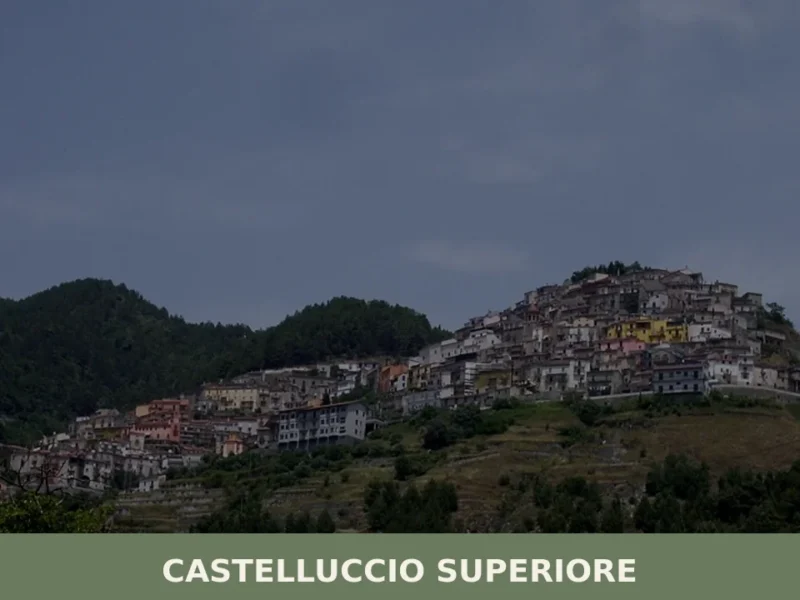
what to see in castelluccio superiore, Italy. Discover this mountain village at 680 m, explore its historic core, and experience the feast of Santa Margherita di Antiochia.
Latronico
Mountain
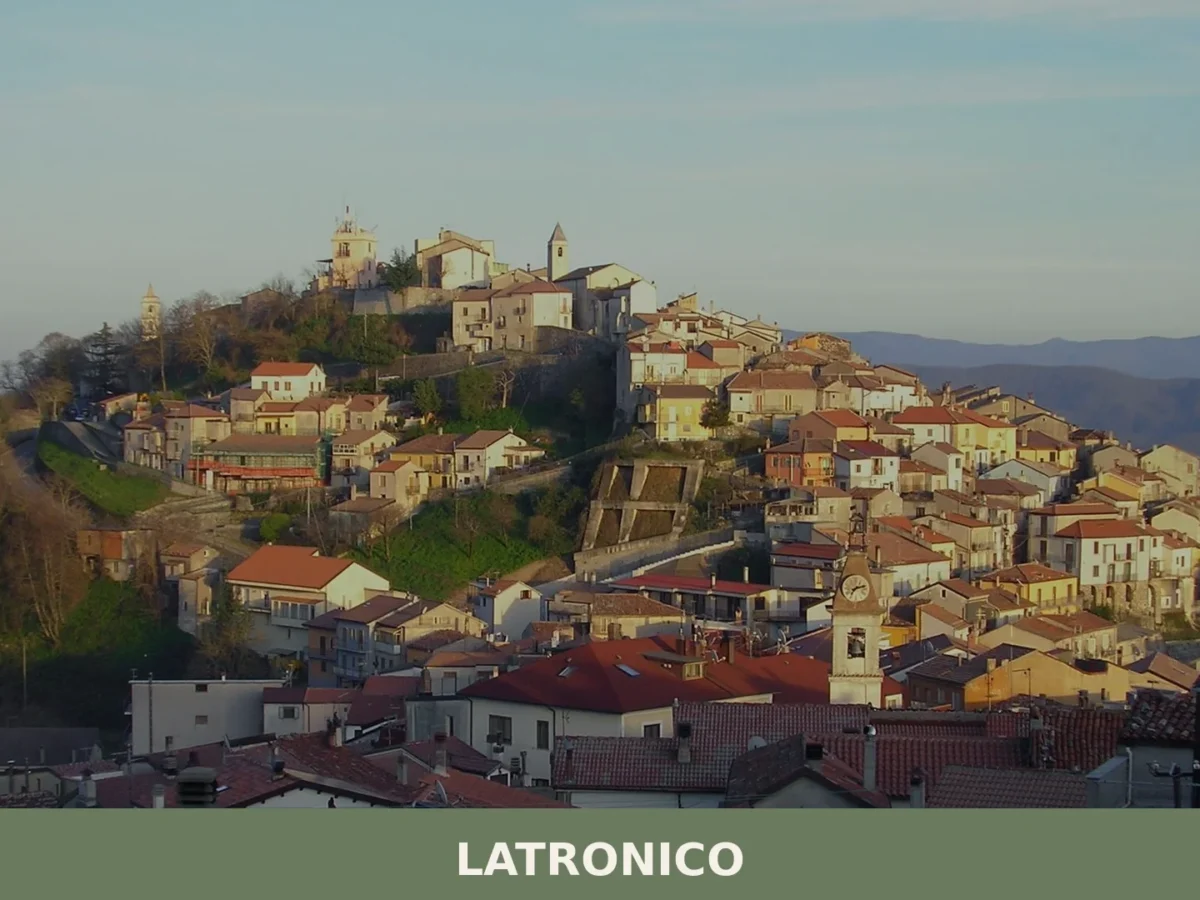
Latronico is a mountain comune of roughly 4,000 inhabitants at 840 metres in the province of Potenza, southern Basilicata, bordered by the Parco Nazionale del Pollino.

Ferrandina
Hills
What to see in Ferrandina, Basilicata, Italy: 6 historic churches, olive oil production, and a hilltop at 482 m. Discover top attractions and how to get there.
🏡 Know Calciano better than we do?
If you’re a local or have been there, your knowledge matters: add what’s missing or fix a detail on this page.