


Arzano
 Plains
Arzano is a municipality of around 31,800 inhabitants on the central Campanian plain, a few kilometres north of Naples, with documented origins stretching back to 937 AD.
Discover Arzano
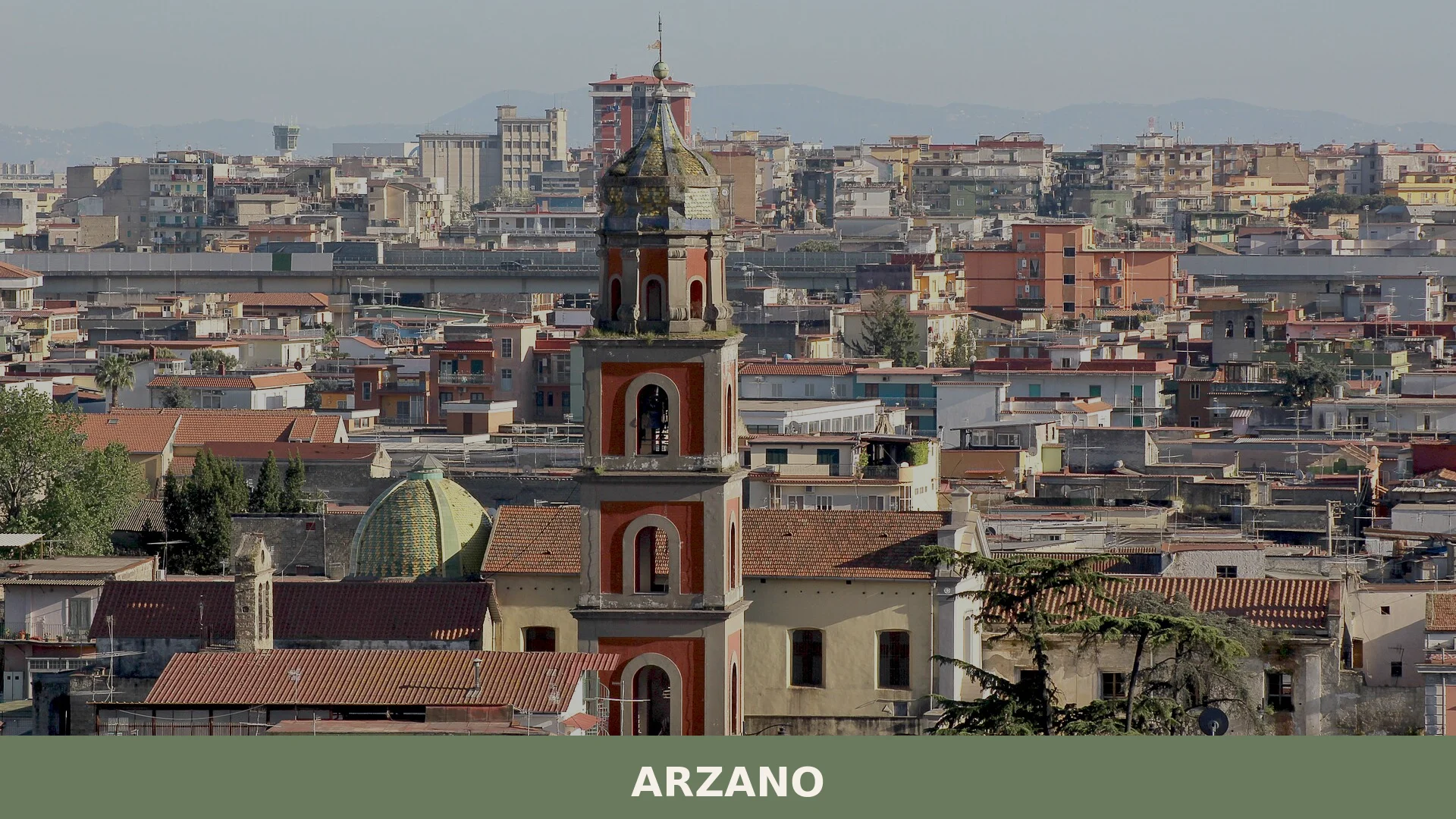
Arzano is a municipality of roughly 31797 inhabitants covering approximately 4.68 square kilometres on the flat central Campanian plain, within the Metropolitan City of Naples, at an altitude of 74 metres above sea level. It lies south of the Camaldoli, Capodimonte and Capodichino hills, bordering Frattamaggiore and Grumo Nevano to the north, Casandrino and the Neapolitan district of Scampia to the west, and Casoria, Casavatore and Secondigliano to the south — placing it firmly within the dense urban fabric of the Zona Nord of the Neapolitan metropolitan area, around 8 kilometres from the city centre.
Arzano village in Campania: history and roots
Arzano’s recorded history stretches back to at least 937 AD, when an act of land sale — drawn up during the reign of the Byzantine emperor Constantine VII, known as Porphyrogennetos — constitutes the earliest surviving document mentioning the settlement. Two further documents follow: one from 1110, during the reign of Emperor Alexios, and another from 1291, in the Angevin period, in which the town is referred to as Artianu. The territory originated within the ancient region of Liburia, later known as Terra di Lavoro, and was traversed by the river Clanio.
The seventeenth century brought further hardship: in 1637 the community narrowly avoided being surrendered to the royal treasury, provoking open protest from its inhabitants, and the plague of 1656 reduced the population by roughly half. The Napoleonic-era laws of 1806 abolishing feudal privilege put an end to the old demanial order and established a modern municipal administration. From 1813 to around 1860 the town concentrated its energies on urban development — roads, public buildings and private residences. During the economic expansion of the 1960s, Arzano developed industrially to a degree unusual in Campania, earning, together with Casavatore and Casoria, the nickname Brianza del Sud. In 1990 the town gained wider national recognition as the setting of Io speriamo che me la cavo, the celebrated collection written by schoolteacher Marcello D’Orta. More recently, the municipality has faced serious institutional difficulties, including repeated dissolution and administration by prefectural commissioners due to organised-crime infiltration, most recently in May 2019.
Churches, Chapels and Civil Landmarks of Arzano
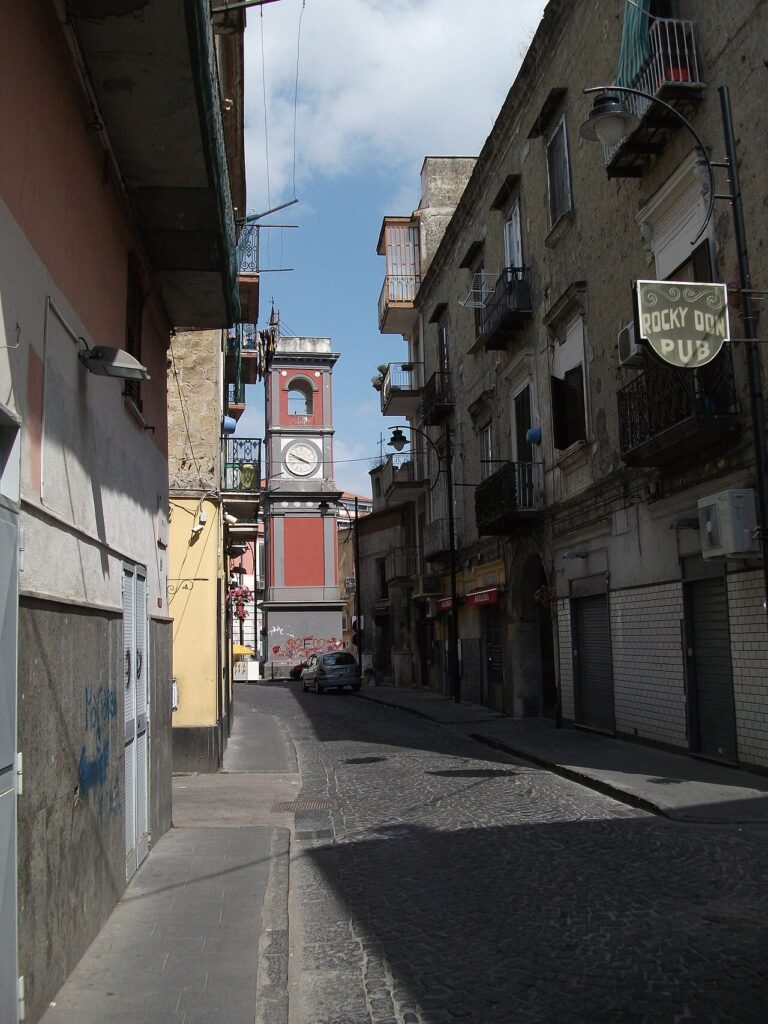
Arzano’s built heritage consists chiefly of its parish church of Sant’Agrippino, several smaller chapels spread across the historic casali, a seventeenth-century bell tower, a tower clock, and a handful of civil landmarks including the Villa Comunale and the Museo della Cultura Contadina e degli Antichi Mestieri.
Parrocchia di Sant’Agrippino
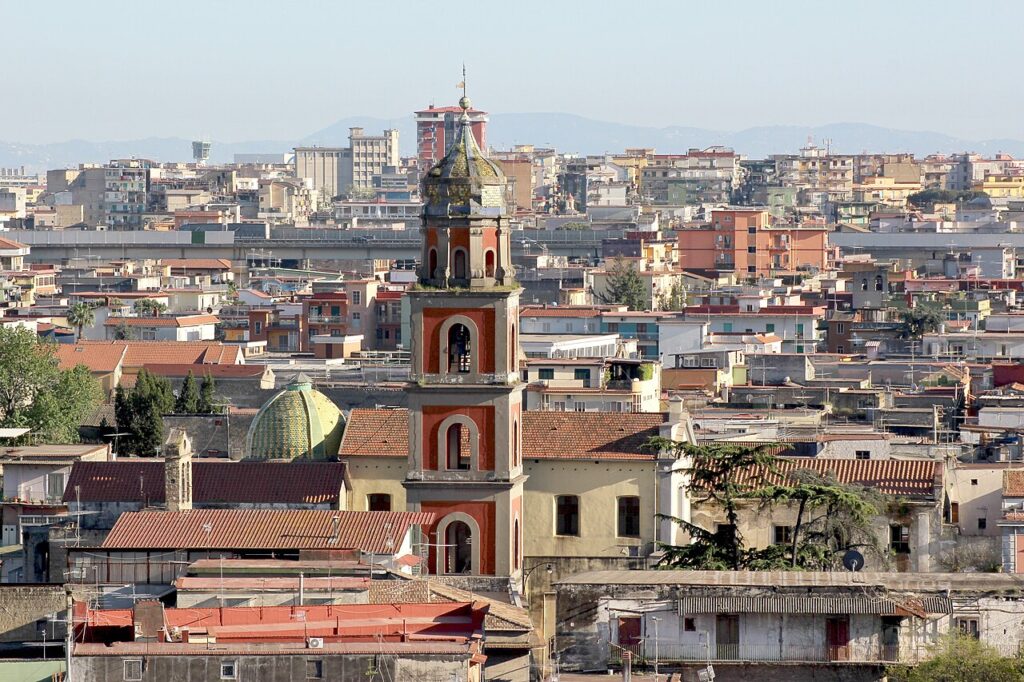
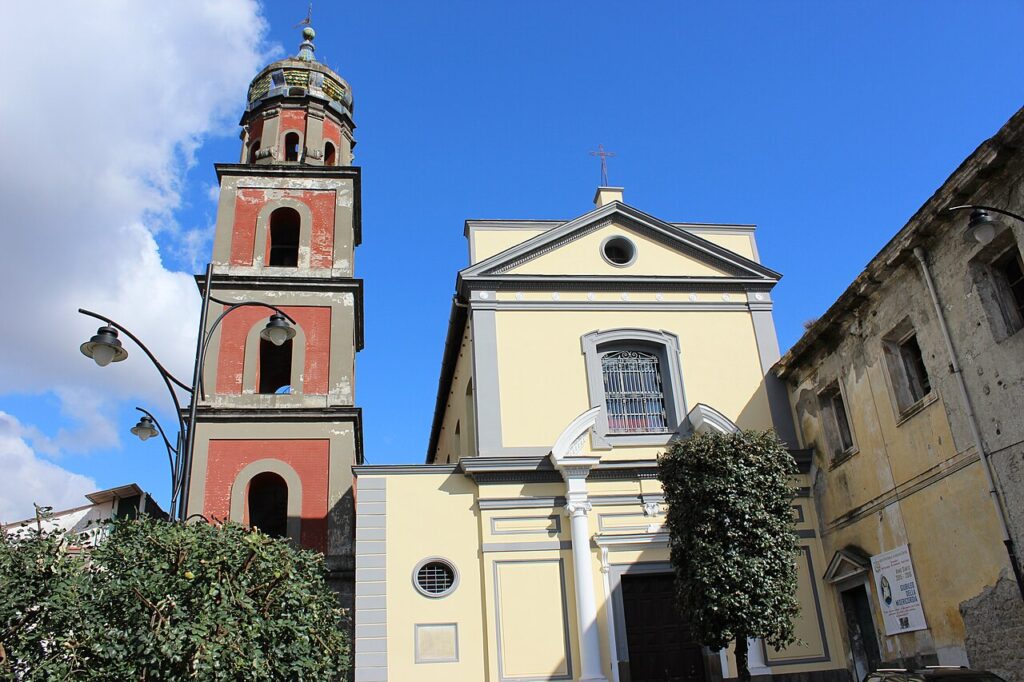
The parish church dedicated to Sant’Agrippino is the principal place of worship in Arzano. Associated with it is a bell tower dating to the seventeenth century.
Chiesa della Santissima Annunziata
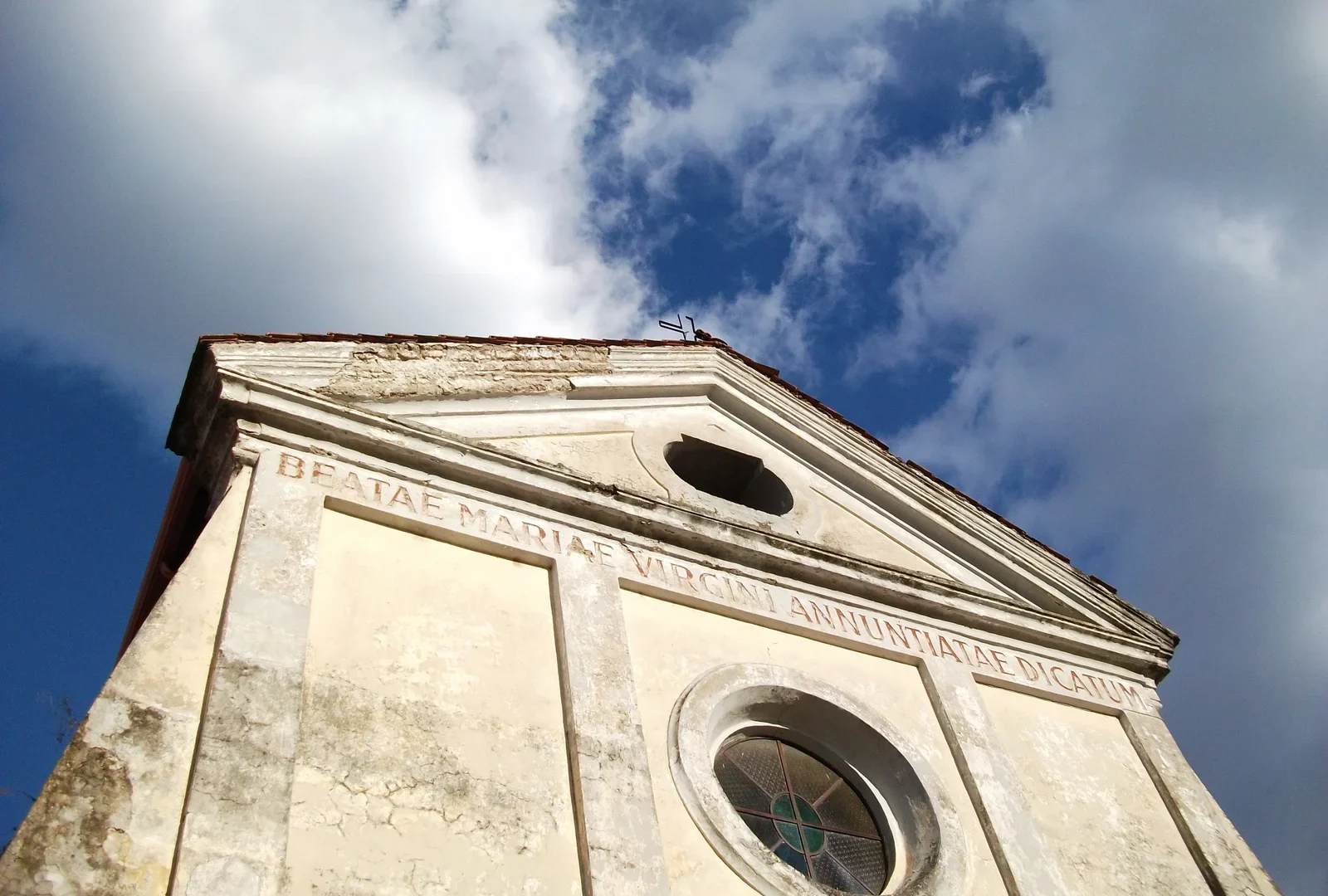
The façade of the church of the Santissima Annunziata dates to the thirteenth century, a period of widespread religious building activity across western Europe following the consolidation of Roman Catholic authority. The façade remains visible today and constitutes one of the oldest surviving architectural elements in the town.
Chapels of the Historic Casali
Scattered across the historic quarters of Arzano are several smaller places of worship. The Cappella di Santa Maria della Squillace dates to the tenth century; the Cappella della Madonna della Bruna to the eleventh. The Cappella della Confraternita del Rosario was established in 1634, and the Cappella del Salvatore belongs to the seventeenth century. The Cappella di Santa Giustina dates to 1858. Further churches include the Chiesa del Sacro Cuore di Gesù, the Chiesa di Santa Maria Assunta in Cielo e San Ludovico da Casoria, the Chiesa del Cristo Redentore, and the Chiesa dello Spirito Santo.
Civil Architecture and Public Spaces
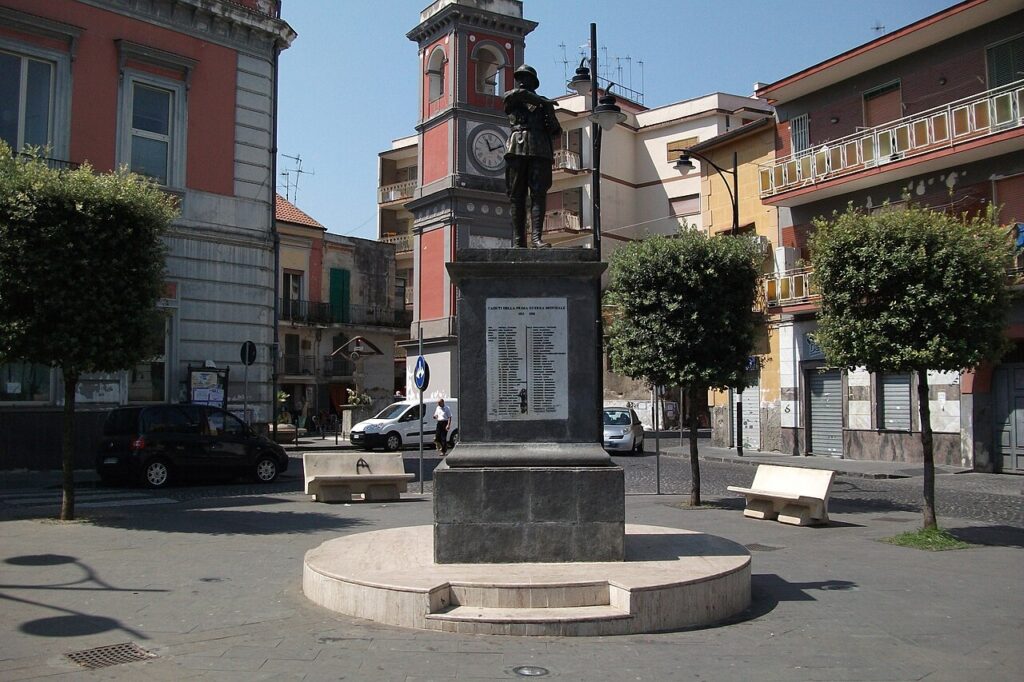
Among Arzano’s civil landmarks, the Torre dell’Orologio (clock tower) and Piazza Raffaele Cimmino are part of the town’s public fabric. A Monumento al Milite Ignoto and the Casa di Vincenzo Tiberio are also recorded among the notable civil structures. The Villa Comunale served as the venue for the short-film festival Arzano Humor Ciak between 2001 and 2007.
Museo della Cultura Contadina e degli Antichi Mestieri “A. De Rosa”
Food and flavours from Arzano and the Neapolitan plain
Arzano itself produces no certified local speciality, but the wider Neapolitan province surrounds it with a rich constellation of protected products that visitors will readily find in markets and restaurants across the area. These include Mozzarella di Bufala Campana DOP, Caciocavallo Silano DOP, Cipollotto Nocerino DOP, Pasta di Gragnano IGP, Limone di Sorrento IGP and Melannurca Campana IGP — none exclusive to Arzano, but all deeply rooted in the Campanian tradition that frames it.
On the wine front, the province of Naples offers several denominations worth seeking out in the area, among them the DOC wines of Aversa, Campi Flegrei, Vesuvio and Ischia, alongside the DOCG labels Taurasi, Fiano di Avellino and Greco di Tufo produced elsewhere in Campania.
Getting to Arzano and planning your visit
Arzano is easily reached by car from Napoli in roughly 15–25 minutes across approximately 8 km, making it a practical half-day excursion from the regional capital. The town sits in the flat central Campanian plain, entirely at 74 metres above sea level, with no hills or mountain roads to negotiate — access is straightforward from any direction.
From Afragola, lying about 5 km to the northeast, the journey takes around 10–15 minutes by road. Casoria, to the southeast, is only roughly 3 km away and reachable in 5–10 minutes. Travellers combining a visit with nearby Acerra will find it within easy range to the east.
| Departure | Distance | Time |
|---|---|---|
| Napoli (centro) | approx. 8 km | 10-15 min |
| Afragola | approx. 5 km | 8-12 min |
| Acerra | approx. 12 km | 15-20 min |
| Casoria | approx. 3 km | 5-8 min |
Because Arzano is a densely urbanised comune with no seaside or mountain draw, it attracts visitors interested in its civic heritage and industrial history rather than natural scenery. Spring and autumn offer the most comfortable temperatures for exploring Piazza Raffaele Cimmino, the Torre dell’Orologio and the historic religious buildings on foot. Summer visits are feasible given the flat terrain, though the urban fabric retains heat in July and August.
Frequently asked questions about Arzano
When is the best time to visit Arzano?
November 9th marks the Feast of Sant'Agrippino, Arzano's patron saint, making it an ideal time to experience local celebrations and religious traditions. The flat Campanian plain offers a temperate climate year-round. Spring and autumn provide pleasant weather for exploring the town and its surroundings within the Naples metropolitan area without excessive summer heat or winter rainfall.
How do I get to Arzano from Naples city centre?
Arzano lies approximately 8 kilometres north of Naples city centre, firmly within the Zona Nord metropolitan area. The town is accessible via local bus services connecting to the Naples transport network. By car, it is reachable via the main roads connecting the northern suburbs. The nearest major transport hub is Naples Capodichino airport, roughly 5 kilometres away.
What is the historical significance of Arzano?
Arzano's documented history extends to at least 937 AD, with a land sale deed from the Byzantine reign of Constantine VII Porphyrogennetos being the earliest surviving record. The settlement appears again in 1110 and 1291 as Artianu during the Angevin period. The territory originated within the ancient region of Liburia, later Terra di Lavoro, and was historically traversed by the Clanio river.
How long should I plan to spend in Arzano?
As a densely populated municipality of roughly 31,800 inhabitants covering 4.68 square kilometres, Arzano is best explored as part of a broader Naples metropolitan area visit. A half-day visit allows time to see the town's churches, chapels, and civil landmarks. Most visitors integrate Arzano into a longer Neapolitan tour rather than dedicating multiple days to the village itself.
📷 Photo Gallery — Arzano
In Campania More villages to discover
Caserta
Plains
What to see in Caserta: UNESCO Royal Palace, Casertavecchia and certified PAT products. City of 74,000 at 68m above sea level. Plan your visit with our complete guide.
Agropoli
 Sea
Sea
Discover what to see in Agropoli, Cilento: the Aragonese castle, medieval borgo, fishing port, local food and practical travel tips for Campania's Cilento coast.
Valle Agricola
 Mountain
Valle Agricola, a municipality of 960 inhabitants in the province of Caserta, rises to 691 meters above sea level, representing a mountain settlement within the Matese Massif. Its geographical position, between peaks and valleys, has for centuries determined the social and economic dynamics of the place, oriented towards livestock farming and subsistence agriculture. For those […]
Albanella
Plains
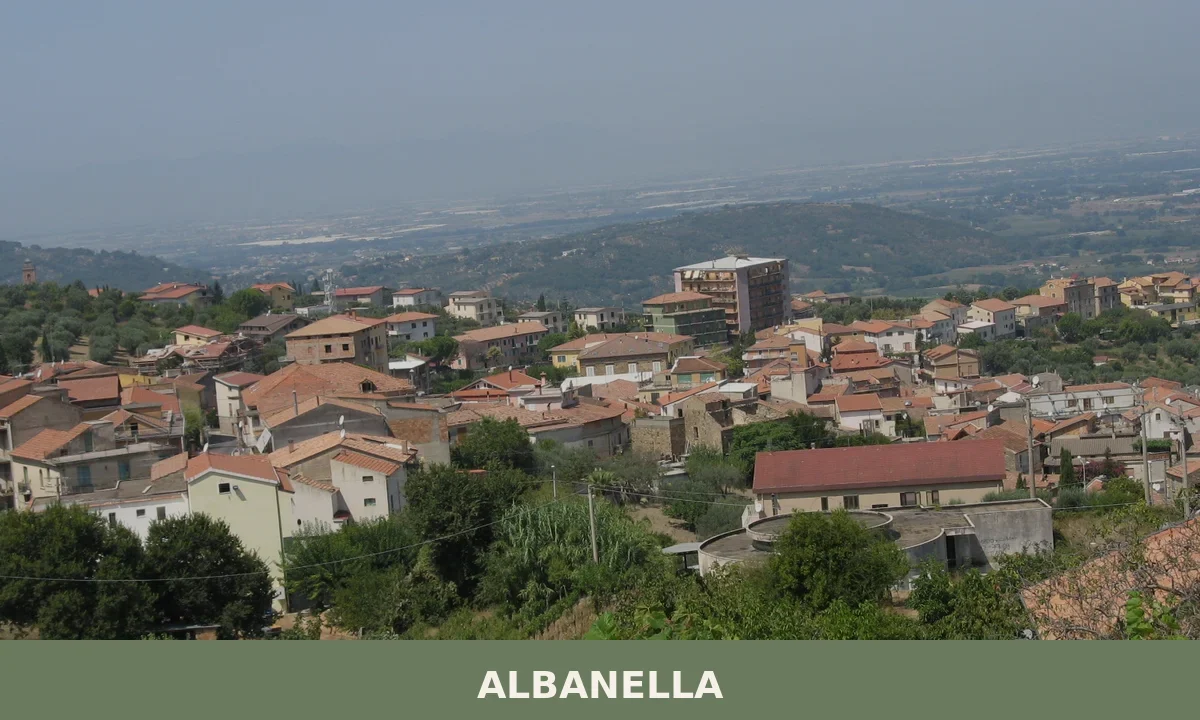
Founded in 1003 by refugees fleeing saracen raids, Albanella sits on a strategic hill between the Alburni mountains and the Salerno gulf, home to the restored Santuario di Santa Sofia.
Prata Sannita
 Hills
Hills
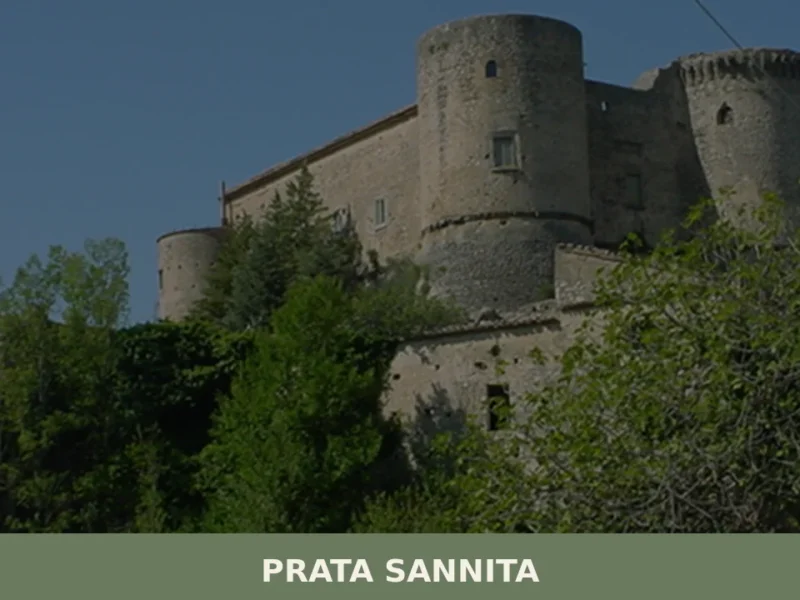
what to see in prata sannita, Italy: Explore this Campania comune at 333 meters altitude. Discover panoramic vistas and traditional village life.
Ciorlano
Hills
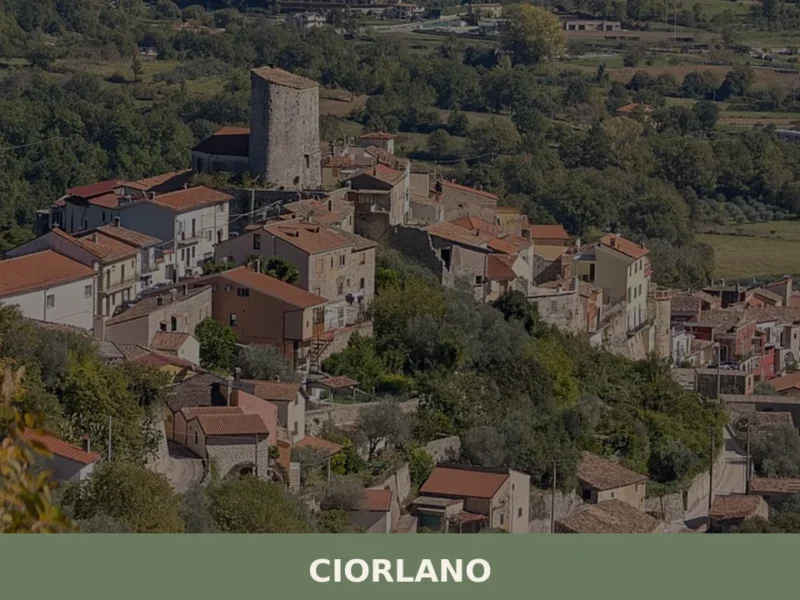
With its 370 inhabitants spread across an elevation of 330 metres above sea level, Ciorlano is one of the least populated municipalities in the province of Caserta. The village sits in the middle Volturno valley, along the hillside that separates the Matese massif from the Alife plain. Anyone wondering what to see in Ciorlano will […]
Napoli
Sea
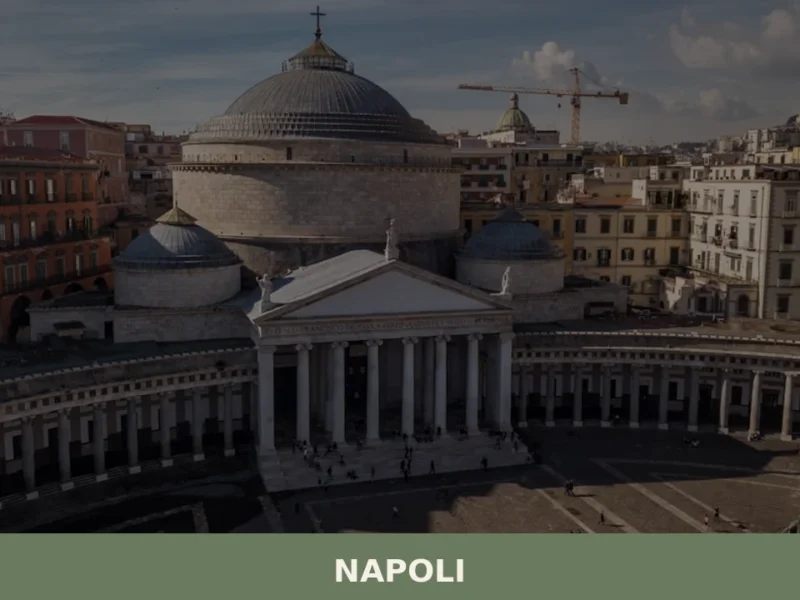
What to see in Napoli: 959,052 residents, UNESCO historic centre and Teatro San Carlo (1737). Discover the National Archaeological Museum, Neapolitan pizza and the 19 September San Gennaro feast.
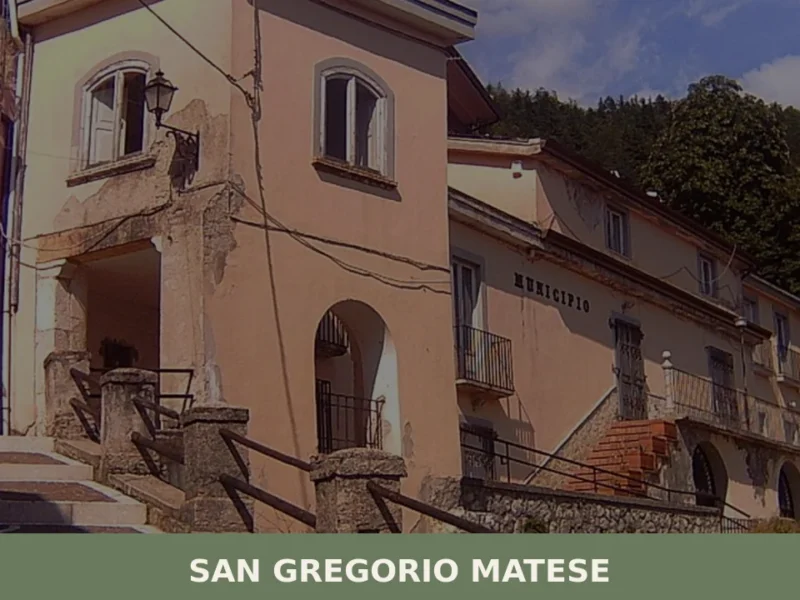
San Gregorio Matese
Mountain
What to see in San Gregorio Matese, Italy: Explore this mountain village at 765 m altitude. Discover its historic core and annual patron saint feast. Read our guide.
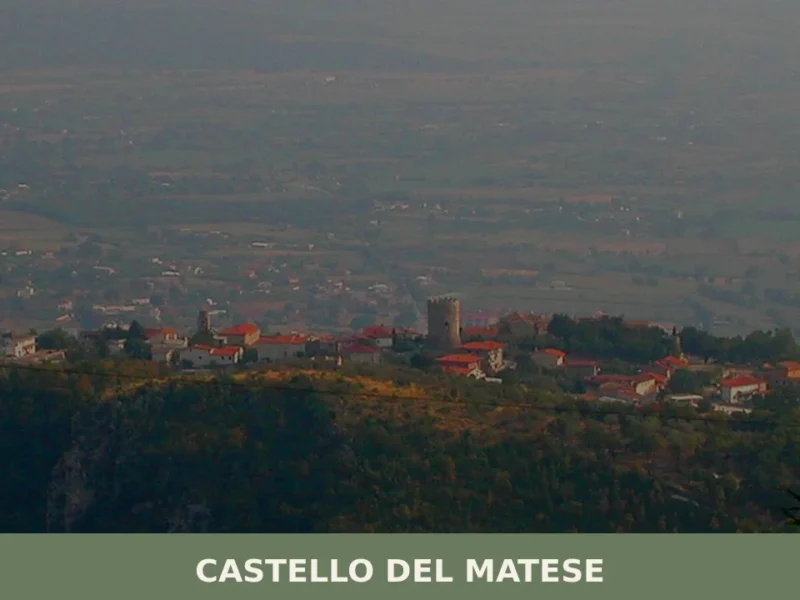
Castello del Matese
Hills
Visit Castello del Matese to explore its medieval historic center and local traditions. Plan your Campania trip, discover things to do in the village.
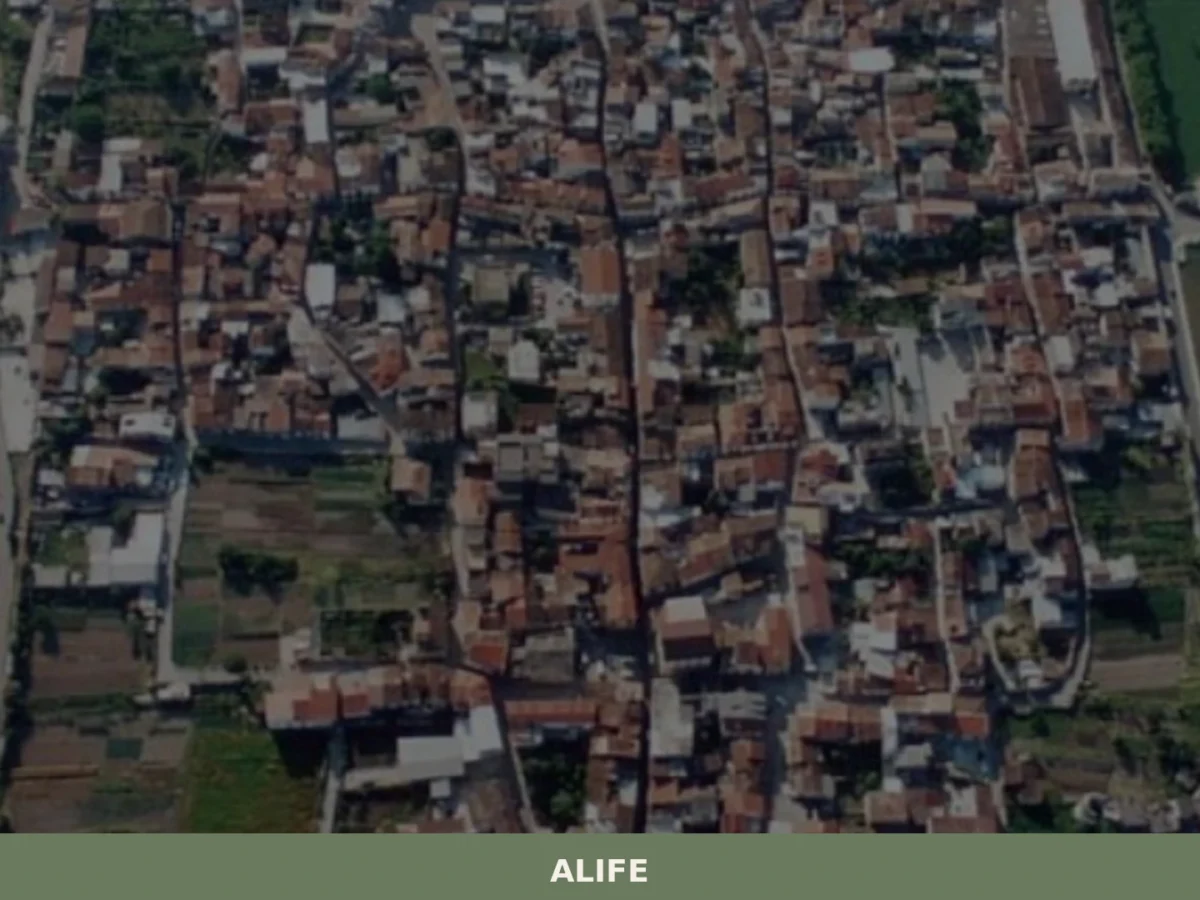
Alife
Plains
What to see in Alife, Italy: Discover at 110 m altitude the Roman Amphitheatre and the Cathedral of Alife. Explore Campania's rich history!






🏡 Know Arzano better than we do?
If you’re a local or have been there, your knowledge matters: add what’s missing or fix a detail on this page.