


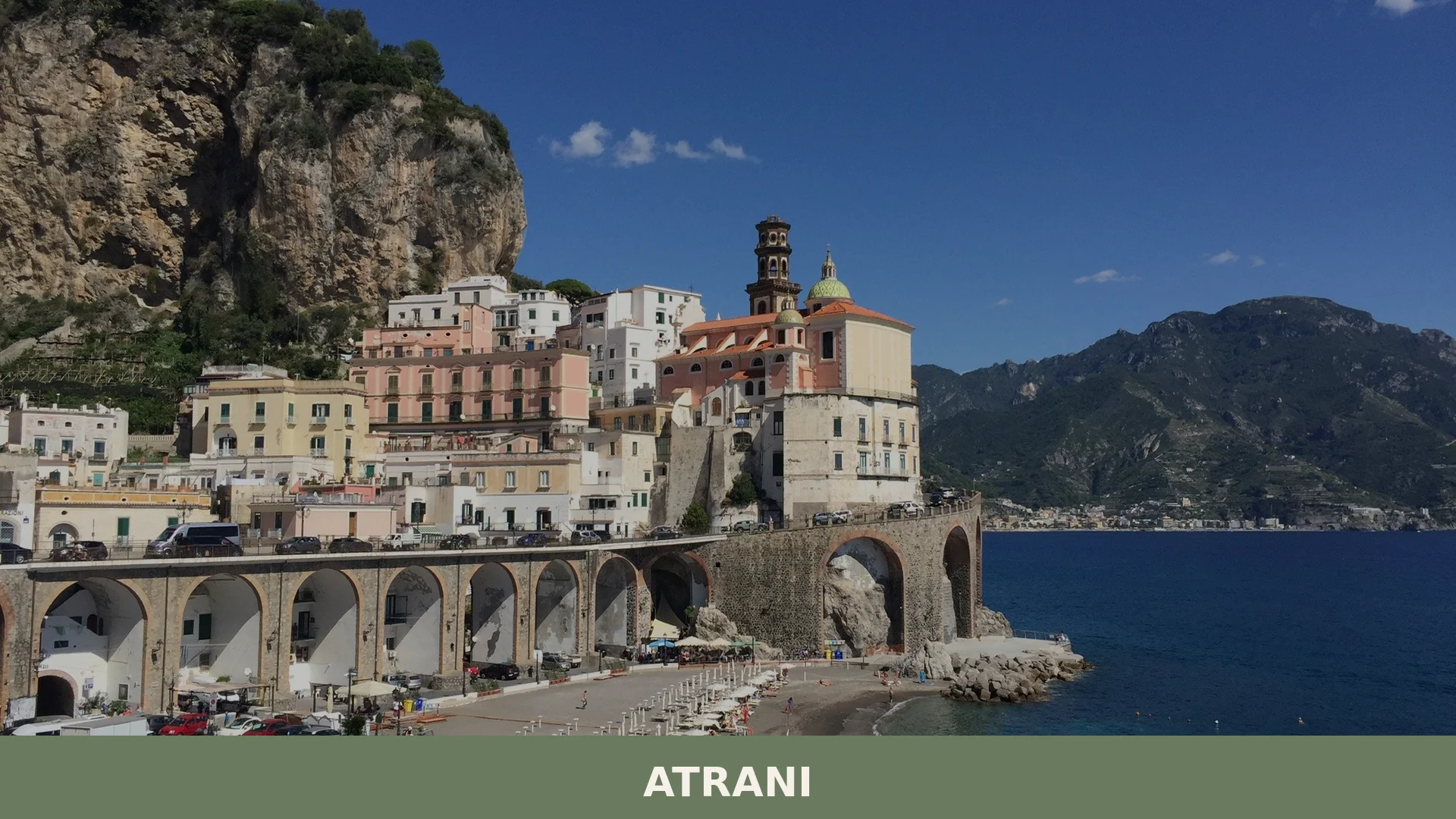

Atrani is the smallest comune in Italy by area, a coastal settlement in the province of Salerno with roots documented since 596 and a medieval past intimately tied to the Duchy of Amalfi.
Discover Atrani
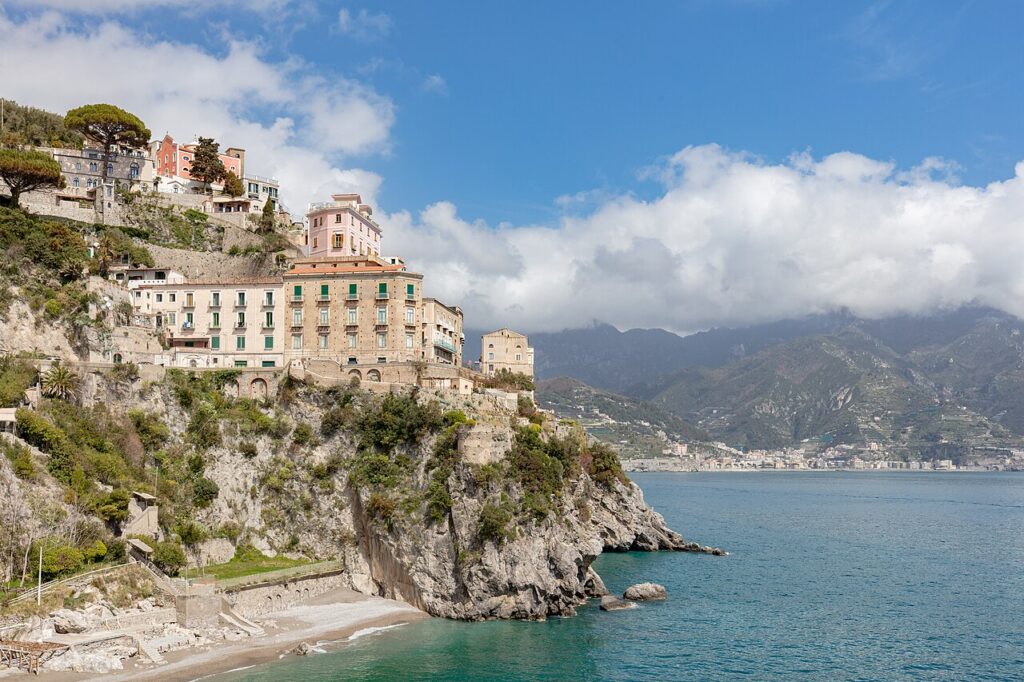
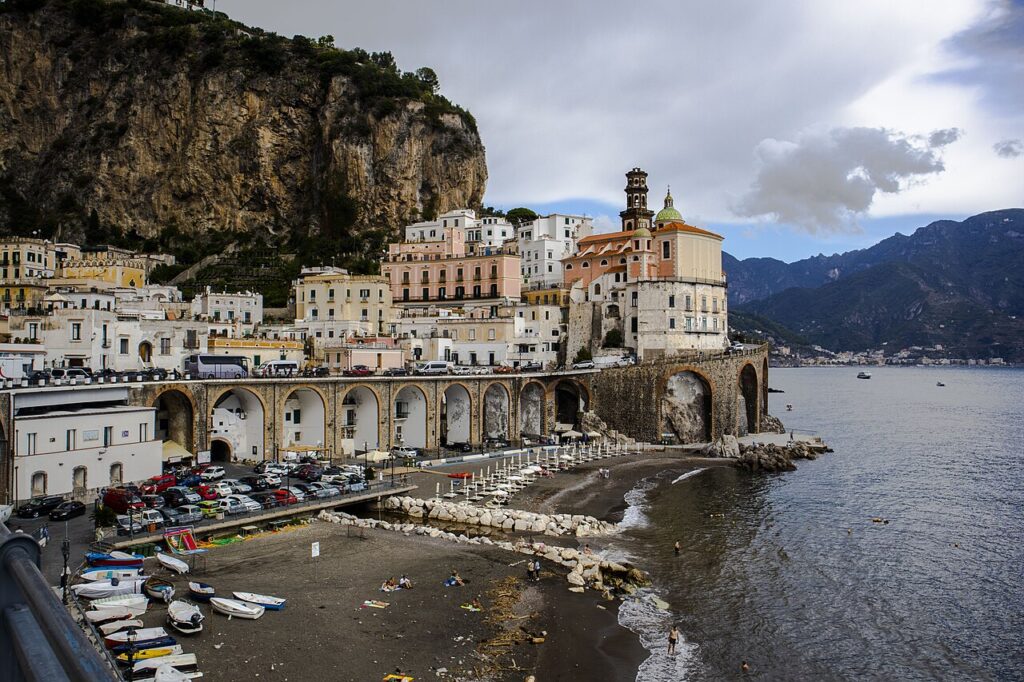
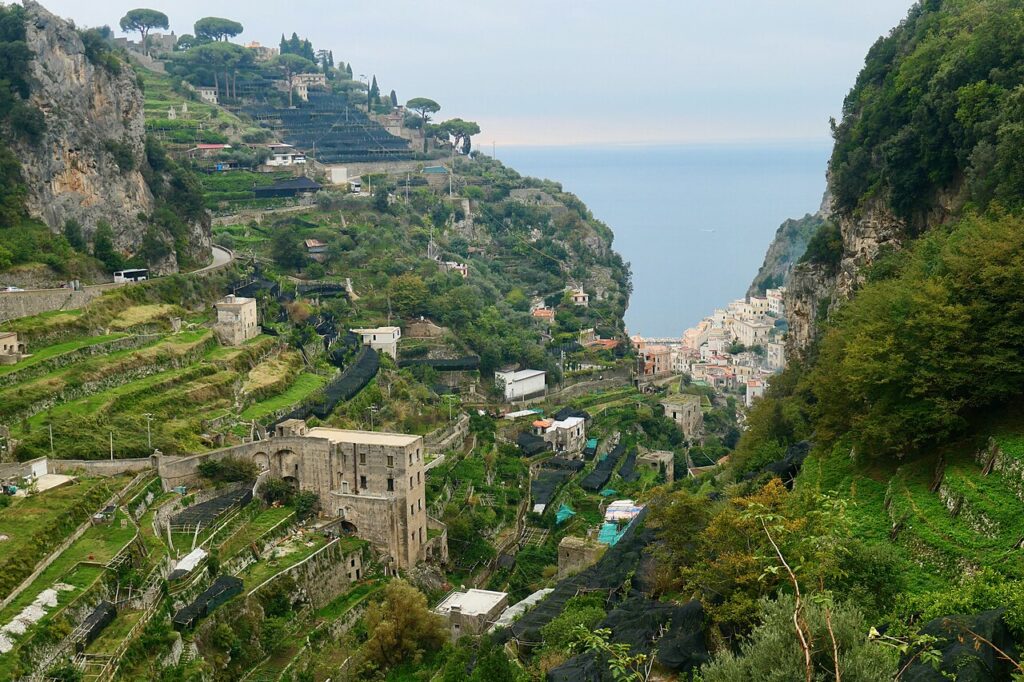
Atrani is a coastal municipality in the province of Salerno, Campania, with a population of around 765 people occupying a surface area of just 0.2 square kilometres — making it the smallest comune in Italy by area. It sits at the foot of Monte Civita and Monte Aureo, along the narrow valley carved by the river Dragone, and opens southward onto the Tyrrhenian Sea as part of the Amalfi Coast, a UNESCO World Heritage landscape since 1997. Its documented past stretches back to 596, when Pope Gregory the Great wrote to the local bishop Pimenio — the earliest written record of the settlement — though traces of Roman occupation along this shoreline predate even that, buried beneath the debris of Vesuvius’s eruption in 79 AD.
During the medieval period, Atrani held a singular position within the Duchy of Amalfi: it was effectively twinned with Amalfi itself, home to the duchy’s most powerful aristocratic clans — among them the Pantaleoni, the Viarecta and the Comite Mauro — and the only place, alongside Amalfi, where citizens held the right to elect or remove the duchy’s rulers. The dukes themselves were invested with their authority here, in the palatine chapel of San Salvatore de’ Birecto, through the ceremonial placing of the Birecto, the headpiece that symbolised ducal power. That layered past — Roman, medieval, Baroque, and battered more than once by disaster — is what gives the Atrani village in Campania its quiet, undeniable weight among the more flamboyant towns of the Amalfi Coast.
Atrani village in Campania: history and identity
Atrani’s documented history reaches back at least to 596, when Pope Gregory the Great addressed a letter to the local bishop Pimenio — the earliest written record of the settlement’s existence — though archaeological evidence points to Roman villas along this stretch of coastline as early as the first century, later buried by debris from the eruption of Vesuvius in 79. By the early medieval period, communities of Romans who had fled the barbarian invasions settled along the shores of the Amalfi coast, and Atrani emerged from this movement as a distinct, privileged borough within the Duchy of Amalfi.
Within the Duchy, Atrani held a status unlike any other dependent settlement: twinned with Amalfi itself, it served as the seat of the local aristocracy and was home to the most powerful families of the region — among them the Pantaleoni, the Alagno, the Comite Mauro, the Comite Iane, the Augustariccio and the Viarecta. Only Amalfitans and Atranesi shared the right to elect or depose the duchy’s rulers, and it was in Atrani’s palatine chapel of San Salvatore de’ Birecto that the dukes received the ceremonial headpiece — the Birecto — as the symbol of their authority. When Amalfi was raised to an archdiocese by Pope John XV in 987, the first archbishop appointed was Leone di Sergio di Urso Comite, himself of Atranese origin. The town also sustained a lively economic life, with pasta-making workshops and textile manufactories producing fine fabrics that gave Atrani a leading reputation along the entire coast.
The borough suffered a succession of blows across the following centuries. Pisan raids through the twelfth century damaged both Amalfi and Atrani repeatedly, and the Castello di Supramonte at Civita was destroyed between 1135 and 1137. In the second half of the thirteenth century, Manfredi sent a force of around a thousand Alexandrian mercenary sailors against the town as punishment for Atrani’s support of the papacy; the inhabitants took refuge in Amalfi while the mercenaries occupied the borough for many years. Then, on 25 November 1343, a devastating sea-surge — described by Petrarch in his Epistole Familiari — submerged much of the coastline and effectively ended the era of Amalfi and Atrani’s greatest prosperity. Later hardships included the Great Plague of 1643 and, in 1647, the brief return of Masaniello, who hid from the viceroy’s soldiers in a cavity near his mother’s house, since known as the Grotta di Masaniello.
A measure of renewed attention came in the early nineteenth century: on 22 June 1807, Joseph Bonaparte, then king of Naples, visited the Amalfi coast and promised the construction of a proper coastal road. The project was launched during Joachim Murat’s reign (before his death in 1815) and completed in 1853 under the Bourbons. In 1997 the Amalfi Coast, with Atrani among its constituent communities, was inscribed as a UNESCO World Heritage Site. More recently, on 9 September 2010, the river Dragone burst its banks in a severe flood, claiming the lives of Francesca Mansi, whose body was recovered near the Aeolian Islands on 2 October 2010, and Francesco Corvino, who died in the days that followed.
Churches, Towers and Caves in Atrani’s Compact Centre
Atrani holds several historic religious buildings, a medieval palatine chapel, a coastal defence tower, and a network of caves and fortification remains, all contained within one of Italy’s smallest municipal territories.
Chiesa di San Salvatore de’ Birecto
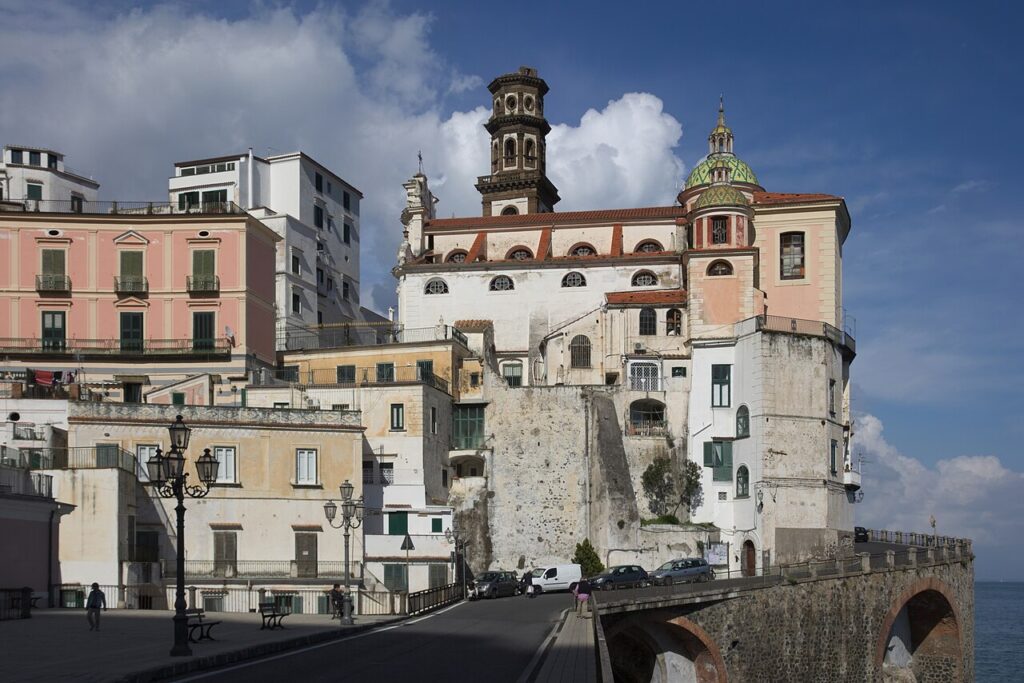
Built in the tenth century and standing directly on the village’s main piazza, this chapel served as the palatine seat of the Duchy of Amalfi. It was here that the dukes received the Birecto, the ceremonial headdress that symbolised ducal authority. The building has a square plan with a pronao and three naves. Its bronze doors, dated 1087, were donated by the atranese nobleman Pantaleone, member of the Pantaleoni family (also known as Comite or Alagno according to some sources). A fourteenth-century tomb slab commemorating the noblewoman Filippa Napolitano is also preserved inside.
Chiesa dell’Immacolata
Adjoining San Salvatore de’ Birecto, this single-nave church is covered by a barrel vault.
Collegiata di Santa Maria Maddalena Penitente
The collegiate church occupies the promontory of Castiglione, the same headland that once marked the eastern limit of the historic borough of Atrani — a territory that has since passed to the municipality of Ravello.
Chiesa di San Michele Arcangelo
Known locally as San Michele Fuori le Mura, this church was carved out of a cavity in Monte Civita and is dated by sources to between the eleventh and twelfth centuries. For a period it served as a burial ground during times of plague, a function it retained until 1927. A painting of the warrior saint, by Cretella, was placed on the altar in 1930.
Chiesa della Madonna del Carmine
Founded in 1601 on the initiative of Scipione Cretella and Giambattista Vollaro, this church is distinguished by its Moorish-style campanile. Inside, a eighteenth-century nativity scene is displayed during the Christmas season; its figures are described as faithful representations of Atrani men and women of the period.
Torre del Tumulo (Torre di San Francesco)
This coastal watchtower was constructed in the sixteenth century by don Pedro Afán de Ribera as a defence against Turkish incursions along the Amalfi coast.
Castello di Supramonte and the Grotta dei Santi
In the locality of Civita, the remains of the Castello di Supramonte mark the site of a fortification destroyed by Pisan attacks between 1135 and 1137. The same rocky terrain contains the Grotta dei Santi, a cave sanctuary recorded among the historic religious sites of the area.
Grotta di Masaniello
A cave a short distance from Masaniello’s maternal home, where the rebel leader reportedly took refuge in 1647 while being pursued by the viceroy’s soldiers.
Flavours of Atrani and the Amalfi Coast
Atrani sits within one of southern Italy’s richest food territories: the Amalfi Coast and the broader province of Salerno together produce a remarkable range of certified products, from the sea to the hills. The colatura di alici di Cetara DOP — an amber, intensely savoury anchovy extract drawn from the nearby fishing village of Cetara — is perhaps the most emblematic flavour of this stretch of coastline. Inland, the province yields the cipollotto nocerino DOP, a tender spring onion from the Nocera plain, and the carciofo di Paestum IGP, a meaty artichoke cultivated in the ancient Greek colony to the south.
Historically, Atrani itself was known for the production of textiles — fine fabrics known as sajette and precious draperies — an industry that once set it apart from other centres along the coast. For cheese, the territory falls within the range of the caciocavallo silano DOP, the aged stretched-curd cheese of the Calabrian and Campanian uplands. On the table the regional tradition also encompasses the cilento DOP oil, pressed from olives grown in the rugged Cilento hinterland.
The wines of the Amalfi Coast carry their own appellation: the Costa d’Amalfi DOC covers the vineyards that cling to the terraced slopes above the sea, producing whites, reds and rosés from indigenous varieties. Wider Campania adds further depth, with the Fiano di Avellino DOCG and the Greco di Tufo DOCG among the most celebrated whites of the south, and the powerful Taurasi DOCG — sometimes called the Barolo of the mezzogiorno — as the region’s most prestigious red.
Reaching Atrani and Planning Your Stay
Atrani is most easily reached by car along the SS163 from Salerno, approximately 25 km away and about one hour’s drive along the coastal road; the neighbouring town of Amalfi is barely a kilometre away, roughly five minutes by car or about fifteen on foot. The Mediterranean climate makes the village welcoming for most of the year: January temperatures average around 10.7 °C and August around 26.8 °C, so even winter visits are mild, while summer stays are warm rather than oppressive.
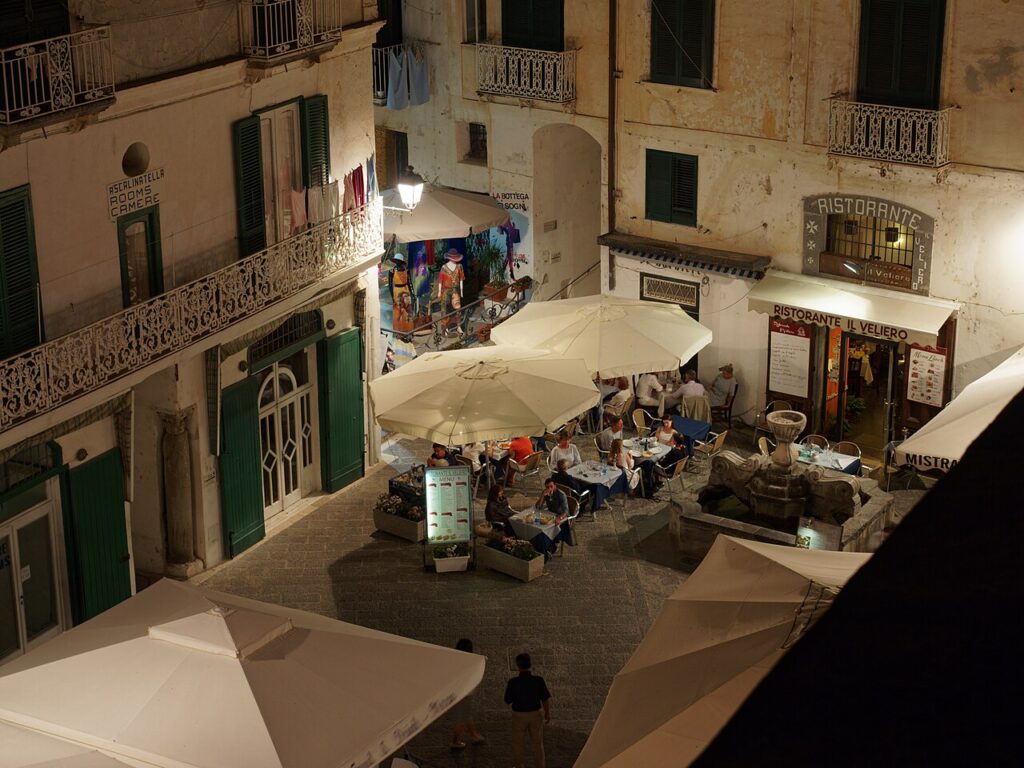
Atrani is among the smallest communes in Italy, covering just over 0.12 km², and its narrow lanes, staircases and small piazza reward unhurried exploration. Parking is extremely limited given the confined geography between Monte Civita to the east and Monte Aureo to the west; leaving the car in Amalfi and walking through the short coastal gallery to the west is a practical alternative. For travellers approaching from the provincial interior, Acerno and other hill villages of the Salerno uplands offer a contrasting rural counterpoint before descending to the coast.
| Departure | Distance | Time |
|---|---|---|
| Amalfi | approx. 1 km | 5 min in auto / 15 a pianddi |
| Salerno | approx. 25 km | approx. 1 hour (SS163) |
| Napoli | approx. 65 km | approx. 1 hour and 30 min |
These practical references help organise the journey clearly, while the village itself is best understood slowly and on foot once you arrive.
Frequently asked questions about Atrani
What is the best time to visit Atrani?
Late spring (May–June) and early autumn (September–October) offer ideal conditions with mild temperatures and fewer crowds. July brings the patron saint feast of Santa Maria Maddalena on July 22nd, featuring local celebrations. Summer months are warmest but busier. Winter is mild but can be rainy. Avoid August if you prefer tranquility, as the Amalfi Coast peaks with tourists during peak season.
How do I reach Atrani from Naples?
From Naples, take the A3 motorway southbound toward Salerno (exit Nocera–Pagani or Salerno), then follow SS163 along the Amalfi Coast. Journey time is approximately 90 minutes by car. Alternatively, take the Circumvesuviana train to Salerno, then a SITA bus toward Amalfi; buses stop at Atrani. The coastal drive via SS163 is scenic but narrow and winding.
How long should I plan to spend in Atrani?
Half a day (3–4 hours) suffices for exploring the village center, waterfront, and main piazza. A full day allows leisurely walks along the coast, visits to nearby Amalfi (15 minutes by bus), and relaxation by the sea. Atrani is intimate and compact—0.12 square kilometers—so it complements a broader Amalfi Coast itinerary rather than serving as a standalone multi-day destination.
What historical sites should I visit in Atrani?
The Church of Santa Maria Maddalena, the village's patron saint church, stands as the primary monument. The palatine chapel of San Salvatore de' Birecto, though modest, holds medieval significance as the site where Amalfi dukes were ceremonially invested with the Birecto—the symbol of ducal authority. Both reflect Atrani's pivotal role in the medieval Duchy of Amalfi alongside only Amalfi itself.
Is there parking available in Atrani?
Parking in Atrani is extremely limited due to the village's tiny size and steep terrain. Most visitors park in nearby Amalfi (15 minutes by bus or car) and travel to Atrani via SITA coastal bus or on foot. Street parking exists but fills quickly in high season. Arriving early morning or visiting in shoulder seasons improves parking availability significantly.
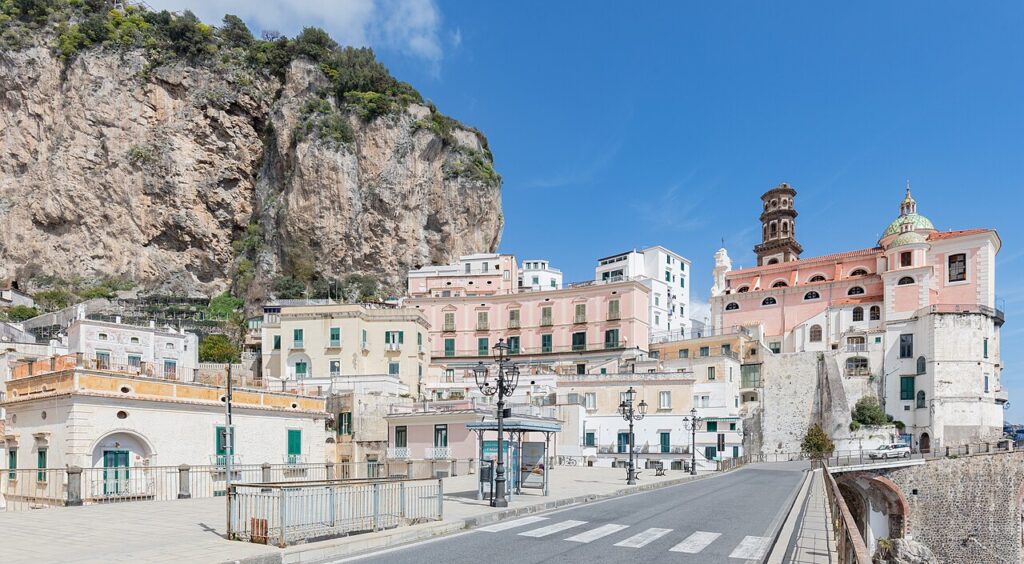
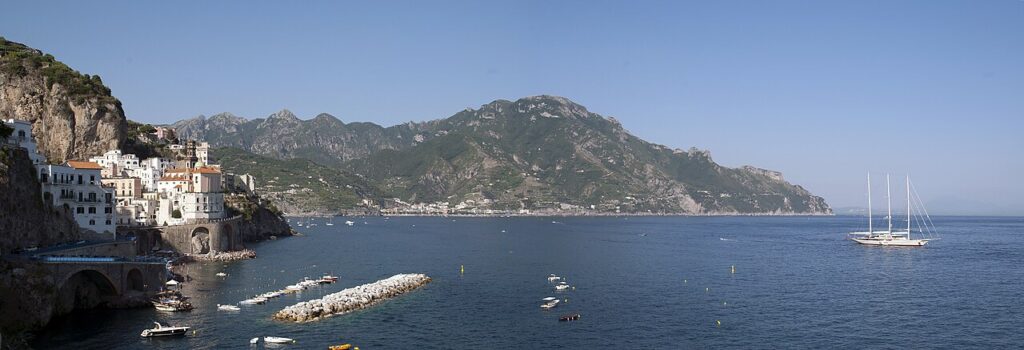
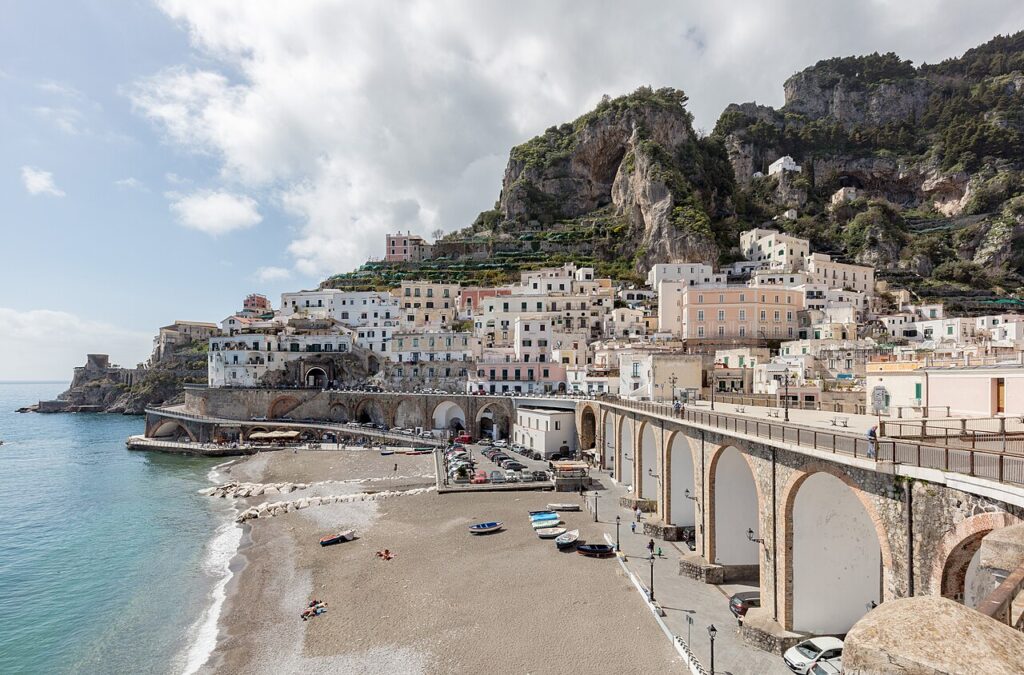
📷 Photo Gallery — Atrani
In Campania More villages to discover
Atripalda
 Hills
Hills
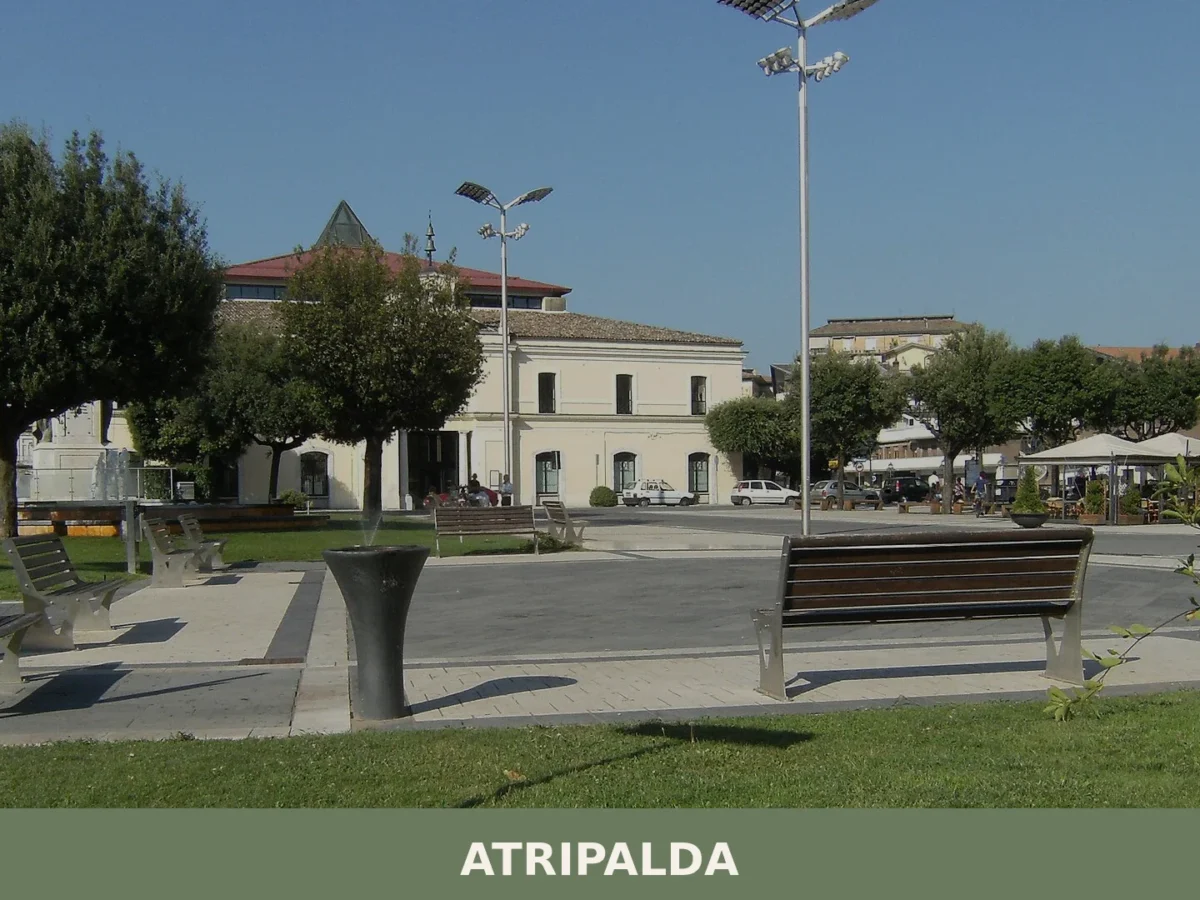
Atripalda is a historic hill town of roughly 10,000 people near Avellino, where the Roman colony of Abellinum, a remarkable early-Christian monument and centuries of feudal heritage await visitors to
Pontelatone
 Plains
what to see in pontelatone, Italy? Explore this Caserta village at 120 meters altitude. Discover the ancient city of Trebula and local traditions. Read more.
Vitulazio
Plains
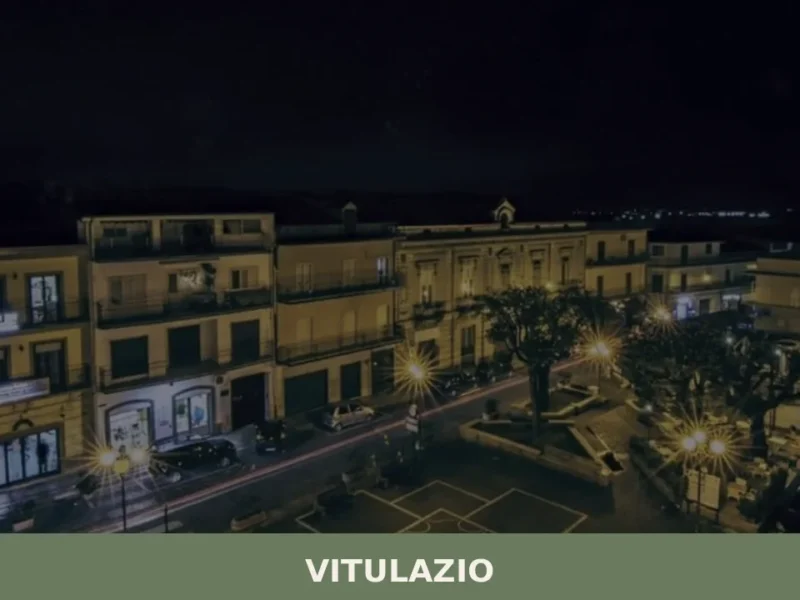
What to see in Vitulazio: 7,646 residents, 57m above sea level in Caserta province. Visit the Agnena Sanctuary, historic centre and taste PAT products like 'Ndunderi. Plan your trip.
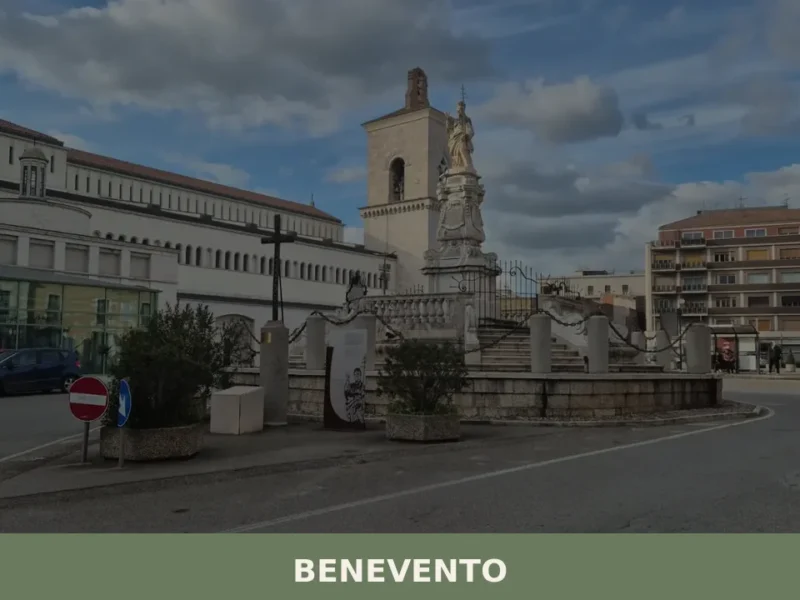
Benevento
Plains
Uncover the rich history and beautiful landscapes of the village of Benevento in Campania, Italy. Plan your visit to this charming Italian gem today!
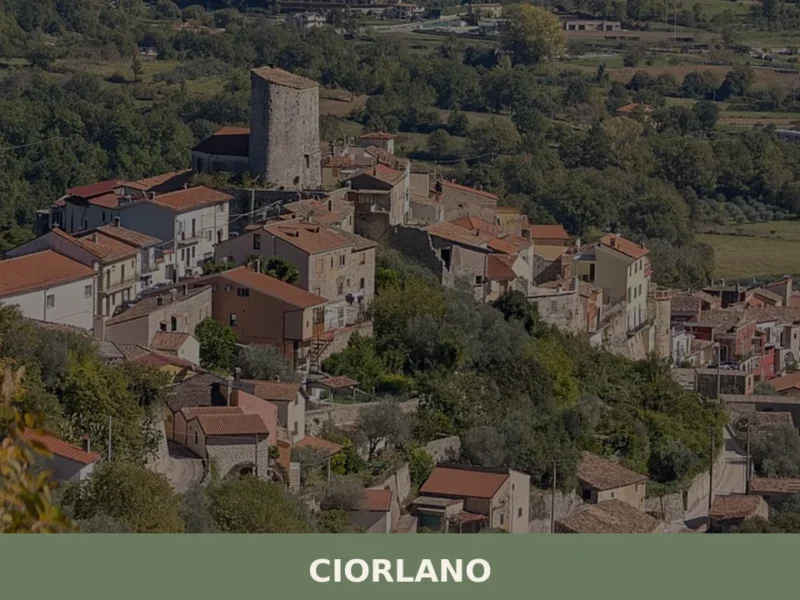
Ciorlano
Hills
With its 370 inhabitants spread across an elevation of 330 metres above sea level, Ciorlano is one of the least populated municipalities in the province of Caserta. The village sits in the middle Volturno valley, along the hillside that separates the Matese massif from the Alife plain. Anyone wondering what to see in Ciorlano will […]
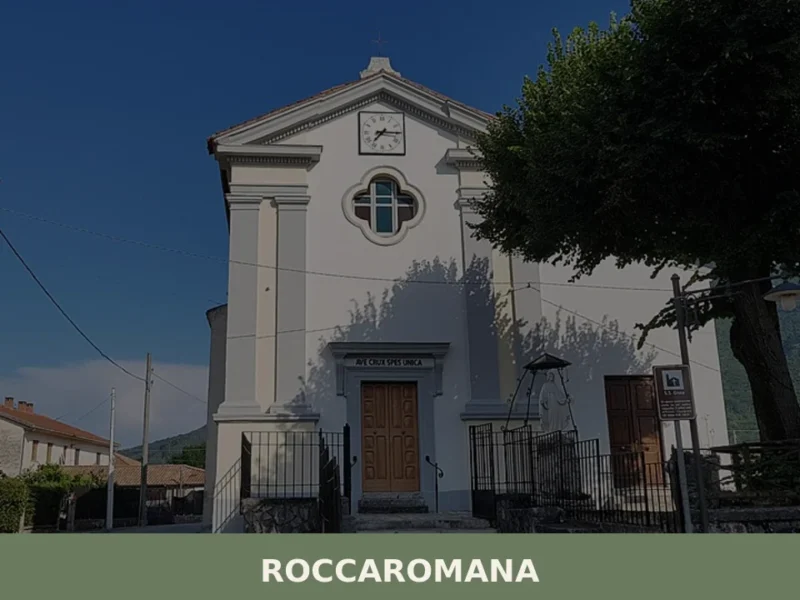
Roccaromana
Plains
What to see in Roccaromana, Italy: Explore its 180m altitude, discover historic churches and enjoy San Cataldo feast. Learn more about visiting this quaint village.
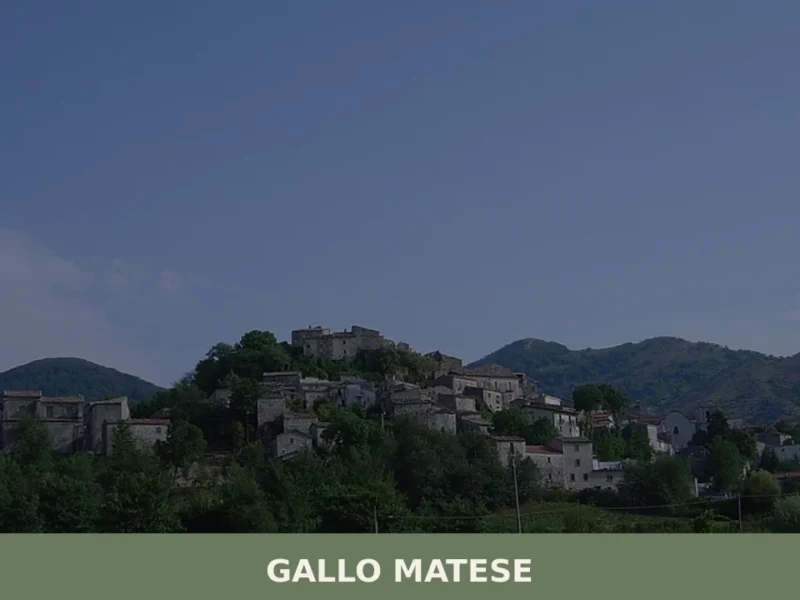
Gallo Matese
 Mountain
With its 625 inhabitants and an altitude of 875 meters above sea level, Gallo Matese ranks as one of the highest centers in the province of Caserta, Campania. Its geographical position, in the heart of the Matese mountain range, determines its identity and structure. The village, whose presence has been documented for centuries, developed in […]
Castel di Sasso
Hills
Castel di Sasso, a small municipality in the province of Caserta with 1,051 inhabitants, has historical roots documented since the 10th century, when it was already attested as a fortified settlement in the fertile Terra di Lavoro. At 200 meters above sea level, the village developed on the Caserta plain, a location that influenced both […]

Castellammare di Stabia
 Sea
Sea
Castellammare di Stabia offers over 2,800 years of layered history, from buried Roman villas to Bourbon royal palaces, all framed by the Gulf of Naples.
Arpaise
Hills
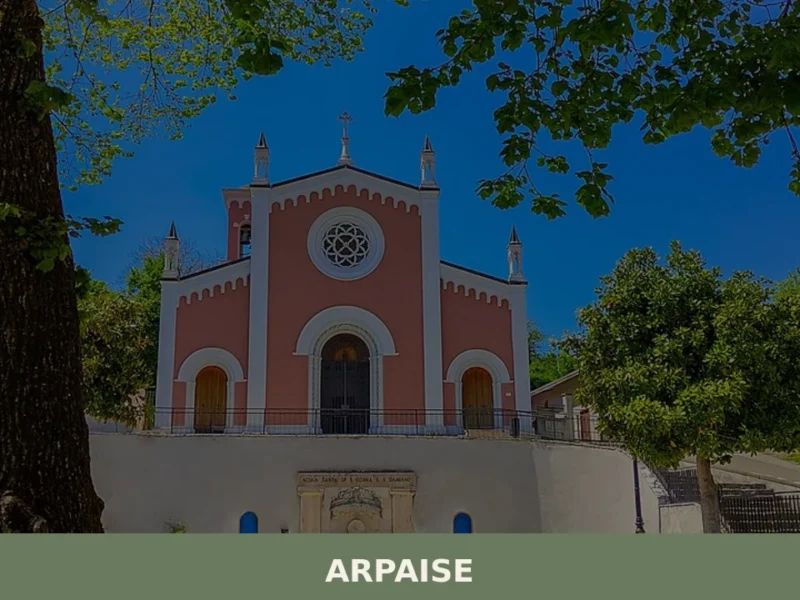
What to see in Arpaise, Italy: Discover this village of 735 inhabitants at 410 m (1,345 ft) altitude. Explore the Parish Church of San Rocco and panoramic views. Read our guide.






🏡 Know Atrani better than we do?
If you’re a local or have been there, your knowledge matters: add what’s missing or fix a detail on this page.