



What to see in Amalfi, Campania, Italy: explore the Cathedral of Sant’Andrea, the Arsenal of the Maritime Republic, and the Compass Museum. Discover 4,611 residents’ town.
Discover Amalfi
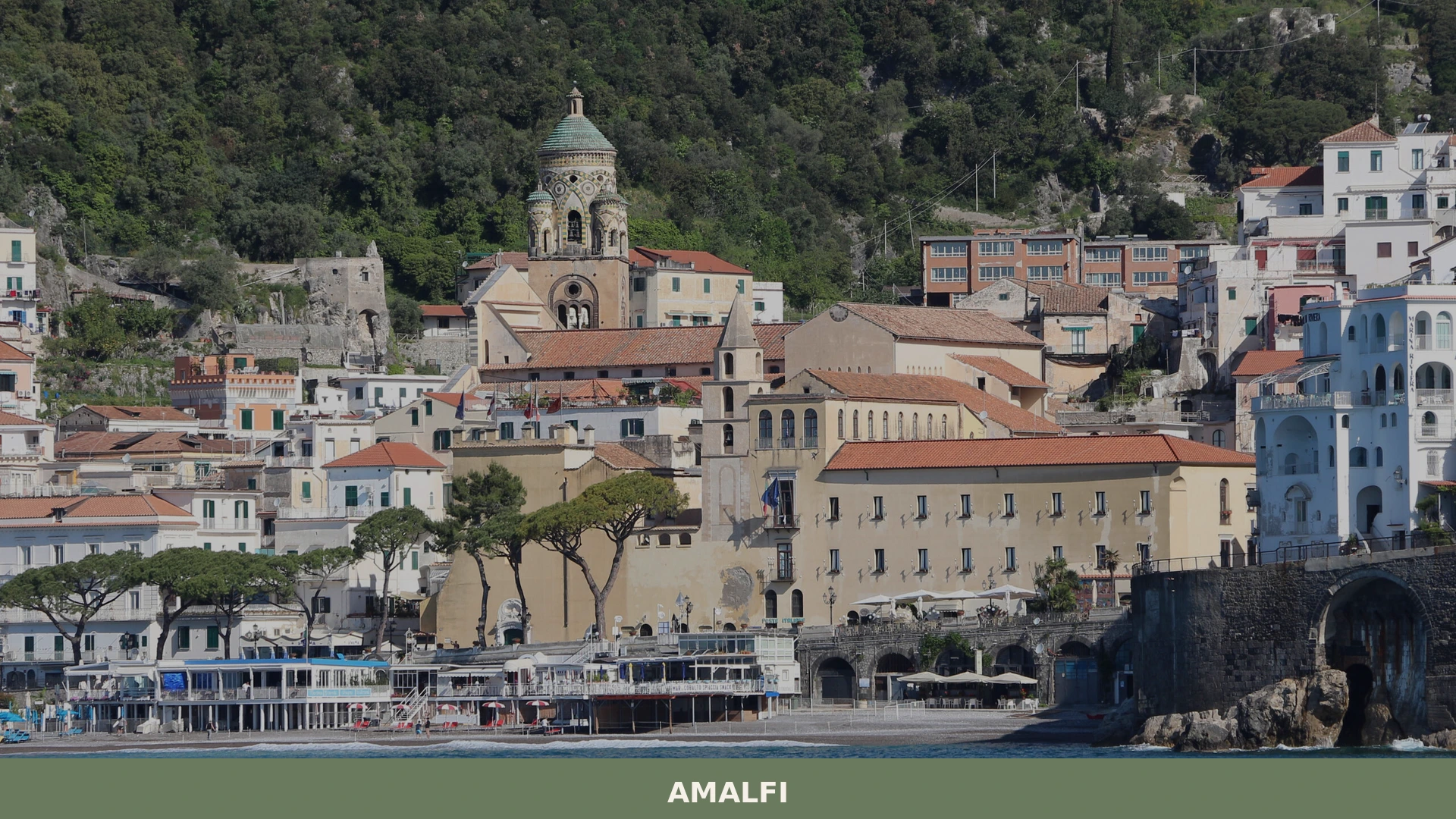
The steps rise in sixty-two marble-edged risers before the façade of Sant’Andrea Cathedral levels into view, its Byzantine stonework absorbing the midday light above the Piazza Duomo, Amalfi’s central square. At the foot of Monte Cerreto, which reaches 1,315 m (4,314 ft), the town occupies the mouth of a deep ravine on the Gulf of Salerno.
A population of 4,556 inhabits a space where medieval warehouses, a functioning paper mill converted into a museum, and the stone hull of a medieval naval arsenal compete for the same narrow coastal shelf.
What to see in Amalfi, Campania: top attractions
Deciding what to see in Amalfi, Campania, Italy requires some order, because the town compresses an unusual density of documented history into roughly two kilometres of coastline.
Visitors to Amalfi find a UNESCO World Heritage Site whose monuments span the era of the Duchy of Amalfi, one of the most consequential maritime trading powers in the medieval Mediterranean. The cathedral alone holds relics transferred from Constantinople in 1208, bronze sculpture by a pupil of Michelangelo, and four ceiling paintings by Andrea dell’Asta.
Beyond the cathedral, the arsenal, the paper museum, and a calendar of civic festivals give substance to every visit regardless of the season.
History of Amalfi
Amalfi’s recorded commercial activity predates the formal declaration of its independence. During the late 9th century, Amalfi merchants were purchasing land using gold coins at a time when most of the Italian peninsula still operated on barter. The republic extracted itself from Byzantine vassalage in 839 and first elected a duke in 958.
Trade routes ran from the Islamic ports of North Africa and the Levant — where Amalfi grain traders held privileged positions — through to the markets of Western Europe, with Byzantine silks and Egyptian gold dinars circulating as the principal currencies of exchange. Karl Marx, in The German Ideology, identified Amalfi’s role in the very early formation of European mercantile capitalism, a recognition that underlines how structurally significant the republic’s commercial model was.
At its demographic peak, around the turn of the first millennium during the reign of Duke Manso (966–1004), Amalfi supported a population estimated between 70,000 and 80,000.
The Tavole Amalfitane, a maritime code drawn up by the republic, governed navigation disputes across Christian port cities and remained legally recognised in the Mediterranean until 1570. Amalfi’s fall from independent power came in stages: the Normans absorbed the republic in 1073, though granting it considerable rights; Roger II of Sicily reduced it further in 1131; the Pisans, commercial rivals throughout the period, sacked the city in 1135 and again in 1137.
A tsunami in 1343 destroyed the l
Local food and typical products of Amalfi
ower town and port, ending any realistic prospect of recovery to regional power. The town the Pisans sacked had been, briefly, in the possession of the Holy Roman Emperor Lothair, who took as war booty a copy of the Pandects of Justinian found in Amalfi — a detail that illustrates the republic’s access to legal scholarship as much as its military exposure.From the 19th century onward, Amalfi shifted its economic base toward hospitality.
The Luna Convento, a former monastery, was converted into a hotel in the second decade of the 1800s; the Cappuccini Convento followed in the 1880s. Beginning in the Edwardian era, members of the British upper class spent winters here. The composer Richard Wagner and the playwright Henrik Ibsen both completed works during stays in Amalfi.
In medieval culture the town had also been recognised for its schools of law and mathematics, and Flavio Gioia, traditionally credited with introducing the mariner’s compass to Europe, is said to have been a native. Amalfi has been included in the UNESCO World Heritage Sites, a designation that frames the physical fabric of the town — its cathedral, its arsenals, its ravine topography — as collectively irreplaceable.
What to see in Amalfi, Campania: top attractions
Cathedral of Sant’Andrea (Duomo di Amalfi)
The cathedral’s façade is Byzantine in composition, decorated with paintings of saints and dominated by a large fresco of Saint Andrew.
Inside, the nave and two aisles are divided by 20 columns, and the ceiling — a gold caisson structure — carries four large paintings by Andrea dell’Asta depicting the flagellation of Saint Andrew, the miracle of Manna, the crucifixion, and the apostle on the cross.
The crypt was made accessible via stairs built in 1203 for Cardinal Pietro Capuano, who transferred Saint Andrew’s remains from Constantinople on 18 May 1208. A bronze statue of the saint, sculpted by Michelangelo Naccherino, a documented pupil of Michelangelo, stands in the cathedral alongside Pietro Bernini marble sculptures of St. Stephen and St. Lawrence.
The golden reliquary originally housing the apostle’s skull and a second one used during processions are both on display in the crypt.
Arsenal of the Maritime Republic (Gli Arsenali della Repubblica)
Two large stone-built halls, their vaulting carried on pointed arches, make up the surviving structure of Amalfi’s medieval naval arsenal. Originally the building rested on 22 piers; 12 of them, along with the vaulting they supported, were lost to coastal erosion over the centuries, leaving 10 in place. The main function of the building was the construction, repair, and storage of warships — Amalfi’s war-galleys ranked among the largest in the Mediterranean during the Early Middle Ages.
The halls now display architectural and sculptural remains, a row-barge used in the Historical Regatta, and a collection of ship models. From December 2010, the portion of the building spared by the 1343 tsunami has housed the Compass Museum, dedicated to the navigational instrument historically associated with Amalfi.
It is worth walking through both halls to compare the surviving medieval masonry with the exhibition material on maritime navigation.
Museum of Handmade Paper (Museo della Carta)
Located in Mill Valley in the northern part of the modern town, the Museum of Handmade Paper occupies an ancient paper mill once owned by the Milano family, documented producers of paper in Amalfi for generations. The conversion to a museum took place in 1969 following the will of Nicholas Milano, the mill’s then owner. Amalfi was among the first centres of paper production in Europe, a skill acquired from Arab traders — the same commercial networks that made the republic wealthy in the 9th and 10th centuries.
The machinery inside the museum has been restored to full working condition, and visitors can observe the equipment that produced the paper known as bambagina, a hand-made thick stock still exported to European countries and to America.
The museum sits roughly 1 km (0.6 mi) from the Piazza Duomo; the walk up into the valley provides a different perspective on the ravine topography that defines Amalfi’s urban form.
Piazza Duomo and the Historic Town Centre
The Piazza Duomo functions as the organisational centre of Amalfi: the cathedral steps descend directly into it, and the square channels most of the foot traffic moving between the port and the upper town. The surrounding streets reflect the medieval layout of a republic that needed to pack commercial, residential, and religious functions into a geographically constrained site.
The convent of the Cappuccini, founded by Cardinal Pietro Capuano — the same Amalfitan cardinal who brought Saint Andrew’s relics from Constantinople — stands as another example of the Norman-period architecture that blends Byzantine ornamentation with the structural geometry of northern European building traditions. For those who prefer to move at a slower pace, the Piazza offers a direct sightline to the campanile and the cathedral façade, which changes in colour and texture as the light shifts across the stone through the day.
The Amalfi Coast Lemon Groves and Terraced Landscape
The terraced gardens visible from the coast road between February and October carry the sfusato amalfitano, a lemon variety documented as typically long, at least double the size of standard lemons, with a thick wrinkled skin and sweet, low-pip flesh.
These are the lemons used to produce Limoncello, the liqueur for which the Amalfi coast is specifically known. The terracing itself is a feature of the broader Amalfi coast landscape, a UNESCO-designated territory where agricultural and coastal infrastructure have been maintained on near-vertical slopes for centuries.
The SS163 Amalfitana state road, which connects the coastal towns, provides accessible vantage points onto the lemon groves without requiring steep hiking. Visitors to what to see in Amalfi beyond the town centre will find that the coastal road between Amalfi and Positano illustrates how the agricultural geography shaped both the economy and the physical appearance of the entire coast.
Local food and typical products of Amalfi
The culinary identity of Amalfi is inseparable from its commercial history.
A port city that traded with Arab markets in the 9th century, and that acquired paper-making techniques from the same sources, absorbed food knowledge through the same channels as it absorbed technology. The Amalfi coast sits within the broader Campanian agricultural zone, where citrus cultivation, fishing, and the production of preserved foods have defined local eating since the medieval period. The terrain — steep, coastal, and frequently inaccessible by road until the modern era — enforced a diet built on what the land and sea could supply within a short radius.
The sfusato amalfitano lemon is the defining ingredient of the local table.
Its thick rind is used to produce Limoncello, but the flesh and peel appear across a wider range of preparations: preserved in salt, added to seafood dishes, or used in the pastries found in local bakeries.
The lemon’s growing season on the terraced gardens runs from February to October, which means the fruit is available fresh for most of the year. Seafood forms the other structural element of Amalfi cooking, consistent with a port that maintained passenger connections to Capri, Positano, Salerno, and the smaller coastal towns of Maiori, Minori, and Cetara — the last of which is known for its colatura di alici, an anchovy-based condiment produced from the fishing catch of the area.
The hand-made paper known as bambagina is not a food product, but it belongs to the same category of local manufacture that defines Amalfi’s material culture. The paper has been used for wedding invitations, visiting cards, and formal correspondence across Italy, and has been exported to European countries and to America.
The artist Giuseppe Leone described the paper as evoking a distinct world for anyone sensitive to the character of the materials: “There is a whole world that the Amalfi paper evokes and an artist who is sensitive to the suggestion of these places is aware that it is unique and exciting.” For food products specifically, the lemon groves and the Limoncello production remain the most commercially visible aspect of what Amalfi makes and sells.
Local shops along the Piazza Duomo and the main corso stock bottled Limoncello, preserved lemons, and lemon-based confectionery throughout the year.
For those travelling through the broader Campania region, the small inland villages of the province offer complementary food traditions: the town of Airola in Campania, for instance, lies in the Sannio agricultural area where different grain and legume traditions have persisted alongside the coastal citrus culture of the Salerno province.
Festivals, events and traditions of Amalfi
Three recurring events structure the civic calendar in Amalfi.
The feast days of Saint Andrew, Amalfi’s patron saint, fall on 25–27 June and again on 30 November, with processions and public celebrations on both occasions. On 18 May, the cathedral marks the anniversary of the arrival of Saint Andrew’s relics from Constantinople in 1208, an event that Cardinal Pietro Capuano arranged following the Sack of Constantinople during the Fourth Crusade.
The Byzantine New Year’s Eve, observed on 31 August, marks the beginning of the new year according to the old civil calendar of the Byzantine Empire — a calendrical tradition that survived in Amalfi long after the republic’s dissolution and that connects the modern town to its medieval orientation toward Constantinople and the eastern Mediterranean.
The Historical Regatta, held on the first Sunday in June, is a traditional rowing competition among the four Italian cities historically identified as maritime republics: Amalfi, Genoa, Pisa, and Venice.
The event rotates between the four cities, meaning Amalfi hosts it once every four years. The row-barge on display in the Arsenal of the Maritime Republic is used in this regatta, creating a direct functional link between the museum collection and the living event. When the regatta falls in Amalfi, it draws visitors specifically for the competition, making the first Sunday of June in Amalfi’s host years the single highest-attendance event the town stages.
When to visit Amalfi, Italy and how to get there
The best time to visit Campania’s Amalfi coast for a combination of manageable crowds and reliable weather falls in May, early June, and September.
July and August bring the highest visitor numbers to the coastal road and the cathedral square, compressing foot traffic on the already narrow SS163 Amalfitana. The lemon harvest runs from February to October, which means the terraced groves are visually active for most of the year. For those attending the Historical Regatta, the first Sunday of June in years when Amalfi hosts the event is worth planning around specifically.
November and the feast of Saint Andrew on 30 November provide a quieter entry point into the town’s calendar for visitors who prefer the off-peak coastal atmosphere.
Reaching Amalfi by road means using the SS163 Amalfitana state road along the coast, the SR366 regional road, or the SP252 provincial road. If you arrive by car from Naples, the drive covers approximately 74 km (46 mi) and the coastal section requires patience on the single-lane stretches above the sea. The nearest airport is Salerno-Pontecagnano Airport (QSR), 45 km (28 mi) from Amalfi, with connections to several European cities. Naples Capodichino Airport (NAP) is 74 km (46 mi) away and offers significantly broader international connectivity.
From Naples, Amalfi is reachable as a day trip — the transfer time by road runs approximately 90 minutes under normal traffic conditions, making it a realistic excursion from the city for travellers based there. Ferry services from the port of Amalfi connect to Positano, Capri, Salerno, Maiori, Minori, and Cetara, providing an alternative to the road for several coastal destinations.
International visitors should carry euro cash for smaller shops and market stalls in the town, where card payment terminals are not universally available.
Travellers with time to explore the interior of Campania rather than only the coast can extend their itinerary to include villages in the province’s agricultural inland. The village of Valle Agricola in Campania represents the kind of quieter inland settlement that offers a counterpoint to the coastal concentration of visitors during high season.
Similarly, those interested in the Norman-period architectural and historical connections that run through Campania’s medieval past may find value in visiting Camigliano, a small Campanian commune whose medieval fabric shares the same broad southern Italian historical context as Amalfi’s Norman-era monuments.
Where to stay near Amalfi
Amalfi has a documented history of hotel accommodation stretching back to the early 19th century, when two former monasteries were converted for paying guests.
The Luna Convento began receiving visitors in the second decade of the 1800s, and the Cappuccini Convento was converted in the 1880s — both properties remain among the most historically grounded accommodation options in the town.
The broader range of lodging in and around Amalfi includes hotels positioned along the cliff terraces above the port, B&Bs in the historic centre, and rental properties accessible via the coastal road.
For visitors who find Amalfi’s capacity limited during peak months, the nearby coastal towns of Positano, Maiori, and Minori — all served by the same ferry connections from Amalfi’s port — provide alternative bases from which what to see in Amalfi remains within easy reach by boat or road.
Those interested in the inland villages of Campania as part of a broader regional stay might also consider the village of Giano Vetusto, a small Campanian settlement that offers a different scale of experience from the coastal towns, and which sits within the wider provincial territory of the region that Amalfi’s medieval duchy once influenced.
Frequently asked questions about Amalfi
What is the best time to visit Amalfi?
Visit Amalfi between April and October for pleasant Mediterranean weather and sea access. May and September offer ideal conditions with fewer crowds than summer. November 30 marks the Feast of Sant'Andrea, Amalfi's patron saint, featuring religious processions and local celebrations. Winter months (December–February) bring cooler temperatures but fewer tourists, making it suitable for cultural exploration of monuments like Sant'Andrea Cathedral without seasonal congestion.
How do I reach Amalfi by public transport?
The nearest major train station is Salerno, approximately 50 km away. From Salerno, SITA buses run regularly to Amalfi (about 90 minutes). Alternatively, rent a car and drive via the scenic Amalfi Coast Road (SS163), which offers stunning views but requires careful navigation due to hairpin turns. Ferry services from nearby Positano and Salerno provide seasonal coastal access during summer months.
How long should I spend in Amalfi?
Plan a minimum of one full day to visit Sant'Andrea Cathedral, the Arsenal, and the Paper Museum. Two days allow deeper exploration of the town's medieval architecture, Piazza Duomo, and coastal walks along the Gulf of Salerno. With extended time (3+ days), consider excursions to Monte Cerreto (1,315 m) or neighboring villages like Positano and Ravello on the Amalfi Coast.
What are the main historical attractions in Amalfi?
Sant'Andrea Cathedral dominates Amalfi's heritage, housing relics transported from Constantinople in 1208 and artworks by Renaissance masters. The medieval Naval Arsenal represents the Duchy of Amalfi's maritime power. The Paper Museum occupies a restored functioning mill, documenting the town's historical paper-making industry. These sites collectively span the Duchy era, one of the Mediterranean's most influential medieval trading powers.
Is there parking available in Amalfi town center?
Amalfi's narrow coastal location limits on-street parking in the historic center. Paid parking exists near Piazza Duomo and the waterfront, though spaces fill quickly in summer. Most visitors use public parking areas at the town entrance or along the main road, then walk the steep marble steps and pedestrian streets to reach central attractions like the cathedral and main piazza.
Nearby Villages near Amalfi
In Campania More villages to discover
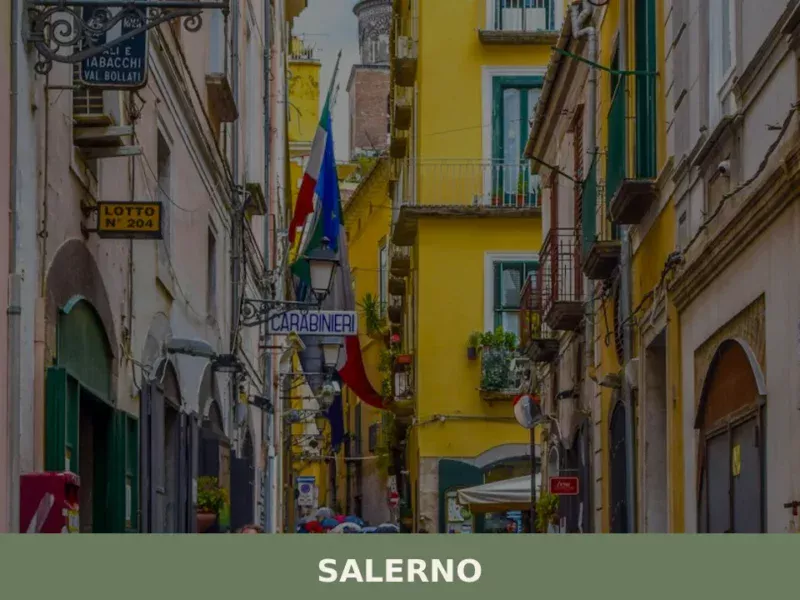
Salerno
 Sea
Sea
Discover Salerno, Italy, a charming coastal city in Campania. Explore its rich history, stunning cathedral, vibrant old town, and beautiful Mediterranean views. Plan your visit!
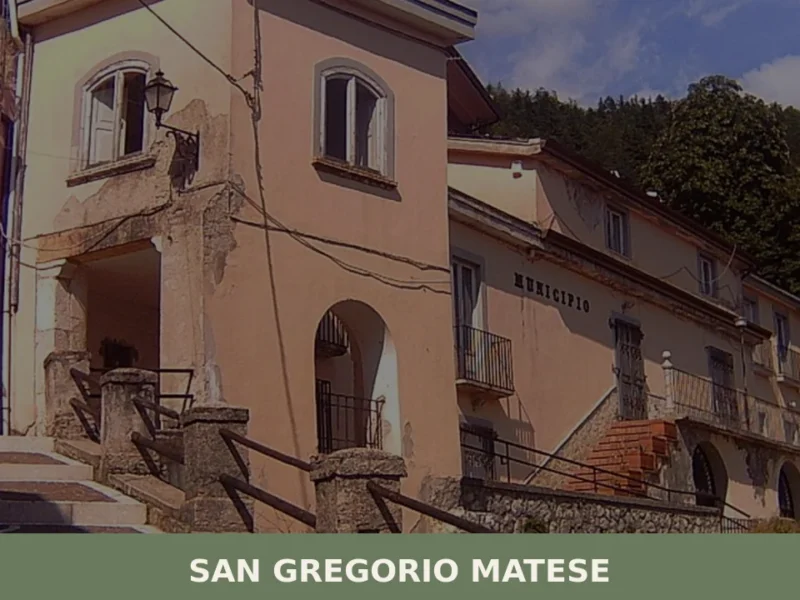
San Gregorio Matese
 Mountain
What to see in San Gregorio Matese, Italy: Explore this mountain village at 765 m altitude. Discover its historic core and annual patron saint feast. Read our guide.
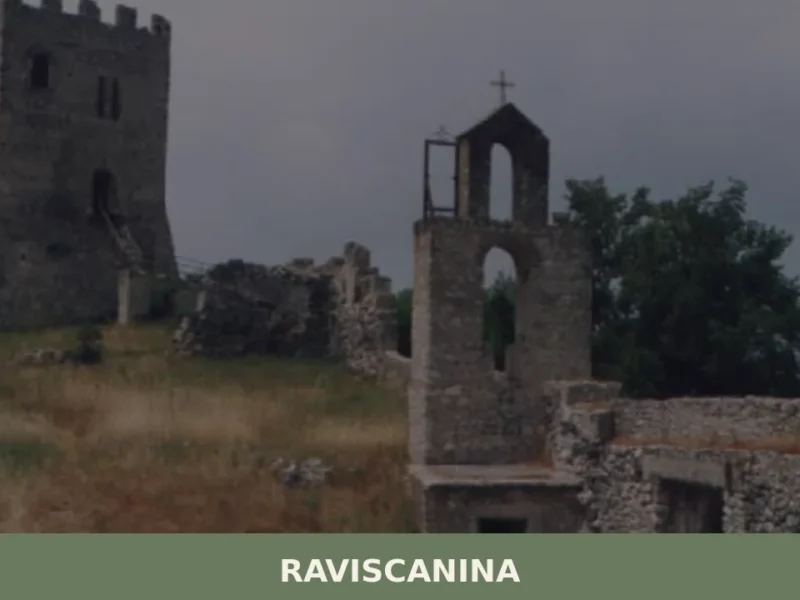
Raviscanina
 Hills
Hills
what to see in raviscanina, Italy: Explore this village at 358 m a.s.l. Discover ancient castle ruins and local traditions. Read more.
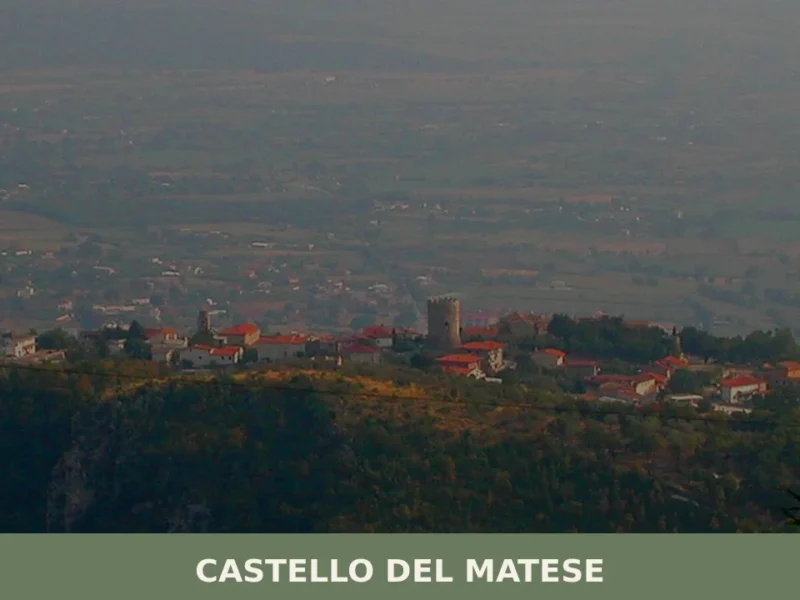
Castello del Matese
Hills
Visit Castello del Matese to explore its medieval historic center and local traditions. Plan your Campania trip, discover things to do in the village.
San Potito Sannitico
Hills
Discover San Potito Sannitico, a hidden gem in Campania, Italy. Explore its rich history, stunning landscapes, local traditions, and authentic Italian charm.
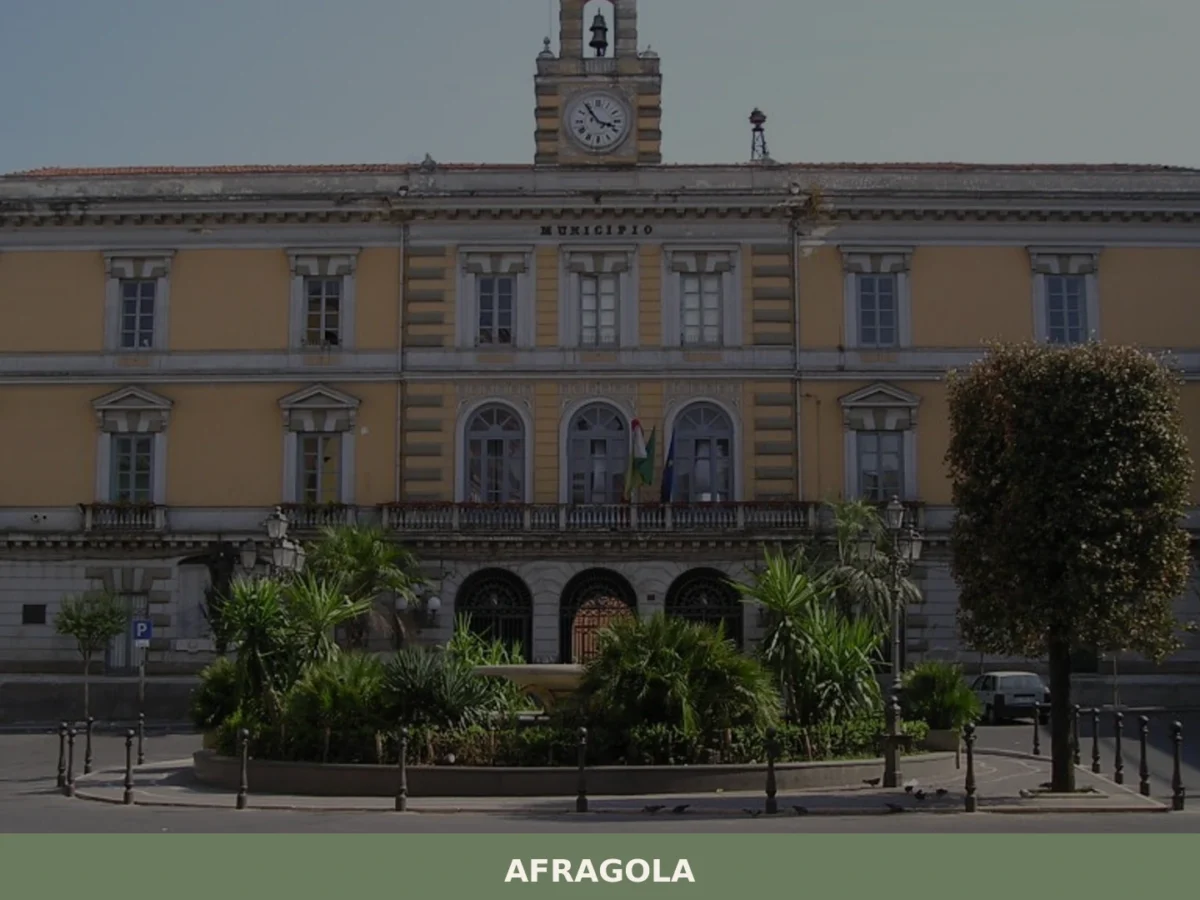
Afragola
 Plains
Discover what to see in Afragola, Campania: Zaha Hadid's station, Baroque churches, local food, and practical travel tips for this Naples hinterland town.
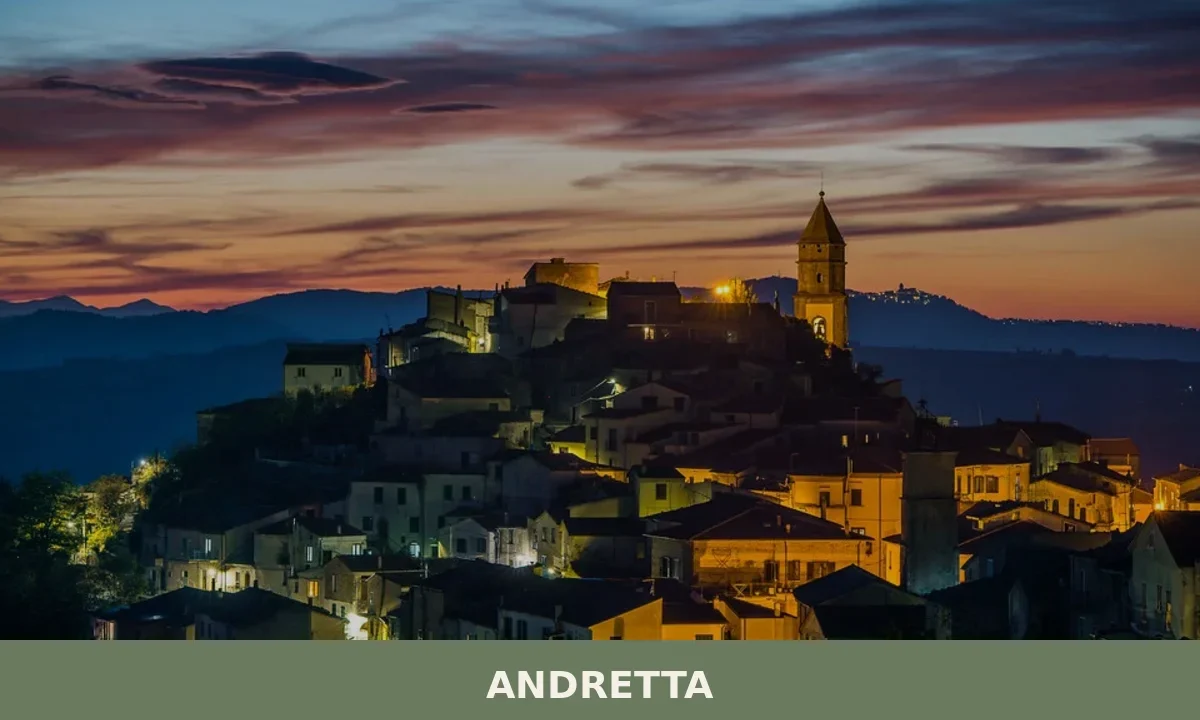
Andretta
Mountain
A 1,647-soul mountain comune at 850 metres altitude, Andretta preserves Apennine stone architecture, sacred sites linked to regional pilgrimage routes, and the living memory of rural Campania.
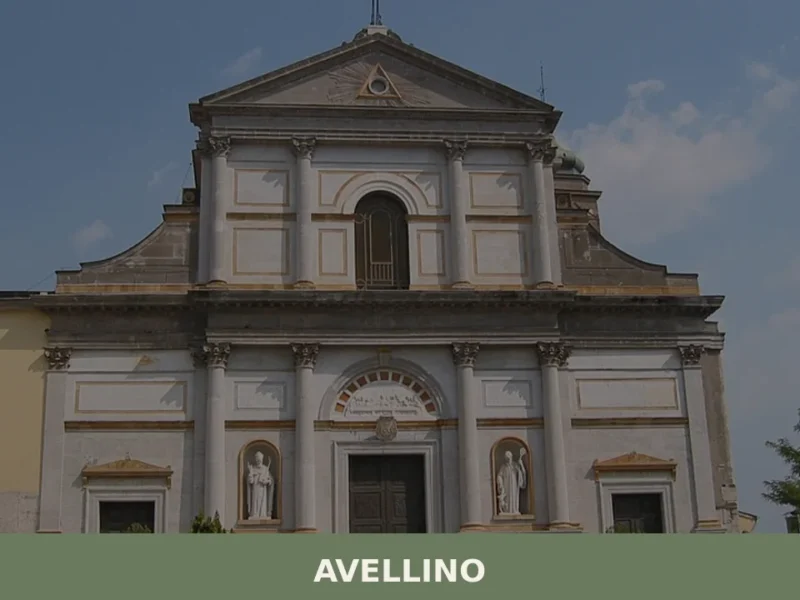
Avellino
Hills
Uncover the charm of the village of Avellino in Campania, Italy. Explore its rich history, local traditions, and stunning landscapes. Plan your visit to this Italian gem!
Caianello
Hills
A crossroads village of 1,752 inhabitants in Caserta province, Caianello hides medieval lanes and olive groves above its famous motorway junction.
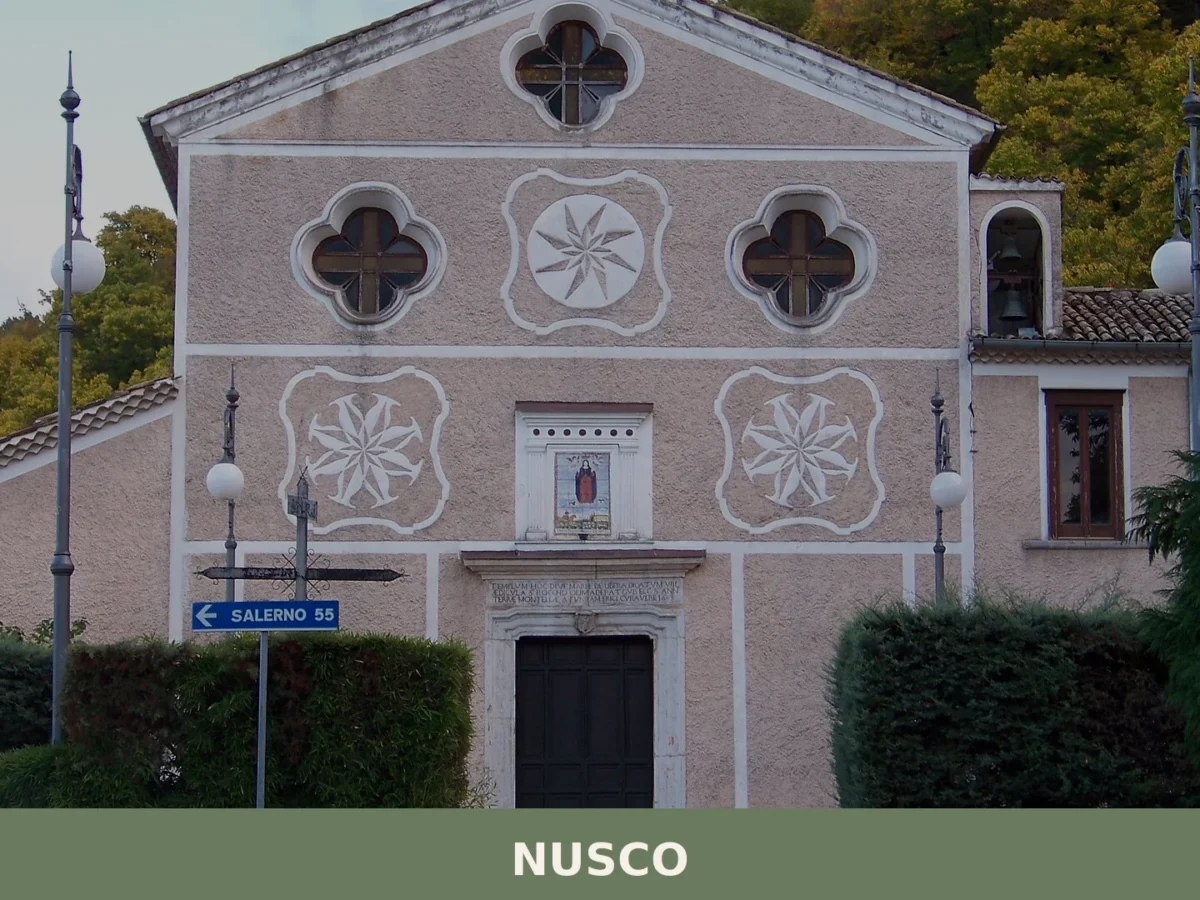
Nusco
Mountain
Nusco is a mountain comune at 878 metres in the province of Avellino, Campania, known for its medieval castle, centuries-old cathedral and the sweeping panorama that earned it the name 'balcone dell'I




🏡 Know Amalfi better than we do?
If you’re a local or have been there, your knowledge matters: add what’s missing or fix a detail on this page.