


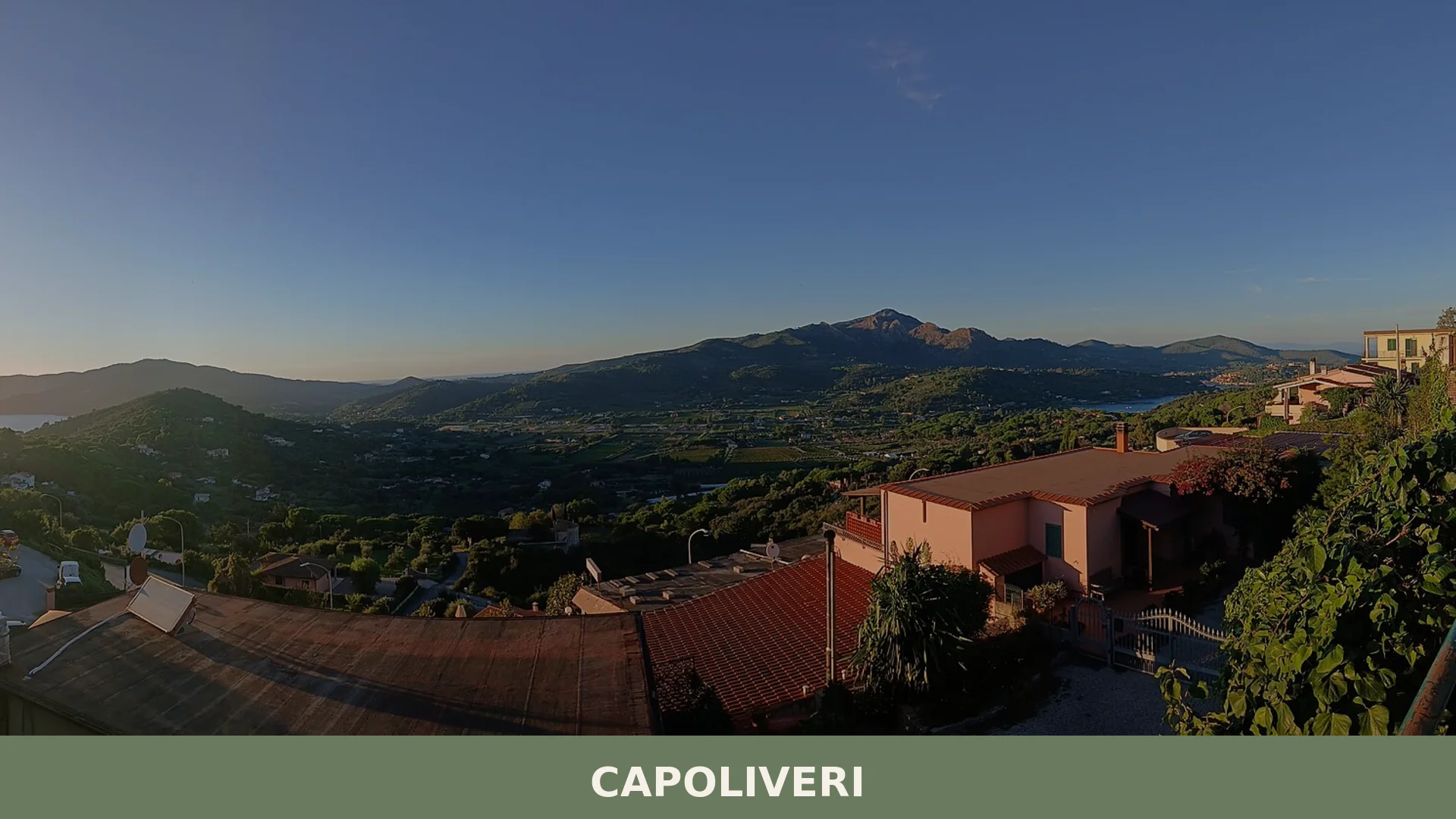

Capoliveri is a fortified hilltop village on the Island of Elba, Tuscany, with a history stretching from Etruscan-Roman times through medieval Pisan rule, pirate raids, Medici lordship and independent
Discover Capoliveri
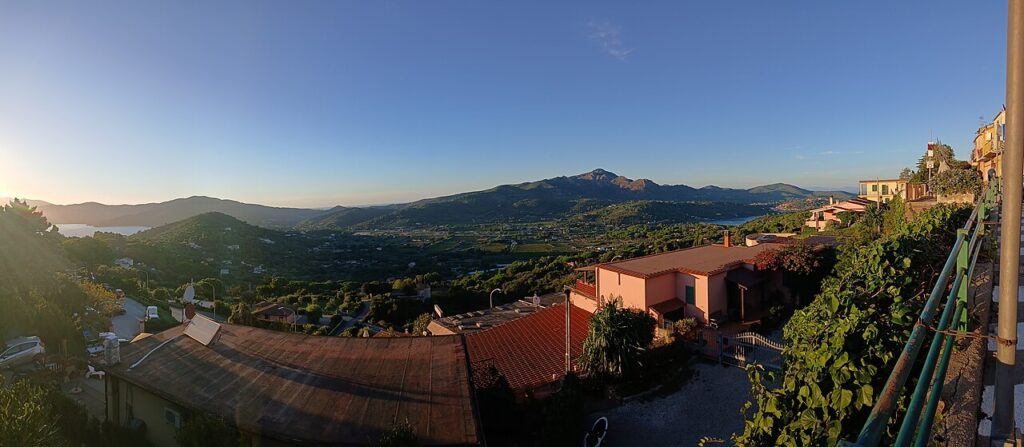
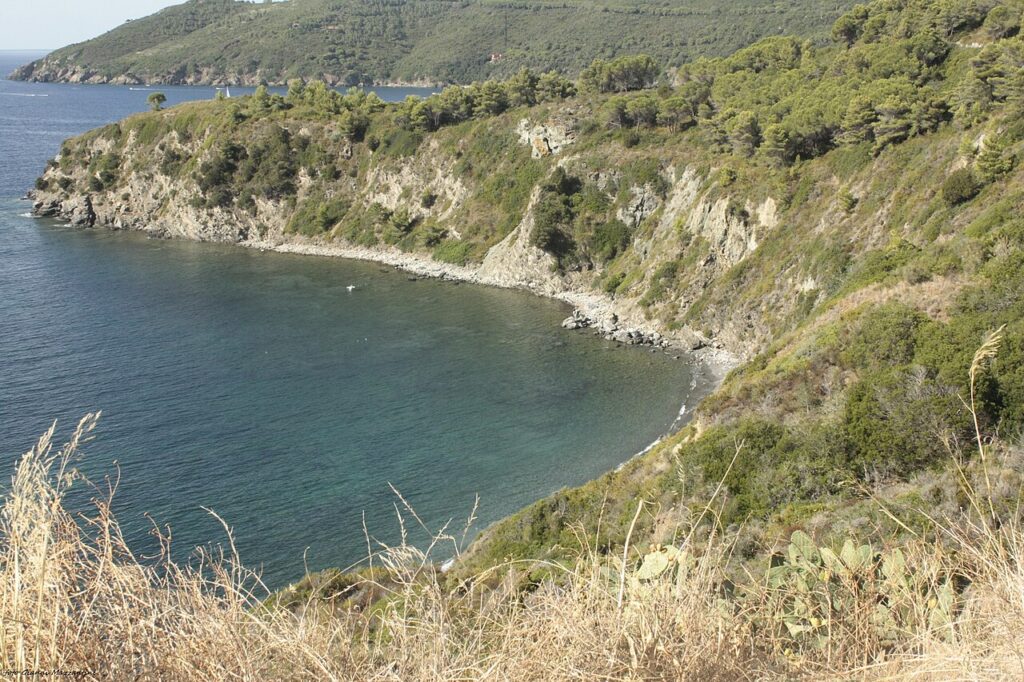
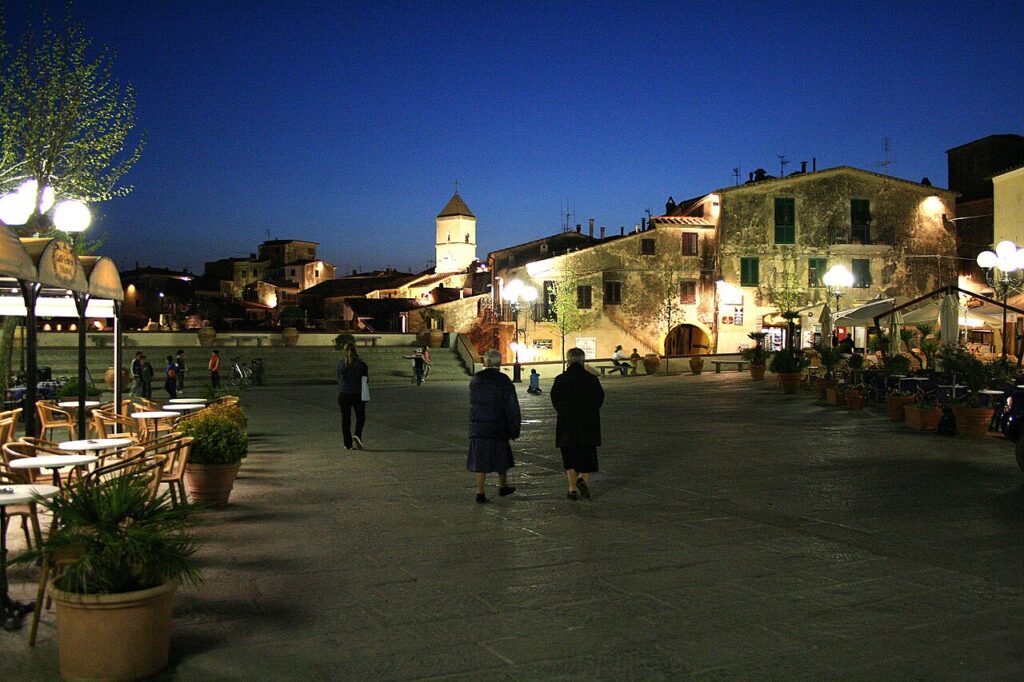
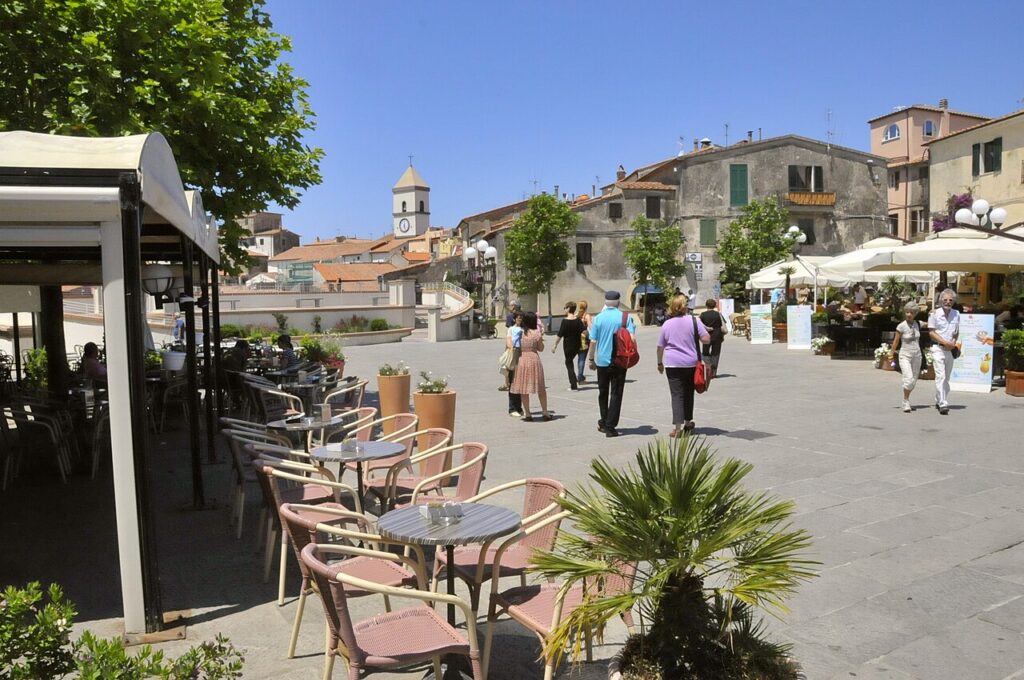
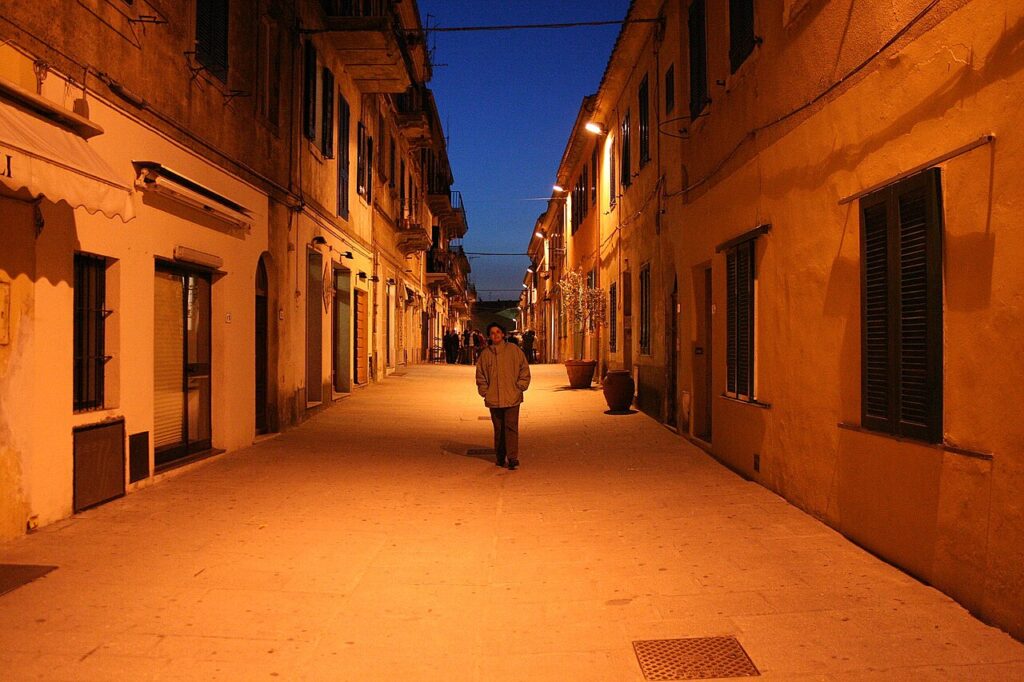
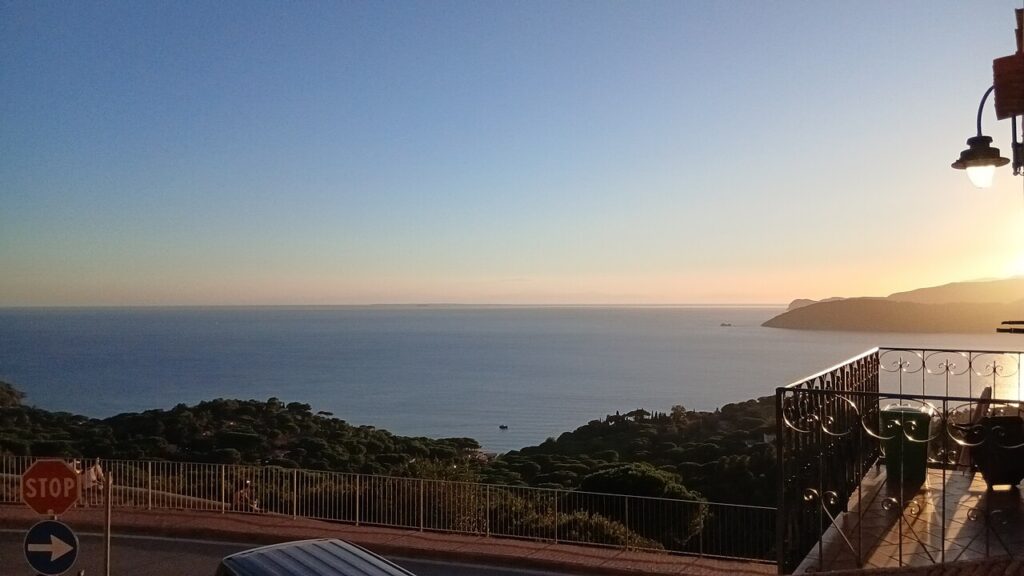
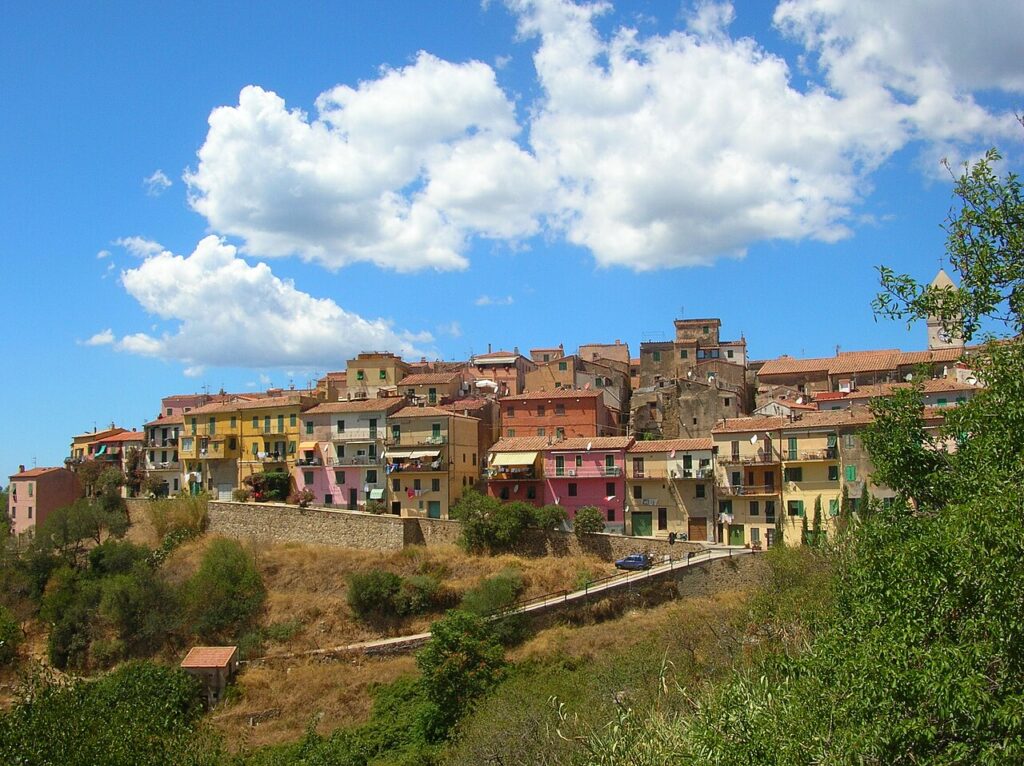
Capoliveri is a hilltop municipality on the island of Elba, in the province of Livorno, Tuscany, with a population of 3,975 and a municipal centre set at 167 metres above sea level across a compact territory of roughly 38.93 square kilometres. One of the seven comuni that share the island, it occupies the southeastern portion of Elba, where Monte Calamita rises above a coastline washed on the east by the Canal of Piombino and on the south by the Tyrrhenian Sea. The medieval core — a fortified hilltop cluster of narrow lanes, archways, underpasses and stepped alleys arranged around a central square — reflects centuries of continuous settlement and strategic importance.
Capoliveri village in Tuscany: history and origins
Capoliveri is an ancient hilltop settlement on the island of Elba whose documented history stretches from Etruscan-Roman times through medieval Pisan rule, repeated pirate raids in the sixteenth century, and Spanish and Medici domination, before finally becoming an independent municipality in 1906. The territory was already inhabited in the Etruscan-Roman era, as evidenced by a Hellenistic necropolis, and from the eleventh to the fourteenth century the island formed part of the Republic of Pisa — a period during which Capoliveri served as the seat of the important Capitanato dell’Elba. By the fourteenth century the settlement was organised into distinct quarters known as Borgo, Castello and Porta a Staldo. From 1399 the island passed under the governance of the Appiano family.
The sixteenth century brought both political change and violent disruption. In 1548 the island was ceded to Cosimo I de’ Medici, first Grand Duke of Tuscany. In the years immediately before that transfer, Capoliveri had suffered a devastating raid in June 1544 by the Ottoman commander Khayr al-Din Barbarossa. After the transfer to Medici rule, in August 1553 Dragut led another raid, whose troops destroyed much of the Pieve di San Michele, leaving only its apse standing. In 1596 Filippo III of Spain seized Porto Longone, bringing that part of Elba into the Estado de los Presidios, a condition that lasted until 1801.
Stone, Faith and Mining: Capoliveri’s Built Heritage
Capoliveri’s monuments range from a twelfth-century Romanesque pieve and a medieval fortified village to a seventeenth-century sanctuary, a Spanish fortress, and the industrial remains of the Calamita mining district — all within a small hilltop commune on the southeastern tip of the island of Elba.
Pieve di San Michele
Dating to the twelfth century and built in Romanesque style, the Pieve di San Michele survives today only as an apse. The rest of the church was destroyed during the sixteenth-century raid led by Dragut. A local legend holds that Pope Gregory XI took shelter here in 1376 after a storm at sea.
Medieval Fortified Village
The historic centre of Capoliveri retains its medieval layout: narrow lanes with arches, underpasses and stepped alleys arranged around a central hilltop square. The quarter names — Borgo, Castello and Porta a Staldo — are already recorded in fourteenth-century documents.
Church of Santa Maria Assunta
The parish church of Santa Maria Assunta is of Romanesque origin. No further details about its current fabric or interior decoration appear in the available sources.
Santuario della Madonna delle Grazie
Located near the hamlet of Morcone, this sanctuary dates to the seventeenth century. Its main altar holds a painting known as the Madonna del Silenzio, attributed to Marcello Venusti, a follower of Michelangelo. The frescoes inside were executed by Eugenio Allori. In the nineteen-sixties a German restorer, Gustav Blankenagel of Cologne, replastered the walls and removed later Baroque stuccoes from the altar to restore it to its original stonework.
Santuario della Madonna della Neve
Situated near Lacona, this sanctuary was built in the sixteenth century on the foundations of an earlier structure. Historical records mention that an eremite named Giuseppe Tosi still lived here during the nineteenth century.
Forte Focardo and the Faro di Capo Focardo
Forte Focardo is a Spanish-period fortification erected in 1678 under the governorship of Don Ferdinando Foxardo, during the reign of Charles II of Spain. Nearby stands the Faro di Capo Focardo, a semaphore tower built in the nineteenth century by the Regia Marina.
The ‘Chiesa Nuova’ — an Unfinished Project
In 1752 the architect Grazzini designed a large new church for Capoliveri. The building was never completed, and its foundations remained visible on the ground until roughly the mid-twentieth century.
Museo della Vecchia Officina and the Calamita Mining Sites
The Monte Calamita area, whose mineral deposits shaped much of Capoliveri’s modern history, is now the setting for a cluster of heritage sites. The Museo della Vecchia Officina, the underground Miniera del Ginevro, and the open-cast Miniera del Vallone together document the life and technology of the mines. The Laghetto di Sassi Neri, a small lake of mining origin, lies along the eastern coast of the same peninsula.
Elba Island Flavours: What to Eat and Drink Around Capoliveri
Capoliveri sits within one of Italy’s most distinctive wine territories: the Elba DOC and the prestigious Elba Aleatico Passito DOCG, a rich passito wine made from the Aleatico grape that has been grown on the island since antiquity, are the labels most closely tied to this corner of the Tuscan Archipelago. Viticoltura on Elba dates back to Roman times, and the hillside vineyards around Capoliveri remain a defining feature of the landscape today.
The broader Livorno province and Tuscany region add further depth to the table. From the Val di Cornia come two more DOCG wines — Rosso della Val di Cornia and Suvereto — while Bolgheri DOC, one of Italy’s most celebrated coastal wine areas, lies across the channel on the mainland. The Costa Toscana IGT covers much of this shoreline production as well.
On the food side, the area shares in a range of Tuscan certified products: Finocchiona IGP (the fennel-scented salami emblematic of the region), Pane Toscano DOP, Cantuccini Toscani IGP, and Cinta Senese DOP pork are all part of the wider Tuscan table, though none of these is a speciality exclusive to Capoliveri itself. The same applies to Agnello del Centro Italia IGP. Honest local eating here means fresh seafood, island-grown wine, and the straightforward produce of a small Mediterranean hill town.
Planning Your Trip to Capoliveri: Getting There and the Best Season
Capoliveri is reached by ferry to the Island of Elba — the main crossing links Piombino on the Tuscan mainland to Portoferraio, Elba’s principal port, after which the village sits roughly in the island’s south-eastern corner at about 167 metres above sea level. The summer months draw the largest share of visitors thanks to Capoliveri’s dual ISTAT designation as a comune with both maritime and cultural-historical appeal, but the mild island climate and the rich programme of the Miniera di Calamita make a visit rewarding across much of the year.
The island belongs to the Grosseto-adjacent Tuscan Archipelago National Park, and travellers combining a mainland Tuscan itinerary often approach via Livorno, the provincial capital, before heading south to Piombino for the ferry. Those exploring Elba more widely will find Marciana, on the island’s western flank, a natural companion stop. The Festa dell’Innamorata on 14 July — marked by a procession and a torchlit ceremony on the sea at Cala dell’Innamorata — is a particularly evocative reason to time a visit to midsummer.
| Departure | Distance | Time |
|---|---|---|
| Piombino (porto) → Portoferraio (traghetto) | approx. 10 km di marand | approx. 1 hour |
| Portoferraio → Capoliveri (strada) | approx. 15 km | approx. 20 min |
| Livorno → Piombino (strada) | approx. 80 km | approx. 1 hour |
| Grosseto → Piombino (strada) | approx. 110 km | approx. 1 hour and 15 min |
These practical references help organise the journey clearly, while the village itself is best understood slowly and on foot once you arrive.
Frequently asked questions about Capoliveri
What is the best time to visit Capoliveri?
Late spring through early autumn (May–September) offers warm weather and calm seas ideal for beach activities. August features the patron saint feast of San Rocco (16 August), celebrating the village's religious heritage with local traditions. Summer crowds peak in July–August; shoulder seasons provide milder temperatures and fewer tourists. Winter is mild but quieter for cultural exploration.
How do I reach Capoliveri from mainland Tuscany?
Drive to Piombino on the Livorno coast, then take the ferry across the Canal of Piombino to Portoferraio (Elba's main port). From there, drive south approximately 30 kilometres via the SS21 road to Capoliveri, about 45 minutes by car. Alternatively, regional trains serve Piombino; ferry schedules run year-round with increased frequency in summer.
What makes Capoliveri's medieval town centre distinctive?
The fortified hilltop core features a compact maze of narrow lanes, archways, underpasses, and stepped alleys arranged around a central square—architecture reflecting centuries of continuous settlement and strategic coastal defence. This medieval layout has been preserved intact, offering visitors an authentic medieval village experience at 172 metres elevation overlooking Elba's southeastern coastline.
Are there documented hiking trails around Capoliveri?
Capoliveri sits near Monte Calamita and benefits from Elba's extensive trail network. The island features CAI-marked routes and coastal paths. Specific trail names and difficulty ratings require consultation with local tourism offices or official CAI Tuscany resources for current route conditions and detailed maps before departure.
How long should I plan to spend in Capoliveri?
A half-day suffices for exploring the medieval centre's lanes and main piazza. For fuller experience—including coastal walks, nearby beaches on the Tyrrhenian Sea, and local dining—allocate one to two days. Combining Capoliveri with other Elba villages and outdoor activities typically requires three to five days on the island.
📷 Photo Gallery — Capoliveri
In Tuscany More villages to discover
Forte dei Marmi
 Sea
Sea
Forte dei Marmi is a celebrated Tyrrhenian seaside comune in Versilia, Tuscany, where a marble-trading past, an eighteenth-century fortress and two distinctive museums meet one of Italy's most iconic
Lucca
 Plains
Discover Lucca, Tuscany's enchanting walled village in Italy. Explore medieval streets, stunning architecture, and rich culture in this timeless Italian treasure.
Licciana Nardi
 Hills
Hills
The territory of Licciana Nardi includes six castles spread between the valley floor and the Apennine slopes, a concentration of defensive structures that documents the strategic role of this stretch of Lunigiana in controlling the routes between the Po Plain and the Tyrrhenian coast. With its 4,894 inhabitants distributed across 55 square kilometres at an […]

Marciana
Sea
2,058 residents, one medieval fortress and a national park at your doorstep. Marciana rewards those who climb above Elba's coastline into its stone-built historic borough.
Fivizzano
Hills
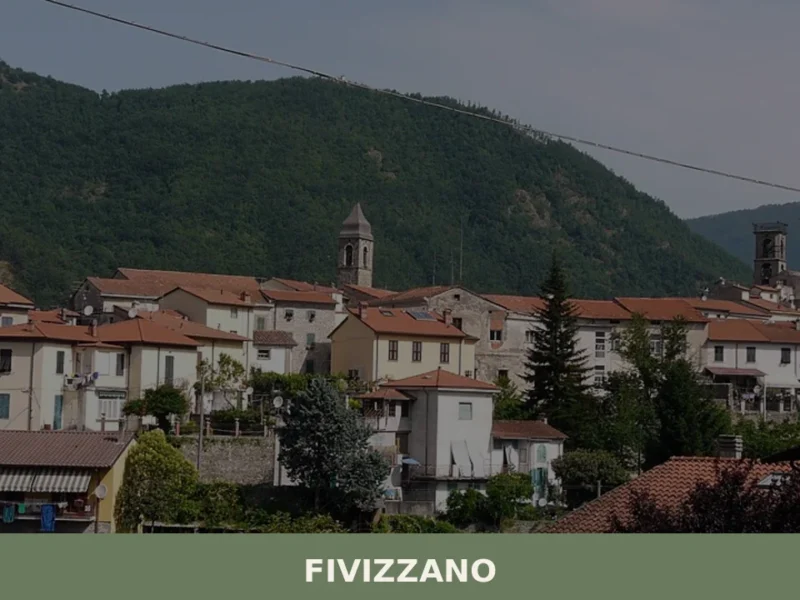
In 1477 a printing press active in Fivizzano produced an edition of Cicero’s Epistolae ad familiares, making this Lunigiana town one of the first places in Italy — and in Europe — to host the art of movable-type printing. The village stands at 326 metres above sea level in the province of Massa and Carrara, […]
Coreglia Antelminelli
Hills
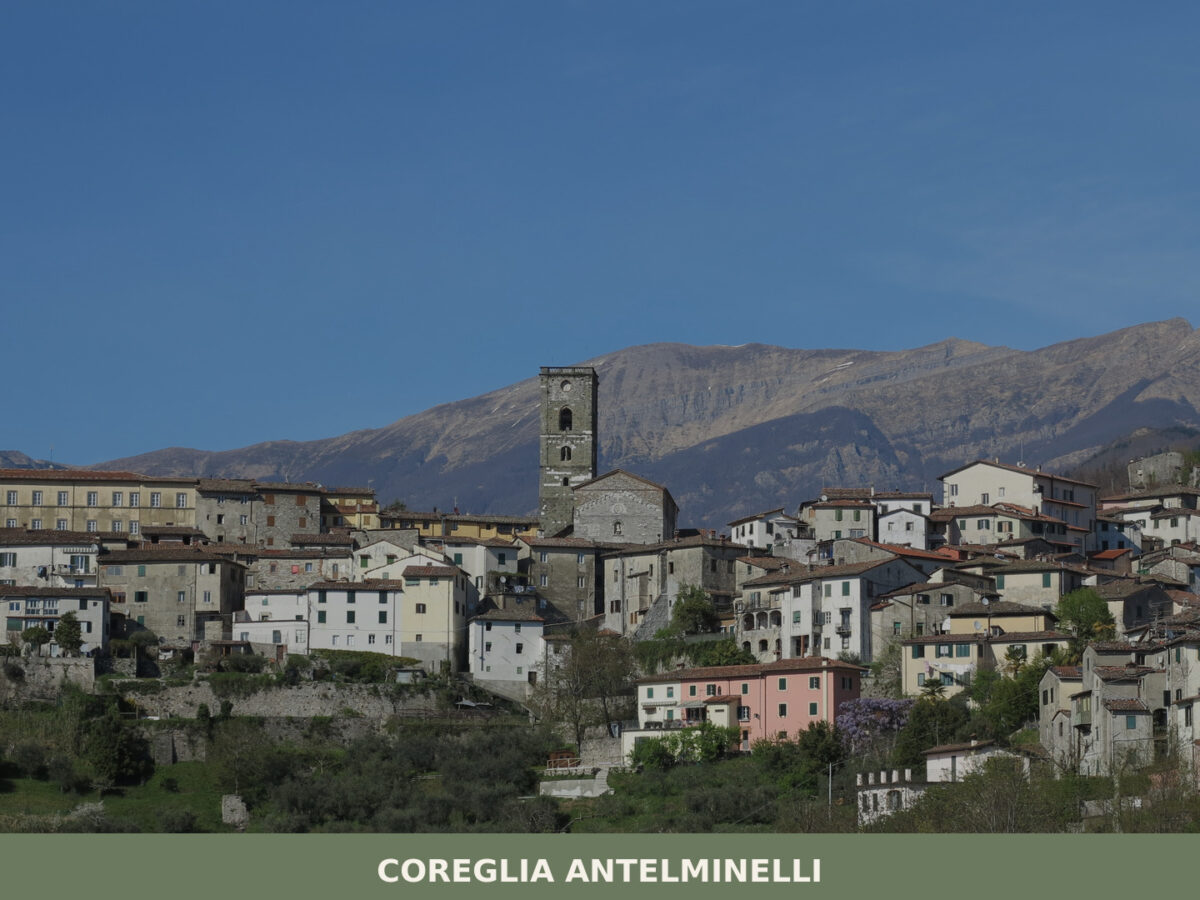
Coreglia Antelminelli is a mountain comune in the province of Lucca, set at 594 metres in the upper Valle del Serchio, known for its museum of plaster figurines and its cluster of historic churches.
Abetone Cutigliano
 Mountain
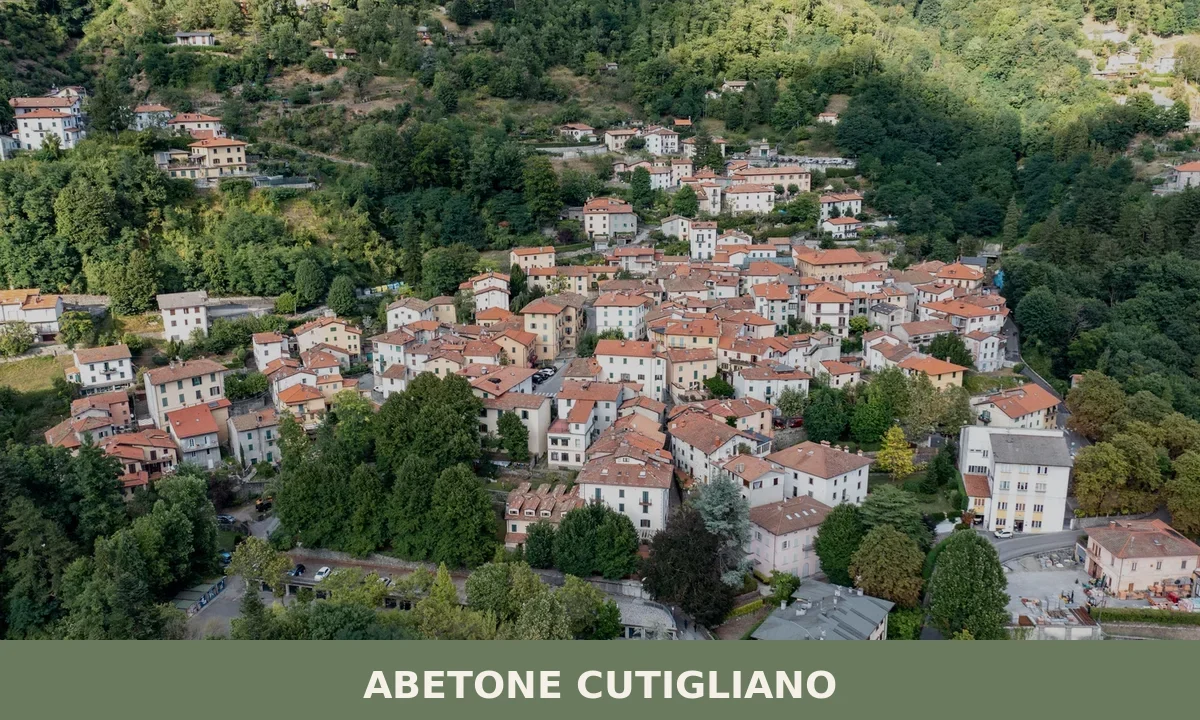
A 1,829-resident mountain comune in Pistoia province, Abetone Cutigliano unites two separate communities through alpine churches, natural reserves and access to the Apennine ridge.
Capannori
Plains
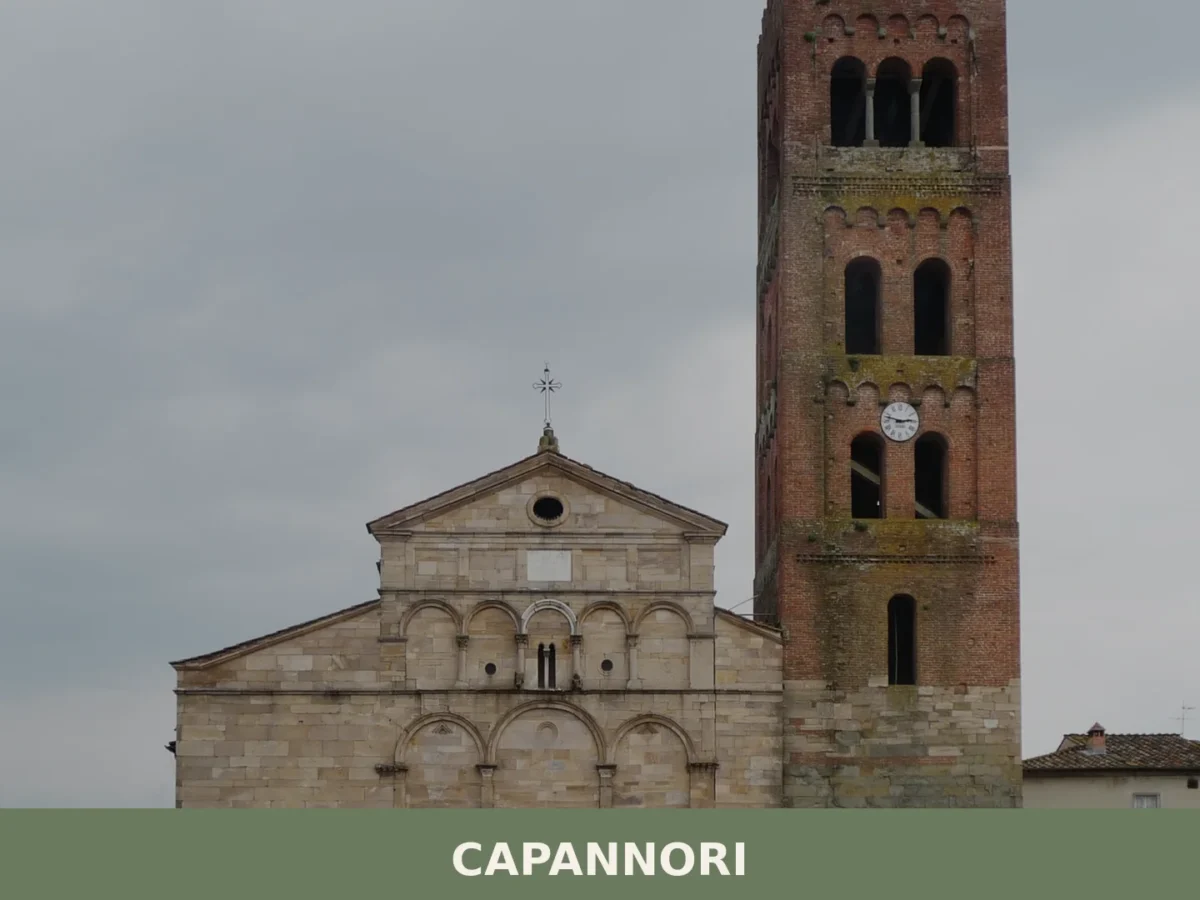
Capannori is a large, multi-hamlet municipality in the province of Lucca, where Baroque villas, medieval churches and the Via Francigena pilgrim route unfold across the Piana di Lucca.
Capolona
Hills
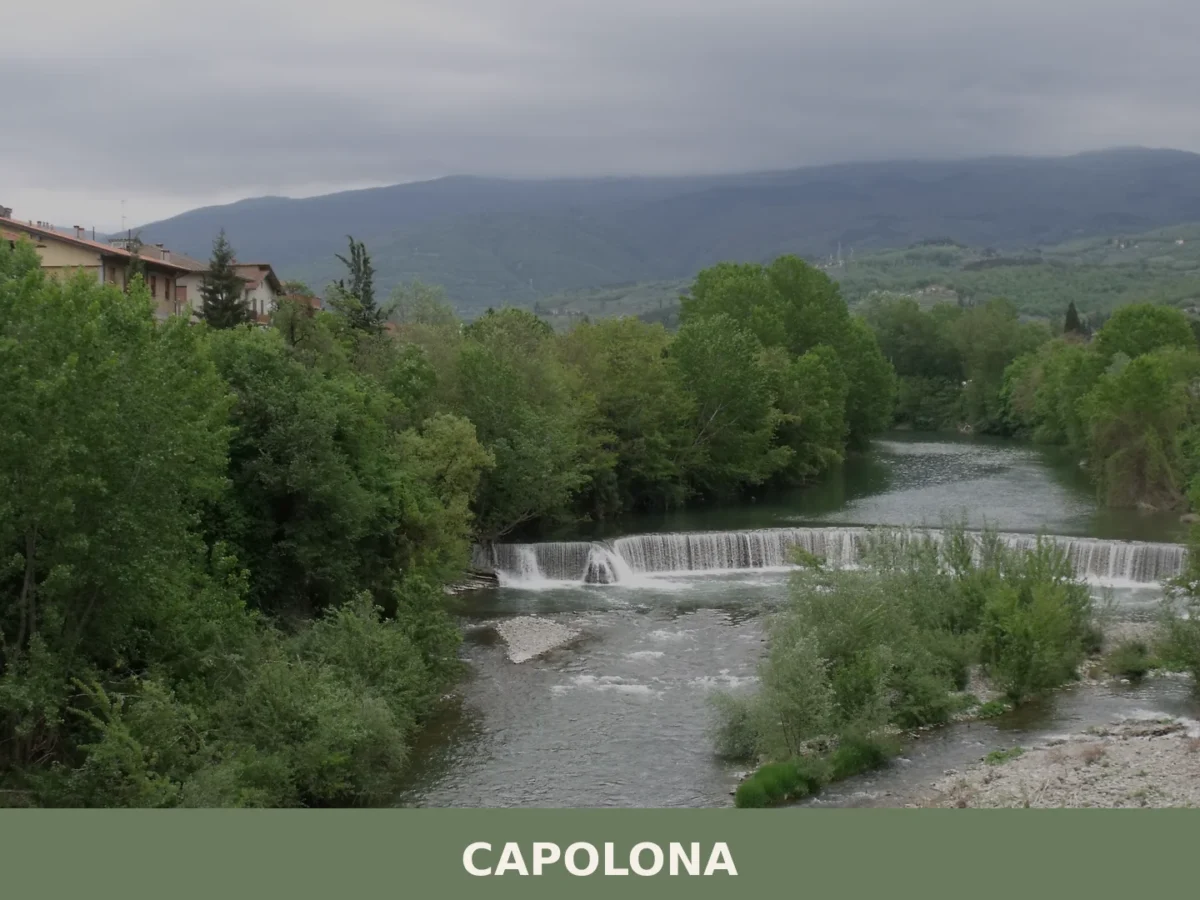
Capolona is a commune of about 5,200 inhabitants in the province of Arezzo, set on the right bank of the Arno at the gateway between the Casentino valley and the wider Valdarno.
Bagnone
Hills
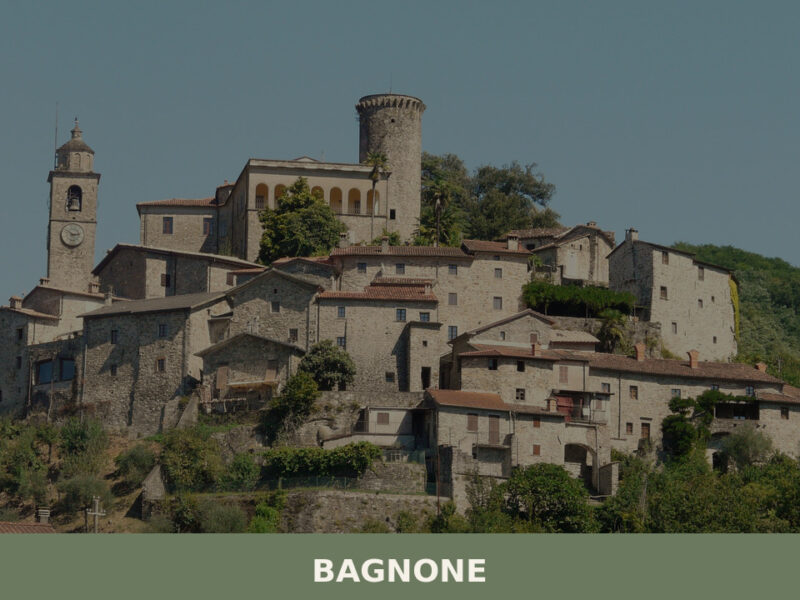
Morning mist lifts off the Bagnone creek and thins against stone walls that have stood since the eleventh century. The sound of water — always water — fills the narrow lanes, running beneath bridges and alongside houses built directly into the rock. With fewer than two thousand residents, this small settlement in the Massa e […]


🏡 Know Capoliveri better than we do?
If you’re a local or have been there, your knowledge matters: add what’s missing or fix a detail on this page.