


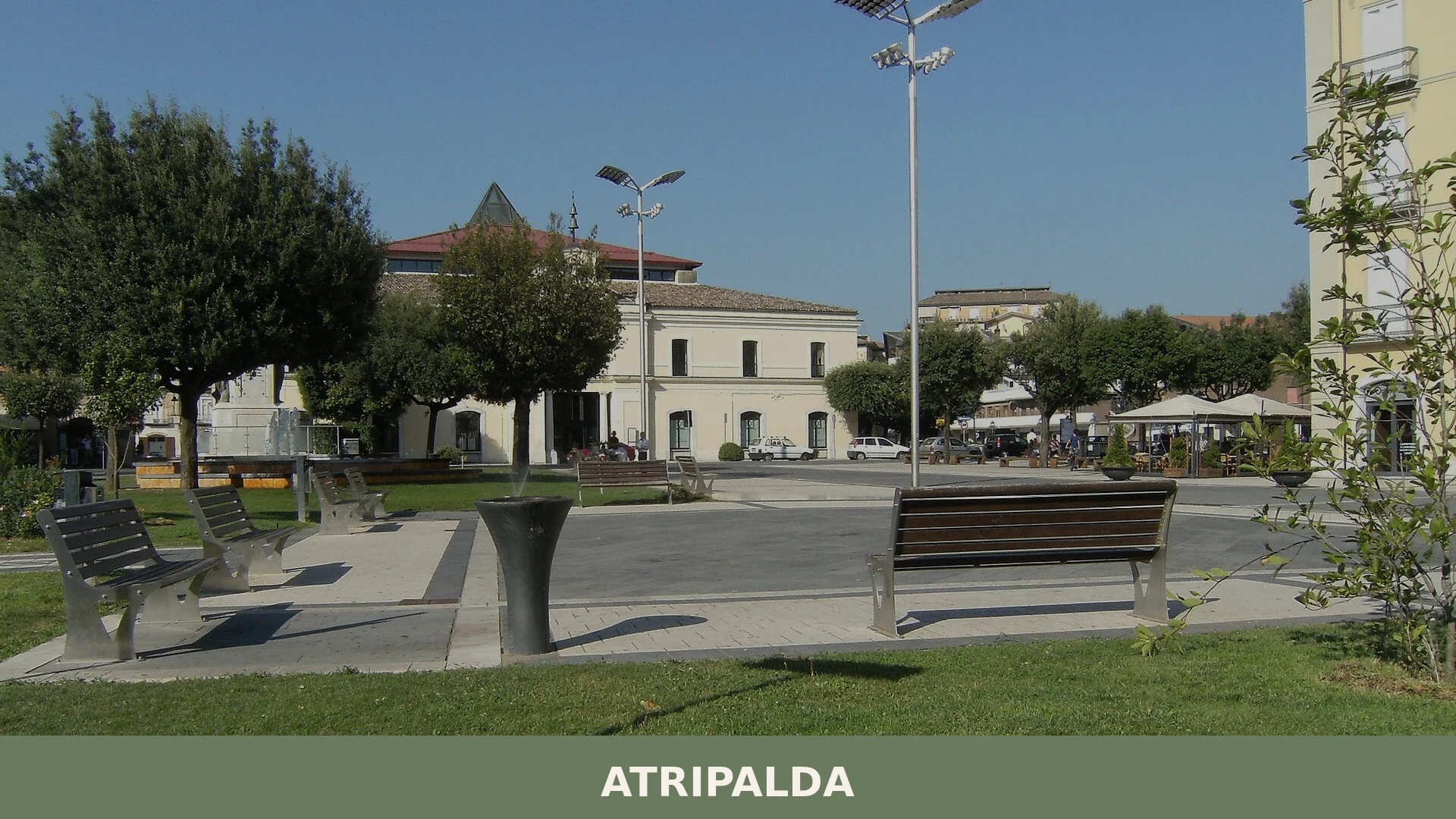

Atripalda is a historic hill town of roughly 10,000 people near Avellino, where the Roman colony of Abellinum, a remarkable early-Christian monument and centuries of feudal heritage await visitors to
Discover Atripalda
Atripalda is a town of roughly 10257 inhabitants in the province of Avellino, set in the Irpinia district of Campania at about 294 metres above sea level on the banks of the river Sabato, a few kilometres from the provincial capital. Its compact territory of just over eight square kilometres preserves traces of more than two millennia of continuous human presence, from a Samnite hilltop settlement on the plateau called Civita to a Roman colonial town, through Lombard fortifications, feudal courts and Bourbon grain warehouses, down to the modern town recognised with the title of city by royal decree in July 1867.
The Atripalda village in Campania that visitors encounter today is, in many respects, a layered place: walk north-west of the centre and the ruins of Abellinum, the Roman colony founded around 82 B.C., emerge from the same tufaceous ground that once supported a Samnite oppidum; climb toward the old quarter and the broken outline of Truppoaldo’s eleventh-century fortress still marks the skyline. Between those two poles, centuries of Lombard autonomy, Swabian royal guests, Aragonese lordship, Genoese financiers, the long Caracciolo dukedom and a thriving trade along the Sabato have each left a legible mark on the streets, the churches and the stories of the atripaldesi.
Atripalda village in Campania: history, origins and feudal legacy
Atripalda’s history stretches from a pre-Roman Samnite settlement to a Roman colonial town, through Lombard, Swabian, Aragonese and Spanish dominions, reaching its modern identity around the year 1000 when a Lombard nobleman named Truppoaldo secured administrative autonomy for the local population and, during the eleventh century, built a fortress on the hilltop still visible in ruins today. The plateau known as Civita, lying to the north-west of the present-day town on the left bank of the river Sabato, hosted the Samnite settlement before becoming Abellinum, a Roman colony established around 82 B.C. by Sulla. Over the following centuries the site absorbed successive waves of settlers — including veterans of Emperor Alexander Severus arriving between approximately 220 and 230 A.D. — until a combination of economic crises, earthquakes, volcanic eruptions, and the wars between Byzantines and Goths progressively drained the colony. The Lombard penetration of the peninsula from the Pasqua of 568 marked the effective end of Abellinum as a living centre.
Medieval Atripalda gathered around Truppoaldo’s fortified stronghold on the far bank of the Sabato. The castle is recorded as the setting for one of the episodes cited by the statesman and historian Pasquale Stanislao Mancini: in the winter of 1254, the Swabian king Manfredi, fleeing papal troops, was sheltered there by the lords Marino and Corrado Capece, who set aside the courtly custom of excluding women from the royal table in a gesture of warm hospitality. The historian Nicolò Jamsilla also documented the occasion in his Historia. By 1502 the town had passed to Queen Giovanna, niece of the Spanish king Ferdinand the Catholic, and it passed to Alfonso Branai Castriota, a descendant of Vrana Konti, a trusted commander of the Albanian hero Giorgio Castriota Scanderbeg, who became the first Marquis of Atripalda.
The Genoese financier Giacomo Pallavicini Basadonna held the fief, a period that reinforced the town’s already pronounced commercial vocation; the inhabitants built a road through their territory to charge tolls on travellers heading to nearby Avellino. A deed drawn up in 1564 by the notary Bernardino Brusatori of Fermo transferred the fief to the Caracciolo family through an exchange of properties, opening more than two centuries of rule that lasted until the abolition of feudal rights in 1806. Under the Caracciolo dukes — from Domizio, the first duke, through a succession that closed with Marino Francesco II (1783–1844) — the town experienced notable prosperity: silk mills, iron-working, and the processing of copper, paper and wool supported a standard of living that contemporary accounts described as higher than that of the provincial capital. The Church of Sant’Ippolisto Martire was elevated to collegiate status in 1598 during this same era. Atripalda was formally granted the title of city by royal decree on 18 July 1867, and on 20 December 2024 the Municipal Council approved new heraldic emblems for the city.
Ancient Layers and Sacred Spaces: Atripalda’s Built Heritage
Atripalda offers visitors two distinct historical strata to explore: the archaeological remains of the Roman colony of Abellinum on the plateau of Civita, northwest of the town centre, and a cluster of churches concentrated in the urban fabric, anchored by the collegiate church of Sant’Ippolisto Martire.
Area Archeologica dell’Antica Abellinum
On the plateau known as Civita, on the left bank of the river Sabato, lie the remains of Abellinum — first a Samnite settlement, then a Roman colony established in 82 B. C. At the northern entrance to the site, a section of the Roman defensive circuit survives in opus reticulatum, the diamond-patterned technique of small tufa blocks characteristic of Roman construction. Archaeological investigations have brought to light traces of a burial ground, an amphitheatre, thermal buildings and ancient road surfaces, attesting to centuries of active urban life before the site was gradually abandoned.
Palazzo della Dogana dei Grani and the Civic Museum
The Palazzo della Dogana dei Grani functioned as a grain exchange and market hub during the Bourbon period, handling cereals arriving from Puglia and hosting the weekly market and annual fairs. After passing through a succession of unrelated uses — cinema, bus depot, school — the building now serves as the principal exhibition space for the cultural heritage of the territory. The museum housed within presents finds from the Abellinum excavations.
Chiesa Madre di Sant’Ippolisto Martire
The most significant religious building in Atripalda, the church dedicated to Sant’Ippolisto Martire has documentary references dating to around 1174 and was raised to the rank of a collegiate church in 1598. The interior was restored in 1852. Among its contents are a tabernacle in the chapel of the Santissimo, a baroque-style altar, and the painting Martirio di sant’Ippolisto by Nicola Volpe. The Specus Martyrum is regarded as one of the most significant monuments of early Christian archaeology in southern Italy.
Castello di Atripalda
On the high ground above the town stand the ruins of the castle built in the eleventh century by the Lombard nobleman Truppoaldo. The fortress later passed to the Capece family, whose lords sheltered the Swabian king Manfredi here in the winter of 1254 when he was being pursued by papal forces. Only fragments of the structure remain standing today.
Other Churches
Atripalda also preserves several further places of worship: the church of San Giovanni Battista, the church dell’Annunziata, the Parrocchiale Santa Maria del Carmine, and the church of Santa Maria della Purità. The sources do not record sufficient architectural or decorative detail about these buildings to allow further critical description.
Atripalda and Its Irpinian Territory: Certified Flavours Worth Seeking Out
The area around Atripalda, deep in the Irpinia hills of Avellino province, is best known for three world-class DOCG wines — Fiano di Avellino, Greco di Tufo, and Taurasi — alongside a constellation of DOP and IGP food products that reflect the richness of inland Campania’s agricultural tradition.
Among the protected designations of the broader provincial area, the Fiano di Avellino DOCG and Greco di Tufo DOCG stand out as benchmark white wines of southern Italy, while Taurasi DOCG, built on Aglianico grapes grown in the Irpinian hills, ranks among the most celebrated reds in the country. The Irpinia DOC and the Campania IGT round out the local wine landscape.
On the food side, the province contributes several certified specialities worth tasting. The Castagna di Montella IGP and the Marrone di Serino / Castagna di Serino IGP are two distinct chestnut varieties prized across the region. The Caciocavallo Silano DOP, a stretched-curd aged cheese common to the upland areas of southern Italy, is widely found here. The Melannurca Campana IGP — a small, aromatic apple with ancient roots in Campanian soil — and the Pomodoro San Marzano dell’Agro Sarnese-Nocerino DOP complete the list of certified products associated with this part of Campania.
It is worth noting that none of these designations are exclusive to Atripalda itself: they belong to wider provincial or regional production zones. Visitors should treat them as the culinary backdrop of Irpinia rather than specialities tied to a single town.
Getting to Atripalda and Planning Your Visit to the Sabato Valley
Atripalda sits just a few kilometres east of Avellino along the Sabato river valley, making it straightforwardly accessible by road from the Campanian capital Naples and from the provincial hub; spring and early autumn, when the Irpinian hills are at their most pleasant, are ideal seasons for exploring its archaeological sites and historic centre.
The town lies at roughly 294 metres above sea level in the hilly interior of Campania, within the seismically active Irpinia district. Its position on the left bank of the river Sabato — a natural corridor between the Benevento and Salerno areas since ancient times — means that roads following the valley floor provide the most direct approach. Visitors arriving by car from Naples typically use the A16 motorway (Napoli–Canosa), exiting at Avellino Est, and then covering the short remaining distance into Atripalda.
The surrounding villages reward a broader itinerary: Aiello del Sabato lies immediately upstream along the same river valley, while Altavilla Irpina is another nearby Irpinian comune worth including in a day’s circuit. The provincial capital Avellino, just a short drive away, offers additional transport connections including rail services.
| Departure | Distance | Time |
|---|---|---|
| Avellino | approx. 4 km | approx. 10 min |
| Napoli | approx. 50 km | approx. 50 min (A16) |
| Benevento | approx. 35 km | approx. 35 min |
| Salerno | approx. 55 km | approx. 55 min |
The archaeological area of the Civita plateau — where the remains of Roman Abellinum are preserved — and the museum housed in the former Palazzo della Dogana dei Grani are the two main cultural draws, both best visited on foot once in the town centre. Given Atripalda’s classification as a comune of medium seismic risk, travellers planning to stay overnight should check accommodation availability in advance, as options within the small urban area (surface just over 8 sq km, population around 10,000) are limited compared to nearby Avellino.
Frequently asked questions about Atripalda
When is the best time to visit Atripalda?
September is ideal, particularly around the 16th, when the patron saint festival of San Sabino Vescovo takes place. This celebration brings local traditions, religious ceremonies, and community gatherings to life. The autumn climate is pleasant, avoiding summer heat. Spring (April–May) also offers mild temperatures and blooming countryside. Summer can be warm in this Irpinian hill location at 294 metres elevation.
How do I reach Atripalda from Naples or Salerno?
Atripalda lies in Avellino province, a few kilometres from the provincial capital. By car, take the A16 motorway (Naples–Salerno direction) and exit at Avellino. From there, follow regional roads toward Atripalda—approximately 60 km from Naples (90 minutes) and 80 km from Salerno (100 minutes). Train connections serve Avellino station; local buses connect to Atripalda.
What historical sites can I explore in Atripalda?
The ruins of Abellinum, a Roman colony founded around 82 B.C., emerge from the tufaceous ground northwest of the centre. Climb toward the old quarter to see Truppoaldo's eleventh-century fortress remains still marking the skyline. The compact eight-square-kilometre territory preserves traces spanning over two millennia: Samnite settlements on Civita plateau, Lombard fortifications, feudal courts, and Bourbon grain warehouses.
How long should I plan to spend in Atripalda?
A half-day visit allows exploration of the town centre, churches, and main streets. A full day is recommended to visit Abellinum ruins, the old fortress quarter, and appreciate the layered architecture reflecting centuries of history. Combining Atripalda with nearby Avellino attractions extends the experience. The town's compact size makes it accessible, though historical depth rewards leisurely exploration.
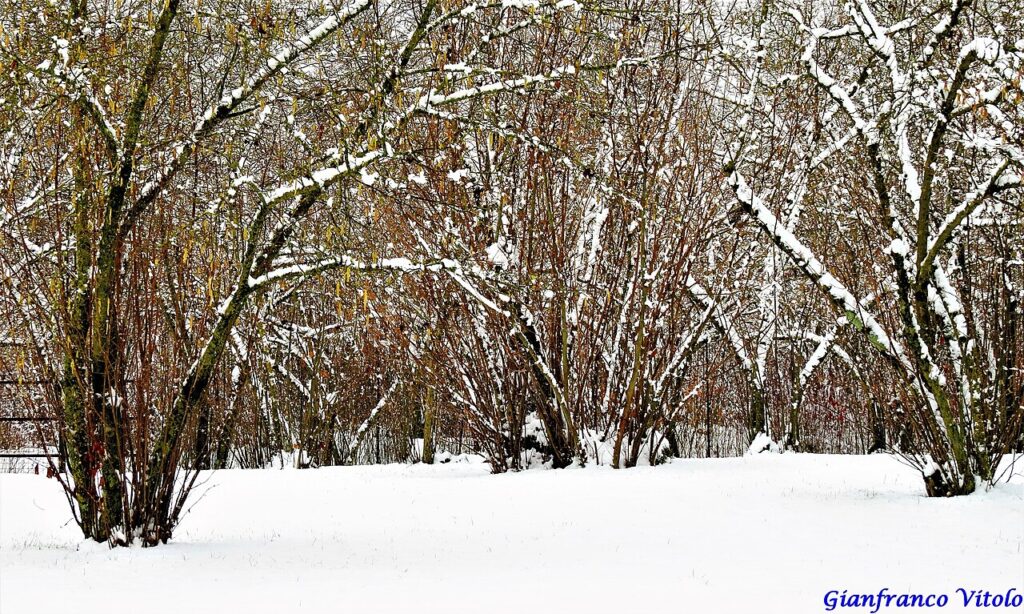
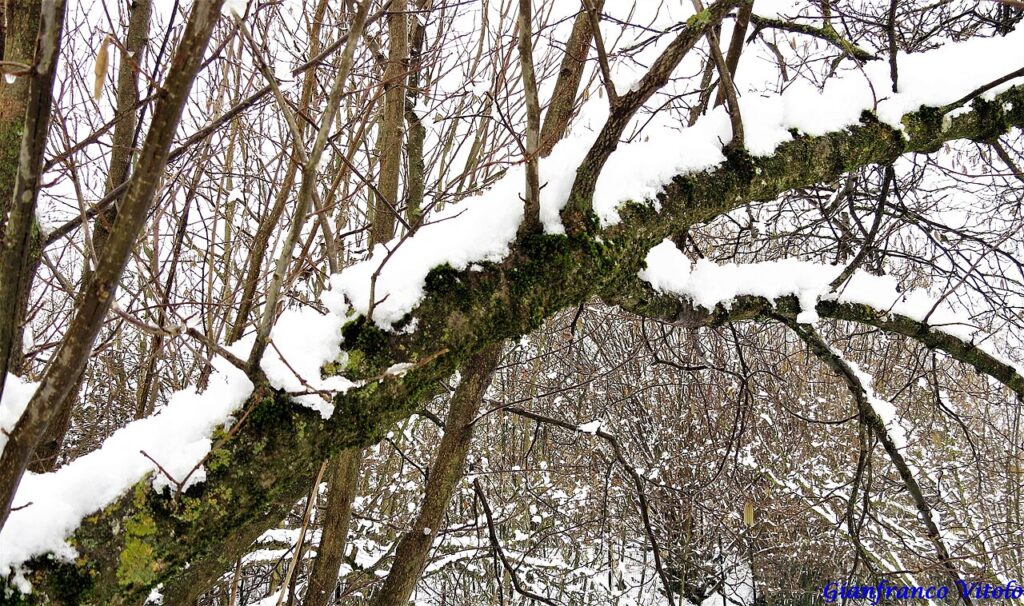
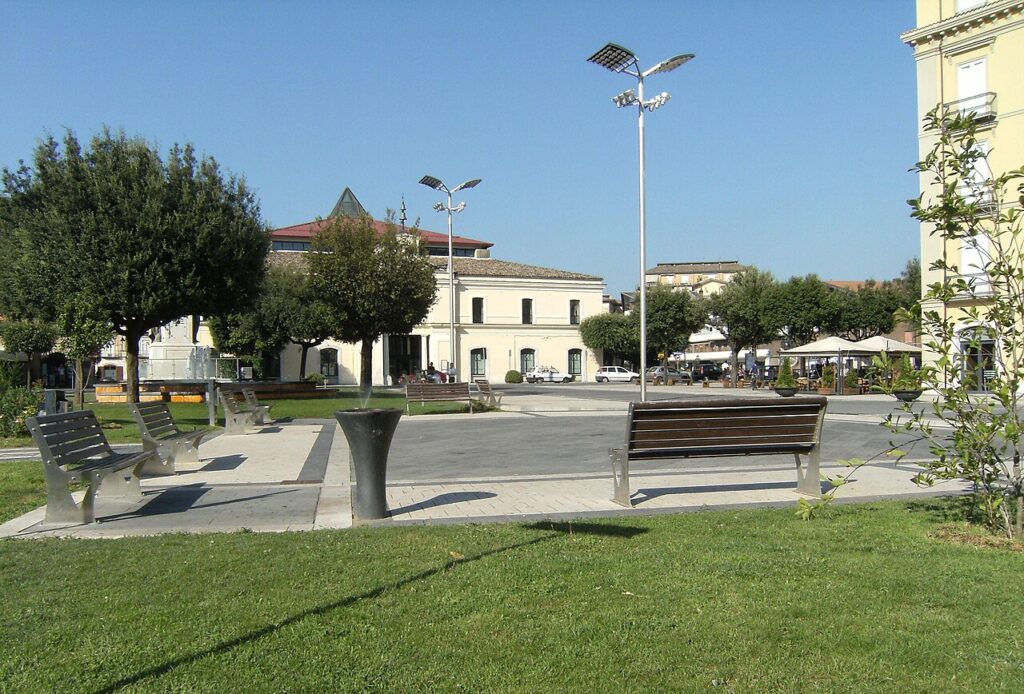
📷 Photo Gallery — Atripalda


In Campania More villages to discover
Salerno
 Sea
Sea
Discover Salerno, Italy, a charming coastal city in Campania. Explore its rich history, stunning cathedral, vibrant old town, and beautiful Mediterranean views. Plan your visit!
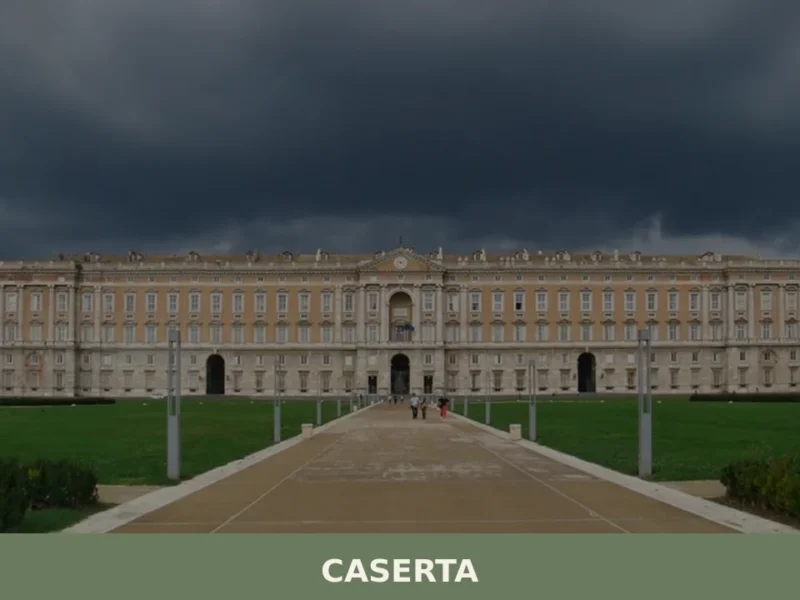
Caserta
 Plains
What to see in Caserta: UNESCO Royal Palace, Casertavecchia and certified PAT products. City of 74,000 at 68m above sea level. Plan your visit with our complete guide.
Villa Literno
Plains
Villa Literno is a municipality in the Caserta plain of Campania, known for its layered history from Roman Vicus Feniculensis to a modern agricultural town famous for tomato cultivation and a signific
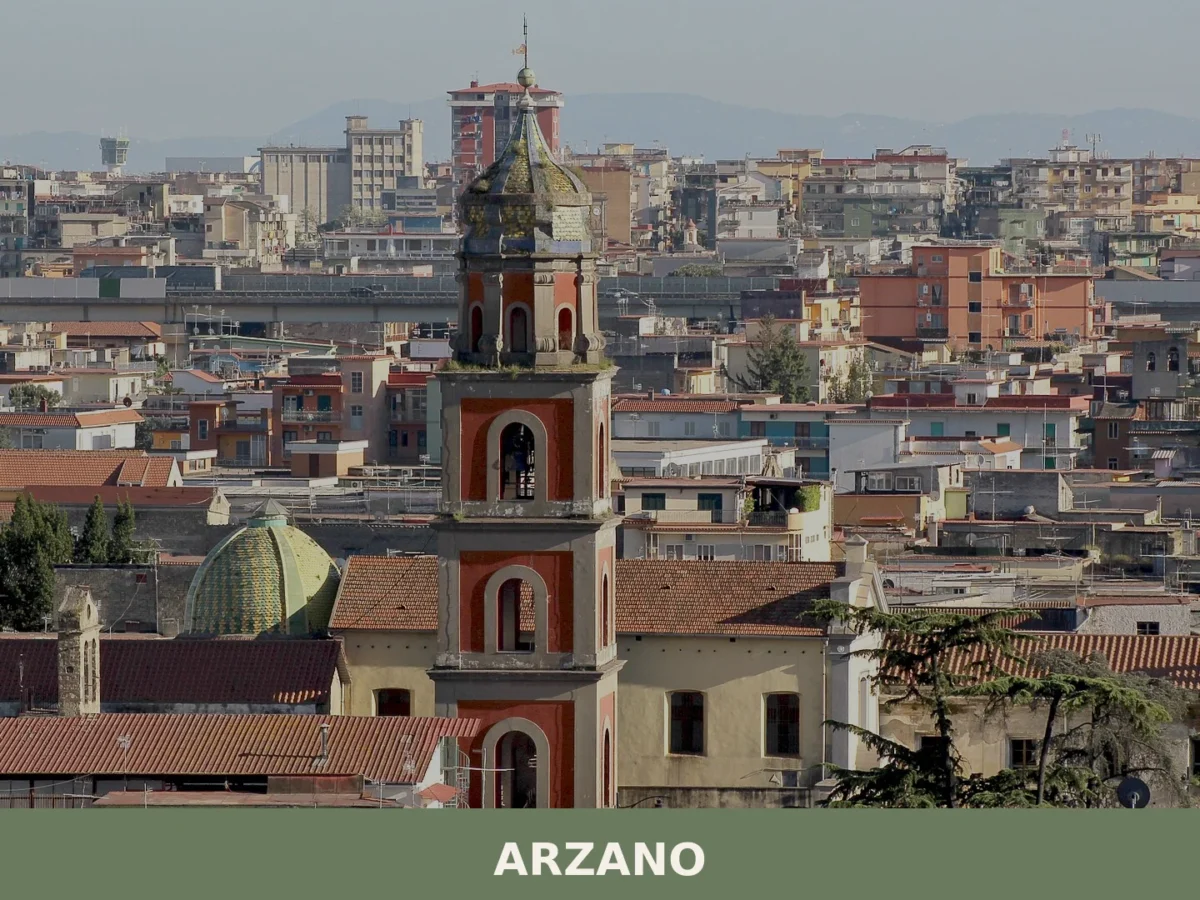
Arzano
Plains
Arzano is a municipality of around 31,800 inhabitants on the central Campanian plain, a few kilometres north of Naples, with documented origins stretching back to 937 AD.
Liberi
 Hills
Hills
Liberi, a small village in Campania in the province of Caserta: discover its history, monuments and how to plan your visit. Plan your itinerary today.
Conca della Campania
Hills
At 420 metres above sea level, on the hilly ridge separating the Volturno valley from the Lazio side, Conca della Campania today has 1,154 inhabitants spread between the main settlement and the hamlets scattered along the ridgelines. The municipal territory falls within the province of Caserta, on the border with Molise and Lazio, a frontier […]
Rocchetta e Croce
Hills
Discover Rocchetta e Croce, a charming village near Caserta. Our guide reveals what to see, must-see attractions, and the history of this Campanian gem.
Atrani
Sea
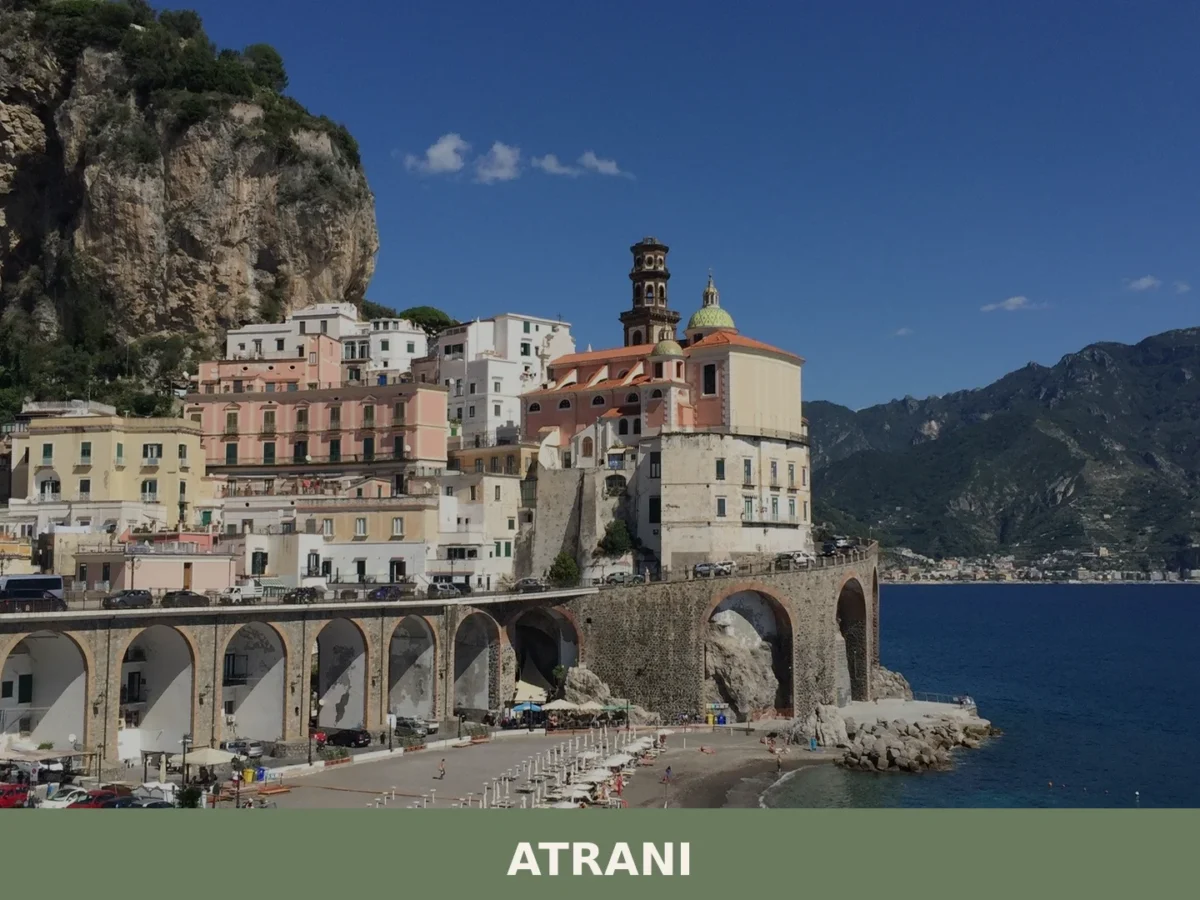
Atrani is the smallest comune in Italy by area, a coastal settlement in the province of Salerno with roots documented since 596 and a medieval past intimately tied to the Duchy of Amalfi.
Castello del Matese
Hills
Visit Castello del Matese to explore its medieval historic center and local traditions. Plan your Campania trip, discover things to do in the village.
Formicola
Plains
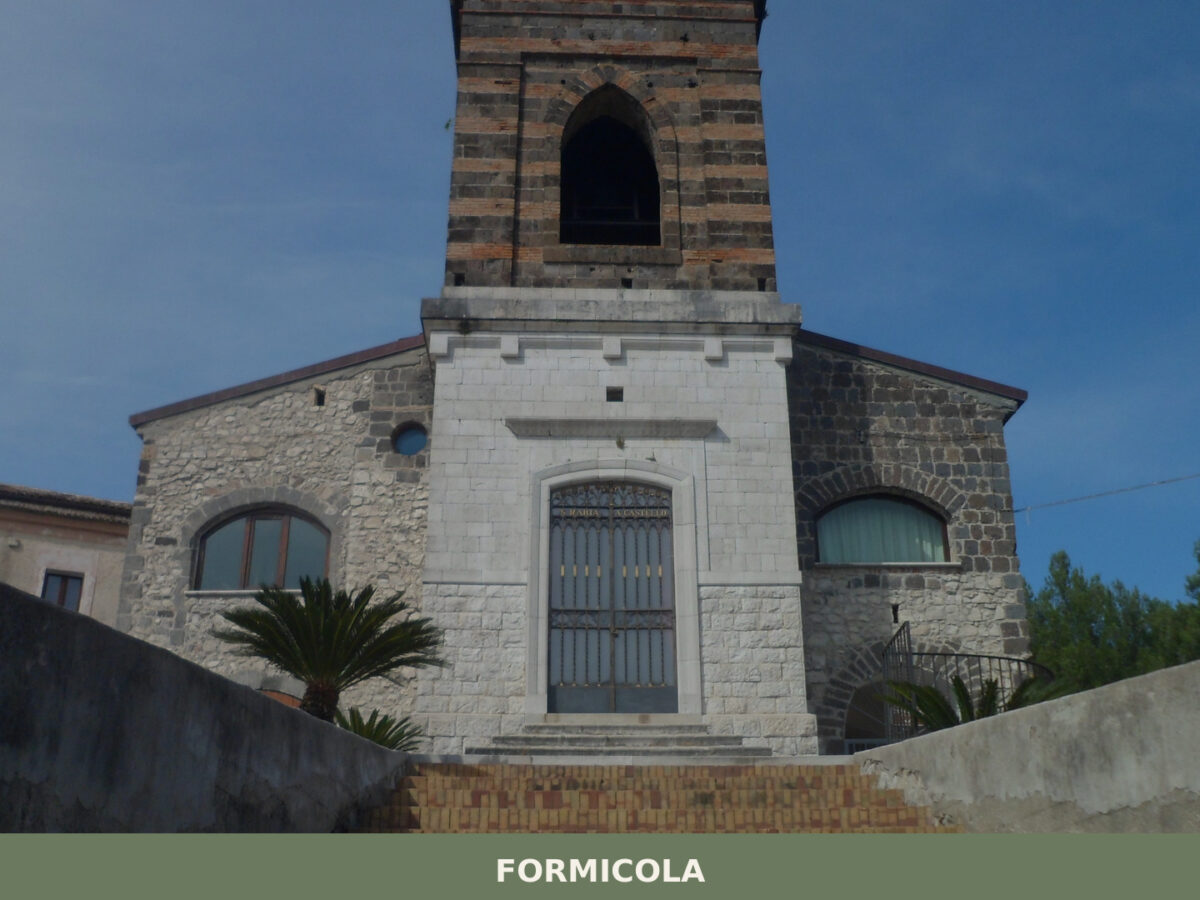
Discover Formicola, a picturesque village in Campania, Italy. Explore its rich history, stunning landscapes, and authentic Italian culture and traditions.





🏡 Know Atripalda better than we do?
If you’re a local or have been there, your knowledge matters: add what’s missing or fix a detail on this page.