


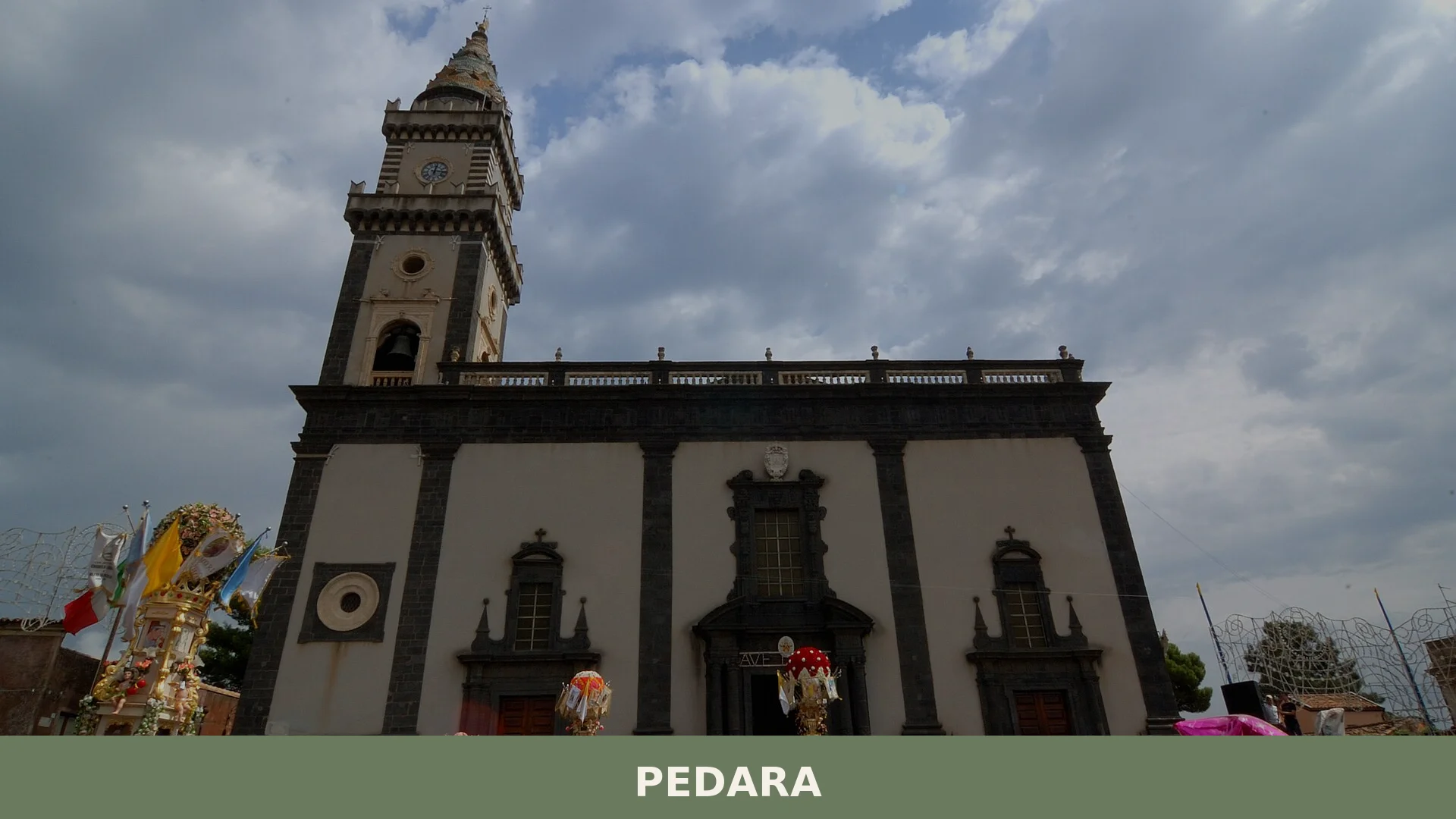

Pedara is a hillside town of around 15,000 people near Catania, set at 605 metres on the southern slopes of Etna and shaped by centuries of eruptions, earthquakes and remarkable religious heritage.
Discover Pedara
Pedara is a town of around 15422 inhabitants in the Metropolitan City of Catania, Sicily, sitting at 610 metres above sea level on the southern slopes of Etna, roughly 15 kilometres from the volcano’s accessible craters. With a municipal area of just under 19.17 square kilometres, it borders Trecastagni, Nicolosi, San Giovanni La Punta, Tremestieri Etneo and Zafferana Etnea, and belongs to the coastal hill zone known as the Colline litoranee di Acireale.
Centuries of volcanic eruptions, a devastating earthquake in 1693 and a long rebuilding process have left deep marks on Pedara village in Sicily, shaping both its urban fabric and the religious heritage that still defines its character today — from the pontifical Basilica of Santa Caterina to the archdiocesan Sanctuary of Maria Santissima Annunziata, patroness of the town.
Pedara village in Sicily: history, origins and key events
Pedara’s recorded history begins in the late fourteenth century, when in 1388 the bishop of Catania, Simone del Pozzo, granted the local community permission to build its first parish church, dedicated to the Virgin Mary — an act that marked the formal establishment of one of the earliest Christian settlements in the area. Before that date, the town’s roots are linked to the Norman period, and a gradual shift in the inhabited site had already begun during the 1300s, when two catastrophic eruptions buried the surrounding fields and pushed residents progressively downhill toward the present location.
In 1641 the village, until then administered by the Senate of Catania, was sold to the Di Giovanni family of Messina and elevated to a barony. The following decades represented the most prosperous phase in Pedara’s pre-modern history, a period of economic and social growth cut short by successive disasters. The eruption of 1669 inflicted severe damage, and on 11 January 1693 an earthquake — the most violent in local memory — destroyed much of eastern Sicily, including Pedara, causing hundreds of deaths. Recovery was slow and costly: don Diego Pappalardo, a Pedara-born priest and conventual chaplain of the Order of Saint John of Jerusalem who served as the Di Giovanni family’s trusted representative, rebuilt the Church of Santa Caterina twice in under twenty years, and the broader reconstruction of the town took more than a decade to complete.
The final years of the eighteenth century brought famine and widespread hardship, alongside the gradual rise of a landowning middle class. The abolition of feudal jurisdiction in Sicily in 1812 and the subsequent Bourbon administrative reforms set the stage for a new chapter: in 1817 a royal decree issued in Naples by King Ferdinand IV established Pedara as an autonomous municipality. The nineteenth and twentieth centuries brought substantial urban expansion, which over time consumed large portions of the agricultural and woodland areas that had previously defined the commune’s landscape.
Churches, Sacred Buildings and Civil Landmarks of Pedara
Pedara’s main points of interest are its religious buildings — several churches, a basilica and a sanctuary distributed across the historic quarters — along with a rural hamlet, a volcanic crater area and a house linked to a local figure of religious significance. Most of what stands today was rebuilt after the earthquake of 11 January 1693, which destroyed much of the town and caused hundreds of casualties.
Basilica di Santa Caterina
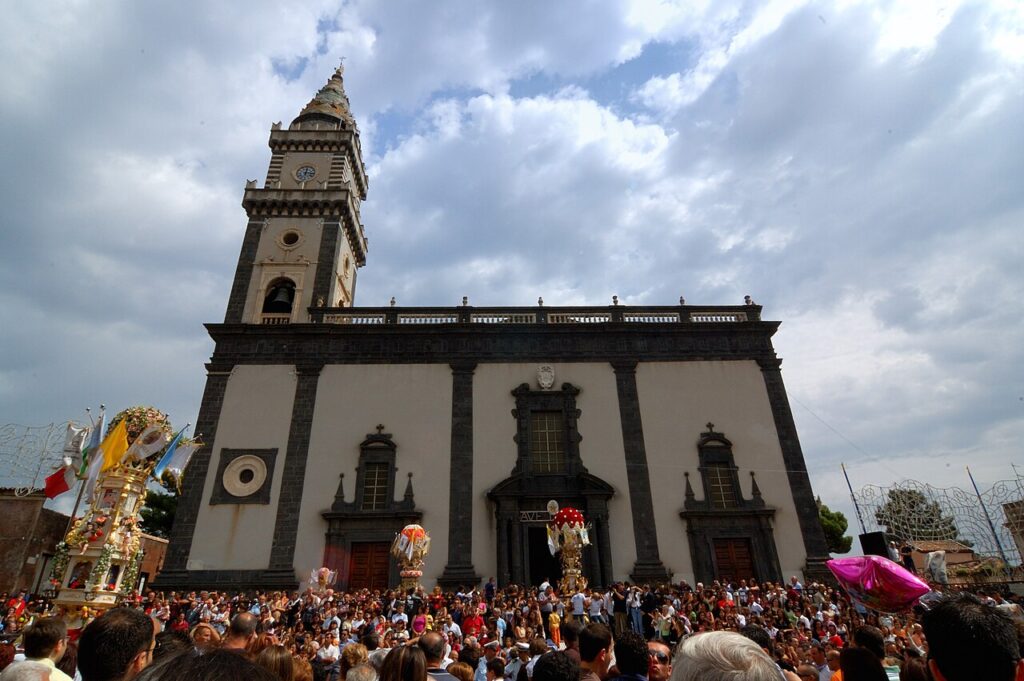
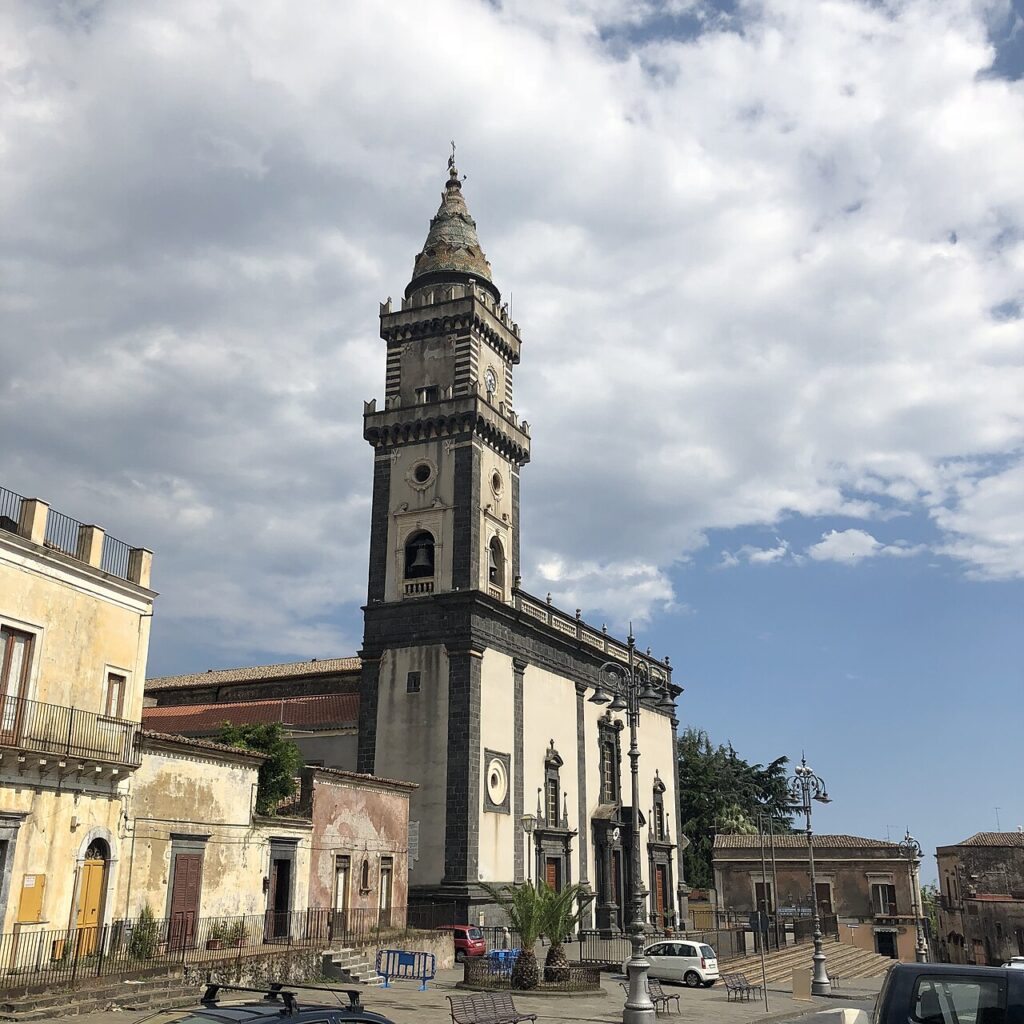
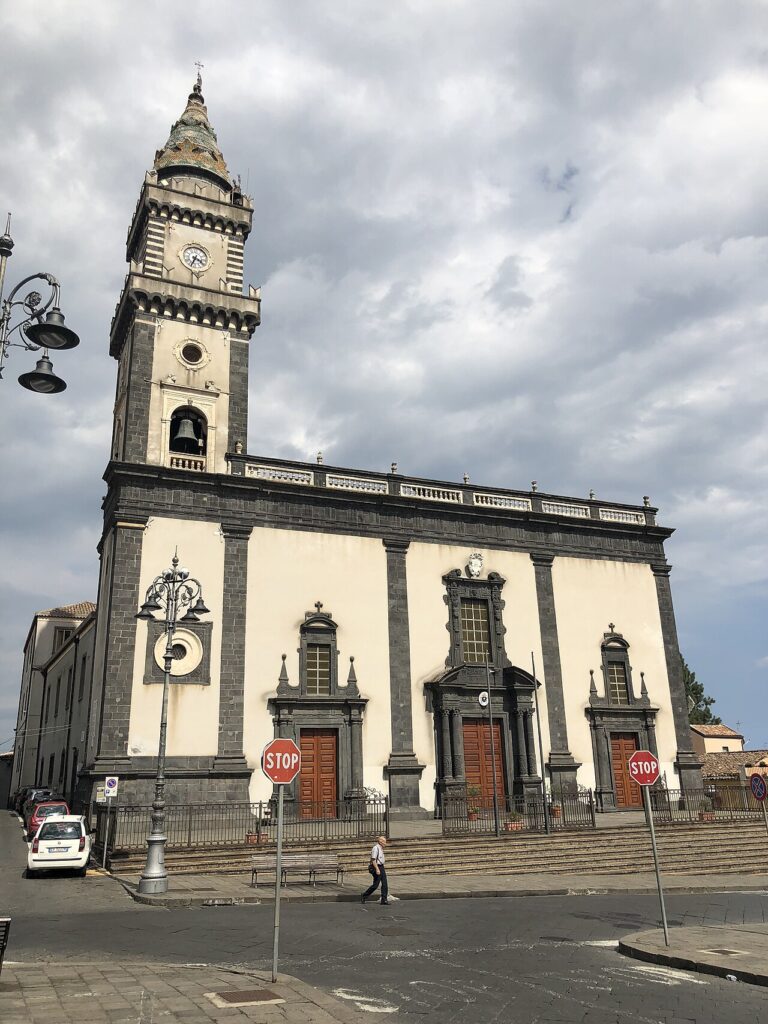
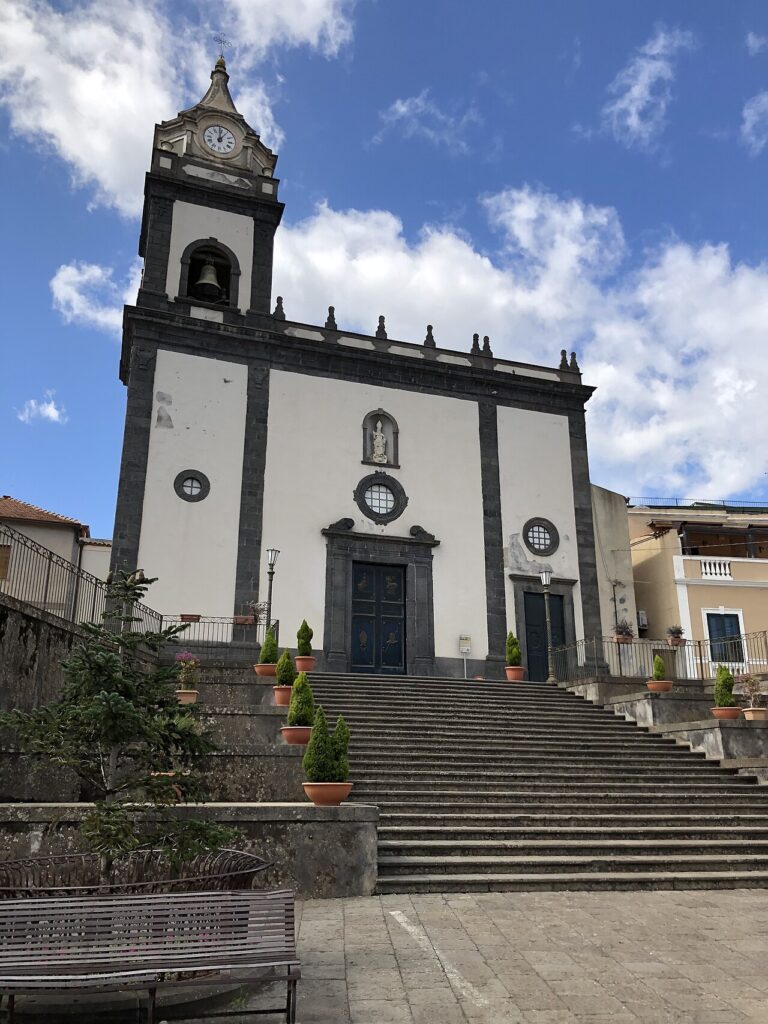
The Basilica di Santa Caterina, situated in the piazza quarter, is the town’s mother church. On 16 April 1996, Pope John Paul II elevated it to the rank of pontifical minor basilica. The building’s origins trace back to the reconstruction effort led by don Diego Pappalardo, a Pedara-born priest and conventual chaplain of the Order of Saint John of Jerusalem, who rebuilt the church twice in under twenty years following the 1693 earthquake.
Santuario di Maria Santissima Annunziata
Located in the quarter that bears the same name, this sanctuary was elevated to archdiocesan Marian sanctuary in 1971. It is dedicated to the town’s patron, Maria Santissima Annunziata, a devotion recorded in Pedara since 1388.
Other Churches in the Historic Quarters
- Chiesa parrocchiale di Sant’Antonio Abate (Sant’Antonio quarter) — became the second parish of the historic centre in 1943.
- Chiesa parrocchiale di Maria Santissima Immacolata (contrada Tremestieri-Pedara) — became a parish in the early 1990s.
- Chiesa di San Biagio (San Biagio quarter, also known as Custera).
- Chiesa della Madonna della Stella.
- Chiesa di San Vito (San Vito quarter).
- Chiesa della Madonna delle Grazie.
- Chiesa Santa Maria di Tremonti (contrada Tremonti).
- Chiesetta dei Santi Martiri Alfio, Filadelfo e Cirino — a rural chapel on the boundary with Trecastagni, between contrada Tarderia/Cozzarelle and the hermitage of Santa Emilia.
- Altarino-edicola votiva dedicated to Maria Santissima Annunziata.
- Cappella votiva della Madonna delle Lacrime — a votive chapel on Monte Troina.
- Oratorio Salesiano di San Giuseppe.
Domus Caritatis
In via Filadelfo Faro stands the house where Giuseppina Faro, a local Servant of God, was born. The building is known by the name Domus Caritatis and is among the civil landmarks associated with Pedara’s more recent religious history.
Borgo di Tarderia and Contrada Salto del Cane
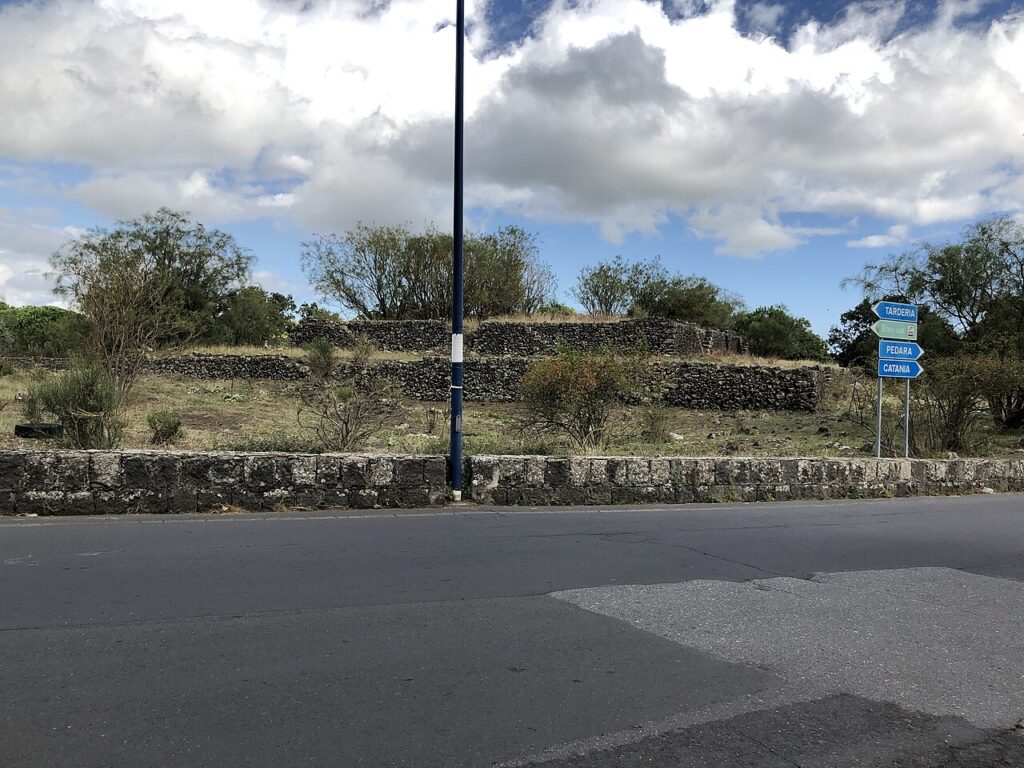
In the northernmost part of the municipal territory lies the rural hamlet of Tarderia, surrounded by chestnut woods and mountain vegetation. Along the provincial road towards Etna, the contrada Salto del Cane contains an ancient extinct crater and an equipped area designated as a Base Point for Excursions within the Parco dell’Etna.
Fruits of the Etna Slopes: What Pedara and Its Territory Produce
Pedara and the surrounding Etna area are known above all for certified volcanic-soil produce: the Ciliegia dell’Etna DOP, the Ficodindia dell’Etna DOP and the Limone dell’Etna IGP are among the most distinctive designations tied to this territory, alongside the Arancia Rossa di Sicilia IGP, which is produced across a wider swath of eastern Sicily. These are provincial and regional designations rather than exclusive specialities of Pedara itself, yet they reflect the agricultural landscape that has shaped the town’s economy from its earliest recorded history.
The broader Catania province also contributes a range of traditional spirits and liqueurs listed among Italy’s Prodotti Agroalimentari Tradizionali: among them are the Liquore fuoco dell’Etna and the Liquore al mandarino, both rooted in the volcanic hinterland. For wine, the territory falls within the production zone of the Etna DOC, one of Sicily’s most internationally recognised appellations, as well as the Cerasuolo di Vittoria DOCG, the island’s only DOCG designation.
The countryside to the north of Pedara, around the rural hamlet of Tarderia, is covered in chestnut groves — a reminder that the land here, at around 610 metres above sea level, transitions gradually from Mediterranean citrus and cactus-pear cultivation toward a cooler, more alpine character as it climbs toward the volcano.
Reaching Pedara and Planning Your Time on the Etna Slopes
Pedara is most easily reached from Catania — approximately 15 km away and roughly 25 minutes by road — and sits at 610 metres above sea level on the southern flanks of Etna, about 15 km from the volcano’s accessible upper slopes; the most rewarding seasons to visit are spring, when the surrounding citrus and cherry orchards are in bloom, and early autumn, when the Ficodindia harvest and the feast of the patron Maria Santissima Annunziata (second Sunday of September) bring the town to life. Summer works well for those combining a visit with an Etna excursion, while winter can offer striking views of the snow-capped crater from the town’s streets.
The nearest town with direct road connections is Nicolosi, circa 5 km from Pedara and about 10 minutes by car; it serves as a practical base for those focusing on the Parco dell’Etna. Visitors exploring the wider Etna foothills area may also wish to stop at Belpasso, on the southern side of the volcano, or pass through the Catania plain to discover Aci Catena and Aci Bonaccorsi, two small centres with distinct characters of their own.
Within Pedara, the main axis is Corso Ara di Giove, the town’s principal street. The Contrada Salto del Cane, along the provincial road toward Etna, offers an equipped area designated as a Base Point for Etna Park hiking. For walkers interested in chestnut woodland and mountain flora, the Borgo rurale di Tarderia, in the northernmost part of the municipal territory, is a quiet destination that rewards a slower pace.
| Departure | Distance | Time |
|---|---|---|
| Catania | approx. 15 km | approx. 20-25 min |
| Nicolosi | approx. 5 km | approx. 10 min |
| Trecastagni | approx. 4 km | approx. 8 min |
| Etna (accesso principale) | approx. 15 km | approx. 25-30 min |
These practical references help organise the journey clearly, while the village itself is best understood slowly and on foot once you arrive.
Frequently asked questions about Pedara
How do I reach Pedara from Catania?
Pedara is located approximately 15 kilometres from Catania in the Metropolitan City of Catania. The village sits at 605 metres elevation on Etna's southern slopes. By car, take the state roads towards the Etna zone from Catania. Public transport includes buses connecting Catania to Pedara and surrounding towns. The nearest major train station is in Catania; from there, local buses serve the hill villages. Journey time by car is roughly 30-40 minutes depending on traffic and your exact starting point.
What is the best time to visit Pedara?
Spring (April-May) and autumn (September-October) offer pleasant weather for exploring the Etna slopes without summer heat. The patron saint feast of Maria Santissima Annunziata is a significant religious celebration honouring the town's patroness; specific dates vary yearly and should be confirmed locally. Winter can bring snow at this elevation (610 metres), while summer temperatures are moderate due to altitude. Spring wildflowers and autumn harvest season showcase the region's agricultural character beautifully.
How long should I plan to spend in Pedara?
A half-day visit suffices to see the main churches, including the pontifical Basilica of Santa Caterina and the archdiocesan Sanctuary of Maria Santissima Annunziata. To explore the surrounding Etna slopes, visit local agriturismos, and enjoy hiking or cycling routes, dedicate a full day. Overnight stays allow deeper immersion in village life, local cuisine, and the volcanic landscape. Most visitors combine Pedara with nearby towns like Nicolosi and Trecastagni.
What farming products and specialities come from Pedara?
Pedara benefits from fertile volcanic soil on Etna's southern slopes, producing regional agricultural specialities. The territory yields wine, citrus fruits, and typical Sicilian produce shaped by volcanic terroir. Many local agriturismos offer farm-to-table experiences showcasing these products. The area's volcanic heritage directly influences crop cultivation and food traditions. Visitors can purchase local produce and products at village shops and directly from farms operating agritourism activities.
Are there hiking or outdoor routes around Pedara?
Pedara's location on Etna's slopes provides access to hiking and nature routes typical of the Colline litoranee di Acireale zone. The volcanic landscape offers documented trails for various skill levels. Cycling paths connect Pedara to bordering villages: Trecastagni, Nicolosi, San Giovanni La Punta, Tremestieri Etneo, and Zafferana Etnea. CAI (Italian Alpine Club) routes are available in the broader Etna region. Local tourism offices provide detailed trail maps and route recommendations.
📷 Photo Gallery — Pedara
In Sicily More villages to discover
Siracusa
 Sea
Sea
What to see in Siracusa: UNESCO city of 118,644 people. Explore the Greek Theatre, Ortigia, and the Catacombs of San Giovanni. Plan your visit with our complete guide.
Balestrate
Sea
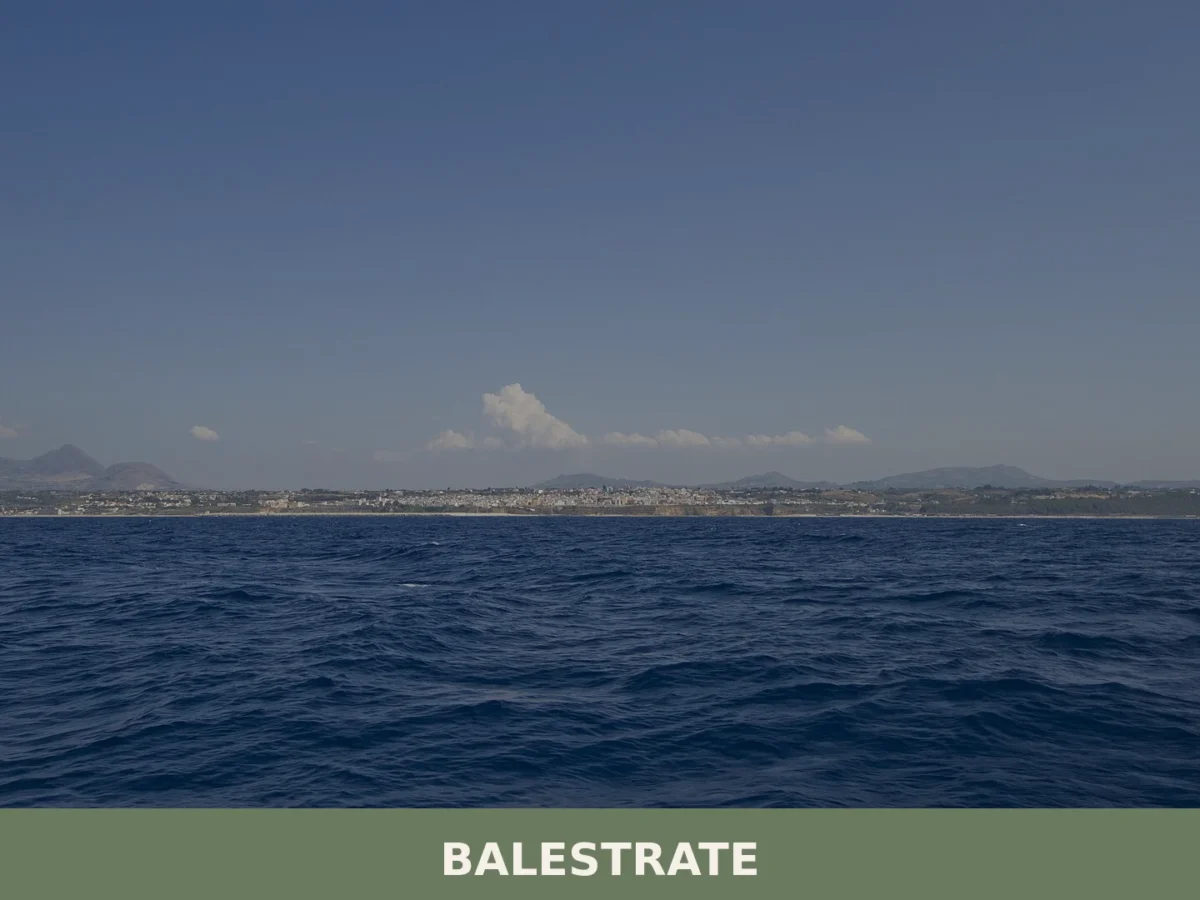
Balestrate is a coastal comune of around 6,375 inhabitants on the Gulf of Castellammare in the province of Palermo, Sicily, with documented origins stretching from Byzantine watchtowers to nineteenth-
Campofiorito
 Mountain
Campofiorito sits at 660 metres above sea level in the province of Palermo, a small agricultural commune of 1,321 inhabitants whose name translates literally as “field of flowers.” Founded as a feudal settlement in the early eighteenth century, the village occupies a limestone ridge in the upper Belìce valley, surrounded by wheat fields and grazing […]
Messina
Sea
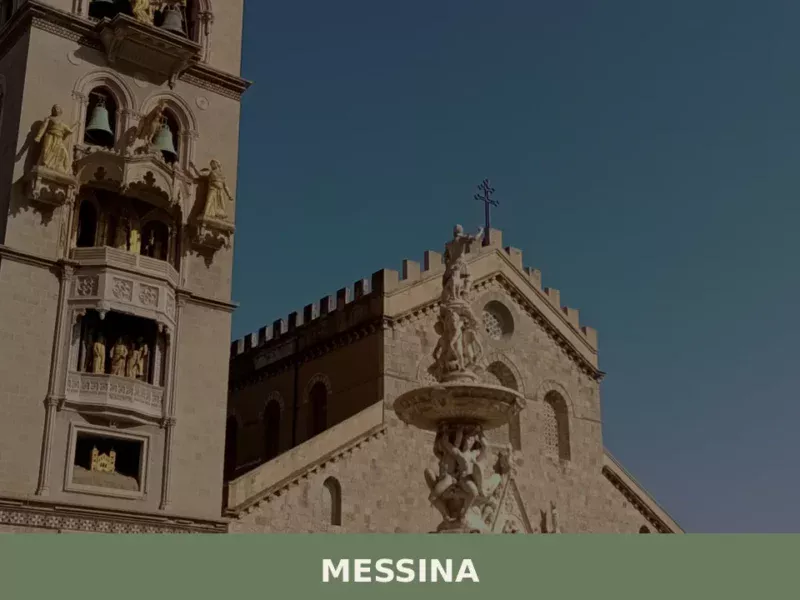
What to see in Messina: 242,267 inhabitants, the astronomical clock tower, two Caravaggios and the Norman Cathedral. Plan your visit and discover how to get there.
Godrano
Mountain
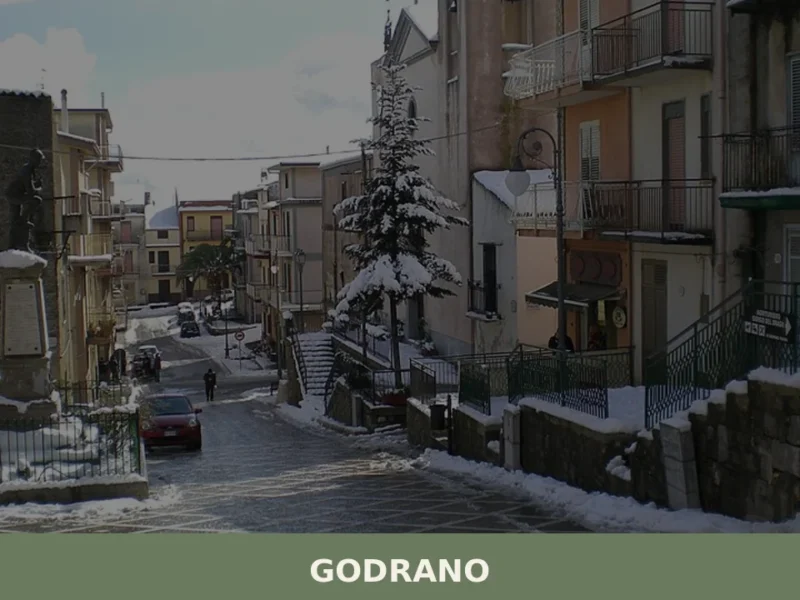
What to see in Godrano: from the Bosco della Ficuzza Reserve to the Palazzina Reale, churches and cuisine of the Sicani hinterland at 693 m above sea level.
Isnello
 Hills
Hills
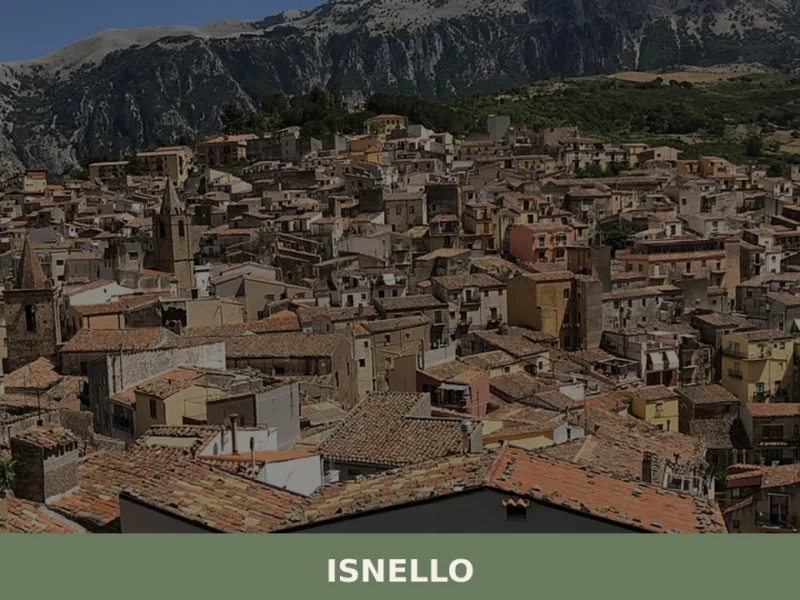
What to see in Isnello, Italy: Explore this 583 m (1,913 ft) altitude village near Palermo. Discover its historic center and panoramic views. Read our guide.
Contessa Entellina
Hills
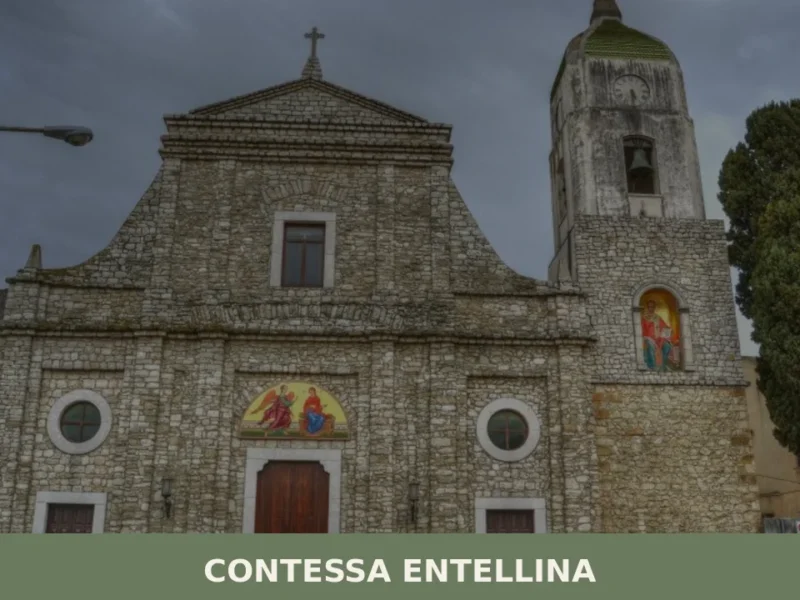
Discover what to see in Contessa Entellina: Arbëreshë heritage, Rocca d'Entella ruins, Byzantine-rite churches, local food, and practical travel tips.
Basicò
Hills
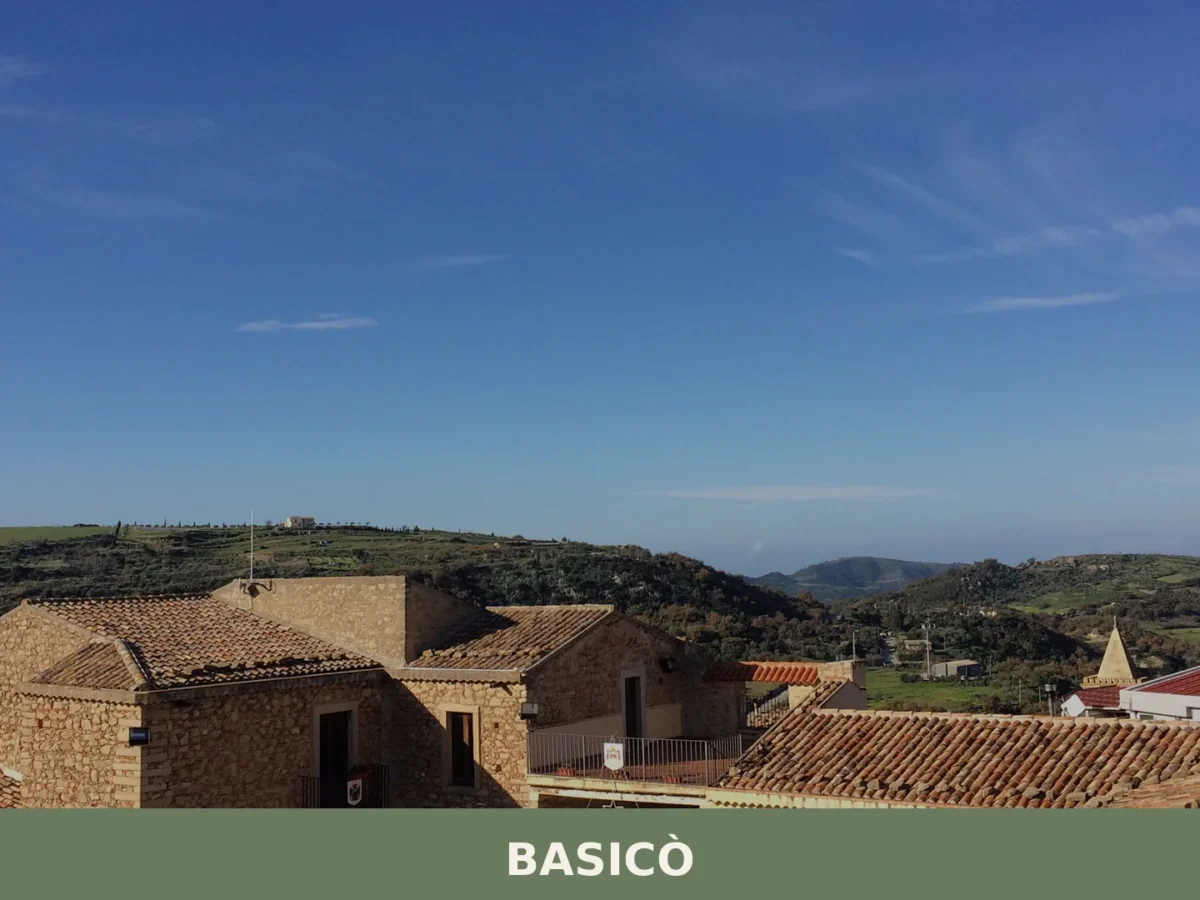
Basicò is a hilltop comune in the province of Messina, Sicily, with a documented history stretching back to 1262 and a living tradition of provola cheese, feudal architecture and prehistoric archaeolo
Alcamo
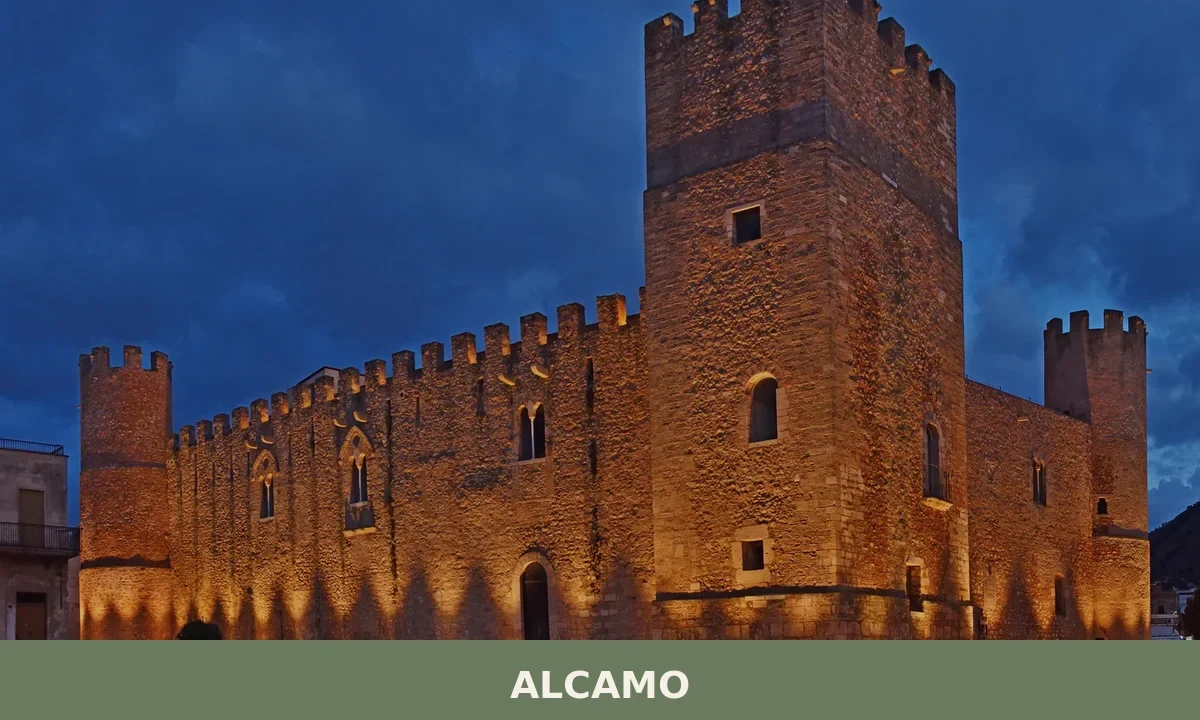
Alcamo sits where Arab merchants once haggled at fiorenti markets and Norman barons held court. Discover how a Mesolithic settlement became Sicily's most layered trading town.
Acate
Sea
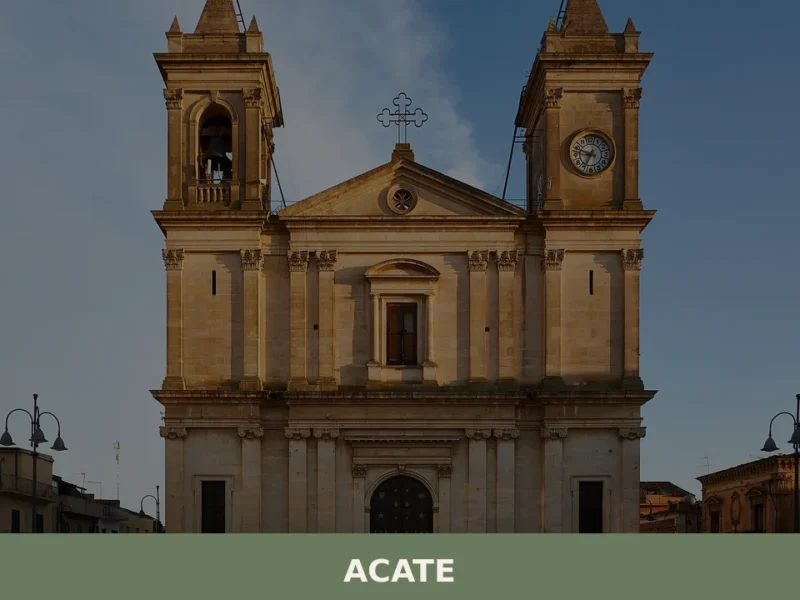
Discover what to see in Acate, the former Biscari in Ragusa province: Baroque history, Cerasuolo di Vittoria vineyards, castle and Iblean landscapes.
🏡 Know Pedara better than we do?
If you’re a local or have been there, your knowledge matters: add what’s missing or fix a detail on this page.