


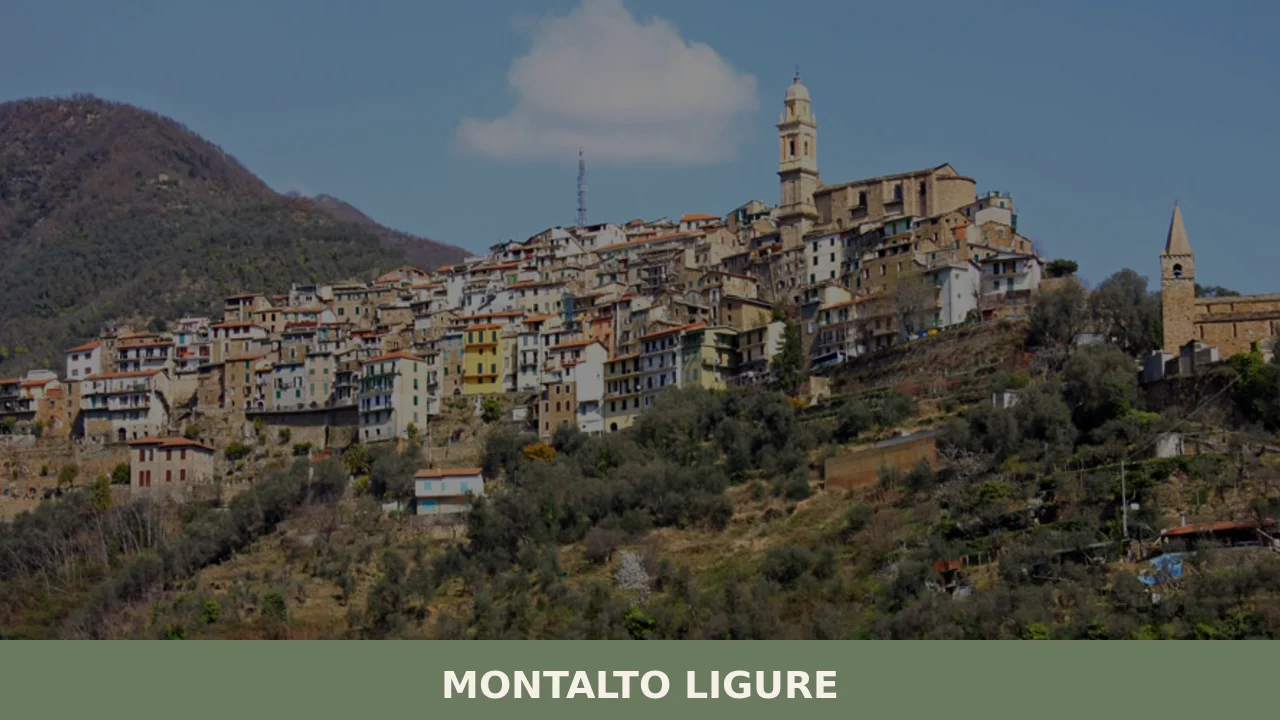
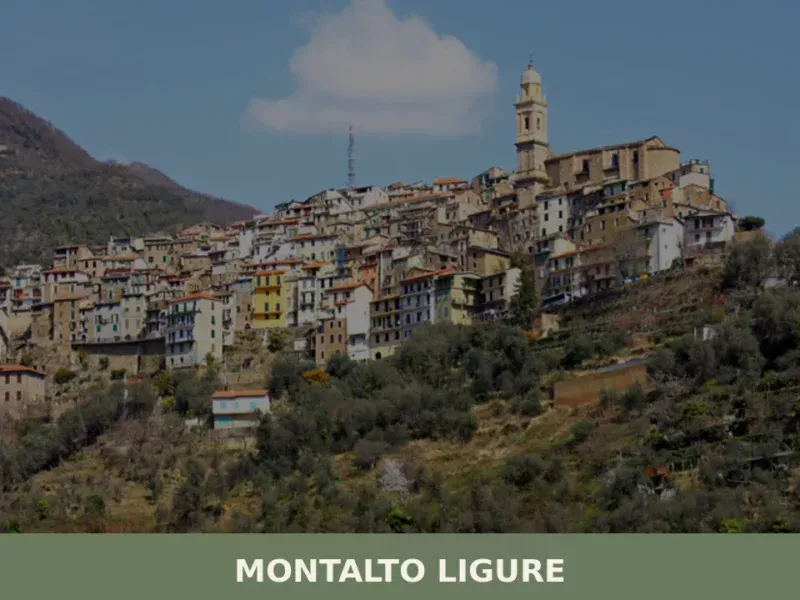
Montalto Ligure
 Hills
Hills
What to see in Montalto Ligure, Italy: Explore its 13.9 km² former territory and administrative history. Discover its unification in 2018.
Discover Montalto Ligure
The unification of Montalto Ligure with Carpasio at the beginning of 2018 marked a significant administrative change for the Ligurian territory. This event altered the municipal boundaries of an area that, as of December 31, 2004, encompassed 13.9 square kilometres (5.4 mi²). The village, situated approximately 15 kilometres (9 mi) west of Imperia, reflects the evolving landscape of Italian local governance, providing a case study in regional administrative shifts.
For those wondering what to see in Montalto Ligure, the village offers a glimpse into local administrative evolution and its regional context.
With a recorded population of 364 residents in 2004, visitors to Montalto Ligure find a quiet environment, ideal for appreciating its geographic location and the historical implications of its recent unification. The Montalto Ligure highlights include exploring the former municipal boundaries and understanding its relationship with nearby towns.
History of Montalto Ligure
The administrative identity of Montalto Ligure was formally defined as a comune (municipality) within the Province of Imperia, located in the Italian region of Liguria. Its historical trajectory as an independent administrative entity concluded at the beginning of 2018, when it was unified with Carpasio to form the new comune of Montalto Carpasio. This change reflects broader trends in local governance across Italy, aiming for administrative efficiency by consolidating smaller municipalities, a pattern seen throughout various regions.
As of December 31, 2004, Montalto Ligure maintained a population of 364 residents, spread across an area of 13.9 square kilometres (5.4 mi²).
Its geographical position is notable, approximately 100 kilometres (62 mi) southwest of Genoa and about 15 kilometres (9 mi) west of Imperia. The municipality bordered several other communities, including Badalucco, Carpasio, Dolcedo, Molini di Triora, and Prelà, each contributing to the regional network of Ligurian villages and shaping Montalto Ligure’s historical interactions and local economy.
The unification with Carpasio in early 2018 represents the most significant recent development in Montalto Ligure’s history. This administrative consolidation created the new comune of Montalto Carpasio, fundamentally altering Montalto Ligure’s status. While no longer an autonomous municipality, its identity as a former comune remains part of its historical narrative, influencing how its territory is perceived and managed within the broader provincial framework.
This transition illustrates the dynamic nature of local governance in Italy, where historical entities adapt to modern administrative structures.
What to see in Montalto Ligure, Liguria: top attractions
Given the limited specific details in the provided sources regarding individual attractions within Montalto Ligure, the focus shifts to appreciating the village’s broader context, its geographical features, and its administrative history. Visitors exploring what to see in Montalto Ligure can observe the results of its past as an independent municipality and its current role within the larger Montalto Carpasio comune. The essence of a visit lies in understanding the local landscape and the administrative evolution that has shaped this part of Liguria, Italy.
The Former Municipal Territory
The area once defined as the comune of Montalto Ligure spans 13.9 square kilometres (5.4 mi²), offering a sense of the village’s historical footprint. Exploring this territory allows visitors to understand the boundaries that once governed a community of 364 residents, as recorded in 2004. This former administrative division provides a framework for appreciating the local environment, from its valleys to its hills, characteristic of the Ligurian interior. Observing the transition from one municipality to another can be a compelling aspect of understanding local Italian governance and regional change.
The Ligurian Landscape
The village is situated within the Province of Imperia, a region known for its varied Ligurian landscape, approximately 15 kilometres (9 mi) west of the city of Imperia.
This location offers vistas typical of the Ligurian hinterland, often characterized by olive groves and terraced hillsides. While specific natural landmarks within Montalto Ligure are not detailed, the general environment provides opportunities for quiet observation and appreciation of the regional flora and topography. The proximity to the coast, though not immediate, influences the climate and the agricultural practices of the area, creating a distinctive natural setting.
The Unification with Carpasio
A central aspect of Montalto Ligure’s modern identity is its unification with Carpasio at the beginning of 2018, forming the new comune of Montalto Carpasio. This administrative merger, a relatively recent event, represents a significant historical point for both communities. Visitors can witness the integration of these two former municipalities, observing how their distinct identities are now part of a larger whole. This process of consolidation is an ongoing phenomenon in Italy, affecting many smaller villages like Montalto Ligure and offering a specific example of regional administrative change and adaptation.
Bordering Municipalities
Montalto Ligure shares borders with several other Ligurian municipalities: Badalucco, Carpasio, Dolcedo, Molini di Triora, and Prelà.
These neighboring villages form a network characteristic of the Imperia province, each with its own history and local character. Exploring the roads connecting these communities can provide a broader understanding of the region’s geography and settlement patterns. The total area of these combined municipalities highlights the dense arrangement of small settlements in this part of Italy, with Montalto Ligure formerly serving as a key point in this regional mosaic, influencing local interactions and infrastructure.
Views Towards Imperia and Genoa
Positioned approximately 15 kilometres (9 mi) west of Imperia and about 100 kilometres (62 mi) southwest of Genoa, Montalto Ligure offers perspectives on its connection to larger urban centers. While direct views of these cities may depend on specific vantage points, the distances establish Montalto Ligure’s place within the regional infrastructure. Understanding this geographical relationship helps visitors contextualize the village’s historical development and its current accessibility.
The journey from these larger cities provides a gradual immersion into the more rural and traditional Ligurian interior, a journey that can be compared to visiting Caporciano in Abruzzo, which also maintains a distinct regional character despite its proximity to larger hubs.
Local food and typical products of Montalto Ligure
The provided sources do not detail specific local food or typical products directly associated with Montalto Ligure itself. However, the village’s location in Liguria, Italy, provides a strong regional culinary context. Ligurian cuisine is renowned for its reliance on local ingredients, particularly olives and olive oil, herbs, and fresh seafood from the nearby coast. This gastronomic tradition is historically shaped by both its mountainous terrain and its maritime access, leading to a distinctive blend of flavors and cooking techniques.
The area’s agricultural heritage, even in smaller communities, typically revolves around what the land and sea can provide sustainably.
While specific dishes unique to Montalto Ligure are not documented, visitors to the broader Ligurian region can expect a cuisine that emphasizes simplicity and quality ingredients. Staples often include pasta dishes like trofie al pesto, featuring the famous basil-based sauce, or pansoti con salsa di noci, a type of ravioli filled with wild herbs and served with a walnut sauce. Focaccia, a flat oven-baked bread often seasoned with olive oil and salt, is another regional specialty. These dishes represent the culinary identity of Liguria, which communities like Montalto Ligure would have historically shared and adapted based on local availability, focusing on fresh, seasonal produce.
Specific certified products (like DOP or IGP) for Montalto Ligure are not mentioned in the available data. However, the Ligurian region is known for several such products, notably Olio Extra Vergine di Oliva Riviera Ligure (DOP), which is produced across the provinces of Imperia, Savona, and Genoa. This olive oil is a cornerstone of the local diet and economy, reflecting the widespread cultivation of olive trees. While the sources do not confirm specific markets or food fairs within Montalto Ligure, many small Italian villages hold weekly markets where local produce, including regional olive oil, cheeses, and baked goods, can be purchased.
Such markets are fundamental to local community life and provide a direct connection to the agricultural rhythms of the area.
Festivals, events and traditions of Montalto Ligure
The available sources do not provide specific details regarding festivals, events, or unique traditions held within Montalto Ligure. However, like many small communities in Italy, Montalto Ligure would have historically observed various religious holidays and seasonal celebrations. These often include a patron saint’s day, typically marked by a religious procession, local music, and community gatherings. Such events serve as vital social anchors, bringing residents together and perpetuating local customs. The lack of documented specifics means visitors cannot plan around particular named festivals for Montalto Ligure itself, but the general spirit of Italian village life suggests an underlying tradition of communal celebration.
In the broader Ligurian context, traditional events often revolve around agricultural cycles, such as olive harvests, or historical commemorations. These regional patterns suggest that Montalto Ligure, as a former comune with a small population of 364 in 2004, likely had its own, albeit perhaps modest, calendar of events.
These would have been important for local identity and social cohesion, much like in other Italian villages such as Crognaleto, which also maintains local traditions despite its size. Without specific documentation, however, any particular festivals or unique rituals of Montalto Ligure remain part of its unrecorded local history, leaving visitors to appreciate the quietude of its current existence.
When to visit Montalto Ligure, Italy and how to get there
The best time to visit Montalto Ligure, Liguria, Italy, largely aligns with the broader Mediterranean climate patterns. Spring (April to June) and early autumn (September to October) typically offer pleasant temperatures and fewer crowds, making them ideal for exploring the Ligurian landscape without the intense summer heat. These periods are also conducive to enjoying the natural surroundings, which include the area’s characteristic olive groves and hillsides. Given its status as a small former comune, Montalto Ligure primarily attracts visitors seeking tranquility and an understanding of local Italian life, rather than bustling tourist attractions, making these shoulder seasons particularly appealing.
Montalto Ligure is accessible by road, located approximately 15 kilometres (9 mi) west of Imperia, a journey that typically takes about 25-30 minutes by car.
For those arriving from further afield, the A10 motorway (Autostrada dei Fiori) provides connections along the Ligurian coast. The nearest major exit would be Imperia Ovest. The village is about 100 kilometres (62 mi) southwest of Genoa, a drive that can take around 1 hour and 30 minutes, depending on traffic. The nearest train station is in Imperia, offering regional rail services. From Genoa’s main station, Genova Piazza Principe, direct trains to Imperia are available, making it feasible as a day trip from the regional capital.
The closest major airport is Genoa Cristoforo Colombo Airport (GOA), approximately 100 kilometres (62 mi) away, with an estimated driving time of 1 hour and 30 minutes. Another option, especially for international travelers, could be Nice Côte d’Azur Airport (NCE) in France, though specific distances are not provided in the sources. For international visitors, it is advisable to carry some Euros cash, as smaller establishments in villages like Montalto Ligure may have limited card payment options.
While the primary language is Italian, basic English may be understood in some tourist-oriented businesses, though not universally. This practical approach to travel is similar to planning a visit to Concamarise in Veneto, where local interaction benefits from preparation.
For those interested in exploring further afield after experiencing what to see in Montalto Ligure, the region of Tuscany offers diverse experiences. A visit to Campi Bisenzio, while geographically distinct, shares the characteristic Italian blend of historical context and local life, providing a different perspective on regional Italian culture.
Frequently asked questions about Montalto Ligure
What is the best time to visit Montalto Ligure?
The most pleasant time to visit Montalto Ligure is late spring and early summer, particularly around June 24, when the village celebrates its patron saint San Giovanni Battista. This period combines mild temperatures at 315 metres altitude with the atmosphere of a traditional Ligurian village feast. Autumn is equally rewarding, as the surrounding hillsides take on warm colours and the olive harvest season begins across the Province of Imperia. Summer offers cooler conditions than the coast, making this inland village a comfortable alternative to the crowded Riviera.
What to see in Montalto Ligure? Main monuments and landmarks
Montalto Ligure sits at 315 metres in the Ligurian hinterland, offering the characteristic stone architecture and narrow lanes typical of hillside villages in the Province of Imperia. The village's most notable recent landmark is its administrative identity: since early 2018 it has formed part of the new comune of Montalto Carpasio together with neighbouring Carpasio. The surrounding landscape of terraced hillsides and olive groves, visible from the village, represents the defining visual feature of this quiet corner of inland Liguria, approximately 15 kilometres west of Imperia.
What are the main natural or scenic attractions of Montalto Ligure?
The village is embedded in the hilly terrain of the Province of Imperia, surrounded by the olive groves and terraced slopes characteristic of the Ligurian interior. Its position roughly 15 kilometres west of Imperia places it within a landscape shaped by centuries of agricultural tradition. The territory of 13.9 square kilometres borders the municipalities of Badalucco, Dolcedo, Molini di Triora, and Prelà, forming a network of valleys and ridges ideal for leisurely exploration of the rural Ligurian hinterland.
Who is Montalto Ligure suitable for? Families, couples, hikers, solo travelers?
Montalto Ligure suits travellers seeking authentic, unhurried village life away from the tourist crowds of the Ligurian Riviera. With a population of around 386 residents and a peaceful hillside setting at 315 metres, it appeals particularly to couples looking for a quiet retreat, slow travellers interested in Italian local governance and village culture, and visitors curious about the administrative evolution that in 2018 merged the village with Carpasio to create Montalto Carpasio. It is also a practical base for exploring neighbouring villages such as Badalucco and Prelà.
What to eat in Montalto Ligure? Local products and specialties
Montalto Ligure sits within the production area of Olio Extra Vergine di Oliva Riviera Ligure DOP, one of Liguria's most celebrated certified products, reflecting the widespread olive cultivation visible throughout the surrounding hillsides. The broader Ligurian culinary tradition shared by villages in the Province of Imperia includes trofie al pesto, pansoti con salsa di noci, and freshly baked focaccia. Local markets in the area offer seasonal produce, regional olive oil, and artisan cheeses rooted in the agricultural rhythms of the Ligurian interior.
📷 Photo Gallery — Montalto Ligure
Getting there
Via Parlamento, 18010 Montalto Ligure (IM)
Nearby Villages near Montalto Ligure
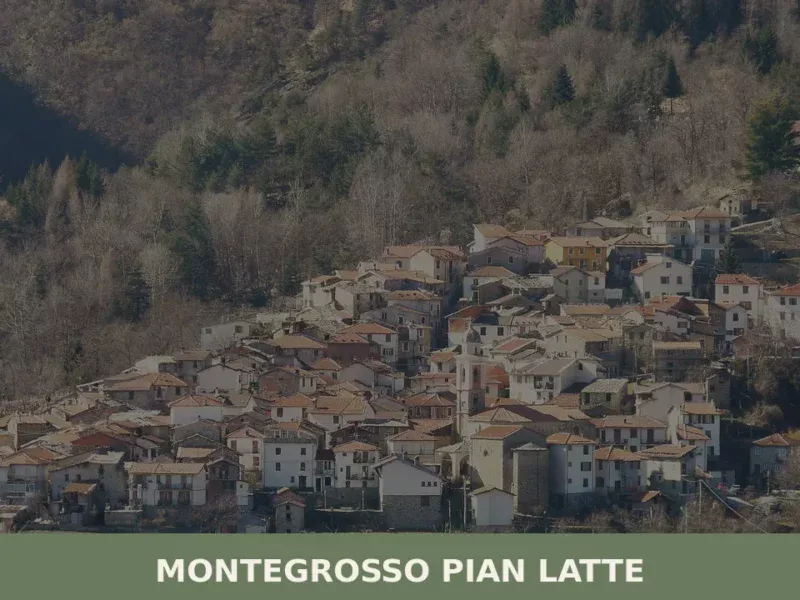
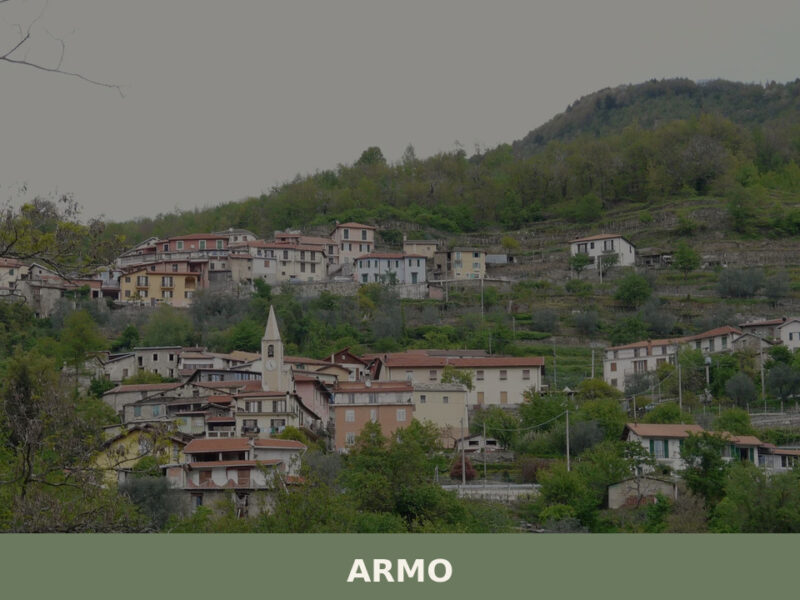
In Liguria More villages to discover
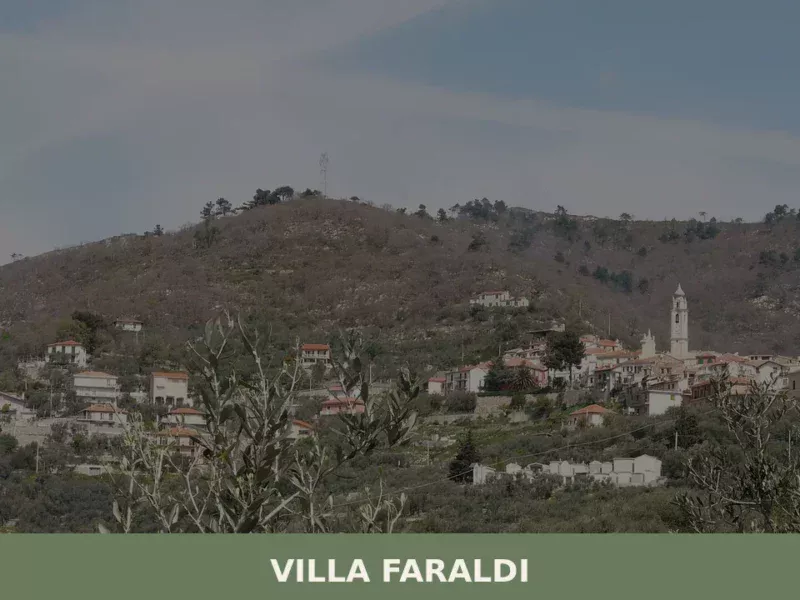
Villa Faraldi
Hills
what to see in villa faraldi: Discover this Italian village of 452 inhabitants in Liguria. Explore historic alleys and scenic views. Read our guide to Villa Faraldi, Italy.
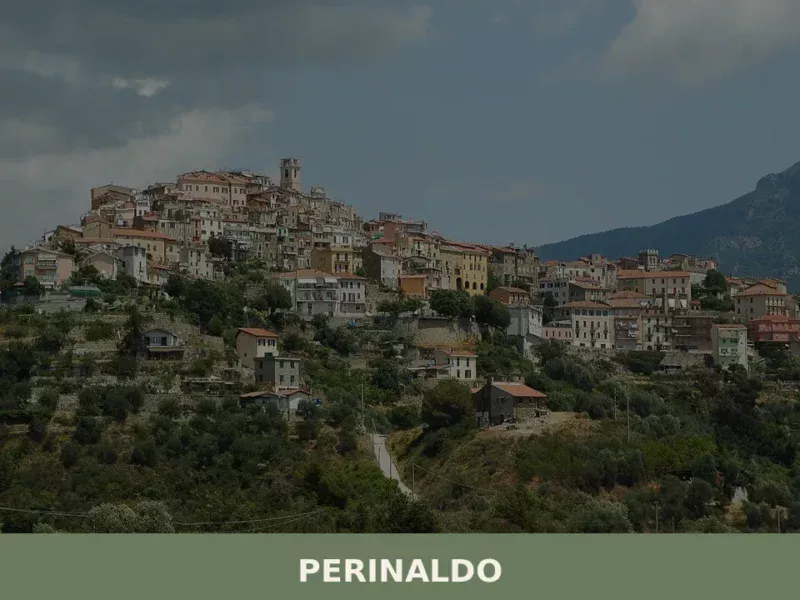
Perinaldo
 Mountain
what to see in perinaldo, Italy: Discover the 15th-century church and Cassini Observatory in this Ligurian village of 913 inhabitants. Explore Perinaldo now.
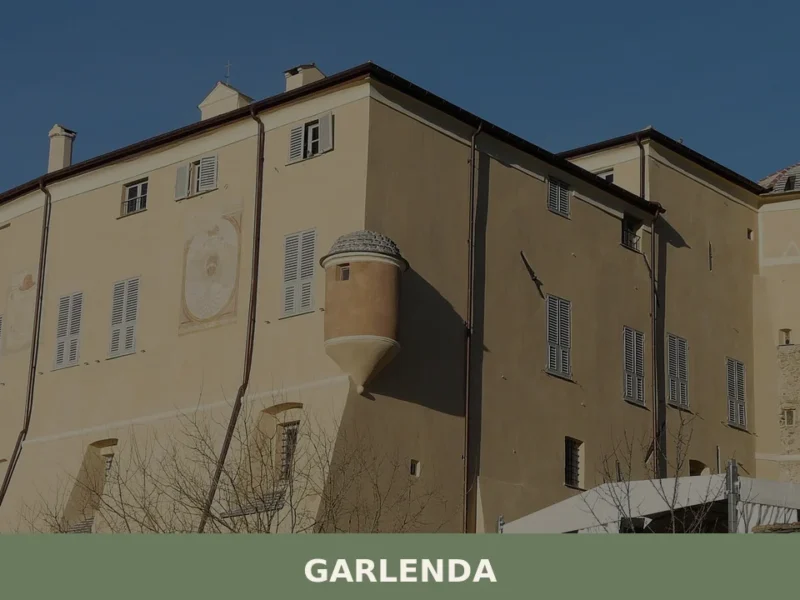
Garlenda
Hills
What to see in Garlenda, Liguria, Italy: explore a village of 1,200 inhabitants 80 km from Genoa. Discover top attractions, local food, and how to get there.
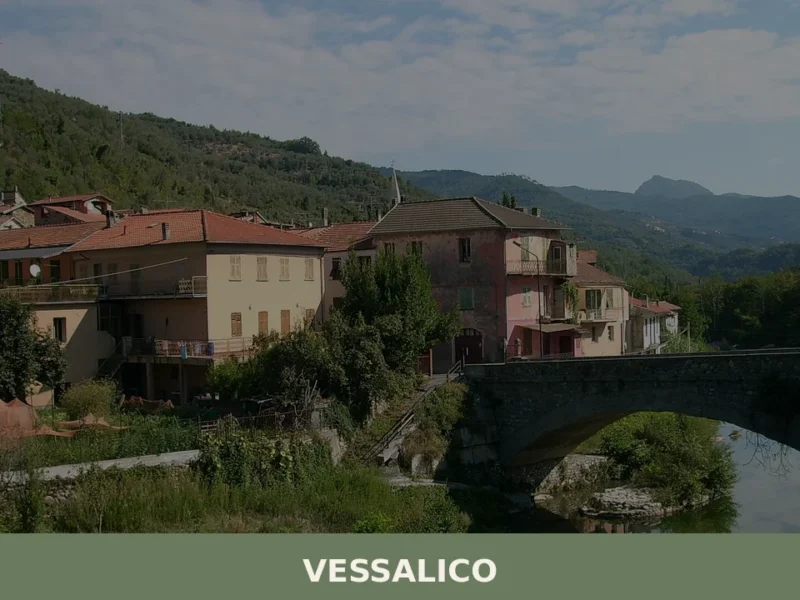
Vessalico
 Plains
what to see in vessalico, Italy: Explore this Ligurian village at 197m. Discover its history and the patron saint festival on July 22. Read more.
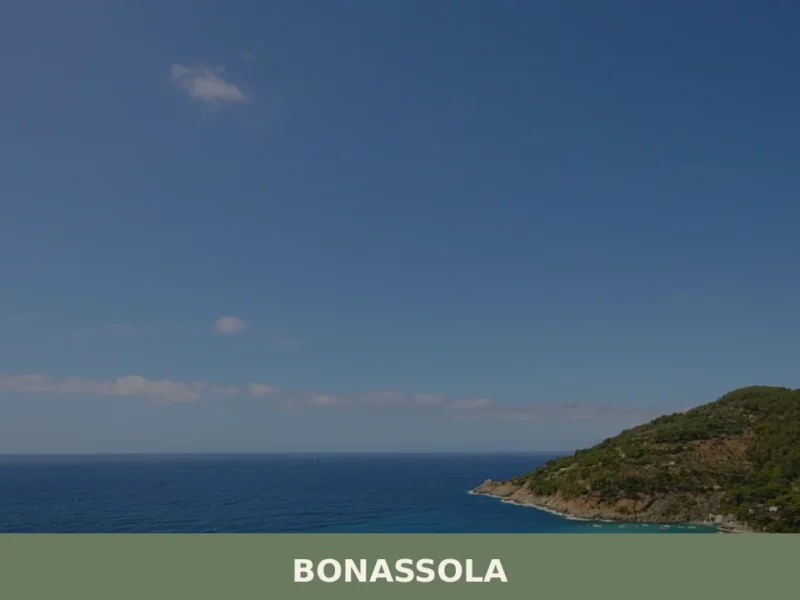
Bonassola
 Sea
Sea
Bonassola’s single-track railway station, opened in 1874 as part of the Genoa–La Spezia line, brought the first outsiders to a coastal settlement that had survived for centuries on olive oil, wine, and anchovies. Today this compact village of 794 inhabitants sits at six metres above sea level along the Riviera di Levante, its beach one […]
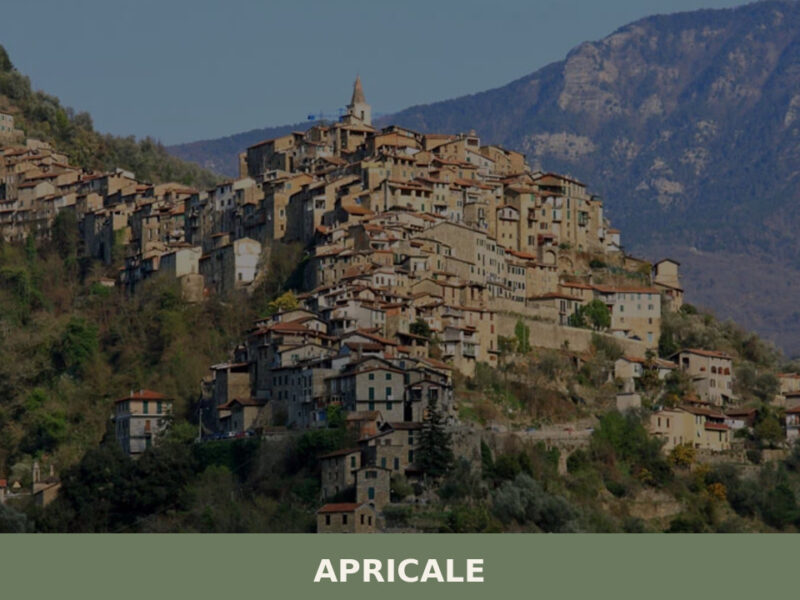
Apricale
Hills
A sun-facing medieval village of 626 inhabitants in Liguria's Val Nervia. Explore what to see in Apricale, from its castle to its open-air murals.
San Lorenzo al Mare
Sea
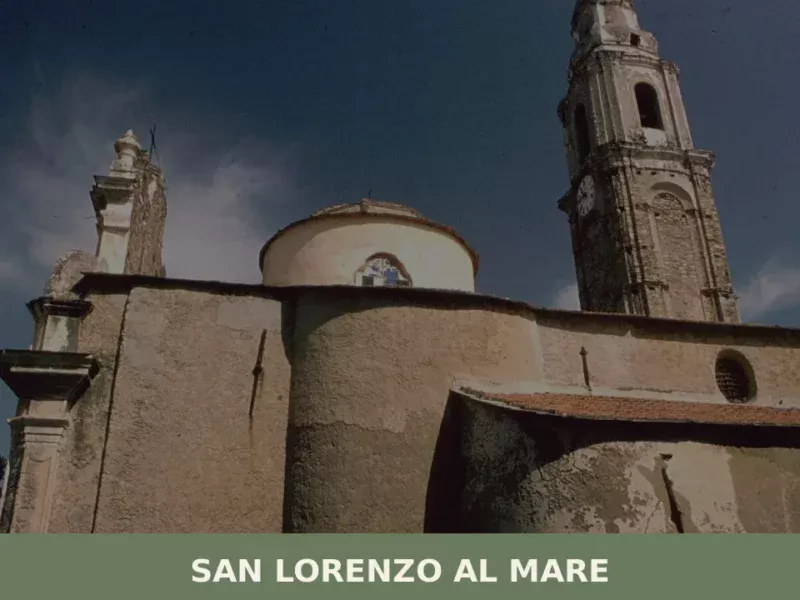
What to see in San Lorenzo al Mare, Italy: Discover its 1,380 inhabitants and coastal charm. Explore historic sites and the scenic Riviera dei Fiori. Plan your Ligurian trip.
Magliolo
Mountain
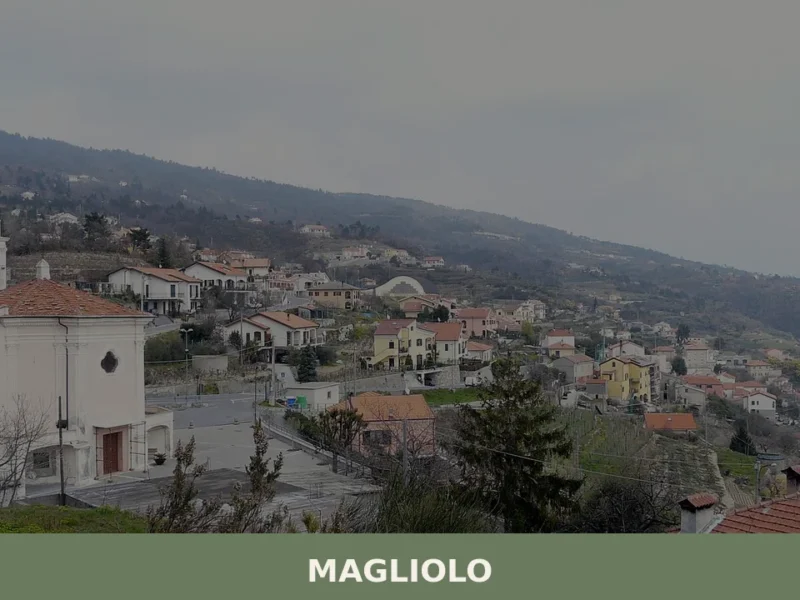
What to see in Magliolo, Italy: 947 inhabitants, Ligurian valleys, local food traditions and how to get there. Discover the best of this Savona Province village.
Giusvalla
Mountain
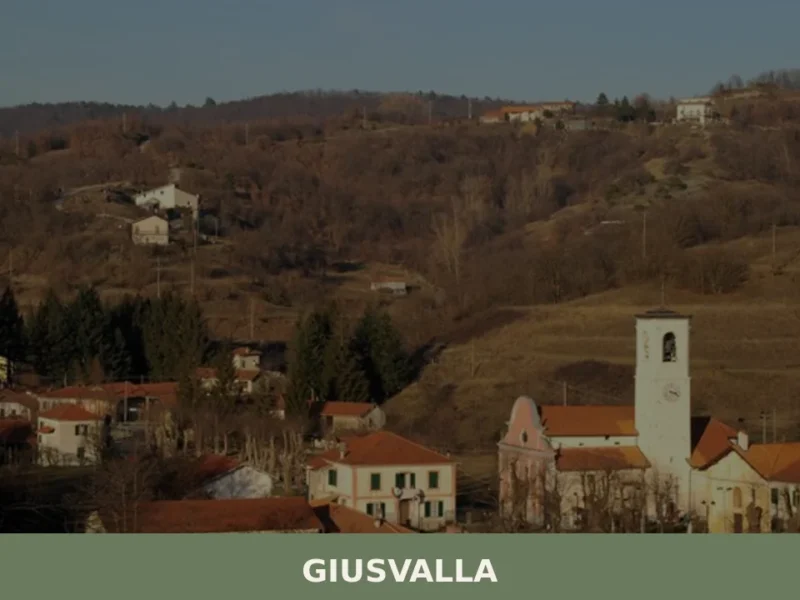
What to see in Giusvalla, Italy: 465 inhabitants, 45 km from Genoa. Discover the Festa Patronale di S. Matteo, Bricco della Croce, and local Ligurian food traditions.
Gorreto
Hills
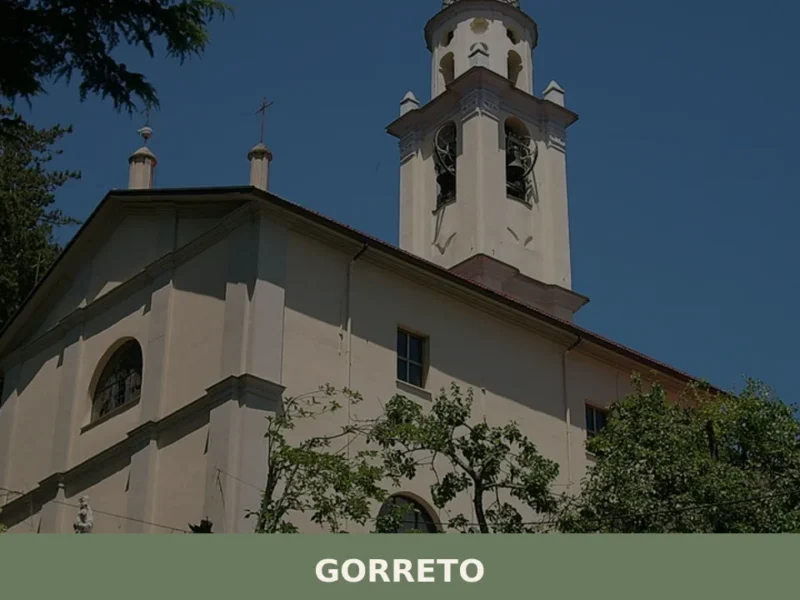
Gorreto: Complete Editorial Guide The stone bridge over the Trebbia, with its centuries-old arches, marks the entrance to Gorreto, a village that reveals itself with the discretion of a place that has watched the passage of people and goods for centuries. At 533 metres above sea level, in the province of Genova, this settlement of […]



🏡 Know Montalto Ligure better than we do?
If you’re a local or have been there, your knowledge matters: add what’s missing or fix a detail on this page.