


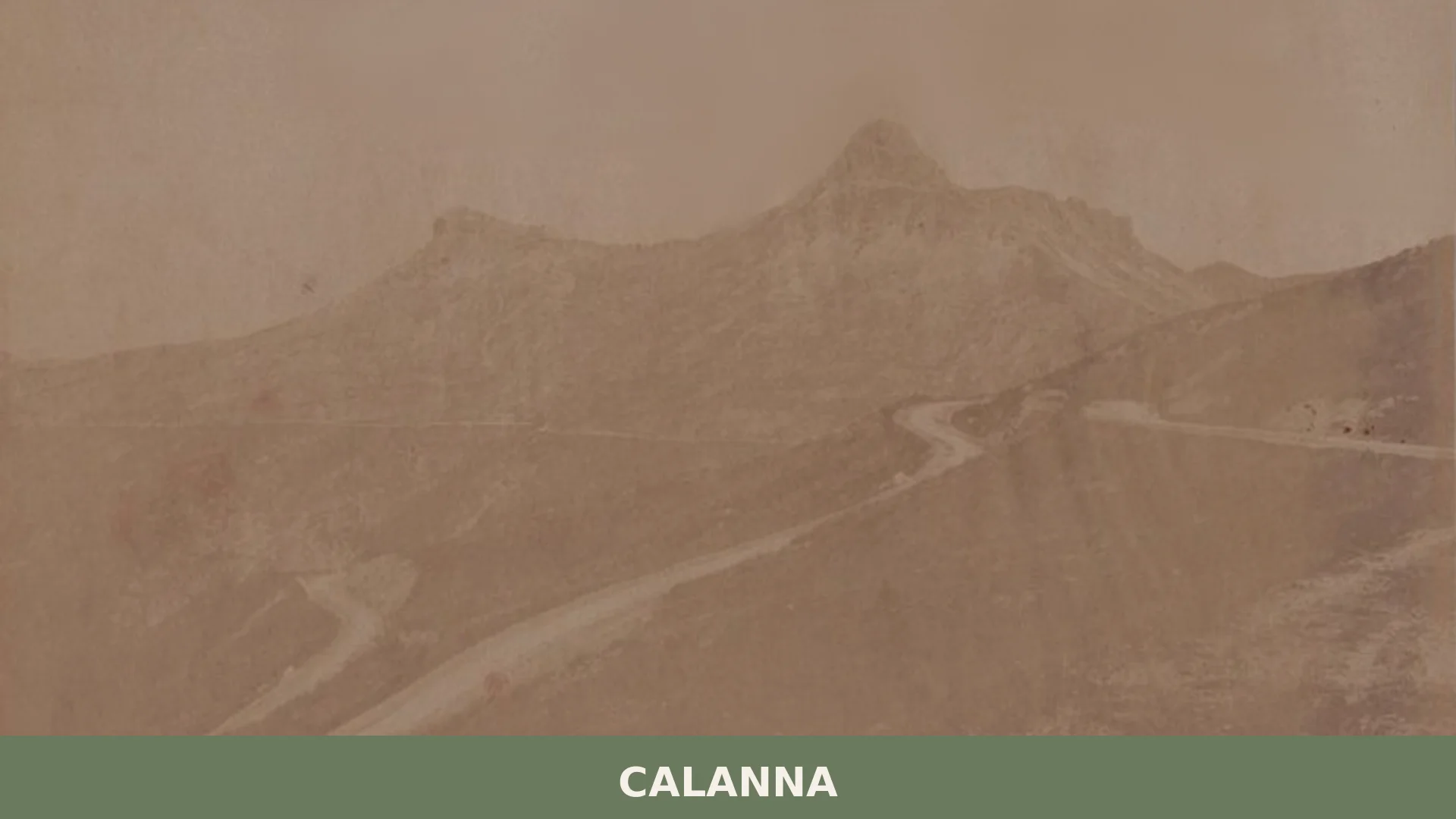

Calanna is a hill commune of around 740 inhabitants near Reggio Calabria, with a medieval castle, a pre-Hellenic necropolis and sweeping views over the Strait of Messina.
Discover Calanna
Calanna is a small hill commune of around 738 inhabitants in the Metropolitan City of Reggio Calabria, Calabria, sitting at roughly 511 metres above sea level and covering just over 10.49 square kilometres. It belongs to the Comunità Montana Versante dello Stretto, looks out over the Strait of Messina toward both the Calabrian and Sicilian coasts, and is reached by provincial road 7 from Reggio Calabria, approximately 15 kilometres away — a drive of around 25 to 30 minutes.
Calanna village in Calabria carries the traces of a long and layered past: a pre-Hellenic necropolis discovered by chance in the 1950s, a medieval castle on the hill’s flank, and sandstone rock formations the calannesi turned into shelters and refuges across successive centuries. The territory also falls within one of southern Calabria’s most distinctive agricultural and food zones, where bergamot, liquorice, clementines and local wines contribute to a broader regional identity worth exploring at a slow pace through the surrounding province.
Calanna village in Calabria: history and origins
Calanna began as one of the rural settlements, or casali, dependent on Reggio Calabria, and through the medieval period served as part of the city’s hillside defensive network — a role still legible today in the castle that stands on a flank of the hill above the village.
The territory preserves evidence of human presence stretching back around three thousand years. In 1953, road works in the locality known as Contrada Ronzo came to an unexpected halt when construction crews uncovered one of the oldest archaeological sites in the entire province of Reggio Calabria: a pre-Hellenic necropolis cut into an artificial channel in the conchiferous limestone. The Soprintendenza intervened promptly, and subsequent investigations dated the burial ground to roughly the thirteenth through seventh centuries BC. The tombs were found covered, for the most part, by squared stone slabs.
Castle, Rock and Archaeology: Calanna’s Main Sites
Calanna has two principal points of interest for visitors: a medieval castle on the hillside and an archaeological museum connected to a pre-Hellenic necropolis discovered in Contrada Ronzo.
Castello di Calanna
The castle stands on a flank of the hill above the village. The sources record it as medieval in date; no further detail about its construction, layout or current condition is available from verified records. The surrounding terrain — porous sandstone formations known locally as tafoni, corroded over centuries by wind and weather — provides the natural context in which the castle sits. The same rock faces contain openings that were used between the nineteenth and twentieth centuries as animal shelters and wartime refuges, some of them communicating with one another through the hillside.
Museo Archeologico, Contrada Ronzo
In 1953, road works linking Calanna to its cemetery, the old aqueduct and the hamlet of Villamesa were interrupted by the chance discovery of one of the oldest archaeological sites in the province of Reggio Calabria. Excavations led by the Soprintendenza uncovered a pre-Hellenic necropolis cut into an artificial channel in the local conchiferous limestone. The site is dated to between the thirteenth and seventh centuries BC — roughly three thousand years ago. Tomb chambers were covered in part by squared stone slabs approximately six centimetres high. The finds from the site are now held in the Museo Archeologico at Contrada Ronzo.
Flavours of Calanna and the Reggio Calabria Territory
Calanna sits within a province celebrated for some of Italy’s most distinctive certified products, above all the Bergamotto di Reggio Calabria DOP, the fragrant citrus whose essential oil is harvested almost exclusively along this coastal strip of Calabria. Alongside it, the territory produces Liquirizia di Calabria DOP and Clementine di Calabria IGP, while the broader regional tradition includes Capocollo di Calabria DOP, Pancetta di Calabria DOP, and Olio di Calabria IGP.
The local economy of Calanna itself rests on agriculture, with a noted production of fruit and wine. The wines of the wider area carry several recognised appellations, including the Bivongi DOC and Greco di Bianco DOC, as well as IGT designations such as Costa Viola, Locride, and Arghillà. Liqueurs made from bergamot, liquorice, and local citrus are also part of the regional flavour tradition, though these are products of the broader Calabrian craft rather than exclusive to Calanna itself.
Planning your visit and getting there
Calanna can be reached easily from the lower Val Pellice and the Turin area. The practical distances and journey times below are kept concise on purpose, so the access information stays clear and consistent.
| Departure | Distance | Time |
|---|---|---|
| Reggio Calabria (centro) | approx. 15 km | approx. 20 min |
| Aeroporto di Reggio Calabria | approx. 20 km | approx. 25 min |
| Pentedattilo | approx. 25 km | approx. 35 min |
These practical reference points are enough to plan the journey without overloading the text with unstable logistics. Once on site, the village is best understood slowly, on foot and in relation to the surrounding landscape.
Frequently asked questions about Calanna
How do I reach Calanna from Reggio Calabria?
Calanna is located approximately 15 kilometres from Reggio Calabria and is accessed via Provincial Road 7. The drive takes around 25 to 30 minutes by car. The village sits at roughly 500 metres above sea level in the Metropolitan City of Reggio Calabria. Public transport options are limited; a private vehicle is recommended for convenient access to this small hillside commune.
When is the best time to visit Calanna?
The patron saint feast of Madonna del Rosario is celebrated on the first Sunday of October, making this an excellent time to experience local traditions and festivities. This autumn period offers pleasant weather for exploring the village and surrounding Calabrian countryside. Spring and early autumn are also ideal for visiting, as they provide comfortable temperatures for walking and discovering the area's historical and agricultural sites.
What historical sites can I visit in Calanna?
Calanna offers several significant historical attractions: a pre-Hellenic necropolis discovered in the 1950s, a medieval castle positioned on the hill's flank, and distinctive sandstone rock formations that served as shelters and refuges over successive centuries. The village also retains traces of its role as a medieval defensive settlement within Reggio Calabria's historical network, making it valuable for understanding regional history and archaeology.
What local products and foods is Calanna known for?
Calanna falls within one of southern Calabria's most distinctive agricultural zones. The territory produces bergamot, liquorice, clementines, and local wines that contribute significantly to the region's culinary identity. These products reflect centuries of farming tradition and are integral to understanding Calabrian food culture. Visitors can explore these agricultural heritage sites and local food producers throughout the surrounding province.
📷 Photo Gallery — Calanna

In Calabria More villages to discover
Belmonte Calabro
 Sea
Sea
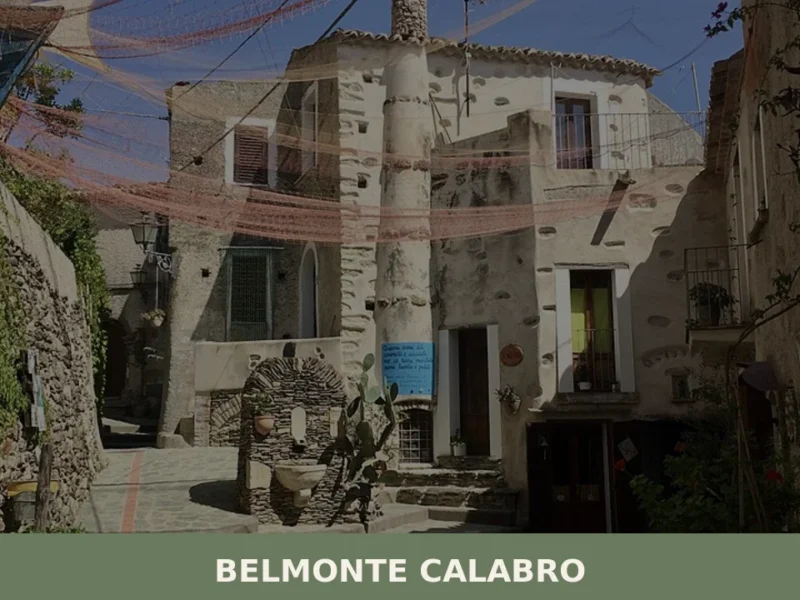
In 1270, Charles I of Anjou granted Drogone de Beaumont the fief that would give rise to the name Belmonte — from the French Beaumont, meaning beautiful mountain. Sitting at 262 metres above sea level on the Tyrrhenian side of the Cosenza province, the village today has 1,984 inhabitants and preserves a historic centre layered […]
Albi
 Mountain
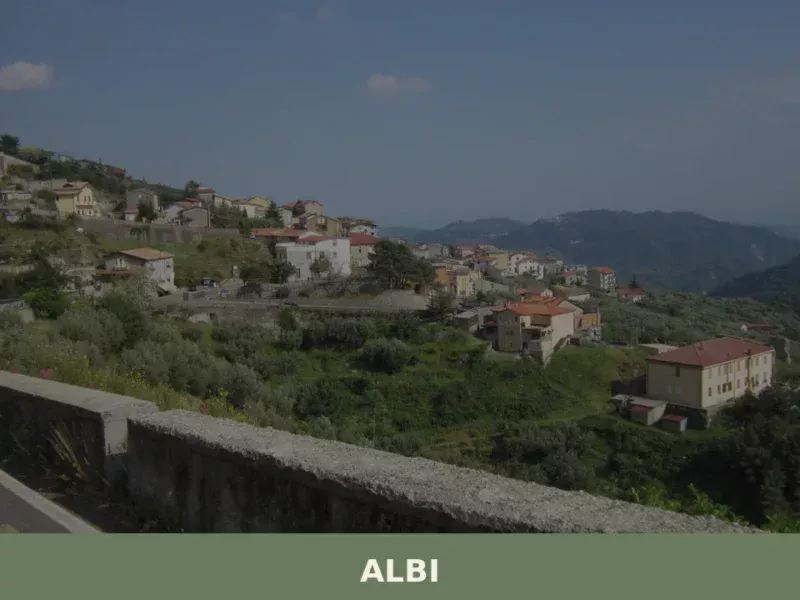
Discover what to see in Albi, a 735-person village at 710m in the Parco Nazionale della Sila, Catanzaro. History, food, access and where to stay.
Belcastro
 Hills
Hills
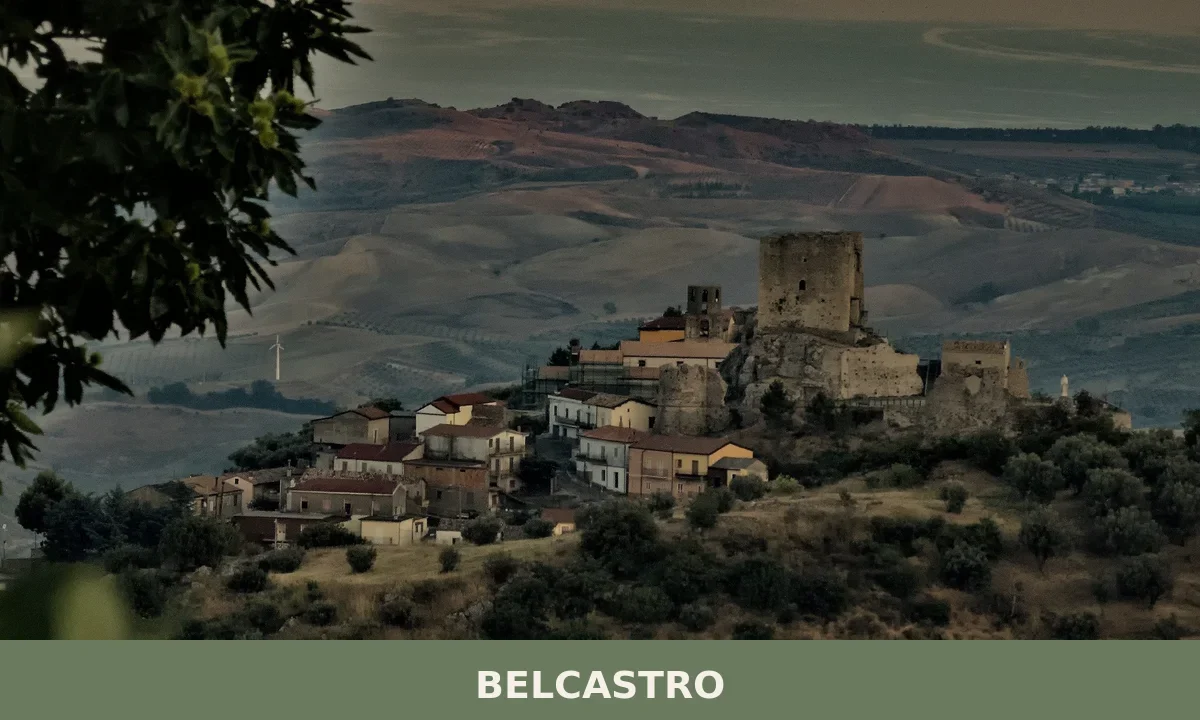
What to see in Belcastro, Calabria, Italy: Norman castle, Aquinas connection, population 1,400. Discover top attractions, local food and how to get there.
Belvedere Marittimo
Sea
Belvedere Marittimo, a village in the province of Cosenza, stands at 150 meters above sea level and has a population of 9,292 inhabitants. This Calabrian location, classified among the lowland villages, offers a view of the Cosenza Tyrrhenian coast, combining historical elements with its proximity to the coast. Its geographical position has shaped its identity […]
Africo
Sea
Discover what to see in Africo, Calabria: the abandoned mountain village, Ionian coast, Aspromonte landscapes, local food and practical travel tips.
Catanzaro
Sea
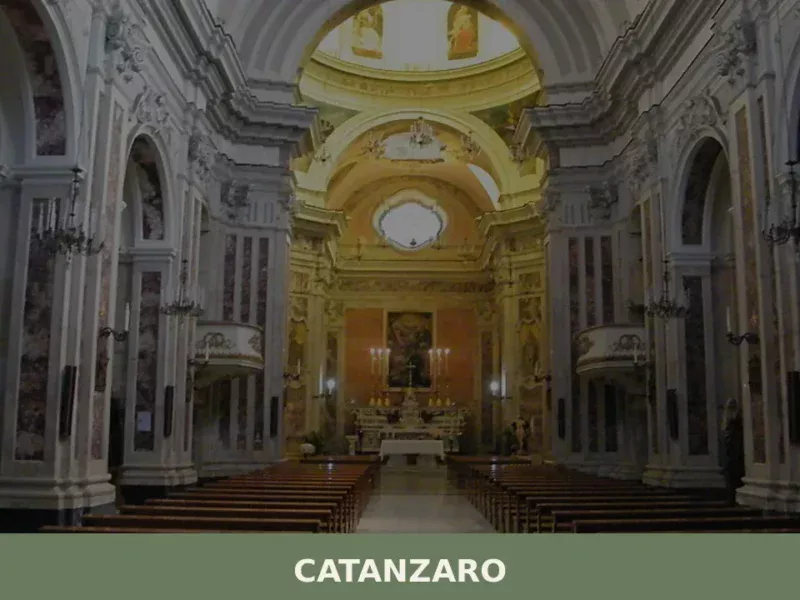
What to see in Catanzaro: from historic churches to the Morandi Bridge, discover the 5 top attractions. A complete guide to visiting the Calabrian capital.
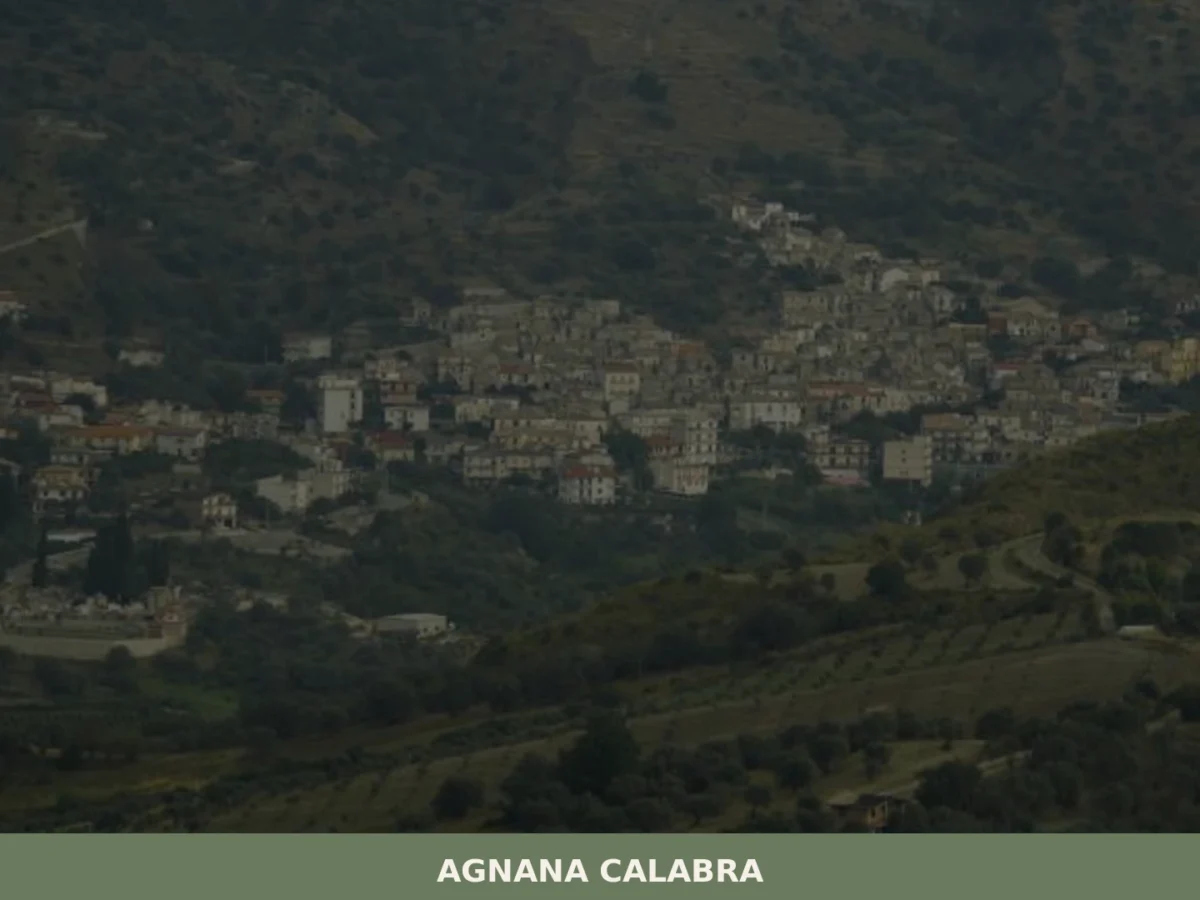
Agnana Calabra
Mountain
Planning a visit? Discover what to see in Agnana Calabra u2014 history, local food, best time to visit and how to reach this Reggio Calabria village.
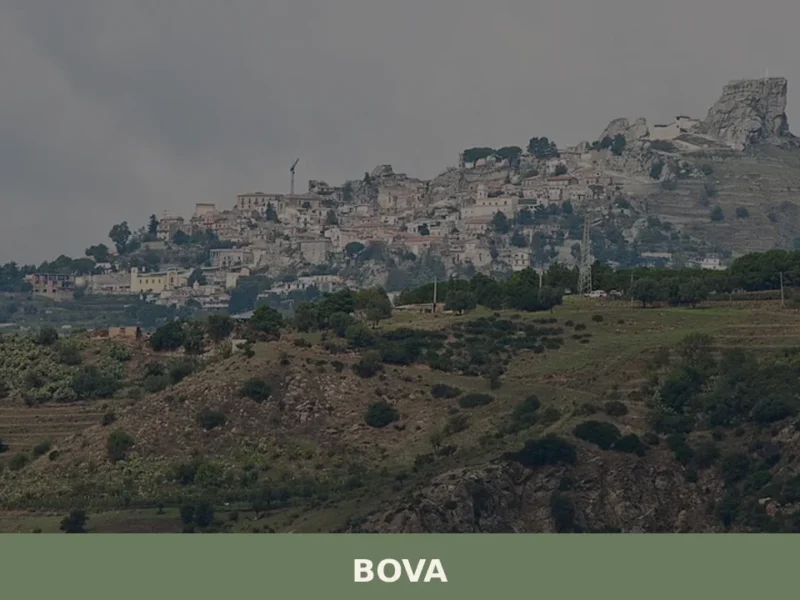
Bova
Mountain
Bova, a historic village in Calabria, sits at 817 meters, offering a glimpse into ancient origins and natural beauty.
Belsito
Mountain
At 660 meters above sea level, in the heart of the province of Cosenza, Belsito presents itself as a settlement that dominates a segment of the Calabrian landscape. Its houses are arranged on the slopes, an architecture that reflects the need to adapt to a territory ranging from 250 to 789 meters in altitude. In […]

Argusto
Hills
Discover Argusto, a quiet hilltop village of 400 in Calabria's interior. Explore its historic streets, local food, and authentic Catanzaro traditions.


🏡 Know Calanna better than we do?
If you’re a local or have been there, your knowledge matters: add what’s missing or fix a detail on this page.