


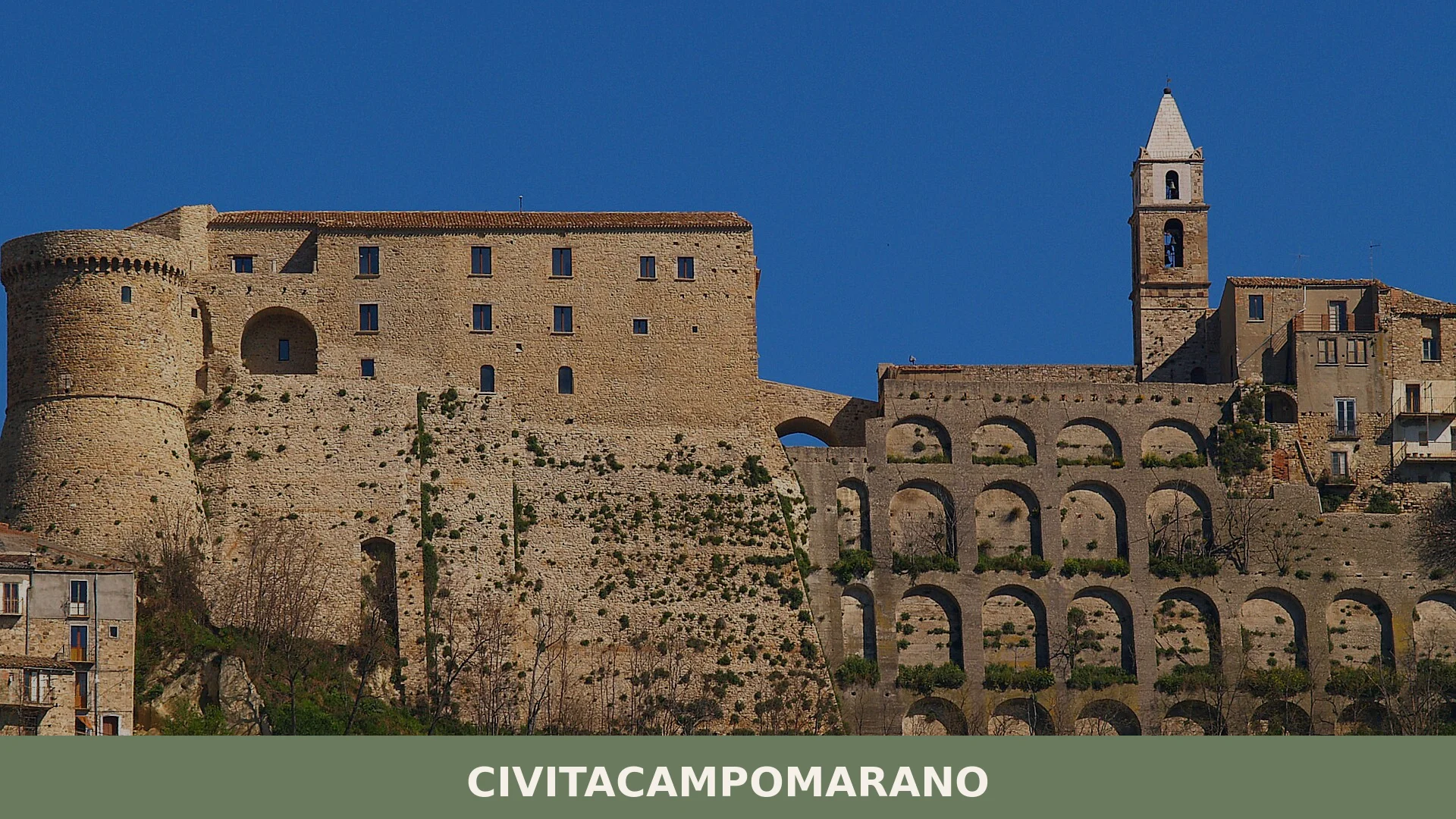

Civitacampomarano is a hilltop comune in the province of Campobasso, Molise, whose sandstone ridge, medieval castle and twelve centuries of recorded history make it one of the region’s most quietly co
Discover Civitacampomarano
Civitacampomarano is a hilltop comune of roughly 298 inhabitants in the province of Campobasso, Molise, sitting at about 520 metres above sea level across a surface of some 38.6 square kilometres. Its written record reaches back to 770, when the Lombard prince Arechi II donated the church of Sant’Angelo Altissimo to the Badia di Santa Sofia in Benevento; a diploma issued by Emperor Otto III of Saxony in 999 confirmed that grant and recorded the place under the name Campomarano. By 1309 the settlement had grown enough to be styled Civitas Campimaranii, appearing among the communities that paid tithes to the diocese of Guardialfiera.
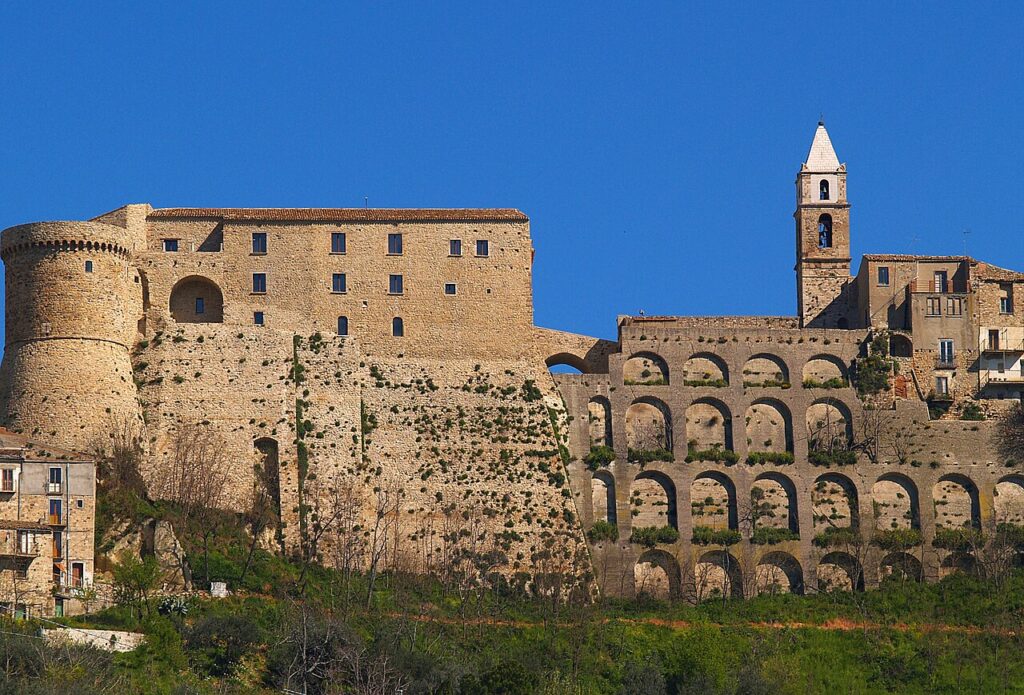
The castle that still defines the skyline of the Civitacampomarano village in Molise rises on a sandstone ridge between the Mordale torrent and the Vallone Grande, a tributary of the Biferno river. Declared a national monument in May 1979 and acquired by the Italian state in 1988, the fortress embodies centuries of feudal change — from Angevin lords and Aragonese grants to the long succession of noble families, including the di Sangro, Carafa, and d’Avalos — while the surrounding streets still bear traces of the intellectual life that flourished here in the late eighteenth century, when figures such as the writer and jurist Vincenzo Cuoco counted Civitacampomarano among their roots.
Civitacampomarano village in Molise: history and origins
Civitacampomarano is a medieval hill settlement in the province of Campobasso whose documented history stretches back to at least the year 770, when the Lombard prince Arechi II donated the church of Sant’Angelo Altissimo to the Badia di Santa Sofia in Benevento — a grant later confirmed in 999 by a diploma of Emperor Otto III of Saxony, in which the place appears under the name Campomarano. By 1309, the settlement had grown prosperous enough to adopt the prefix “Civitas,” and appears as Civitas Campimaranii among the communities that paid tithes to the diocese of Guardialfiera.
Under Angevin rule in the thirteenth century, the scattered population gathered on a hilltop where a castle was erected, replacing an earlier fortified structure that had stood there since around the mid-twelfth century. In the second half of the fourteenth century the borough passed through the hands of Queen Margherita, wife of Carlo III of Durazzo, who sold it to Iacopo di Marzano; it then moved to the Zurlo family. The arrival of Aragonese power brought a further turning point: in 1443, Alfonso V of Aragon granted Civitacampomarano in fief to Paolo di Sangro, one of the most prominent condottieri of the fifteenth century, as reward for his role at the battle of Sessano on 28 June 1442. The feud subsequently passed to the Carafa in the mid-sixteenth century, then to the Ferri, the d’Avalos, and finally to Pasquale Mirelli, who purchased it in January 1742; his son Carlo Maria Mirelli became the last duke of Civitacampomarano in 1777.
The eighteenth century brought intellectual ferment alongside feudal tension. Local families who had studied in Naples or Salerno returned carrying Enlightenment ideas, and Civitacampomarano became the birthplace of figures such as Vincenzo Cuoco, Gabriele Pepe, Raffaele Pepe, and Marcello Pepe — philosophers, politicians, and patriots who gathered at the palace of the baroness Olimpia Frangipane in nearby Castelbottaccio to debate feudal abuses and ideals of liberty. These same circles contributed to the Neapolitan Revolution of 1799. Popular discontent also took more concrete form: in 1795, residents dismantled the wall bordering the castle’s moat and filled the ditch itself to create a direct link between the upper and lower quarters of the town.
Castle, Church, and Stone: Civitacampomarano’s Built Heritage
Civitacampomarano’s main monuments are the medieval castle rising on a sandstone ridge at the centre of the village, the Church of Santa Maria Maggiore, and the remains of the Church of Sant’Angelo Altissimo on the nearby hillside.
Castello di Civitacampomarano
The castle stands on a sandstone crest between the Mordale stream and the Vallone Grande, a tributary of the Biferno river. It was declared a national monument on 2 May 1979 and acquired by the Italian state in March 1988, which took formal possession in 1996.
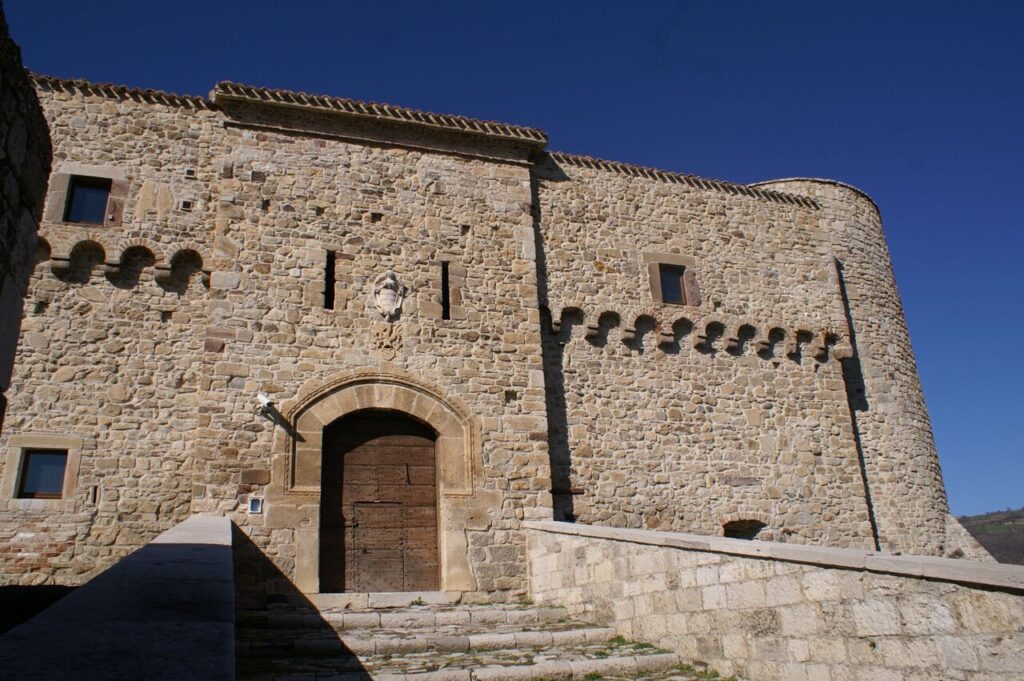
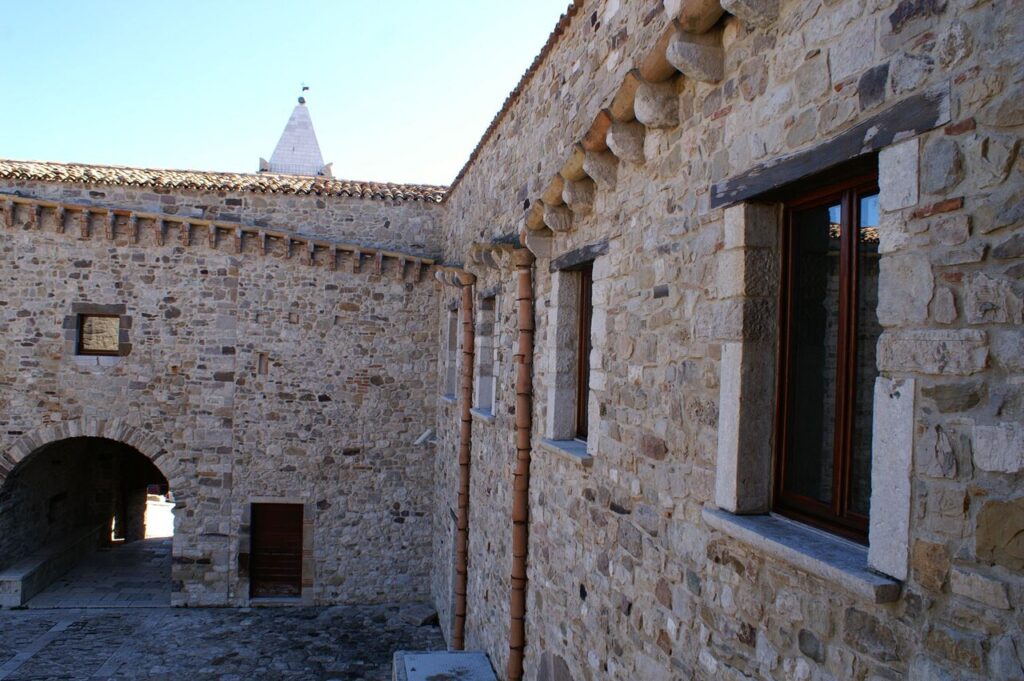
A first fortified structure on the site may date to the twelfth century; that early phase featured a tower and a trapezoidal circuit of walls. During the fifteenth century the complex was entirely rebuilt: the perimeter was enlarged and three circular, battlemented towers with splayed bases were added. Two of those towers survive, both distinguished by crenellations and by corbelled hanging arches resting on stone brackets — a decorative and defensive feature that continues along the connecting curtain wall. Each tower was equipped with arrow loops and linked to the wall-walk by internal chambers.
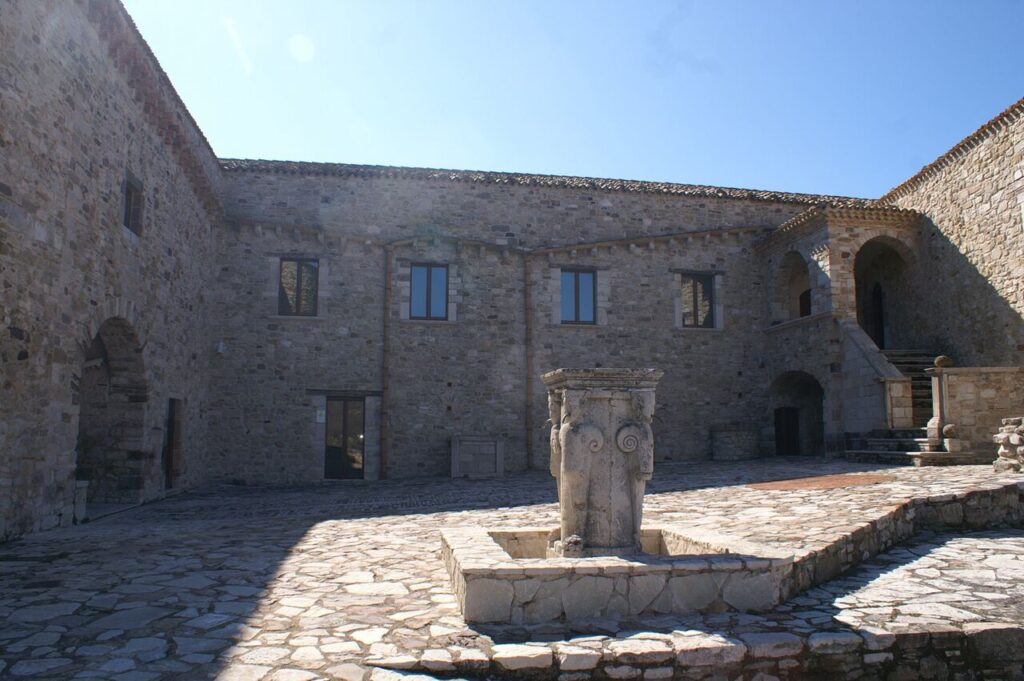
The courtyard floor preserves the outline of the earlier twelfth-century fortification. On the main façade a carved escutcheon depicts a griffin — the Aragonese dynastic symbol — holding a shield and gripping two inverted lilies, a reference to the French royal house of the Capetians. The emblem was placed there in connection with the feudal grant made to Paolo di Sangro following the battle of Sessano in 1442.
In 1795 the inhabitants demolished the castle moat wall and filled the ditch, physically joining the upper and lower quarters of the village. The 1805 earthquake brought down houses along the northern side of the castle; the subsequent rebuilding and street layout created what is today Via Guglielmo Marconi.
Church of Santa Maria Maggiore
Founded around the eleventh century, the church was rebuilt in Gothic style during the Angevin period and later remodelled in the Baroque era.
Church of Sant’Angelo Altissimo
Only ruins remain of this church, visible on Monte Sant’Angelo near the Celano–Foggia drove road. Its history is documented from 770, when the Lombard prince Arechi II donated it to the Abbey of Santa Sofia in Benevento — a grant confirmed by Holy Roman Emperor Otto III in a diploma of 999.
Flavours of Civitacampomarano and Its Molise Territory
The area around Civitacampomarano falls within a broader Molise food tradition anchored by several certified products, including the DOP-designated Caciocavallo Silano, Molise cheese, and Salamini italiani alla cacciatora, as well as Vitellone bianco dell’Appennino Centrale IGP beef. These are provincial and regional products rather than exclusives of this small comune, but they define the table of the surrounding territory.
Among the wines produced in this part of Molise, Biferno DOC and Tintilia del Molise DOC are the most notable appellations, with Osco / Terre degli Osci IGT also found in the area. Tintilia, made from an indigenous red grape variety long associated with the Molise hills, is perhaps the most distinctive regional wine to seek out in local restaurants and at nearby producers.
A number of traditional preparations recognised as PAT products at regional and territorial level can be encountered across Molise: these include Capocollo, Ciccioli, Coppa, and a range of liqueurs such as Amaro molisano, Nocino, and Poncio. Again, none of these should be presented as specialities unique to Civitacampomarano itself, but rather as part of a living craft food culture that visitors to this corner of the province can explore.
Getting to Civitacampomarano and Planning Your Stay
Civitacampomarano sits at around 520 metres above sea level in the internal hills of Molise’s Campobasso province, and is most practically reached by car, with Campobasso city — the provincial capital — lying roughly 50 kilometres to the north-east; the drive winds through the characteristic ridgeline landscapes of the Molise interior. Spring and early autumn tend to suit visits best, when the weather is mild and the countryside around this small comune of fewer than 298 inhabitants is at its most atmospheric.
The village makes a natural base for exploring a cluster of nearby medieval hill settlements. Casacalenda lies within easy driving distance to the east, while Trivento, another compact hilltop comune with its own historic centre, can be reached by heading south-east along the provincial roads. To the south, Acquaviva Collecroce — known for its surviving Slavic-origin dialect community — offers a further point of cultural interest on the same day circuit.
| Departure | Distance | Time |
|---|---|---|
| Campobasso | approx. 50 km | approx. 1 hour |
| Casacalenda | approx. 15 km | approx. 20 min |
| Trivento | approx. 25 km | approx. 30 min |
| Termoli | approx. 60 km | approx. 1 hour |
There is no railway station in the village itself; visitors arriving by public transport would need to reach Campobasso by rail and then continue by local bus or hired vehicle. Given the limited onward connections typical of this rural zone, a private car gives by far the greatest flexibility for exploring the castle, the surrounding countryside, and the neighbouring villages in a single trip.
Frequently asked questions about Civitacampomarano
When is the best time to visit Civitacampomarano?
May is ideal, coinciding with the Feast of San Liberatore on May 13th, when the village celebrates its patron saint with traditional festivities. Spring and early autumn offer pleasant mountain weather at 528 metres elevation, making walking and sightseeing comfortable. Summer can be warm, while winters are cooler. The patron saint celebration provides authentic cultural immersion into local traditions and religious heritage.
How do I reach Civitacampomarano by car?
Civitacampomarano is located in Campobasso province, Molise region. The village is accessible via regional roads from Campobasso (approximately 35 kilometres away). The nearest major motorway access is via the A14 or A1. From Campobasso city, follow provincial routes toward the hilltop settlement. Local signage and GPS navigation are recommended for precise directions through mountain terrain.
What is the historical significance of Civitacampomarano's castle?
The castle, declared a national monument in 1979 and acquired by the Italian state in 1988, dominates the village skyline atop a sandstone ridge. It reflects centuries of feudal rule under Angevin, Aragonese, and noble families including di Sangro, Carafa, and d'Avalos. The fortress represents the evolution of medieval territorial control in southern Italy and remains a key architectural landmark defining the commune's identity and heritage.
How long should I plan to spend visiting Civitacampomarano?
A half-day visit (2–3 hours) suffices for exploring the castle exterior, village streets, and patron church of San Liberatore. Those interested in deeper historical research or guided tours of the fortress may extend to a full day. The small population (approximately 300 inhabitants) means the comune is easily traversed on foot, ideal for leisurely walking and photography of medieval architecture.
Are there documented hiking trails near Civitacampomarano?
While specific CAI (Italian Alpine Club) routes through Civitacampomarano are not detailed in primary tourism sources, the Molise region offers mountain walking opportunities. The village sits at 528 metres elevation near the Biferno river watershed, with natural terrain suitable for exploration. Contact the Campobasso tourism office or local guides for documented trails and route recommendations in the surrounding Molise countryside.
📷 Photo Gallery — Civitacampomarano
In Molise More villages to discover
Bojano
 Mountain
Discover what to see in Bojano, Molise u2014 from Samnite ruins and Norman castle remains to the Biferno valley and Matese mountain park. History, food, and travel tips.
Colle d’Anchise
Mountain
Colle d'Anchise is a 709-inhabitant municipality in Campobasso province, Molise, with documented history from 1314, Longobard origins, and a layered architectural heritage spanning Samnite to baroque.
Santa Croce di Magliano
Mountain
Morning light falls across a row of stone facades on Corso Vittorio Emanuele, and an elderly man drags a wooden chair onto the pavement, positioning it with the precision of someone who has done this for sixty years. The air at 608 metres carries a dry, herbal sharpness — rosemary and broom from the surrounding […]
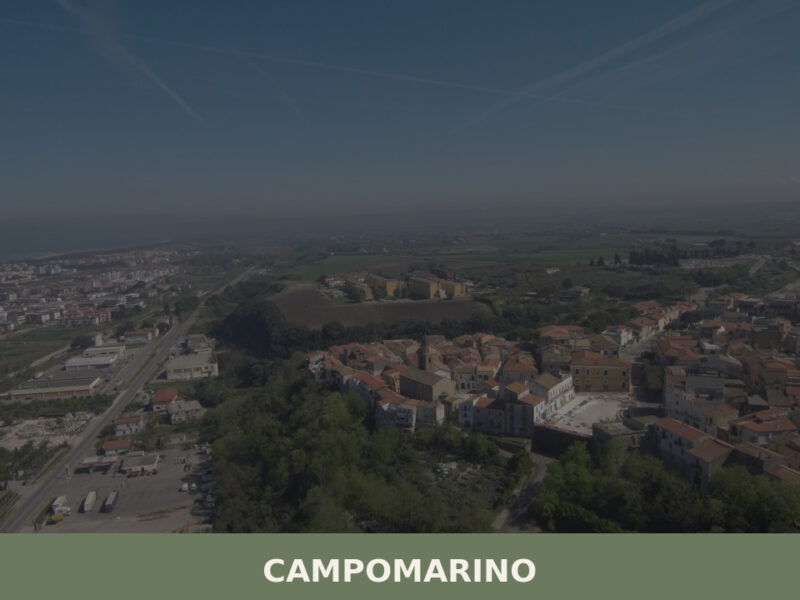
Campomarino
 Sea
Sea
Campomarino straddles a Molise hilltop and the Adriatic shore. Explore its Arbëreshë heritage, three historic churches, and the unspoiled coast of Campomarino Lido.
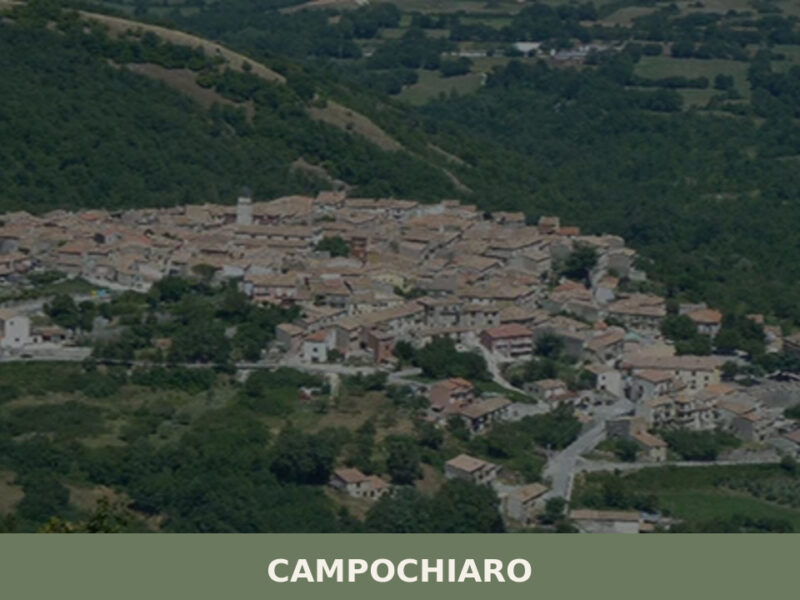
Campochiaro
Mountain
On the eastern slope of the Matese massif, where highland pastures descend toward the Biferno plain, Campochiaro greets visitors with its 594 inhabitants and a compact urban layout, arranged at 750 metres above sea level around the parish church dedicated to Saint Mark. Here, in 1980, archaeologists unearthed an Italic sanctuary from the Samnite period […]
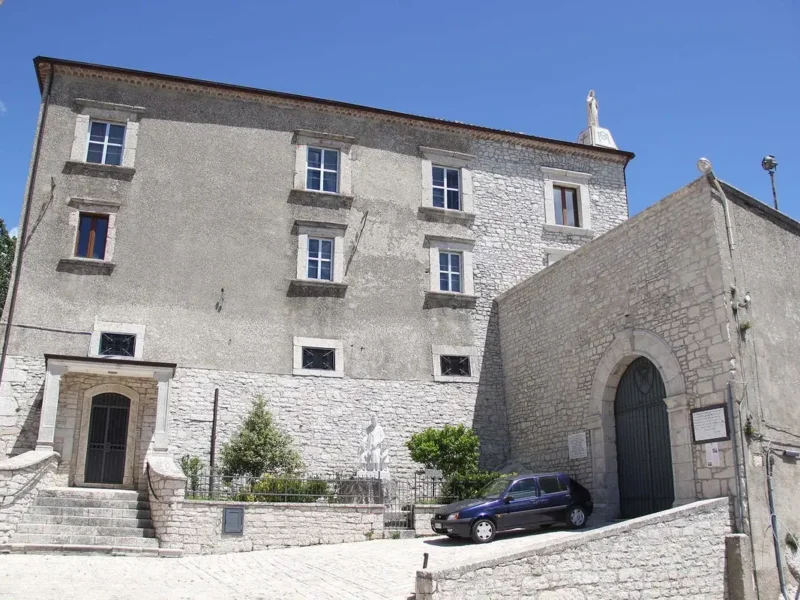
Cercemaggiore
Mountain
Cercemaggiore is a hilltop village in inland Molise, sitting at around 945 metres above sea level with a landscape of oak woodland, grazing land, and long Apennine ridgelines.
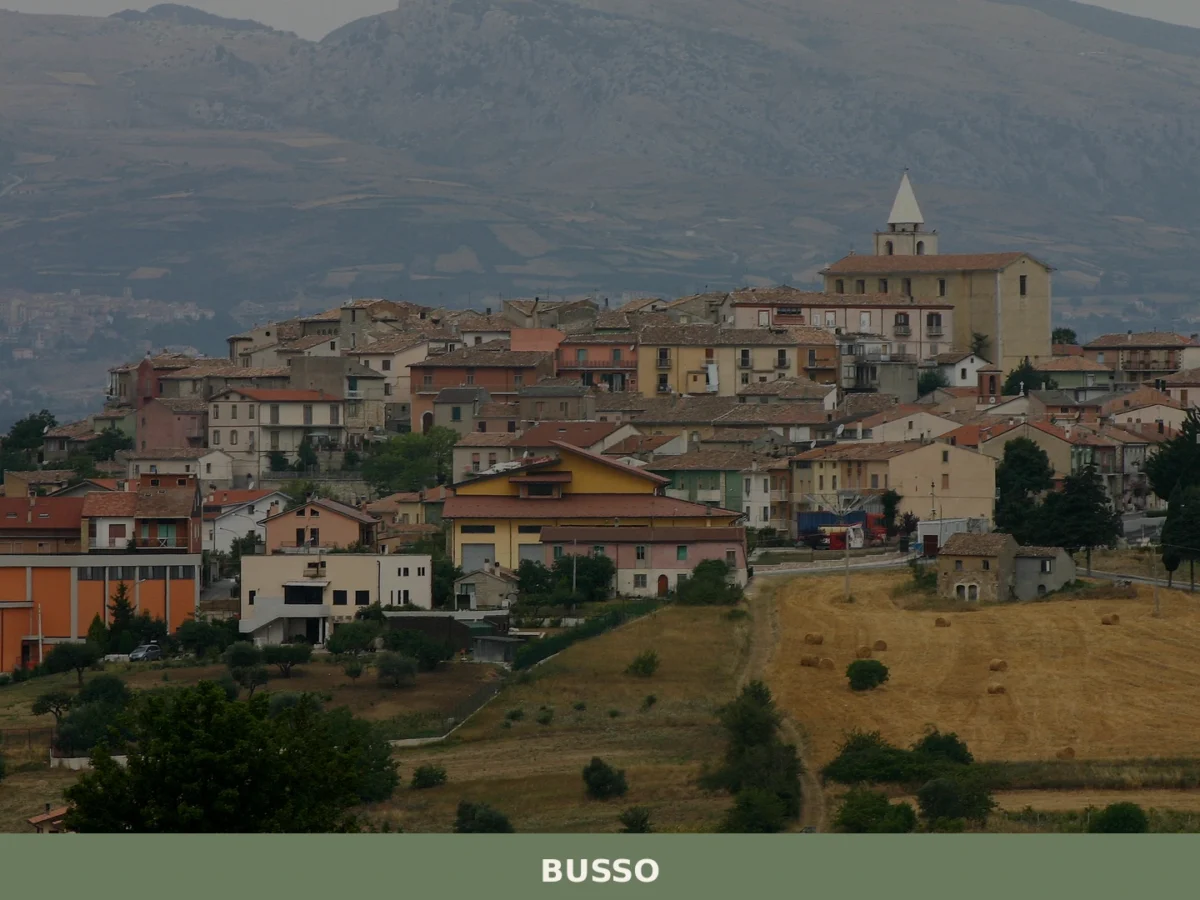
Busso
Mountain
What to see in Busso, Molise, Italy: explore 5 top attractions 10 km from Campobasso. Discover local food, festivals and how to get there. Complete travel guide.
Montenero di Bisaccia
Sea
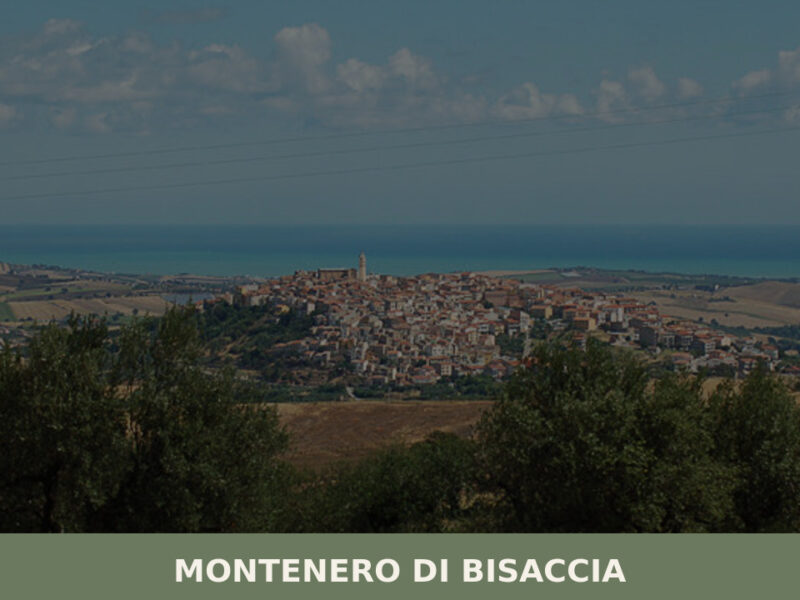
Morning light moves across the rooftops in a slow wave, catching the sandstone walls of old houses before spilling into the main piazza. At 273 metres above sea level, Montenero di Bisaccia sits on a hill that commands views stretching from the Apennine ridgeline to the Adriatic coast — a rare double horizon. With just […]
Isernia
 Hills
Hills
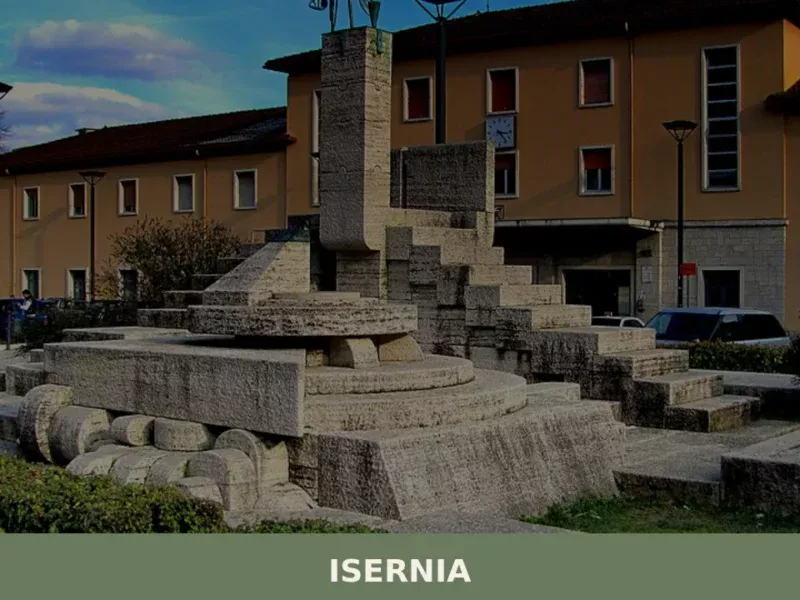
what to see in isernia, Italy, and discover 5 top attractions. Explore its Roman heritage, including the Fraterna Fountain, and find travel tips for this Molise capital.
Riccia
Mountain
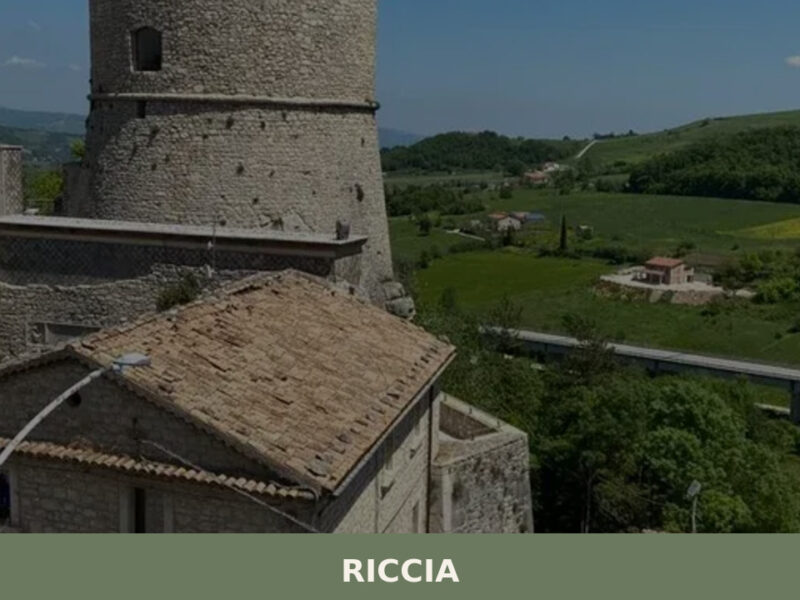
A hilltop village of 4,814 inhabitants in the province of Campobasso, Riccia reveals medieval streets, a Norman castle, and one of Molise's most celebrated food festivals.





🏡 Know Civitacampomarano better than we do?
If you’re a local or have been there, your knowledge matters: add what’s missing or fix a detail on this page.