


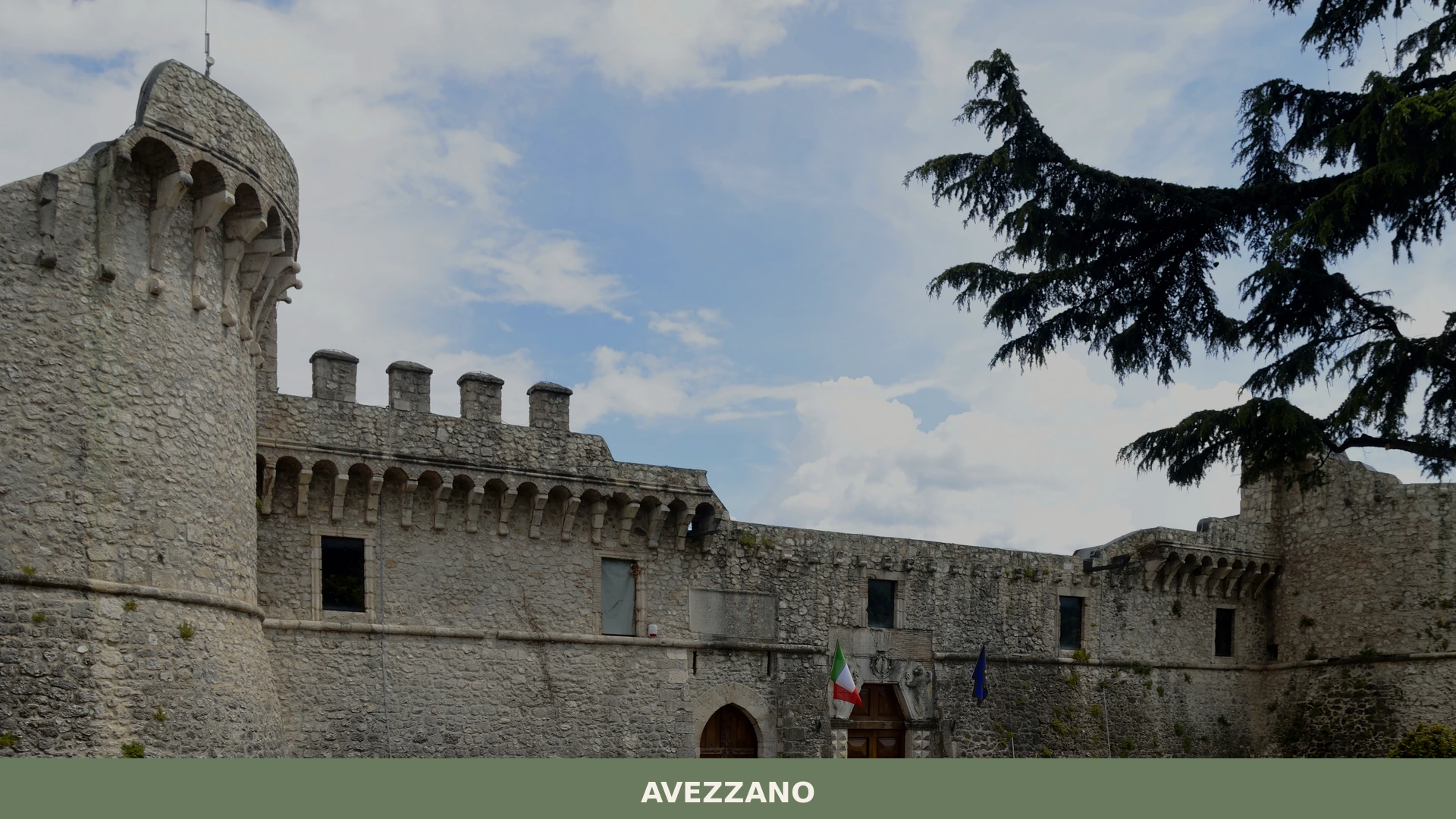

What to see in Avezzano, Italy: explore the Orsini-Colonna Castle, Roman villa, and Fucino PGI potato. 100 km from Rome. Discover Abruzzo’s Marsica hub.
Discover Avezzano
On the morning of January 13, 1915, an earthquake reduced Avezzano to rubble in under thirty seconds. More than 30,000 people died. Only one private house and a wing of the Orsini-Colonna castle remained standing.
What followed was a complete reconstruction: streets laid out in straight parallel lines, wide green corridors between blocks, and a series of Liberty-style villas that still define the look of the rebuilt centre today.
Knowing what to see in Avezzano starts with understanding that this is a city rebuilt from almost nothing, set at 695 m (2,280 ft) above sea level in the Marsica area of Abruzzo, province of L’Aquila, roughly 100 km (62 mi) east of Rome.
Visitors to Avezzano find a Roman archaeological villa opened to the public in 2008, the restored Orsini-Colonna Castle dating from 1490, tunnels cut by 25,000 slaves under the emperor Claudius, and the remains of the Latin colony of Alba Fucens just 7 km (4.3 mi) north of the city. The Fucino plain surrounding the city produces certified Protected Geographical Indication vegetables and supplies 25 percent of Abruzzo’s entire agricultural output.
History of Avezzano
The name of the city carries at least three competing Latin origins.
The most widely cited derives from fundus Avidianus, an estate belonging to the Avidii family, documented by local inscriptions from the 2nd and 1st centuries BC, connected to the nearby Roman colony of Alba Fucens. A second etymology traces the name to Ad Vettianum, meaning a property belonging to the Vettia family. A third, less accepted reading interprets it as Ave Iane, an invocation to the Roman god Janus.
Human presence in the territory long predates any Latin settlement: hunters occupied the area approximately 18,000 to 14,000 years ago, and the Cave of Ciccio Felice, just south of Avezzano, preserves traces of their activity. Necropoleis dating to the 8th through 5th centuries BC have been identified at Colle Sabulo, Cretaro-Brecciara, and Valle Solegara, along the boundary between the Aequi and Marsi peoples.
Rome established the colony of Alba Fucens between 304 and 303 BC, bringing the surrounding ager publicus — state land — under organised cultivation.
The drainage of Lake Fucino, once the largest lake in peninsular Italy, began under Emperor Claudius between 41 and 52 AD, using 25,000 slaves to dig 32 wells and six tunnels. The lake largely drained but returned to its previous levels after the fall of the Roman Empire.
Centuries later, Alessandro Torlonia completed the drainage project in the late 19th century, transforming the former lakebed into farmland and triggering rapid urban growth in Avezzano. In 591 the area came under the control of Ariulf and the Duchy of Spoleto; Charlemagne subsequently donated the Gastald of the Marsi and surrounding lands to the papal states, giving rise to the County of the Marsi.
Medieval and early modern history brought periods of destruction and consolidation.
The victory of Charles I of Anjou after the Battle of Tagliacozzo in 1268 led to the destruction of Albe and Pietraquaria, whose populations had sided with Conradin, Duke of Swabia. By the 14th century, the various villages that form the urban centre of Avezzano had merged into a single entity. In 1490 Gentile Virginio Orsini built the castle around a pre-existing 12th-century medieval tower; the Colonna family later expanded it in 1565 under Marcantonio Colonna, converting it into a fortified palace.
Their lordship over the territory lasted approximately three centuries. The earthquake of January 13, 1915 — one of the most destructive ever recorded in Italy — erased the city. It was subsequently rebuilt on a rational grid plan and, during World War II, was liberated by elements of the 2nd New Zealand Division on June 10, 1944. The Italian Republic later decorated the city with the silver medal for civil merit.
What to see in Avezzano, Abruzzo: top attractions
Orsini-Colonna Castle
The castle’s square plan with round towers at each corner still reads clearly from the surrounding streets, even though the 1915 earthquake left it severely damaged.
Construction began in 1490 under Gentile Virginio Orsini, who built around a pre-existing medieval tower from the 12th century; the project is attributed to the engineer Francesco di Giorgio Martini. In 1565 Marcantonio Colonna ordered an expansion that transformed the defensive structure into an elegant residence. Partial restoration work carried out after 1990 has stabilised the remaining fabric. The castle forms the physical centre around which the old urban layout revolves, and visiting it gives a clear sense of how the pre-earthquake city was organised.
Roman Villa of Avezzano (Macerine)
The villa rustica at Macerine covers approximately 3,000 m² (32,290 sq ft) and was built in the 2nd century BC on land belonging to the ager publicus of Alba Fucens.
It opened to the public in 2008. The entrance leads into an atrium flanked by rooms for the owner and servants; the service wing held cisterns and basins for pressing grapes and olives and collecting oil and wine.
A polychrome mosaic floor was added between the 2nd and 3rd centuries AD, with a central panel depicting a winged victory on a chariot pulled by two running horses. A head of Apollo, stylistically linked to the Apollo Belvedere type in the Vatican, dates from the period following the Social War of 91 to 87 BC. The villa was inhabited until the early 6th century AD.
Tunnels of Claudius
South of the city, two long tunnels cut through the hillside mark the first large-scale attempt to drain Lake Fucino, ordered by Emperor Claudius between 41 and 52 AD. The engineering scale is concrete: 25,000 slaves dug 32 access wells and six separate tunnels to create the main gallery. The lake drained largely but refilled after the Roman Empire collapsed, and the tunnels fell into disuse. Alessandro Torlonia eventually completed the drainage in the 19th century, building on the same hydraulic logic.
In 1977 the tunnels were opened as an archaeological park, allowing visitors to walk directly into the rock-cut galleries and read the construction sequence in the tool marks on the walls.
Alba Fucens
Seven kilometres (4.3 mi) north of Avezzano, the Roman colony of Alba Fucens occupies a hill just north of the ancient via Tiburtina Valeria, the road connecting Rome to the Adriatic coast.
The colony was founded by Rome as a Latin outpost between 304 and 303 BC in the territory of the Aequi, positioned to control the frontier with the Marsi. Systematic excavations began in 1949, led by professor Fernand De Visscher of the University of Leuven in Belgium. The site preserves visible sections of the original street grid, forum structures, and substantial wall circuits.
For those curious about the wider region, the nearby village of Ortona dei Marsi, which sits within the same Marsica territory, offers additional medieval layers that complement the Roman narrative at Alba Fucens.
Riserva Naturale di Monte Salviano
Monte Salviano rises to the west of the city, and the nature reserve established on its slopes in 1999 covers 722 hectares (1,784 acres). The reserve holds a documented variety of plant species alongside resident fauna, and a network of trails crosses it in different directions — most of them frequented by walkers rather than technical climbers.
At the geographical centre of the reserve stands the Sanctuary of the Madonna di Pietraquaria, a church whose original structure was destroyed by Charles I of Anjou following the Battle of Tagliacozzo in 1268 and rebuilt in subsequent centuries. In 1915, unlike the rest of the city, the sanctuary suffered no serious damage and sheltered many earthquake survivors. It is worth climbing to the sanctuary in the morning, when the light from the Fucino plain below is clearest.
Local food and typical products of Avezzano
The Fucino plain, reclaimed from the former lakebed in the 19th century, sits at the agricultural centre of what to see in Avezzano and its surrounding territory.
The former lake floor left behind some of the most fertile soil in central Italy, and farming here developed around intensive vegetable cultivation rather than pastoral or cereal traditions more common elsewhere in Abruzzo. The altitude of the plain — roughly 650 to 700 m (2,133 to 2,297 ft) — produces conditions that distinguish Fucino vegetables from lowland equivalents: cooler nights slow growth and concentrate flavour and starch content in tubers and roots.
The most important single product from the plain is the Fucino potato, a starchy, yellow-fleshed tuber grown in the reclaimed lakebed soils that has earned Protected Geographical Indication status from the European Union.
The PGI designation covers specific cultivation practices tied to the Fucino plain and distinguishes the product from generic potato varieties.
Alongside the potato, the plain produces a recognised highland Fucino carrot, also holding PGI certification, along with radishes, salads, and a wide range of other horticultural crops. Together, Fucino plain agriculture accounts for 25 percent of Abruzzo’s total agricultural gross domestic product — a figure that underlines how much the regional food economy depends on this single reclaimed basin.
Traditional cooking in the Marsica area uses these local vegetables directly. Potato-based dishes appear in home cooking in several forms: slow-cooked with local lamb and rosemary, incorporated into thick soups with legumes and dried pasta, or simply baked with olive oil and local herbs.
Lentils from the broader Abruzzo upland tradition combine with pork products cured in the mountain villages nearby.
The arrosticini — small skewers of sheep meat grilled over charcoal, a preparation strongly associated with Abruzzo as a whole — appear regularly in local sagre, traditional food festivals held in the municipalities of the Marsica area through the summer and early autumn months.
For those travelling between Avezzano and the broader province, the medieval village of Scanno in the upper Sagittario valley is known for its own distinct culinary traditions, including a local pasta format and preserved meat products that differ noticeably from those of the Fucino plain — a useful comparison for visitors interested in how altitude and isolation shaped different food cultures within the same region.
Festivals, events and traditions of Avezzano
The patron saints of Avezzano are the Virgin Mary and Saint Bartholomew, both depicted in mosaic on the three portals of the rebuilt Cathedral of San Bartolomeo in the central square. The feast of Saint Bartholomew, whose cathedral was first documented in the 13th century and rebuilt after 1940 following its destruction in the 1915 earthquake, marks the principal religious event in the city’s annual calendar.
The cathedral’s interior holds three large naves and an organ installed in 1955, and the church serves as the focal point for religious observance during the feast period.
The Marsica area hosts a series of summer sagre — local food festivals tied to specific harvests or patron saint days — in the municipalities surrounding Avezzano, particularly from July through September when the Fucino vegetable harvest is at its peak.
These events typically involve outdoor cooking, the sale of local produce directly from producers, and communal meals in the village squares. The potato harvest and the carrot season both coincide with this window, making late summer the period when Fucino agricultural products are most visible and accessible to visitors passing through the plain.
When to visit Avezzano, Italy and how to get there
Avezzano sits at 695 m (2,280 ft) in a former lakebed surrounded by hills, which creates a Mediterranean mountain climate: cold winters with January averages around 2 °C (36 °F) and warm summers peaking at roughly 20.5 °C (69 °F) in August, occasionally exceeding 30 °C (86 °F). For visitors asking about the best time to visit Abruzzo more broadly, late spring — particularly May and June — offers mild temperatures, open archaeological sites, and the start of the agricultural season on the Fucino plain without the heat of midsummer.
September and early October are equally useful: harvest-season activity on the plain, cooler walking conditions on Monte Salviano, and significantly fewer visitors than in August.
Getting to Avezzano is straightforward for those arriving from Rome. The city lies approximately 100 km (62 mi) east of the capital, making it a realistic day trip from Rome by both car and train.
By car, the A24 motorway (Roma-L’Aquila-Teramo) connects to Avezzano via the Magliano dei Marsi exit, with the final stretch covered on the SS5 Via Tiburtina Valeria. By train, Trenitalia operates direct services on the Rome–Avezzano line from Roma Tiburtina station; journey times are typically between 1 hour 20 minutes and 1 hour 45 minutes depending on the service.
The nearest commercial airport is Rome Ciampino (CIA) at approximately 110 km (68 mi), and Rome Fiumicino (FCO) at around 130 km (81 mi). International visitors should note that English is not widely spoken in smaller shops and markets in the Marsica area, and carrying cash in euros is practical for purchasing produce at local markets and roadside farm stalls. Avezzano is also positioned 110 km (68 mi) west of Pescara and 55 km (34 mi) south of L’Aquila, making it a logical base for exploring the province.
Visitors extending their stay in the province will find the village of Vittorito in the Peligna valley worth the short drive east along the SS5, sitting within an hour of Avezzano and connected by the same Roman road axis. Those drawn to the dramatic gorge landscape of the southern province can reach Taranta Peligna, a small village above the Aventino river valley, as part of a wider Abruzzo itinerary that uses Avezzano as a western base.
Frequently asked questions about Avezzano
What is the best time to visit Avezzano?
Late spring and early autumn offer the most comfortable conditions for visiting Avezzano, with mild temperatures at 695 m above sea level and clear views over the Fucino plain. April is particularly rewarding: the city celebrates its patron saint Bartholomew the Apostle on 27 April, with local festivities in the historic centre. Summer is ideal for hiking in the Monte Salviano Nature Reserve. Winter brings snow to the surrounding Marsica hills, appealing to those combining a city visit with nearby mountain excursions.
What are the historical origins of Avezzano?
The name Avezzano likely derives from fundus Avidianus, a Roman estate documented in inscriptions from the 2nd–1st centuries BC near the colony of Alba Fucens. Human presence in the territory dates to 18,000–14,000 years ago. Rome founded the nearby colony of Alba Fucens in 304–303 BC. Emperor Claudius drained Lake Fucino between 41 and 52 AD using 25,000 slaves. The devastating earthquake of 13 January 1915 destroyed the medieval city entirely; it was rebuilt on a rational grid plan and liberated by New Zealand forces on 10 June 1944.
What to see in Avezzano? Main monuments and landmarks
The main sites include: the Orsini-Colonna Castle (built 1490, expanded 1565, partially restored after 1990), the Roman Villa at Macerine (2nd century BC, open to the public since 2008, featuring a polychrome mosaic floor), the Claudius Tunnels archaeological park (open since 1977, with walkable Roman-era galleries), and the Roman colony of Alba Fucens 7 km north, excavated since 1949. The Monte Salviano Nature Reserve and its Sanctuary of the Madonna di Pietraquaria round out the main visits. Check local municipality listings for current opening hours.
What are the main natural or scenic attractions of Avezzano?
The Riserva Naturale di Monte Salviano, established in 1999 on 722 hectares west of the city, offers a network of walking trails suitable for most fitness levels. The Fucino plain — one of the largest reclaimed lakebeds in Italy — provides wide, open agricultural landscape with panoramic views framed by the Apennine ranges. The Sanctuary of the Madonna di Pietraquaria sits at the geographical centre of the reserve and is best reached in the morning, when light from the plain below is clearest.
Where to take the best photos in Avezzano?
The Sanctuary of the Madonna di Pietraquaria on Monte Salviano offers the most expansive viewpoint, looking down over the entire Fucino plain in morning light. The exterior of the Orsini-Colonna Castle, with its square plan and round corner towers, photographs well from the surrounding streets. The polychrome mosaic floor at the Roman Villa of Macerine — particularly the central panel depicting a winged victory — is a strong interior subject. The Liberty-style villas scattered through the rebuilt centre provide architectural detail characteristic of post-1915 Avezzano.
Are there museums, churches or historic buildings to visit in Avezzano?
The Roman Villa at Macerine (open since 2008) functions as an on-site archaeological museum, with a preserved mosaic floor, a head of Apollo linked to the Apollo Belvedere type, and visible service infrastructure including wine and oil presses. The Orsini-Colonna Castle, partially restored after 1990, remains the dominant historic structure in the urban centre. The Sanctuary of the Madonna di Pietraquaria on Monte Salviano, rebuilt after its medieval destruction in 1268, survived the 1915 earthquake intact and served as a shelter for survivors. Verify current access with the local municipality.
What can you do in Avezzano? Activities and experiences
Visitors can walk the trail network through the Monte Salviano Nature Reserve, visit the Claudius Tunnels archaeological park to explore Roman-era rock-cut galleries, and tour the excavations at Alba Fucens 7 km north. The Fucino plain offers agricultural tourism linked to PGI potato and carrot production. The 27 April feast of patron saint Bartholomew the Apostle provides a local cultural event. Avezzano also serves as a practical base for excursions into the wider Marsica territory and the mountains of the province of L'Aquila.
Who is Avezzano suitable for? Families, couples, hikers, solo travelers?
Avezzano suits a broad range of visitors. History enthusiasts will find layers spanning Roman colonisation, imperial hydraulic engineering, medieval lordships, and 20th-century urban reconstruction. Families can combine the accessible walkable tunnels and archaeological park with the Monte Salviano nature trails. Hikers use the city as a gateway to the Marsica mountains and the nature reserve. Food-focused travellers benefit from proximity to the Fucino plain's PGI vegetable production. Couples and solo travellers appreciate the compact, walkable rebuilt centre with its Liberty-style architecture and clear organisation.
What to eat in Avezzano? Local products and specialties
The Fucino plain surrounding Avezzano produces two European Union Protected Geographical Indication products: the Patata del Fucino (a starchy, yellow-fleshed potato grown in the reclaimed lakebed soils) and the Carota dell'Altopiano del Fucino (a highland carrot with PGI certification). Together with radishes, salads, and other horticultural crops, Fucino agriculture represents 25 percent of Abruzzo's total agricultural output. Traditional Marsica cooking uses these vegetables directly in local preparations. Look for the PGI designation when purchasing at markets or farm shops in and around the city.
📷 Photo Gallery — Avezzano
Getting there
Piazza della Repubblica, 67051 Avezzano (AQ)
Nearby Villages near Avezzano
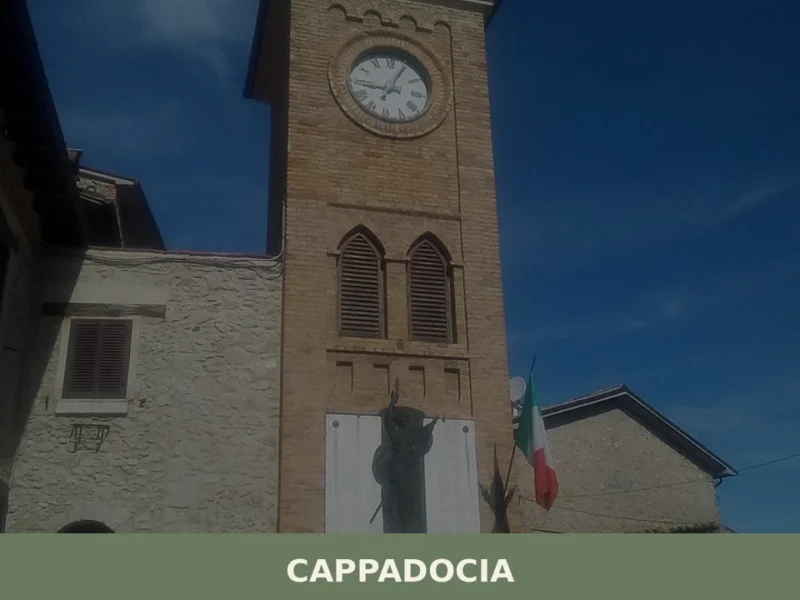
In Abruzzo More villages to discover
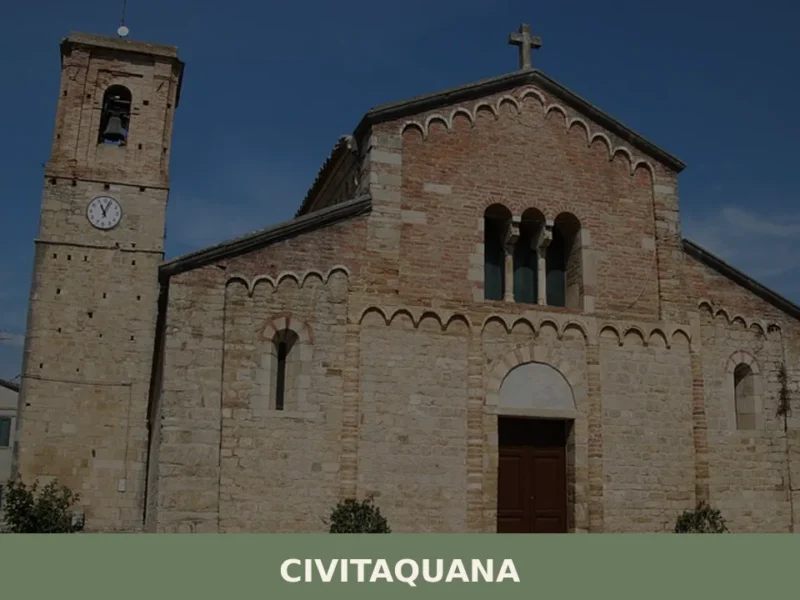
Civitaquana
 Hills
Hills
At 550 metres above sea level, on the eastern slope of the Gran Sasso descending towards the Pescara hills, Civitaquana is home to 1,146 inhabitants spread between the historic centre and the surrounding hamlets. The village’s very name — documented in medieval sources as Civitas Aquanae — reveals an origin linked to the presence of […]
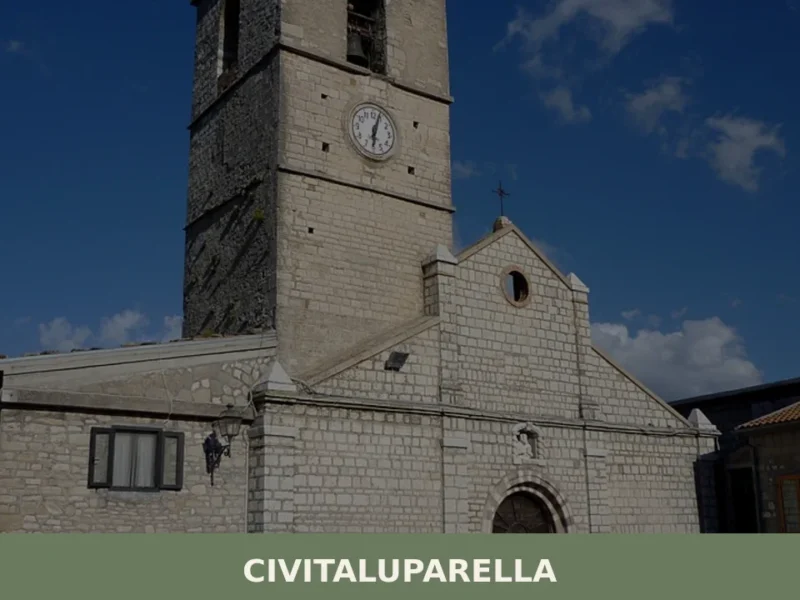
Civitaluparella
 Mountain
At 903 metres above sea level, on the eastern slope of the Majella descending towards the Aventino river, Civitaluparella has 281 inhabitants spread across a compact urban core of medieval origin. The place name most likely derives from “Civitas Luparella”, a direct reference to the historical presence of wolves in the dense surrounding woodlands. Anyone […]
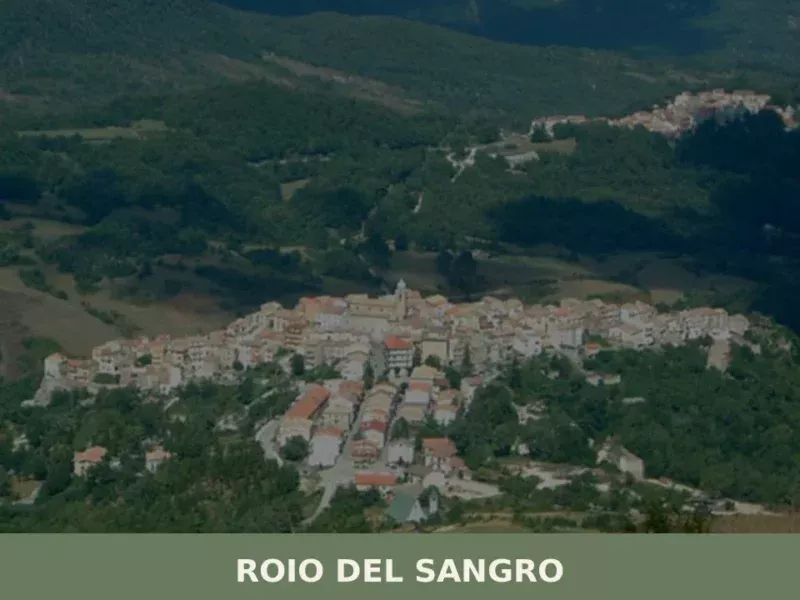
Roio del Sangro
Mountain
Roio del Sangro is a high-altitude village on a rock spur above the Sangro river in Abruzzo, with roots documented since 1309 and a landscape that defines its identity.
Collelongo
Mountain
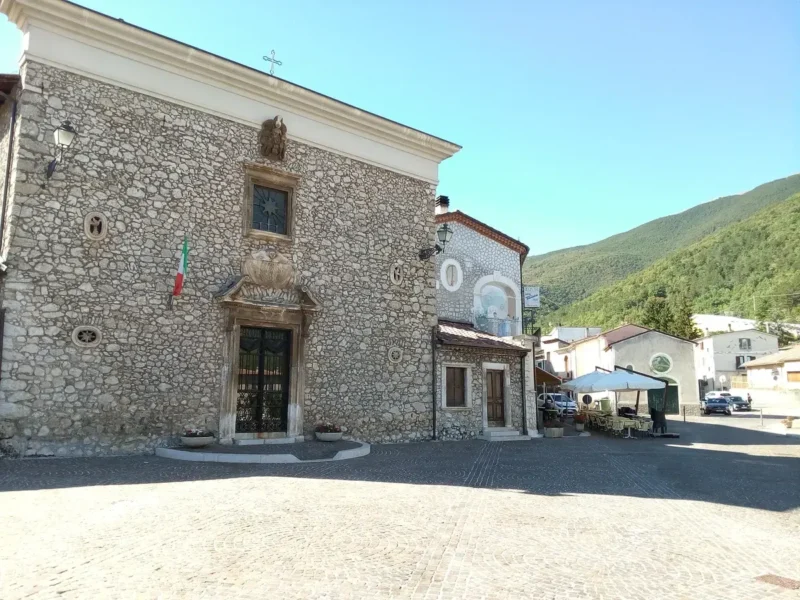
At 915 metres above sea level, in the innermost stretch of the Valle Roveto, Collelongo has 1,108 inhabitants and a position that keeps it close to the Apennine ridges of the province of L’Aquila. In this article History and origins of Collelongo What to See in Collelongo: Main Attractions Traditional cuisine and products of Collelongo […]
Fraine
Mountain
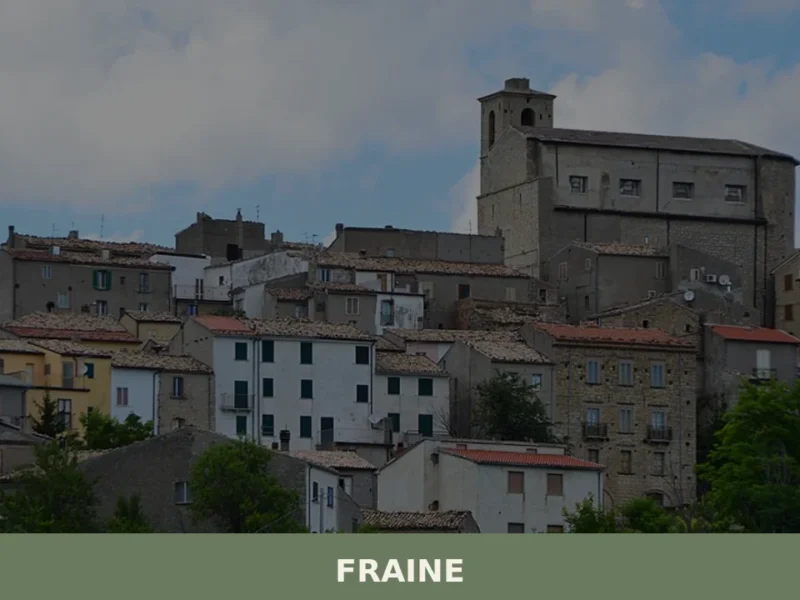
At 751 meters above sea level, in the Chieti area, lies Fraine, a municipality with a population of 261 inhabitants. This village, whose history dates back to the 10th-11th century, serves as an observation point over the Alto Vastese territory. For those wondering what to see in fraine, the town offers a journey through the […]
Fagnano Alto
Mountain
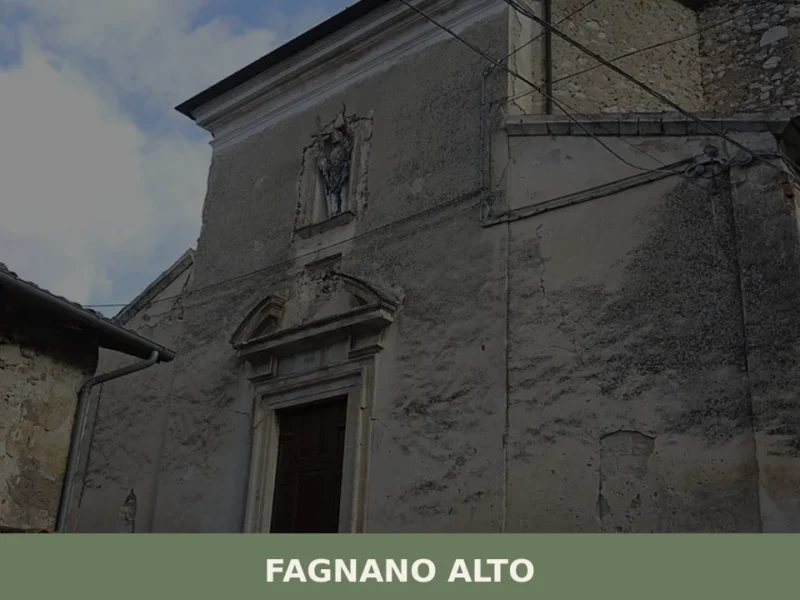
Fagnano Alto is not a single village but a scattered municipality: 363 inhabitants spread across twelve hamlets between 560 and 900 metres above sea level, on the eastern slope of the middle Aterno valley, in the province of L’Aquila. The administrative centre is Vallecupa, dedicated to San Donato, but each hamlet has its own patron […]
Montenerodomo
Mountain
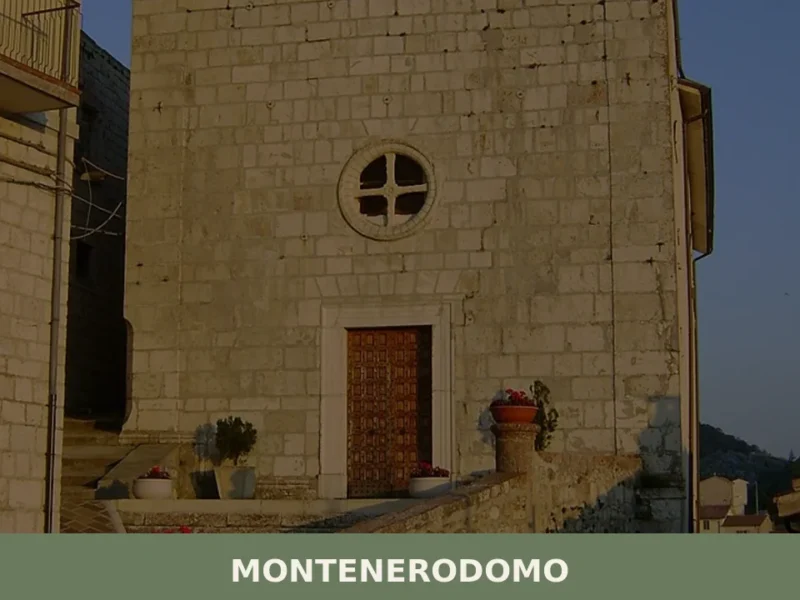
Montenerodomo is a mountain village in Chieti province, Abruzzo, standing at 1,155 metres above sea level beside the Samnite and Roman archaeological site of Juvanum, within the Parco Nazionale della
Collarmele
Mountain
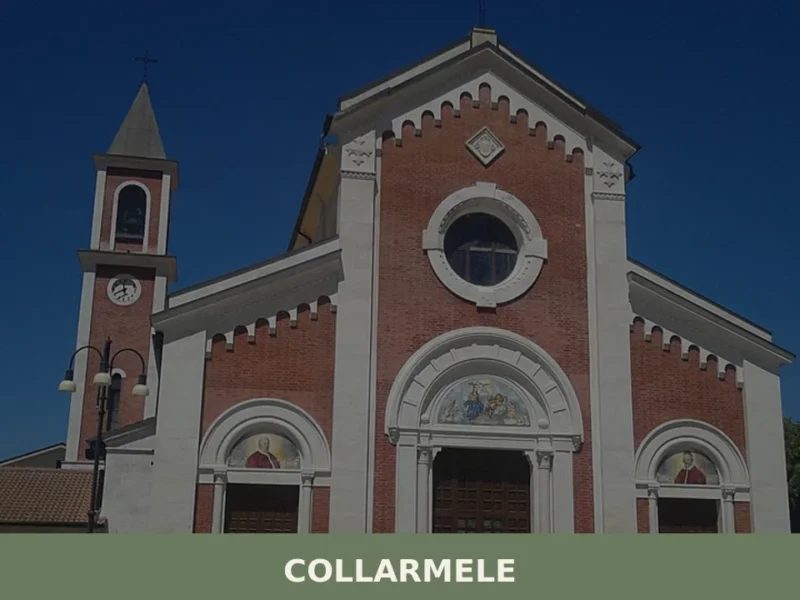
Collarmele is a mountain comune of 773 inhabitants at 841 metres in the province of L'Aquila, Abruzzo, with origins reaching back to at least the seventh century BCE and a layered heritage shaped by t
Valle Castellana
Mountain
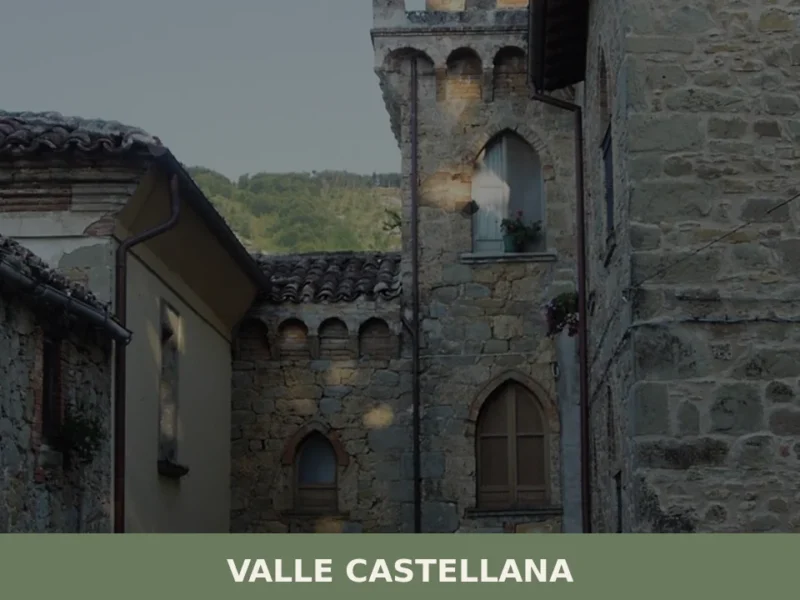
The municipality of Valle Castellana has 872 inhabitants spread across a territory fragmented into more than seventy hamlets, scattered between 300 and 1800 metres above sea level along the slopes of the Monti della Laga, in the province of Teramo. Anyone wondering what to see in Valle Castellana should be prepared for a rugged landscape, […]
Vasto
 Sea
Sea
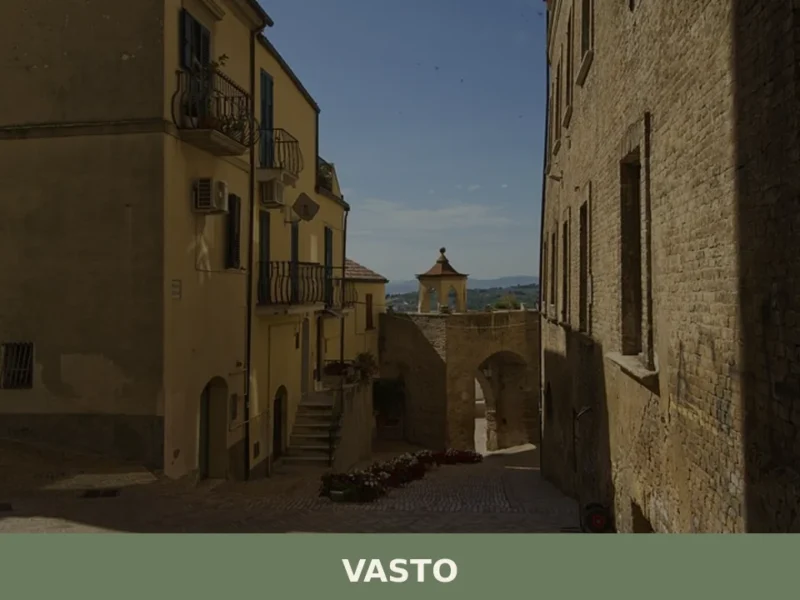
With 40,692 inhabitants, Vasto stands on the Abruzzo Adriatic coast, a town that from its promontory at 144 meters above sea level observes a stretch of sea that was a crossroads of cultures and trades. For those wondering what to see in vasto, the answer unfolds among Roman vestiges, Renaissance architecture, and views of the […]



🏡 Know Avezzano better than we do?
If you’re a local or have been there, your knowledge matters: add what’s missing or fix a detail on this page.