


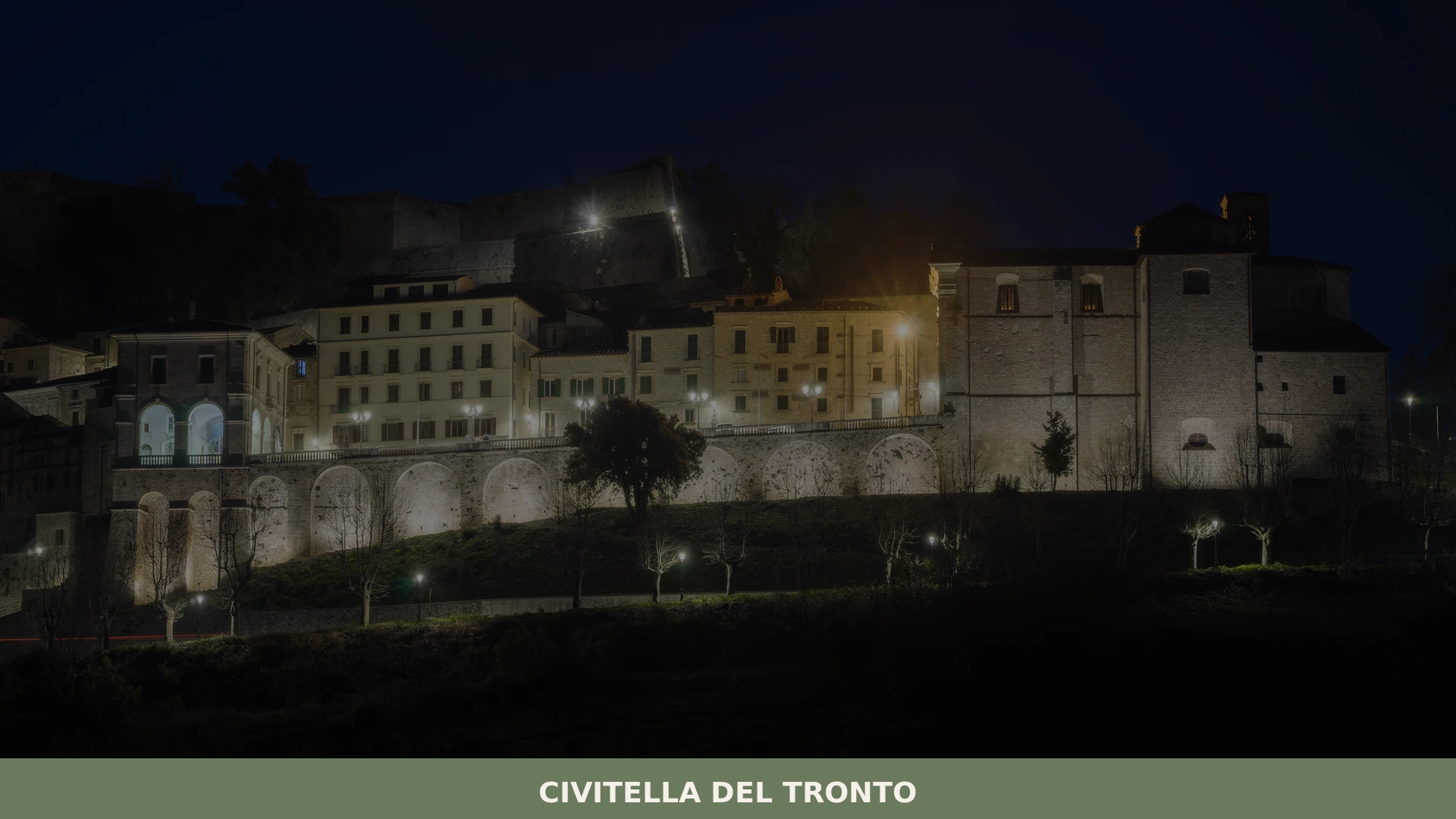
Civitella del Tronto
 Hills
Hills
what to see in civitella del tronto, Italy: Discover the historic Fortress and the 1326 San Francesco church in this Abruzzo village at 589 meters altitude. Explore now.
Discover Civitella del Tronto
High on a rocky cliff, Civitella del Tronto surveys the surrounding Abruzzo landscape from an altitude of 589 m (1,932 ft) above sea level. This strategic position has shaped its history, evident in the formidable Fortress dominating the skyline.
The village is officially recognized as one of I Borghi più belli d’Italia, highlighting its preserved architectural and cultural heritage within the Gran Sasso e Monti della Laga National Park.
For those wondering what to see in Civitella del Tronto, this village of 4,590 inhabitants offers a wealth of historical sites.
Visitors can explore the vast Fortress, the largest in Italy, or admire the Gothic-Romanesque architecture of the San Francesco church. These Civitella del Tronto highlights provide a direct insight into centuries of Italian history and culture.
History of Civitella del Tronto
The precise origins of Civitella del Tronto remain unconfirmed, though archaeological discoveries in the area indicate human presence dating back to the Neolithic and Upper Palaeolithic ages. It is believed that the present-day town occupies the site of Beregra, an ancient settlement of the Piceni Italic tribe.
The first documented mention of Civitella del Tronto as a fortified town appears between the 10th and 11th centuries, marking its early significance.
By the 13th century, Civitella del Tronto had become an integral part of the Kingdom of Naples, with its geographical location particularly important due to its position on the boundaries with the Papal States.
This frontier status would define much of the village’s subsequent historical narrative, influencing its defenses and alliances for centuries. For those exploring what to see in Civitella del Tronto, understanding its past is essential to appreciating its enduring structures.
Civitella del Tronto earned its title of Fidelissima, or ‘Very Faithful,’ from King Philip II of Spain following a successful resistance against French troops who besieged the town in 1557. This fierce defense underscored its strategic value and the resolve of its inhabitants.
However, the village faced further military challenges during the Napoleonic Wars, enduring French sieges in both 1798 and 1806; the latter siege resulted in its capture after a four-month defense, notably commanded by the Irish officer Matteo Wade.
Following the Congress of Vienna in 1816, the village was formally annexed to the Kingdom of the Two Sicilies, a period that marked a reintegration into a larger southern Italian political entity.
The Fortress of Civitella del Tronto then became the site of the Kingdom of the Two Sicilies’ last stand following the Garibaldine and Piedmontese invasion of 1860, a pivotal moment in Italian unification. Even after King Francis II had surrendered in Gaeta and the territories of Naples and Sicily were annexed to the newly formed Kingdom of Italy, Civitella del Tronto continued its resistance until its final surrender on March 20, 1861.
What to see in Civitella del Tronto, Abruzzo: top attractions
The Fortress of Civitella
Atop a dramatic rocky cliff, the Fortress of Civitella del Tronto stands as a monumental example of military architecture. This impressive structure extends approximately 500 metres (1,600 ft) in length and 45 metres (148 ft) in width, covering a total surface area of 25,000 square metres (270,000 ft2).
Recognized as the largest fortress in Italy and the second largest in Europe after Hohensalzburg in Salzburg, Austria, its scale is truly imposing.
Visitors can explore its intricate system of courtyards, ramparts, and barracks, which once housed a significant garrison.
The strategic design allowed for comprehensive defense, particularly evident during the 1860-1861 siege, its final military engagement. Climbing to the highest points offers expansive views across the Tronto valley and the surrounding Abruzzo landscape, providing a sense of its historical importance.
San Francesco Church
The San Francesco church, with its distinctive Gothic-Romanesque exterior, was originally constructed in 1326. While the façade retains elements of its medieval origins, the interior underwent significant transformation, resulting in a Baroque design.
This architectural layering provides a compelling visual narrative of the artistic shifts over centuries, showcasing different eras of craftsmanship.
Inside, visitors can observe the ornate decorations characteristic of the Baroque period, contrasting with the more austere lines of its Gothic-Romanesque foundation.
The church serves as a testament to Civitella del Tronto’s enduring religious and artistic patronage throughout its history. It is worth noting the careful preservation of its original stylistic integrity despite later modifications, offering a unique blend of styles.
San Lorenzo Church
The San Lorenzo church presents another example of evolving architectural styles within Civitella del Tronto. Although largely rebuilt in the 18th century in a Baroque style, it notably preserves its original Renaissance façade.
This blend of periods offers a unique insight into the village’s aesthetic development over centuries, reflecting changing tastes and historical periods.
The contrasting elements, from the Renaissance detailing on the exterior to the Baroque embellishments within, invite contemplation on the passage of time and artistic trends.
Observing the façade, one can discern the earlier design principles that predate the 18th-century reconstruction. The church remains an active place of worship and a significant historical landmark, contributing to the village’s character.
Santa Maria degli Angeli Church
Dating from the 15th to 16th centuries, the Santa Maria degli Angeli church reflects the architectural styles prevalent during the late Renaissance period in Abruzzo. Its construction spans a transitional era, contributing to its unique character within the village’s ecclesiastical landscape.
The church offers a glimpse into the religious life and artistic preferences of Civitella del Tronto during this significant historical timeframe.
Visitors can appreciate the modest yet historically significant structure, which stands as a witness to centuries of local devotion.
The church’s design elements provide context for the artistic currents flowing through the region during its construction. A visit here complements an understanding of Civitella del Tronto’s broader ecclesiastical heritage, offering a quiet moment of historical reflection.
Sanctuary and Convent of Santa Maria dei Lumi
The Sanctuary and Convent of Santa Maria dei Lumi, established in 1466, is a notable religious complex featuring a Romanesque portico. One of its most revered treasures is a polychrome wooden statue of the Madonna dei Lumi, intricately carved in 1489. This statue represents a significant piece of local artistry and devotion, drawing visitors to its spiritual presence.
The Romanesque portico invites visitors into a space rich with history and spiritual significance, while the 1489 Madonna dei Lumi statue provides a focal point for artistic admiration.
The sanctuary’s long history, dating back over five centuries, underscores its importance to the community.
It is a place where art, history, and faith converge, offering a profound cultural experience.
Local food and typical products of Civitella del Tronto
The gastronomic tradition of Civitella del Tronto, like much of Abruzzo, is deeply rooted in its agricultural heritage and geographical context. Situated in a hilly area, the cuisine reflects a history of resourceful cooking, utilizing local produce, meats, and cheeses. This culinary approach results in robust flavors and hearty dishes, influenced by both mountain and pastoral traditions.
The region’s proximity to the Gran Sasso e Monti della Laga National Park also shapes its food culture, emphasizing seasonal ingredients and time-honored preparation methods. Dishes often feature elements such as locally raised lamb and pork, frequently prepared with aromatic herbs. These preparations contribute to a distinct Abruzzese identity, showcasing the rich bounty of the land.
While specific traditional dishes unique solely to Civitella del Tronto are not detailed in historical records, the village shares in the broader culinary heritage of the Teramo province and Abruzzo region.
This means a focus on ingredients such as durum wheat for homemade pasta, often dressed with rich meat sauces or vegetable-based preparations.
Dairy products from sheep and cows also contribute to a variety of cheeses, both fresh and aged, which are integral to the regional diet. Beyond the historical sites, those interested in what to see in Civitella del Tronto culturally will appreciate its culinary traditions.
Festivals, events and traditions of Civitella del Tronto
Civitella del Tronto observes its most significant annual tradition with the celebration of its patron saint, Sant’Ubaldo, held every year on May 16. This feast day is a deeply rooted expression of local faith and community spirit, bringing together residents and visitors.
The festivities typically involve religious processions through the village’s historic streets, which are often adorned for the occasion, creating a solemn yet festive atmosphere.
The observance of Sant’Ubaldo’s feast day brings together residents and visitors in a display of cultural continuity, highlighting the village’s enduring customs.
While specific details of the celebration, such as music or fireworks, are not detailed in historical records, it is a time for communal gathering and reflection. The annual celebrations offer another dimension to what to see in Civitella del Tronto, particularly the feast of Sant’Ubaldo, providing insight into its living traditions.
When to visit Civitella del Tronto, Italy and how to get there
Considering what to see in Civitella del Tronto and the wider Abruzzo region, the spring and early autumn months generally offer the most pleasant conditions for visitors. From April to June, the weather is typically mild, with lush landscapes and fewer crowds, making it ideal for exploring the Fortress and surrounding natural areas like the Montagna dei Fiori.
September and October also provide comfortable temperatures and clear skies, perfect for outdoor activities before the colder winter months, which can bring snow to the higher altitudes.
Summer, particularly July and August, can be warm, though the altitude of 589 m (1,932 ft) often provides some respite from coastal heat, making it a viable period for a visit.
This period is suitable for those who enjoy warmer weather and want to experience local summer events. The terrain within the historical center and around the Fortress can be steep and uneven, so comfortable walking shoes with good grip are advisable for all seasons, ensuring a safe and enjoyable exploration.
Civitella del Tronto is accessible for those planning a day trip from nearest major city centers in central Italy. If traveling by car, the A14 Adriatic motorway is the primary route, with the Val Vibrata exit being the most direct, approximately 20 km (12.4 mi) away. From Rome, the journey by car typically takes around 2.5 to 3 hours, covering approximately 180 km (112 mi) via the A24/A25 motorways. The nearest major train station is in Teramo, about 25 km (15.5 mi) away, which can be reached via regional services; from there, local bus services or taxis are available to Civitella del Tronto.
For international visitors, the nearest airports are Abruzzo Airport (PSR) in Pescara, approximately 80 km (49.7 mi) distant, and Rome Fiumicino Airport (FCO), about 210 km (130.5 mi) away.
Rental cars are recommended for maximum flexibility to explore Civitella del Tronto and the surrounding Abruzzo region. When visiting smaller Italian villages like Civitella del Tronto, English proficiency may be limited in some local establishments, so carrying some Euros in cash can be useful for small purchases. More information can be found on the Civitella del Tronto municipal website.
For those wishing to further explore the diverse landscapes of Abruzzo, a visit to Roccamontepiano offers a different perspective on the region’s natural beauty and historical settlements, complementing the experience of Civitella del Tronto.
Travelers exploring the Teramo province after visiting Civitella del Tronto might also consider a drive towards Tossicia, another village within the same geographical context, offering additional insights into the local culture.
The Abbey of Santa Maria in Montesanto, founded in 542, highlights early monastic presence in Abruzzo, a common thread also found in areas near Sant’Eufemia a Maiella, which similarly holds ancient ecclesiastical sites. This guide provides a comprehensive overview of what to see in Civitella del Tronto, inviting visitors to delve into its rich offerings.
Frequently asked questions about Civitella del Tronto
What is the best time to visit Civitella del Tronto?
The ideal time to visit Civitella del Tronto is during the spring (April to June) and early autumn months. These periods offer mild, pleasant weather perfect for exploring the Fortress and the picturesque surrounding landscapes, with fewer crowds than peak summer. Specifically, May 16th is a significant date as the village celebrates its patron saint, Sant'Ubaldo, with traditional festivities and religious processions, offering a unique insight into local culture and community spirit. Visiting during these times allows for comfortable outdoor exploration and a chance to experience authentic traditions.
What to see in Civitella del Tronto? Main monuments and landmarks
Civitella del Tronto boasts several compelling historical sites. The formidable Fortress, the largest in Italy and second largest in Europe, is a must-see, offering expansive views from its ramparts. Visitors can also explore the village's rich ecclesiastical heritage through its churches: the San Francesco church, with its Gothic-Romanesque exterior and Baroque interior; the San Lorenzo church, featuring a Renaissance façade and Baroque reconstruction; and the 15th-16th century Santa Maria degli Angeli church. Don't miss the Sanctuary and Convent of Santa Maria dei Lumi, home to a revered 1489 polychrome wooden statue of the Madonna dei Lumi.
What are the main natural or scenic attractions of Civitella del Tronto?
Perched dramatically on a rocky cliff at 589 meters, Civitella del Tronto inherently offers stunning natural scenery. The primary scenic attraction is the panoramic vista from the Fortress, providing expansive views across the Tronto valley and the surrounding Abruzzo landscape. The village is also situated within the broader area of the Gran Sasso e Monti della Laga National Park, allowing visitors to appreciate the region's hilly terrain and lush natural environment. While no specific trails are mentioned, the general location provides a beautiful backdrop for exploration and photography.
Where to take the best photos in Civitella del Tronto?
For breathtaking photographs, the most iconic spot in Civitella del Tronto is undoubtedly the Fortress. Climbing to its highest points offers unparalleled panoramic views across the Tronto valley and the vast Abruzzo landscape, perfect for capturing sweeping vistas. The unique position of the village itself, high on a rocky cliff, also provides picturesque photographic opportunities of its historic architecture set against the natural backdrop. Additionally, the distinctive Gothic-Romanesque and Renaissance façades of churches like San Francesco and San Lorenzo offer intricate architectural details for closer shots.
What can you do in Civitella del Tronto? Activities and experiences
In Civitella del Tronto, visitors can delve into centuries of history by exploring the monumental Fortress, the largest in Italy, and admiring its strategic design and panoramic views. Architectural enthusiasts will enjoy discovering the various churches, such as San Francesco and San Lorenzo, showcasing a blend of Gothic-Romanesque, Renaissance, and Baroque styles. Beyond sightseeing, immerse yourself in the local culinary heritage by sampling the robust flavors influenced by Abruzzo's agricultural and pastoral traditions. If visiting on May 16th, experience the vibrant local culture by participating in the annual feast of Sant'Ubaldo.
Who is Civitella del Tronto suitable for? Families, couples, hikers, solo travelers?
Civitella del Tronto is ideally suited for history enthusiasts, culture seekers, and those who appreciate authentic Italian village life. Its formidable Fortress and historic churches make it perfect for history buffs and families interested in exploring significant landmarks. Couples will find its charming streets and panoramic views romantic, while solo travelers can enjoy a peaceful immersion in Abruzzo's heritage. Food lovers will appreciate the local gastronomic traditions rooted in the region's agricultural bounty. Its location near the Gran Sasso e Monti della Laga National Park also appeals to those who enjoy scenic landscapes and gentle exploration.
Getting there
Via Giuseppe Mazzini, 64010 Civitella del Tronto (TE)
Nearby Villages near Civitella del Tronto
In Abruzzo More villages to discover
Cermignano
Hills
From the heights of Cermignano, at 563 meters above sea level, the gaze embraces the Abruzzese valleys, shaped by a succession of hills sloping down towards the Adriatic Sea. This small center, inhabited by 1,440 people, retains the typical appearance of the rural villages in the province of Teramo, where life still flows at rhythms […]
Borrello
 Mountain
At 804 metres above sea level, on the eastern slope of the Majella massif, 338 inhabitants watch over a settlement that in the eighteenth century counted more than two thousand residents. Anyone looking into what to see in Borrello will find a territory shaped more by geology than by human hands: the Cascate del Verde, […]
Rocca di Mezzo
Mountain
what to see in rocca di mezzo, Italy. Explore the administrative seat of the Sirente-Velino Regional Park in this L'Aquila comune with 1,499 inhabitants. Discover its role.
Altino
Hills
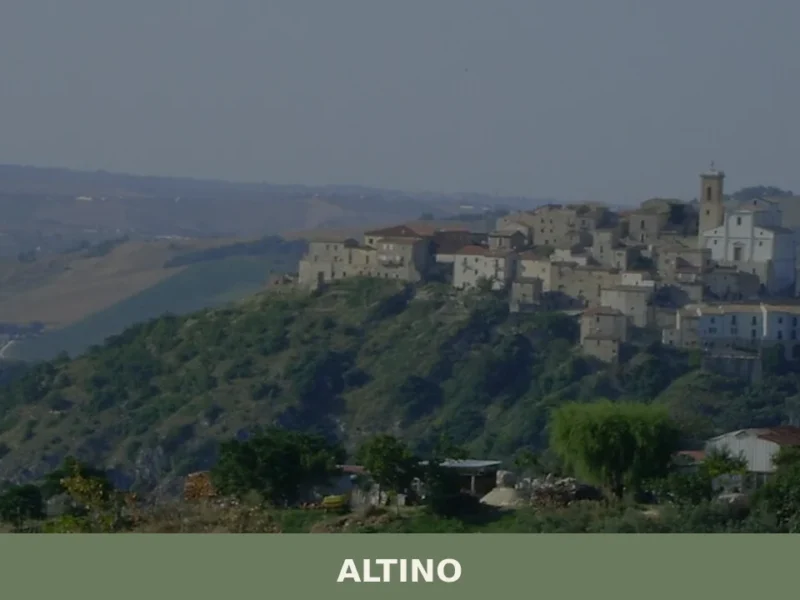
What to see in Altino? Explore the 5 main attractions of this village with 3,067 inhabitants, from the Sweet Pepper Museum to the Mother Church. Plan your visit!
Pizzoferrato
Mountain
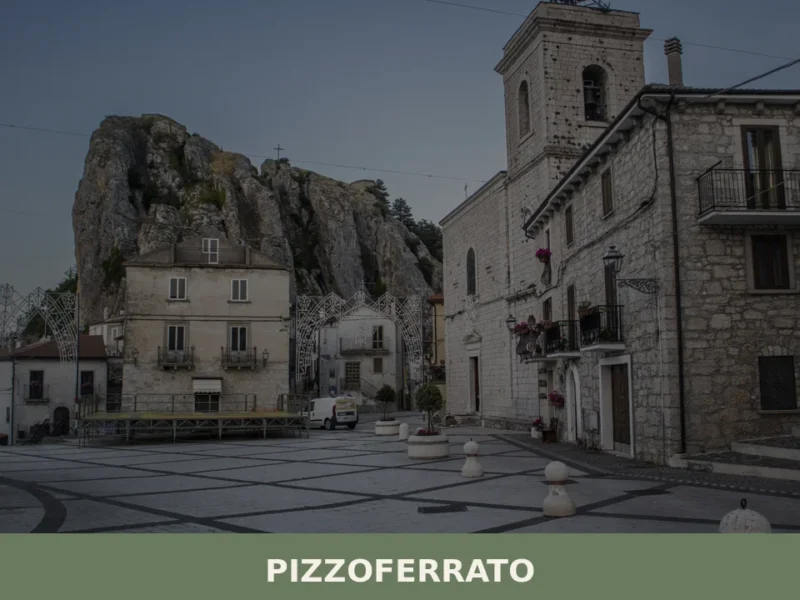
What to see in Pizzoferrato, Italy? Explore this mountain village at 1251 m (4104 ft) altitude. Discover ancient churches and Majella National Park. Read our guide!
Bucchianico
Hills
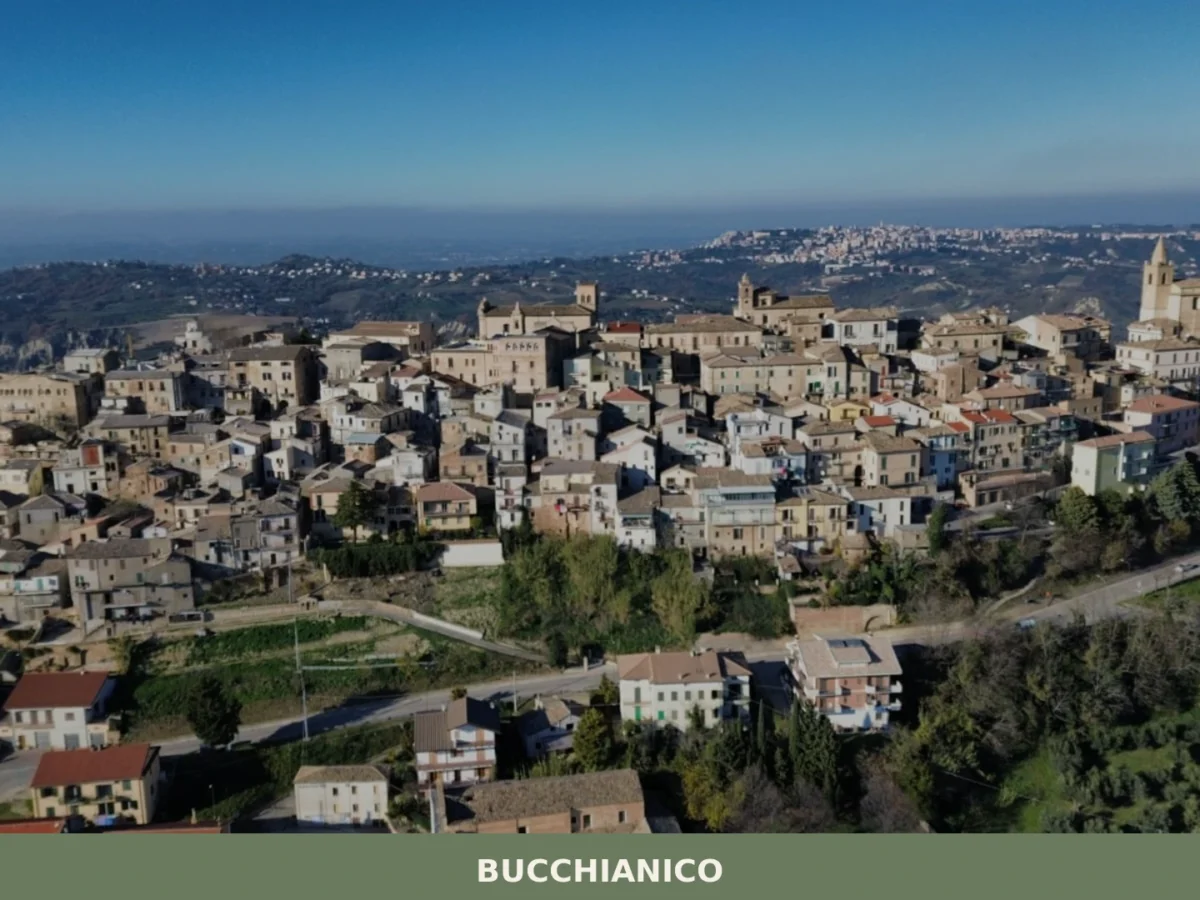
What to see in Bucchianico, Abruzzo, Italy: explore 5 top attractions, local olive groves, the legacy of Saint Camillus de Lellis. Discover the best of this Chieti hill town.
Cortino
Mountain
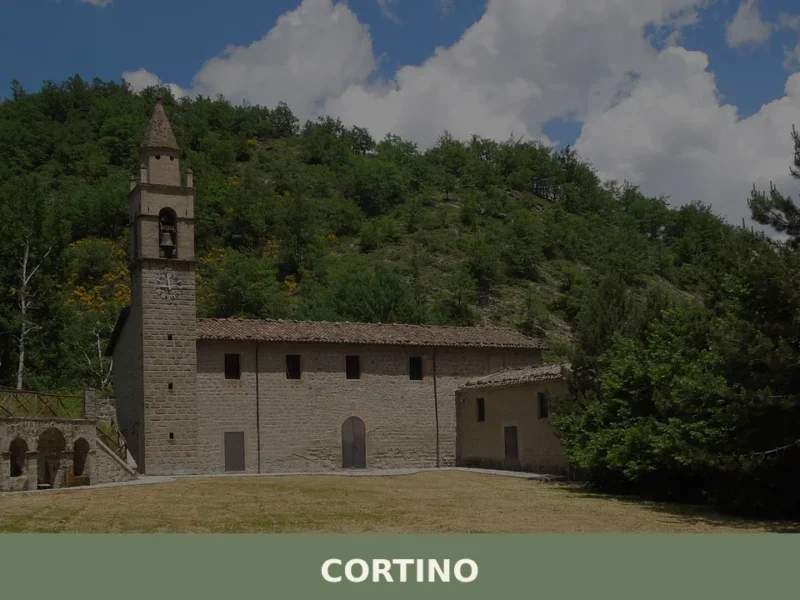
Explore Cortino, a charming mountain village in Abruzzo, Italy. Discover its rich history, stunning landscapes, and authentic Italian culture off the beaten path.
Bisegna
Mountain
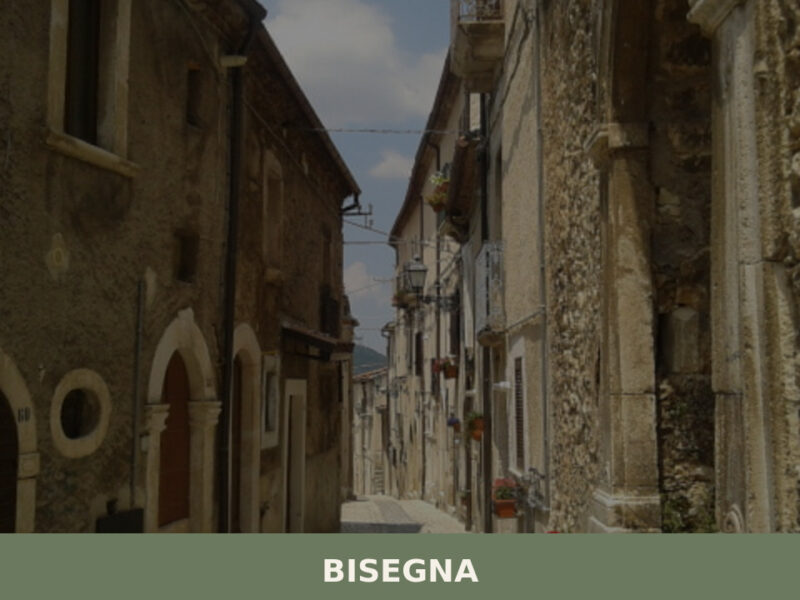
A mountain village of 217 inhabitants at 1,210 metres in Abruzzo's national park. Discover what to see in Bisegna: stone lanes, frescoes, and highland trails.
Arsita
Hills
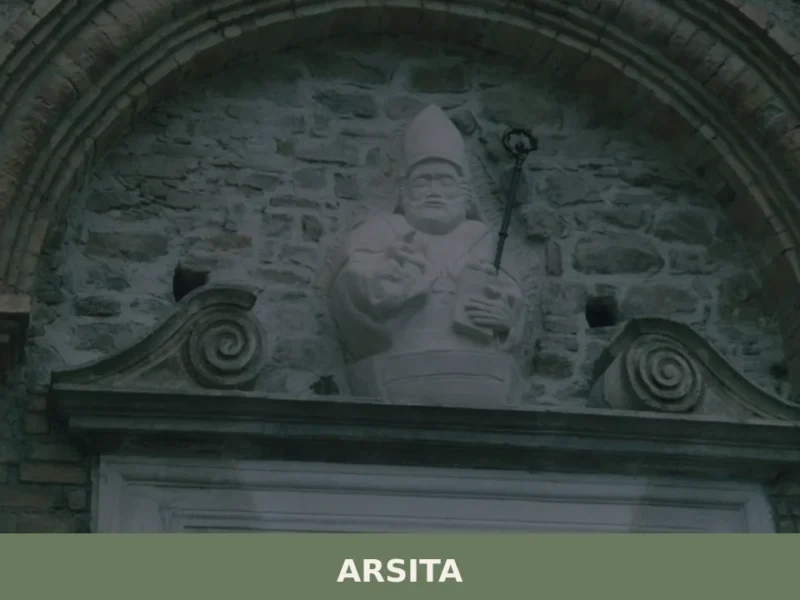
Until 1905, this village was called Bacucco, a name likely derived from the Latin bacuca, which referred to olives that had fallen to the ground — a direct reference to the agricultural character of the area. Situated at 470 metres above sea level on the hills of the Teramo province, Arsita and its 733 inhabitants […]
Perano
 Plains
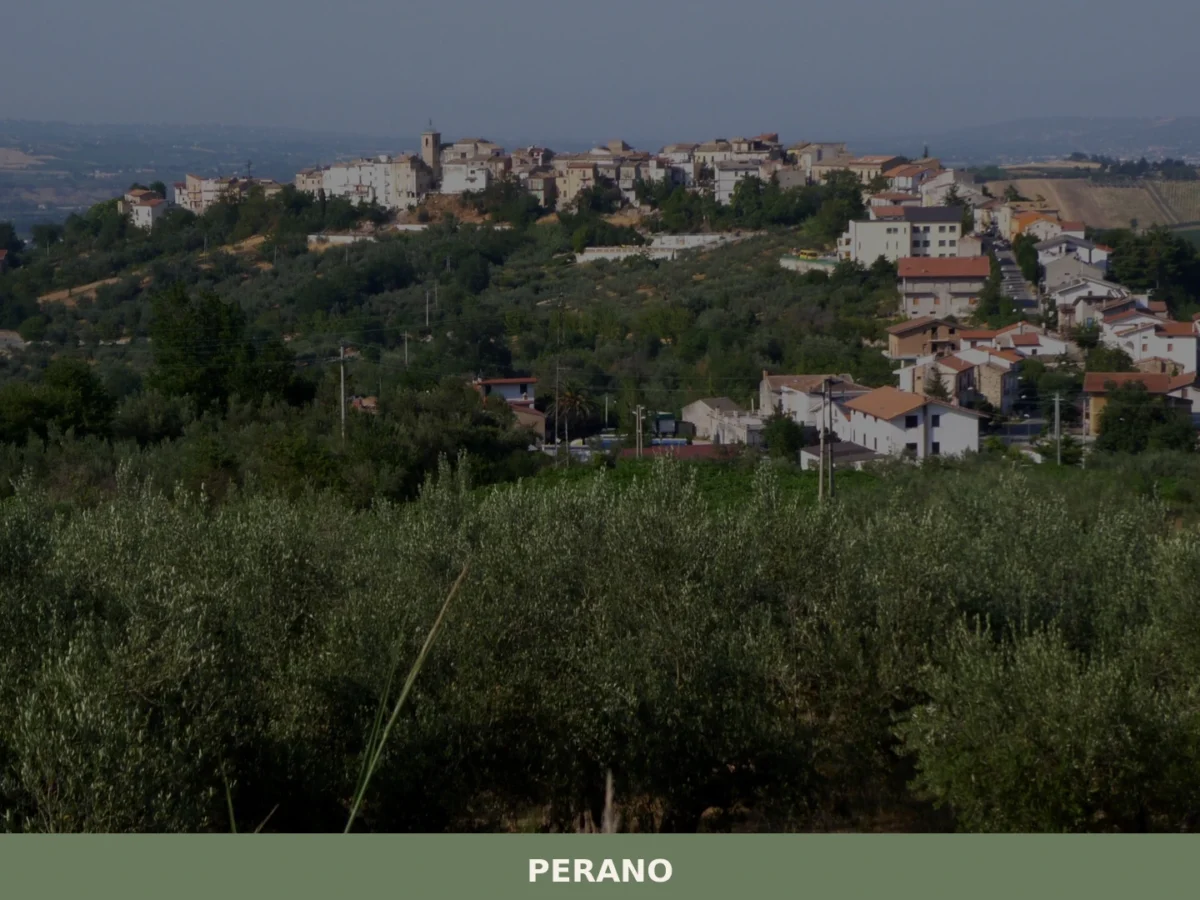
What to see in Perano? Discover the complete guide to the 3 unmissable attractions of this Abruzzo village. Plan your visit now!






🏡 Know Civitella del Tronto better than we do?
If you’re a local or have been there, your knowledge matters: add what’s missing or fix a detail on this page.