


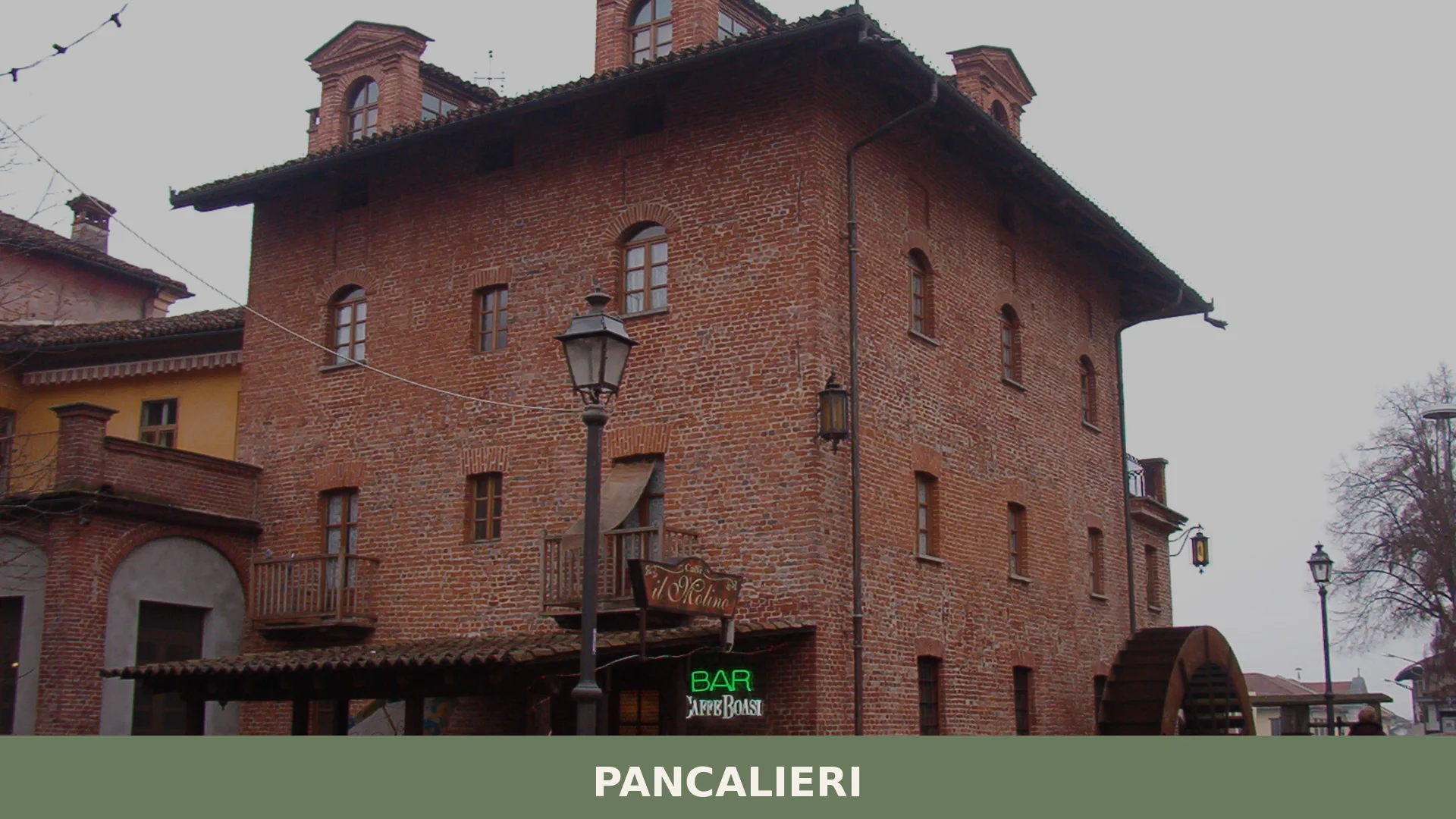

Nearly half of Italy’s medicinal herb production comes from Pancalieri’s fields. Discover the village’s mint heritage, its natural reserves and a surprising Renaissance connection.
Pancalieri: Mint, the Po Plain and a Renaissance Musician
Walk along the canal Angiale on a late-summer morning and the air carries something unmistakable: the sharp, clean scent of peppermint drifting from the fields that stretch toward the Po. The plain here is flat and wide, the light horizontal, and the village sits quietly at 243 metres above sea level in an area surrounded by some of the most productive herb-growing land in the country.
Pancalieri village in Piedmont draws visitors with two things they rarely expect to find together: an agricultural identity so concentrated it accounts for nearly half of Italy’s medicinal herb output, and a historical connection to one of the most dramatic royal courts of sixteenth-century Europe. The village is small — around 1,950 residents — but its story reaches further than its borders suggest.
A Village Rooted in the Po Plain
Pancalieri sits in the southern reaches of the Turin metropolitan area, between the Po and the Pellice torrent, on terrain that centuries of river flooding have left exceptionally fertile. The canal Angiale runs directly through the village centre, and where its waters once drove a series of mills, today the same channel marks the slow pulse of a working agricultural community. The flatness of the land is not incidental: it is the condition that made large-scale herb cultivation possible here.
The village’s most celebrated historical figure was born here around 1533. David Rizzio, musician and French secretary to Mary Queen of Scots, left Pancalieri as a young man and eventually reached the Scottish court, where his influence over the queen made him powerful enemies. His violent death at Holyrood Palace in 1566 is well-documented in historical sources, and his origins in this quiet Po plain settlement give Pancalieri an unlikely place in sixteenth-century Scottish political history.
The late nineteenth century brought a different kind of disruption. In 1884 a cholera epidemic struck Pancalieri severely, causing many deaths and leaving a mark on the collective memory of the community. The village recovered, and within a generation the agricultural economy had shifted decisively toward the cultivation of medicinal plants — a transformation whose origins lay, in fact, slightly earlier. It was in 1865 that the local pharmacist Chiaffredo Gamba introduced peppermint cultivation to the area, planting the seed, literally, of what would become the village’s defining economic and cultural identity for the following century and a half.
Places That Define Pancalieri
The Canal Angiale
The canal Angiale passes directly through the village, splitting the built fabric of Pancalieri in a way that few waterways do in settlements of this size. Historically its flow powered the mills that processed local grain, and its presence shaped the layout of the streets around it. Today it functions as an informal civic axis — the kind of feature that residents navigate daily without ceremony, and that visitors notice almost immediately. Walking its banks from one end of the village to the other takes less than half an hour and gives a clear sense of how water and agriculture have organised this community for generations.
Biblioteca Comunale and Museo della Menta
The municipal library occupies the restored building of the former Casa della Società Operaia, a workers’ association hall that reflects the social history of late-nineteenth and early-twentieth-century rural Piedmont. The library was established by municipal decree in 1975 and moved into its current home in 2007 following substantial renovation. Sharing the same building is the Museo della Menta, dedicated to the cultivation, distillation and commercial history of peppermint in the Pancalieri area. The museum documents how the crop transformed the local economy after Chiaffredo Gamba’s introduction of the plant in 1865, and displays the lambicc — the Piedmontese dialect term for the copper stills used to distil the essential oil from harvested plants — alongside archival materials tracing more than a century of production.
Riserva Naturale Fontane
The Riserva Naturale Fontane is a regional nature reserve within the municipal territory of Pancalieri. Its wet habitats — sustained by the same hydrological conditions that make the plain so productive for agriculture — support a range of species characteristic of Po Valley lowland environments. The reserve offers a counterpoint to the cultivated fields: where the herb plots are ordered and purposeful, the Fontane reserve presents a less managed landscape where seasonal flooding and riparian vegetation set the terms. Access is straightforward from the village, making it a practical addition to any visit without requiring a separate trip.
Riserva Naturale della Confluenza del Pellice
Where the Pellice torrent meets the Po, the Riserva Naturale della Confluenza del Pellice protects a stretch of riverine landscape that is among the more ecologically significant in the southern Turin metropolitan area. The confluence zone creates a mosaic of gravel bars, floodplain woodland and open water that attracts migratory birds and supports plant communities rarely found elsewhere in the lowland Po plain. Visitors interested in the natural dimension of the Pancalieri territory will find this reserve a genuine draw, particularly in spring and early autumn when the birdlife is most active.
The Agricultural Landscape of the Herb Fields
No single monument captures Pancalieri’s identity as clearly as the fields themselves. In late summer, when the peppermint is ready for harvest, the landscape around the village takes on a particular intensity: long rows of dark-leafed plants extending toward the Po, the air carrying the volatile oils that make this area’s production commercially distinctive. The territory of Pancalieri generates close to half of Italy’s total medicinal herb output — a figure recognised officially since 1999, when the local peppermint received the status of Prodotto agroalimentare tradizionale. The fields are working agricultural land, not a visitor attraction in the conventional sense, but they are the most honest expression of what this village is.
Mint, Herbs and the Flavours of the Plain
The culinary and sensory identity of Pancalieri cannot be separated from its agricultural production. The peppermint grown here — particularly the black peppermint variety — is distilled on-site using traditional copper stills to yield an essential oil used across the food, pharmaceutical and cosmetic industries. This is not a decorative local product: it is an industrial-scale cultivation with deep local roots, introduced in the mid-nineteenth century and now embedded in the fabric of the village economy. Visitors in September, during the Viverbe festival, can encounter the herbs, the producers and the distillation process directly, in a context that connects the agricultural calendar to the village’s social life.
The broader area sits within a Piedmontese food geography that includes respected wine denominations and cured products, though these belong to the wider provincial territory rather than to Pancalieri specifically. What the village can claim as its own is the herb field: an honest, specific and well-documented expression of how this stretch of the Po plain has fed and sustained its community for more than a hundred years.
Planning your visit and getting there
Pancalieri can be reached easily from the lower Val Pellice and the Turin area. The practical distances and journey times below are kept concise on purpose, so the access information stays clear and consistent.
| Departure | Distance | Time |
|---|---|---|
| Turin (city centre) | approx. 31 km | 35-40 min |
| Pinerolo | approx. 22 km | 25-30 min |
| Carmagnola | approx. 11 km | 15 min |
These practical reference points are enough to plan the journey without overloading the text with unstable logistics. Once on site, the village is best understood slowly, on foot and in relation to the surrounding landscape.
Frequently asked questions about Pancalieri
What is the best time to visit Pancalieri?
Late summer is ideal for experiencing the herb fields at their peak, with crisp mornings and the distinctive scent of peppermint in the air. The patron saint feast of San Nicolao is celebrated on December 6th, offering a cultural experience. Spring and early autumn provide pleasant weather for exploring the Po Plain and the Angiale canal. Winter can be cold and foggy in the Po Valley, though less crowded.
How do I reach Pancalieri from Turin?
Pancalieri lies in the southern Turin metropolitan area, approximately 30-40 kilometres south of central Turin. The village is accessible by car via regional roads connecting to the Po Plain. The nearest railway station is in the broader Turin network. Local bus services connect to surrounding towns. For precise routes and travel times, check regional Piedmont transport providers or Google Maps for current schedules.
Why is Pancalieri famous for medicinal herbs?
Pancalieri accounts for nearly half of Italy's medicinal herb output. The exceptional fertility of the Po Plain, shaped by centuries of river flooding, combined with the flat terrain ideal for large-scale cultivation, makes the region uniquely suited to herb farming. The Angiale canal provides essential water infrastructure. The village's agricultural identity is deeply rooted in this natural advantage and historical cultivation practices.
What outdoor activities are available in the area?
The Angiale canal offers walking opportunities through working agricultural landscapes, particularly scenic in late summer. The flat Po Plain terrain is suitable for cycling. The Pellice torrent and nearby river valleys provide natural exploration routes. Visitors can experience active farm landscapes and observe medicinal herb cultivation firsthand. Guided agricultural tours may be available through local tourism contacts.
How long should I plan to spend in Pancalieri?
A half-day visit allows time to walk the Angiale canal, observe the herb fields, and experience the village's quiet character. A full day enables deeper exploration of surrounding agricultural areas and nearby historical sites. Pancalieri is best visited as part of a broader Po Plain itinerary, combining it with other Turin metropolitan area attractions rather than as a standalone destination.
📷 Photo Gallery — Pancalieri

In Piedmont More villages to discover
Mercenasco
 Hills
Hills
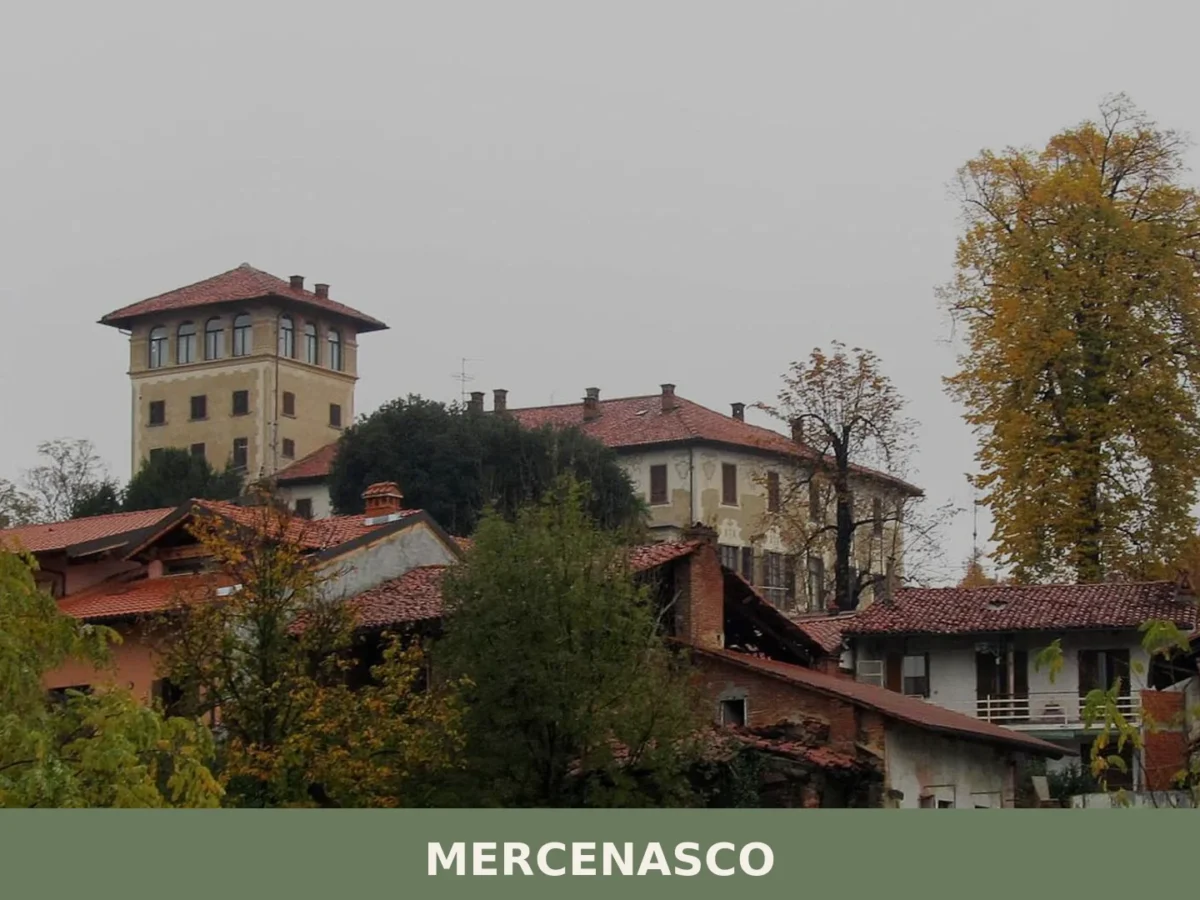
Two monuments and a millennium of history: Mercenasco draws visitors with its neogothic castle and baroque parish church set among the Canavese hills, 34 km north of Turin.
San Sebastiano da Po
Hills
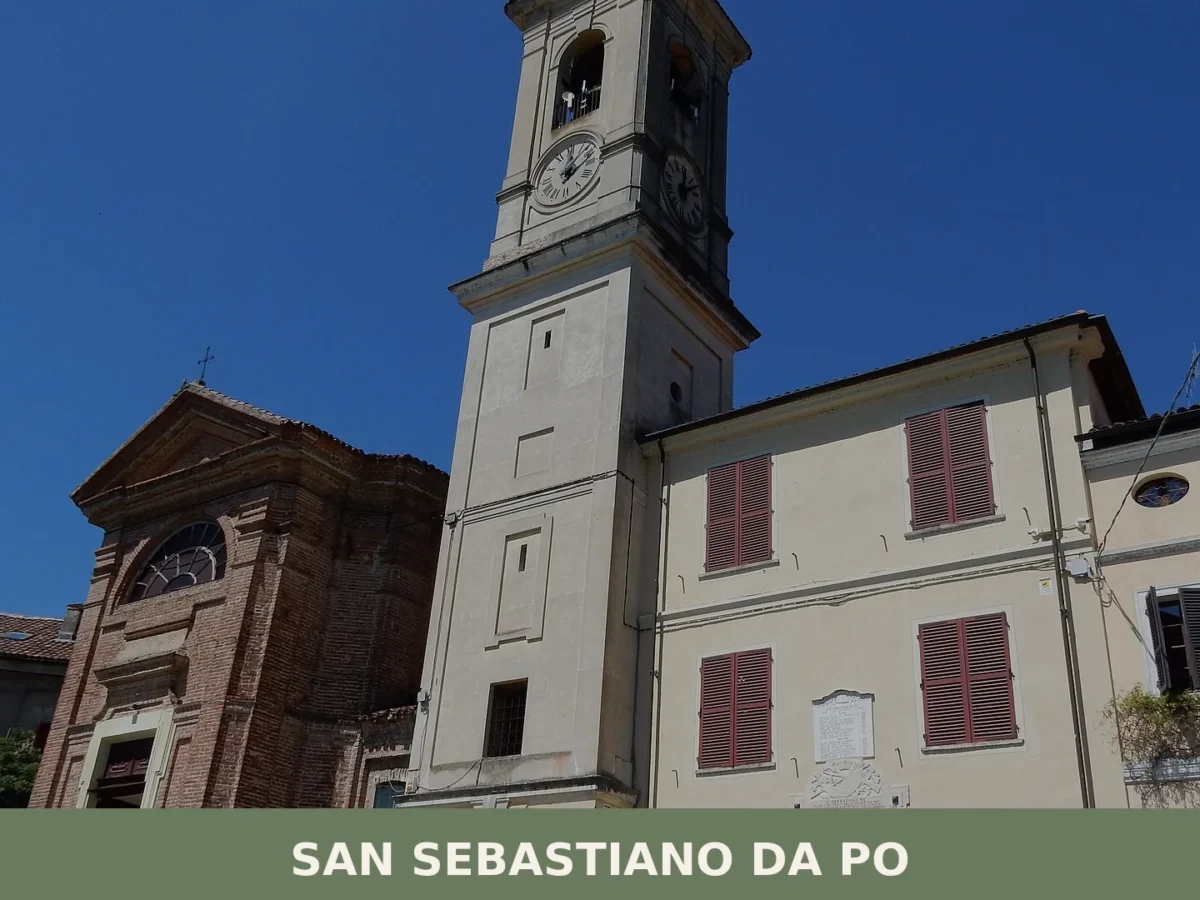
1,883 residents, 175 metres altitude. A small commons caught between two dynasties, where medieval councils gathered in parish chapels and barges crossed the Po.

Beinasco
 Plains
Beinasco traces its roots to a Roman frontier post. Discover how this small town survived plague, warfare and transformation to anchor modern metropolitan Turin.
Moriondo Torinese
Hills
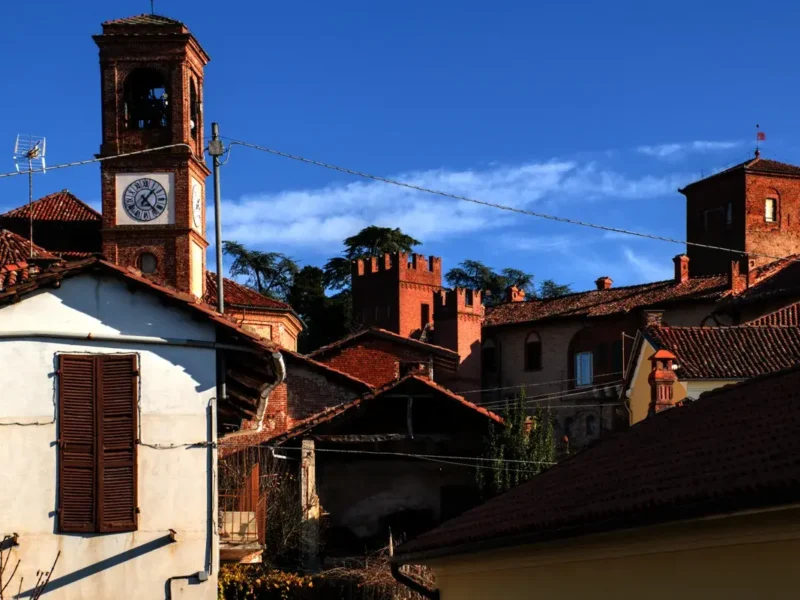
Scopri Moriondo Torinese, un affascinante borgo del Piemonte ricco di storia, natura e tradizioni. Lasciati conquistare dalla sua bellezza autentica!
Andezeno
Hills
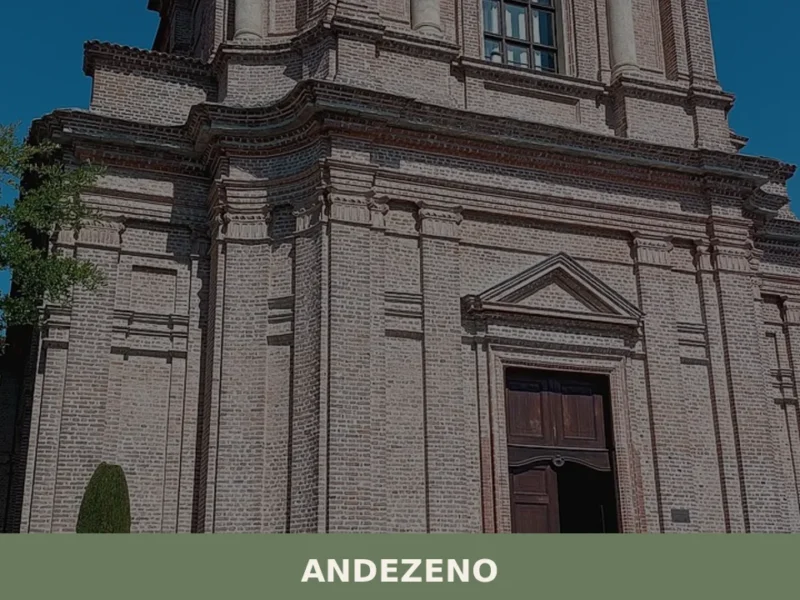
At 306 metres above sea level, on the eastern Turin hills, Andezeno has 2,012 inhabitants spread between the historic centre and its rural hamlets. The municipality appears in medieval documents as early as the 10th century, linked to the affairs of local lords and the Diocese of Turin. Today, anyone wondering what to see in […]
Rubiana
 Mountain
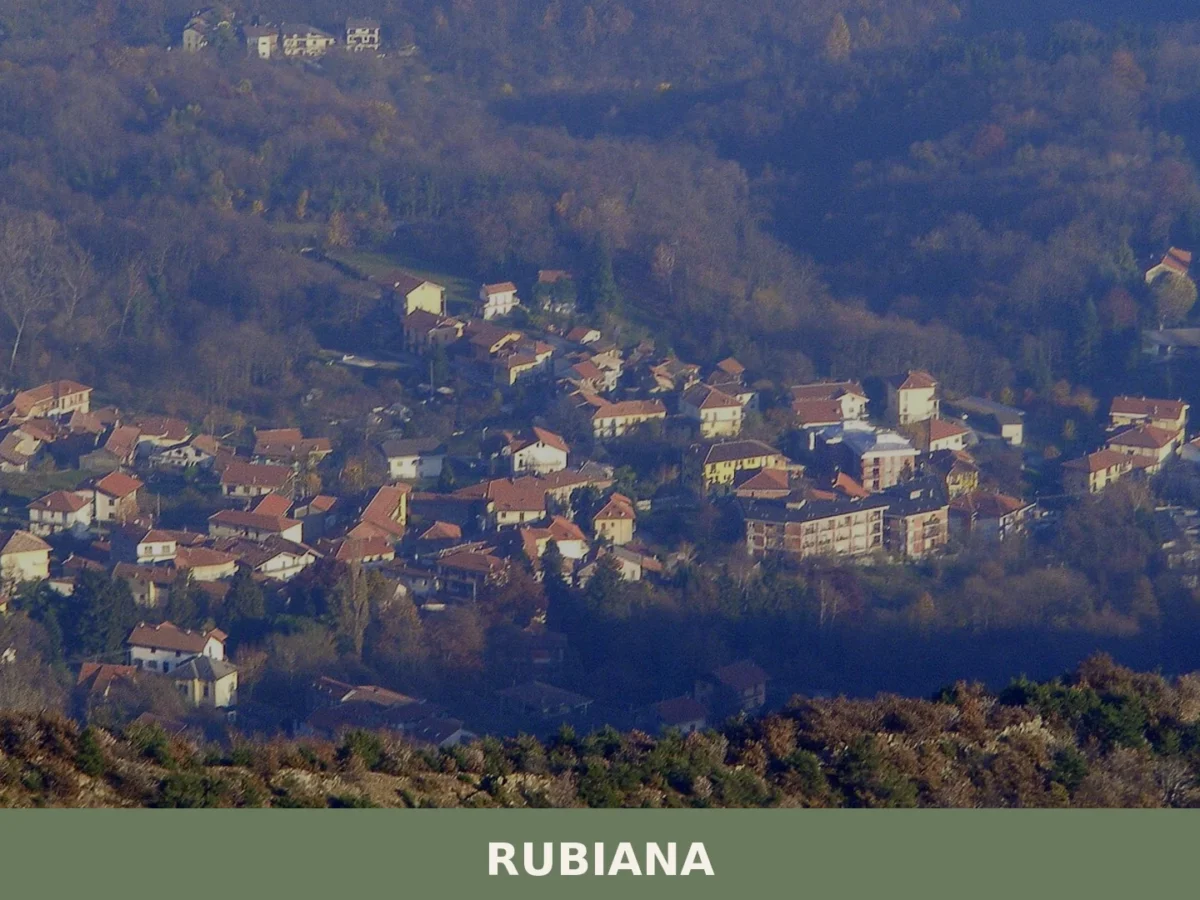
Population 2,516. Rubiana sits in a mountain amphitheatre at 640m altitude, with documented origins in a 1029 charter and a landscape shaped by Celtic settlement and 18th-century pilgrimage.
Candia Canavese
Hills
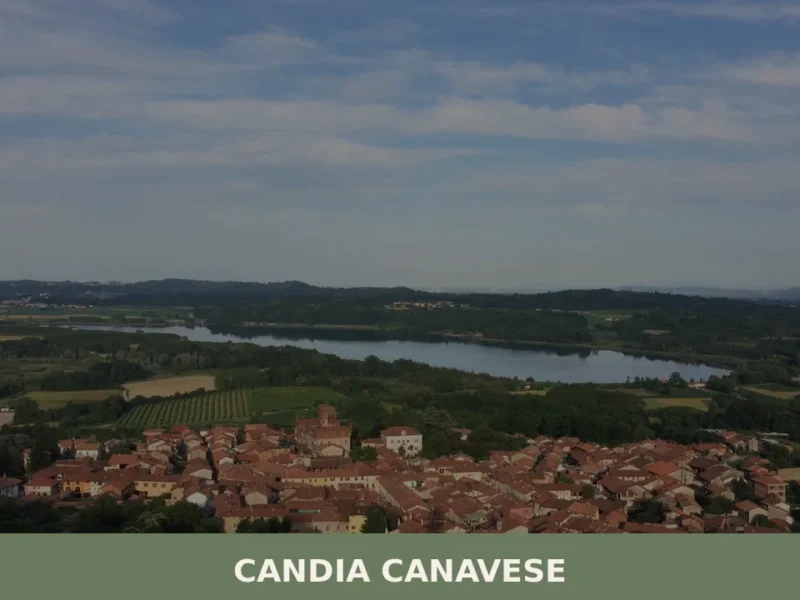
Scopri Candia Canavese, il gioiello del Piemonte affacciato sul lago. Storia, natura e tradizioni ti aspettano in questo borgo incantevole del Canavese.
Alessandria
Plains
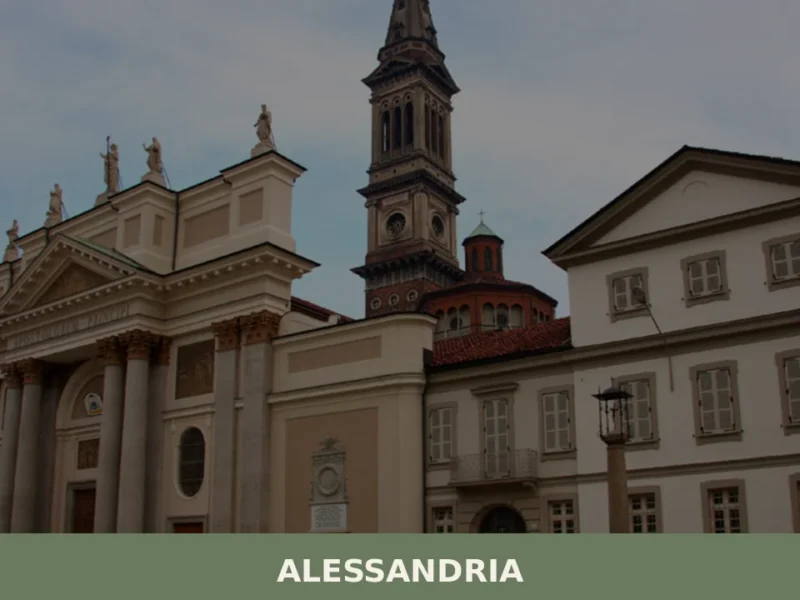
What to see in Alessandria: city at 95m in Piemonte with a military Citadel and Borsalino Museum. Explore 5 attractions, rabaton and Gavi DOCG wines.
Aramengo
Hills
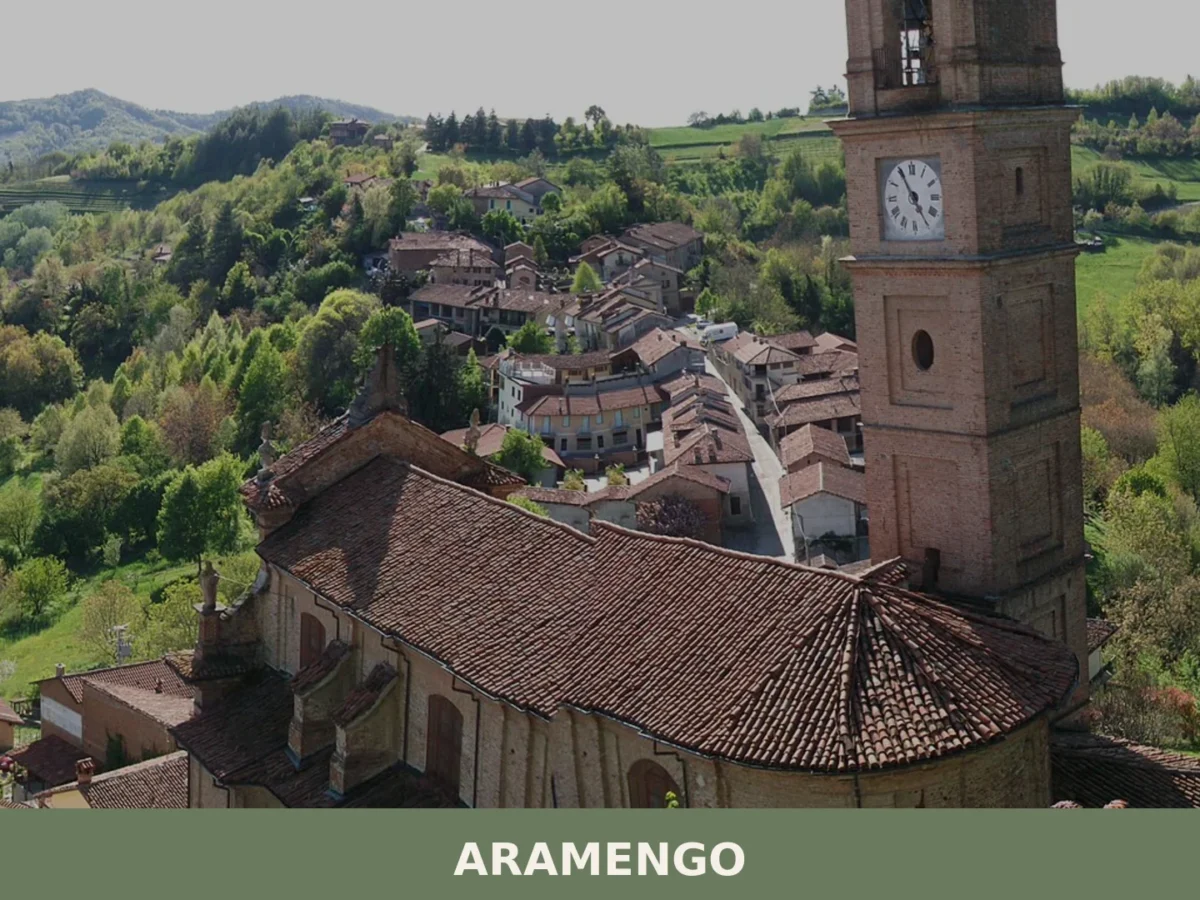
Aramengo is a small comune in the province of Asti, set among the inland hills of the northern Monferrato at 364 metres, with centuries of feudal history, notable religious architecture, and a living
Meana di Susa
Mountain
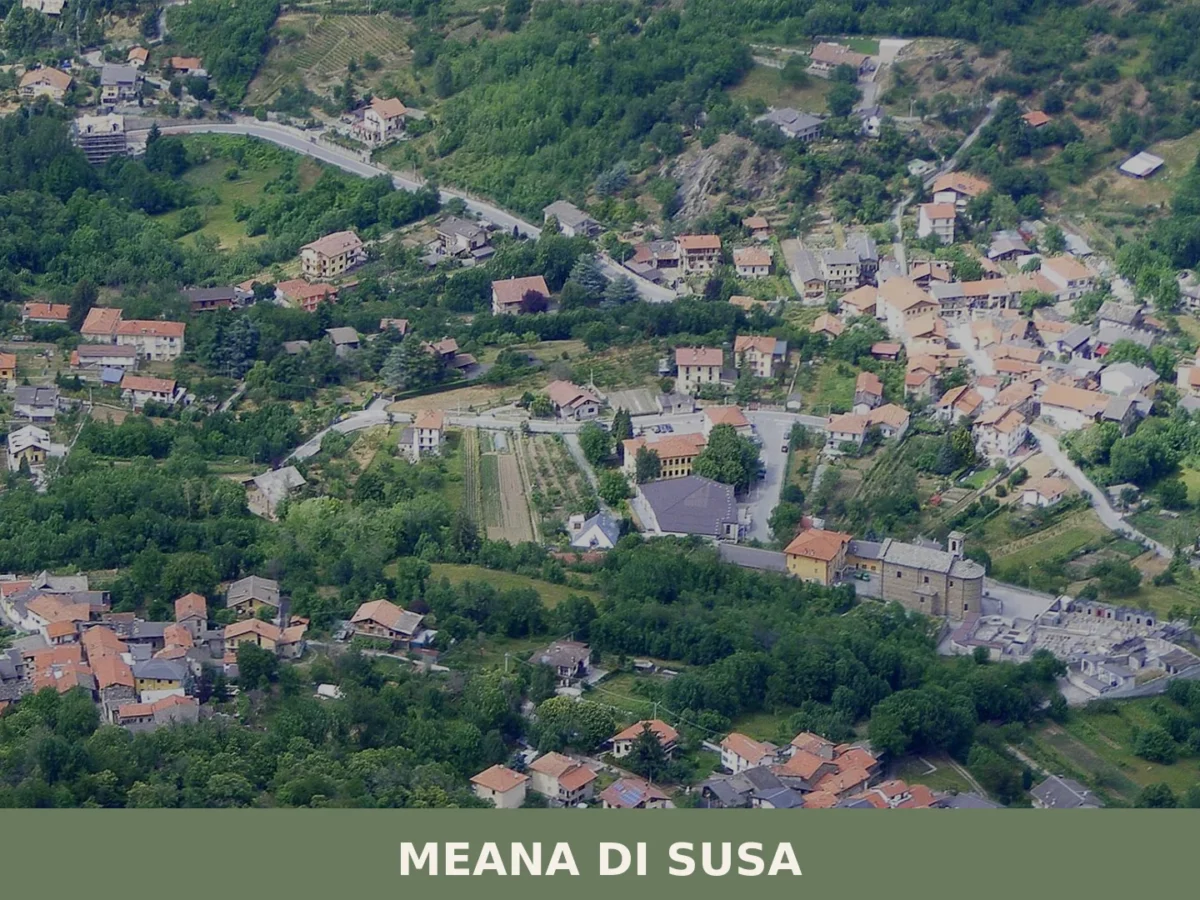
794 inhabitants, 23 hamlets and a road climbing to 2176 m: Meana di Susa rewards visitors with layered history and a direct connection to the high Alps.

🏡 Know Pancalieri better than we do?
If you’re a local or have been there, your knowledge matters: add what’s missing or fix a detail on this page.