


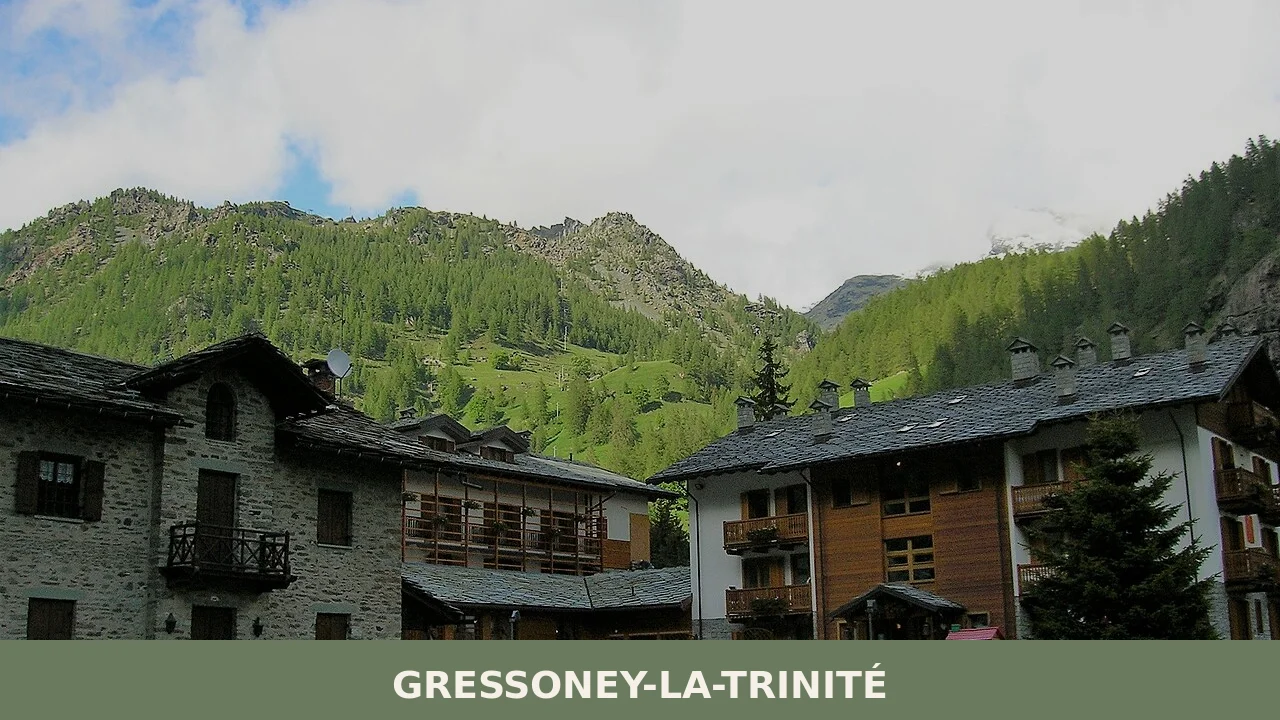
Gressoney-La-Trinité
 Mountain
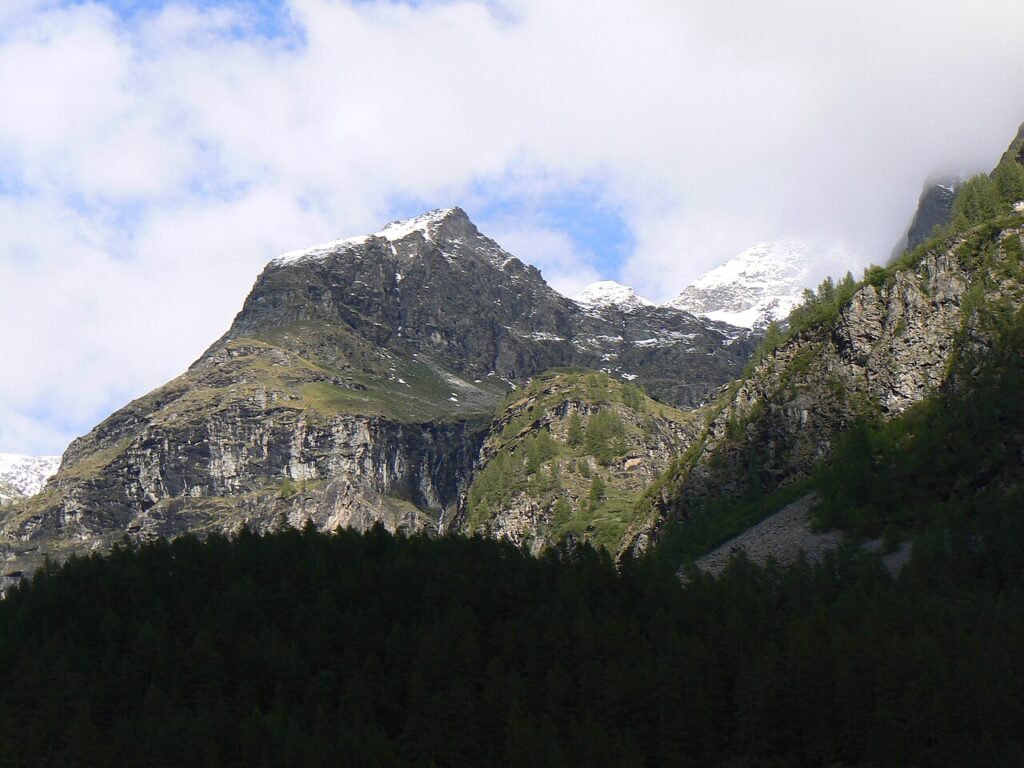
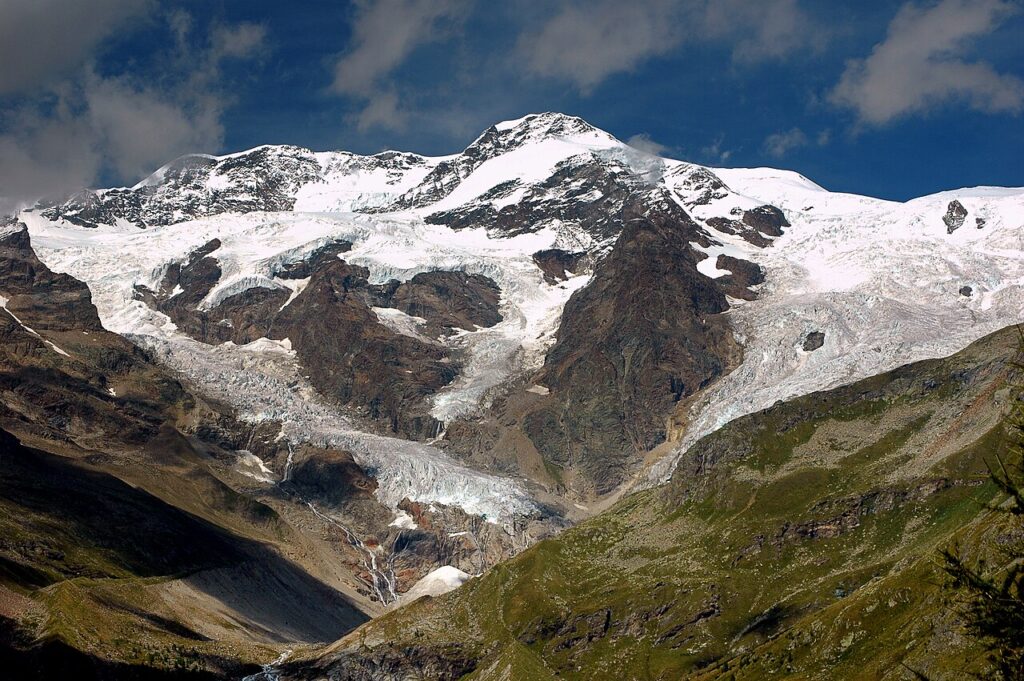
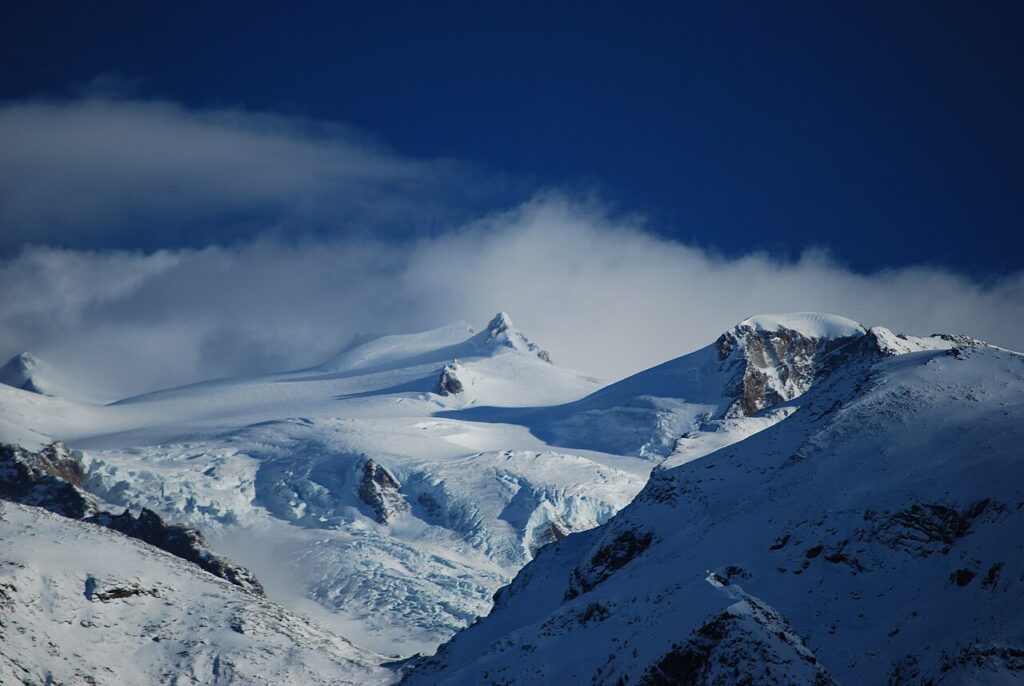
Gressoney-La-Trinité is a 322-inhabitant Walser commune at 1,629 metres in the Valle del Lys, Valle d’Aosta, set against the glaciers and high peaks of the Monte Rosa massif.
Discover Gressoney-La-Trinité
Compact in settlement yet generous in landscape, the Gressoney-La-Trinité village in Aosta Valley sits within a comprensorio — Monterosa Ski — that links it by cable and lift to Champoluc to the west and to Alagna Valsesia across the watershed into Piedmont; yet the village retains a scale and quietness that belong more to its 65 square kilometres of mountain terrain than to any resort infrastructure. Its population of roughly 322 residents, a parish dating to 1671, a Walser ecomuseum spread across several historic buildings, and a backdrop of glaciers and high snowfields make it a destination where the reasons to linger are geological, historical, and culinary in equal measure.
Gressoney-La-Trinité village in Aosta Valley: history and identity
The community’s linguistic identity drove the key institutional developments of the seventeenth century. In 1660 the population obtained permission from the Diocese of Aosta to hold religious services in German, leading to the foundation that same year of the parish of San Giovanni at Gressoney-Saint-Jean. The parish of Gressoney-La-Trinité followed in 1671, with Johan Netscher — a native of Gressoney — serving as its first priest; native-born priests succeeded him without interruption until 1883. The church, dedicated to the Holy Trinity and under the patronage of Francis Xavier, was formally consecrated on 24 June 1702 by the Bishop of Aosta, François-Amédée Milliet d’Arvillars.
The twentieth century brought significant changes to both the landscape and the administrative structure of the village. Between 1919 and 1922 the Lago Gabiet was created as an artificial reservoir to harness hydroelectric energy, and a power station exploiting the waters of the Moss and Olene streams was later established in the municipal territory. In 1939 the settlement was absorbed under the merged name Gressonei, losing its separate status; that arrangement was dissolved in 1946, restoring the commune’s independence.
Walser Architecture, Sacred Buildings and the Ecomuseum
Gressoney-La-Trinité preserves a significant share of its traditional Walser residential architecture alongside a parish church, three noted historic buildings, and a multi-site ecomuseum dedicated to Walser culture.
Parish Church of the Most Holy Trinity
The parish is dedicated to the SS. Trinità, though its official patron is Francesco Saverio. It was consecrated on 24 June 1702 by the Bishop of Aosta, François-Amédée Milliet d’Arvillars.
Walser Ecomuseum
Located in the Tache district, the Walser Ecomuseum — Ecomuseo Walser — brings together three distinct sites: the Casa rurale Puròhus (the farmhouse), the Casa Museo Pòtzschhus, and the mountain hut Baita Binò Alpelté at locality Binò. Together they document the domestic and agricultural life of the local Walser community.
Villa Ponti, Villa Elena and Hotel Busca Thedy
These three structures are identified in the sources as the principal examples of historic civil architecture in the village. No further detail about their construction or style is available from the sources.
Walser Residential Buildings
Despite significant growth in the final decades of the twentieth century, much of the older building stock in Gressoney-La-Trinité still reflects traditional Walser architectural forms.
Tastes of Gressoney-La-Trinité and the Valle d’Aosta Table
The most distinctive local product tied directly to this valley is the Toma di Gressoney, a traditional mountain cheese recognised as a Slow Food Presidium. Beyond this local speciality, the broader Valle d’Aosta territory surrounding Gressoney-La-Trinité produces several certified products worth seeking out during a visit.
Among the DOP cheeses of the region, Fontina stands out as the most celebrated, alongside the milder Valle d’Aosta Fromadzo. Cured meats from the valley include Valle d’Aosta Jambon de Bosses and Valle d’Aosta Lard d’Arnad, both carrying DOP status. Traditional prepared foods of the wider regional territory — cited with appropriate caution as PAT products rather than exclusives of this commune — include Boudin, Mocetta, Saouseusse, and Teteun.
The area falls within the Valle d’Aosta / Vallée d’Aoste DOC wine zone. Locally produced spirits such as Grappa and Ratafià round out a table rooted firmly in Alpine pastoral and mountain farming traditions.
Reaching Gressoney-La-Trinité and Planning Your Stay
Gressoney-La-Trinité sits at roughly 1624 metres in the Valle del Lys, reached by road through the valley from the Aosta motorway axis, and is best visited either in summer for mountain walking or in winter as part of the Monterosa Ski resort network, which links it by lift with Champoluc in the neighbouring Ayas valley and with Alagna Valsesia on the Piedmontese side of Monte Rosa.
The village lies in the eastern portion of Valle d’Aosta, relatively close to the regional capital. Travellers arriving from Aosta can follow the main valley eastward before turning up into the Valle del Lys. From Champoluc — gateway to the Ayas valley — the two communities are connected across the Monte Rosa massif via the ski lift system, making a combined winter tour highly practical. Those exploring the lower Aosta valley might also consider passing through Challand-Saint-Anselme or Antey-Saint-André before heading north into the Lys valley.
| Departure | Distance | Time |
|---|---|---|
| Pont-Saint-Martin (A5) | approx. 35 km | approx. 45–50 min |
| Aosta | approx. 70 km | approx. 1 h 20 min |
| Turin (city centre) | approx. 130 km | approx. 2 h |
| Milano | approx. 185 km | approx. 2 h 30 min |
Summer brings long days ideal for walking toward the high-altitude glaciers and the Lago Gabiet, the artificial reservoir built in the early twentieth century above the village. Winter transforms the area into a ski destination connected to one of the most extensive lift networks in the Alps. The village centre, known as Tache, and the ski-lift hub at the fraction of Stafal each suit a different travel pace — one for culture and the Walser Ecomuseum, the other for direct access to the slopes.
Frequently asked questions about Gressoney-La-Trinité
When is the best time to visit Gressoney-La-Trinité?
The patron saint feast of Santissima Trinità, celebrated on the first Sunday of Pentecost, offers a culturally rich visit. Winter (December–February) brings snow for skiing via the Monterosa Ski network linking Champoluc and Alagna Valsesia. Summer (June–September) suits hiking and glacier viewing. Spring and autumn provide mild weather for exploring Walser heritage sites and the ecomuseum without crowds.
How do I reach Gressoney-La-Trinité by car?
From Turin or Milan, take the A5 motorway toward Aosta. Exit at Châtillon or Verres, then follow regional roads (SS406 or SR307) into Valle d'Aosta. Continue to Pont-Saint-Martin and follow signs for Gressoney-Saint-Jean, then Gressoney-La-Trinité. The drive from Aosta city is approximately 30 km, taking around 45 minutes via the Lys Valley.
What is the Walser ecomuseum in Gressoney-La-Trinité?
The ecomuseum is a distributed museum spanning several historic buildings throughout the village, documenting Walser culture—a unique Germanic Alpine heritage. It preserves the community's architectural, linguistic, and social identity, with exhibitions covering traditional crafts, religious history (including the 1671 parish foundation), and mountain life. Opening hours and specific sites require confirmation with local tourism offices.
Can I ski from Gressoney-La-Trinité?
Yes. The village sits within the Monterosa Ski comprensorio, connected by cable car and lifts to Champoluc (westward) and Alagna Valsesia across the watershed into Piedmont. This integrated network offers diverse terrain for all levels. Winter season typically runs December through March, weather permitting.
What is the elevation and climate of Gressoney-La-Trinité?
Located at 1,624 meters altitude in the high Alps, Gressoney-La-Trinité experiences cold, snowy winters and cool, brief summers. Glaciers and permanent snowfields dominate the landscape backdrop. Weather is mountainous and changeable; prepare for rapid conditions. High elevation ensures reliable winter snow and crisp air for summer trekking.
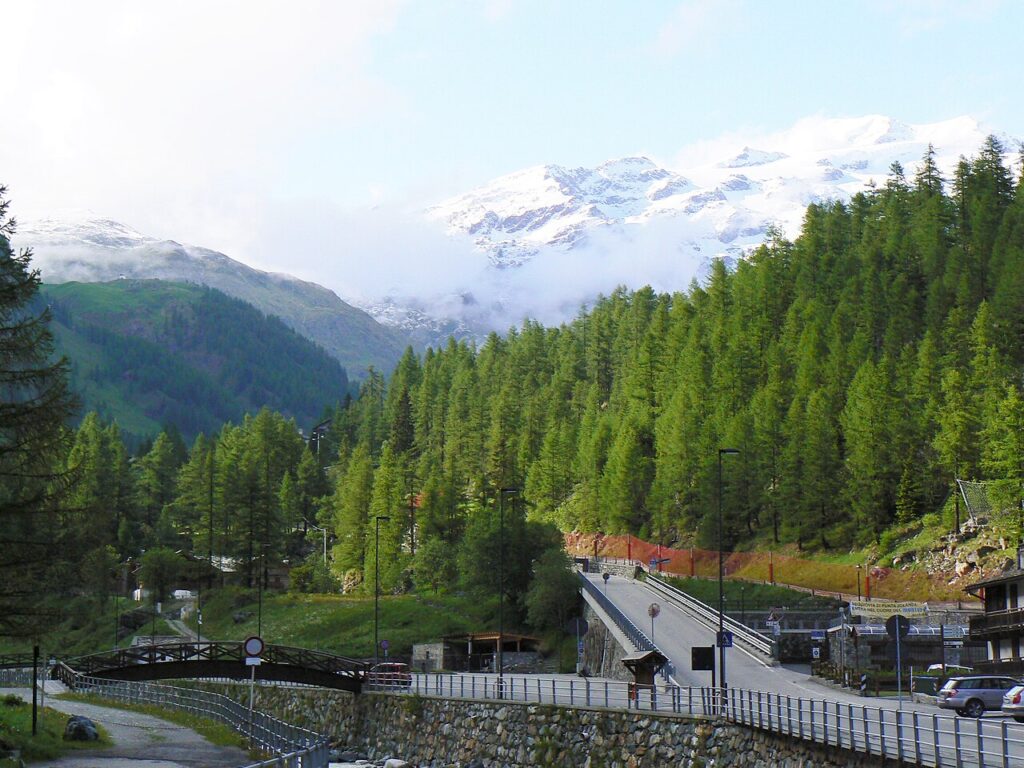
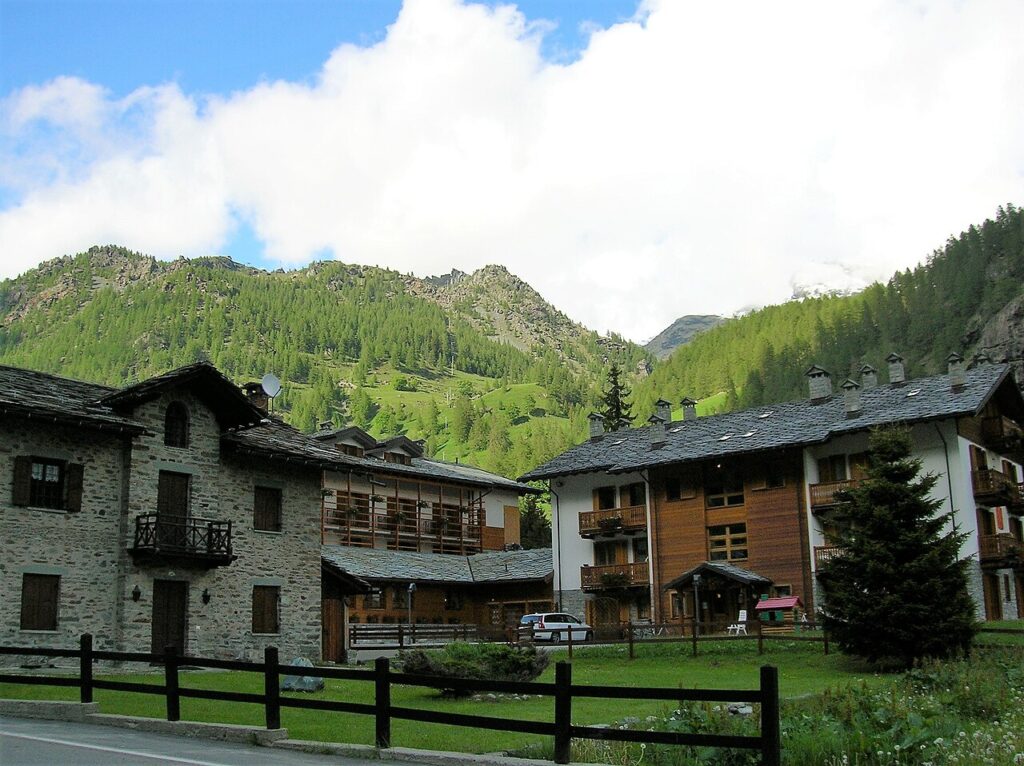
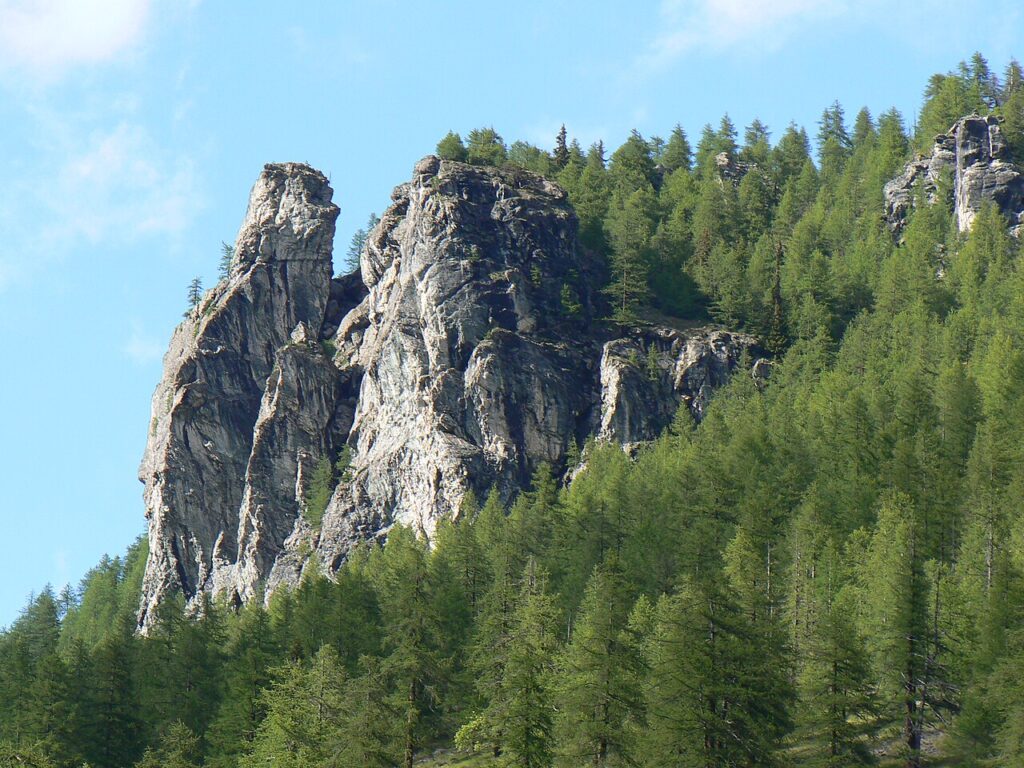
📷 Photo Gallery — Gressoney-La-Trinité
In Aosta Valley More villages to discover
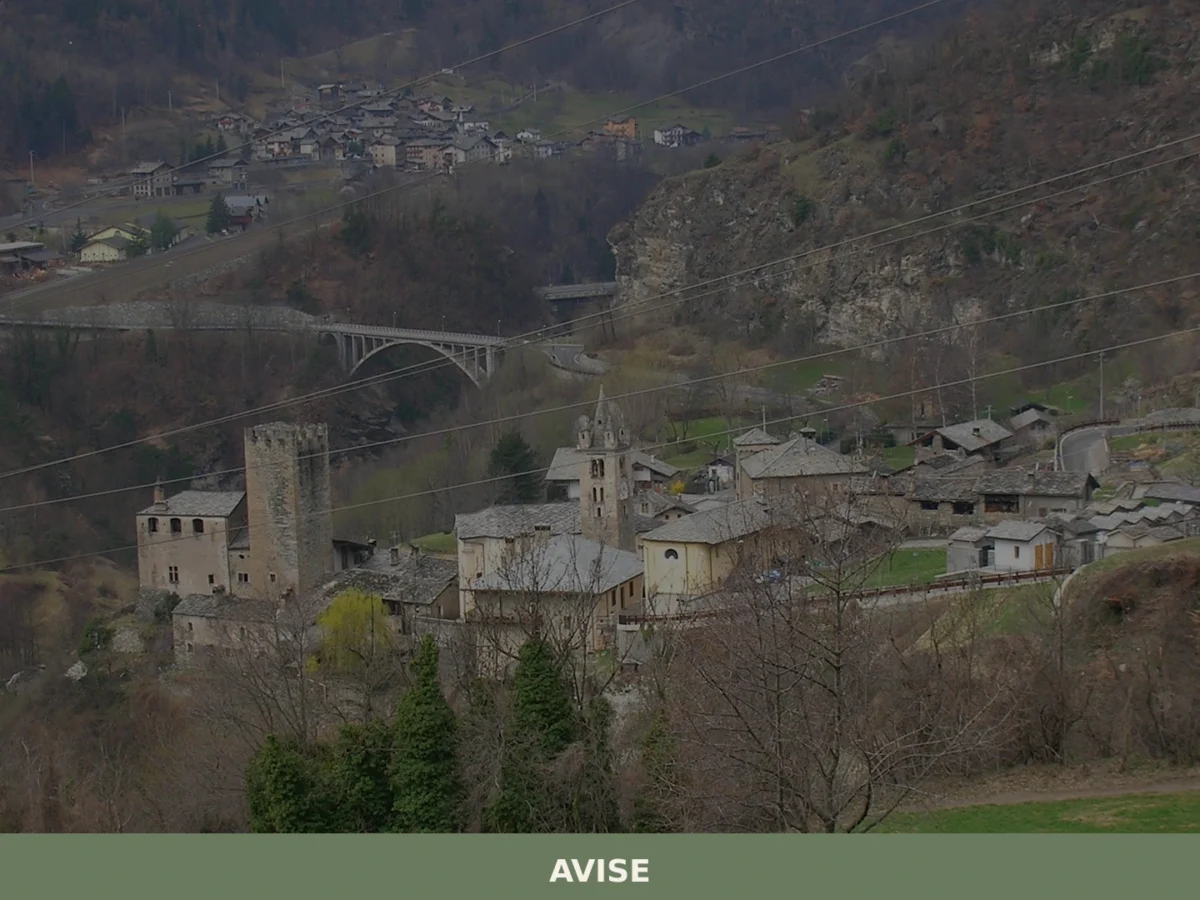
Avise
Mountain
Discover what to see in Avise: a medieval castle, Romanesque church, alpine vernacular architecture and valley views in the upper Valle d'Aosta at 996 metres.
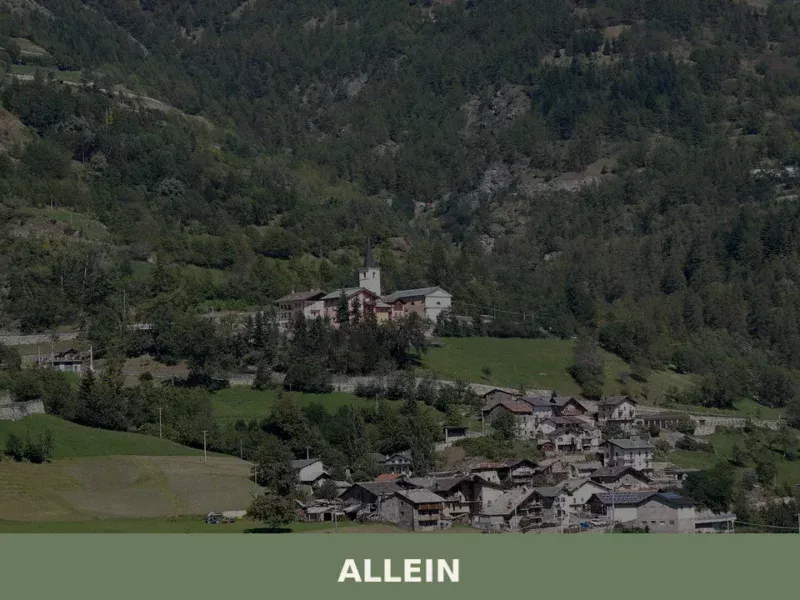
Allein
Mountain
Discover what to see in Allein, a 198-resident comune sparso in the Gran San Bernardo Valley, Valle d'Aosta. History, food, and travel tips.
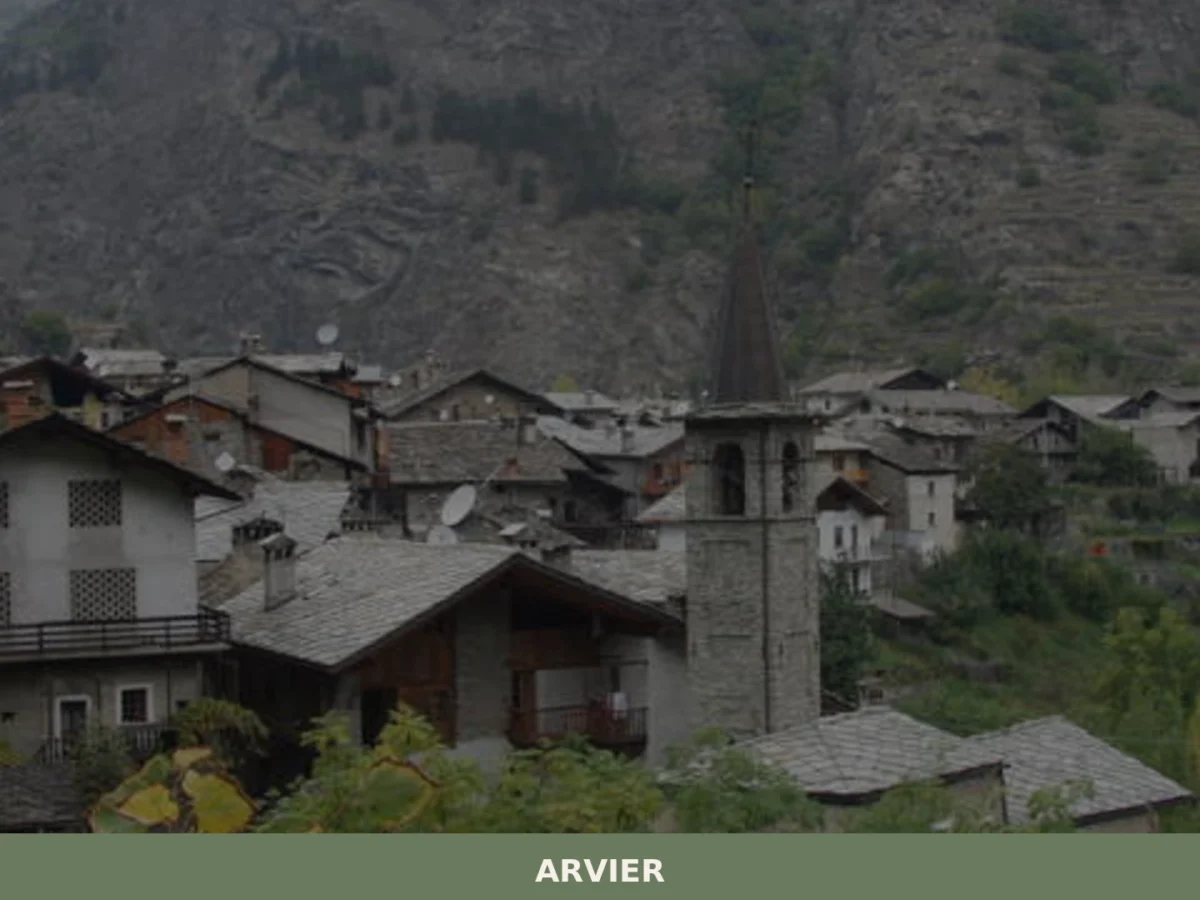
Arvier
Mountain
Discover what to see in Arvier, Valle d'Aosta: medieval borough, feudal tower, Enfer d'Arvier vineyards, local food and practical travel tips.
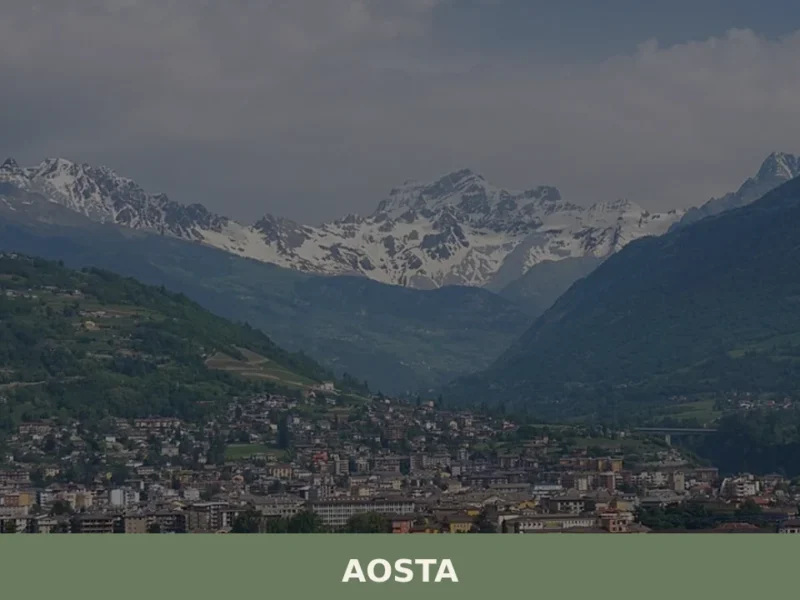
Aosta
 Hills
Hills
What to see in Aosta: Roman city at 583 m in the Aosta Valley. Arch of Augustus, Roman theatre, Fontina PDO and Fiera di Sant'Orso. Plan your visit now.
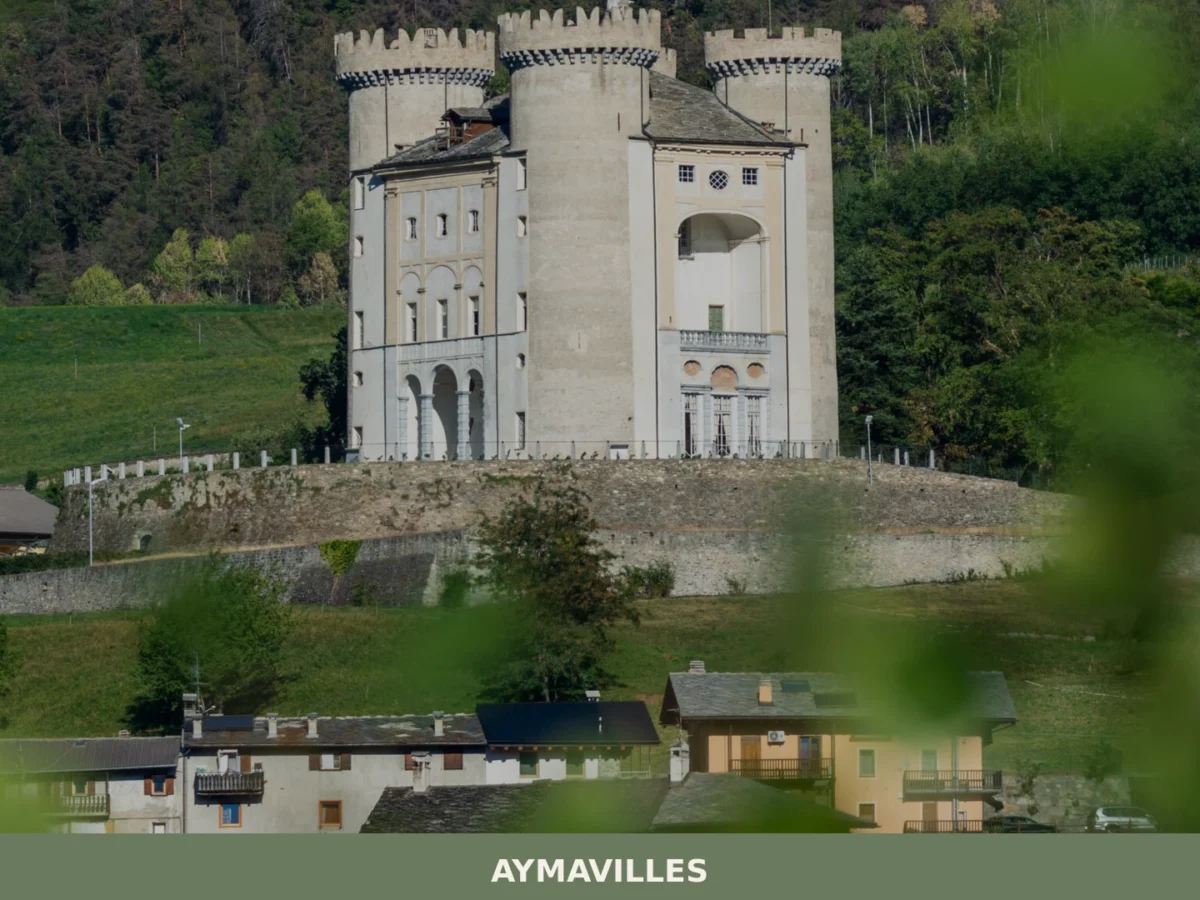
Aymavilles
Mountain
What to see in Aymavilles, Italy: explore the Roman Pont d'Aël bridge over a 66 m gorge and Alpine trails. Discover top attractions in Valle d'Aosta.
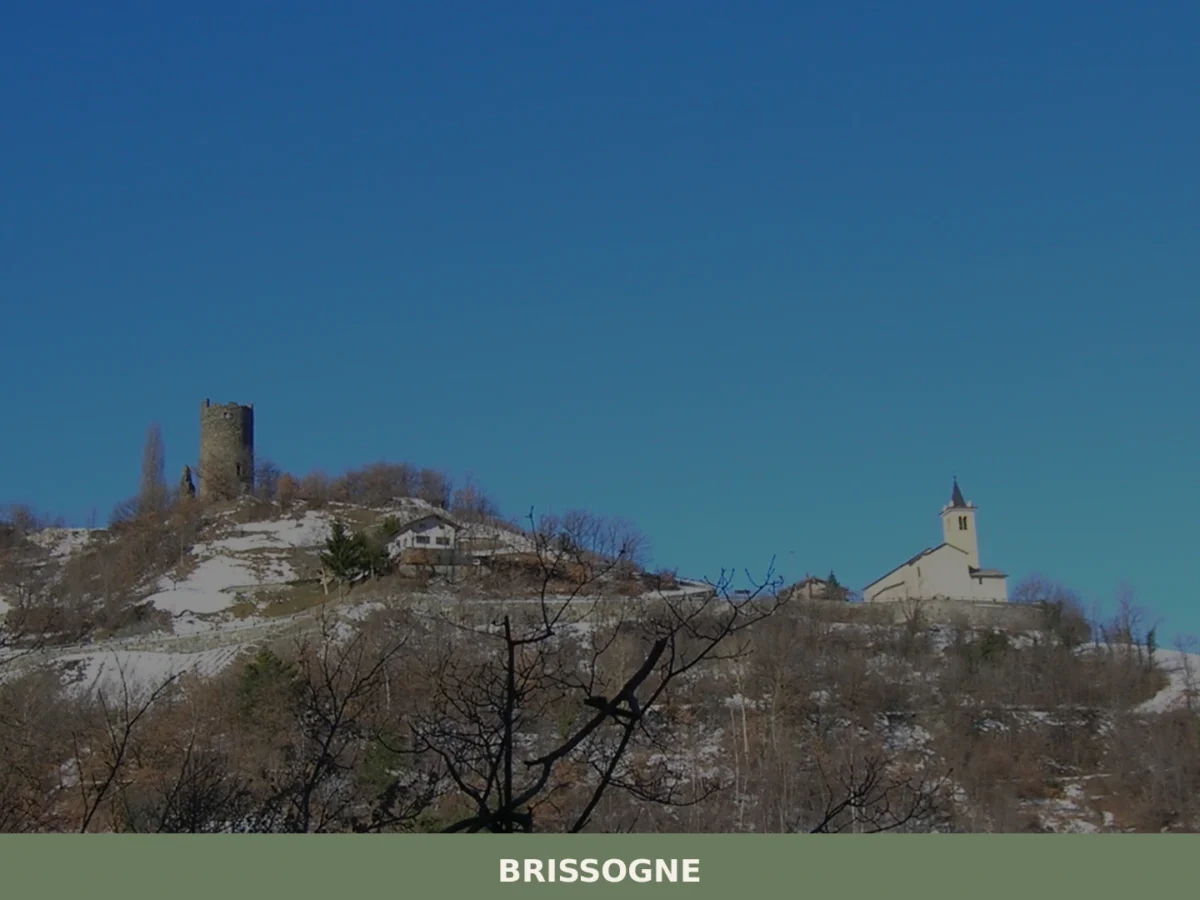
Brissogne
Mountain
What to see in Brissogne? Discover the 5 unmissable attractions of this village in Aosta Valley. From the church to the castle, plan your visit here!
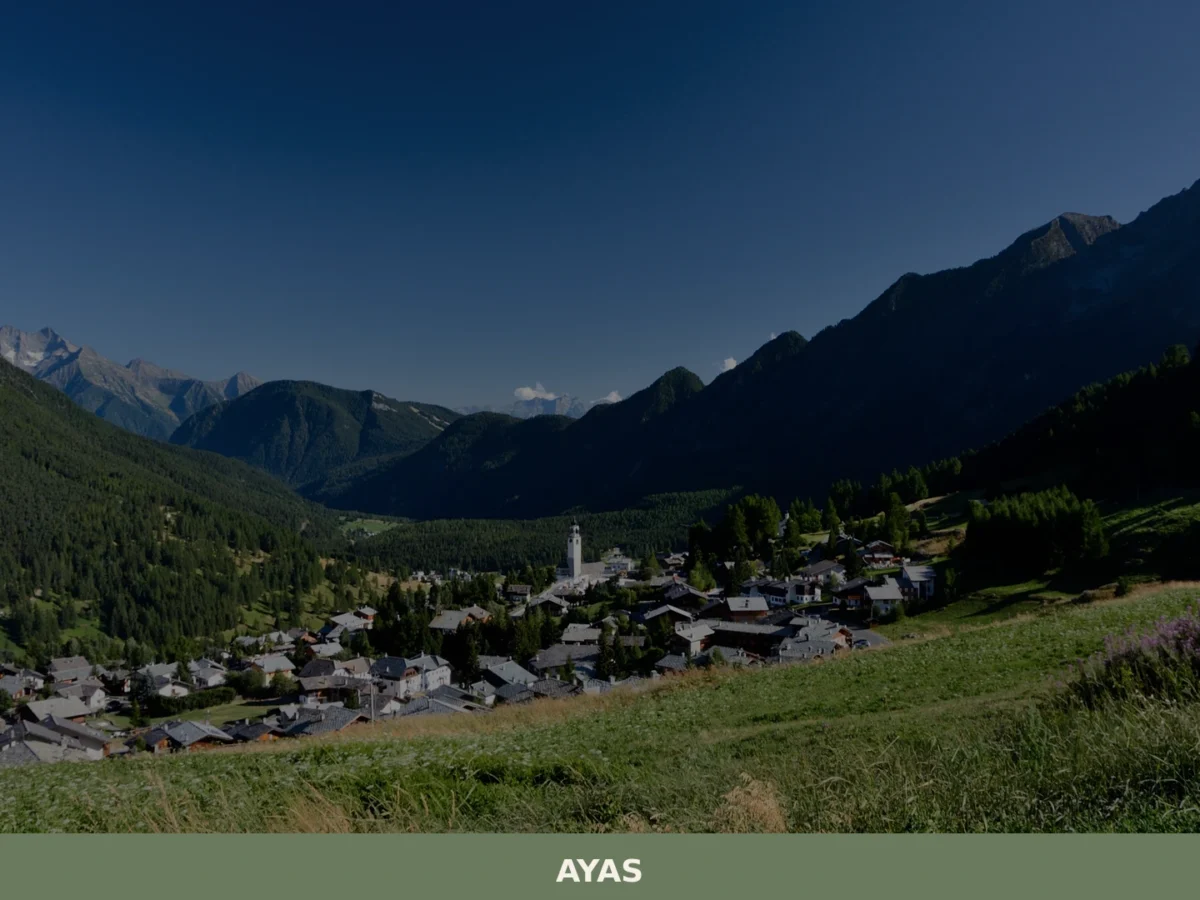
Ayas
Mountain
What to see in Ayas, Valle d'Aosta, Italy: explore alpine villages at 1,600 m, medieval chapels and local cuisine. Discover top attractions and how to get there.
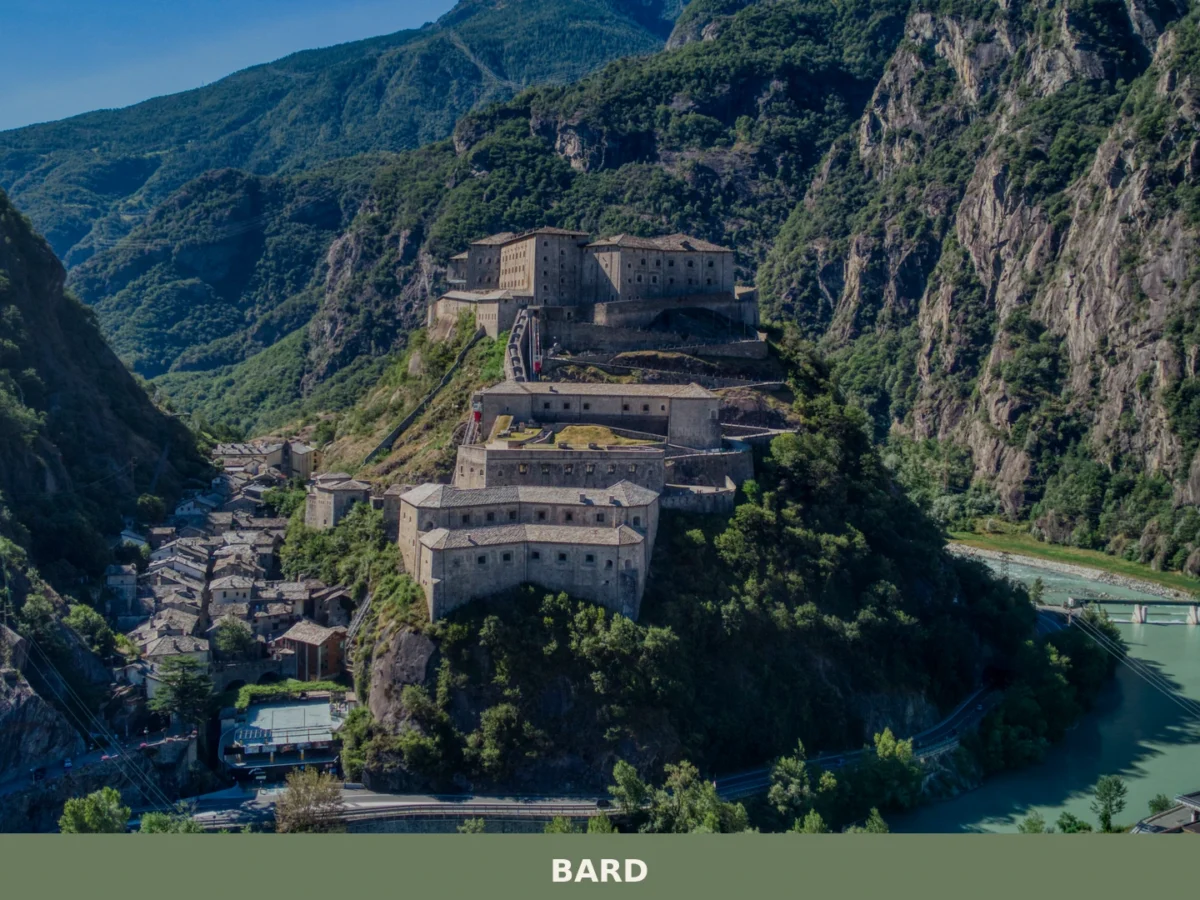
Bard
Mountain
What to see in Bard, Valle d'Aosta, Italy: explore the Fort, medieval streets and local food. Bard sits at 400 m. Discover top attractions and how to get there.
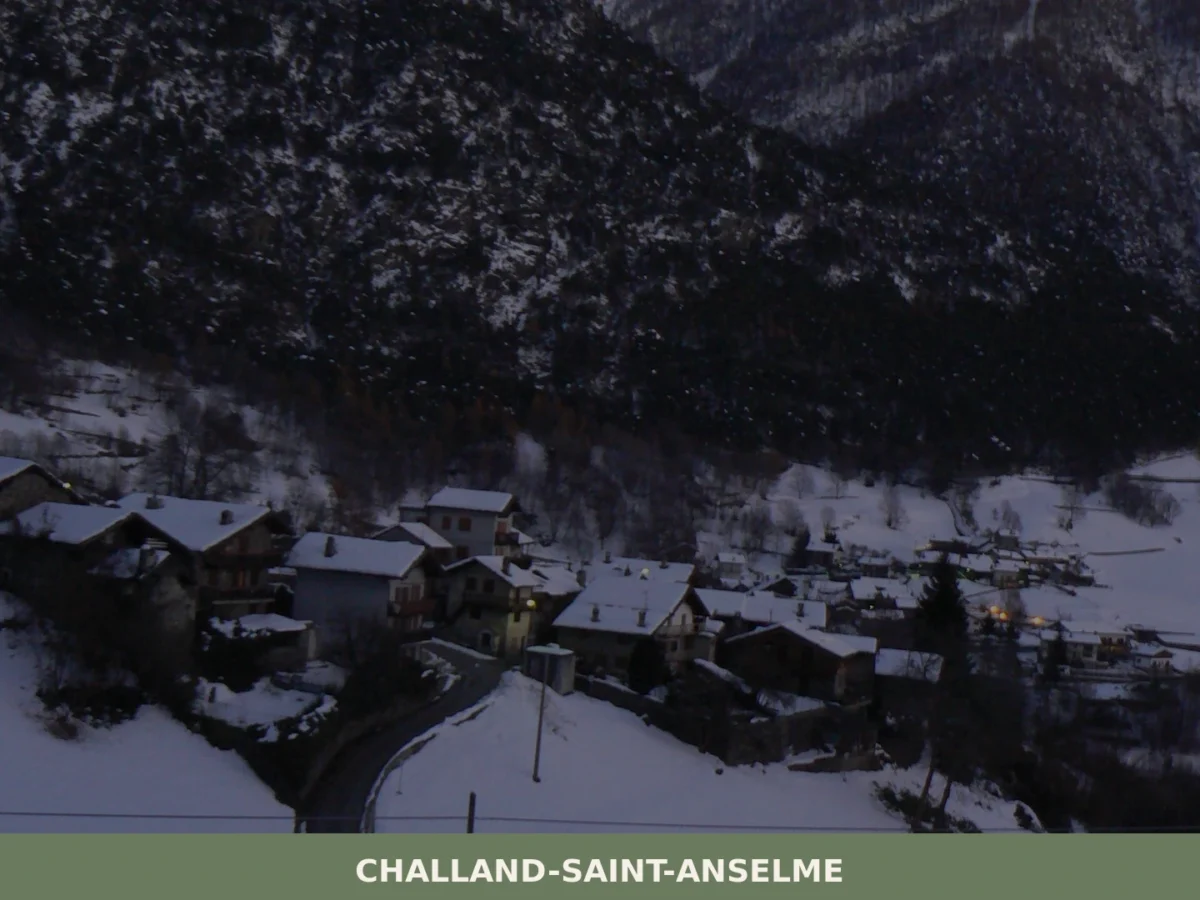
Challand-Saint-Anselme
Mountain
What to see in Challand-Saint-Anselme, Italy? Discover its 1036 m (3,399 ft) altitude, ancient mills, and the Church of Saint-Anselme. Explore this mountain village.
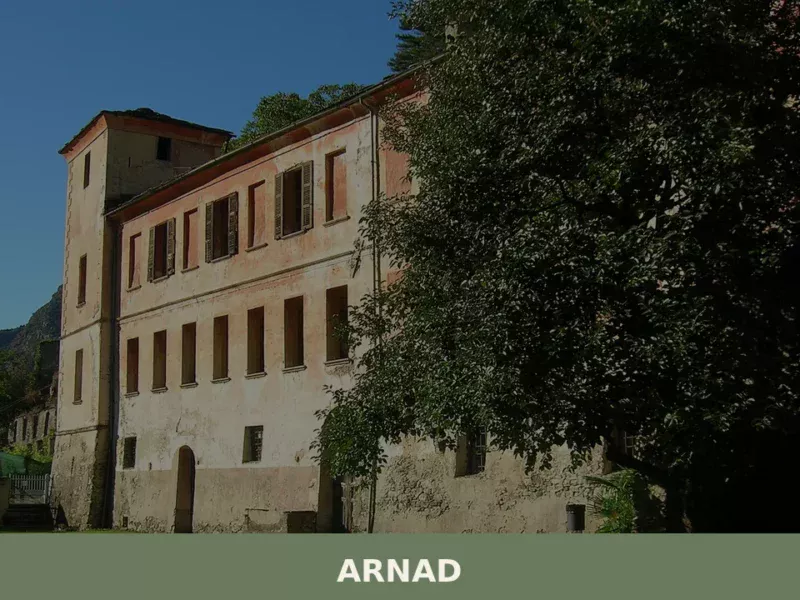
Arnad
Mountain
Discover what to see in Arnad: medieval Château Vallaise, Lard d'Arnad DOP, historic irrigation channels and terraced vineyards in Italy's Aosta Valley.

🏡 Know Gressoney-La-Trinité better than we do?
If you’re a local or have been there, your knowledge matters: add what’s missing or fix a detail on this page.