


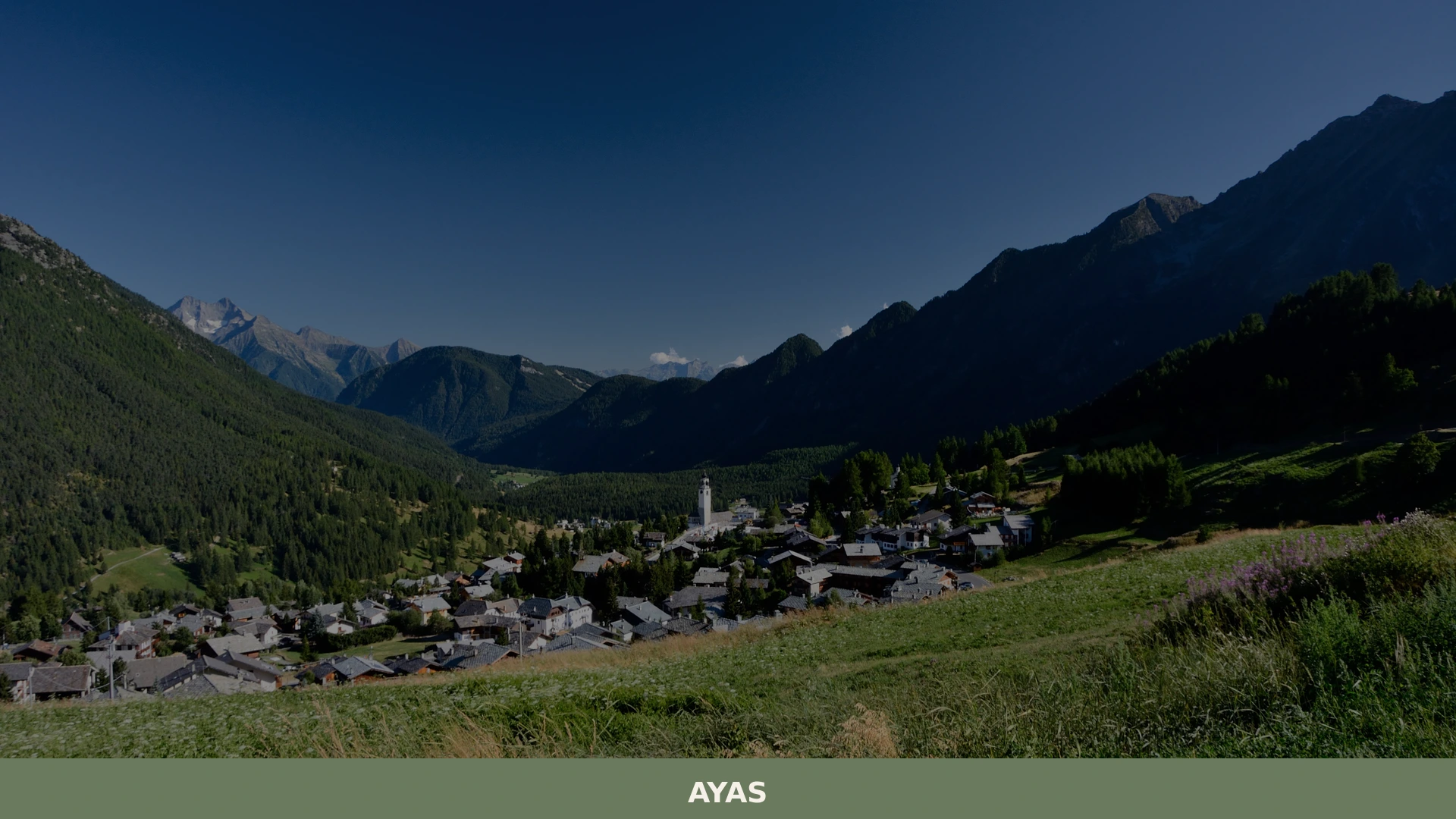

What to see in Ayas, Valle d’Aosta, Italy: explore alpine villages at 1,600 m, medieval chapels and local cuisine. Discover top attractions and how to get there.
Discover Ayas
The Champoluc valley cuts northeast from the main Aosta corridor, its flanks rising steeply through larch forest before the treeline gives way to open pasture and granite. The valley floor sits at roughly 1,600 m (5,249 ft) above sea level, and the range of the Monte Rosa massif closes the upper end of the view with permanent snowfields even in July.
Four separate hamlets form the administrative unit — Champoluc, Antagnod, Brusson and Mascognaz — each with its own bell tower, its own calendar of livestock movements, and roads that narrow to single tracks between old stone barns.
Deciding what to see in Ayas is easier once you understand the geography: the comune stretches across roughly 103 sq km (39.8 sq mi) of the Aosta Valley in north-western Italy, making it one of the larger mountain municipalities in the region.
Visitors to Ayas find a concentration of Walser-influenced architecture, high-altitude chapels dating back to the medieval period, and trail access to the Monte Rosa foothills that functions in both summer and winter. The Ayas highlights include the village core of Antagnod, the chapel circuit above Champoluc, and a network of marked paths connecting all four hamlets at elevations between 1,200 m (3,937 ft) and 2,700 m (8,858 ft).
History of Ayas
The valley’s documented history reaches back to the medieval period, when the area fell under the jurisdiction of the counts of Challant, one of the most influential feudal families in the Aosta Valley.
The Challant family held authority over much of the upper valleys radiating from the main Dora Baltea corridor, and their administrative and military presence shaped settlement patterns across the region. Ecclesiastical records from the late medieval period confirm the existence of chapels in the main hamlets, indicating established communities well before the modern comune boundaries were drawn.
A distinct cultural layer in Ayas derives from the Walser communities, Germanic-speaking settlers who crossed the Alpine passes from the Valais region of what is now Switzerland, establishing themselves in several high-altitude valleys of the western Alps from the 13th century onward.
Their presence in the upper reaches of the Ayas valley left architectural traces in the construction technique of the rascard, a traditional Walser barn built with a ground-level stone base and upper floors in stacked larch timber, raised on stone mushroom-shaped supports called arquebuses that prevented rodents from reaching stored grain.
These structures remain visible in Mascognaz and the higher sections of Antagnod.
The modern comune of Ayas, part of the autonomous region of Valle d’Aosta, was formally constituted within the Italian administrative framework that organised mountain communes across the north-west following the post-war republican reorganisation.
The valley’s economy shifted progressively from subsistence agropastoralism — centred on summer transhumance with cattle to high pastures and the production of aged cheeses — toward mountain tourism beginning in the second half of the 20th century, following the development of ski infrastructure at Champoluc in the 1960s and 1970s. Population in the comune has historically fluctuated with seasonal migration patterns, a feature common across the high Alpine valleys of the region.
What to see in Ayas, Valle d’Aosta: top attractions
Village core of Antagnod
Antagnod stands at approximately 1,699 m (5,574 ft) and is widely considered the most architecturally coherent of the four hamlets.
The central cluster of stone and larch-timber buildings follows the slope without a formal piazza, instead opening onto a small square dominated by the parish church of Sant’Anna, which preserves internal fresco cycles attributable to the 15th and 16th centuries. The surrounding lanes pass between rascards still in recognisable condition, their larch timber darkened to near-black by decades of exposure.
Reaching Antagnod from Champoluc takes roughly 20 minutes by road on the regional route that ascends the eastern flank of the valley.
Chapel of Cuneaz and the high-pasture circuit
The hamlet of Cuneaz sits at around 1,900 m (6,234 ft) and serves as the trailhead for one of the more direct ascent routes toward the upper Ayas basin.
The chapel here, dedicated to the Madonna della Neve, was documented in cadastral records from the 18th century and follows the single-nave plan common to Alpine votive architecture. Standing in front of it, visitors look north across a bowl-shaped pasture toward the ridgeline separating the Ayas valley from the Gressoney valley. The best time to visit this route is between late June and mid-September, when the access track above Cuneaz is free of snow and the meadows are in full summer condition.
Champoluc village centre and the Monterosa Ski access
Champoluc, at 1,568 m (5,144 ft), functions as the main commercial and transport node of the comune. The village’s original core of stone buildings now sits alongside the cable-car infrastructure developed from the 1970s onward, which connects to the Monterosa Ski circuit — a linked ski area spanning the Ayas, Gressoney and Alagna valleys across the Monte Rosa massif. In summer, the same lifts serve walkers accessing trails above 2,500 m (8,202 ft) without the full elevation gain on foot.
The Monterosa Ski network covers over 180 km (112 mi) of marked runs and connects three valleys.
Mascognaz and the Walser hamlet preservation
Mascognaz is the smallest of the four principal hamlets and the one that has changed least in physical form.
At roughly 1,820 m (5,971 ft), it consists of a tight grouping of rascards and residential buildings arranged without any motorised access road wide enough for regular vehicle traffic, which has limited construction pressure on the historic fabric. The stone mushroom-cap supports — arquebuses — beneath the raised timber barns are intact in several structures, giving the hamlet a legibility as a working agricultural settlement that larger, more developed villages in the region have lost.
Visit in late afternoon when the low sun crosses the larch grain of the timber walls horizontally.
Parish church of San Giovanni Battista in Brusson
Brusson, the fourth hamlet of the comune, occupies the valley floor at approximately 1,330 m (4,364 ft) near the confluence of two secondary streams feeding the Évançon river. The parish church of San Giovanni Battista carries a bell tower in the square Romanesque-derived form typical of medieval Valle d’Aosta ecclesiastical construction, with walls in dressed local stone.
Interior elements include carved wooden furnishings and decorative stonework from multiple restoration phases spanning the 17th and 18th centuries. Brusson is also accessible directly from the main SS506 regional road, making it a practical first stop when arriving from the direction of Antey-Saint-André to the southwest.
Local food and typical products of Ayas
The food culture of the Ayas valley developed in direct relation to its altitude, its livestock economy, and the short growing season imposed by the Alpine climate.
The valley historically produced almost no cereal grain at its upper elevations; the diet relied instead on dairy products from cattle grazing the summer pastures above 2,000 m (6,562 ft), root vegetables, preserved meats and dried pulses brought up from lower elevations. The Walser and Franco-Provençal cultural influences that coexisted in the valley created a culinary vocabulary that overlaps with the wider Valle d’Aosta tradition while retaining local specificity in technique and proportion.
The foundational preparation across the region, and prepared in Ayas households for centuries, is fonduta valdostana — a melted cheese sauce produced by dissolving thin slices of aged Fontina in warm milk, then binding the mixture with egg yolks over gentle heat.
The texture should be smooth and slightly elastic, not grainy; the process requires patience and low temperature.
Polenta concia, cornmeal cooked to a dense consistency and folded with butter and cheese while still hot, is a second staple that appears on tables from October through March. Zuppa di pane valdostana layers stale dark bread, cabbage, beef stock and Fontina in a deep earthenware vessel and bakes until the top layer forms a firm, browned crust.
The most important certified product in the valley — and across the whole of Valle d’Aosta — is Fontina DOP, a semi-cooked pressed cheese produced exclusively from the raw whole milk of Valdostana breed cattle, aged for a minimum of 80 days in mountain cellars or caves.
Its rind is thin and brownish, its interior straw-yellow with a smooth, slightly elastic paste and a fat content around 45 percent.
A second certified product relevant to the lower Aosta Valley is Valle d’Aosta Lard d’Arnad DOP, a cured fatback produced in the municipality of Arnad using stone or chestnut-wood containers called doïls, packed with mountain herbs including rosemary, sage, bay leaf and garlic and aged for a minimum of 12 months.
In Champoluc and Antagnod, several small shops and the weekly market held in Brusson on Saturday mornings carry local dairy products, cured meats and mountain honey.
September and October represent the best period to find Fontina produced from summer-pasture milk — known informally as Fontina d’alpeggio — in the small dairies and cooperative outlets of the valley, when the cattle have returned from the high pastures and the season’s production is freshly aged.
Festivals, events and traditions of Ayas
The most rooted annual event in the Ayas calendar is the désalpe, the autumn descent of cattle from the high summer pastures back to the valley floor.
Across the Valle d’Aosta region this event typically takes place between late September and mid-October, and in Ayas it is marked in Brusson and Champoluc with the cattle decorated with flower garlands and large cowbells, accompanied by herders in traditional dress. The event is not a staged performance but the actual operational movement of livestock that the valley’s dairy economy requires each year.
Crowds gather along the road from the upper hamlets to watch the procession and buy products from the seasonal stalls.
The feast of Sant’Anna, patron of the church in Antagnod, falls on 26 July and draws residents from all four hamlets for a Mass followed by an outdoor gathering in the square. A separate religious calendar point is the feast of the Madonna della Neve on 5 August, which corresponds to the votive dedication of the chapel at Cuneaz. Both dates fall within the high summer season, when the valley population swells with visitors, and both involve the ringing of church bells across the bowl of the valley in a sequence that each hamlet answers in turn.
When to visit Ayas, Italy and how to get there
The two peak periods for visiting Ayas, Valle d’Aosta, Italy are July-August for alpine walking and late December through March for skiing.
July and August offer stable weather at altitude, full operation of the cable cars above Champoluc, and access to the entire trail circuit connecting the four hamlets.
The shoulder periods — June and September — present lower visitor numbers, open trails, and the particular visual quality of the valley either before or after the summer flowers. Winter visitors should expect road conditions requiring winter tyres or chains above Brusson from November onward. Those primarily interested in the Walser architectural heritage of Mascognaz and Antagnod will find October, once the désalpe has concluded and before the first heavy snowfall, to be an effective period for unhurried exploration.
By road from , the drive to Champoluc covers approximately 60 km (37.3 mi) via the A5 motorway eastward to the Verrès exit, followed by the SS506 regional road north through the Évançon valley. Journey time from Aosta runs to around 50-60 minutes depending on road conditions. From Turin, the distance is roughly 140 km (87 mi) via the A5, making a day trip from Turin feasible. Milan is approximately 210 km (130.5 mi) via the A4 and A5 motorways, representing a journey of around 2.5 to 3 hours.
The nearest rail connection is Trenitalia services to Verrès station, located at the foot of the Évançon valley, from which local buses or taxis serve the upper valley.
The nearest international airport is Turin Caselle (TRN), approximately 155 km (96.3 mi) from Champoluc. For international visitors arriving without a vehicle, hiring a car at Turin airport gives the most flexibility; English is not widely spoken in the smaller shops and bars of the upper hamlets, and carrying a supply of euros in cash is advisable for transactions outside the main Champoluc commercial street.
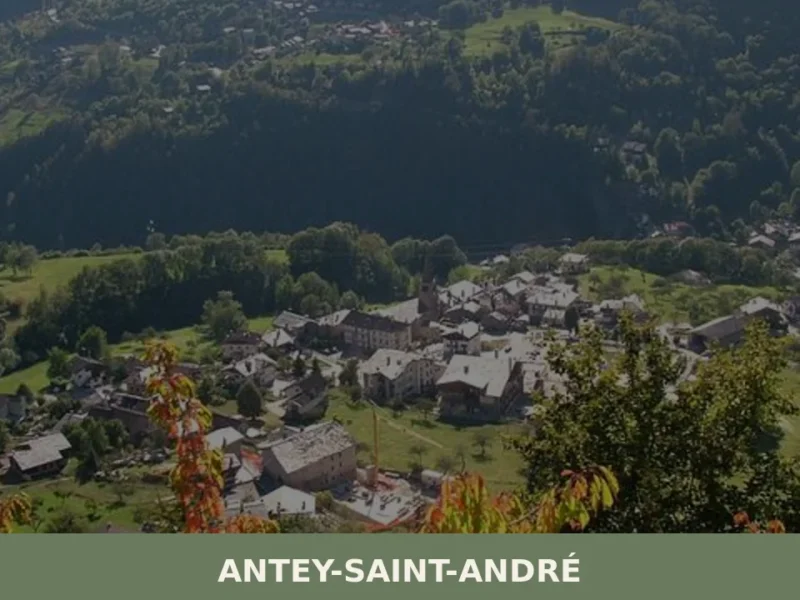
Visitors exploring what to see in Ayas over more than one day can extend their route southward through the Évançon valley toward Antey-Saint-André, or consider the broader context of the Aosta Valley by factoring in the historic core of Aosta itself, roughly one hour’s drive to the west. The full comune of Ayas rewards at least two days on the ground: one for the lower hamlets of Brusson and Champoluc, and a second for the ascent to Antagnod, Cuneaz and Mascognaz.
Frequently asked questions about Ayas
What is the best time to visit Ayas?
Ayas offers distinct experiences throughout the year. Winter, typically from December to April, is ideal for ski enthusiasts, with direct access to the extensive Monterosa Ski circuit from Champoluc. For hiking and enjoying the Alpine meadows, late June to mid-September is perfect, as trails like the high-pasture circuit above Cuneaz are snow-free. Autumn, especially September and October, provides stunning foliage and is the best time to taste freshly aged Fontina d'alpeggio. While less focused on tourism, November 11th marks the patronal feast of San Martino di Tours, offering a glimpse into local traditions.
What to see in Ayas? Main monuments and landmarks
Ayas boasts several captivating sights across its hamlets. The village core of Antagnod is a highlight, featuring the historic Parish Church of Sant'Anna with its 15th-16th century frescoes and well-preserved Walser rascards. Visit the Chapel of Cuneaz, dedicated to the Madonna della Neve, for its 18th-century charm and panoramic views, best enjoyed from late June to mid-September. Explore Mascognaz, a remarkably intact Walser hamlet with unique rascards and arquebuses, ideally in the late afternoon for beautiful light. In Brusson, the Parish Church of San Giovanni Battista stands out with its Romanesque-derived bell tower and historical interiors. Champoluc serves as the main hub and gateway to mountain adventures.
What are the main natural or scenic attractions of Ayas?
Ayas is nestled in the stunning Champoluc valley, offering dramatic natural beauty. The majestic Monte Rosa massif, with its permanent snowfields, provides a breathtaking backdrop visible even in summer. Visitors can explore vast larch forests that transition into open high pastures as elevation increases. A notable scenic attraction is the high-pasture circuit above Cuneaz (around 1,900 m), which presents expansive views across a bowl-shaped pasture toward the ridgeline separating the Ayas and Gressoney valleys. In summer, the Monterosa Ski lifts from Champoluc provide convenient access to high-altitude trails above 2,500 meters, opening up unparalleled Alpine vistas for walkers.
Where to take the best photos in Ayas?
For truly iconic photographs in Ayas, head to Mascognaz in the late afternoon. The low sun beautifully illuminates the larch timber of the traditional Walser rascards, highlighting their unique architecture and the historic mushroom-shaped stone supports. Another prime spot is the Chapel of Cuneaz (1,900 m); standing in front of it, you'll capture a spectacular north-facing view across a picturesque bowl-shaped pasture towards the dramatic ridgeline separating the Ayas and Gressoney valleys. The entire Champoluc valley, especially during autumn with its vibrant larch foliage or under a fresh winter snowfall, offers countless opportunities for stunning landscape photography.
Are there museums, churches or historic buildings to visit in Ayas?
Yes, Ayas offers several historical and religious sites. You can visit the Parish Church of Sant'Anna in Antagnod, renowned for its 15th and 16th-century frescoes. The Chapel of Cuneaz, a charming 18th-century structure, also holds historical interest. In Brusson, the Parish Church of San Giovanni Battista features a distinctive Romanesque-derived bell tower and intricate 17th and 18th-century interior elements. Beyond churches, the traditional Walser rascards – unique timber barns on stone supports – are prominent historic buildings. These are particularly well-preserved and visible in Mascognaz and the higher sections of Antagnod, showcasing centuries-old Alpine construction techniques.
What can you do in Ayas? Activities and experiences
Ayas provides a wealth of activities year-round. In winter, it's a prime destination for skiing and snowboarding, with Champoluc offering direct access to the extensive Monterosa Ski circuit. During the warmer months, hiking is a major draw, with numerous marked paths connecting the hamlets and lifts providing access to high-altitude trails above 2,500 meters, including the scenic high-pasture circuit above Cuneaz. Visitors can also immerse themselves in local culture by exploring the unique Walser architecture, particularly the remarkably preserved rascards in Mascognaz and Antagnod. Culinary experiences include tasting local Fontina DOP cheese, cured meats, and mountain honey, available at local shops or the Saturday market in Brusson.
Who is Ayas suitable for? Families, couples, hikers, solo travelers?
Ayas is a versatile destination appealing to a broad range of visitors. It is exceptionally suitable for **winter sports enthusiasts** due to its direct connection to the Monterosa Ski circuit. **Hikers and trekkers** will find it ideal, with extensive trails for all levels, especially from late June to mid-September. **Families** will enjoy the blend of outdoor activities and the charm of the hamlets. **Couples and cultural travelers** can explore the unique Walser architecture, historic churches, and serene mountain landscapes. Finally, **food lovers** will appreciate the opportunity to savor authentic Valle d'Aosta specialties like Fontina DOP. It's a perfect choice for anyone seeking an active, culturally rich, and scenic Alpine getaway.
What to eat in Ayas? Local products and specialties
The cuisine of Ayas is deeply rooted in its Alpine environment. Must-try specialties include **Fonduta Valdostana**, a rich melted Fontina cheese sauce, and **Polenta Concia**, a hearty cornmeal dish folded with butter and local cheese. Don't miss **Zuppa di Pane Valdostana**, a comforting layered soup with stale bread, cabbage, beef stock, and Fontina. The most iconic product is **Fontina DOP**, a semi-cooked pressed cheese made exclusively from Valdostana cattle milk and aged for a minimum of 80 days. You can find these delights, along with local cured meats and mountain honey, at small shops in Champoluc and Antagnod, or at the weekly Saturday market in Brusson. For the freshest 'Fontina d'alpeggio,' visit in September or October.
📷 Photo Gallery — Ayas
Nearby Villages near Ayas
In Aosta Valley More villages to discover
Arnad
 Mountain
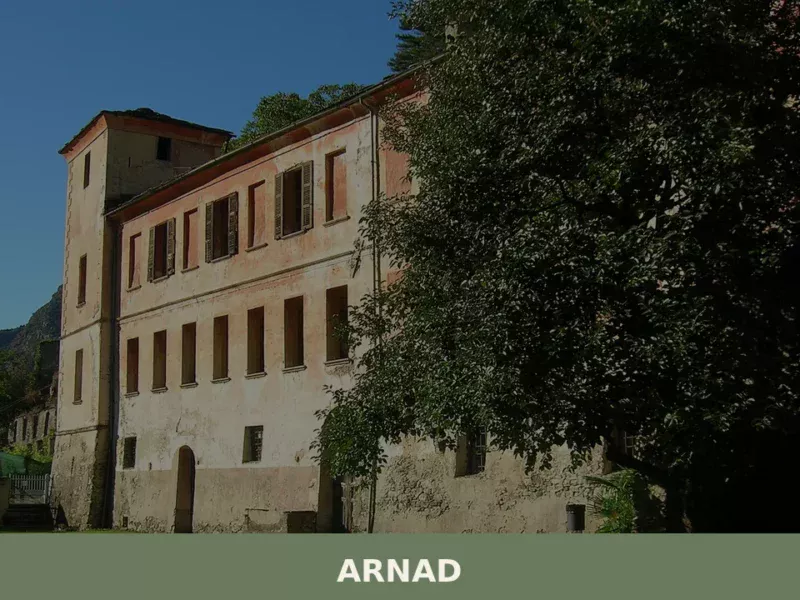
Discover what to see in Arnad: medieval Château Vallaise, Lard d'Arnad DOP, historic irrigation channels and terraced vineyards in Italy's Aosta Valley.
La Thuile
Mountain
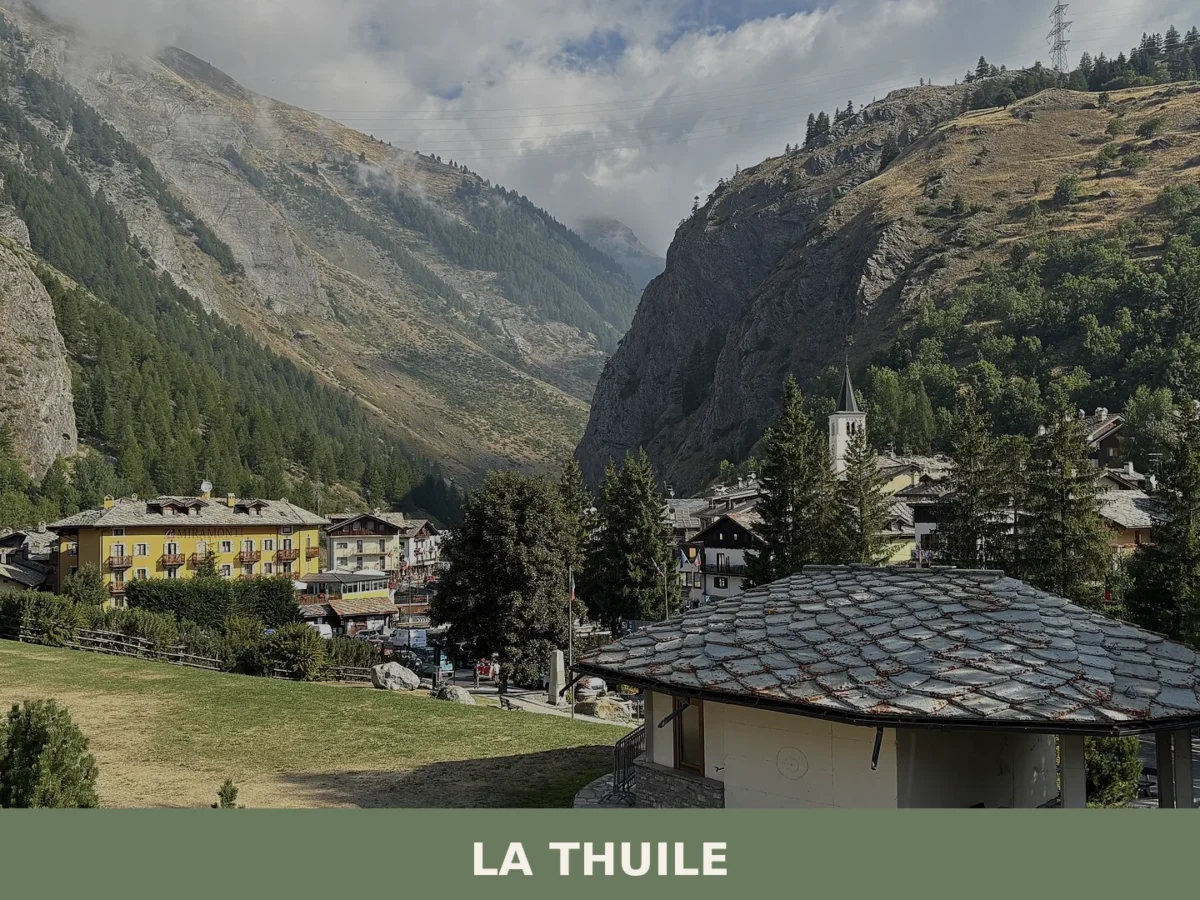
La Thuile is an Alpine municipality at 1,455 metres in the Aosta Valley, a historic mountain crossing between Italy and France with 774 residents and over 126 square kilometres of high-altitude landsc
Gressan
Mountain
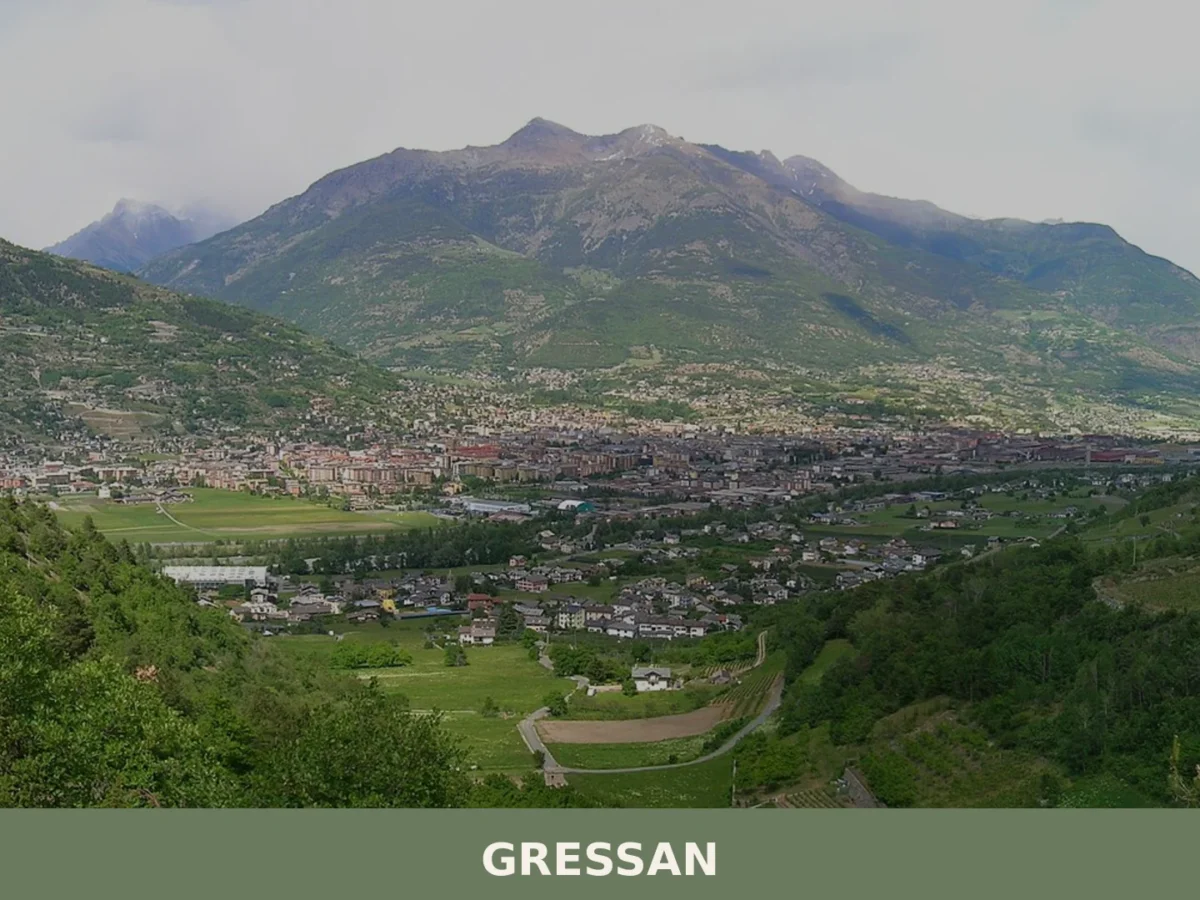
Gressan is a mountain commune of around 3,300 inhabitants in the Valle d'Aosta, rich in medieval heritage, natural landscapes and alpine traditions.
Introd
Mountain
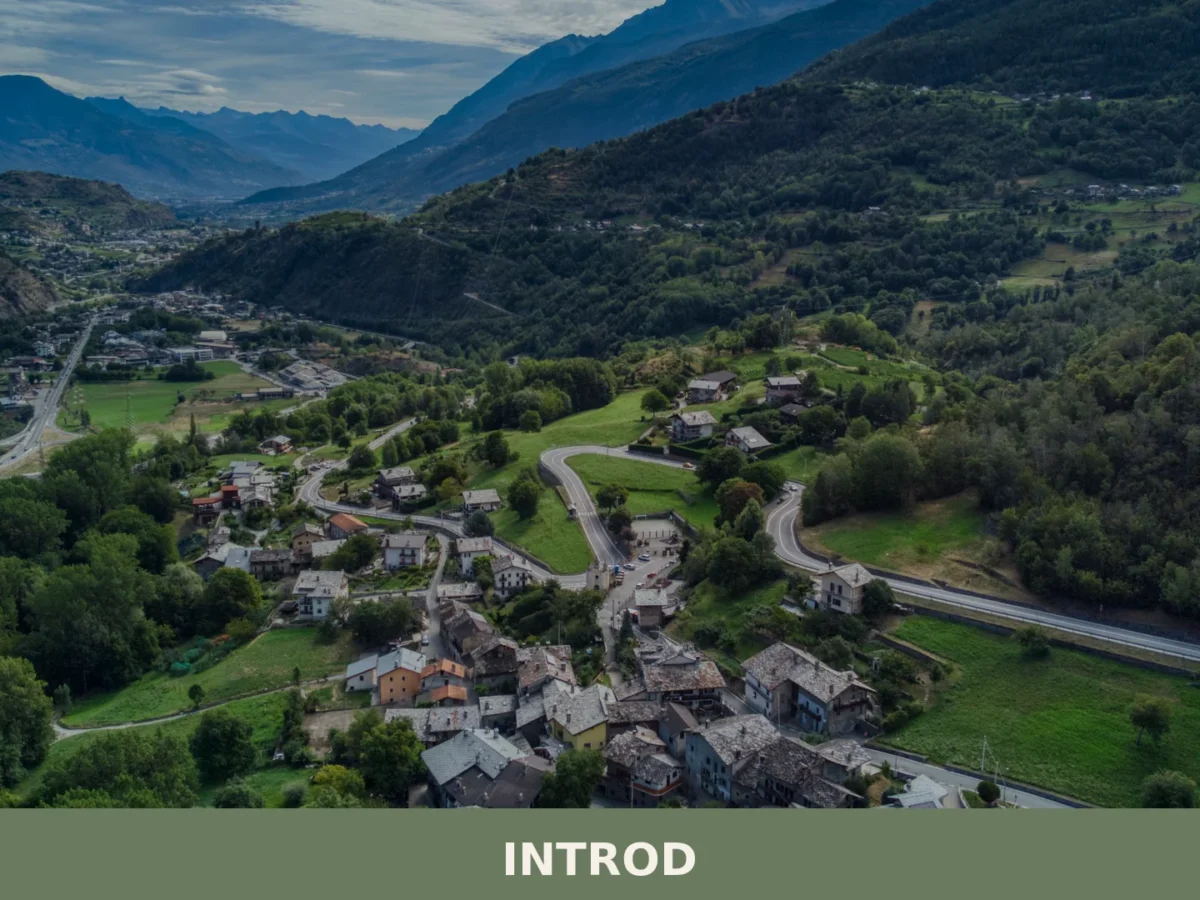
Introd is a mountain commune in the western Aosta Valley, sitting at 876 metres where two glacial valleys open into the Parco Nazionale del Gran Paradiso, with a history stretching back five thousand
Aosta
 Hills
Hills
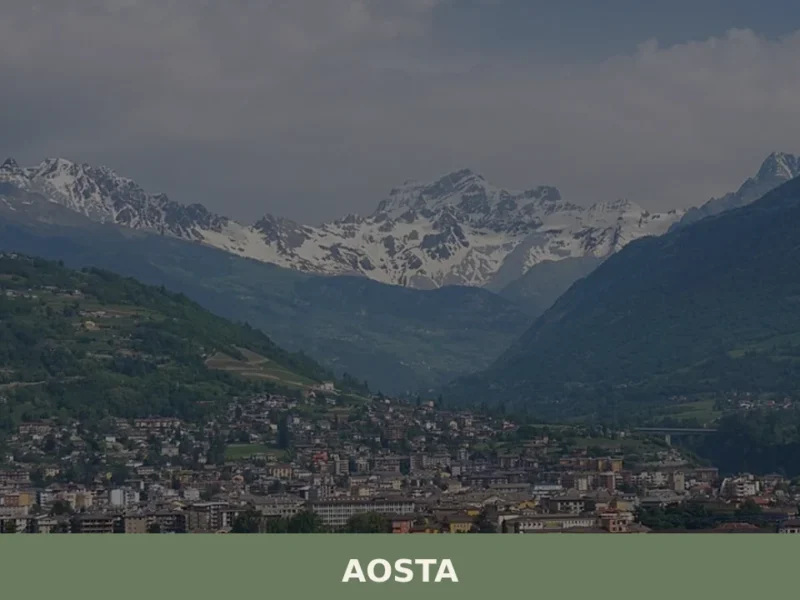
What to see in Aosta: Roman city at 583 m in the Aosta Valley. Arch of Augustus, Roman theatre, Fontina PDO and Fiera di Sant'Orso. Plan your visit now.
Gressoney-La-Trinité
Mountain
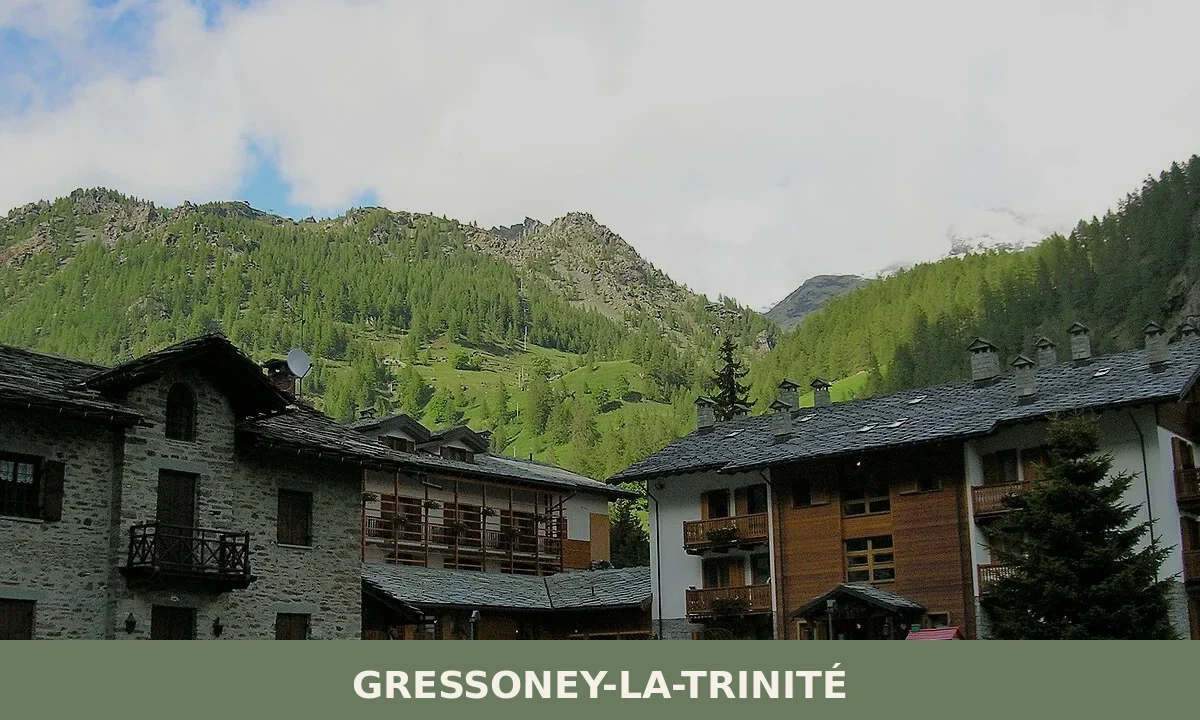
Gressoney-La-Trinité is a 322-inhabitant Walser commune at 1,629 metres in the Valle del Lys, Valle d'Aosta, set against the glaciers and high peaks of the Monte Rosa massif.
Gaby
Mountain
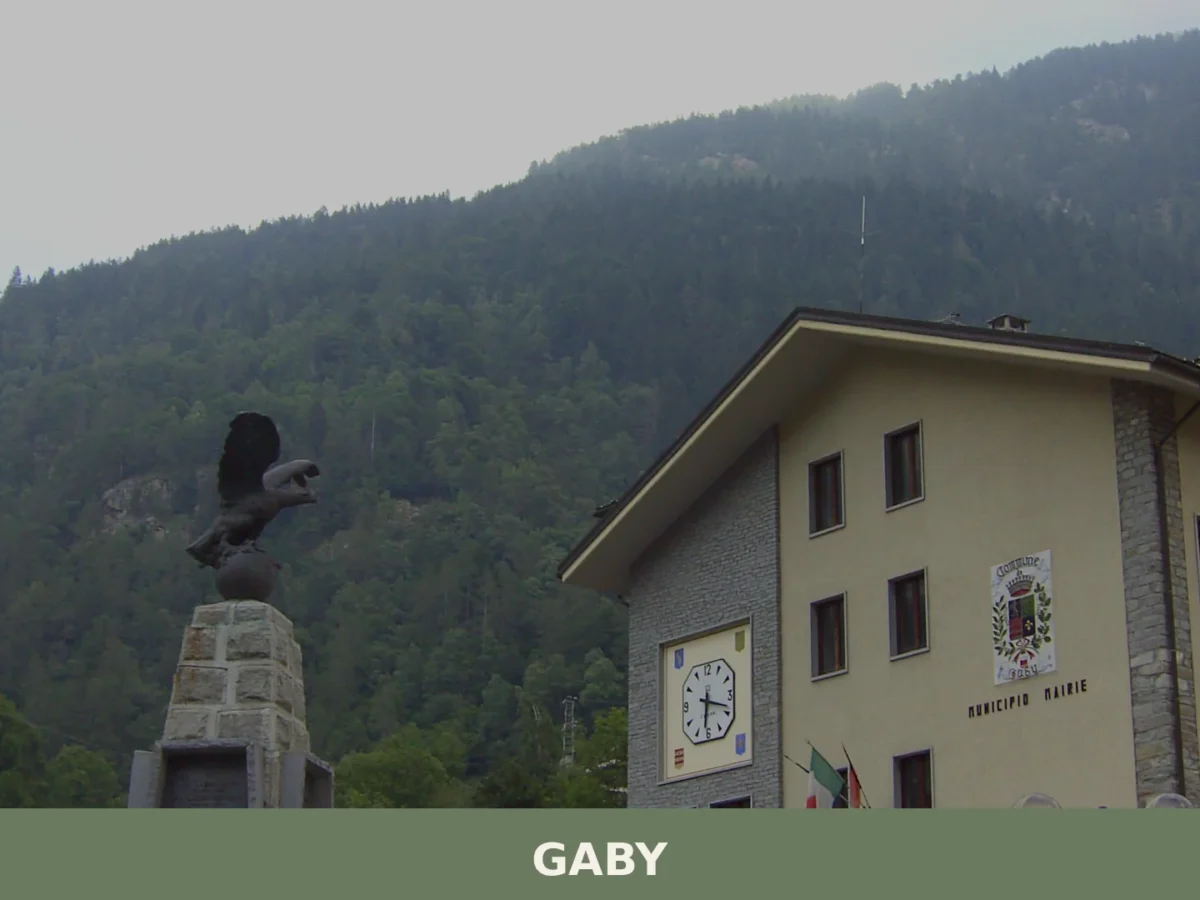
Gaby is a small mountain commune in the Valle d'Aosta, set at 1,050 metres in the Lys valley between Issime and Gressoney-Saint-Jean, where Walser heritage, francoprovençal culture and alpine scenery
Challand-Saint-Anselme
Mountain
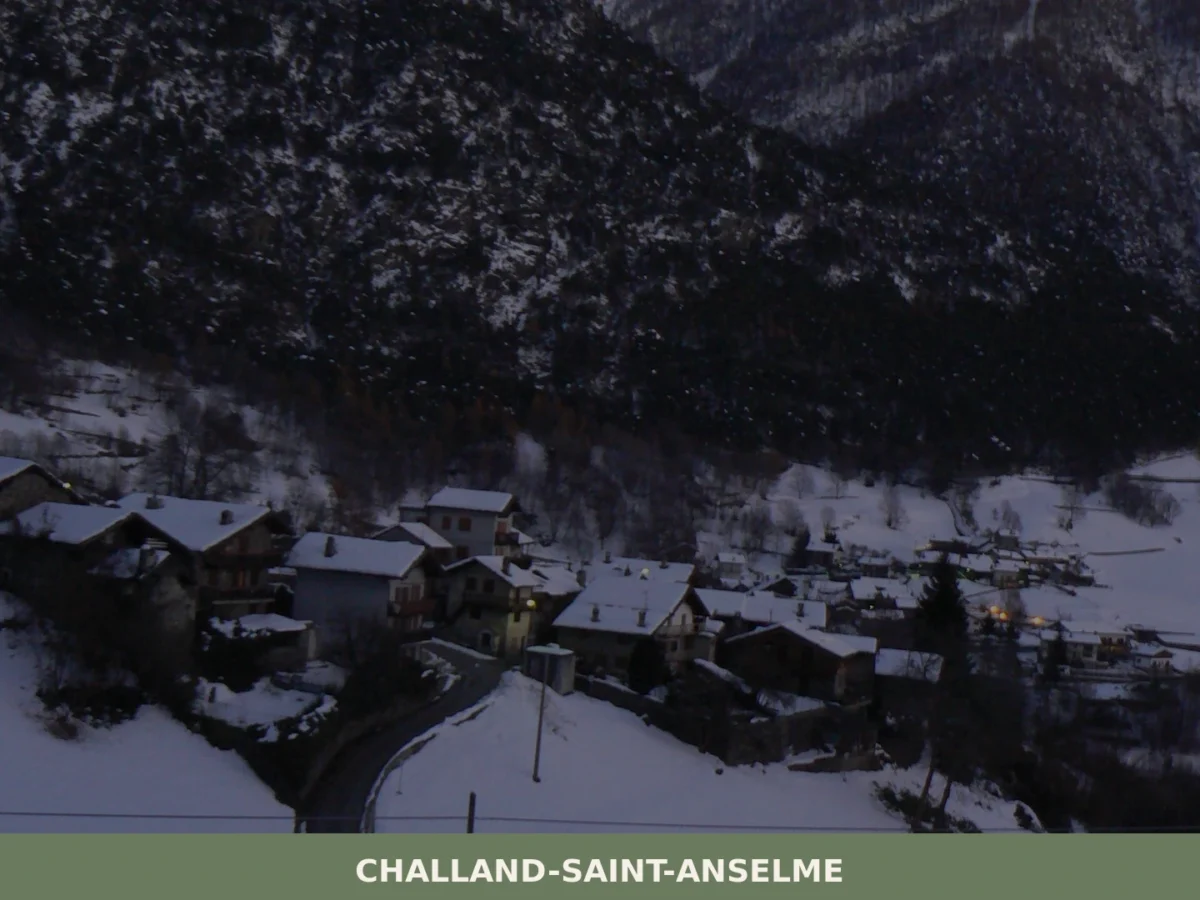
What to see in Challand-Saint-Anselme, Italy? Discover its 1036 m (3,399 ft) altitude, ancient mills, and the Church of Saint-Anselme. Explore this mountain village.
Avise
Mountain
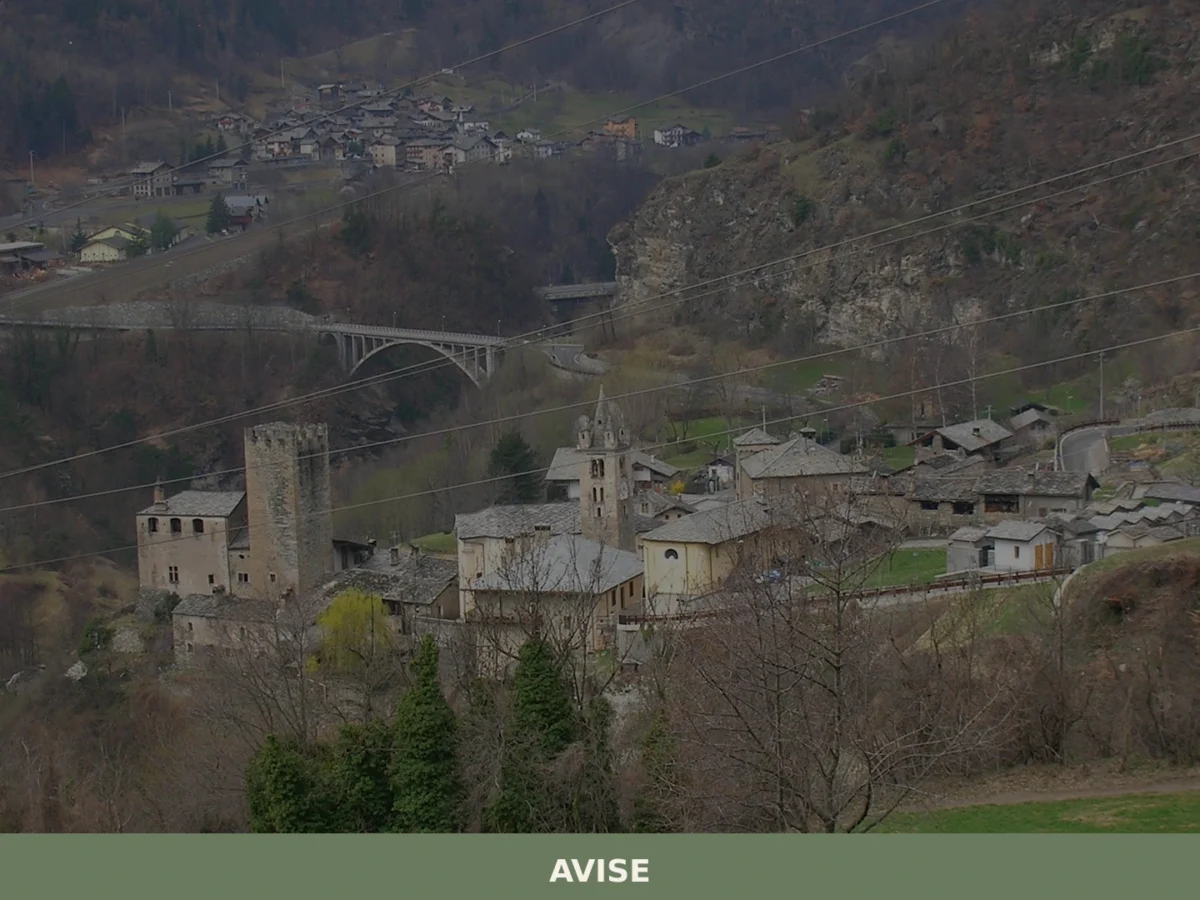
Discover what to see in Avise: a medieval castle, Romanesque church, alpine vernacular architecture and valley views in the upper Valle d'Aosta at 996 metres.
Allein
Mountain
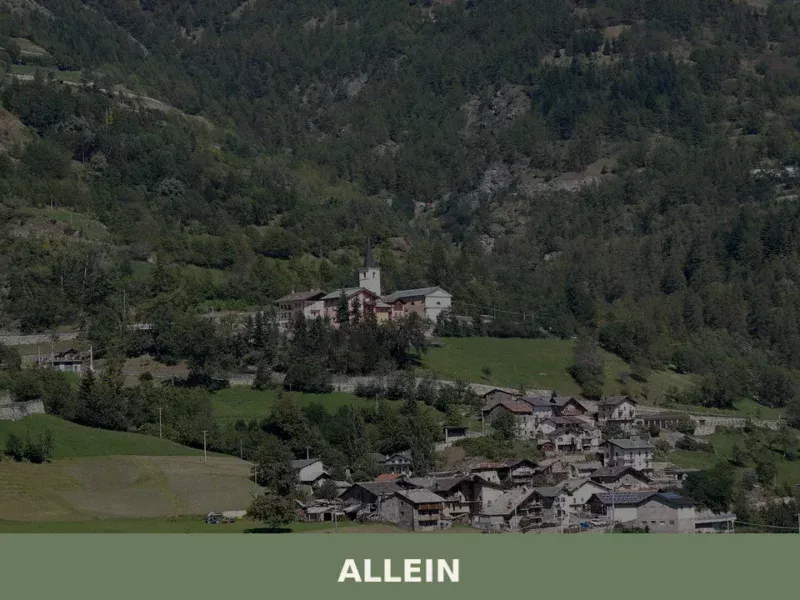
Discover what to see in Allein, a 198-resident comune sparso in the Gran San Bernardo Valley, Valle d'Aosta. History, food, and travel tips.


🏡 Know Ayas better than we do?
If you’re a local or have been there, your knowledge matters: add what’s missing or fix a detail on this page.