


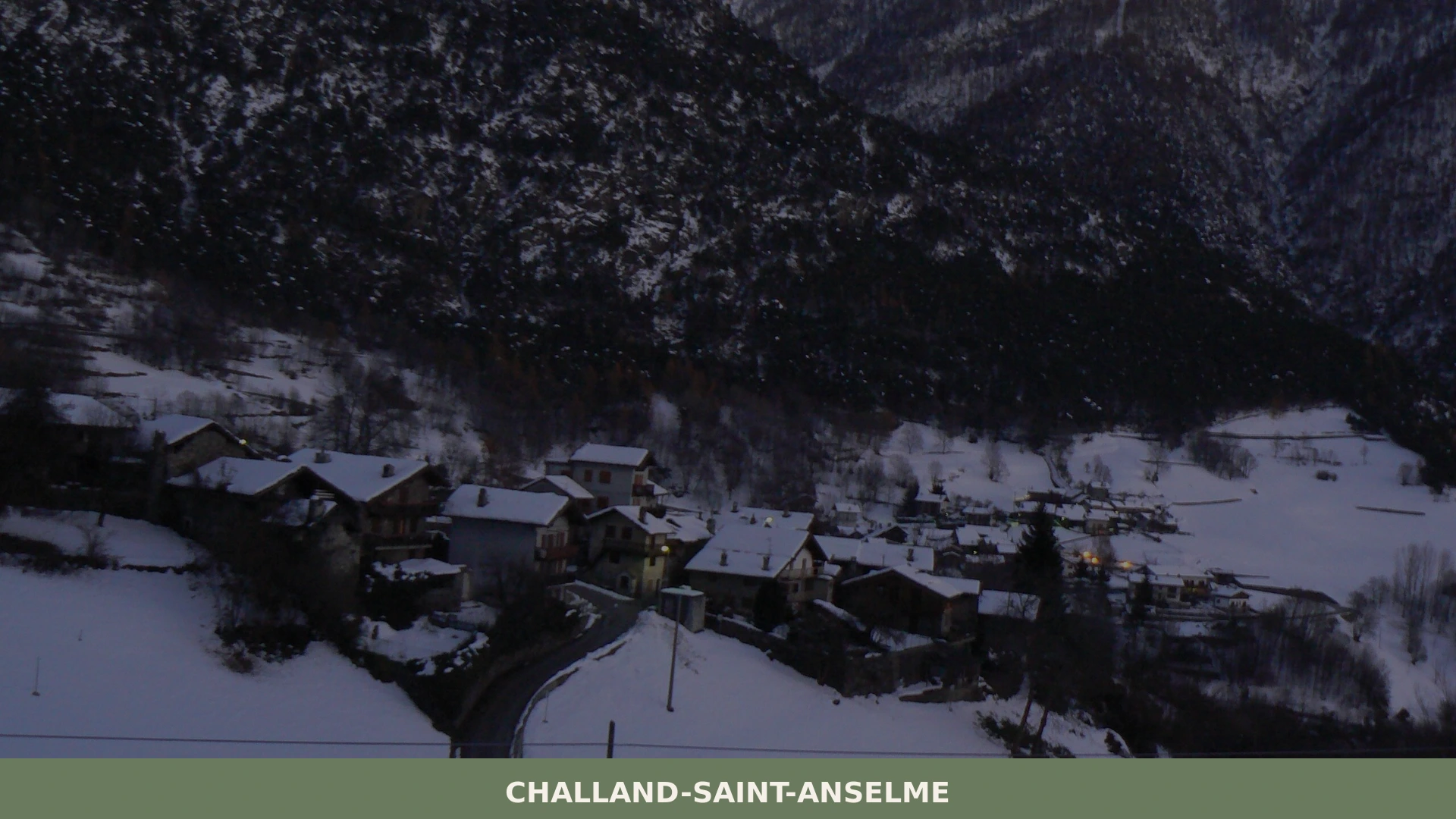

What to see in Challand-Saint-Anselme, Italy? Discover its 1036 m (3,399 ft) altitude, ancient mills, and the Church of Saint-Anselme. Explore this mountain village.
Discover Challand-Saint-Anselme
At an elevation of 1036 m (3,399 ft) above sea level, Challand-Saint-Anselme stands as a quiet presence in the heart of Italy’s Valle d’Aosta region. This alpine village, with its compact cluster of buildings, bears witness to a history shaped by the surrounding peaks and valleys.
The crisp mountain air and the sounds of nature define the atmosphere here, far from the rhythms of urban centers.
For those wondering what to see in Challand-Saint-Anselme, this village of 769 inhabitants offers a glimpse into mountain life and historical integrity.
Visitors can explore the ancient Church of Saint-Anselme and discover the preserved historical mills in Quinçod and Ruvère. The Challand-Saint-Anselme highlights include these significant cultural landmarks, providing a genuine experience for travelers seeking to understand the region.
History of Challand-Saint-Anselme
The name Challand-Saint-Anselme itself reflects the rich linguistic heritage of the Valle d’Aosta, with its French pronunciation [ʃalɑ̃ sɛ̃t‿ɑ̃sɛlm], the local Valdôtain dialect known as Tchallàn damoùn, and the Issime Walser variant, z’uabra Tschallanh.
This linguistic diversity points to a long history of cultural exchange and settlement in the region, situated in northwestern Italy. The village’s identity is thus interwoven with the broader linguistic landscape of the Aosta Valley, a testament to its unique position at the crossroads of various alpine cultures.
As a comune in the Aosta Valley, Challand-Saint-Anselme has been an administrative and social center for its inhabitants for centuries, likely since medieval times, though specific founding dates are not detailed.
Its development has been intrinsically linked to the alpine environment, with communities establishing themselves in the valleys and on the mountain slopes to leverage resources and maintain local traditions.
The village’s strategic position within the Ayas Valley has historically influenced its growth and connections with nearby settlements, shaping its economy primarily around agriculture and pastoralism.
Today, Challand-Saint-Anselme remains a distinct municipality within the Province of Aosta, maintaining its identity while being part of a broader regional tapestry. With a population of 769 residents, it serves as a testament to enduring mountain communities in Italy, adapting over generations. The village continues to uphold its heritage, reflecting a blend of traditional practices and a growing appreciation for its cultural and natural assets, attracting visitors keen to discover what to see in Challand-Saint-Anselme.
What to see in Challand-Saint-Anselme, Valle d’Aosta: top attractions
Church of Saint-Anselme
The Church of Saint-Anselme forms a central point within the village, its architecture a reflection of local religious devotion and historical building practices.
Dedicated to the patron saint, Anselmo d’Aosta, this sacred edifice has served the community for generations, offering a place of worship and gathering. Visitors can observe the structural elements and interior details that speak to centuries of local craftsmanship.
The church’s presence underscores the deep spiritual roots embedded in the daily life of Challand-Saint-Anselme, a testament to its historical continuity.
Shrine of Sainte-Anne
Higher on the slopes, the Shrine of Sainte-Anne offers both spiritual solace and commanding views of the surrounding valley. This site, often reached via a dedicated path, represents a significant pilgrimage destination for locals and a point of interest for visitors seeking tranquility. The construction of such shrines is common in alpine regions, providing a focal point for devotion in remote areas. Exploring the shrine provides insight into the enduring religious traditions of the Valle d’Aosta, with its simple yet profound architecture.
Historical Mills of Quinçod
The historical mills located in the hamlet of Quinçod provide tangible evidence of Challand-Saint-Anselme’s agricultural past and ingenuity.
These structures, often powered by mountain streams, were vital for grinding grain and processing local produce, sustaining the community through the seasons. Observing the preserved mechanisms offers a direct link to traditional ways of life and the resourcefulness required for survival in the alpine environment.
Accessing these mills reveals the practical heritage of the village, showcasing 18th or 19th-century engineering.
Historical Mills of Ruvère
Similarly, the historical mills situated in the locality of Ruvère illustrate the widespread importance of water-powered machinery in Challand-Saint-Anselme’s history. These mills, distinct from those in Quinçod, represent another facet of the village’s industrial heritage, each contributing to the local economy and self-sufficiency. Their design and placement demonstrate an understanding of hydraulic engineering adapted to the mountain terrain.
Discovering these sites allows for an appreciation of the village’s resourceful past, which relied heavily on natural resources.
The Alpine Landscape of Challand-Saint-Anselme
Beyond its specific historical buildings, the very landscape of Challand-Saint-Anselme, characterized by its mountainous terrain, constitutes a major attraction.
Situated at 1036 m (3,399 ft) a.s.l., the village is enveloped by alpine meadows, forests, and peaks that define the Valle d’Aosta region. This natural setting provides opportunities for hiking and appreciating the distinctive flora and fauna of the European Alps. Observing the varied topography offers a profound sense of place for anyone visiting Challand-Saint-Anselme, inviting exploration of its numerous trails.
Local food and typical products of Challand-Saint-Anselme
The culinary traditions surrounding Challand-Saint-Anselme are deeply rooted in the broader gastronomic heritage of the Valle d’Aosta, a region renowned for its robust mountain cuisine. This area’s diet has historically relied on ingredients available from high-altitude farming and animal husbandry, reflecting the challenging yet fertile alpine environment. The cuisine is characterized by its simplicity and the quality of its components, designed to provide sustenance during colder months and demanding physical labor.
This focus on local produce and traditional methods defines much of the regional cooking.
Typical regional fare often includes substantial dishes featuring local cheeses, cured meats, and staples like potatoes and polenta.
While specific traditional dishes or certified products unique to Challand-Saint-Anselme itself are not detailed in the provided historical records or local guides, visitors can expect to find high-quality regional specialties in nearby eateries. The preparation often involves slow cooking and rich flavors, a testament to the practical and comforting nature of mountain food that has evolved over centuries.
Although no specific certified products (such as DOP or IGP designations) are directly attributed to Challand-Saint-Anselme in the available information, the Valle d’Aosta region as a whole boasts several renowned products. These include various alpine cheeses, such as Fontina DOP, and cured meats. Travelers interested in local flavors might explore the wider regional offerings, which often share characteristics with the unlisted local produce of villages like Arnad, known for its specific cured lard.
Such products reflect the deep connection between the land and its people.
Festivals, events and traditions of Challand-Saint-Anselme
The village of Challand-Saint-Anselme honors its patron saint, Anselmo d’Aosta, with a dedicated festival each year on April 21st.
This occasion is a significant event for the local community, bringing together residents in celebration. Traditionally, such patron saint festivals in Italian villages involve religious ceremonies, including a mass and often a procession through the village streets. These events reinforce communal bonds and preserve long-standing cultural practices that define the community.
While specific details of how the festival unfolds in Challand-Saint-Anselme are not provided in the sources, it is customary for these celebrations to feature local gatherings and perhaps traditional music or folk performances. Such events offer visitors a chance to observe local customs and experience the village’s community spirit, providing insight into what to see in Challand-Saint-Anselme beyond its physical landmarks.
Without specific information on food fairs or other documented traditions unique to Challand-Saint-Anselme, the patron saint’s day remains the primary confirmed annual observance.
When to visit Challand-Saint-Anselme, Italy and how to get there
The best time to visit Challand-Saint-Anselme, Italy, largely depends on the desired activities, as its alpine setting at 1036 m (3,399 ft) above sea level offers distinct seasonal experiences.
Summer, from June to September, is ideal for hiking and exploring the natural landscapes when temperatures are mild and trails are accessible. For those interested in winter sports, the snowy months from December to March transform the area into a different environment, though Challand-Saint-Anselme itself is more focused on village life than major ski resorts. This environment offers distinct experiences for those contemplating what to see in Challand-Saint-Anselme during different seasons.
The terrain around Challand-Saint-Anselme, being mountainous, can be steep and uneven, making comfortable footwear advisable for exploration.
For international visitors, reaching the village typically involves flying into a major northern Italian airport. Turin Airport (TRN) is approximately 110 km (68 mi) away, while Milan Malpensa (MXP) is about 180 km (112 mi) distant. From these airports, visitors can rent a car or utilize a combination of public transport to reach the Valle d’Aosta region, providing flexibility in travel arrangements.
If you arrive by car, Challand-Saint-Anselme is accessible via regional roads from the A5 motorway, with the nearest exit typically for Verrès. The town of Verrès, approximately 20 km (12.4 mi) from Challand-Saint-Anselme, also hosts the nearest train station, connecting to Aosta and Turin via the regional rail network.
A day trip from Antey-Saint-André or other nearby villages is feasible, and for more detailed local information, consult the official municipality website.
Visitors from major cities like Turin, about 100 km (62 mi) away, can reach Challand-Saint-Anselme in roughly 1.5 to 2 hours by car. Milan is further, requiring about 2 to 2.5 hours of driving for the 170 km (106 mi) journey. It is advisable for international travelers to carry some Euros cash, as English may be limited in smaller local establishments.
Beyond Challand-Saint-Anselme, the Valle d’Aosta region offers many other villages worth exploring, such as Allein, which presents its own unique alpine character and traditions. These nearby communities provide further insight into the distinctive culture of this Italian mountain landscape, inviting visitors to extend their discovery of the region.
Frequently asked questions about Challand-Saint-Anselme
What is the best time to visit Challand-Saint-Anselme?
The best time to visit Challand-Saint-Anselme depends on your desired experience. Summer, from June to September, is ideal for hiking and exploring the natural landscapes, benefiting from mild temperatures and accessible trails. For those seeking a tranquil, snowy environment, winter, from December to March, offers a different charm, though the village focuses more on local life than major ski resorts. Additionally, plan your visit around April 21st to experience the annual Patron Saint's Festival, honoring Anselmo d'Aosta, a significant community event.
What to see in Challand-Saint-Anselme? Main monuments and landmarks
Challand-Saint-Anselme offers several key sights reflecting its rich heritage. Visitors can explore the ancient Church of Saint-Anselme, a central point within the village dedicated to its patron saint. Higher on the slopes, the Shrine of Sainte-Anne provides both spiritual solace and commanding views of the surrounding valley. Additionally, discover the preserved historical mills in the hamlets of Quinçod and Ruvère, which provide tangible evidence of the village's agricultural past and 18th or 19th-century engineering. Specific opening hours are not detailed for these sites.
What are the main natural or scenic attractions of Challand-Saint-Anselme?
The primary natural attraction of Challand-Saint-Anselme is its magnificent Alpine landscape. Situated at 1036 meters above sea level, the village is enveloped by pristine alpine meadows, dense forests, and majestic peaks characteristic of the Valle d'Aosta region. This natural setting provides numerous opportunities for hiking and appreciating the distinctive flora and fauna of the European Alps. The Shrine of Sainte-Anne, perched on the slopes, also serves as a significant scenic viewpoint, offering commanding panoramic views of the Ayas Valley.
Where to take the best photos in Challand-Saint-Anselme?
For some of the best photographic opportunities in Challand-Saint-Anselme, head to the Shrine of Sainte-Anne. Located higher on the slopes, this site offers commanding panoramic views of the entire surrounding valley, perfect for capturing the vast alpine scenery. Additionally, the village itself, with its compact cluster of traditional buildings set against the backdrop of alpine meadows and peaks, provides picturesque shots, especially during the golden hours of sunrise or sunset, reflecting its quiet mountain charm.
Are there museums, churches or historic buildings to visit in Challand-Saint-Anselme?
Yes, Challand-Saint-Anselme features several notable historic buildings. You can visit the central Church of Saint-Anselme, which reflects local religious devotion and historical building practices. Higher up, the Shrine of Sainte-Anne offers a unique spiritual site with breathtaking views. Furthermore, visitors can explore the preserved Historical Mills in the hamlets of Quinçod and Ruvère, which provide tangible insights into the village's agricultural past and traditional 18th or 19th-century engineering. Specific visitor hours or admission fees are not detailed in available information.
What can you do in Challand-Saint-Anselme? Activities and experiences
In Challand-Saint-Anselme, visitors can immerse themselves in the tranquil alpine environment. The mountainous landscape provides ample opportunities for hiking on numerous trails, allowing you to explore alpine meadows, forests, and appreciate the distinctive flora and fauna. Culturally, you can visit the historic Church of Saint-Anselme, the Shrine of Sainte-Anne, and the ancient mills of Quinçod and Ruvère. Attending the Patron Saint's Festival on April 21st offers a chance to observe local customs and experience the village's community spirit.
Who is Challand-Saint-Anselme suitable for? Families, couples, hikers, solo travelers?
Challand-Saint-Anselme is ideal for travelers seeking tranquility, a deep connection with nature, and an authentic glimpse into traditional mountain life. It particularly suits hikers and outdoor enthusiasts eager to explore alpine meadows and forests. Couples looking for a peaceful escape, solo travelers seeking quiet reflection, and families who appreciate serene natural settings and cultural discovery will find the village appealing. It's less for those seeking bustling nightlife or major ski resorts, focusing instead on its calm, historical, and natural charm.
What to eat in Challand-Saint-Anselme? Local products and specialties
While specific certified products unique to Challand-Saint-Anselme are not detailed, the village's cuisine is deeply rooted in the robust gastronomic heritage of the Valle d'Aosta. Visitors can expect to savor high-quality regional specialties in local eateries. These often include substantial dishes featuring renowned alpine cheeses like Fontina DOP, various cured meats, and hearty staples such as potatoes and polenta. These traditional mountain foods reflect the region's connection to its land and provide comforting sustenance, characteristic of the broader Valle d'Aosta culinary traditions.
📷 Photo Gallery — Challand-Saint-Anselme
Getting there
Frazione Quincod, 11020 Challand-Saint-Anselme (AO)
Nearby Villages near Challand-Saint-Anselme
In Aosta Valley More villages to discover
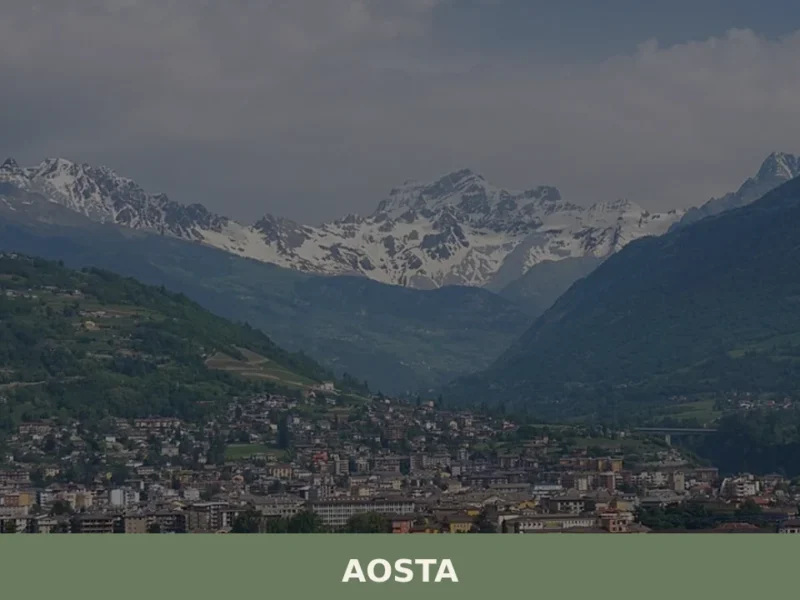
Aosta
 Hills
Hills
What to see in Aosta: Roman city at 583 m in the Aosta Valley. Arch of Augustus, Roman theatre, Fontina PDO and Fiera di Sant'Orso. Plan your visit now.
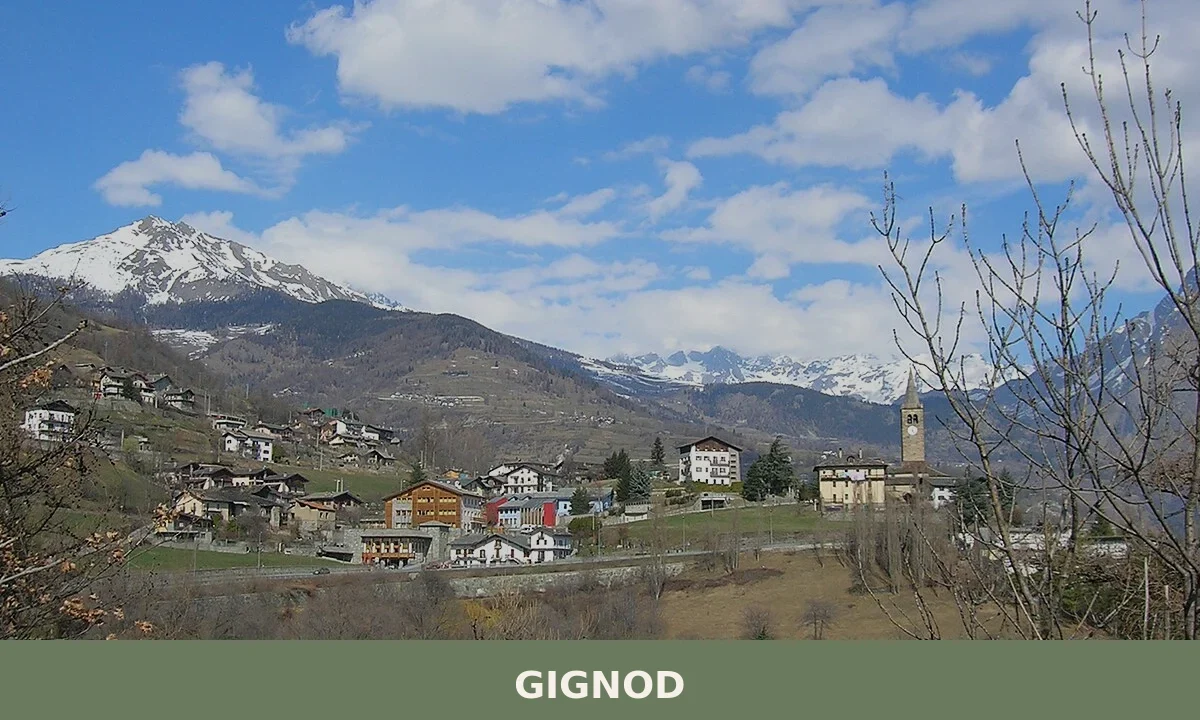
Gignod
 Mountain
Gignod is a mountain comune in the Aosta Valley, lying at 944 metres between the Valpelline and the Valle del Gran San Bernardo, with a history stretching from prehistoric settlement to a living calen
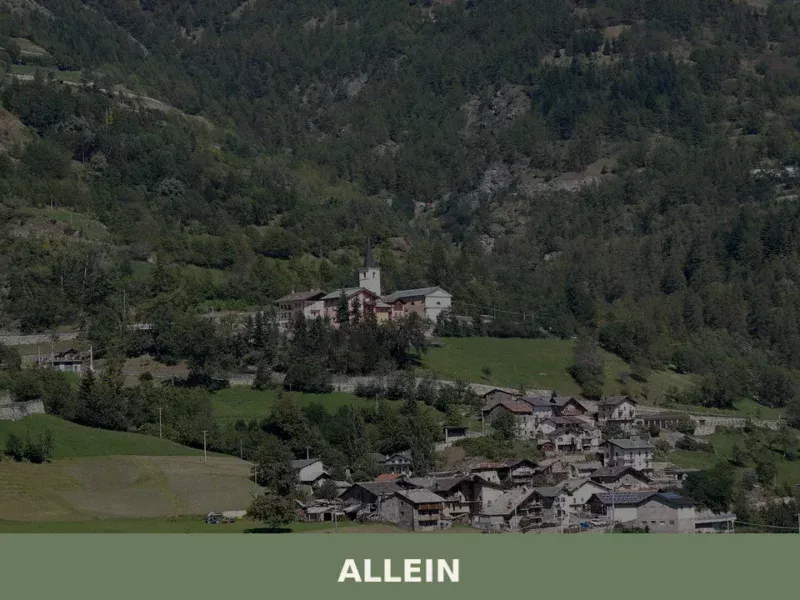
Allein
Mountain
Discover what to see in Allein, a 198-resident comune sparso in the Gran San Bernardo Valley, Valle d'Aosta. History, food, and travel tips.
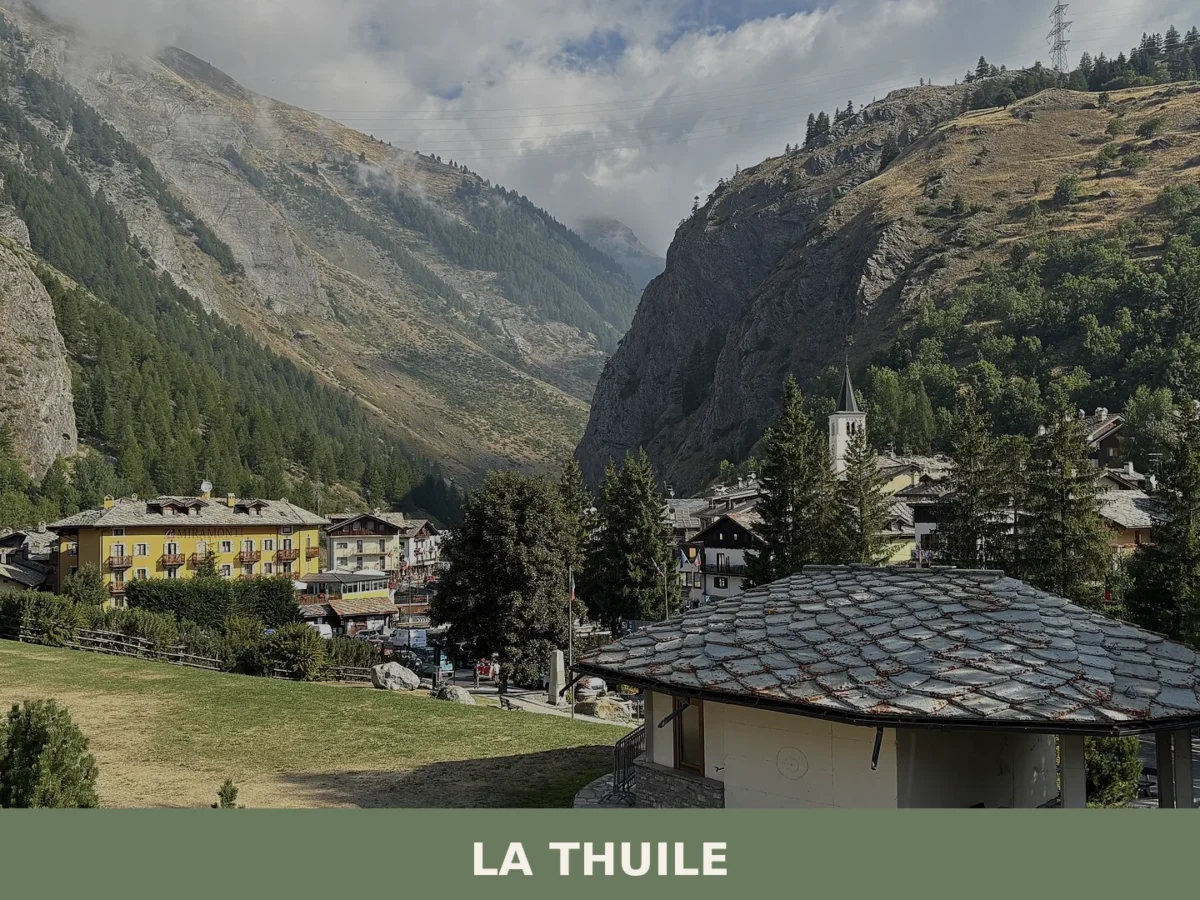
La Thuile
Mountain
La Thuile is an Alpine municipality at 1,455 metres in the Aosta Valley, a historic mountain crossing between Italy and France with 774 residents and over 126 square kilometres of high-altitude landsc
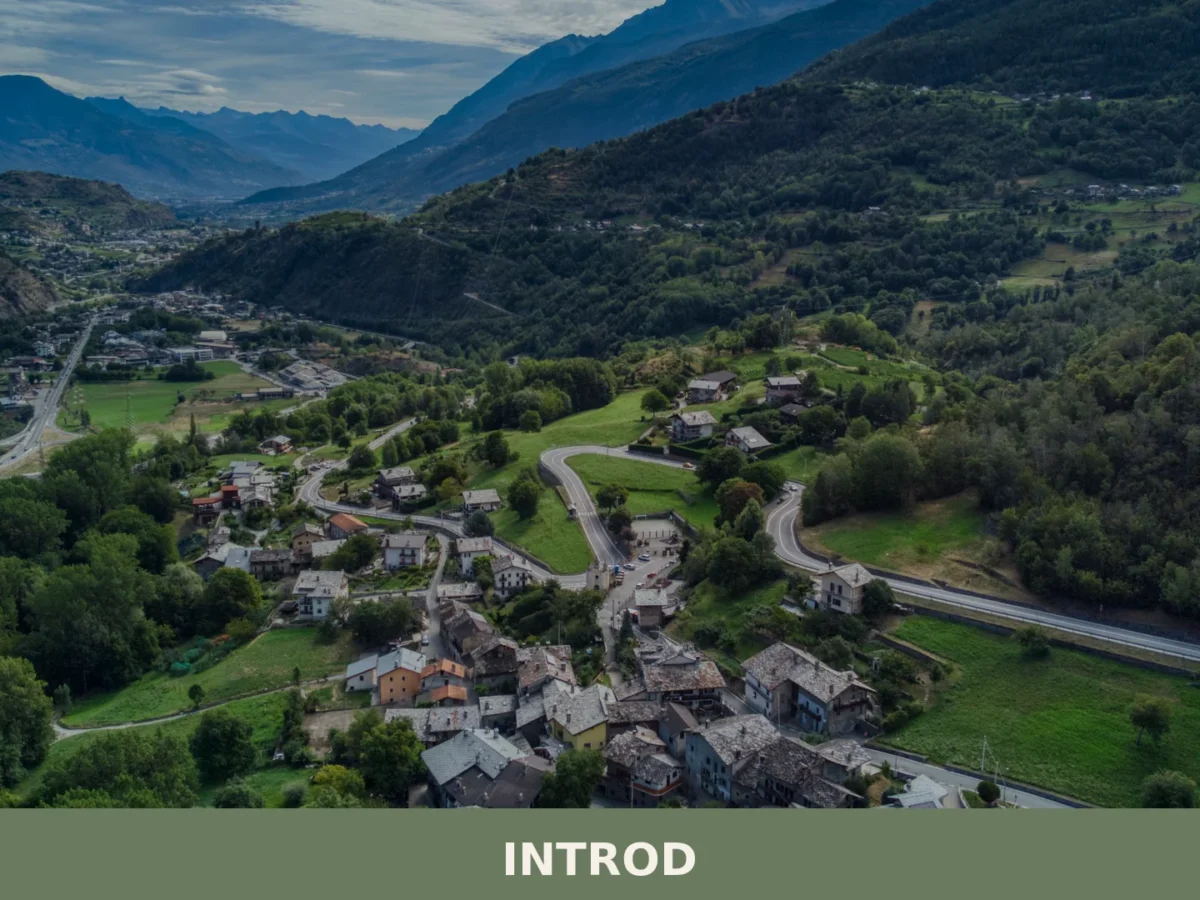
Introd
Mountain
Introd is a mountain commune in the western Aosta Valley, sitting at 876 metres where two glacial valleys open into the Parco Nazionale del Gran Paradiso, with a history stretching back five thousand
Bard
Mountain
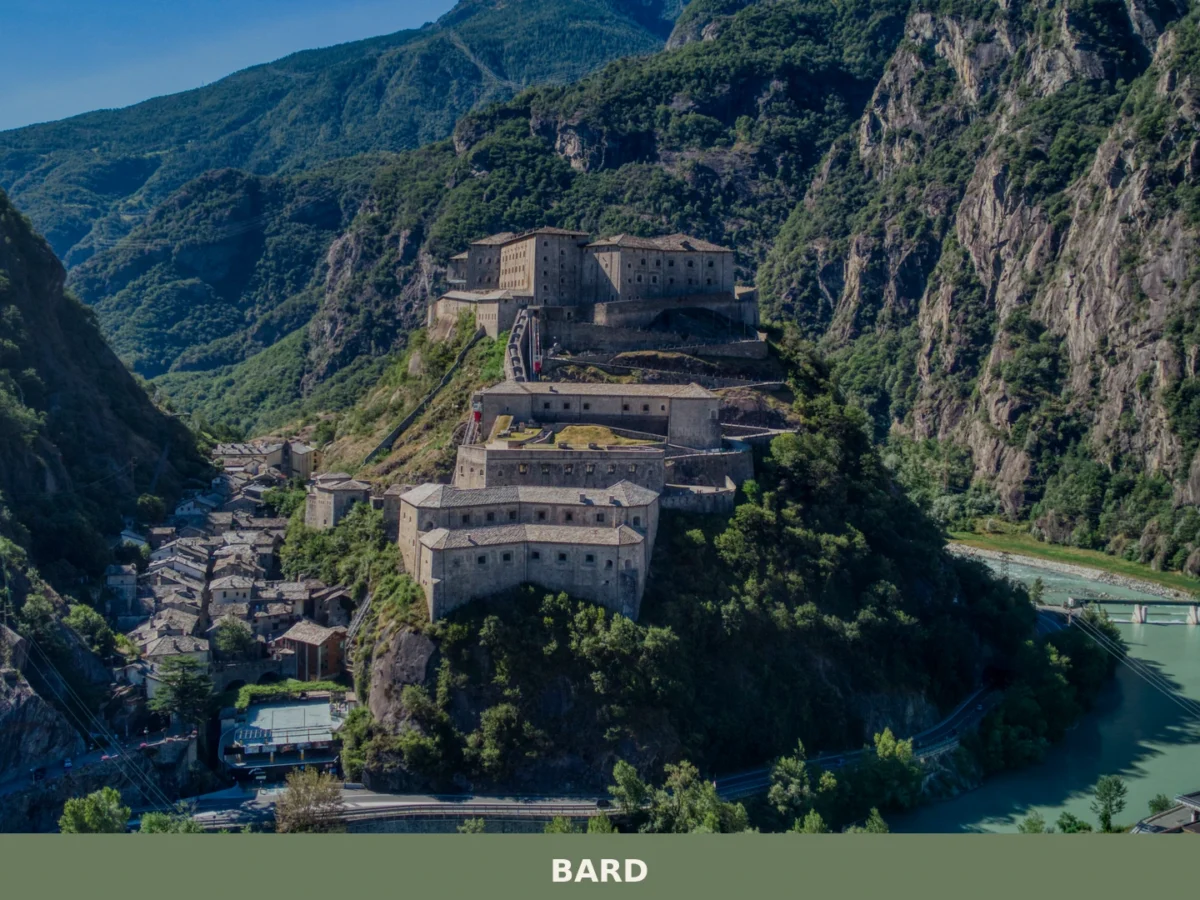
What to see in Bard, Valle d'Aosta, Italy: explore the Fort, medieval streets and local food. Bard sits at 400 m. Discover top attractions and how to get there.
Ayas
Mountain
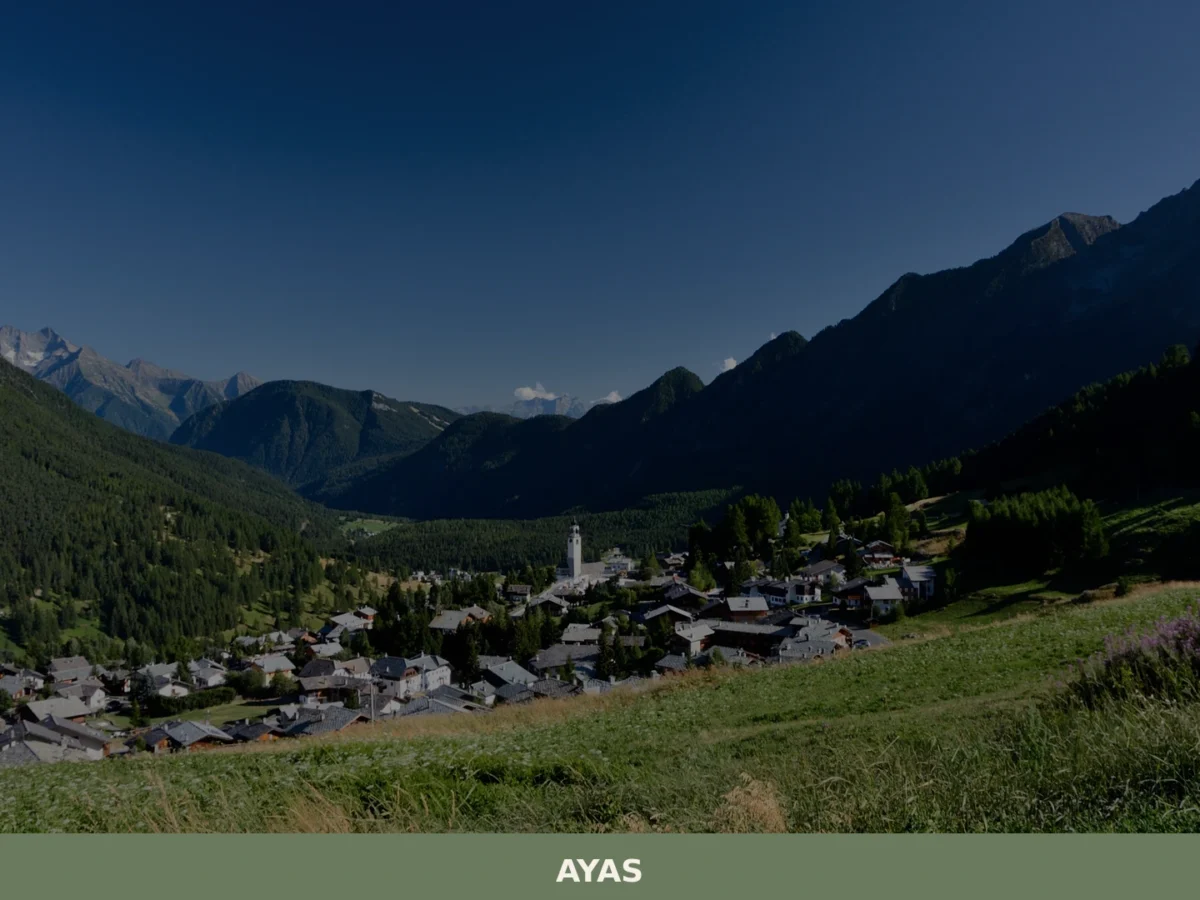
What to see in Ayas, Valle d'Aosta, Italy: explore alpine villages at 1,600 m, medieval chapels and local cuisine. Discover top attractions and how to get there.
Antey-Saint-André
Mountain
Discover what to see in Antey-Saint-Andru00e9: Alpine hamlets, local food, hiking trails and practical travel tips for this Valtournenche village in Valle d'Aosta.
Brissogne
Mountain
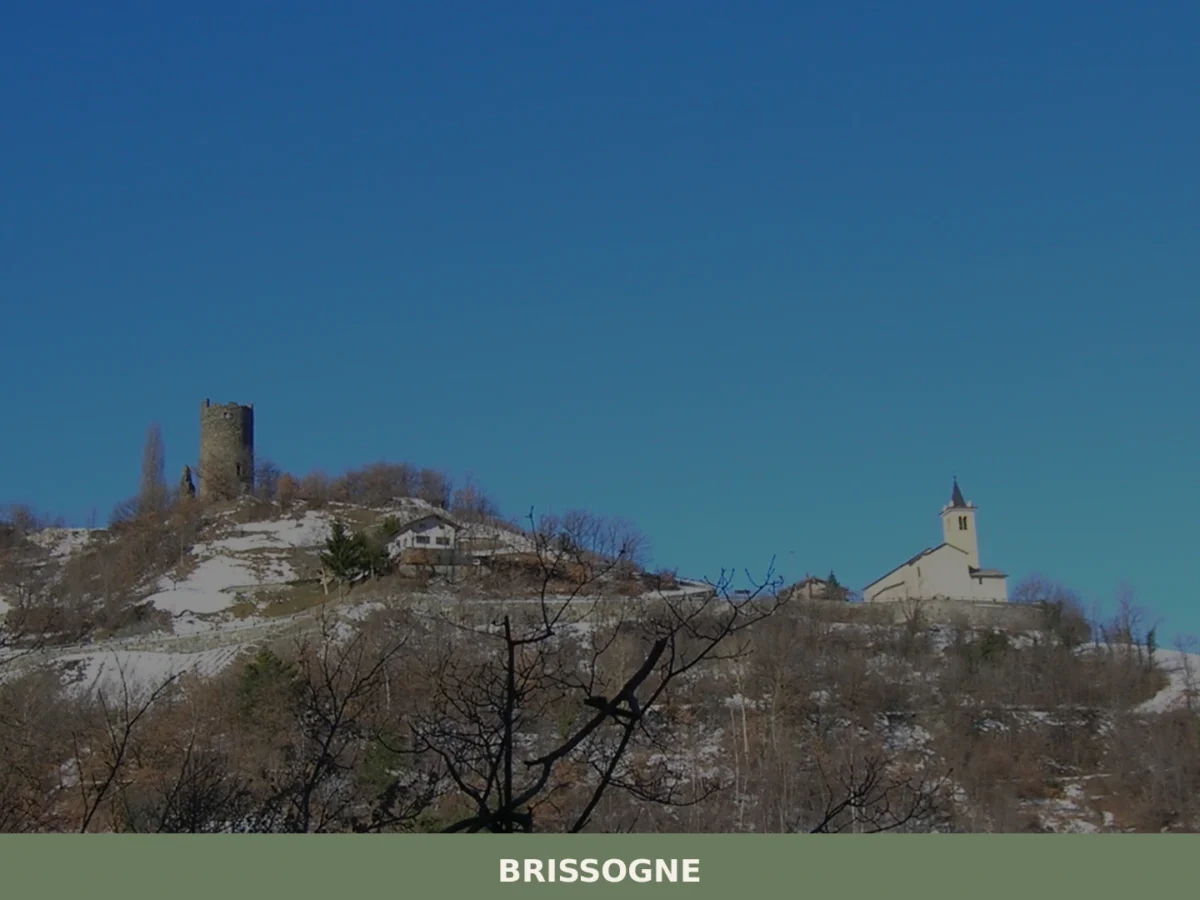
What to see in Brissogne? Discover the 5 unmissable attractions of this village in Aosta Valley. From the church to the castle, plan your visit here!
Arvier
Mountain
Discover what to see in Arvier, Valle d'Aosta: medieval borough, feudal tower, Enfer d'Arvier vineyards, local food and practical travel tips.




🏡 Know Challand-Saint-Anselme better than we do?
If you’re a local or have been there, your knowledge matters: add what’s missing or fix a detail on this page.