


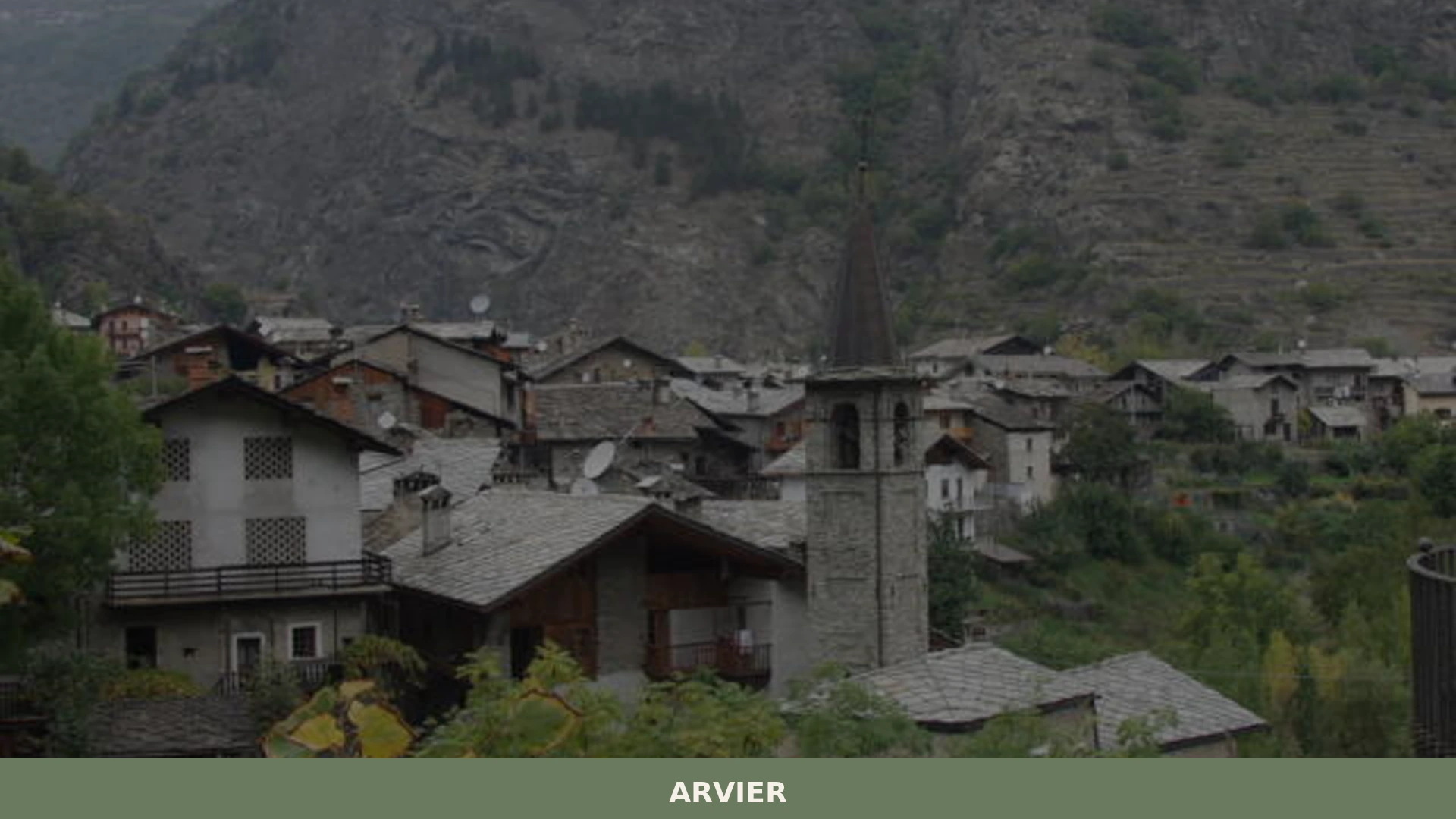

Discover what to see in Arvier, Valle d’Aosta: medieval borough, feudal tower, Enfer d’Arvier vineyards, local food and practical travel tips.
Discover Arvier
Arvier sits on the floor of the Dora Baltea valley at 780 metres above sea level, roughly 14 kilometres west of Aosta, the regional capital. With a resident population of around 815 people, the commune clusters around a medieval borough that has preserved its compact stone architecture largely intact.
For visitors asking what to see in Arvier, the answer begins with this medieval core and extends outward into vineyards producing one of the valley’s most distinctive wines, a fortified tower, and a landscape carved over millennia by glacial action.
History of Arvier
The name Arvier derives from the Latin Arboreto, meaning a place of trees or a grove, a reference that points to the heavily wooded character of the valley slopes in the early medieval period. The settlement’s position on the valley floor, close to the confluence of a lateral torrent with the Dora Baltea, made it a natural stopping point along the route connecting Aosta with the Gran San Bernardo and Mont Blanc passes, both strategically vital corridors through the western Alps since Roman times.
During the feudal period, control of Arvier passed through the hands of several noble families operating under the authority of the Counts and later Dukes of Savoy, who consolidated their grip on the entire Valle d’Aosta from the twelfth century onward. The physical evidence of this feudal organisation survives in the medieval borough itself, which retains the characteristic vertical layout of a fortified settlement — buildings pressed close together, narrow passages between them, and a dominant tower structure that once served both defensive and administrative functions.
The Savoy duchy used such valley communes as administrative and fiscal units, collecting duties from merchants and travellers crossing the mountain routes.
The economic identity of Arvier shifted significantly during the late medieval and early modern period, when viticulture began to define the territory. The steep, sun-exposed slopes above the village floor, known locally as coteaux, were progressively terraced and planted with vines. This labour-intensive transformation of the hillside — requiring dry-stone retaining walls built by hand on near-vertical gradients — produced the conditions for the Enfer d’Arvier, the wine that would eventually earn DOC recognition under the Valle d’Aosta regional appellation. The name itself, meaning “the Hell of Arvier”, almost certainly references the intense heat reflected off the rocky south-facing terraces.
What to see in Arvier: 5 must-visit attractions
The Medieval Borough
The historic core of Arvier preserves its medieval urban fabric around a central axis of stone-paved lanes, flanked by houses built in local schist and granite. The borough sits at 780 metres and retains its original compact form, with covered passages called ru linking residential blocks. Several buildings display carved lintels and external staircases typical of late-medieval Valdostan domestic architecture.
Tour d’Arvier (The Village Tower)
The tower rising above the medieval borough is the most legible trace of Arvier’s feudal past.
Built in dressed stone, it served as a lookout and control point over the valley road below. Towers of this type in the Valle d’Aosta date predominantly from the twelfth to fourteenth centuries and were typically constructed under Savoyard feudal authority to monitor movement along the Dora Baltea corridor.
The Enfer d’Arvier Vineyards
The terraced vineyards occupying the steep south-facing slopes above the village are a defining element of the Arvier landscape. Planted predominantly with Petit Rouge — a native Valdostan grape variety — these plots reach gradients that make mechanical cultivation impossible. The resulting DOC wine, Enfer d’Arvier, is produced in limited quantities and is among the most identifiable wines of the entire alpine region.
Details on the designation can be found via the Regione Valle d’Aosta.
Parish Church of Sant’Ilario
The parish church dedicated to Sant’Ilario stands within the historic centre and represents the main religious building of the commune. Like many valley churches in this part of the Alps, it incorporates construction phases spanning several centuries, with the current structure reflecting late baroque interventions over an earlier medieval foundation. The bell tower is the most visually prominent element from the valley floor below.
The Dora Baltea Valley Floor and Surrounding Landscape
The valley floor around Arvier offers direct access to the Dora Baltea river, whose course here is flanked by a network of irrigation channels, known as ru, some of medieval origin. The contrast between the flat, cultivated valley bottom and the near-vertical vineyard terraces above gives Arvier’s surrounding landscape a compressed, layered quality that reads clearly from any elevated vantage point. The Valle d’Aosta tourism portal provides current information on walking itineraries in this area.
Local food and typical products
The most significant local product is Enfer d’Arvier, a dry red wine made primarily from Petit Rouge grapes grown on the terraced slopes above the village.
It carries DOC status under the Valle d’Aosta regional appellation and is characterised by relatively low yields per vine, given the difficulty of the terrain. Beyond the wine, Arvier’s food culture follows the broader traditions of the Valle d’Aosta: fontina DOP cheese, produced from the milk of Valdostan cattle, appears in many local preparations, most notably fonduta, the valley’s version of fondue. Mocetta, a cured meat made from chamois or ibex — or more commonly today from beef — is another regional staple found in local restaurants and alimentari.
The commune itself is small, and dedicated restaurants are limited in number, but the surrounding area and the road west toward the Aosta valley provides access to establishments serving traditional Valdostan cuisine. Visitors with a specific interest in the Enfer d’Arvier wine are advised to contact the local producers’ cooperative or check with the Comune di Arvier for information on cellar visits and direct sales, as production volumes are small and availability outside the region is restricted.
Best time to visit Arvier
The Valle d’Aosta experiences a continental alpine climate — cold, dry winters and warm summers with relatively low rainfall compared with other Alpine zones, thanks to the sheltering effect of the surrounding massifs.
For Arvier specifically, the late spring months of May and June offer the best combination of mild temperatures, clear air, and the visual spectacle of the vineyard terraces in full leaf. September and October are equally rewarding: the grape harvest on the steep Enfer slopes is one of the more physically demanding agricultural spectacles in the Italian Alps, with workers harvesting by hand on gradients that eliminate any mechanical assistance.
Winter visits are entirely feasible — the village road is well-maintained and the proximity to major ski areas in the central valley means accommodation infrastructure in the broader area remains active. However, the vineyards and much of the outdoor landscape are dormant between November and March, which reduces the range of experiences available.
There are no large-scale festivals documented specifically in Arvier, but the harvest period in autumn and the summer solstice celebrations common to many Valle d’Aosta communes provide a cultural context worth timing a visit around.
How to get to Arvier
Arvier is well-connected by both road and rail, sitting directly on the main transport corridor through the Valle d’Aosta. The village lies approximately 14 kilometres west of Aosta along the SS26, the state road that follows the Dora Baltea valley floor toward Courmayeur and the Mont Blanc Tunnel.
- By car: From the A5 motorway (Turin–Mont Blanc), exit at Aosta Ovest or continue to the Morgex exit depending on direction. The SS26 connects Arvier directly to both Aosta and the upper valley. From Turin, total driving time is approximately 1 hour 45 minutes under normal conditions. From Milan, allow approximately 2 hours 30 minutes.
- By train: The Aosta–Pre-Saint-Didier railway line, operated by Trenitalia, includes a stop at Arvier. Direct services from Aosta take roughly 20–25 minutes. From Turin, a change at Chivasso is required, with total journey time of around 2 hours.
- By air: The nearest airport is Turin Caselle (Torino Caselle, TRN), approximately 130 kilometres from Arvier. Geneva Airport (GVA), roughly 100 kilometres via the Mont Blanc Tunnel, offers an alternative for travellers arriving from northern Europe. Neither airport has direct bus services to Arvier; car hire or a train connection via Turin or Aosta is the most practical option.
Where to stay in Arvier
Arvier’s small size means accommodation within the village itself is limited. The most practical approach is to use Arvier as a base for day activities while staying in the broader Aosta valley — either in Aosta itself, which offers a wider range of hotels and guesthouses, or in one of the smaller communes along the SS26 between Arvier and Courmayeur.
Within the Arvier commune, options typically include B&B accommodation and holiday rental apartments in the historic centre or nearby hamlets, which suits visitors who prefer a residential experience over hotel facilities.
For agriturismo stays — farm-based accommodation that often includes meals using local produce — the Valle d’Aosta has a well-developed network, and properties in the Arvier area may offer direct access to vineyard landscapes and local wine. Booking in advance is advisable for the summer months of July and August and for the September harvest period, when demand across the entire valley increases sharply. The regional tourism portal and the municipal website carry updated listings of authorised accommodation providers in the commune.
More villages to discover in Valle d’Aosta
The Valle d’Aosta is a compact region, and Arvier’s position on the valley floor means that several significant towns and villages are within straightforward reach. The regional capital, , sits just 14 kilometres to the east and functions as the natural hub for the entire valley — it holds the region’s main Roman monuments, its principal market, and the broadest range of restaurants and accommodation. A visit to Arvier fits logically into a wider itinerary based in or passing through Aosta, with the two complementing each other in terms of scale and character.
Travelling west from Arvier along the Dora Baltea corridor brings visitors progressively higher into the Alps, toward the communities of the upper valley and ultimately toward the Mont Blanc massif.
The valley road passes through a sequence of communes each with their own medieval towers, terraced vineyards, and Romanesque church architecture — a pattern of settlement that the Valle d’Aosta has maintained since the early medieval period. Using , travellers can reach Arvier and the surrounding villages on day trips in either direction, building a coherent picture of the valley’s geography and history without covering excessive distances.
Frequently asked questions about Arvier
What is the best time to visit Arvier?
The ideal times to visit Arvier are late spring (May and June) for mild temperatures, clear alpine air, and the vibrant green of the terraced vineyards. Alternatively, September and October offer the unique spectacle of the grape harvest, a demanding manual process on the steep slopes of the 'Enfer d'Arvier' vineyards. While winter visits are feasible, with the village well-connected and near ski areas, the outdoor landscape is dormant. Consider visiting on January 17th to experience the local patron saint's day, dedicated to Sulpicio Severo, which offers a glimpse into local traditions.
What to see in Arvier? Main monuments and landmarks
Arvier offers several key attractions centered around its preserved medieval core. Explore the **Medieval Borough**, with its compact stone architecture, narrow lanes, and traditional 'ru' passages. Dominating the skyline is the **Tour d'Arvier**, a feudal tower from the 12th-14th centuries, best appreciated for its historical significance and views over the valley. Don't miss the **Parish Church of Sant'Ilario**, featuring Baroque elements over earlier foundations. A defining landscape feature are the **Enfer d'Arvier Vineyards**, terraced on steep slopes, offering scenic walks and insight into the famous DOC wine production. Finally, the **Dora Baltea Valley Floor** provides opportunities for riverside strolls.
What are the main natural or scenic attractions of Arvier?
Arvier's natural beauty is defined by its unique alpine landscape. The **Dora Baltea Valley Floor** offers serene access to the river, flanked by ancient 'ru' irrigation channels, perfect for tranquil walks. The dramatic **Enfer d'Arvier Vineyards**, terraced on the steep, sun-exposed slopes above the village, are a spectacular sight, especially when in leaf or during harvest. This contrast between the flat valley bottom and the almost vertical vineyards creates a layered, compressed landscape that is visually striking and characteristic of the region. Visitors can find information on local walking itineraries through the Valle d'Aosta tourism portal.
Where to take the best photos in Arvier?
For capturing Arvier's unique charm, excellent photo opportunities abound. The **medieval borough** itself provides picturesque scenes with its stone-paved lanes and traditional architecture. Frame the **Tour d'Arvier** against the backdrop of the surrounding mountains for a classic shot of its feudal past. The terraced **Enfer d'Arvier Vineyards** offer breathtaking panoramic views, especially from elevated positions on the slopes looking down towards the valley floor and the village. Conversely, the **bell tower of Sant'Ilario Church** makes a prominent subject when photographed from the Dora Baltea valley floor, showcasing the village's vertical integration into the landscape.
Are there museums, churches or historic buildings to visit in Arvier?
Yes, Arvier features notable historic structures. The **Parish Church of Sant'Ilario**, located in the historic centre, is the primary religious building, showcasing architectural phases from medieval to late Baroque. While primarily a place of worship, its exterior and bell tower are significant landmarks. For interior visits, it's advisable to check local service schedules or contact the parish. The **Tour d'Arvier**, a prominent feudal tower, stands as a key historic building, offering a visual connection to the village's past. The entire **Medieval Borough** with its stone houses and covered 'ru' passages is an open-air historical experience.
What can you do in Arvier? Activities and experiences
In Arvier, visitors can immerse themselves in history and nature. Explore the well-preserved **Medieval Borough** and its iconic **Tour d'Arvier**. Engage in **wine tourism** by walking through the dramatic terraced **Enfer d'Arvier Vineyards** and, by prior arrangement, participate in cellar visits or tastings of the unique DOC wine. The **Dora Baltea Valley Floor** offers pleasant **walking itineraries** along the river and ancient 'ru' channels. During autumn, witness the traditional **grape harvest**, a physically demanding spectacle. In winter, Arvier serves as a convenient base due to its proximity to major **ski areas** in the central Aosta Valley.
Who is Arvier suitable for? Families, couples, hikers, solo travelers?
Arvier is ideally suited for **culture and history enthusiasts** drawn to its authentic medieval borough and feudal past. **Wine lovers** will find the terraced Enfer d'Arvier vineyards and its unique DOC wine a compelling attraction, with opportunities for scenic walks and tastings. **Hikers and nature enthusiasts** will appreciate the picturesque trails along the Dora Baltea river and through the vineyard slopes, offering stunning alpine vistas. It’s also a perfect destination for **couples and solo travelers** seeking a tranquil, authentic Italian mountain village experience. Arvier serves as an excellent base for exploring the wider Aosta Valley and nearby ski resorts, making it suitable for **families** who enjoy outdoor activities.
What to eat in Arvier? Local products and specialties
Arvier's culinary scene is deeply rooted in Valle d'Aosta traditions. The most celebrated local product is **Enfer d'Arvier**, a distinctive dry red DOC wine made from Petit Rouge grapes grown on the village's steep terraces. Beyond wine, savor **Fontina DOP cheese**, a staple in many local dishes, most famously in **Fonduta**, the region's creamy fondue. Another regional specialty to try is **Mocetta**, a cured meat traditionally made from chamois or ibex, now often from beef. These authentic flavors can be enjoyed in local restaurants or purchased at 'alimentari' (food shops) in Arvier and the surrounding Aosta Valley.
📷 Photo Gallery — Arvier

Nearby Villages near Arvier
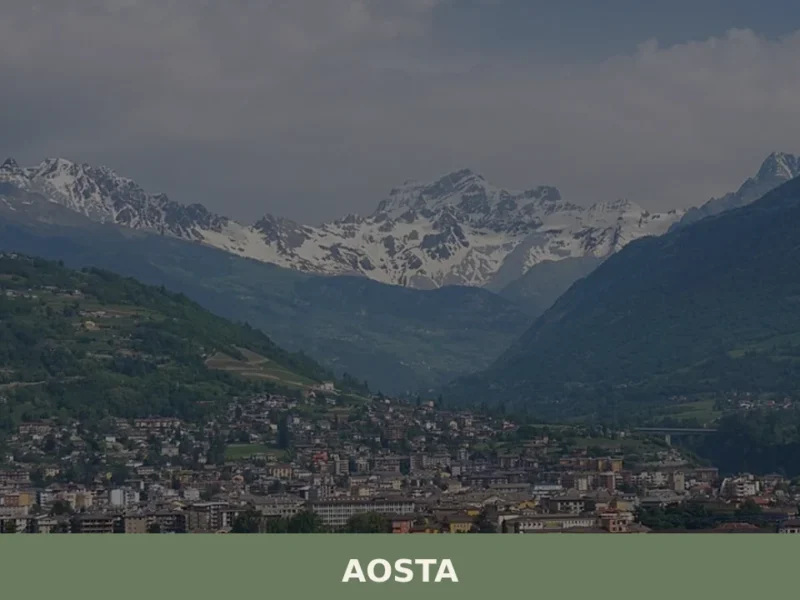
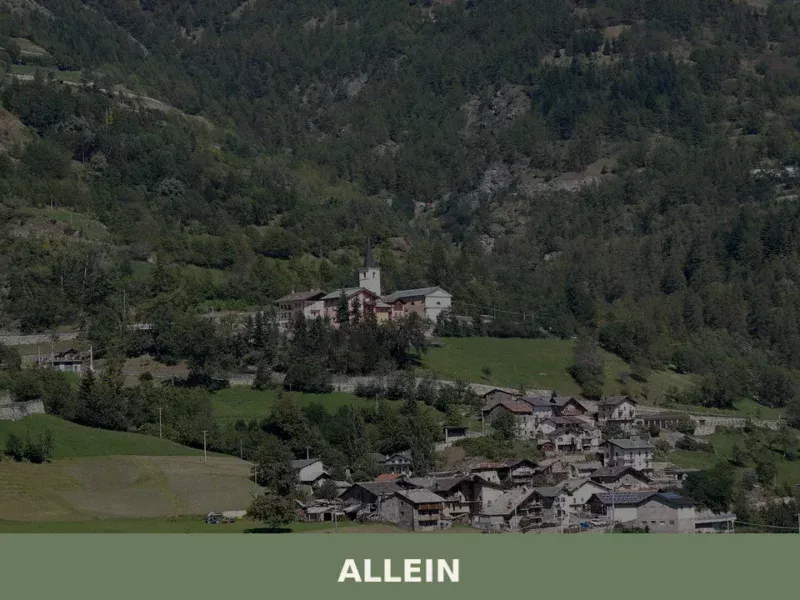
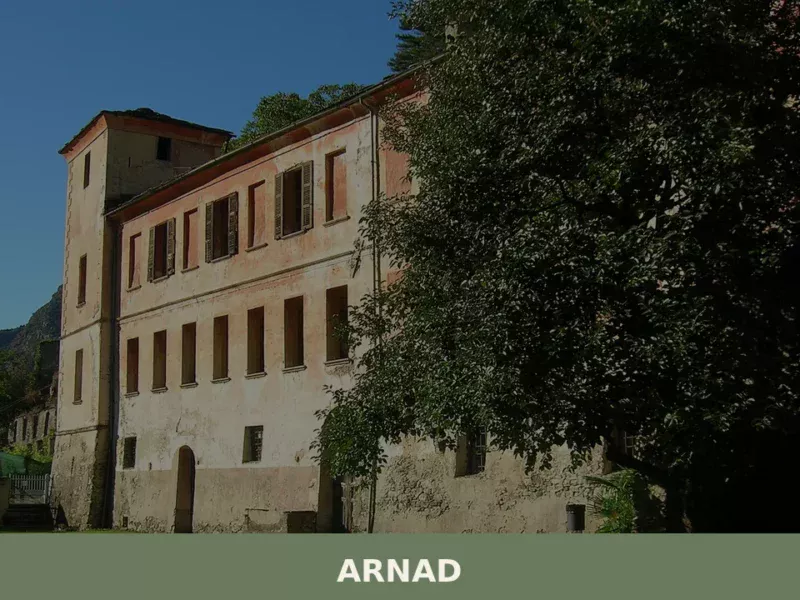

In Aosta Valley More villages to discover
Antey-Saint-André
 Mountain
Discover what to see in Antey-Saint-Andru00e9: Alpine hamlets, local food, hiking trails and practical travel tips for this Valtournenche village in Valle d'Aosta.
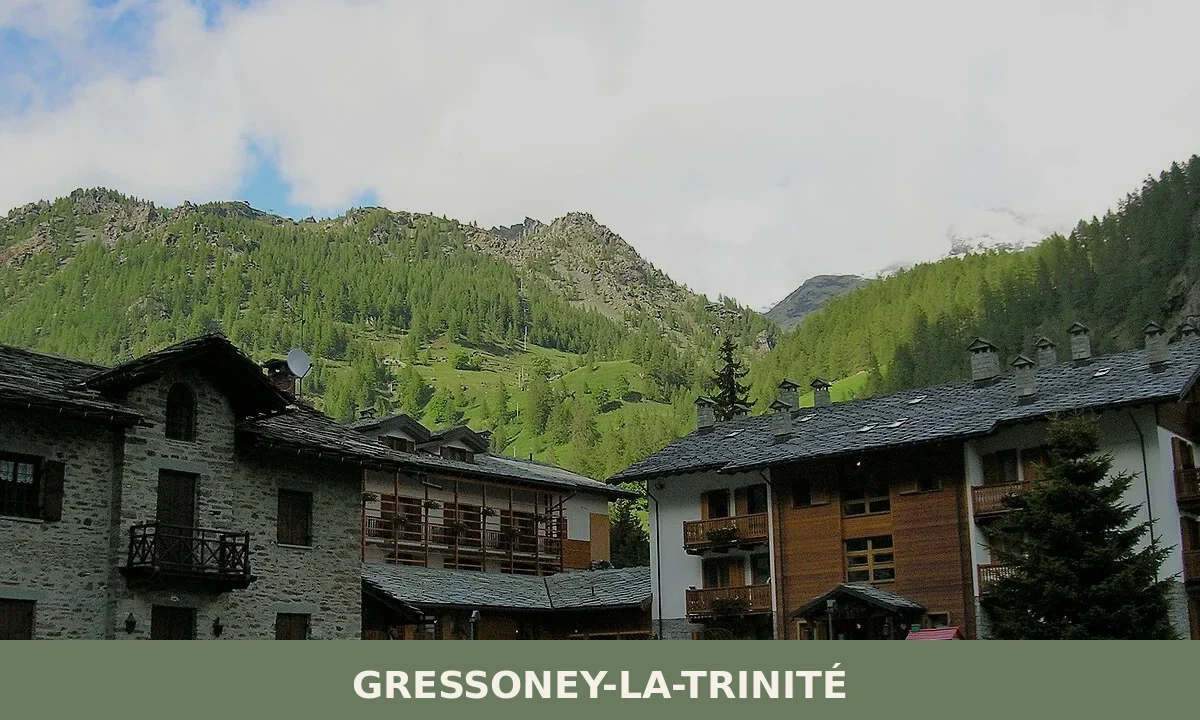
Gressoney-La-Trinité
Mountain
Gressoney-La-Trinité is a 322-inhabitant Walser commune at 1,629 metres in the Valle del Lys, Valle d'Aosta, set against the glaciers and high peaks of the Monte Rosa massif.
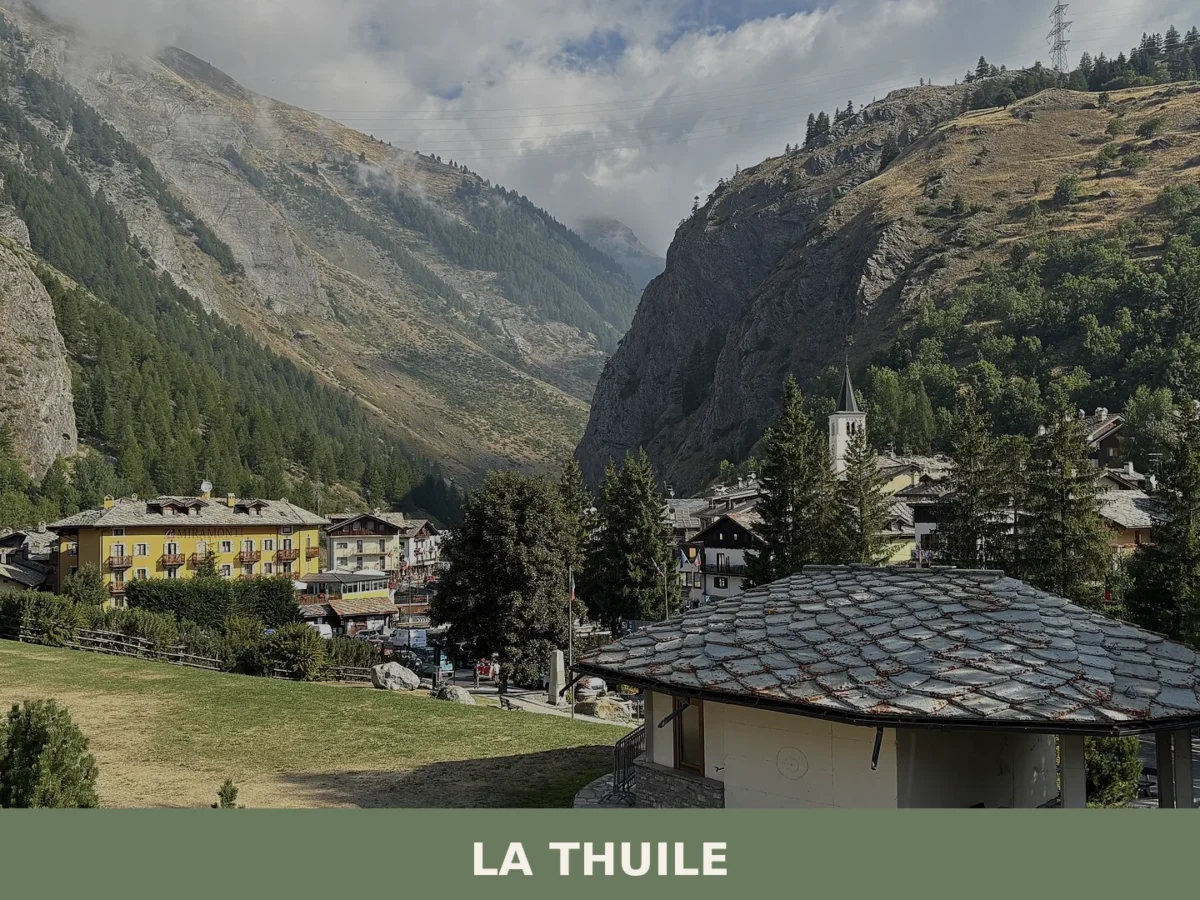
La Thuile
Mountain
La Thuile is an Alpine municipality at 1,455 metres in the Aosta Valley, a historic mountain crossing between Italy and France with 774 residents and over 126 square kilometres of high-altitude landsc
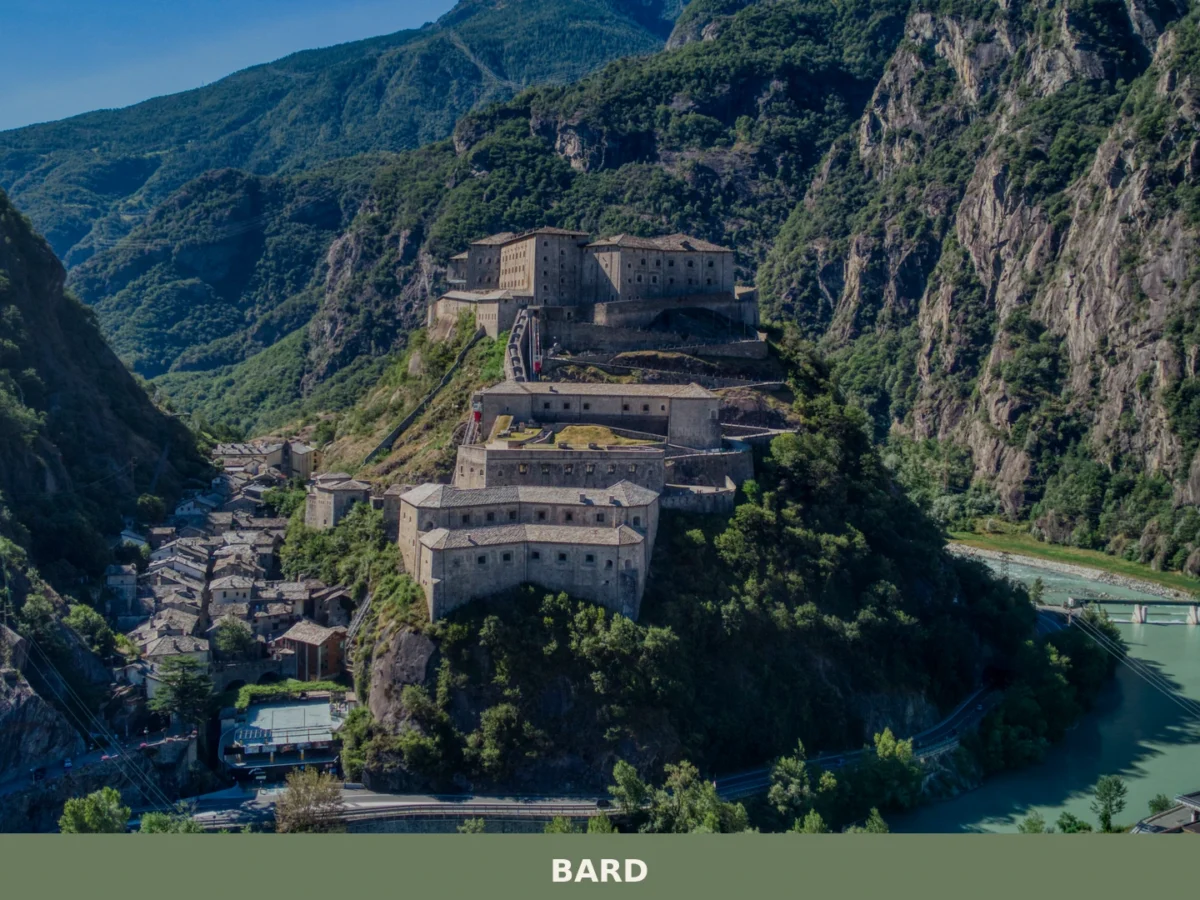
Bard
Mountain
What to see in Bard, Valle d'Aosta, Italy: explore the Fort, medieval streets and local food. Bard sits at 400 m. Discover top attractions and how to get there.
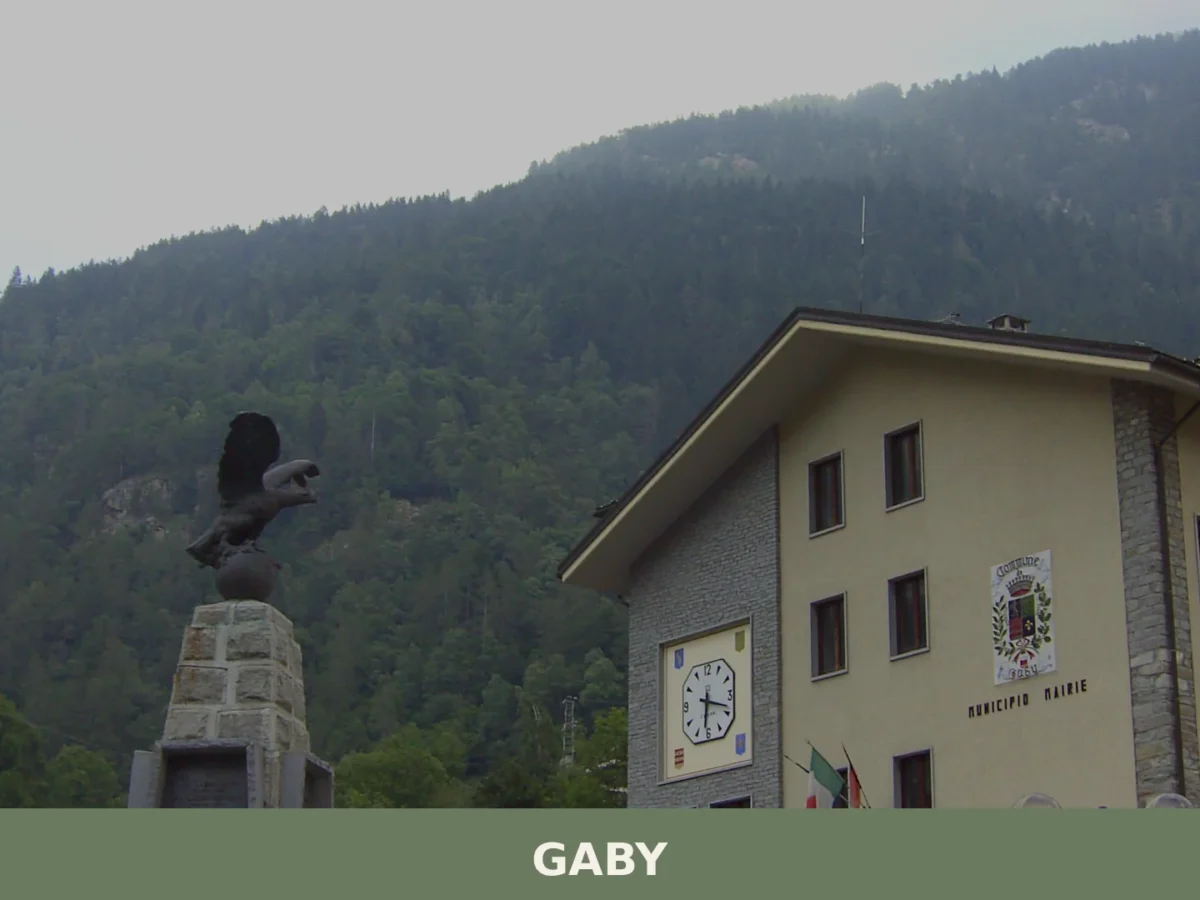
Gaby
Mountain
Gaby is a small mountain commune in the Valle d'Aosta, set at 1,050 metres in the Lys valley between Issime and Gressoney-Saint-Jean, where Walser heritage, francoprovençal culture and alpine scenery
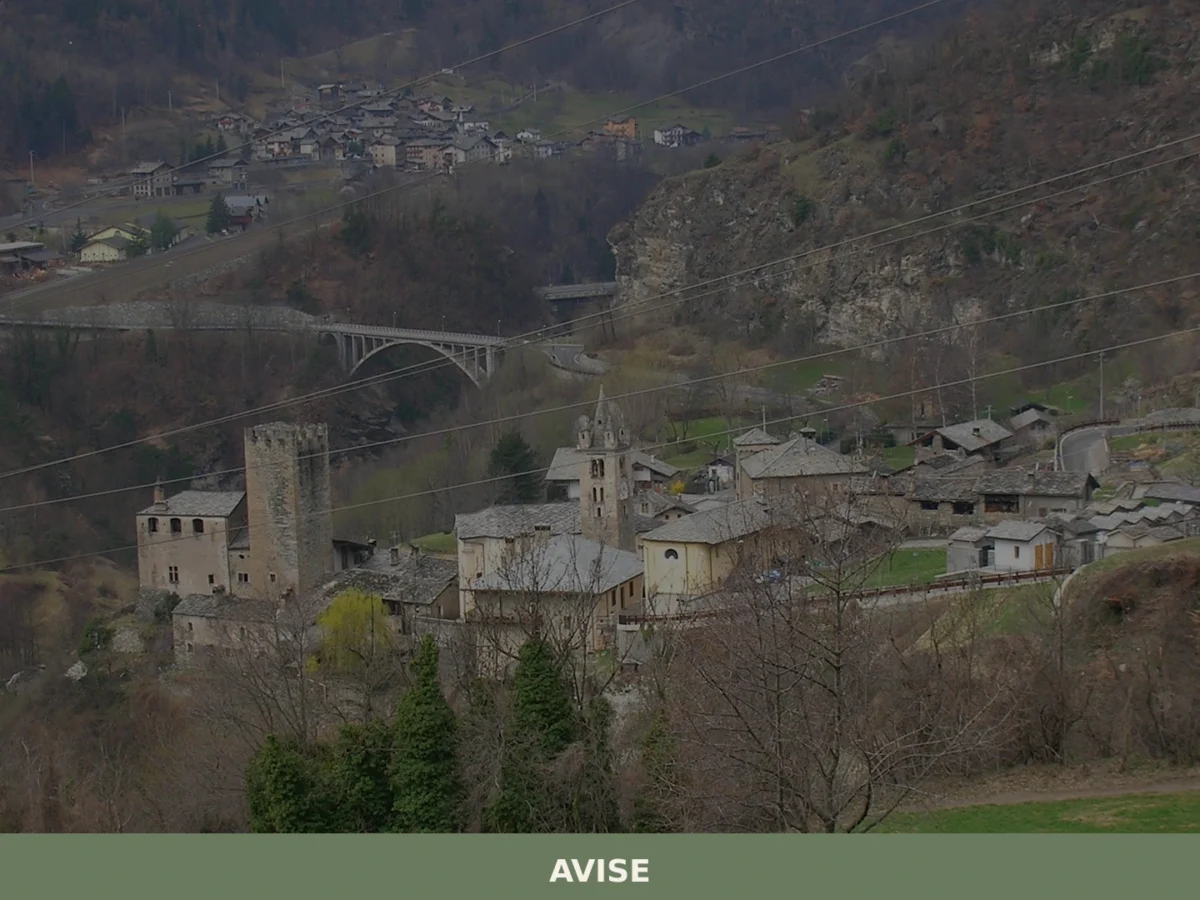
Avise
Mountain
Discover what to see in Avise: a medieval castle, Romanesque church, alpine vernacular architecture and valley views in the upper Valle d'Aosta at 996 metres.
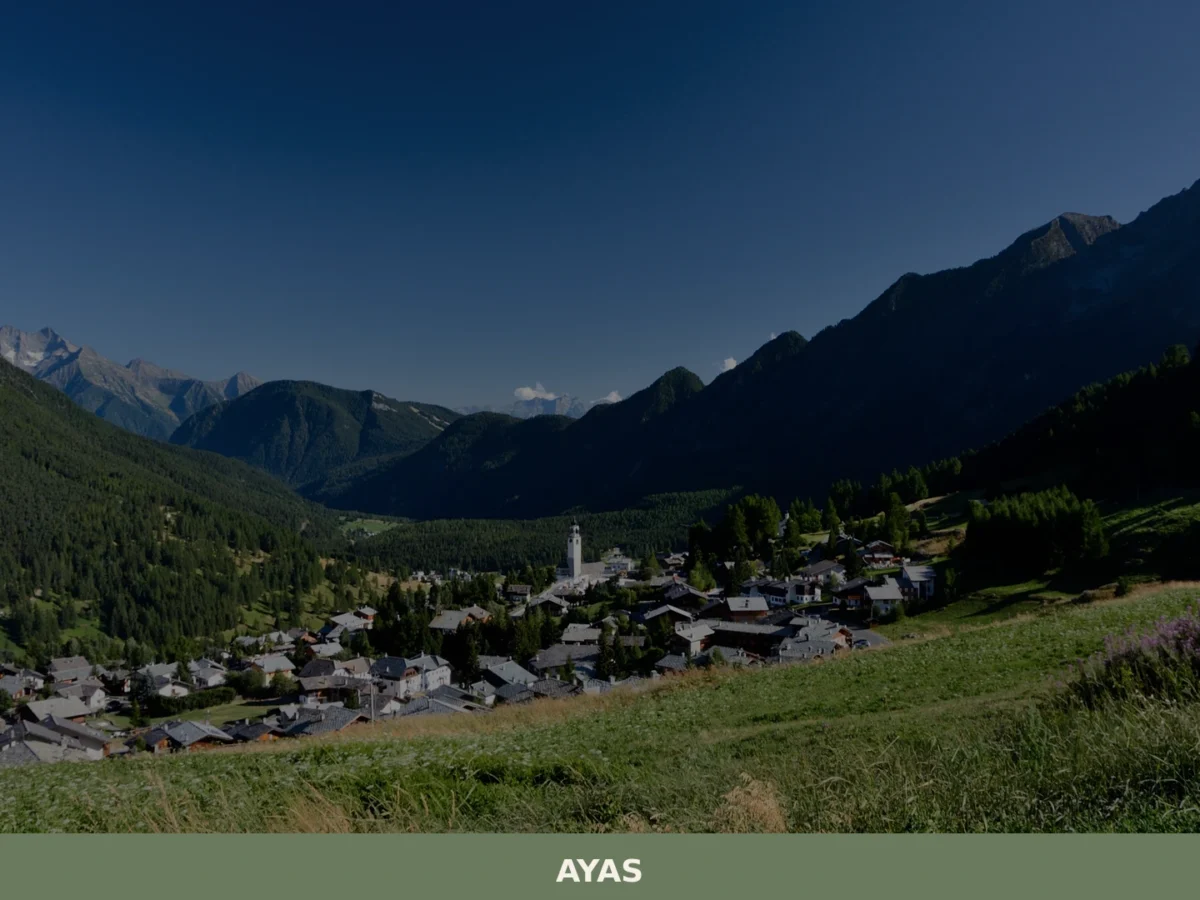
Ayas
Mountain
What to see in Ayas, Valle d'Aosta, Italy: explore alpine villages at 1,600 m, medieval chapels and local cuisine. Discover top attractions and how to get there.
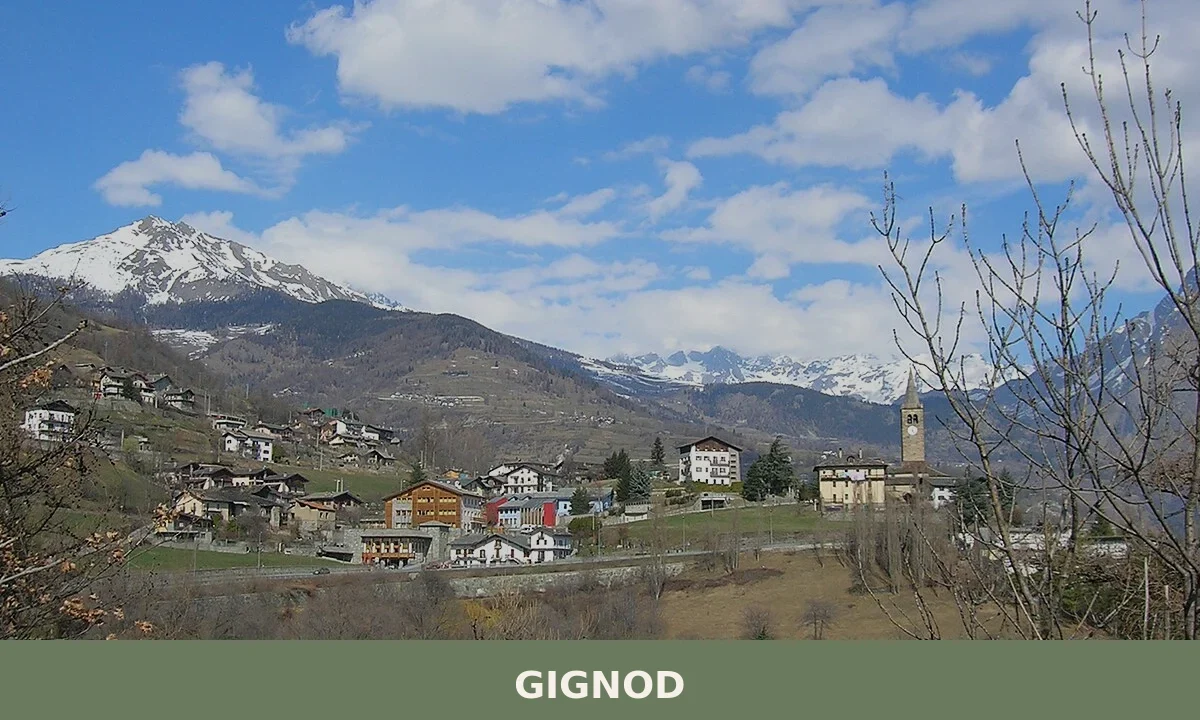
Gignod
Mountain
Gignod is a mountain comune in the Aosta Valley, lying at 944 metres between the Valpelline and the Valle del Gran San Bernardo, with a history stretching from prehistoric settlement to a living calen
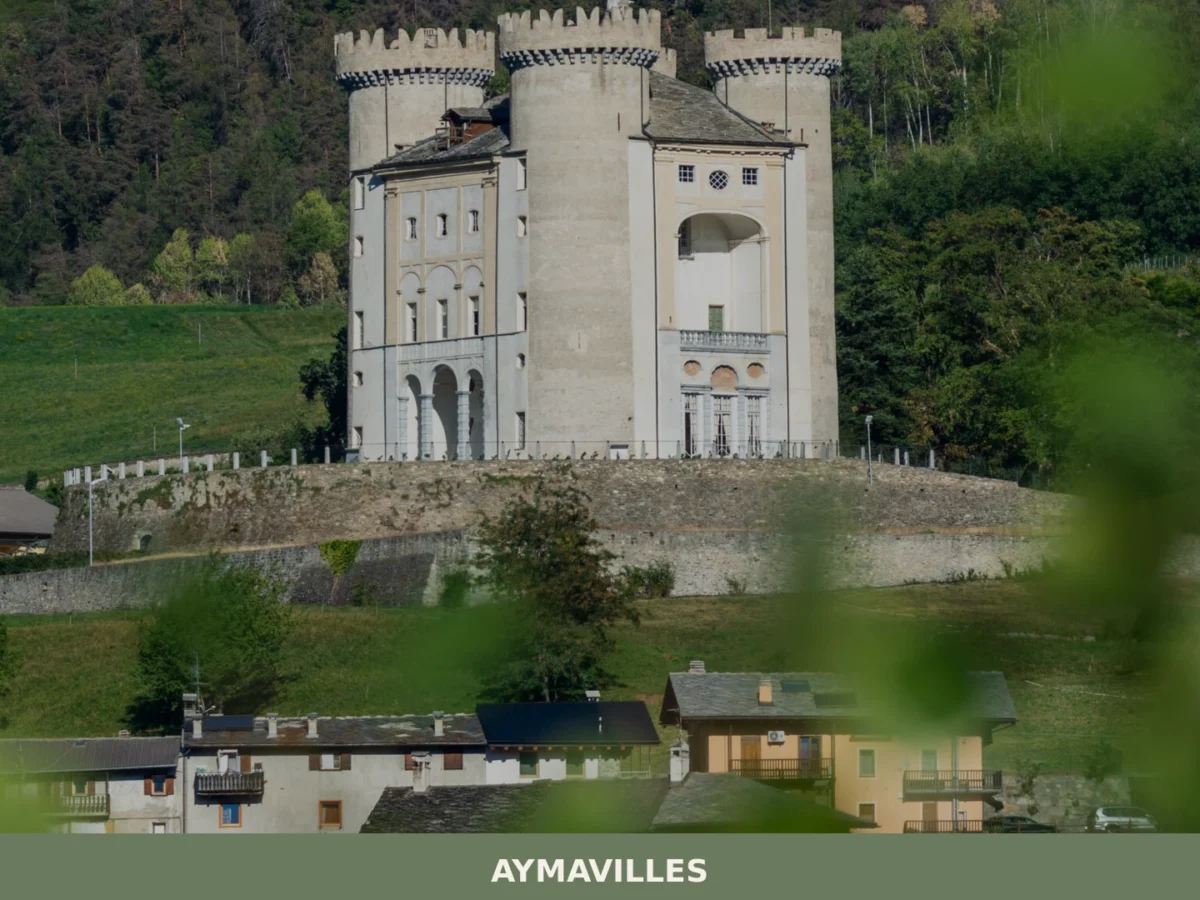
Aymavilles
Mountain
What to see in Aymavilles, Italy: explore the Roman Pont d'Aël bridge over a 66 m gorge and Alpine trails. Discover top attractions in Valle d'Aosta.
Brissogne
Mountain
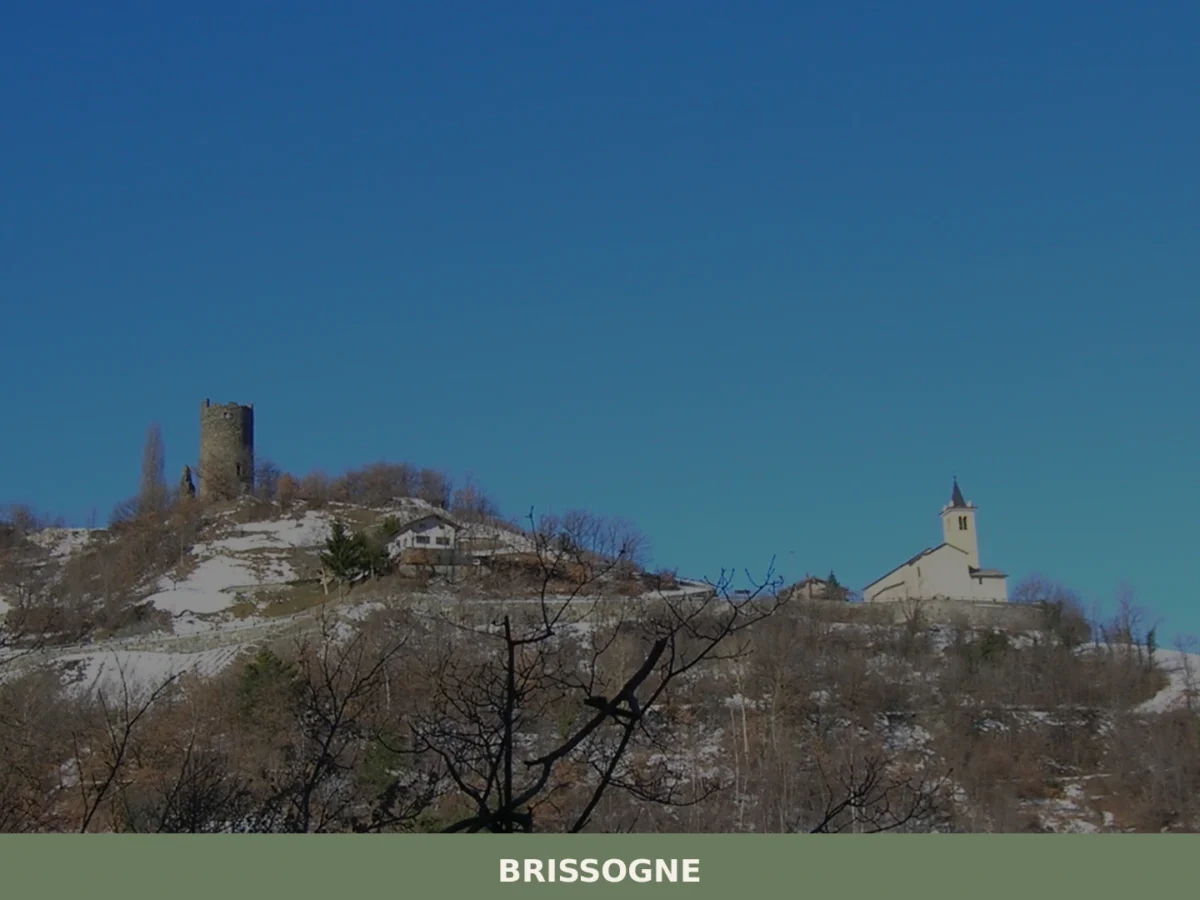
What to see in Brissogne? Discover the 5 unmissable attractions of this village in Aosta Valley. From the church to the castle, plan your visit here!




🏡 Know Arvier better than we do?
If you’re a local or have been there, your knowledge matters: add what’s missing or fix a detail on this page.