


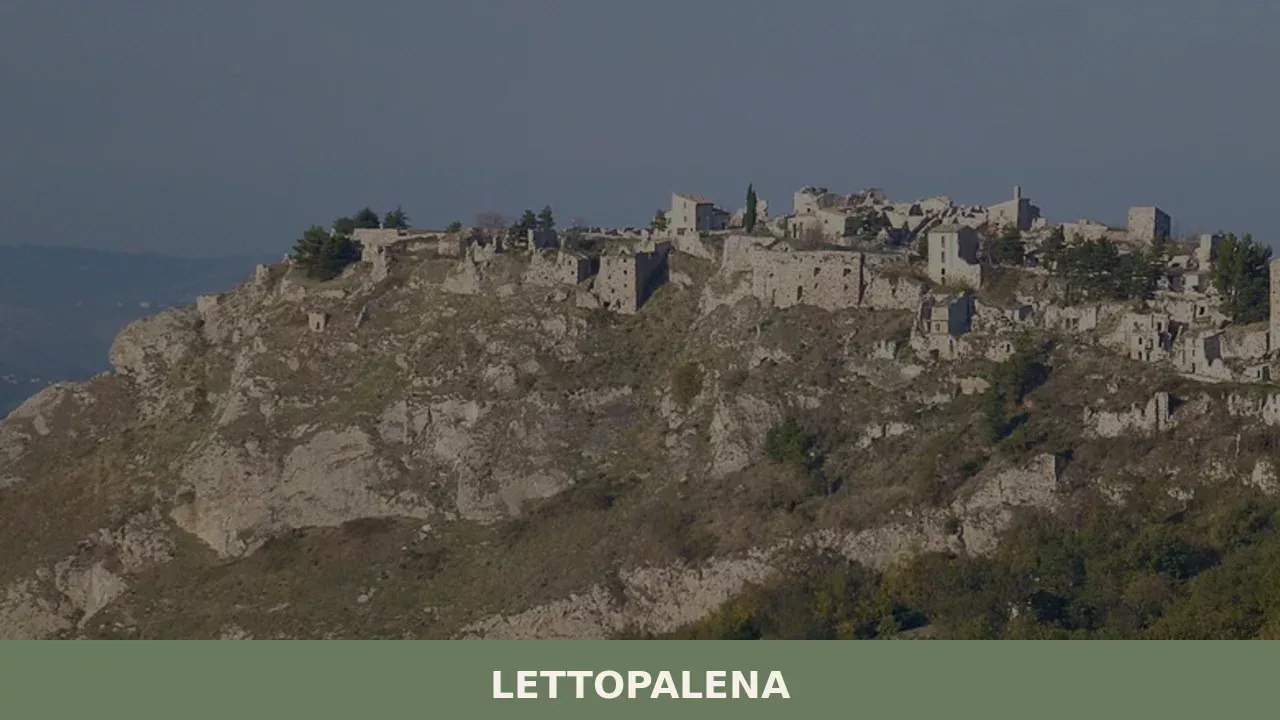
Lettopalena
 Mountain
Discover the charm of Lettopalena Village in Abruzzo, Italy. Explore its rich history, culture, and scenic beauty. Plan your visit to this hidden Italian gem today!
Discover Lettopalena
At 680 meters above sea level, in the heart of the Chieti area of Abruzzo, lies Lettopalena, a mountain village with approximately 320 inhabitants, offering an authentic experience to those seeking contact with nature and local traditions.
Its elevated position guarantees extensive views over the surrounding valleys and the peaks of the Majella, making it an interesting starting point for excursions and nature trails.
For those wondering what to see in Lettopalena, the village offers an itinerary that combines elements of history, rural architecture, and a strong connection to the mountain territory.
The pace of life here is marked by the seasons and festivities, keeping alive an identity linked to the land and its resources.
History and origins of Lettopalena
The history of Lettopalena, like that of many small mountain settlements in Abruzzo, is deeply linked to its geographical position and the historical dynamics that have affected central Italy.
The origins of the name itself suggest a connection to the surrounding landscape, probably referring to a “valley” or “high ground” (from Latin “vallis” or “palus” in an extended sense) that characterizes the territory.
Although the available sources do not provide precise dates on its foundation or detailed etymology, it is plausible that the area was inhabited since Roman times, as evidenced by frequent archaeological finds in the surrounding valleys, and then consolidated as a stable settlement in the medieval period, when the need for defense led to the construction of fortified villages in dominant positions.
During the Middle Ages, Lettopalena likely fell within the spheres of influence of the great Abruzzese feudal estates, sharing the fate of other villages in the Majella and Sangro areas.
Control of the territory passed among various lordships, which exploited the agricultural and pastoral resources of the area and its strategic position for controlling transit.
This period left traces in the urban structure, with narrow streets and houses built close to one another, typical of historic centers that developed around a defensive core.
Seismic events, frequent in Abruzzo, then shaped the appearance of the village over the centuries, requiring reconstructions and adaptations that nonetheless preserved its original character.
Modern and contemporary times have seen Lettopalena face the challenges of mountain rurality, amidst phenomena of depopulation and attempts to enhance local heritage.
The village has maintained its agro-pastoral vocation, adapting to economic and social changes, but without losing its identity.
Its proximity to larger centers and natural parks has helped keep interest alive in these places, where it is possible to experience an atmosphere far from urban hustle and bustle.
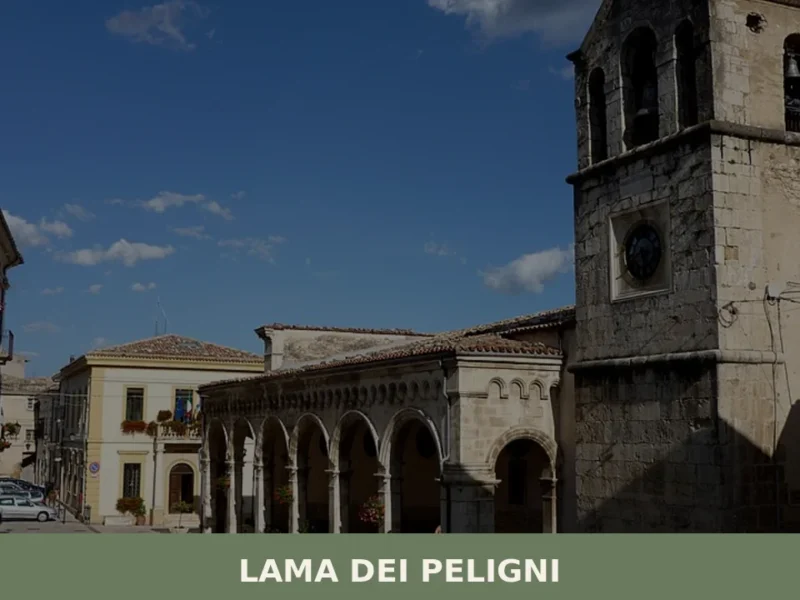
The community is committed to preserving traditions, making the village an example of cultural resistance and territorial resilience, in a context similar to that of Lama dei Peligni, which is also part of the Majella National Park landscape.
What to see in Lettopalena: main attractions
For those who wish to discover what to see in Lettopalena, the village offers a journey through religious architectures, remains of fortifications, and viewpoints overlooking the surrounding nature.
The attractions, while not monumental in size, reflect the authenticity and history of the place, inviting a careful and contemplative visit.
The Parish Church of San Vincenzo Ferreri
Lettopalena’s main church is dedicated to San Vincenzo Ferreri, the patron saint of the village.
This religious building represents the heart of the community’s spiritual life and, despite having undergone modifications and reconstructions over the centuries, retains elements that tell its story.
Inside, one can observe sacred furnishings and works of art which, although not detailed in specific sources, are typical of the Abruzzese tradition, often the result of local craftsmanship.
Its facade, with the bell tower rising above the roof, is a visible landmark from various angles of the town and the valley below.
The Remains of the Medieval Fortification
On the highest part of the village, there are the remains of an ancient medieval fortification, probably a castle or a watchtower.
These ruins, although not extensive, testify to Lettopalena’s strategic importance in past eras, when territorial defense was a priority. From this point, it is possible to imagine the control function that the structure exercised over communication routes and the surrounding pastures.
A visit to these remains allows one to connect with the village’s oldest history and appreciate its evolution through the centuries.
The Panoramic Belvedere
The village of Lettopalena, given its altitude of 680 meters above sea level, offers several points from which to admire a vast panorama.
The Panoramic Belvedere is one of these, and from here the gaze sweeps across the peaks of the Majella, the valleys below, and the neighboring villages.
This place is ideal for a contemplative stop, for taking photographs, or simply for enjoying the tranquility of the Abruzzese landscape.
The view is particularly striking on clear days, when the mountains stand out sharply against the sky, offering a spectacle that changes with the seasons.
The Nature Trails of Eastern Majella
Given its position close to the Majella massif, Lettopalena is a starting point for numerous trails and nature paths.
These itineraries delve into the typical flora and fauna of the Abruzzese mountain environment, offering opportunities for excursions of varying difficulty.
One can explore woods, clearings, and watercourses, observing the biodiversity of the area and breathing the pure mountain air.
The trails are suitable for both experienced hikers and families, allowing for an immersive experience in unspoiled nature, an aspect also found when visiting Civitella Alfedena, another village immersed in a significant natural setting.
The Local Ethnographic Museum
In many Abruzzese villages, the preservation of historical memory and rural traditions is entrusted to small ethnographic museums. In Lettopalena too, it is possible to find an exhibition that gathers agricultural tools, household utensils, and objects from daily life of times past.
These spaces, while not large institutions, are fundamental for understanding the cultural roots of the village and how the community has lived and worked over the centuries.
A visit to such a museum offers an authentic glimpse into the peasant and pastoral civilization that has shaped Lettopalena’s identity, answering the question of what to see in Lettopalena with a more intimate approach linked to local life.
Typical Cuisine and Products of Lettopalena
The cuisine of Lettopalena reflects the Abruzzese gastronomic tradition, influenced by the mountain environment and the agro-pastoral culture.
The recipes are based on simple and genuine ingredients, often sourced from the surrounding area, such as sheep and pork meats, cheeses, legumes, and seasonal vegetables. Dish preparation is linked to ancient methods, handed down from generation to generation, which enhance the natural flavours of the raw ingredients.
This culinary approach is common to many villages in the region, where the table is a moment of sharing and celebrating roots.
Among the typical dishes of the area, robust and flavourful preparations stand out, ideal for facing the mountain climate.
Pecora alla callara, slow-cooked in a copper cauldron, is a classic of Abruzzese pastoral tradition, characterized by tender meat and an aromatic broth. There are also homemade pastas, such as sagne a pezze or maccheroni alla chitarra, often seasoned with meat sauces or rich ragù.
Legumes, such as lentils or beans, are also protagonists in soups and stews, often enriched with aromatic herbs gathered from the surrounding meadows. These dishes represent the heart of the traditional diet and are a culinary experience not to be missed.
The territory of Lettopalena and the surrounding areas is rich in certified products that attest to the quality of local production.
Among these, one can appreciate cured meats and cheeses that represent the excellence of the livestock supply chain.
For example, Arrosticini (PAT) — municipalities: Pescara, Chieti, Teramo, L’Aquila, are grilled sheep meat skewers, a symbol of Abruzzese gastronomy.
Caciocavallo abruzzese (PAT) — municipalities: Pescara, Chieti, Teramo, L’Aquila, is an aged stretched-curd cheese with a distinctive flavour.
Also, Aglio rosso di Sulmona (PAT) — municipality: Sulmona, is a niche product, appreciated for its organoleptic qualities, while Confetto di Sulmona (PAT) — municipality: Sulmona, represents a historic and renowned sweet treat.
The presence of these typical products is an additional reason for those wondering what to see in Lettopalena and what to taste.
Culinary traditions are often celebrated through local festivals (sagre) and markets.
Although sources do not provide details on specific festivals in Lettopalena beyond the patron saint’s feast day, it is common for mountain villages to organize events dedicated to local produce, particularly during summer and autumn. These occasions offer the opportunity to buy cheeses, cured meats, honey, and other artisanal products directly from local producers, contributing to supporting the local economy.
Visitors to the village during these periods can participate in tastings and discover the authentic local specialties.
Festivals, Events, and Traditions of Lettopalena
The festivals and events of Lettopalena are an expression of its cultural and religious identity, moments when the community gathers to celebrate centuries-old traditions.
The highlight of the festive calendar is the feast of the patron saint, San Vincenzo Ferreri, held annually on April 5th.
This celebration usually includes a religious procession, during which the saint’s statue is carried through the village streets, accompanied by faithful devotees and musical bands.
The patron saint’s feast day is an opportunity to rediscover community bonds and to share moments of spirituality and joy, often with folk events and stalls that liven up the town.
In addition to the feast of San Vincenzo Ferreri, the village, like many Abruzzese mountain towns, observes celebrations related to the agricultural cycle and major Christian holidays.
Although no other large-scale festivals or events are specified in the sources, it is plausible that small local celebrations take place throughout the year, linked to the grape harvest, olive picking, or typical products, as occurs in other nearby villages.
These traditions help keep historical memory alive and transmit the cultural heritage of the area to new generations, offering visitors a glimpse into the authentic life of the place.
When to visit Lettopalena and how to get there
The best time to visit Lettopalena depends on the visitor’s preferences and the type of experience desired.
Nature and hiking enthusiasts will find spring and summer ideal, from May to September, when the climate is mild and the trails are fully accessible.
During these months, the flora is at its peak splendor, and temperatures allow for long walks without the excessive heat of coastal areas.
Autumn offers a landscape of warm colors and the opportunity to participate in any festivals related to seasonal products, while winter, with its snow, transforms the village into an evocative place for those seeking tranquility and winter landscapes, though it requires greater attention for road conditions.
Reaching Lettopalena usually requires the use of a car, as it is a mountain village not directly served by major railway infrastructures.
Those arriving by car can take the A25 Rome-Pescara motorway, exiting at the Bussi sul Tirino/Popoli toll booth and then continuing on the SS 84 towards Palena, or the A14 Adriatica motorway, exiting at the Val di Sangro toll booth and following signs for the SS 652 and then for Palena.
The distance from the Val di Sangro toll booth is approximately 50 km.
The nearest train station is Sulmona or Lanciano, from which it is possible to continue with local bus services, whose frequency may vary.
The most convenient airport is Pescara (Abruzzo Airport), about 80 km away, from which you can rent a car or use public transport connections to reach the village.
For detailed information on timetables and services, you can consult the official website of the Municipality of Lettopalena.
Where to stay in Lettopalena
As specific data on documented accommodation facilities directly in Lettopalena were not available in the provided sources, it is not possible to describe in detail the accommodation options within the village. However, in contexts similar to Lettopalena, it is common to find small establishments such as agriturismos in the surrounding countryside, bed & breakfasts run by local families, or aff
Frequently asked questions about Lettopalena
What is the best time to visit Lettopalena?
The best time to visit Lettopalena depends on your interests. Spring, particularly around April 5th, is ideal for experiencing the traditional Feast of San Vincenzo Ferreri, the patron saint, with its religious procession. During late spring and summer (June-September), the mild mountain climate at 680 meters altitude makes it perfect for exploring the nature trails of Eastern Majella and enjoying panoramic views. Autumn offers beautiful foliage and opportunities to taste local seasonal products. Winter provides a tranquil, snow-covered landscape for those seeking solitude.
What are the historical origins of Lettopalena?
Lettopalena's history is deeply connected to its mountain geography. While precise foundation dates are not fully documented, it is plausible the area was inhabited since Roman times, consolidating into a stable settlement during the medieval period due to the need for defense. The village's strategic position meant it fell under various feudal estates, shaping its urban structure with narrow streets. Over centuries, seismic events and an agro-pastoral vocation further defined its character, preserving its identity as a resilient mountain community.
What to see in Lettopalena? Main monuments and landmarks
In Lettopalena, visitors can explore the Parish Church of San Vincenzo Ferreri, the spiritual heart of the village with its distinctive bell tower. Ascend to the highest part to discover the evocative Remains of the Medieval Fortification, offering a glimpse into the village's strategic past. Don't miss the Panoramic Belvedere, providing breathtaking views of the Majella peaks and surrounding valleys. For cultural insight, the Local Ethnographic Museum showcases traditional agricultural tools and daily life objects. Additionally, the village serves as a gateway to the Nature Trails of Eastern Majella for outdoor enthusiasts.
What are the main natural or scenic attractions of Lettopalena?
Lettopalena's primary natural attractions stem from its elevated position at 680 meters, offering magnificent views. The Panoramic Belvedere provides expansive vistas across the Majella peaks, lush valleys, and neighboring villages, ideal for photography and contemplation. The village is also a direct gateway to the Nature Trails of Eastern Majella. These itineraries delve into the rich flora and fauna of the Abruzzese mountain environment, with paths suitable for various skill levels, allowing visitors to explore woods, clearings, and pristine watercourses, immersing themselves in unspoiled nature.
Where to take the best photos in Lettopalena?
For captivating photographs in Lettopalena, the Panoramic Belvedere is an essential stop. From here, you can capture sweeping vistas of the Majella peaks, the verdant valleys below, and the charming neighboring villages, especially striking on clear days. The Parish Church of San Vincenzo Ferreri's bell tower, a visible landmark from various points, also makes for picturesque shots against the backdrop of the mountain landscape. Explore the narrow streets of the historic center for evocative glimpses of rural architecture and traditional life.
Are there museums, churches or historic buildings to visit in Lettopalena?
Yes, Lettopalena offers several points of cultural interest. You can visit the Parish Church of San Vincenzo Ferreri, the village's main religious building and spiritual center. Explore the evocative Remains of the Medieval Fortification on the highest part of the village, which testify to its historical strategic importance. Additionally, the Local Ethnographic Museum provides insight into the village's past, housing agricultural tools, household utensils, and objects that illustrate the traditional peasant and pastoral life of Lettopalena.
What can you do in Lettopalena? Activities and experiences
In Lettopalena, you can immerse yourself in nature and local traditions. The village is an excellent starting point for hiking and nature trails in the Eastern Majella, suitable for all levels, allowing you to explore woods and enjoy pure mountain air. You can also delve into the local culture by visiting the Parish Church of San Vincenzo Ferreri, the Medieval Fortification remains, and the Local Ethnographic Museum. Enjoy the tranquility of the Panoramic Belvedere, and savor authentic Abruzzese cuisine, perhaps during local festivals or markets where you can taste regional products.
Who is Lettopalena suitable for? Families, couples, hikers, solo travelers?
Lettopalena is ideal for nature lovers, hikers, and anyone seeking an authentic, tranquil Abruzzese mountain experience away from urban bustle. Its numerous nature trails in the Eastern Majella cater to both experienced hikers and families. Couples will appreciate the peaceful atmosphere and panoramic views, while solo travelers can find solitude and immerse themselves in local traditions and history. It's also suitable for those interested in exploring small, culturally rich villages and savoring genuine local cuisine.
What to eat in Lettopalena? Local products and specialties
Lettopalena's cuisine offers robust, genuine Abruzzese flavors, deeply rooted in mountain and agro-pastoral traditions. Must-try dishes include Pecora alla callara, slow-cooked lamb, and homemade pastas like sagne a pezze or maccheroni alla chitarra, often served with rich meat sauces. Hearty legume soups and stews, enriched with local herbs, are also popular. From the broader Abruzzese region, and available locally, you can savor Arrosticini (grilled sheep skewers), Caciocavallo abruzzese cheese, Aglio rosso di Sulmona, and the renowned Confetto di Sulmona.
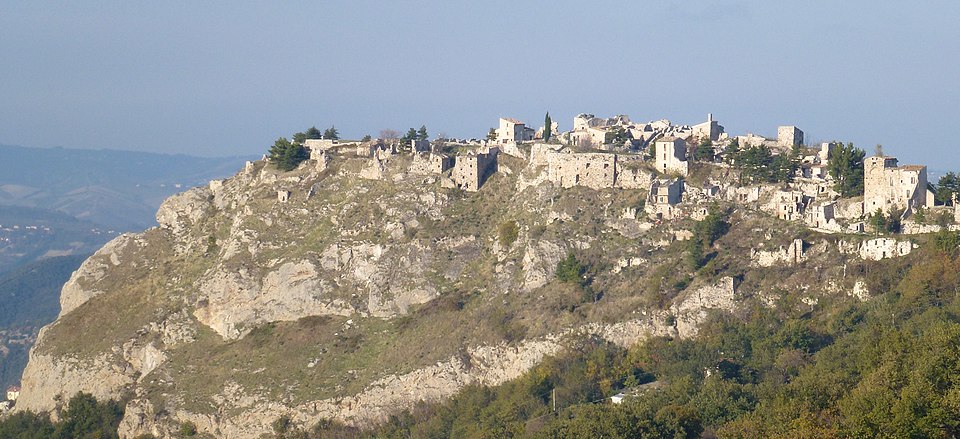
📷 Photo Gallery — Lettopalena
Nearby Villages near Lettopalena
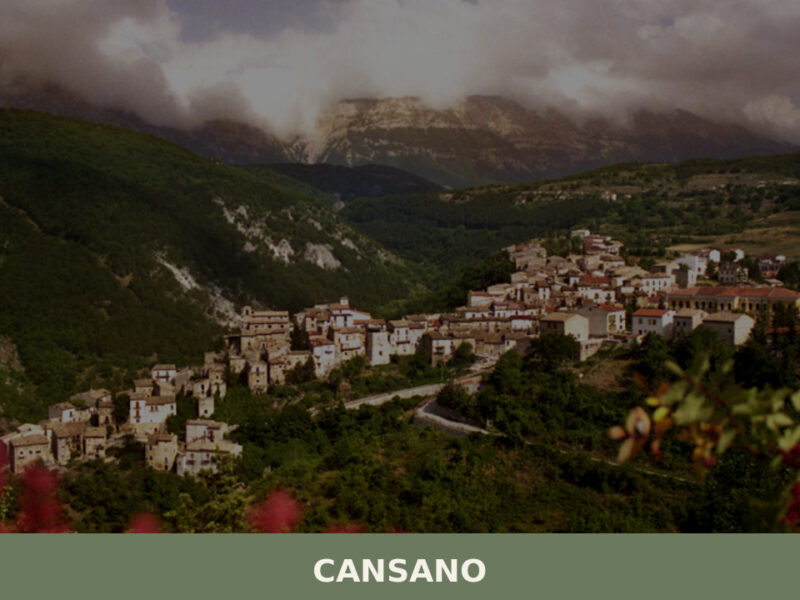
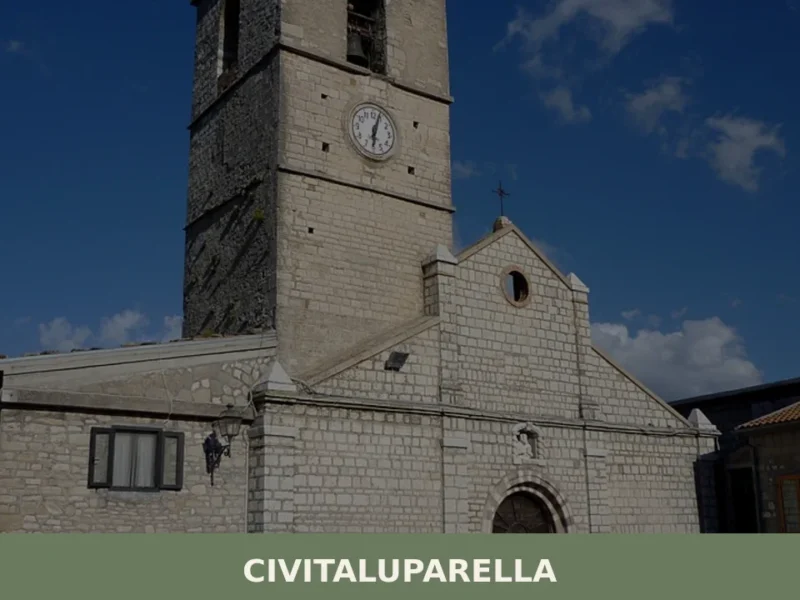
In Abruzzo More villages to discover
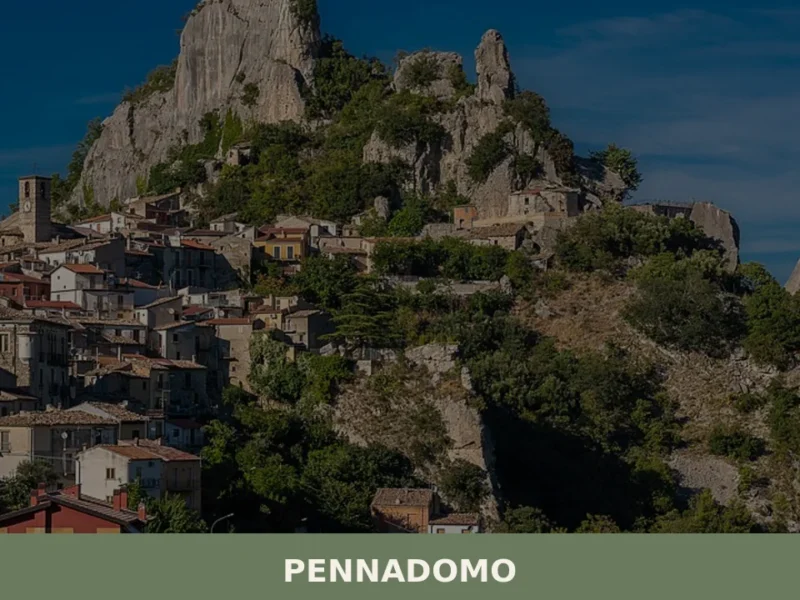
Pennadomo
 Hills
Hills
What to see in Pennadomo, Italy: 5 attractions at 460 m in Chieti province. Discover the feast of San Lorenzo, local food traditions and how to get there.
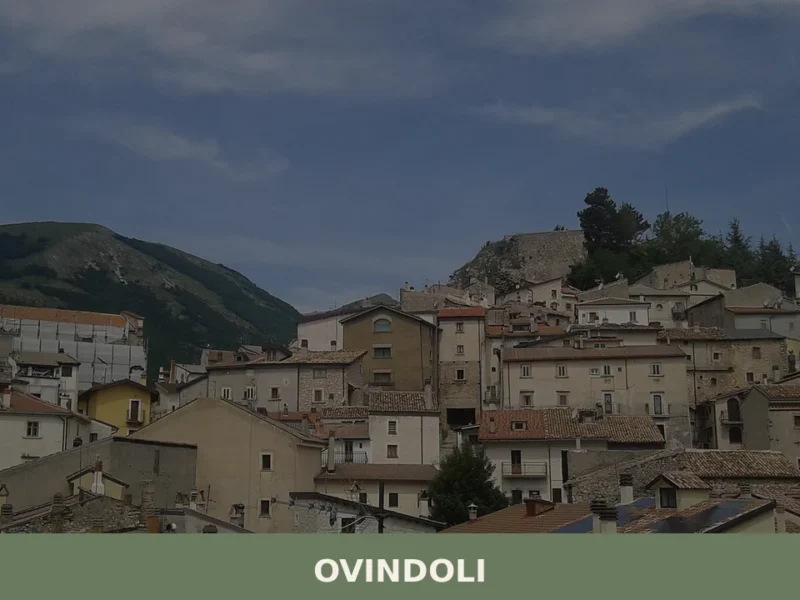
Ovindoli
Mountain
What to see in Ovindoli, Italy: ski slopes on Monte Magnola, hiking in Sirente-Velino park, 1,203 inhabitants. Discover top attractions and how to get there.
Corvara
Mountain
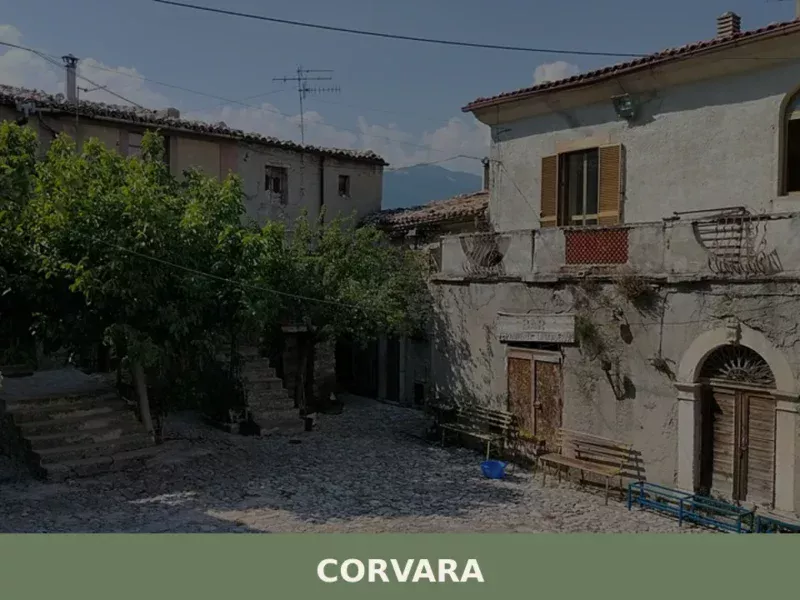
Corvara, a municipality of 210 inhabitants in the province of Pescara, is located 625 meters above sea level in the Pescara valley. Its territory, documented as early as the medieval period, shows traces of settlements dating back to the Neolithic, highlighting a continuous habitation linked to its strategic position. For those wondering what to see […]
Turrivalignani
Hills
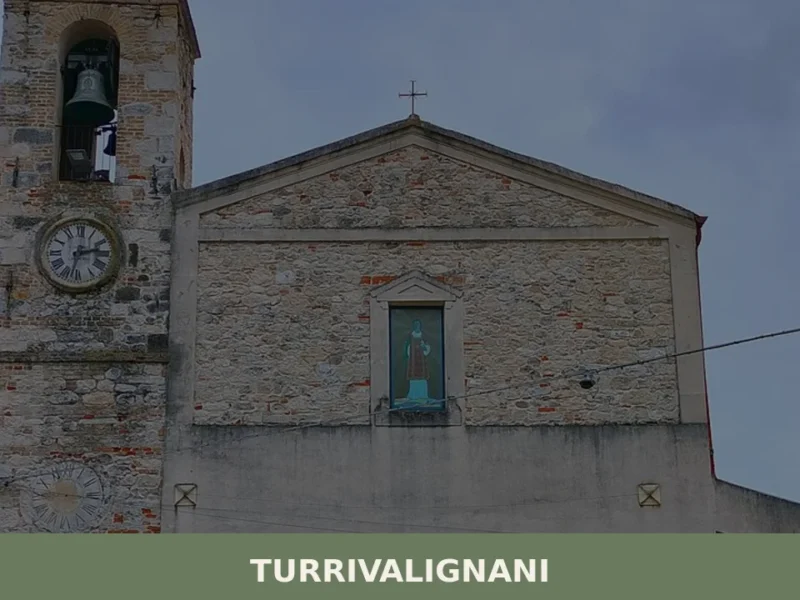
What to see in Turrivalignani? Discover the ancient village, the Church of San Nicola, and nature trails. Plan your visit to Abruzzo!
Civitaquana
Hills
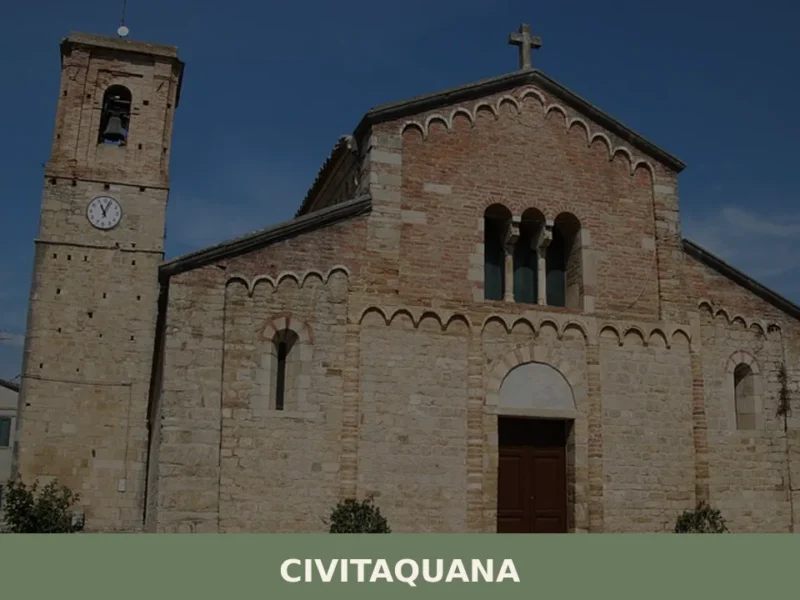
At 550 metres above sea level, on the eastern slope of the Gran Sasso descending towards the Pescara hills, Civitaquana is home to 1,146 inhabitants spread between the historic centre and the surrounding hamlets. The village’s very name — documented in medieval sources as Civitas Aquanae — reveals an origin linked to the presence of […]
Arielli
Hills
Arielli, a small village in the province of Chieti: discover its origins, what to see, and how to get there. A practical guide to this Abruzzo village.
Pietraferrazzana
Hills
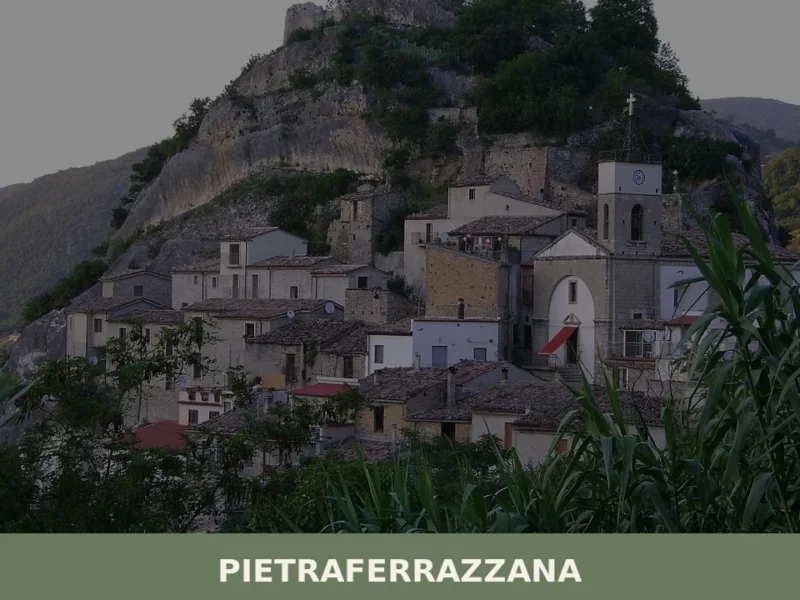
The rock that gives the village its name is no metaphor: Pietraferrazzana literally grew up against a stone cliff, and the profile of the village changes depending on where you stand along the Sangro valley floor. In this article History and Origins of Pietraferrazzana What to See in Pietraferrazzana: Main Attractions Traditional Cuisine and Products […]
Montazzoli
Mountain
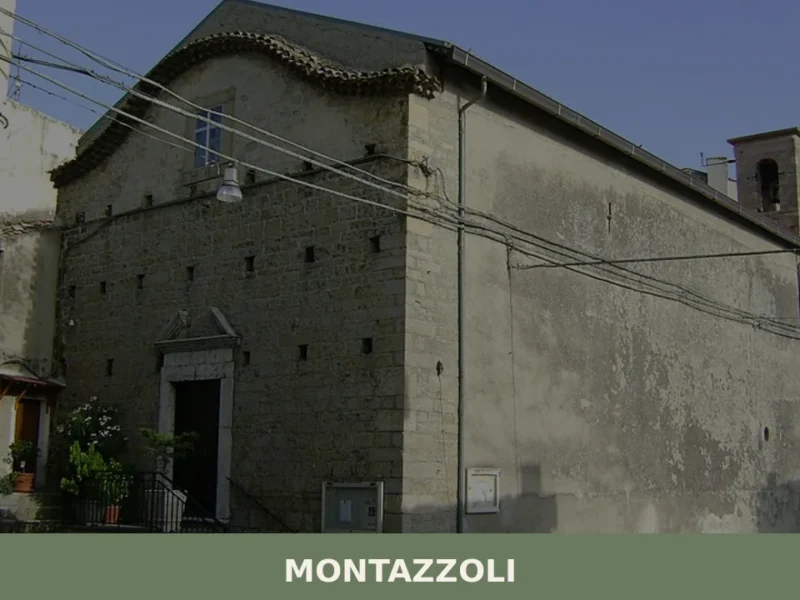
From the heights of the Chieti area, at 850 meters above sea level, the panorama of Montazzoli unfolds, an Abruzzese village with 836 inhabitants in the province of Chieti. Its stone houses cluster around an ancient fortress, bearing witness to centuries of history and mountain life. In this article History and origins of Montazzoli What […]
Ortona dei Marsi
Mountain
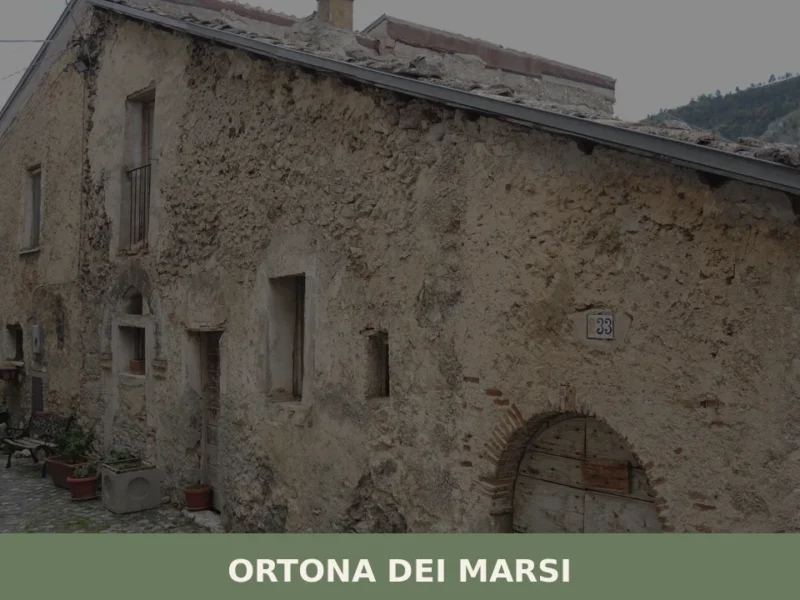
What to see in Ortona dei Marsi, Italy: a village at 1,000 m in Abruzzo's national park. Discover 5 key sights, local food, and how to get there.
San Pio delle Camere
Mountain
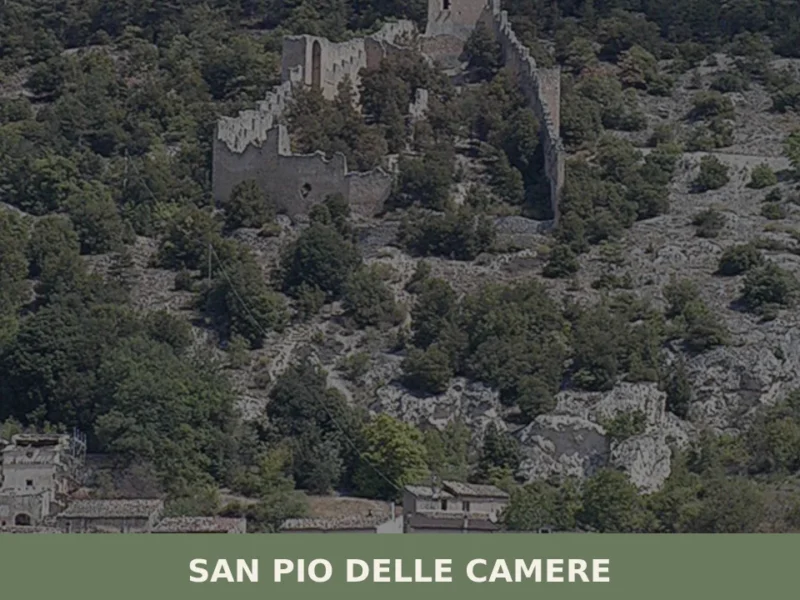
What to see in San Pio delle Camere, Abruzzo, Italy: explore 5 top attractions including a medieval castle and Peltuinum ruins. Discover this L'Aquila village.






🏡 Know Lettopalena better than we do?
If you’re a local or have been there, your knowledge matters: add what’s missing or fix a detail on this page.