


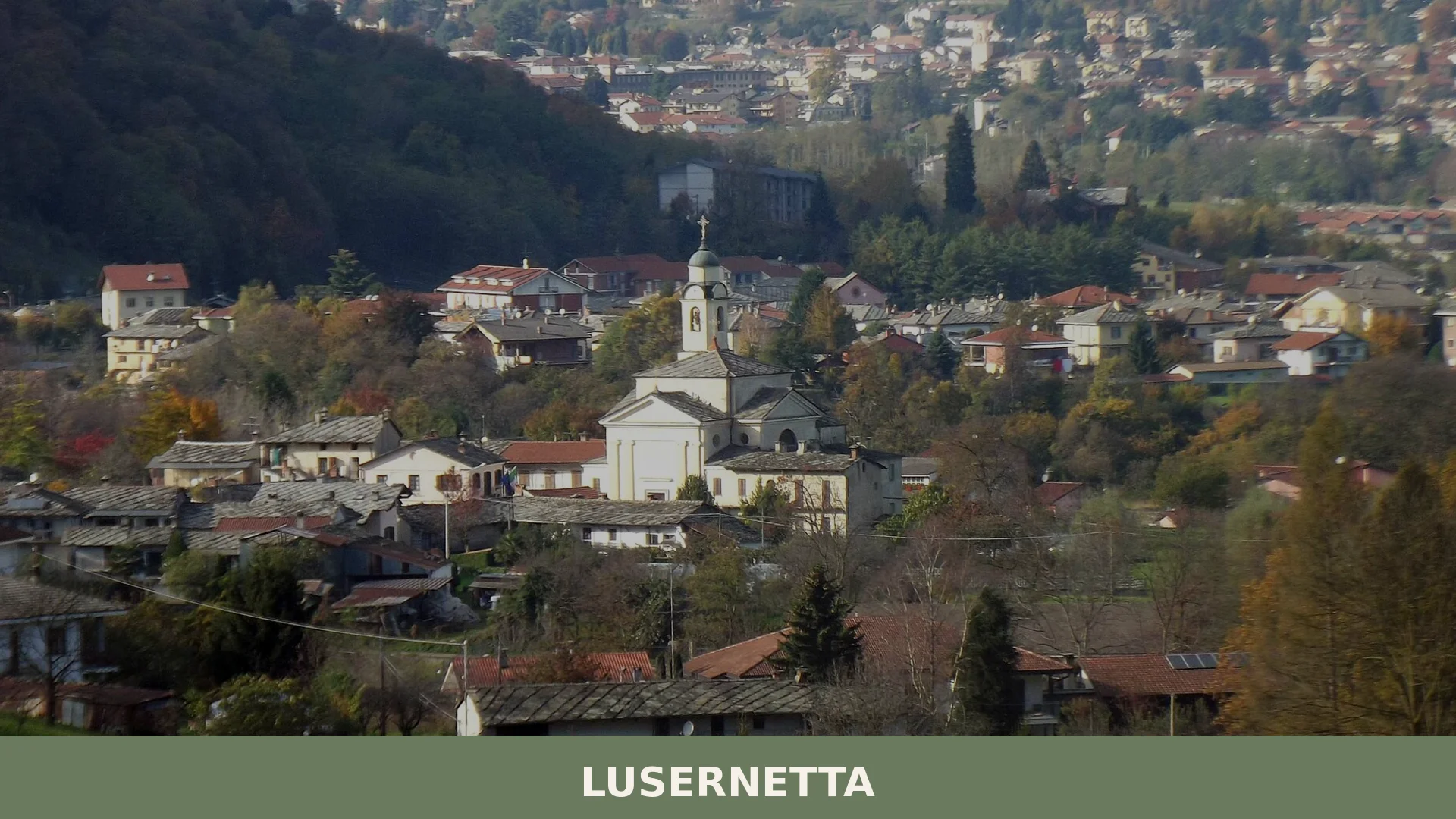
Lusernetta
 Mountain
494 residents, one medieval chapel and a clear position on the right bank of the Pellice torrent. Lusernetta rewards visitors who look beyond the obvious Pinerolese routes.
Lusernetta: Identity, History and Landscape in Val Pellice
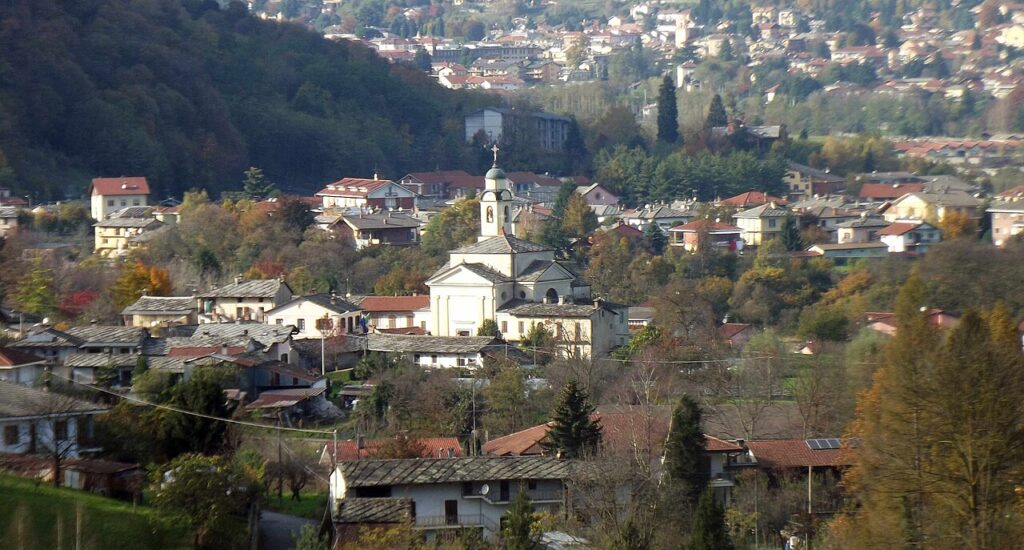
Along the Pellice valley, at around 507 metres above sea level, a compact settlement holds its ground between the valley floor and the first rising slopes of the Pinerolese hills. Stone walls absorb the morning light in a way that shifts with the seasons, and the chapel bell near the cemetery marks the hours with the same unhurried cadence it has kept for generations. The population is small — just under five hundred — and the surrounding 7.2 square kilometres carry the practical, undecorated character of an inner hill community that has always worked its land without advertising the fact.
Lusernetta village in Piedmont sits in the Torino metropolitan area, inside the administrative boundaries of the Unione Montana del Pinerolese, and offers two very concrete reasons to stop: a well-preserved funerary chapel of genuine artistic interest and direct access to the Val Pellice landscape, one of the most historically layered valleys in the entire Pinerolese corridor. Its Piedmontese name, Lusernëtta, and its Occitan variant, Luzerneta, hint at the valley’s dual linguistic identity, a trait shared with several of its neighbours.
Places and landscape
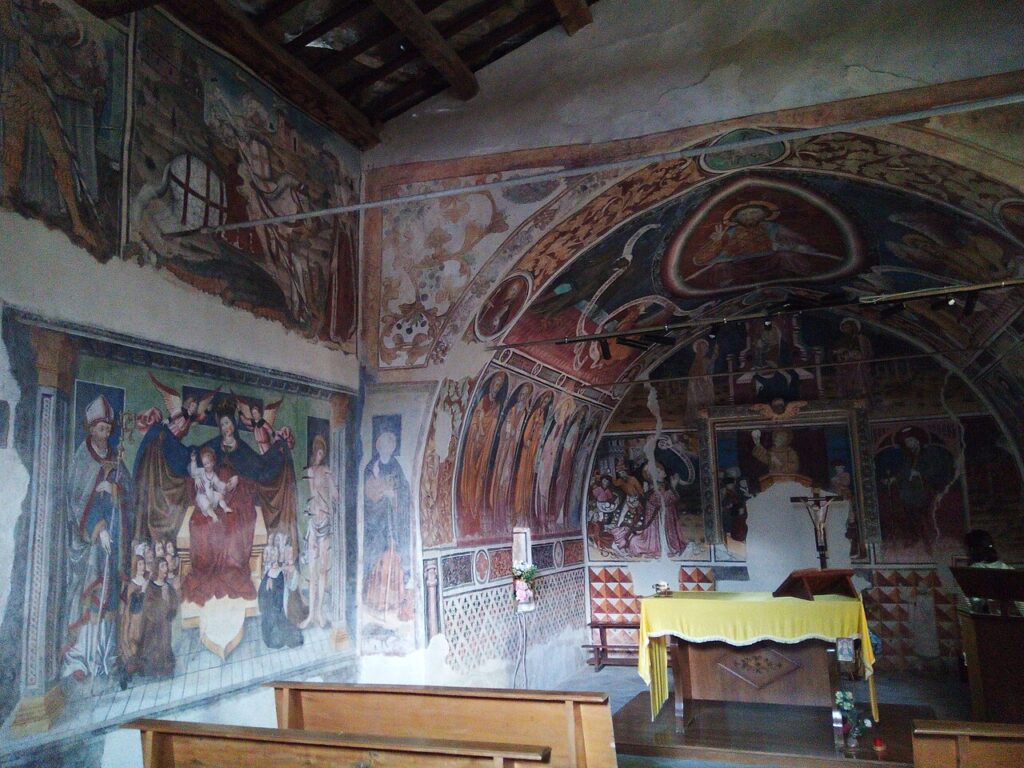
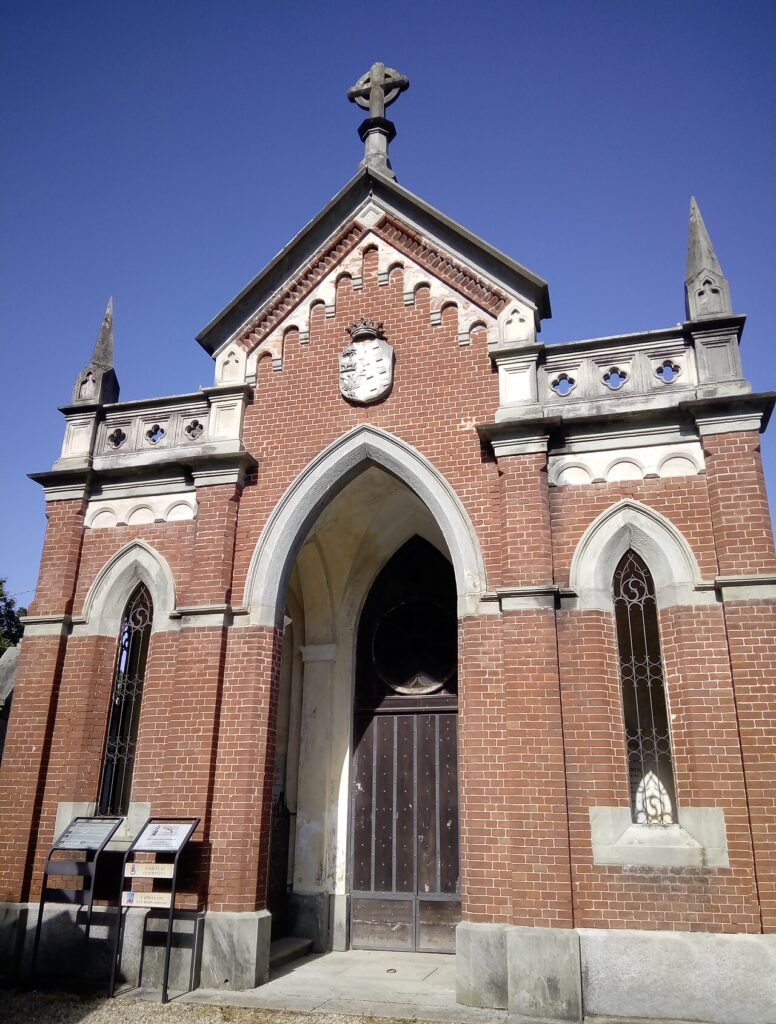
Cappella di San Bernardino
Standing near the village cemetery, the Cappella di San Bernardino is the most architecturally significant structure within Lusernetta’s territory. Small funerary and devotional chapels of this kind were common across the Pinerolese from the late medieval period onward, serving both liturgical and community functions at a remove from the parish church. The chapel’s position beside the cemetery gives it a quiet but purposeful presence in the landscape. Visitors approaching from the main road will notice it before reaching the village centre. It rewards a slow look: the proportions are careful, and the setting — between cultivated land and the cemetery boundary — captures something essential about how devotion and daily life were arranged in this part of the valley.
Landscape and Agricultural Fabric
The territory of Lusernetta extends across roughly 7.2 square kilometres of inner hill country, rising from the valley floor toward the higher ground of the Pinerolese. The agricultural fabric — orchards, mixed crops, field edges marked by dry-stone boundaries — remains the dominant visual register. Walking the lanes that connect the settlement to the surrounding farmland, visitors get a clear sense of how a village of under 500 residents organises itself spatially: compactly, with functions consolidated near the centre and working land immediately beyond. The village’s position along the Pellice valley means the settlement faces across the Pellice valley toward the opposite slopes, giving even a short walk through the outskirts a pronounced sense of depth and valley width.
Village Centre and Civic Architecture
The built core of Lusernetta is modest in scale but coherent in character. The municipal building and the spaces around it reflect the pattern typical of inner Piedmontese hill communities: a limited number of public functions gathered within a short radius, with residential buildings forming a tight perimeter. For visitors coming from Bibiana or other nearby settlements in the lower valley, the contrast in scale is immediate. Lusernetta reads as a working village rather than a tourist destination, and that distinction is precisely what makes it worth including in a longer itinerary through the Pinerolese hills.
Flavours from the Val Pellice and the Broader Pinerolese Area
Lusernetta sits within a productive agricultural zone, and the surrounding Pinerolese and Torino province carry several designated products — though none are exclusive to this village specifically. The area is associated with Pinerolese DOC wines, a denomination covering the western Torino hills, and visitors with an interest in local viticulture will find producers within reasonable reach. Chestnuts from the Val di Susa — classified as Marrone della Valle di Susa IGP — are a mountain product from a neighbouring valley that may be encountered in regional markets; they are not locally produced in the Val Pellice. Traditional Piedmontese distillates such as ratafià and rosolio are part of the wider regional repertoire, encountered in local shops and at agricultural fairs throughout the province.
The agricultural character of the village itself suggests a food culture built on seasonal produce, orchard fruit and the practical cookery of a small farming community. Markets in neighbouring towns, including those accessible along the Val Pellice road, are the most reliable places to source local products during a visit to this part of the Pinerolese.
Planning your visit and getting there
Lusernetta can be reached easily from the lower Val Pellice and the Turin area. The practical distances and journey times below are kept concise on purpose, so the access information stays clear and consistent.
| Departure | Distance | Time |
|---|---|---|
| Turin (city centre) | approx. 55 km | approx. 60 min |
| Pinerolo | approx. 10 km | approx. 15 min |
| Turin Caselle Airport | approx. 75 km | approx. 75 min |
| Torre Pellice (stazione ferroviaria) | approx. 5 km | approx. 10 min |
Frequently asked questions about Lusernetta
What is the best time to visit Lusernetta?
January 17th marks the Feast of Sant'Antonio Abate, the village's patron saint, making it an ideal time to experience local traditions. The hillside location at 507 metres offers mild summers and crisp autumn weather, perfect for exploring Val Pellice's natural surroundings. Spring brings blooming alpine flora, while winter transforms the landscape into quieter mountain scenery ideal for those seeking authentic rural tranquility away from peak tourism seasons.
How do I reach Lusernetta from Turin?
Lusernetta lies in the Val Pellice valley south of Turin, approximately 50 kilometres away. Access by car via the Turin metropolitan road network toward Pinerolo is recommended, as public transport to this small comune is limited. The nearest significant train station is Pinerolo. From there, local buses or car hire provide onward connections. Check regional Piedmont transport providers for current schedules, as services to smaller villages operate on reduced timetables.
What can I see and do in Lusernetta?
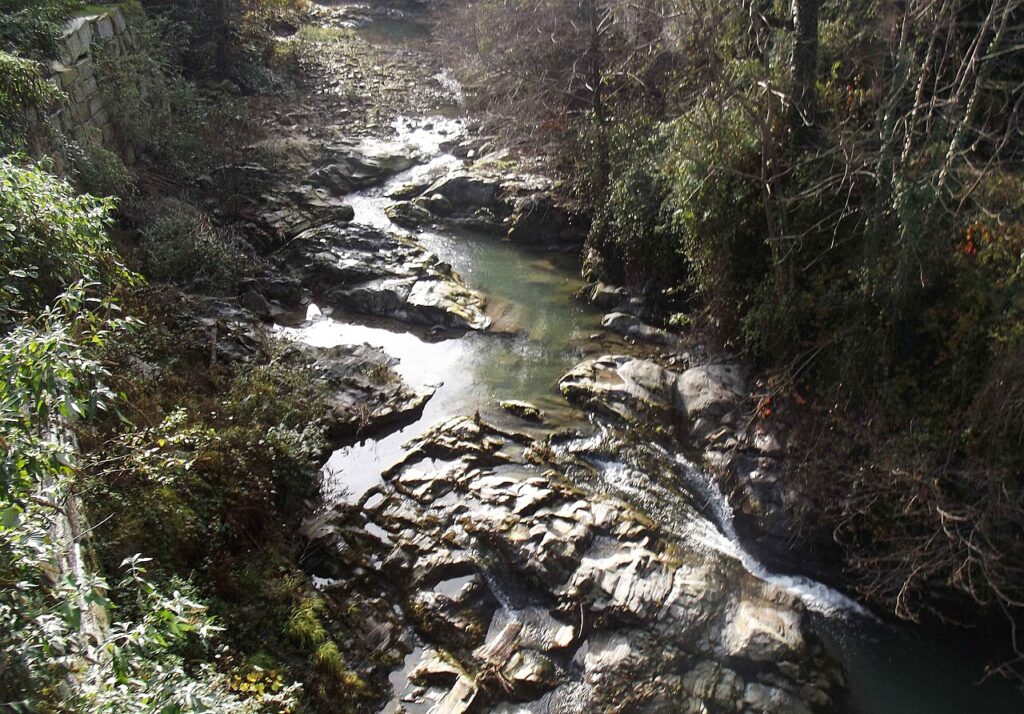
The Cappella di San Bernardino, located beside the village cemetery, is the municipality's most notable architectural landmark. The village itself rewards visitors seeking genuine hillside tranquility away from main tourist routes. The unique municipal emblem—a three-wick oil lamp echoing Roman and medieval craftsmanship—reflects the settlement's distinct character. Val Pellice's natural landscape offers opportunities for walking and exploring the surrounding pre-Alpine terrain and the Pellice torrent.
How long should I plan to spend in Lusernetta?
A half-day visit suffices for viewing the Cappella di San Bernardino and experiencing the village's quiet streets and intimate scale. However, those interested in Val Pellice's broader hiking opportunities or seeking extended rural immersion should allocate a full day or longer. The village serves well as a base for exploring the wider mountain valley network connecting the Cottian Alps toward the Piedmontese plains, making it suitable for multi-day stays.
📷 Photo Gallery — Lusernetta
In Piedmont More villages to discover
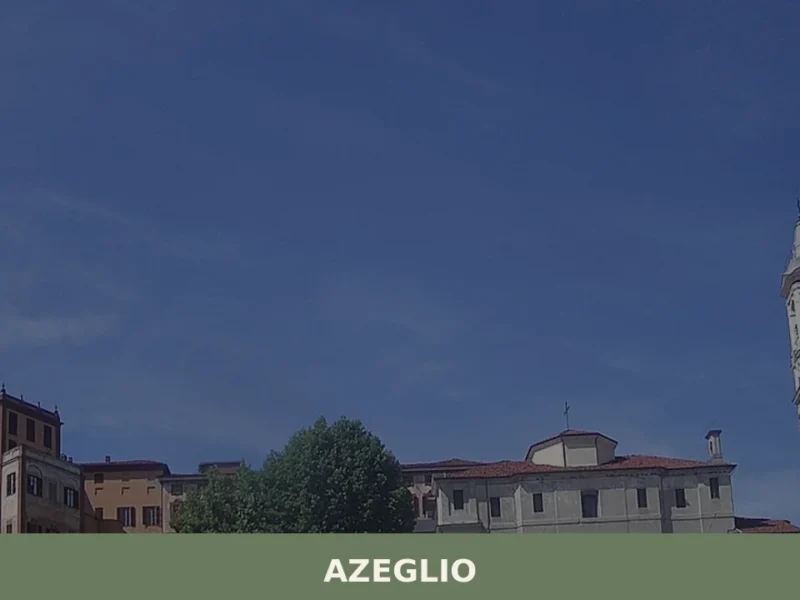
Azeglio
 Hills
Hills
Azeglio, a small Piedmontese village on Lake Viverone: history, what to see and how to get there. Discover everything to plan your visit.
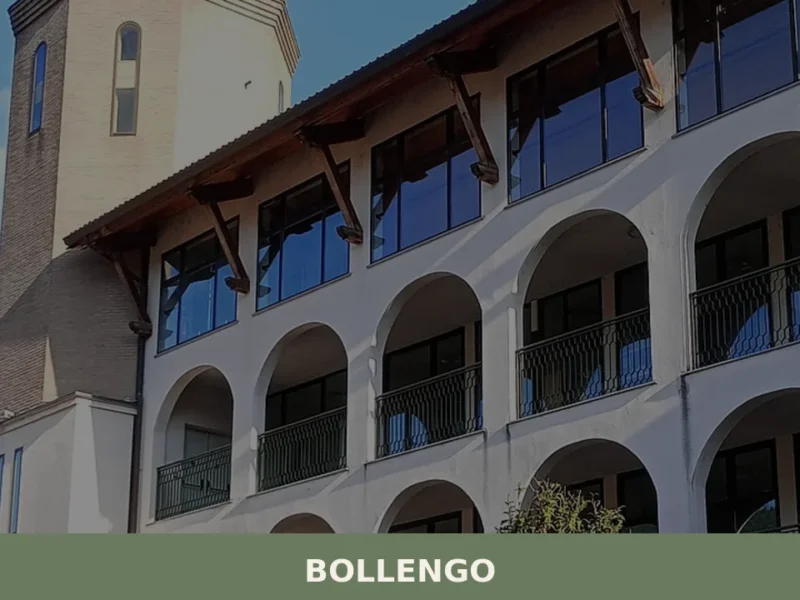
Bollengo
Hills
Discover what to see in Bollengo, a 2,089-resident comune in the Canavese area of Piemonte: morainic landscapes, Erbaluce DOCG wines, and rural architecture.
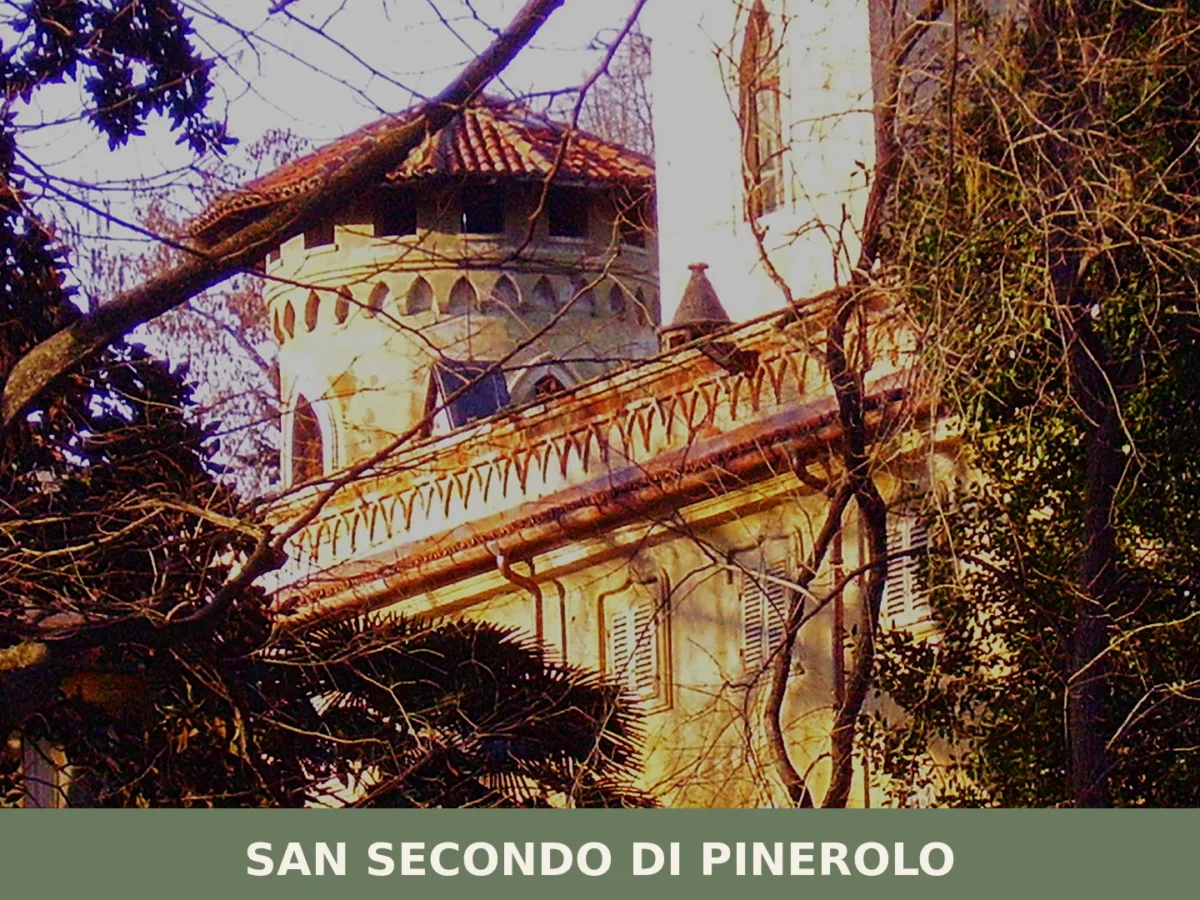
San Secondo di Pinerolo
Hills
Population 3,643. A small Piedmont comune where 18th-century terracotta crafts shaped the landscape and baroque architecture anchors memory.
Alice Superiore
Mountain
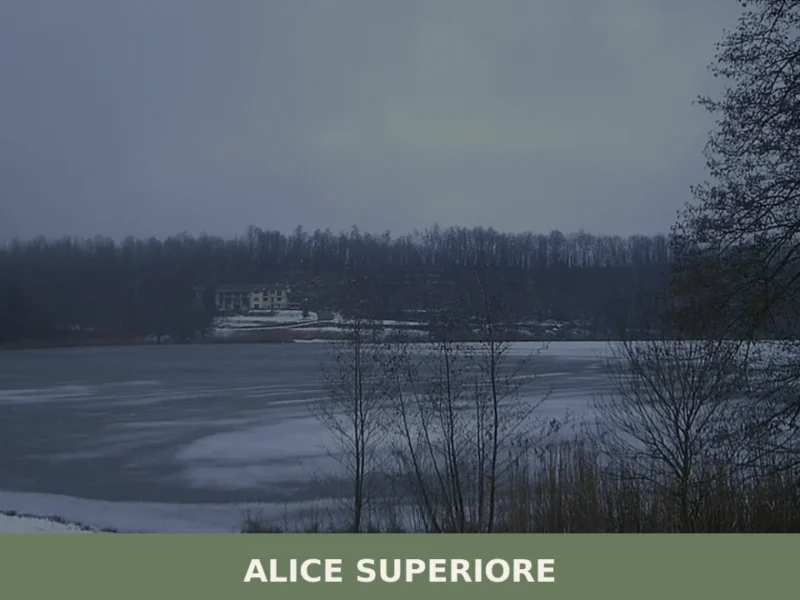
Alice Superiore sits at 610 metres above sea level in the Chiusella Valley, a lateral branch of the Canavese district within the Metropolitan City of Torino. Home to 711 inhabitants, the village occupies a stretch of sloping terrain where chestnut woods give way to Alpine pasture. For anyone researching what to see in Alice Superiore, […]
Arborio
 Plains
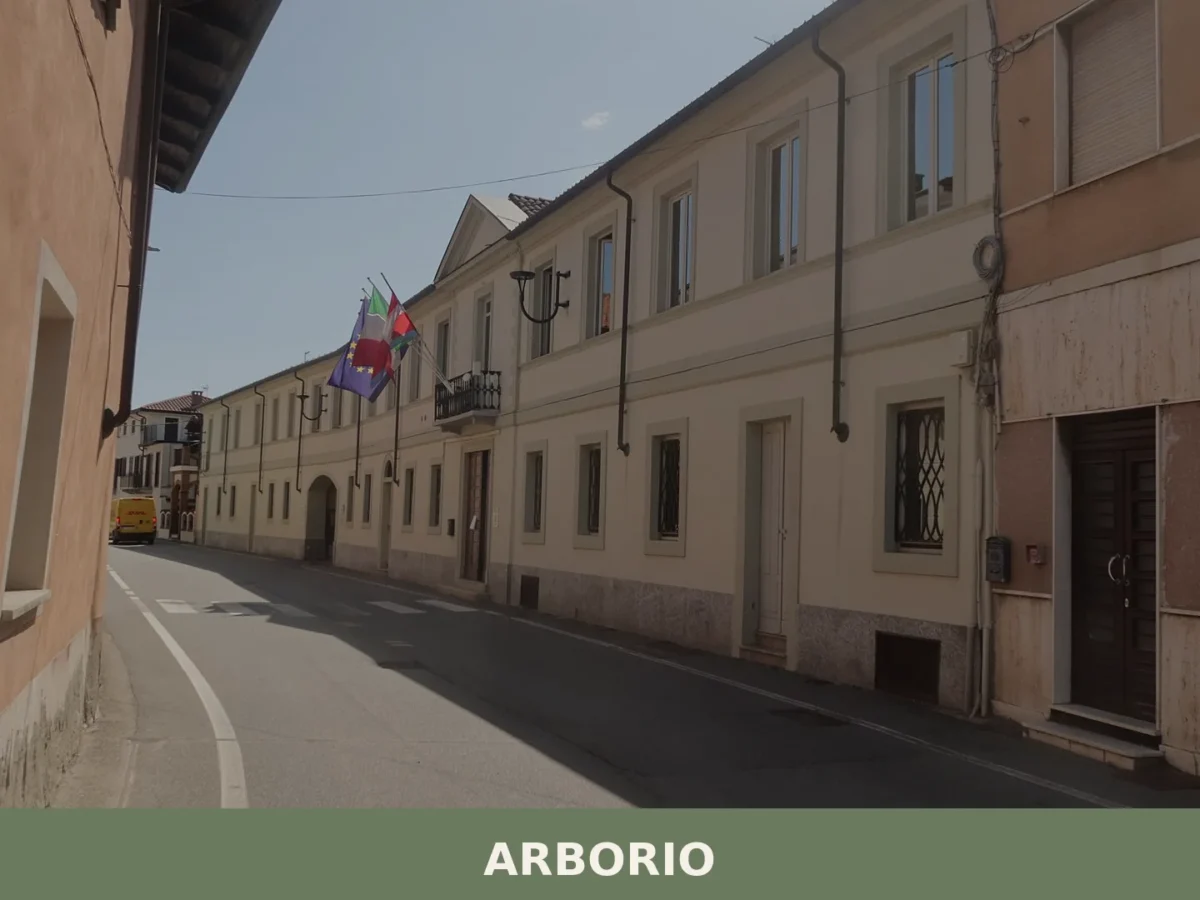
Arborio is a comune of around 850 inhabitants in the province of Vercelli, Piemonte, famed for the rice variety that carries its name and for a recorded history stretching back to the year 999.
Ronco Canavese
Mountain
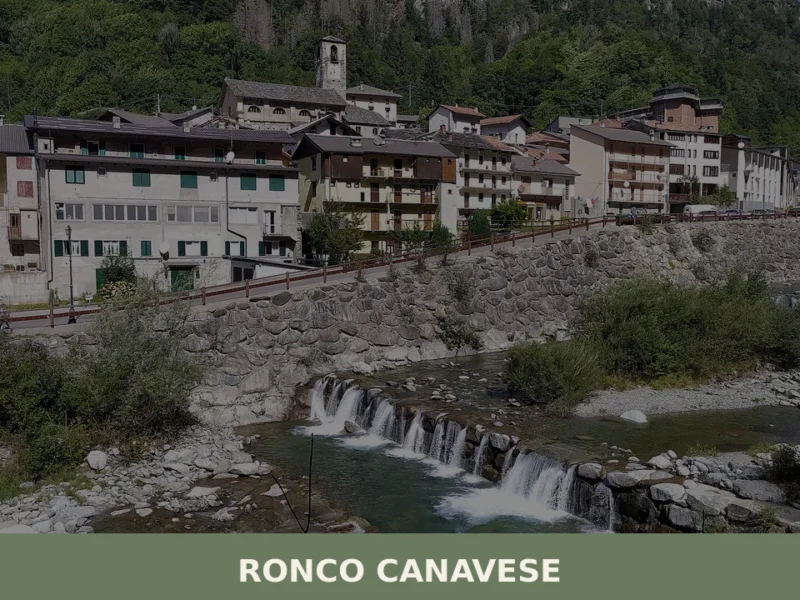
Ronco Canavese is home to approximately 380 inhabitants and serves as the principal reference point for the Valle Soana, a lateral valley that extends northward from the Gran Paradiso massif within the metropolitan area of Turin. Knowing what to see in Ronco Canavese requires understanding its role not as a transit point but as the […]
San Giorio di Susa
Mountain
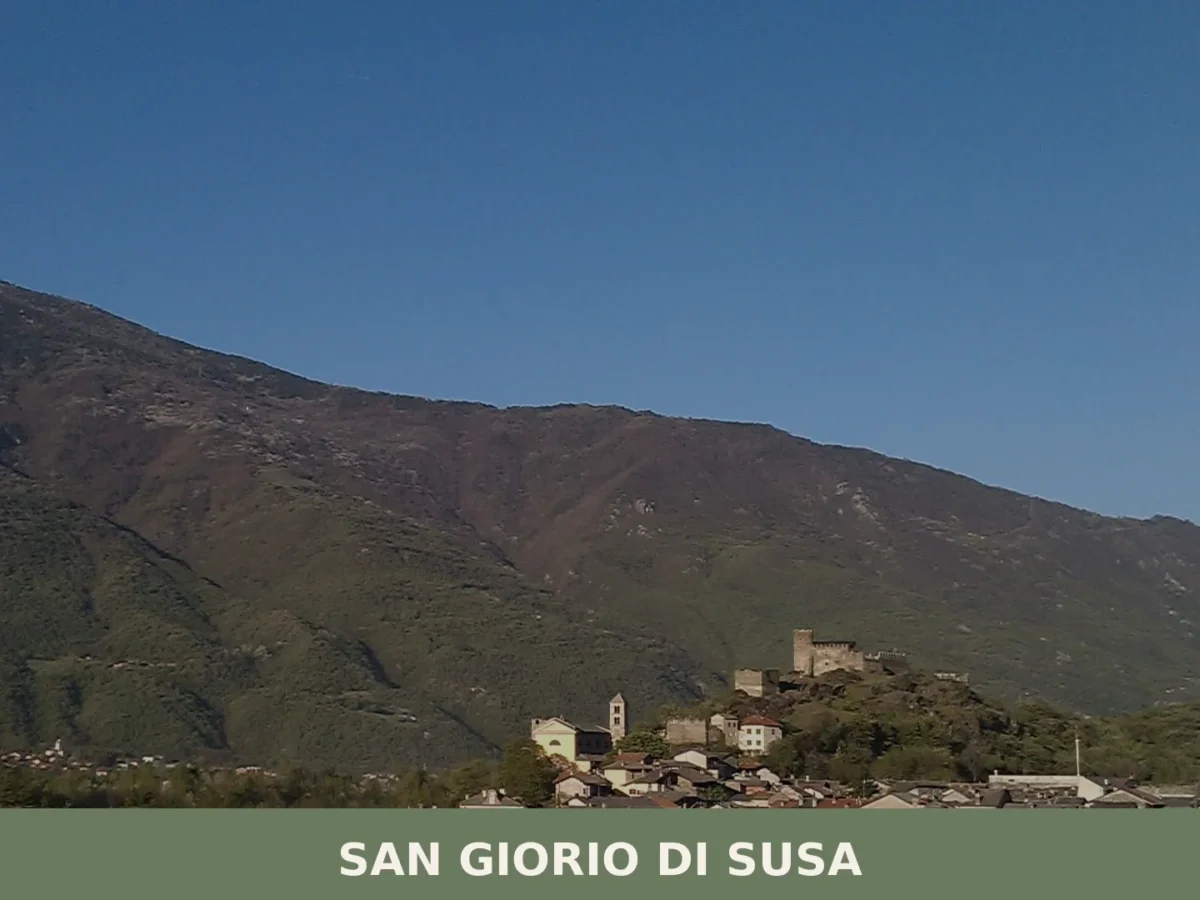
Population 958. Medieval castle with franco-Piemontese frescoes of 1328, alpine hamlets up to 2,801 m, and a living tradition of medieval pageantry on the feast of San Giorgio.

Castelletto Molina
Hills
137 residents, one patron saint and a golden civic banner: Castelletto Molina rewards slow travellers with genuine Monferrato countryside and Piedmontese village life.

Volpiano
Plains
3 Baroque churches and a Roman centuriation grid still visible in the fields make Volpiano a rewarding stop in the Canavese between Turin and the Alps.
Torino
Hills
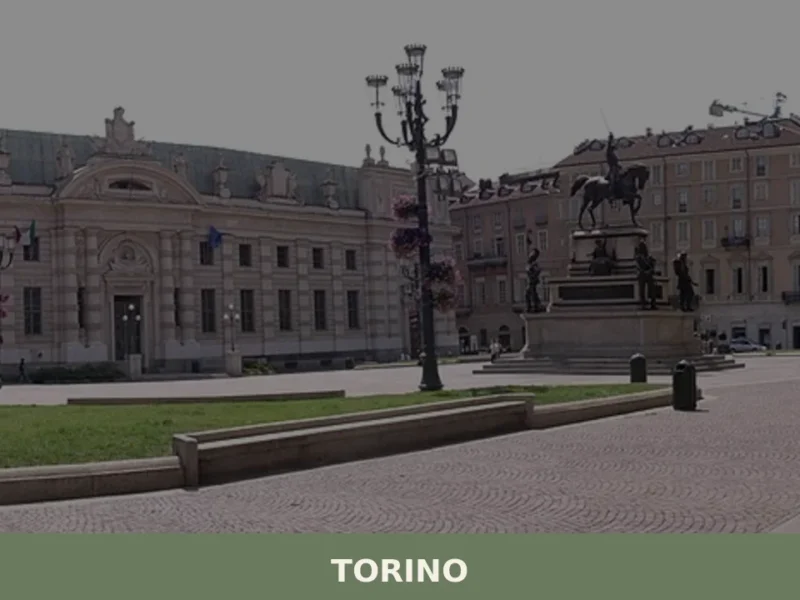
What to see in Torino: the city at 239m altitude with 841,600 residents. Explore 5 key attractions and Piedmontese cuisine. Read the full guide now.




🏡 Know Lusernetta better than we do?
If you’re a local or have been there, your knowledge matters: add what’s missing or fix a detail on this page.