


Argentera
 Mountain
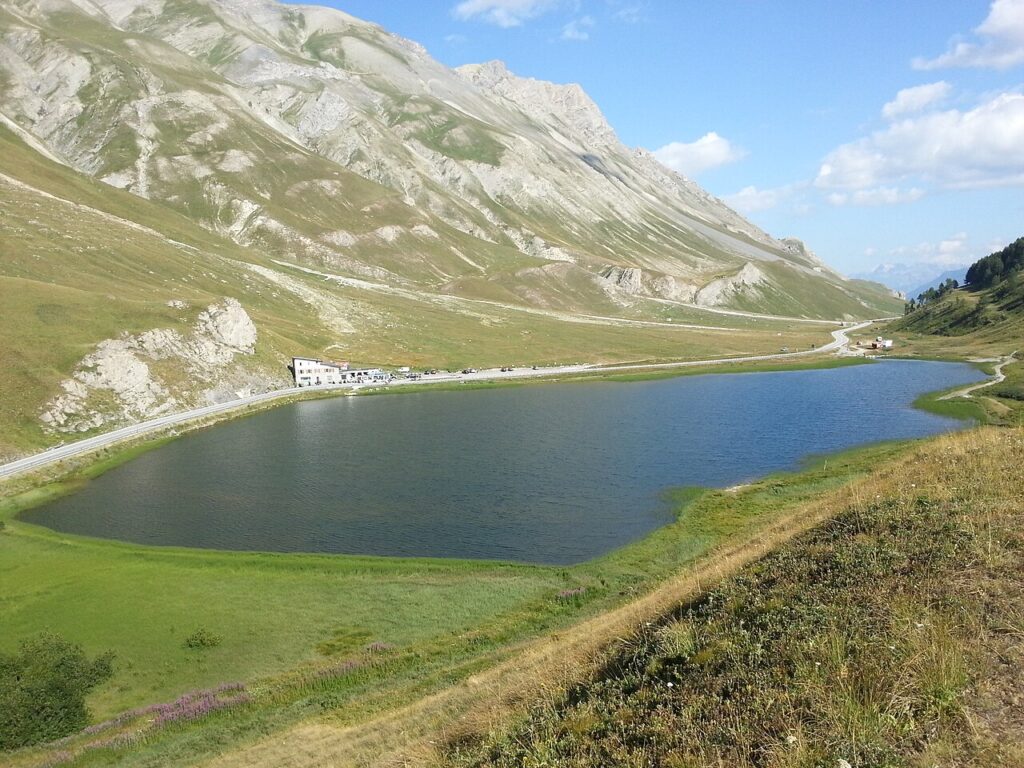
Argentera is a high-altitude mountain commune of 77 inhabitants in the upper Valle Stura di Demonte, Cuneo, at 1,618 metres above sea level, about 60 kilometres from Cuneo.
Discover Argentera
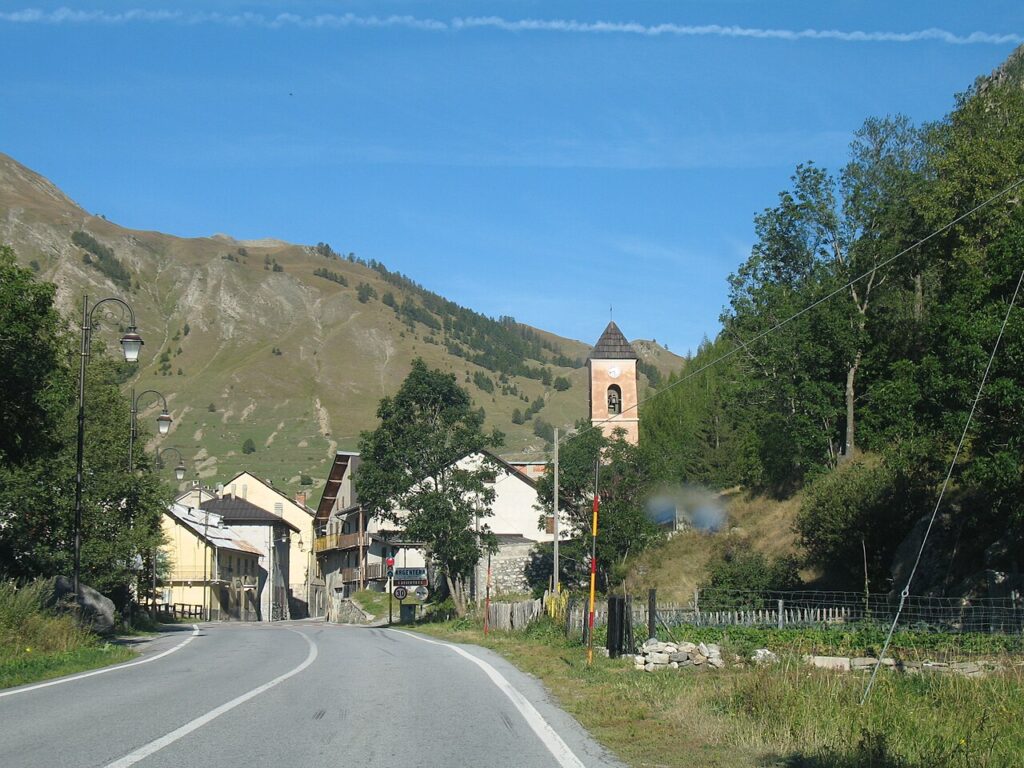
Argentera is a mountain commune of 77 inhabitants in the province of Cuneo, Piedmont, occupying a surface area of roughly 76.52 square kilometres in the upper Valle Stura di Demonte, with its municipal centre standing at 1684 metres above sea level. The settlement is spread across several hamlets along the banks of the Stura river, surrounded by conifer forests, larch woods, high pastures and peaks that rise above 1684 metres, lying approximately 60 kilometres from Cuneo — about one hour by road along the SS21.
Argentera village in Piedmont: parish origins, wartime memory and living tradition
Argentera’s documented history centres on its ecclesiastical foundation: on 12 March 1545, Monsignor Gerolamo Vechiano, vicar of Cardinal Innocenzo Cybo, Archbishop of Turin, issued the edict establishing the parish of Argentera, carving its territory out of the older parish of Bersezio, some three kilometres away. The distance between the two settlements had made it difficult for local faithful — especially in winter — to reach the church of San Lorenzo for services. The new parish, like all those in the Valle Stura, remained under the jurisdiction of Turin until 1817, when the Diocese of Cuneo was created.
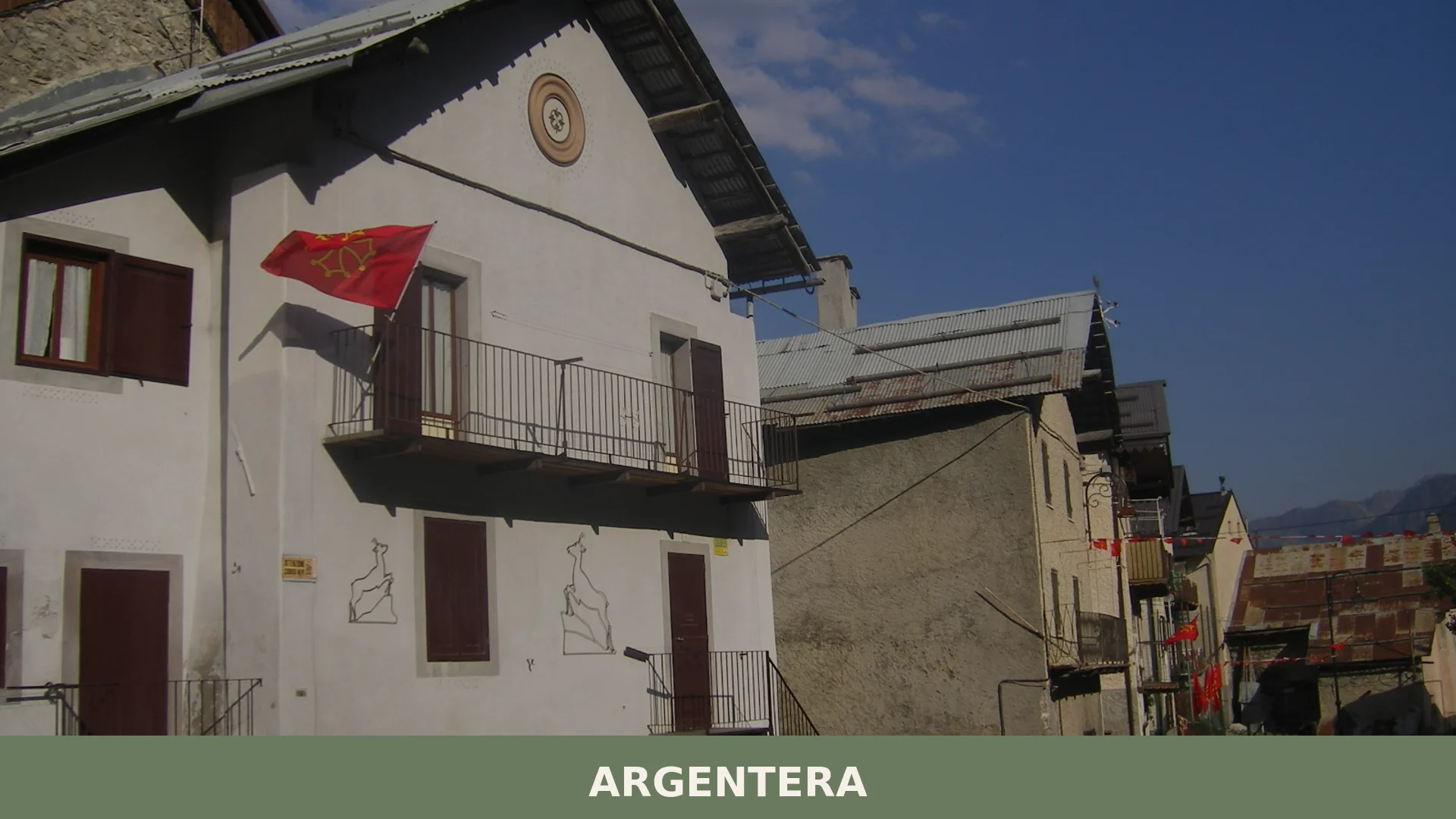
During the Second World War the hamlet of Grange was destroyed by fire, leaving behind only ruins that still reflect the traditional Alpine building techniques of the area: stone walls, narrow openings, wooden doors and windows, and roofs of wooden shingles. In the 1930s, Monsignor Riberi, a priest and historian from Cuneo, found in the archive of the parish of Sambuco a manuscript dating to the early sixteenth century containing Christmas songs composed at Argentera in Occitan. These texts, known as Nouvè, were part of a tradition of theatrical representations and sung performances held during the Christmas festivities. From the 1960s onwards, several musicians set the recovered texts to music; the version by Sergio Berardo became the best known. Other celebrated collections of Nouvè include those attributed to the poet Nicolas Saboly.
Argentera is also connected to the memory of Francesco Besucco, a young shepherd who became a pupil of Don Bosco and whose life the saint recorded in a written biography.
Churches, ruins and a smuggler’s house across the scattered commune
Argentera’s principal sites are two parish churches, a ruined wartime borgata, the high-altitude hamlet of Ferrere, and a small museum dedicated to smuggling, spread across a commune that extends from the valley floor to nearly 1684 metres at the summit of Enciastraia.
Chiesa parrocchiale dei Santi Pietro e Paolo
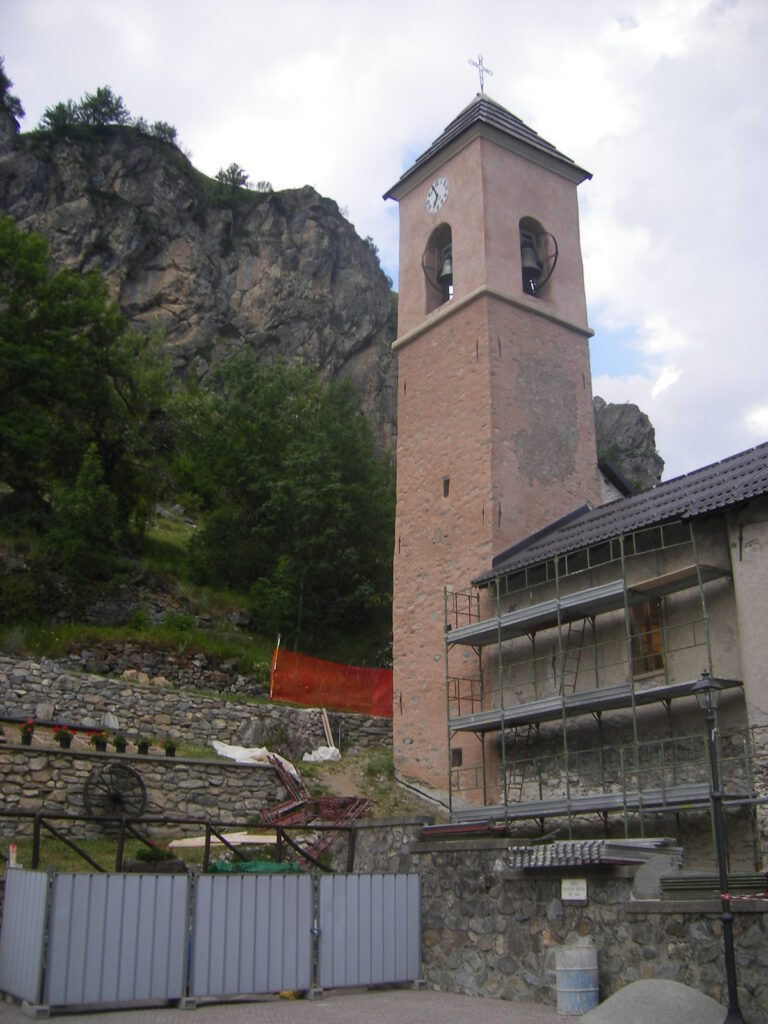
The parish church of Saints Peter and Paul, in the capoluogo, dates to the sixteenth century. Inside it preserves the Benedetto Crocifisso — the Blessed Crucifix — to which the local population has long shown particular devotion. The Festa del Benedetto Crocifisso remains one of the community’s recurring religious observances.
Chiesa parrocchiale di San Lorenzo, Bersezio
In the hamlet of Bersezio, the parish church of San Lorenzo has a documented history reaching back to the thirteenth century, when it functioned as an independent priory independent from the monastery of San Teofredo in Velay. Bersezio is today the most populous settlement in the commune and serves as the municipal seat.
Frazione Grange
Above the capoluogo, the borgata of Grange survives only as a group of ruined buildings. The structures show the characteristic features of alpine domestic architecture — stone walls, small openings, wooden doors and window frames, and roofs originally covered with wooden shingles. The settlement was destroyed by fire during the Second World War and has not been rebuilt.
Ferrere
At roughly 1684 metres, close to the French border, Ferrere is one of the best-preserved examples of traditional alpine building in the upper Valle Stura. The arrangement of the structures and their construction type have remained largely unaltered. The Colle del Ferro and the nearby Colle del Puriac, above the hamlet, were crossed by historical pilgrimage and emigration routes.
La Mizoun dal Countrabandìer, Ferrere
In the borgata of Ferrere, a former dwelling has been restored and converted into a small museum known as the Mizoun dal Countrabandìer — the smuggler’s house. The interior is arranged as it would have appeared some decades ago: a kitchen, a small bedroom, and the soulìer, a broad room with a wooden mezzanine. Objects and household tools on display relate to the practice of smuggling, which was historically widespread in this border area.
Prinardo and the chapel of Santa Maria Maddalena
The small rural borgata of Prinardo, beside the river Stura, is grouped around the chapel of Santa Maria Maddalena. No further detail about the chapel is recorded in the available sources beyond its presence and dedication.
Cheeses, cured meats and mountain produce from the upper Valle Stura di Demonte
Argentera sits within the province of Cuneo, whose territory is recognised by several certified designations, and the surrounding valleys offer visitors a reliable indication of what to expect at local tables. No certified product is exclusive to Argentera itself, but the provincial and regional framework is substantial. Castelmagno DOP, a firm mountain cheese produced in the Cuneo valleys, is among the most distinguished; Bra DOP is another Cuneo cheese worth seeking out. Among cured meats, Crudo di Cuneo DOP stands out as a local expression of the Piedmontese tradition of aged raw ham. Castagna Cuneo IGP and Fagiolo Cuneo IGP represent the agricultural side of the province, while Gorgonzola DOP adds a further recognised cheese to the picture.
The broader Piedmontese context brings additional character to the area. Alpine herbal liqueurs, ratafià, rosolio and vermouth belong to a long regional tradition of artisan drinks that visitors may encounter throughout the valleys. Wines with Cuneo connections include Barolo DOCG and Barbaresco DOCG from the Langhe, and Alta Langa DOCG; these are produced elsewhere in the province but are commonly found on wine lists across the area. The high-altitude pastures around Argentera and the borgate of Ferrere, at roughly 1684 metres, support bovine and ovine farming whose products feed directly into this provincial tradition.
Getting to Argentera and planning your stay in the upper Valle Stura
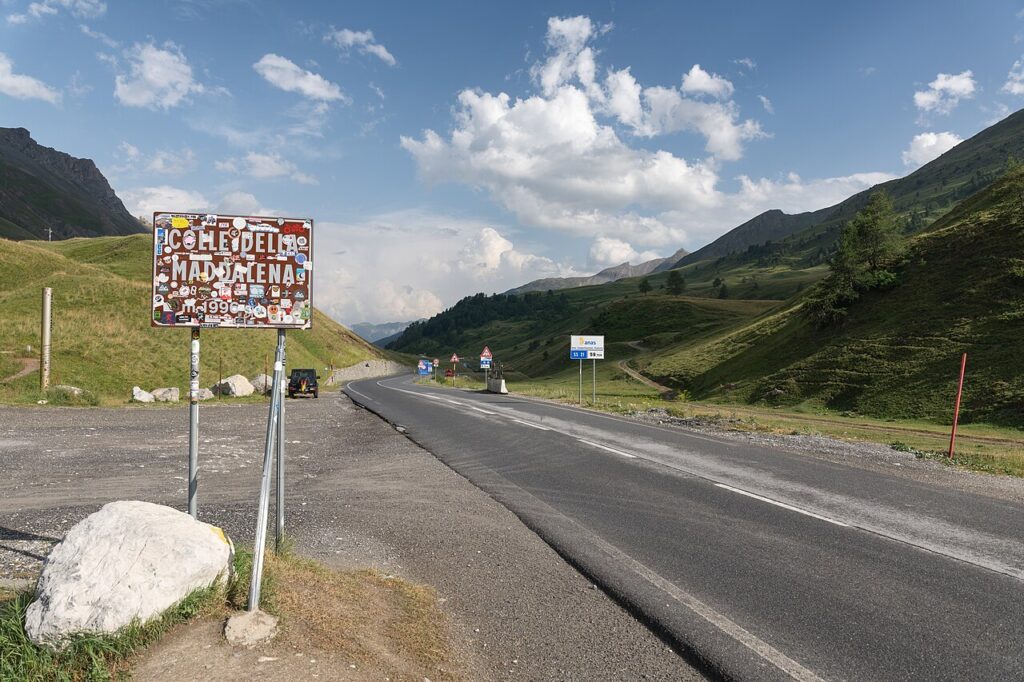
Argentera is reached most directly by car along the Strada Statale 21, which runs through the Valle Stura di Demonte: the village of Bersezio, the most populated settlement and municipal seat, lies approximately 60 km from Cuneo, a drive of roughly one hour. The road continues beyond Bersezio toward the switchbacks leading up to the Colle della Maddalena on the French border, making the valley a natural corridor for cross-border touring. The comune has no rail connection; a private vehicle is the practical choice for reaching the borgate scattered across its 76.52 square kilometres.
Summer, from June through September, is the most accessible season. The high pastures around Ferrere, at around 1684 metres, are open to walkers, and the ancient mule tracks crossing the Colle del Ferro and Colle del Puriac — historically used by pilgrims and seasonal migrants — become practicable again. The third Sunday of August brings the Fiera Occitana to the valley, a useful anchor for planning a late-summer visit. The Festa dei Santi Pietro e Paolo and the Festa del Benedetto Crocifisso are further dates in the local calendar. Winter brings heavy snowfall at these altitudes and access to outlying borgate may be restricted. Travellers exploring the upper Stura corridor may also wish to include Acceglio, a neighbouring mountain comune in the adjacent Valle Maira. Those arriving from the Langhe or southern Piedmont can use Montà as a staging point before heading into the mountain valleys.
| Departure | Distance | Time |
|---|---|---|
| Cuneo | approx. 60 km | approx. 1 hour |
| Acceglio | approx. 15 km | approx. 20 min |
These practical references help organise the journey clearly, while the village itself is best understood slowly and on foot once you arrive.
Frequently asked questions about Argentera
How do I reach Argentera from Cuneo?
Argentera is located approximately 60 kilometres from Cuneo in the upper Valle Stura di Demonte. The journey takes about one hour by car via the SS21 state road. The village sits at 1,618 metres elevation with its scattered hamlets spread along the Stura river. There is no direct train service; a car is the most practical option for reaching this mountain commune.
What is the best time to visit Argentera?
Summer and early autumn are ideal for visiting Argentera's mountain landscape. The patron saint feast of Santi Pietro e Paolo is celebrated on 29 June, offering a cultural experience of local traditions. Winter visits are possible but challenging due to high altitude (1,684 m) and mountain weather. Spring brings meadow blooms across the surrounding peaks and pastures.
What outdoor activities are available in Argentera?
Argentera's location in the upper Valle Stura offers hiking through conifer and larch forests, with peaks exceeding 2,900 metres accessible to experienced walkers. The surrounding high pastures provide trekking routes. CAI (Italian Alpine Club) maintains marked trails in the region. Mountain biking and nature photography are popular activities in the forested valleys and alpine meadows.
How long should I plan to stay in Argentera?
A visit of 2–3 days allows time to explore the scattered hamlets, visit local churches, and enjoy at least one mountain walk. Day trips from nearby larger towns in Valle Stura are feasible for those based elsewhere. Overnight stays suit visitors wanting to experience the quiet mountain atmosphere and access longer alpine routes starting early morning.
When was Argentera parish officially established?
Argentera's parish was officially founded on 12 March 1545 by Monsignor Gerolamo Vechiano, vicar of Cardinal Innocenzo Cybo, Archbishop of Turin. The new parish was carved from the older parish of Bersezio, located three kilometres away. The distance had made winter access to religious services difficult for local inhabitants, prompting the ecclesiastical establishment of an independent parish.
📷 Photo Gallery — Argentera



In Piedmont More villages to discover
Cafasse
 Hills
Hills
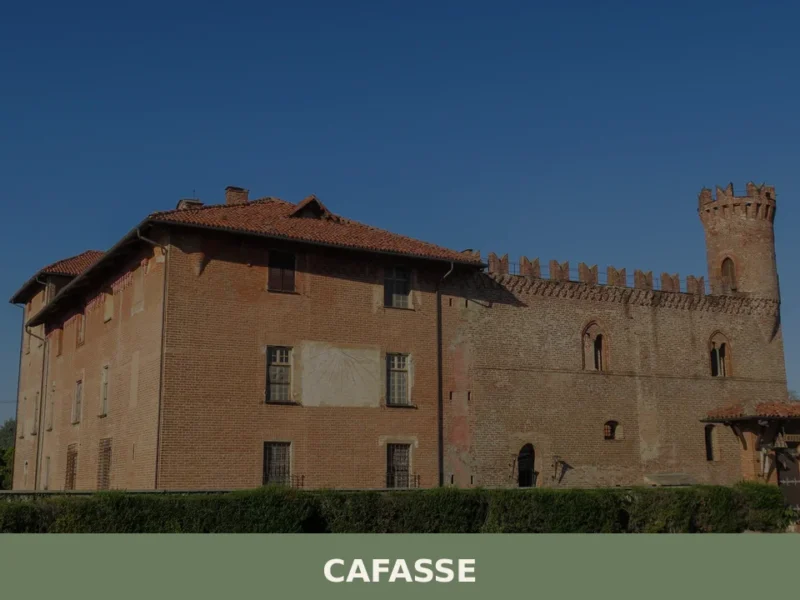
What to see in Cafasse, Italy: 25 km from Turin, explore the Valli di Lanzo gateway, local cuisine and festivals. Discover the best of this Piemonte village.
Barbania
Hills
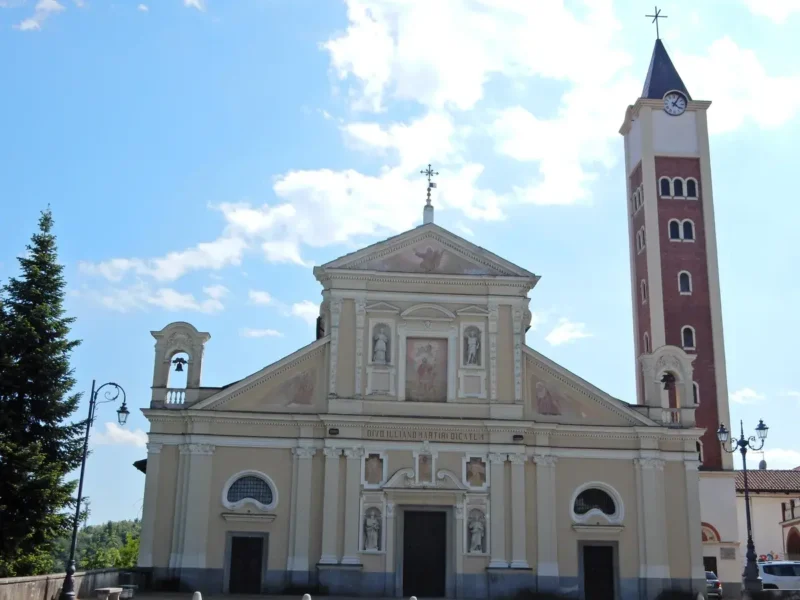
What to see in Barbania: 5 attractions in this Piedmontese village, from the parish church to the castle. Discover the complete guide to plan your visit.

Ostana
Mountain
87 residents, three languages and one of the most dramatic alpine backdrops in Piedmont. Ostana rewards visitors who travel slowly and look closely.
Campiglione Fenile
 Plains
Fifteen kilometres separate Campiglione Fenile from Pinerolo, and that distance is enough to create a perceptible shift: the noise of the city gives way to the compact silhouette of Piedmontese farmsteads, to the double-pitched roofs that cut across the Po Valley sky towards the Cottian Alps. In this article History and origins of Campiglione Fenile […]
Lusigliè
Plains
554 residents, a medieval parish and two millennia of layered history make Lusigliè a compelling stop in the Alto Canavese, 30 km north of Turin.
Almese
Hills
In 1029, a document from the Abbey of Novalesa recorded the name Almese for the first time, linked to a series of land holdings in the lower Val di Susa. That place name — probably derived from a Celtic or pre-Latin word connected to alpine pastures — appears in a territory that already served as […]
Arignano
Hills
What to see in Arignano in Piedmont: castle, church, hill trails, traditional cuisine, and practical information for visiting the village at 321 m a.s.l.
Biella
Hills
what to see in biella, Italy? Explore the UNESCO Sanctuary of Oropa and Biella's historic 420m altitude Piazzo quarter. Read our guide for top attractions.

Beinasco
Plains
Beinasco traces its roots to a Roman frontier post. Discover how this small town survived plague, warfare and transformation to anchor modern metropolitan Turin.
Caselette
Hills
At the foot of Monte Musinè, where the plain of Turin gives way to the first folds of the Val di Susa, a mass of rock the size of a house sits in open ground. The Pietra Alta, one of the largest glacial erratics in the whole of Piedmont, was deposited here by glacial movement […]


🏡 Know Argentera better than we do?
If you’re a local or have been there, your knowledge matters: add what’s missing or fix a detail on this page.