


Orio Canavese
 Hills
Hills
732 residents, a castle wrapped in ghost legends and late-baroque churches: Orio Canavese rewards visitors who look beyond the obvious Piedmont itineraries.
Orio Canavese: Identity, History and Places of a Canavese Village
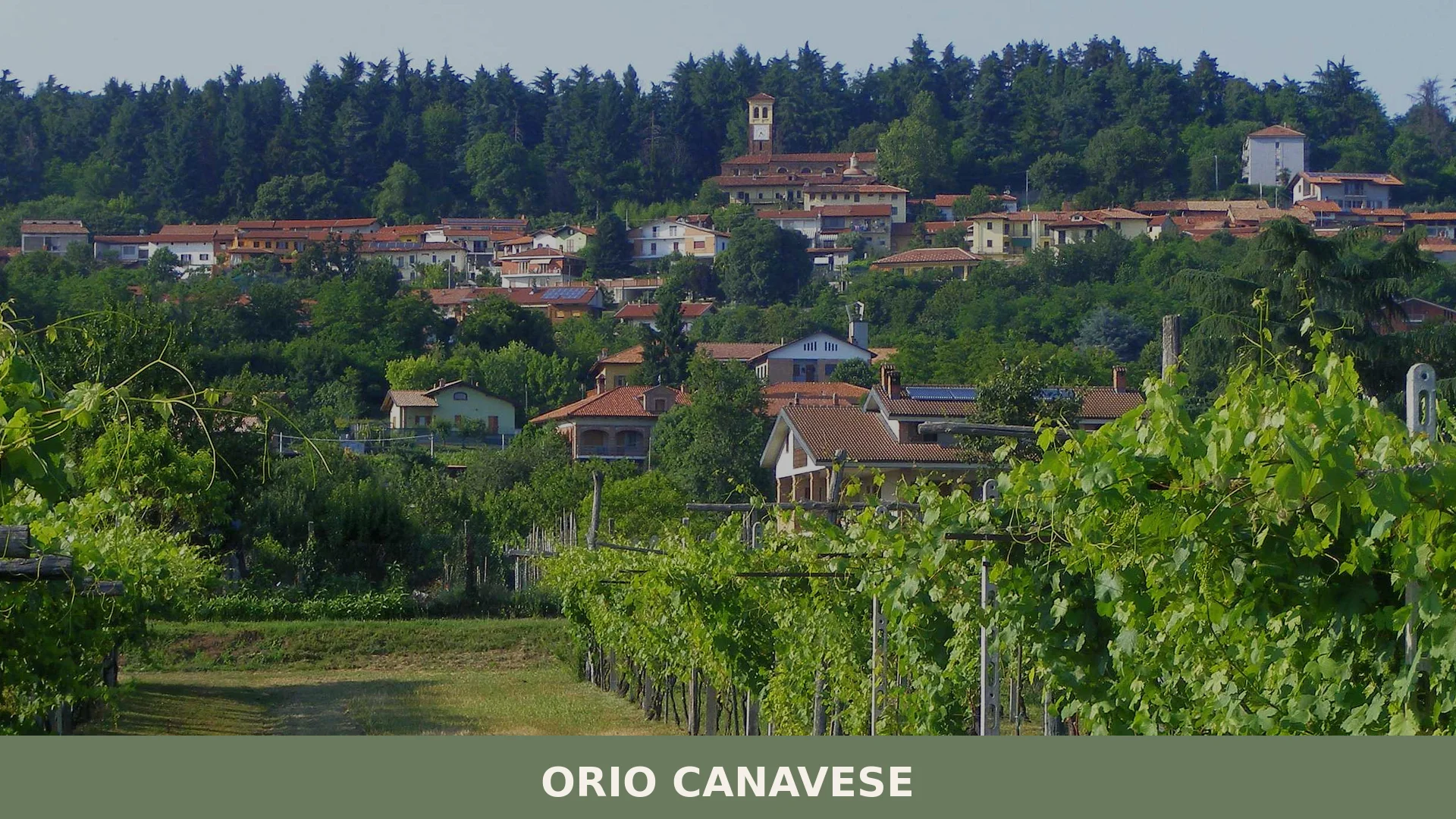
On the low hills east of Turin, where the Canavese plain gradually folds into gentle ridges, a compact village sits at around 327 metres above sea level. Stone buildings edge a small municipal centre, the parish bell tower marks the skyline, and a seventeenth-century castle rises nearby with the kind of quiet authority that accumulates over centuries. The oriesi — the local residents — number fewer than 750, and the pace of daily life here follows the hours of the fields and the liturgical calendar rather than a tourist timetable.
Orio Canavese village in Piedmont draws two distinct types of visitor: those interested in the layered noble history of the castle and its persistent ghost legends, and those exploring the wider Canavese wine and landscape corridor that connects this corner of the Torino metropolitan area to the Erbaluce di Caluso vineyards and the hill roads toward the Serra morenica. The village covers just over 7.12 square kilometres, small enough to read in a single afternoon, rich enough to return to.
Nobles, Legends and the Long Story of Orio Canavese
The Canavese territory to the north of Turin has been one of the more densely feudalised zones of Piedmont for many centuries. Small communes here accumulated layers of lordship — episcopal, communal, aristocratic — in rapid succession, and Orio was no exception. The village’s identity took shape through the slow accretion of agricultural settlement and noble patronage rather than through any single dramatic episode. What survived most visibly from this process is the castle, a structure dating to the seventeenth century, which stood at the centre of local power for generations.
The documented aristocratic lineage of the castle passes through two noble houses. The marchesi Birago held the property during an earlier phase, and in 1833 ownership transferred to the marchesi de la Tour, who succeeded them and left their mark on the site’s later history. The transition between these two families reflects the broader pattern of Piedmontese nobility in the post-Napoleonic period, when estates changed hands through inheritance, purchase and strategic alliance as the old feudal order reorganised itself within the emerging structures of the Savoy state. Beyond this documented passage, local memory has layered the castle with ghost stories, turning it into a location sought out by film crews, documentary makers and fiction productions looking for a setting that carries genuine atmospheric weight.
The religious life of the village developed in parallel. The parish church, dedicated to the Natività di Maria Vergine, anchors the community’s devotional identity and gives the village its patron feast. A second church, dedicated to San Rocco and built in a late-baroque register, adds a second architectural voice to the village fabric. Both structures speak to a period — roughly spanning the seventeenth and eighteenth centuries — when Piedmontese rural communities invested substantially in sacred buildings as expressions of collective identity and local prosperity.
The Buildings That Define the Village
Castello di Orio Canavese
The castle dates to the seventeenth century and carries the longest documentary thread in the village’s architectural history. Its most traceable chapter begins in 1833, when the marchesi de la Tour took possession from the marchesi Birago. The building’s physical presence — its mass, its position relative to the settlement — has made it a natural focus for local legend, particularly stories involving ghosts. That reputation has given the castle a secondary life as a filming location, used repeatedly for movies, documentaries and television productions that need a historic northern Italian setting with genuine age and atmosphere. Visitors approaching the castle will find a structure whose exterior conveys the gravity of its origins more clearly than any written description.
Parrocchiale della Natività di Maria Vergine
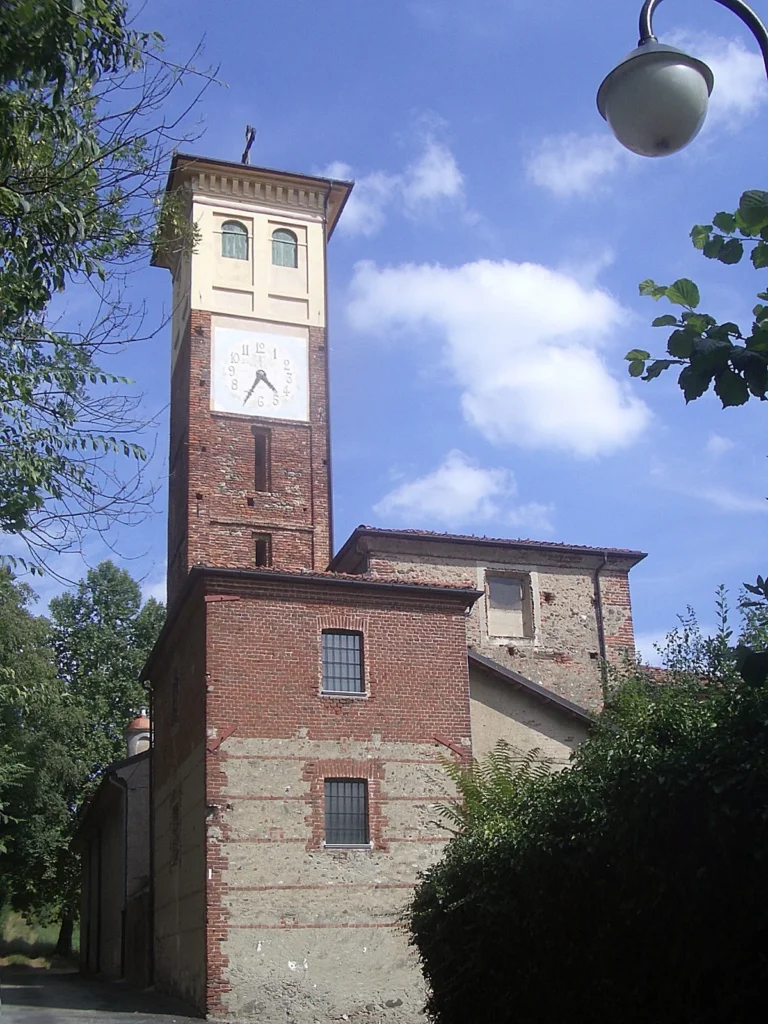
The parish church of the Natività di Maria Vergine is the principal religious building in Orio Canavese and the seat of the village’s patron feast. Like many Canavese parish churches, it occupies a central position in the built fabric, functioning as both a gathering point for the community and the most prominent architectural presence on the village skyline. The patronal feast of the Nativity of the Virgin falls in early September, a date that aligns with the transitional rhythm between summer and harvest, and brings the oriesi together in a celebration that mixes liturgy with local custom.
Chiesa di San Rocco
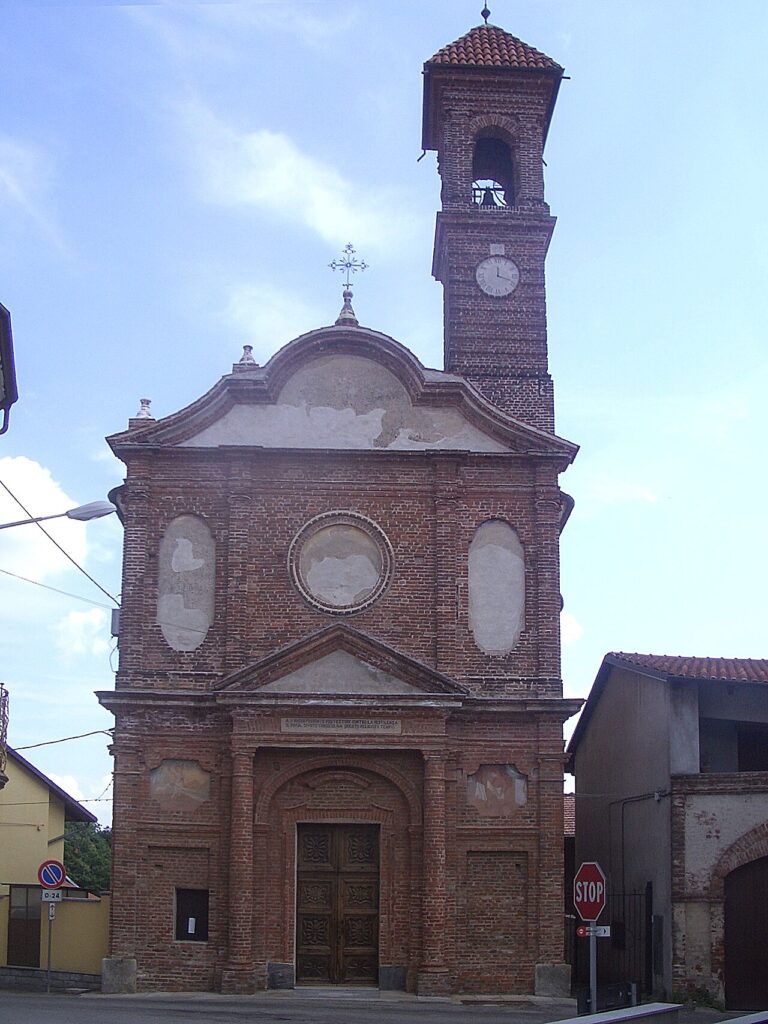
The church of San Rocco was built in a late-baroque style, a register widespread across the rural Piedmont of the seventeenth and eighteenth centuries. Dedicated to the plague saint, it belongs to a devotional tradition that spread rapidly through northern Italian villages following epidemic crises and reflects a collective response to vulnerability as much as a purely aesthetic choice. The late-baroque vocabulary — curved surfaces, decorative stucco, a sense of movement within a contained space — reads clearly even to visitors with no specialist background. It stands as a companion piece to the parish church, adding variety to the village’s sacred architecture.
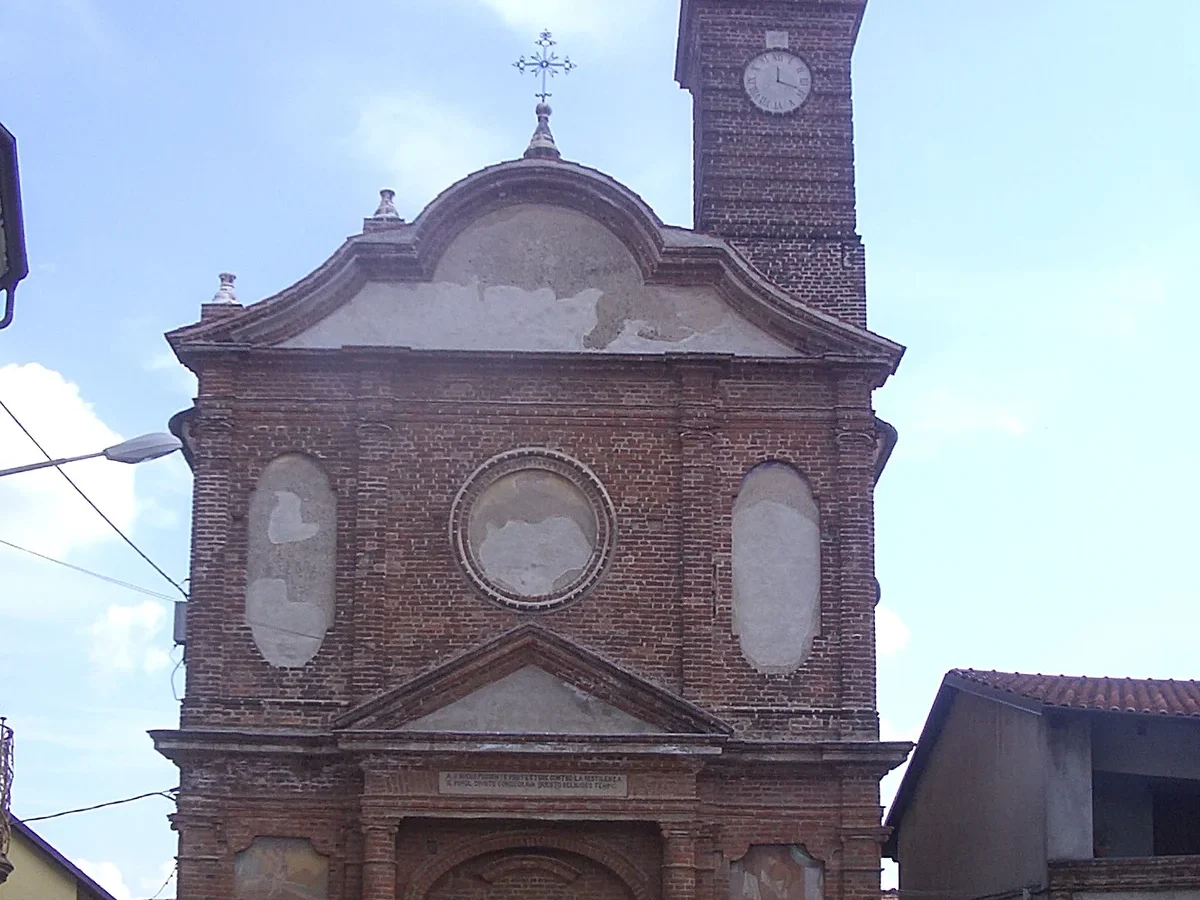
The castle of Orio Canavese, wrapped in ghost legends for generations, has drawn film and documentary crews looking for a seventeenth-century Piedmontese setting that requires no theatrical invention — the atmosphere comes with the stones.
Flavours of the Canavese Table
Orio Canavese sits within a territory that produces some of Piedmont’s most distinctive wines. The Erbaluce di Caluso DOCG, grown on the morainic hills nearby, is the area’s signature white — dry, mineral and capable of ageing — alongside the Canavese DOC designation that covers a broader range of local production. These are wines shaped by glacial soils and a continental climate softened by proximity to the Alpine foothills, and they appear on tables throughout this part of the Torino province.
The broader food culture of the Canavese and Torino area includes products such as the nocciolino di Chivasso, a small hazelnut confection with a long local tradition, and the herb-based liqueurs and ratafià that appear across Piedmontese rural culture. These are products of the territory rather than exclusive specialities of Orio itself, but they define the flavour register that any visitor eating in this corner of Piedmont will encounter — robust, seasonal and closely tied to agricultural cycles.
Planning your visit and getting there
Orio Canavese can be reached easily from the lower Val Pellice and the Turin area. The practical distances and journey times below are kept concise on purpose, so the access information stays clear and consistent.
| Departure | Distance | Time |
|---|---|---|
| Turin (city centre) | approx. 35 km | approx. 40 min |
| Ivrea (casello A5) | approx. 20 km | approx. 25 min |
| Turin Caselle Airport | approx. 25 km | approx. 30 min |
| Caluso (stazione FS) | approx. 8 km | approx. 12 min |
These practical reference points are enough to plan the journey without overloading the text with unstable logistics. Once on site, the village is best understood slowly, on foot and in relation to the surrounding landscape.
Frequently asked questions about Orio Canavese
When is the best time to visit Orio Canavese?
September is ideal, coinciding with the Natività di Maria Vergine feast on September 8th, when the village celebrates its patron saint with local traditions. Spring and early autumn offer pleasant weather for exploring the Canavese hills and nearby vineyards. Summer can be warm; winter visits suit those preferring quieter rural atmospheres. The liturgical calendar and agricultural rhythms shape local life year-round.
How do I reach Orio Canavese from Turin?
Orio Canavese lies east of Turin in the low Canavese hills, approximately 30–40 kilometres from the city centre. Car access via regional roads is most practical for exploring the wider wine and landscape corridor toward Erbaluce di Caluso vineyards. Public transport options are limited; check Piedmont regional transit (GTT) for bus connections. The nearest major train station is in Turin.
How long should I plan to spend in Orio Canavese village?
The village covers just over 7 square kilometres and can be explored thoroughly in a single afternoon. Stone buildings, the parish bell tower, and the seventeenth-century castle form the compact municipal centre. Allow additional time if visiting nearby Canavese wine estates or hiking the surrounding hill routes. Day-trip visits from Turin are common and practical.
What outdoor activities are available around Orio Canavese?
The village sits within the Canavese landscape corridor, offering hill roads and pathways toward the Serra morenica ridge formation. Cycling routes connect to Erbaluce di Caluso wine regions. Formal CAI (Italian Alpine Club) trail data requires verification via official sources. The low-hill terrain suits moderate walking and countryside exploration rather than alpine hiking.
Are there legends or ghost stories associated with the castle?
Yes, the seventeenth-century castle near Orio Canavese is known among visitors for persistent ghost legends, though specific narrative details require verification from local cultural or archival sources. The castle's long feudal history and quiet authority reflect centuries of noble occupation typical of densely feudalised Canavese zones, contributing to its atmospheric reputation.
📷 Photo Gallery — Orio Canavese
In Piedmont More villages to discover

Quincinetto
Hills
A mountain comune of 976 inhabitants where Roman roads once connected the Po Valley to Gaul. Medieval castles and seven fountains mark this Piemontese village.
Arona
 Lake
Lake
 Plains
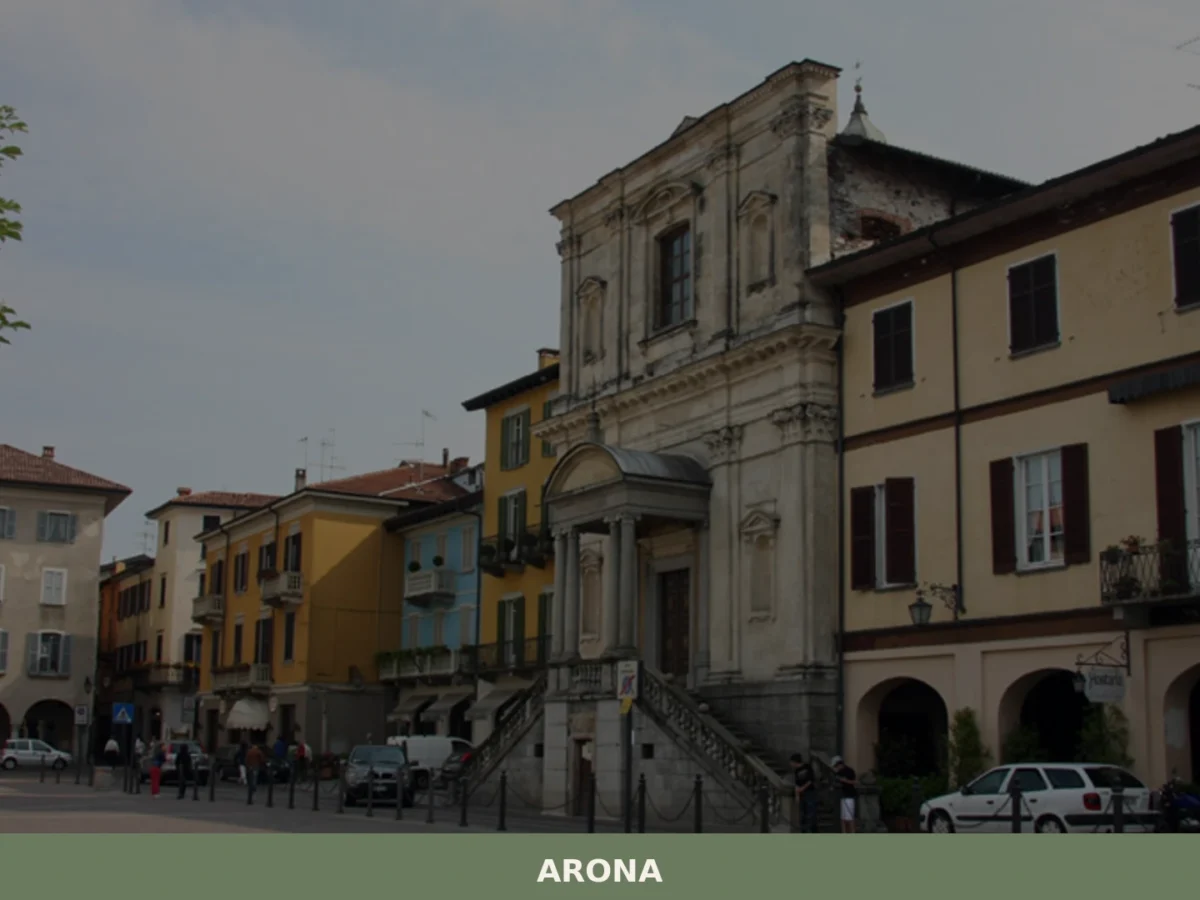
what to see in arona, Italy: Discover Arona, a town of 13,694 inhabitants in Piemonte, home to a notable railway station. Explore this region's travel tips.
Piverone
Hills
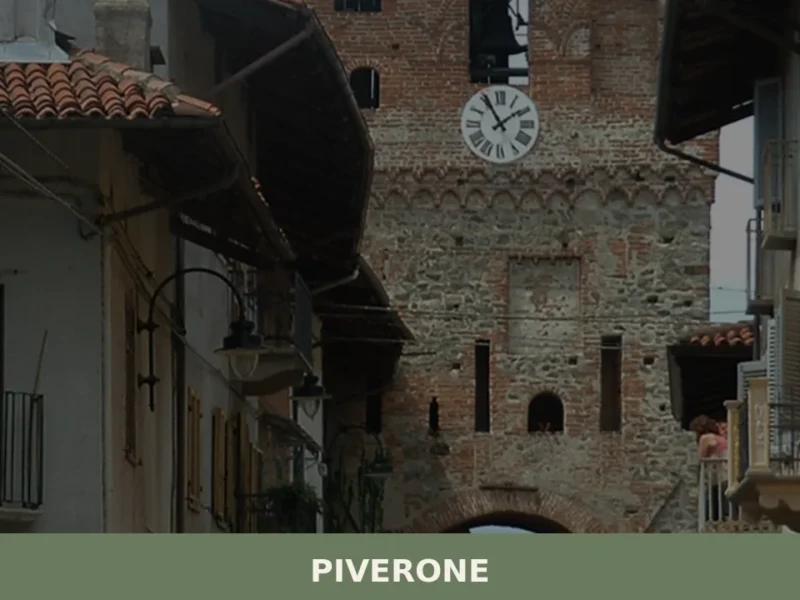
Piverone is a comune of 1,225 inhabitants in the Metropolitan City of Turin, sitting in the Canavese district of Piemonte at the foot of the Monferrato hills. Its Piedmontese name, Pivron, pronounced /pɪw’rʊŋ/, signals a linguistic heritage rooted deep in the region’s Franco-Provençal and Occitan-influenced dialects. For anyone researching what to see in Piverone, the […]
Cantalupa
Hills
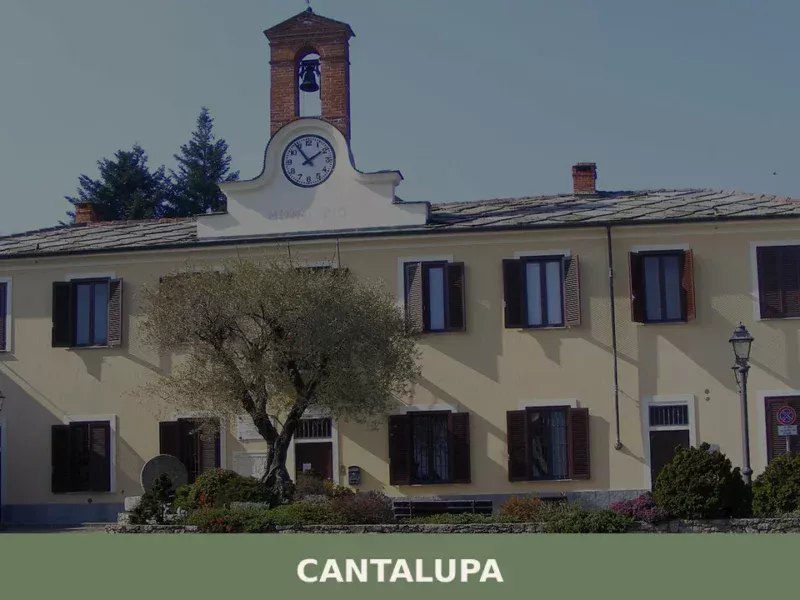
Scopri Cantalupa borgo Piemonte: storia, tradizioni e attrazioni di uno dei gioielli nascosti delle colline piemontesi. Visita questo angolo autentico d'Italia!
Bairo
Hills
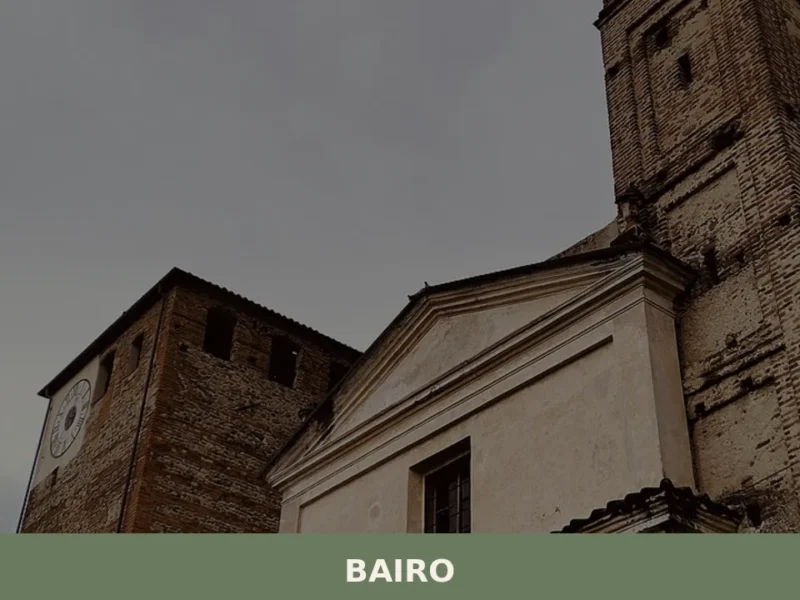
The earliest confirmed record of Bairo dates to a document from 1003, when Marquess Arduino of Ivrea — who would shortly become King of Italy — confirmed landholdings in this portion of the Canavese between the moraine ridge and the foothills of the Graian Alps. Today the municipality has 806 inhabitants, spread across the historic […]
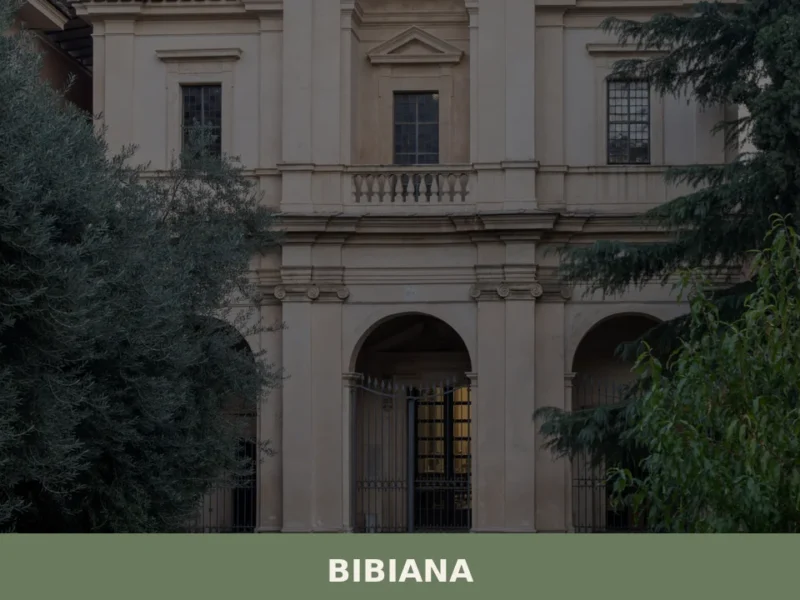
Bibiana
Hills
Bibiana sits at the entrance to the Val Pellice, a valley that cuts into the Cottian Alps southwest of Turin, and counts just over 3,300 residents within the metropolitan city of Torino. The village belongs to the Unione Montana del Pinerolese, a grouping of mountain and foothill municipalities that share administrative and territorial planning functions. […]

Salbertrand
 Mountain
A 627-soul mountain village at 1,032 metres, rooted in Occitan tradition and medieval pilgrimage routes. Stone fountains, frescoed churches and views of the Ambin peaks define its character.
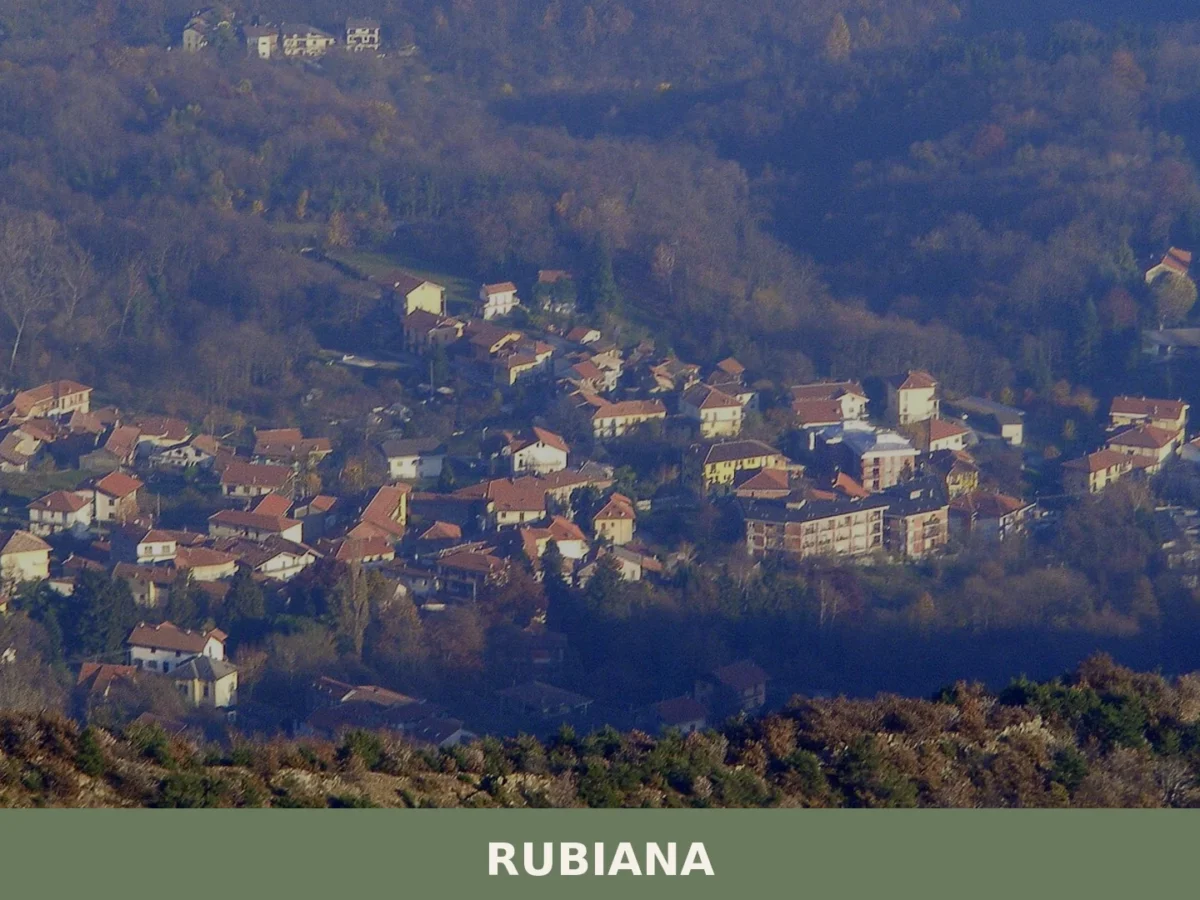
Rubiana
Mountain
Population 2,516. Rubiana sits in a mountain amphitheatre at 640m altitude, with documented origins in a 1029 charter and a landscape shaped by Celtic settlement and 18th-century pilgrimage.

Borgomasino
Plains
Discover what to see in Borgomasino, a 776-inhabitant Canavese village near Turin: history, local food, best time to visit and practical travel tips.
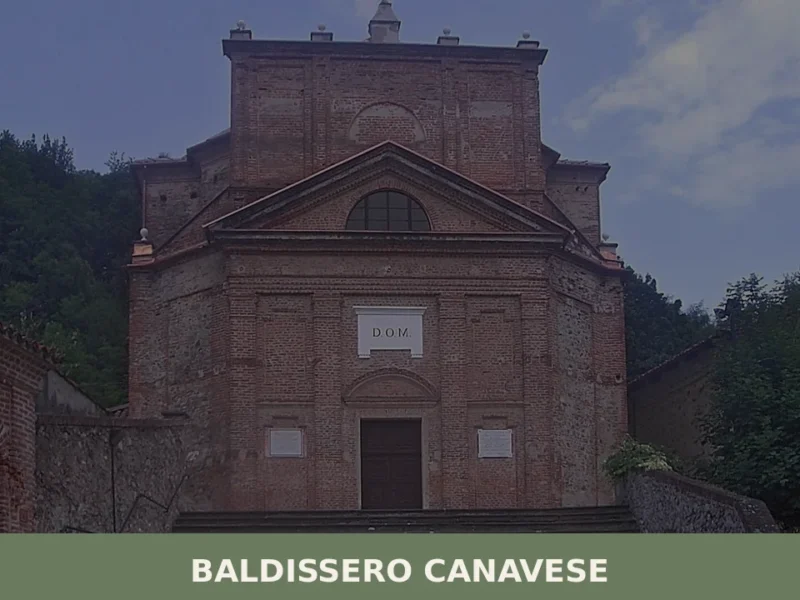
Baldissero Canavese
Hills
Baldissero Canavese has a population of 515 and stands at 392 metres on the hillside of the Canavese area, in the north-eastern corner of the Province of Turin, a short distance from the Piedmontese regional capital. The village is part of the Canavese settlement system, one of the historically densest areas in the region for […]





🏡 Know Orio Canavese better than we do?
If you’re a local or have been there, your knowledge matters: add what’s missing or fix a detail on this page.