Where the Dora Baltea flows toward flatter country and the road curves upward into shadow, Quincinetto sits at the threshold. At 295 metres above sea level, this village of fewer than a thousand inhabitants occupies the mouth of the Valle d’Aosta—a geographic hinge where the Piemontese plains begin their rise into Alps. Stone houses cluster around a campanile, and seven ancient fountains fed by a single spring still distribute water to fields and streets as they have for centuries.
Quincinetto lies in the Turin Province of Piemonte, 987 souls concentrated almost entirely within the municipal centre. Two compelling reasons visitors arrive: the passage of a Roman imperial road and the remnants of medieval fortifications that speak to centuries of local power struggles over water and land. The village oscillates between 270 and 350 metres of elevation, while the highest point in its territory—Cima di Bonze—rises to 2516 metres, defining the dramatic scale of the landscape that surrounds it.
Routes and Power: Medieval Quincinetto Between Empire and Local Rule
In the Roman era, the via delle Gallie—a consular road built by order of Augustus—ran through Quincinetto’s territory, linking the Po Valley with Gaul. This passage shaped the village’s early strategic importance, though detailed documentation of that period remains sparse.
By the 12th century, Quincinetto had acquired the fortifications that defined its identity for the next four hundred years. A castello fortificato (fortified castle) stood as the administrative centre of a feudal holding claimed by the Bishops of Ivrea. In 1358, the territory passed to Amedeo VI, the Count Verde, and subsequently fell under the jurisdiction of the Savoy—who delegated power to the counts and lords of Settimo Vittone, the (H)Enrico family.
The documentary record grows clearer in the 16th century. On 24 June 1539, Giovanni De Vigna—castellan of Quincinetto and lieutenant of the lords of Settimo Vittone—formally opposed water-works begun by the neighbouring town of Tavagnasco, demanding compensation for damages to Quincinetto’s jurisdiction. This was no idle protest. Eight years later, a nocturnal construction of a weir across the Dora Baltea diverted water from Tavagnasco’s mill. The dispute over riparian rights reveals the economic stakes of Alpine territory: water meant milling, forging, irrigation, and survival.
Churches, Fountains and the Shape of Daily Life
Church of the Risen Jesus and the Holy Saviour
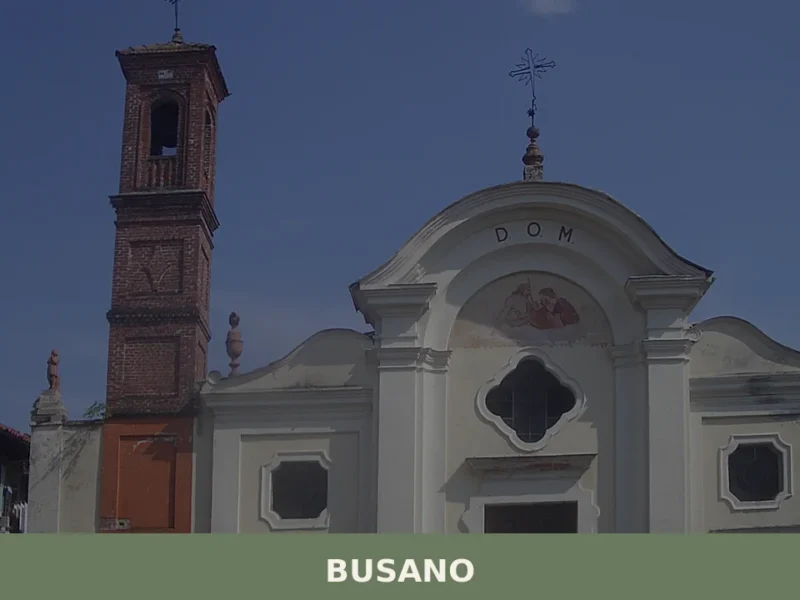
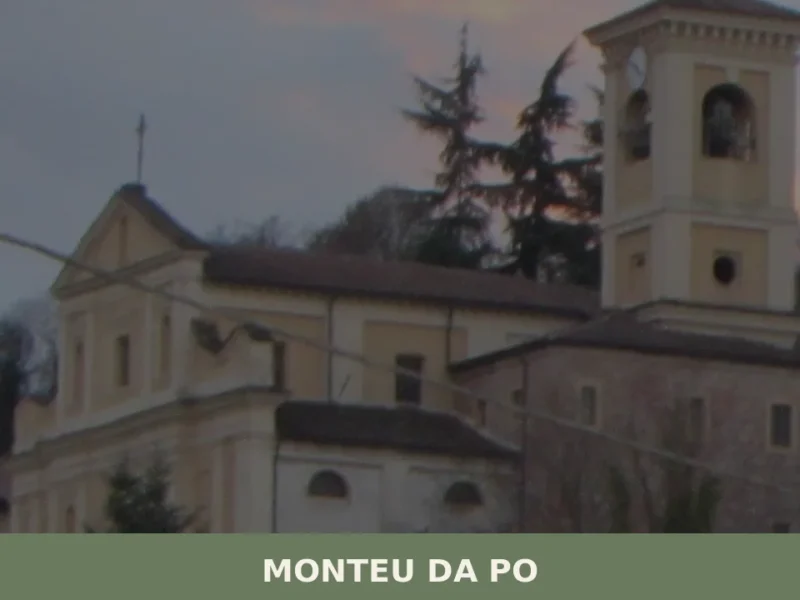
The parish church stands at the centre of Quincinetto’s spiritual and civic identity. Medieval in origin—with records reaching back to 1297—the building was substantially rebuilt in 1770 in late Baroque style. The architect Bella designed the reconstruction, which proceeded under the patronage of the Count d’Azeglio and the support of the parroco (parish priest) Marietti and the local community. The resulting structure measures 35 metres and comprises a single nave with three lateral chapels. Carlo Cogrossi (1749–1789), a Treviglio-born artist active throughout the Canavese region, executed the interior frescoes. The church was formally completed in 1827 and remains the visual anchor of the village centre.
Church-Oratory of Santa Marta
Adjacent to the parish church stands a smaller medieval chapel, the church-oratory of the confraternity of Santa Marta. First documented in a 1653 accounting record, this building has served the spiritual needs of its lay community for centuries. Since 1972 it has functioned primarily as a meeting space and oratory, sustaining the associational life of the village.
The Seven Fountains of Montellina
Seven ancient fountains fed by a single spring—the Montellina source—characterize the territorial identity of Quincinetto. This spring has nourished the village for centuries: it supplies the public water system, once powered the mill and forges (including metal-coining operations), fed communal laundries, and still irrigates agricultural land. The fountains themselves remain visible markers of how Alpine villages managed scarcity and controlled access to essential resources.
Bec Renon and La Rupe
Two landscape features define Quincinetto’s natural patrimony. Bec Renon displays ancient rock incisions whose origins and purposes remain rooted in local knowledge. La Rupe, a prominent outcrop, commands views over the village and the valley approach. Both sites anchor Quincinetto’s identity within the montane geography of the Canavese.
Vallone di Scalaro and Abandoned Quarry
The Vallone di Scalaro cuts through the territory, shaping drainage and settlement patterns. Within the comune lies an abandoned quarry worked for quartz—evidence of extractive industries that once sustained marginal Alpine economies. Pergola-trained vineyards persist in pockets, remnants of agricultural diversity adapted to mountain microclimates.
The Flavour of Mountain Tradition
The kitchen of Quincinetto reflects the resourcefulness of Alpine communities. Zuppa di ajucche—a soup based on wild spontaneous herbs—transformed foraged plants into sustenance. Cipollini d’Ivrea (small Ivrea onions) and peperoncino buffia (local chilli pepper) add distinction to basic preparations. Miasse, the crispy crust that forms on polenta, and salignun, fresh ricotta, provided protein and fat in economies where dairy animals were central. Formaggio Murtret and tomettes aromatized with cumin, chilli and regional spices represent the cheese traditions of the zone. These dishes survive not as museum pieces but as preparations still encountered in family kitchens and village gatherings.
Access, Season and Practical Information
Quincinetto occupies a strategic position on the Turin–Aosta corridor. The A5 motorway (Torino–Aosta–Monte Bianco) passes the village via the Quincinetto exit, making it accessible from both directions. The Strada Statale 26 (Chivasso–Aosta) provides a slower alternative. A railway station once served the comune but ceased active operations in 1999; today only freight and transit trains pass through.
The village experiences a full Alpine seasonal rhythm. Spring and early autumn offer mild temperatures ideal for walking the valleys and exploring the fountain circuit. Summer heat can intensify at lower elevations but remains moderate within the mountain approach. Winter brings Alpine conditions; snow and ice are possible, particularly on approaches to higher elevations. The modest size of Quincinetto means accommodation is limited; nearby towns offer more facilities. If arriving by private vehicle, parking exists near the centre and the chiesa parrocchiale. Public transport connects to regional networks via bus services linking the Canavese zone.
| Departure | Distance | Travel Time |
|---|---|---|
| Turin city centre | 45–55 min by car | |
| Aosta | 50–60 min by car | |
| Ivrea | 25–35 min by car | |
| Settimo Vittone | ~8 km | 10–12 min by car |
Quincinetto serves best as a walking base rather than a rushing destination. A morning spent tracing the seven fountains, an afternoon examining the Baroque interior of the parish church, and an evening meal featuring local herbs and cheese suit the village’s pace. Visitors drawn to medieval fortification history and Alpine water management will find their interests reflected in the landscape and documentary heritage. For those exploring the broader Canavese region, nearby villages like Carema, Andrate, and Borgofranco d’Ivrea extend the experience across the zone.


 Mountain