


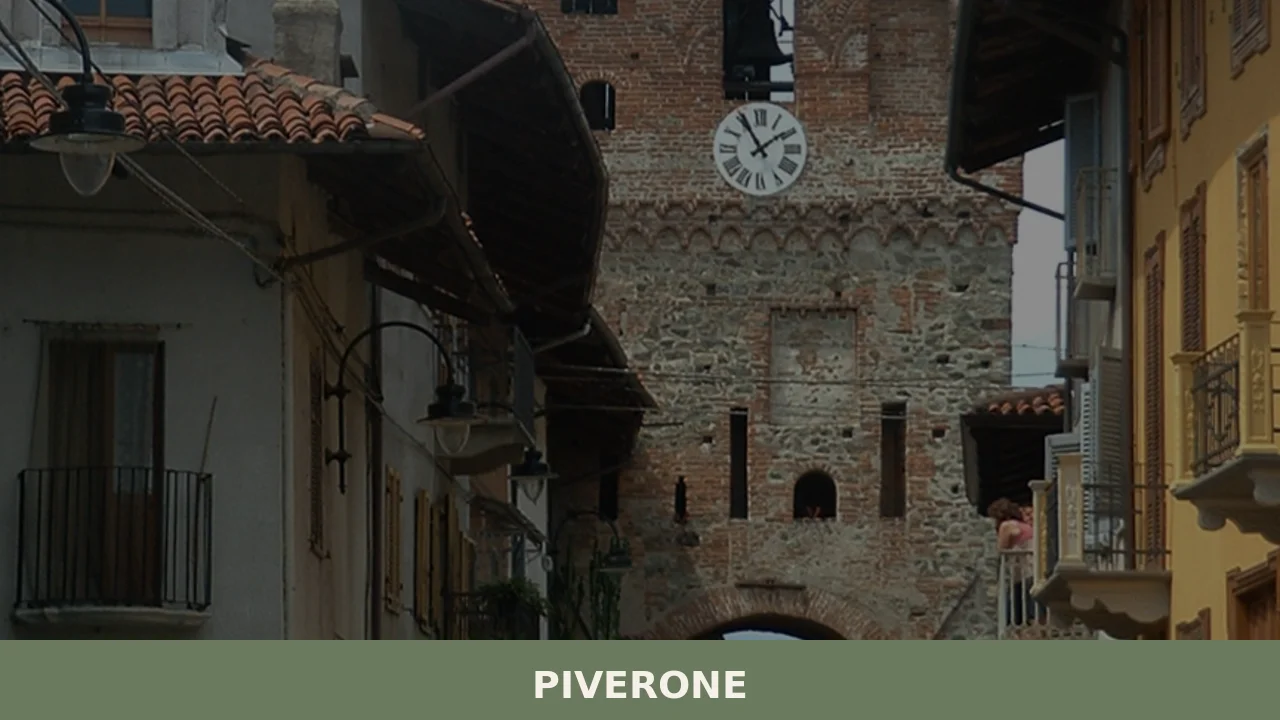
Piverone
 Hills
Hills
Piverone is a comune of 1,225 inhabitants in the Metropolitan City of Turin, sitting in the Canavese district of Piemonte at the foot of the Monferrato hills. Its Piedmontese name, Pivron, pronounced /pɪw’rʊŋ/, signals a linguistic heritage rooted deep in the region’s Franco-Provençal and Occitan-influenced dialects. For anyone researching what to see in Piverone, the […]
Discover Piverone
Piverone is a comune of 1,225 inhabitants in the Metropolitan City of Turin, sitting in the Canavese district of Piemonte at the foot of the Monferrato hills. Its Piedmontese name, Pivron, pronounced /pɪw’rʊŋ/, signals a linguistic heritage rooted deep in the region’s Franco-Provençal and Occitan-influenced dialects. For anyone researching what to see in Piverone, the village rewards those who arrive with an interest in rural Piedmontese architecture, viticultural landscapes and the particular texture of small-town life in the Turin metropolitan hinterland.
History of Piverone
Piverone’s documented history is bound to the broader medieval administrative framework of the Canavese, a sub-region that passed through the hands of the Marquises of Monferrato before falling under the dominion of the House of Savoy. The Savoy consolidation of the Canavese territories during the fourteenth and fifteenth centuries brought Piverone, like its neighbours, under a feudal organisation that would define land tenure, ecclesiastical building and agricultural practice for several centuries. The village’s position between the moraine hills bordering Lake Viverone to the north and the plain below placed it at a crossroads of local commerce and movement.
The territory around Piverone has been inhabited since pre-Roman times, as evidenced by the wider archaeological record of the Lake Viverone basin — one of the most significant Bronze Age pile-dwelling sites in northern Italy, where systematic excavations have uncovered tools, ceramics and organic materials dating back over three thousand years. The lake shore, shared between several communes including Piverone, was designated a UNESCO World Heritage Site as part of the transnational recognition of Alpine pile dwellings in 2011. This prehistoric dimension gives the area an archaeological depth that most visitors do not immediately associate with a small Piedmontese commune.
During the early modern period, Piverone’s economy followed the pattern typical of Canavese villages: subsistence agriculture supplemented by viticulture on the hillside terraces, with some artisanal production tied to the broader Turin market as the Savoy capital grew in importance through the seventeenth and eighteenth centuries. The commune was formally integrated into the unified Italian state following the Risorgimento, taking its current administrative form under the Kingdom of Italy in 1861. The twentieth century brought rural depopulation, a trend that reduced the population from its historical peak, leaving the built fabric of the village centre largely intact and unaltered by speculative development.
What to see in Piverone: the main attractions
Lake Viverone and the Bronze Age Pile Dwellings
The lake itself is the defining geographical and historical feature of the area. The submerged pile-dwelling settlements on its bed were inscribed on the UNESCO World Heritage List in 2011 as part of the “Prehistoric Pile Dwellings around the Alps” site. The Palafitte del Lago di Viverone project documents and promotes these extraordinary Bronze Age remains, and the lake shore provides direct access to this internationally recognised heritage.
Parish Church of Sant’Eusebio
The parish church dedicated to Sant’Eusebio — the fourth-century bishop of Vercelli venerated widely across Piemonte — anchors the village’s religious and urban centre. Its fabric reflects successive building campaigns typical of Canavese ecclesiastical architecture, incorporating Romanesque structural elements beneath later Baroque modifications. The church’s bell tower is the principal vertical landmark visible across the lower sections of the village.
The Historic Village Centre
Piverone’s compact historic core preserves a sequence of stone and render buildings arranged along narrow lanes characteristic of Canavese hill settlements. Exterior staircases, arcaded ground floors and the transition from domestic to agricultural buildings within the same plot reflect a vernacular building tradition adapted to both habitation and wine production on sloping terrain.
The Viticultural Hillside Terraces
The terraced vineyards climbing the slopes above Piverone form a working agricultural landscape that has shaped the territory for centuries. These hillsides produce Erbaluce di Caluso, a white wine variety with DOC and subsequently DOCG recognition, grown across the Canavese zone. Walking the vineyard lanes in late September, during the Erbaluce harvest, offers a direct encounter with an agricultural cycle still conducted on a human scale.
The Surrounding Morainic Landscape
The glacial moraine system encircling Lake Viverone creates a distinctive landform — a series of curved ridges deposited by the Pleistocene glacier that once occupied the Po plain. The Turismo Torino e Provincia office documents the hiking routes traversing this landscape, which connects Piverone to the broader network of Canavese paths between lake, hill and plain.
What to see in Piverone: local food and typical products
The most significant product of the Piverone territory is Erbaluce di Caluso DOCG, a white wine produced from the Erbaluce grape — an ancient variety believed to be indigenous to the Canavese. The wine comes in several expressions: a dry still white, a late-harvest passito version made from partially dried grapes, and a metodo classico sparkling wine. The passito, in particular, is one of the more unusual sweet wines of northern Italy, amber in colour and capable of significant ageing. Alongside the wine, the broader Canavese food tradition features risotto al Caluso passito, using the wine as a cooking element, and bagna cauda, the communal anchovy and garlic dip that remains the defining winter dish of Piedmontese rural culture.
For those eating in the area, the Canavese is better served by agriturismo establishments and small family-run trattorie than by formal restaurants. These typically operate on seasonal menus tied to the agricultural calendar — truffles from the surrounding hills in autumn, fresh vegetables and lake fish in summer. Visitors planning a meal should note that many smaller establishments require advance booking, particularly at weekends and during the Erbaluce harvest period. The Comune di Piverone website carries updated information on local events and can point towards current food producers and seasonal markets in the village.
Best time to visit Piverone
The most rewarding period to visit falls between late spring and mid-autumn. From May through June, the vineyards are in full leaf, the lake is warm enough for swimming and the morainic trails are dry and passable. September and October bring the Erbaluce harvest, a period when the agricultural character of the village is most visible and when the light on the Canavese hills has the particular quality of northern Italian autumn — low-angled and clear after the summer haze clears. Winter visits are quiet; the village shrinks to its working population and many local businesses reduce their hours, but the architecture of the centre reads more clearly without summer foliage.
The Canavese experiences a continental climate moderated slightly by the lake mass: summers are warm and occasionally humid, winters cold with periods of fog in the plain below. Snow reaches the village on the hill terraces several times between December and February, though rarely in quantities that interrupt travel. Those arriving by road should be prepared for narrow approach lanes through the vineyard terraces, which require careful driving in wet conditions.
How to get to Piverone
Piverone sits approximately 45 kilometres north-east of Turin, in the Canavese district of the Metropolitan City of Turin. The most practical route by car from Turin follows the A5 motorway towards Aosta, exiting at Ivrea and then taking the regional roads east towards Lake Viverone. The drive from Turin city centre takes approximately 50 minutes under normal traffic conditions. From Milan, the journey via the A4 and then north through Vercelli or via the A5 from Turin runs to approximately 90 minutes depending on the entry point.
- By car: A5 motorway, exit Ivrea; then SS26 and provincial roads east towards Viverone/Piverone — approximately 45 km from Turin.
- By train: The nearest railway station is Ivrea, served by regional trains from Turin Porta Nuova (journey time approximately 45–55 minutes). From Ivrea, Piverone is reachable by local bus or taxi — approximately 15 km.
- By air: Turin Airport (Caselle) is the closest international airport, approximately 55 km from Piverone by road. Milan Malpensa is an alternative for those arriving from overseas, at approximately 110 km.
Where to stay in Piverone
Piverone itself is a small village and the accommodation offer within the commune is limited to a small number of agriturismo properties and holiday apartments. This is not a disadvantage: the agriturismo model in the Canavese typically places guests directly in working wine or agricultural properties, which is the most coherent way to experience the territory. Properties in the vineyard terraces above the village offer direct views over Lake Viverone and the morainic plain.
Those who prefer a broader range of hotel accommodation will find more options in Ivrea, 15 kilometres to the west, which functions as the main service centre of the Canavese and has hotels across several categories. Ivrea also offers easy day-trip access to Piverone and the lake. Booking in advance is advisable for any visit during the Erbaluce harvest in late September and for the summer lake season in July and August, when demand from Italian domestic visitors — particularly from Turin — is at its highest.
More villages to discover in Piemonte
The Canavese and the broader Turin metropolitan territory contain a string of villages that share Piverone’s particular combination of medieval hill architecture, wine culture and proximity to significant natural landscapes. Agliè, a short drive to the south-west, is notable for its seventeenth-century Savoy royal residence — one of the lesser-visited palaces in the network that dots the Turin hinterland — and for its own lively village centre. To the north-east, Brosso sits higher in the Canavese hill country and preserves evidence of the iron-mining activity that shaped this part of Piemonte for centuries, offering a different register of rural industrial history.
For those willing to range further across the Turin province, Casalborgone in the Chivassese area to the south-east represents the Piedmontese hill village at its most architecturally coherent, with a compact medieval centre that opens onto wide views of the Po plain. And Moriondo Torinese, closer to the regional capital, illustrates how quickly the character of the Piedmontese landscape shifts from urban periphery to an older, slower agricultural rhythm within just a few kilometres of Turin’s outer ring.
📷 Photo Gallery — Piverone
Nearby Villages near Piverone
In Piedmont More villages to discover
Bibiana
Hills
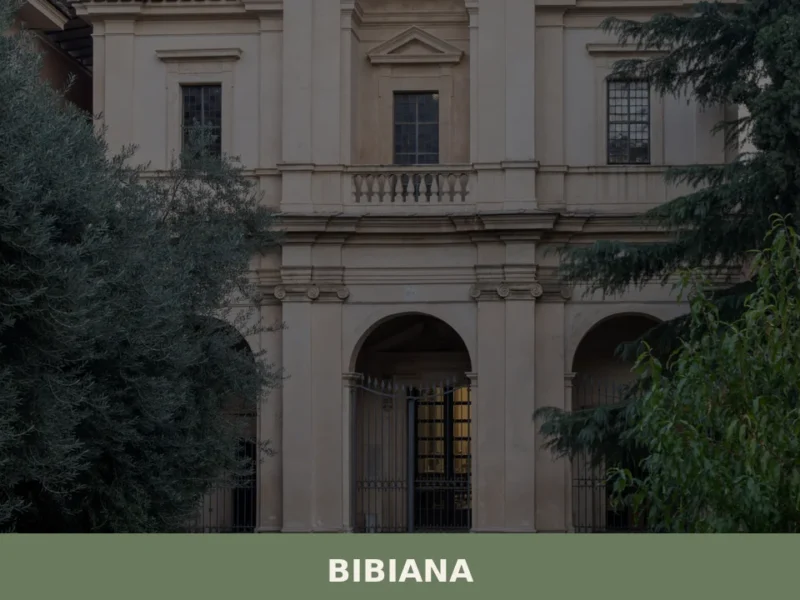
Bibiana sits at the entrance to the Val Pellice, a valley that cuts into the Cottian Alps southwest of Turin, and counts just over 3,300 residents within the metropolitan city of Torino. The village belongs to the Unione Montana del Pinerolese, a grouping of mountain and foothill municipalities that share administrative and territorial planning functions. […]
Pavarolo
Hills
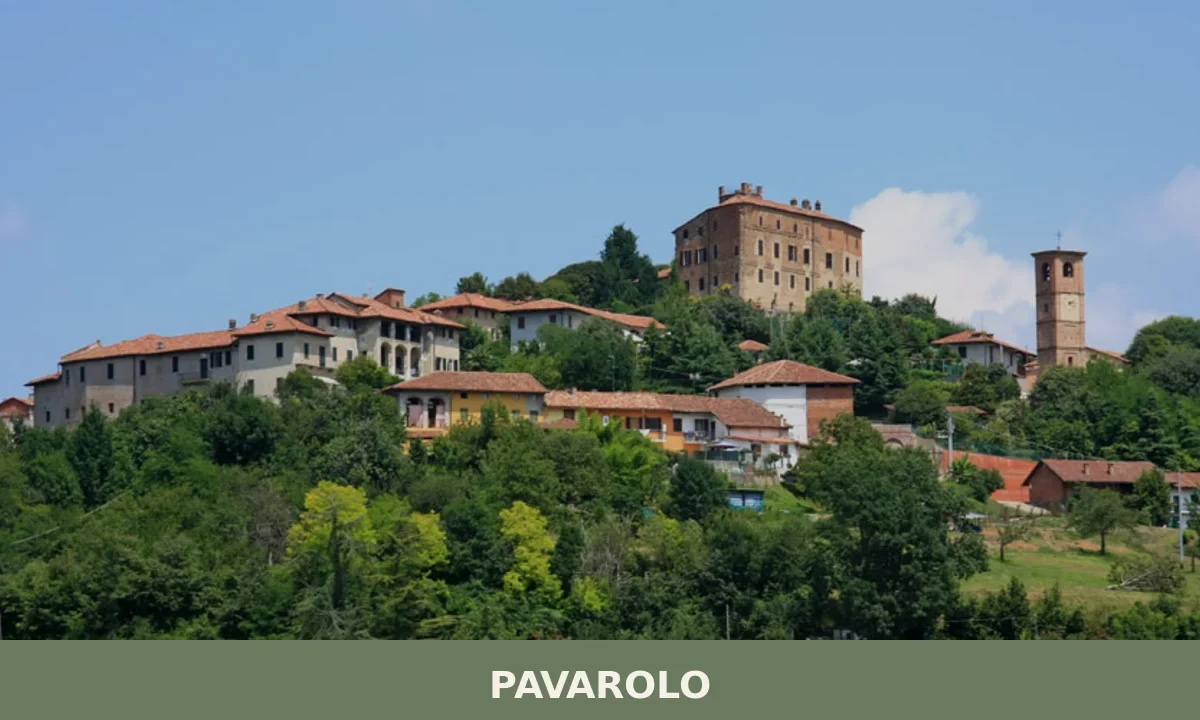
1,170 residents and centuries of documented history make Pavarolo a village where a medieval castle, Baroque church and the legacy of painter Felice Casorati reward a visit.
Lusernetta
 Mountain
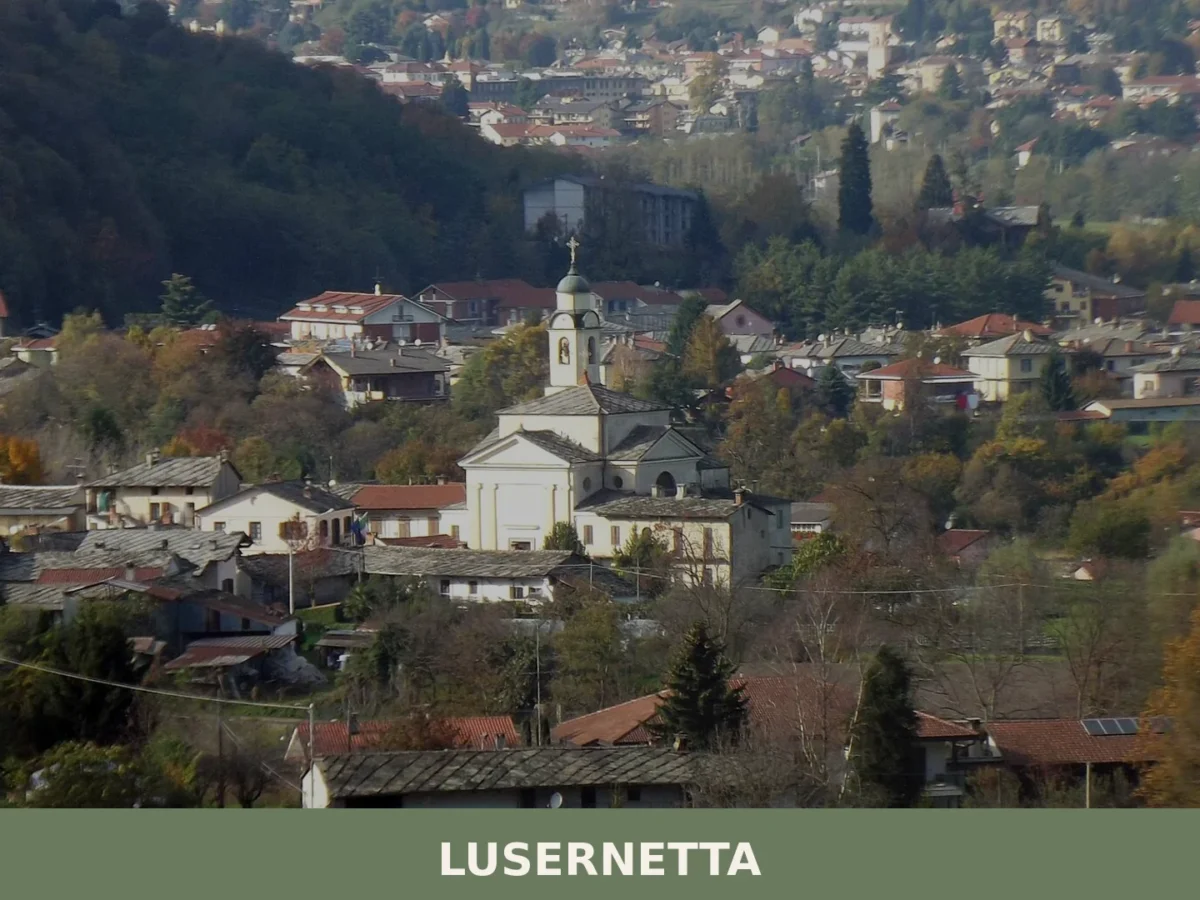
494 residents, one medieval chapel and a clear position on the right bank of the Pellice torrent. Lusernetta rewards visitors who look beyond the obvious Pinerolese routes.
San Pietro Val Lemina
Mountain
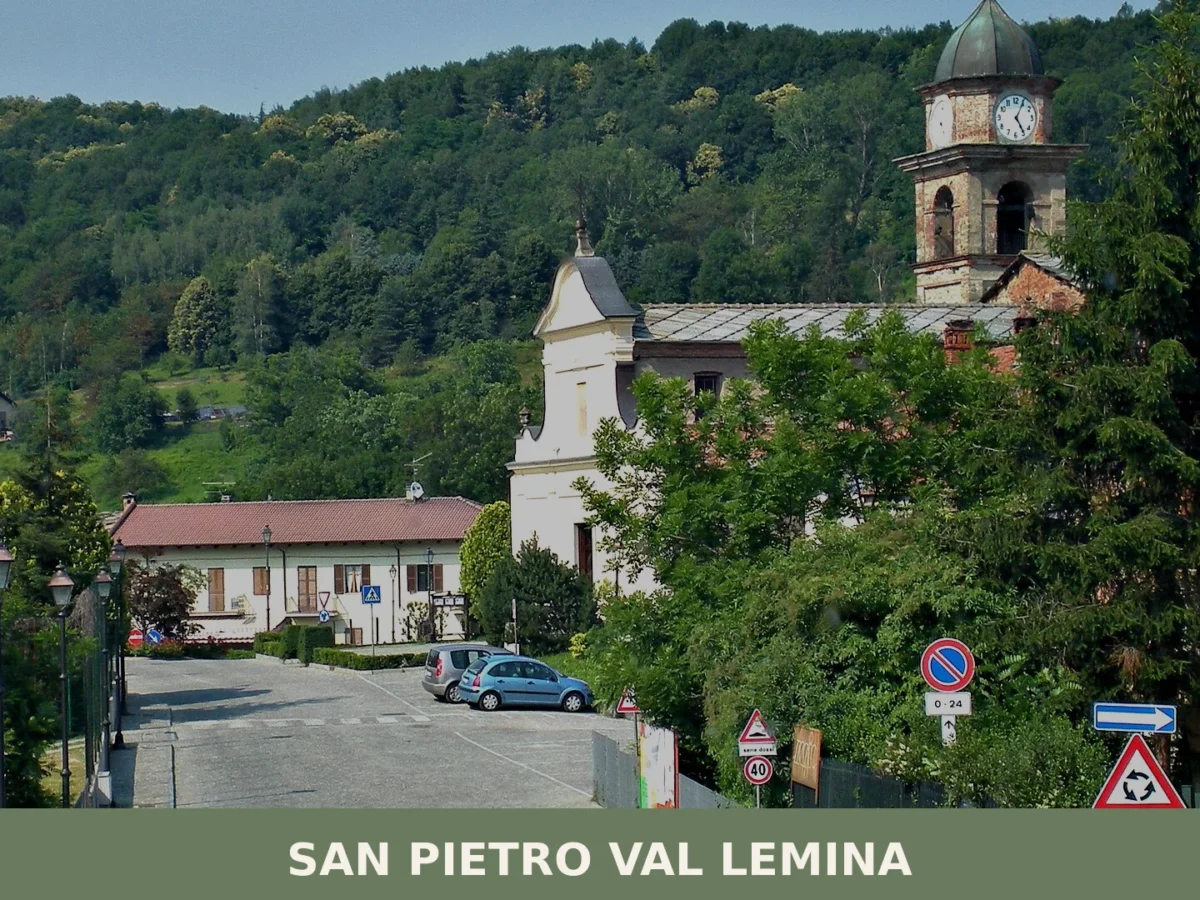
Population 1,447. A small Turin commune where the Lemina torrent shaped settlement and identity, and where a landmark monument honors Piedmontese emigrants worldwide.

Salza di Pinerolo
Mountain
Population 61. A high-altitude Piedmont village where stone fractions cluster around alpine pasture and white fir woods; patron feast on 8 September.
Carema
Mountain
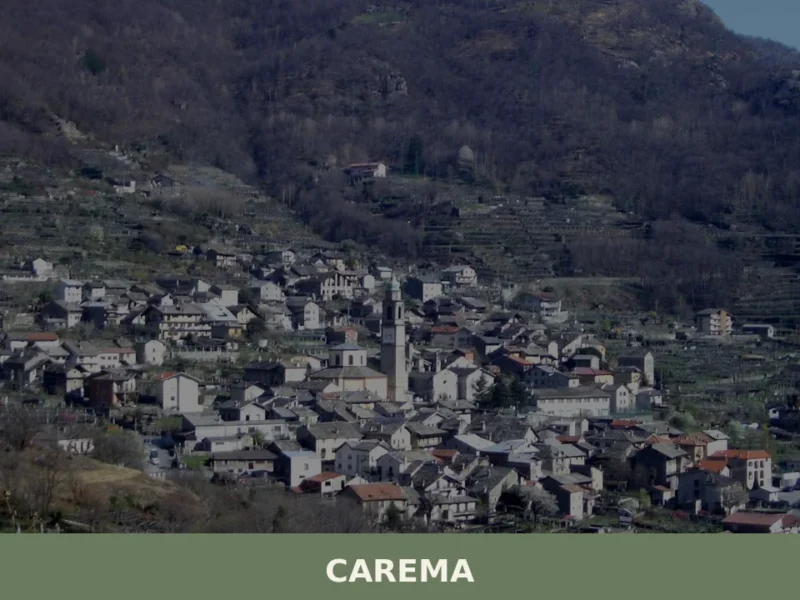
Scopri Carema borgo medievale: un gioiello del Piemonte tra vigneti storici, torri antiche e tradizioni millenarie. Visita questo angolo unico d'Italia!
Massello
Mountain
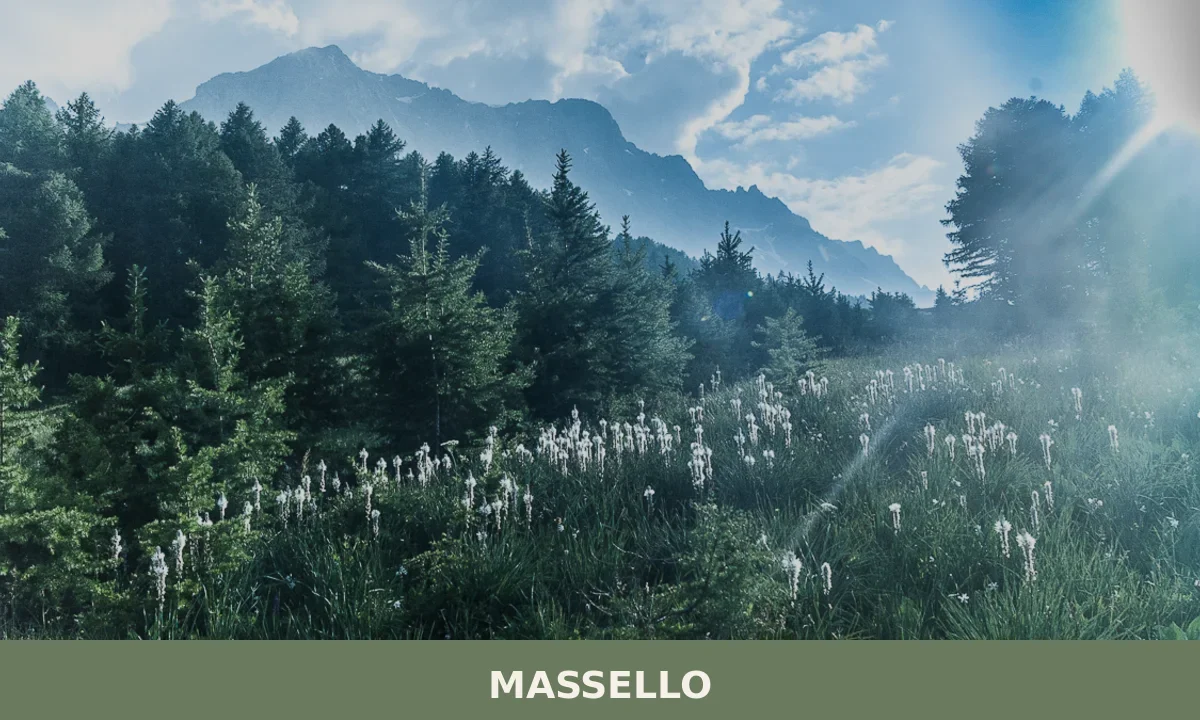
55 residents, one valley, and a waterfall at 2,000 m. Massello preserves Waldensian memory and mountain trails few travellers reach.

San Bernardino Verbano
Mountain
San Bernardino Verbano unites 3 historic hamlets at 304 m above Lake Maggiore, offering Val Grande trails, partisan history, and genuine Piedmontese cuisine.
Rubiana
Mountain
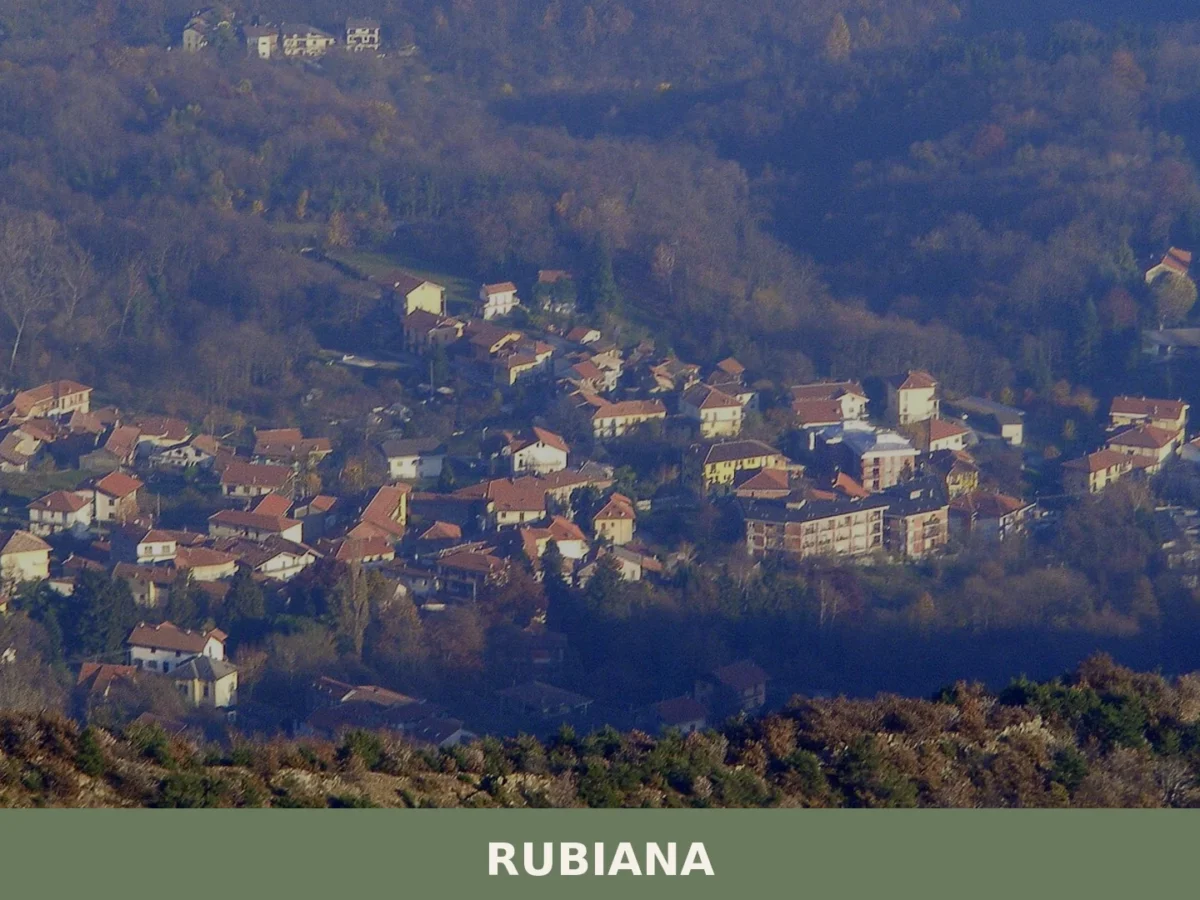
Population 2,516. Rubiana sits in a mountain amphitheatre at 640m altitude, with documented origins in a 1029 charter and a landscape shaped by Celtic settlement and 18th-century pilgrimage.
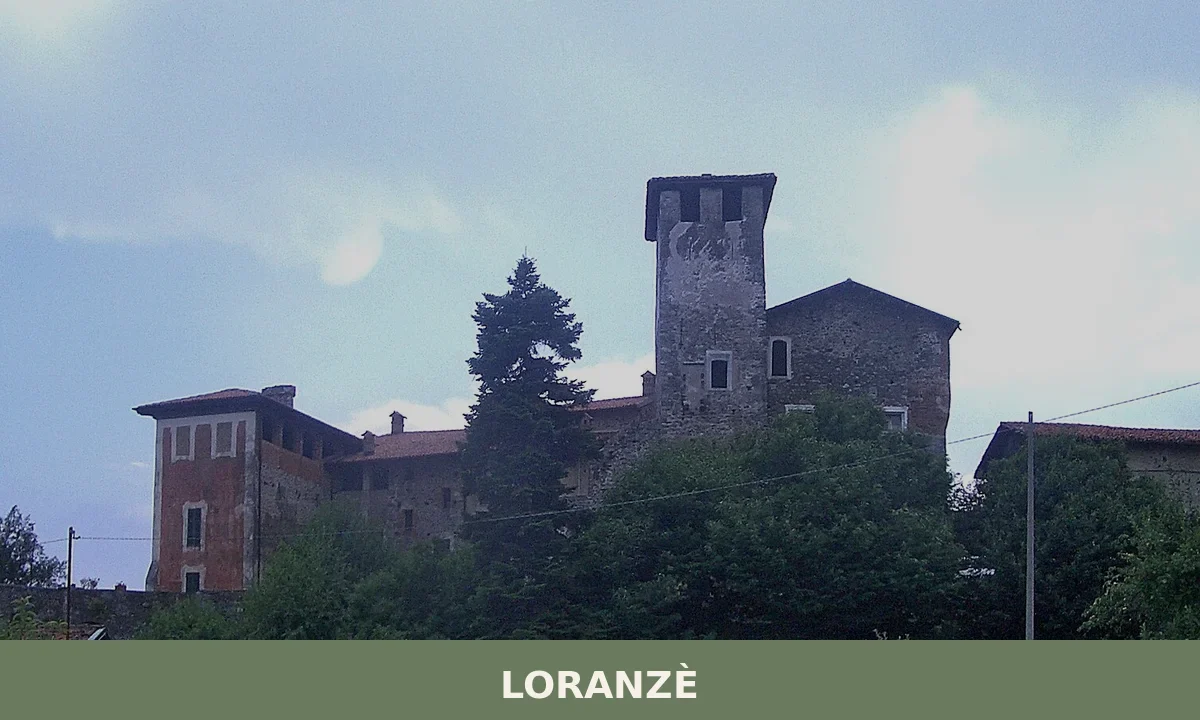
Loranzè
 Plains
Home to around 1,200 residents, Loranzè draws visitors with its 11th-century Castel Rosso and a documented medieval lineage tied to the counts of San Martino.




🏡 Know Piverone better than we do?
If you’re a local or have been there, your knowledge matters: add what’s missing or fix a detail on this page.