


Pavarolo
 Hills
Hills
1,170 residents and centuries of documented history make Pavarolo a village where a medieval castle, Baroque church and the legacy of painter Felice Casorati reward a visit.
Pavarolo: Castle, Art and Hill Life Above the Po Valley
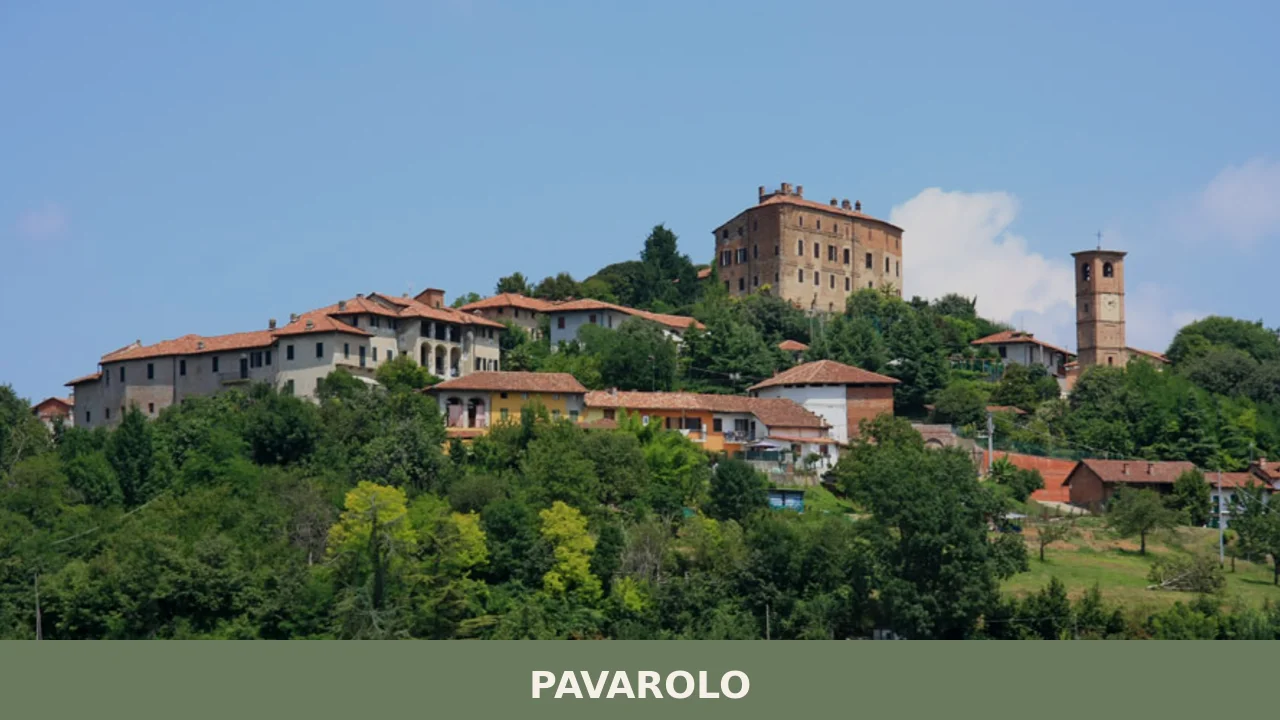
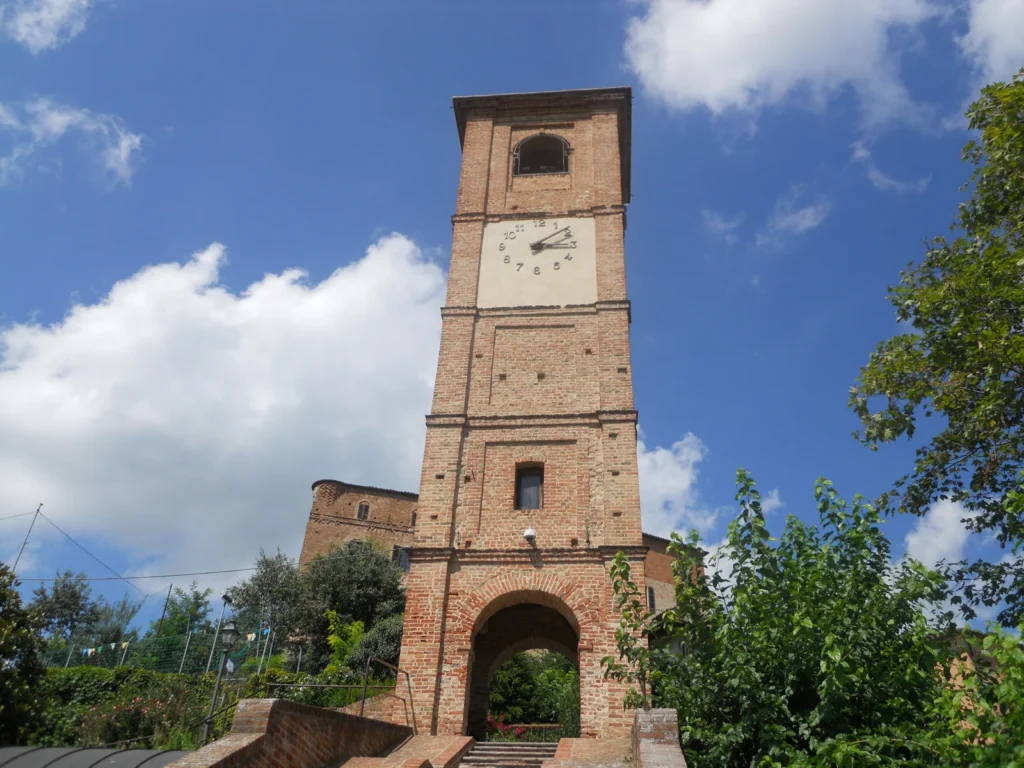
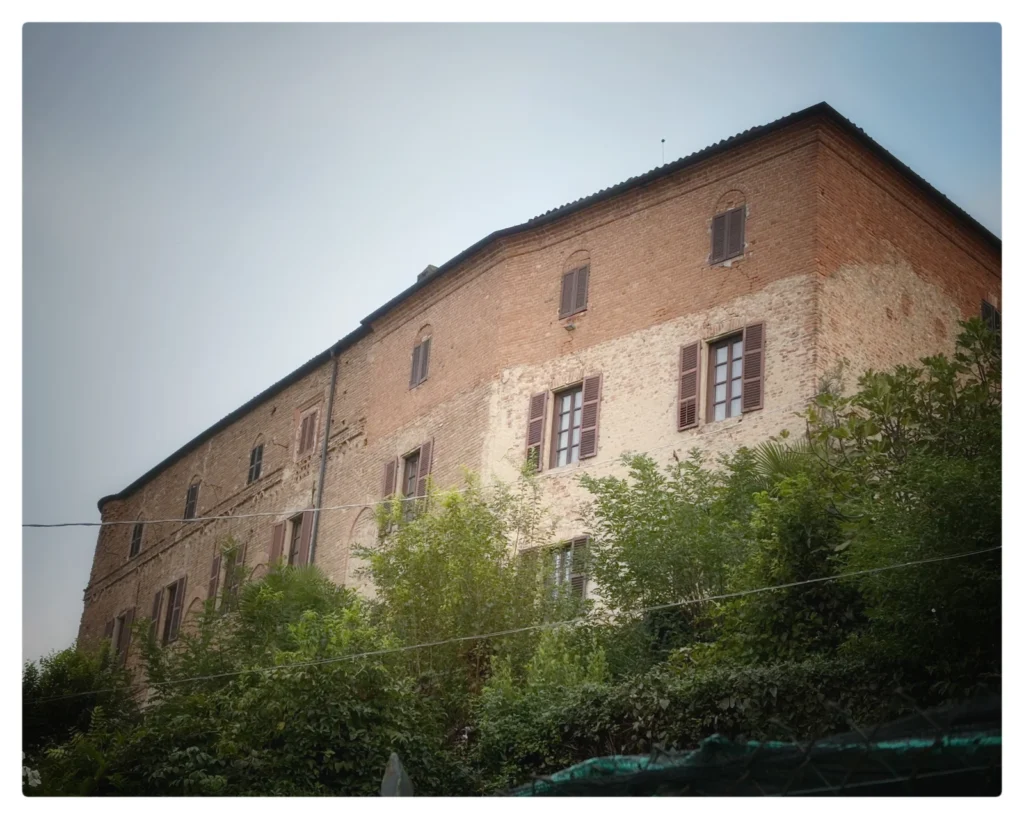
A 14th-century castle still dominates the crest at 363 metres, its cylindrical bartisan turret watching over woodland that runs down toward three torrents — the Bossola, the Boie and the Morto — dry for much of the year but alive enough in spring to mark the edges of the territory. Below the castle walls, an isolated tower with a staircase cut into its base stands apart from the surrounding buildings, its original function still debated among local historians. The scene has not changed dramatically since a painter set up his easel here in the 1920s–1930s and remained active in the village until his death in 1963, and made the village part of his visual vocabulary.
Pavarolo village in Piedmont draws two specific kinds of visitor: those interested in medieval architecture and documented political history, and those who follow the trail of Felice Casorati, the painter who lived and worked here from the 1920s until his death in 1963 in a house on Via Maestra and whose influence on the village’s cultural identity remains tangible. At 363 metres on the southern slopes of the Po hills, the commune covers 4.4 square kilometres, home to around 1,170 residents.
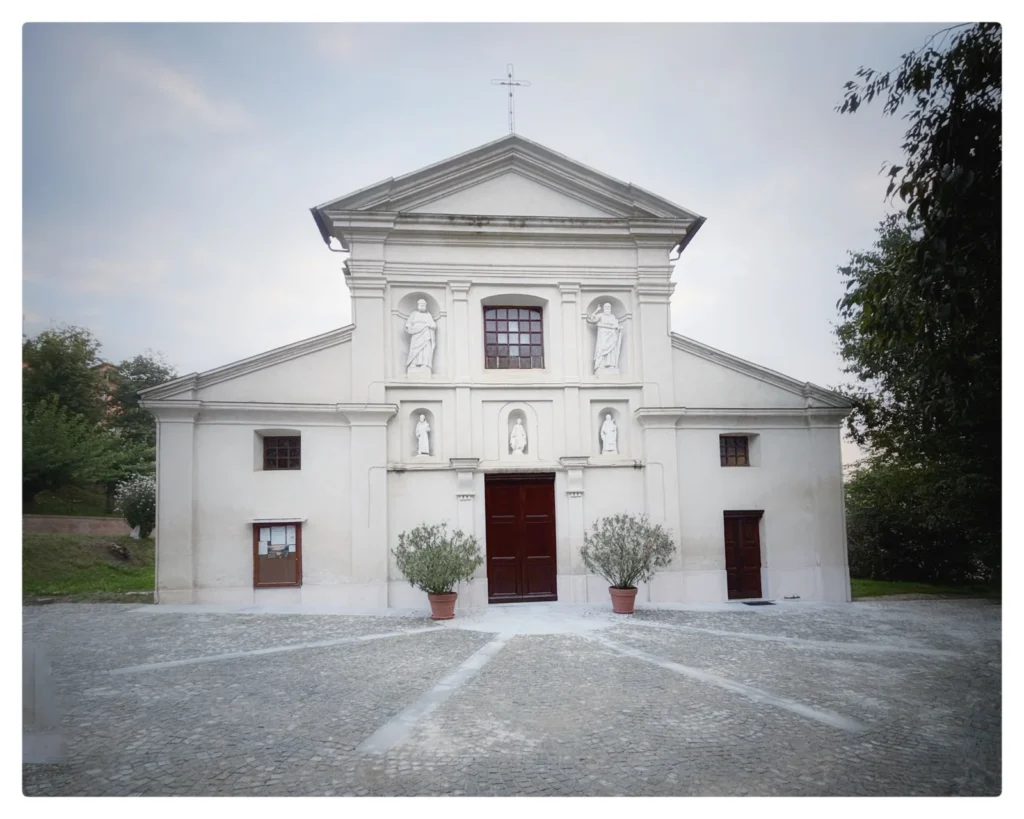
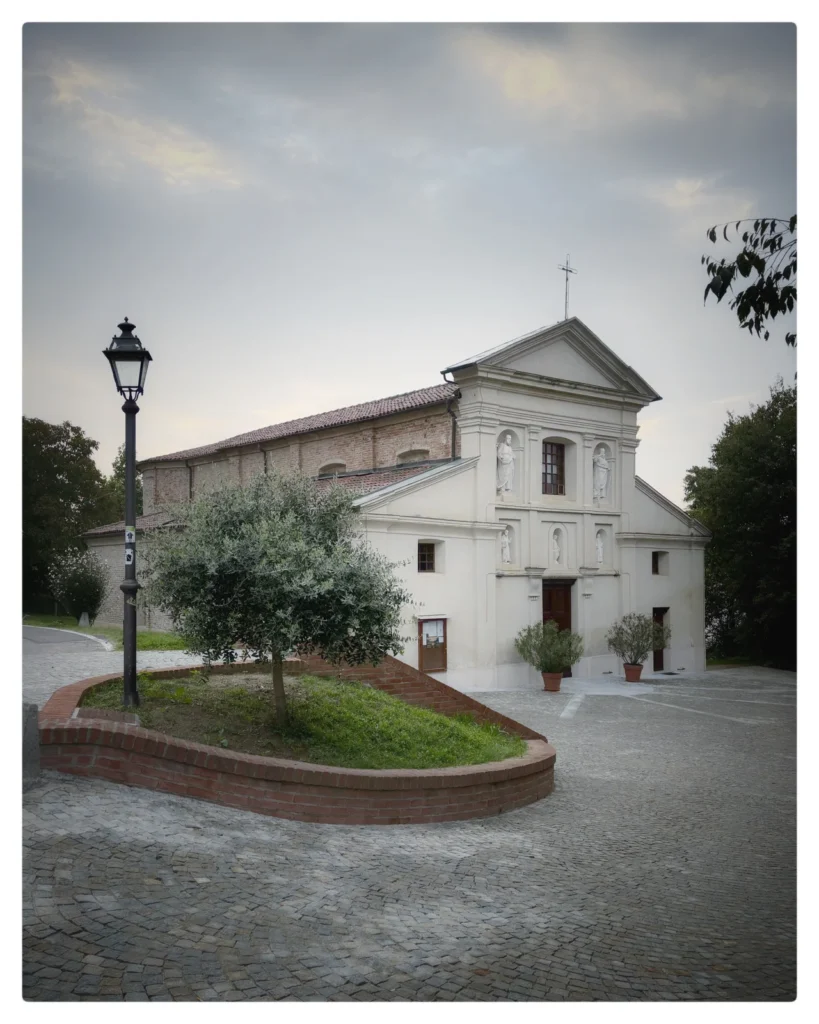
The parish church of Santa Maria dell’Olmo is a Baroque construction with three naves, standing on a site that is believed — though not documented with certainty — to occupy the location of an earlier church dedicated to San Secondo, the village’s patron saint. The interior carries a fresco on the vault of the central nave depicting San Secondo, with the village itself visible in the background, its castle, tower and church identifiable in the painted landscape. Behind the high altar, a painting of the Virgin of the Elm gives the church its name. The building brings together the religious and civic identity of Pavarolo in a single interior space.
Places and landscape
The Chapels of Pavarolo
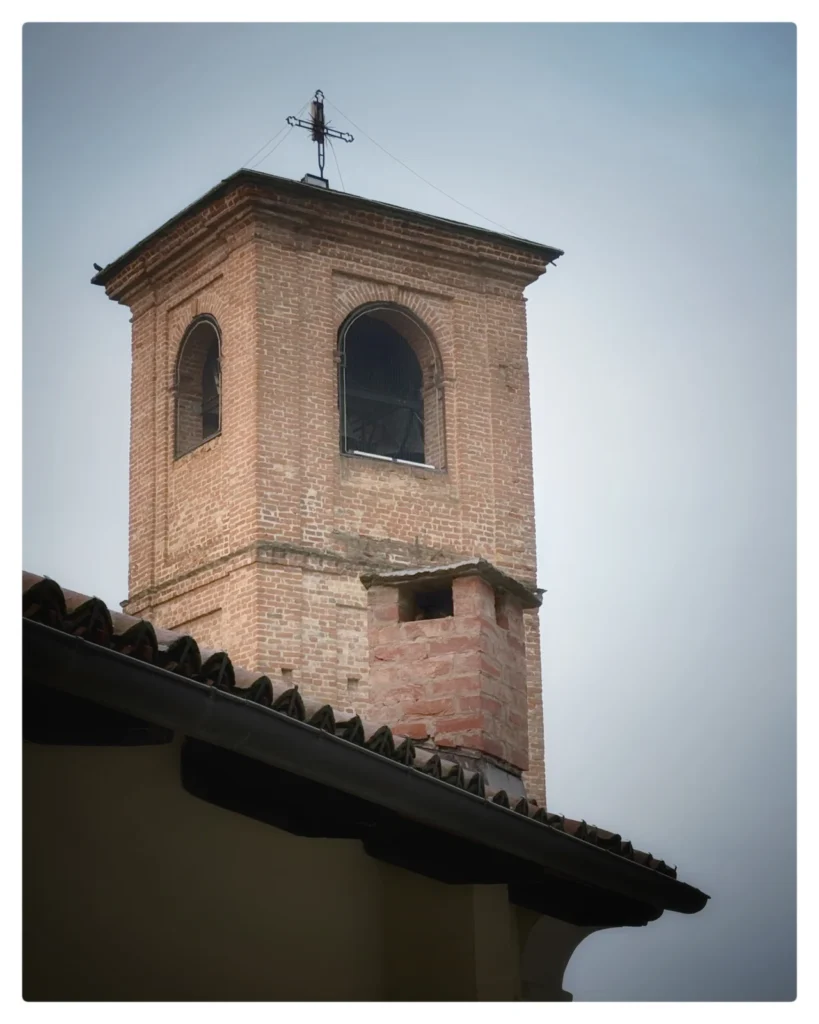
The territory holds several small chapels that mark the devotional geography of the commune. The chapel of San Defendente was built around the middle of the seventeenth century, with its campanile added in the following century; it contains votive paintings of historical interest. The chapel of San Grato was once a destination of considerable local devotion. The chapel of San Sebastiano holds an iron crucifix by the sculptor Romano Campagnoli, a piece that brings twentieth-century artisanship into a long-established sacred context. Beyond the chapels, a number of votive pillars are distributed across the landscape, each marking a point of local religious practice.
Felice Casorati and the Painters’ Presence
His painting Ragazza di Pavarolo, completed in 1937, is held by the Galleria civica d’arte moderna e contemporanea in Turin. Giardino di Pavarolo and Finestra a Pavarolo, both dated 1940. Both Casorati and Maugham are buried in the municipal cemetery just outside the village — a concrete detail that visitors who know their work tend to seek out.
Land, Produce and the Agricultural Base
Agriculture remains the primary productive sector in Pavarolo, though it employs a diminishing share of the population and tends to be concentrated among older residents. The land yields vegetables and cereals, and viticulture has been growing in recent years, fitting the pattern of the broader hill territory between Chieri and the Po. The wider area is associated with a range of wines produced across the Torinese hills, including Freisa di Chieri DOC and Collina Torinese DOC, both of which have their production zone in these same slopes. The territory also supports pig farming oriented toward industrial-scale production, alongside small artisan and commercial enterprises.
The landscape itself — vineyards alongside broadleaf woodland, meadows opening between tree lines — shapes what reaches local tables. Produce follows the season, and the cooking of the area reflects the agricultural calendar without elaboration. The wider Piemonte tradition of preserved meats, local cheeses and herb-based preparations forms the background against which Pavarolo’s own table should be understood, without projecting specialities onto a village that identifies principally as an agricultural commune rather than a culinary destination.
Planning your visit and getting there
Located to the east and southeast of Turin, the village sits in the Chierese area of the Po hills. The practical distances and journey times below are kept concise on purpose, so the access information stays clear and consistent.
| Departure | Distance | Time |
|---|---|---|
| Turin (city centre) | approx. 20 km | approx. 30 min |
| Chieri | approx. 8 km | approx. 15 min |
| Turin Caselle Airport | approx. 40 km | approx. 50 min |
These practical reference points are enough to plan the journey without overloading the text with unstable logistics. Once on site, the village is best understood slowly, on foot and in relation to the surrounding landscape.
Frequently asked questions about Pavarolo
What is the best time to visit Pavarolo?
Spring is ideal for Pavarolo, when the three torrents—Bossola, Boie, and Morto—become active and the hillside landscape comes alive with greenery. The patron saint feast of San Secondo provides a culturally rich visiting period. Autumn offers pleasant weather and clear views of the Po hills. Summer is warm but can be dry, while winter weather may limit outdoor exploration of the medieval castle and surrounding woodland areas.
How do I reach Pavarolo from Turin?
Pavarolo is located in the Province of Turin, approximately 40 kilometres south of the city center. Access by car is recommended via regional roads toward the Po hills area. The nearest major town with train connections is Asti. From Turin, drive south through the Piedmont region toward the commune, following signs for the southern slopes of the Po hills. Public transport options are limited; car rental is advisable for flexible exploration.
What are the main historical attractions in Pavarolo?
The 14th-century castle at 371 metres elevation dominates the village skyline with its characteristic cylindrical bartisan turret. Below the castle stands an isolated tower with a staircase cut into its base—its original function remains debated among local historians. The Baroque parish church of Santa Maria dell'Olmo features three naves and contains a fresco of San Secondo with the village castle visible in the background, offering insight into historical artistic representation.
What is Pavarolo's connection to artist Felice Casorati?
Felice Casorati, a significant 20th-century painter, lived and worked in Pavarolo in a house on Via Maestra. He made the village part of his visual vocabulary, setting up his easel and painting the medieval landscape. His influence on Pavarolo's cultural identity remains tangible today, making the village an important destination for those interested in modern Italian art history and the intersection of landscape painting with built heritage.
What outdoor features surround the village?
Pavarolo sits at 363 metres altitude on the southern slopes of the Po hills, surrounded by woodlands that descend toward three torrents: the Bossola, Boie, and Morto. These waterways mark the territorial boundaries and are most active during spring months. The commune covers 4.4 square kilometres, offering woodland walking routes through the hill landscape. The terrain provides opportunities for gentle hiking and exploration of the natural Piedmont countryside.
📷 Photo Gallery — Pavarolo
In Piedmont More villages to discover
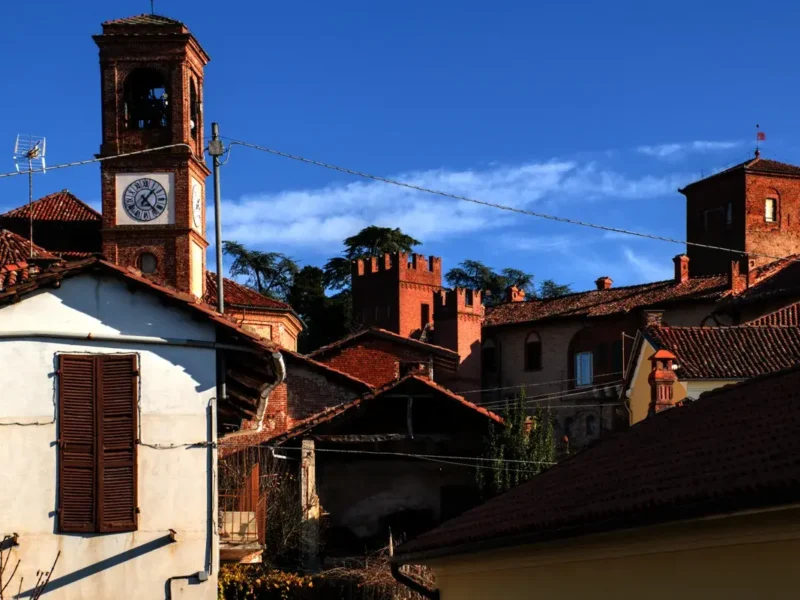
Moriondo Torinese
Hills
Scopri Moriondo Torinese, un affascinante borgo del Piemonte ricco di storia, natura e tradizioni. Lasciati conquistare dalla sua bellezza autentica!
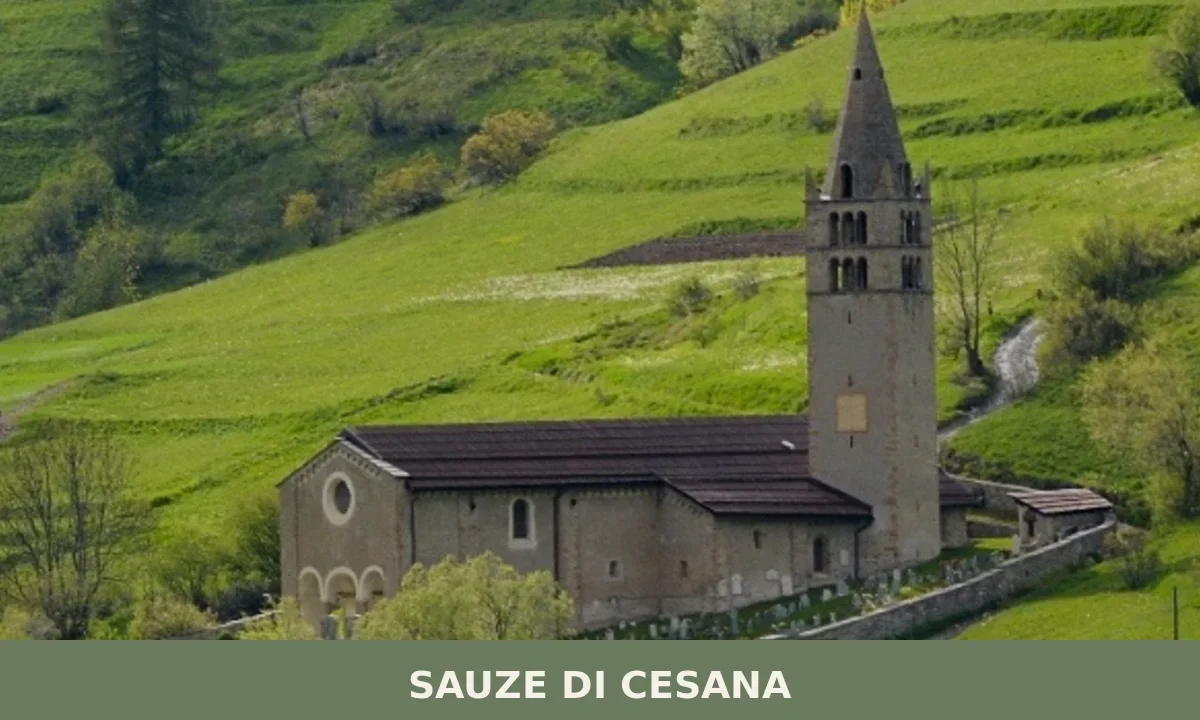
Sauze di Cesana
 Mountain
Population 226. A high-altitude mountain village in Val di Susa where stone architecture and a century of territorial struggle have shaped identity more than monuments.
Arona
 Lake
Lake
 Plains
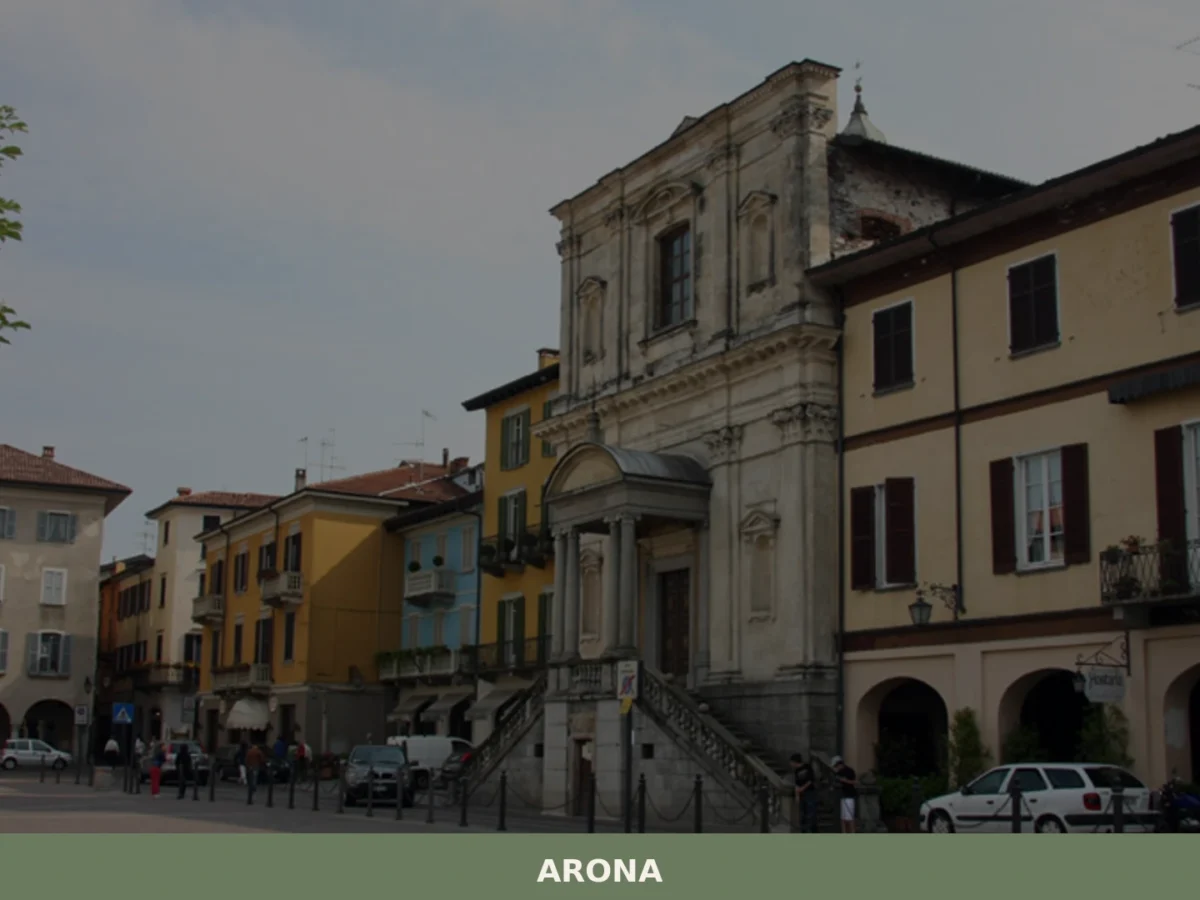
what to see in arona, Italy: Discover Arona, a town of 13,694 inhabitants in Piemonte, home to a notable railway station. Explore this region's travel tips.
Almese
Hills
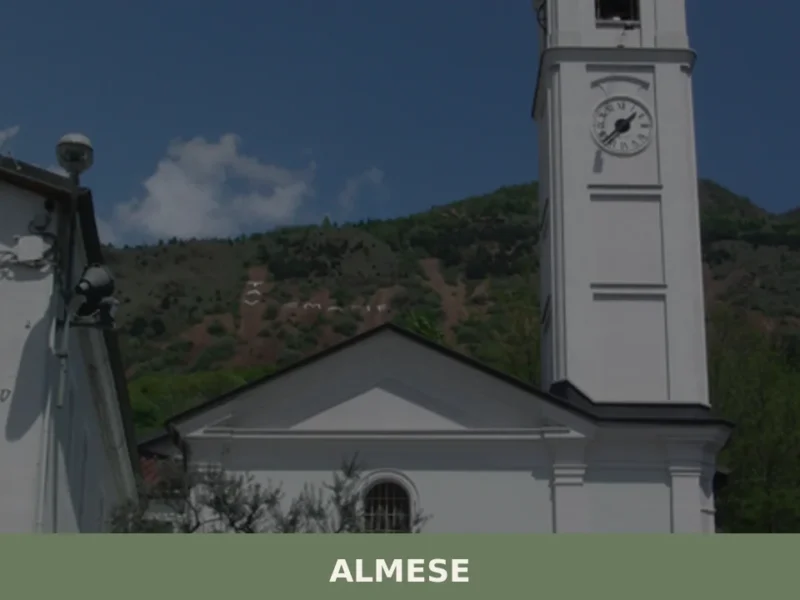
In 1029, a document from the Abbey of Novalesa recorded the name Almese for the first time, linked to a series of land holdings in the lower Val di Susa. That place name — probably derived from a Celtic or pre-Latin word connected to alpine pastures — appears in a territory that already served as […]
Mathi
Hills
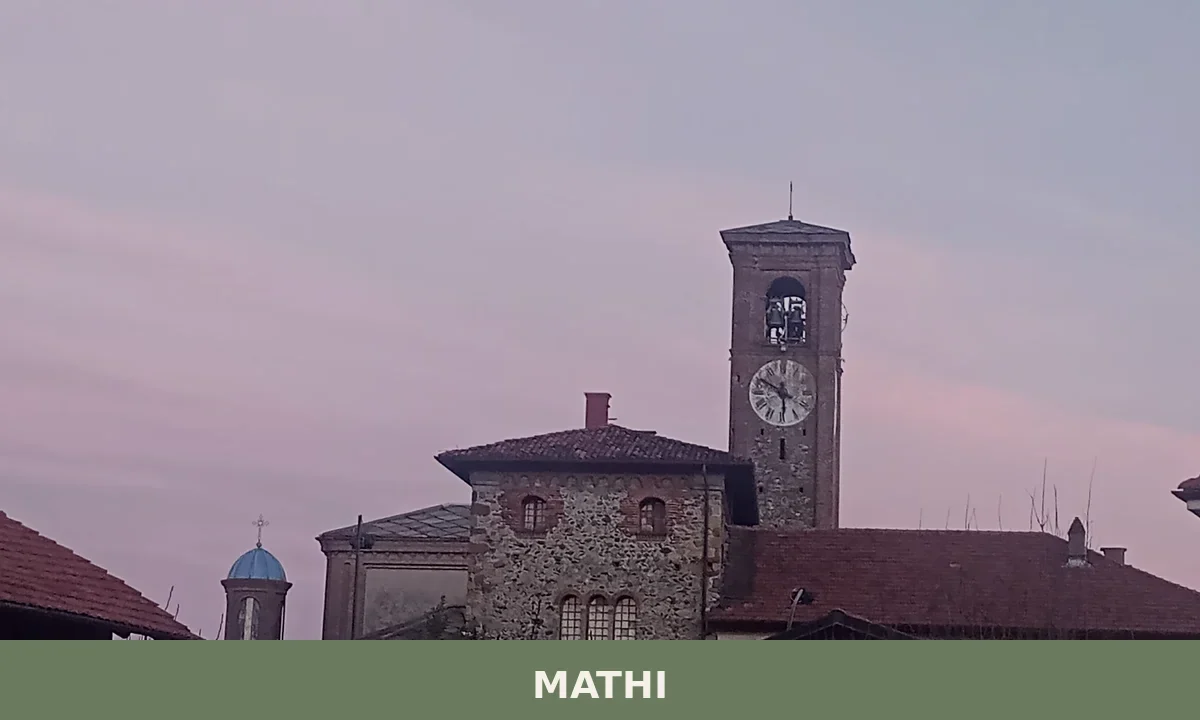
3,729 residents, a Benedictine tower still standing behind the parish church, and an industrial paper mill story linked to Don Giovanni Bosco. Mathi rewards those who look closely.

Borgomasino
Plains
Discover what to see in Borgomasino, a 776-inhabitant Canavese village near Turin: history, local food, best time to visit and practical travel tips.

Montà
Hills
4 distinct hamlets, one medieval castle and over 35 km of trails make Montà a rewarding base for exploring the Roero hills of Cuneo province.
Novalesa
Mountain
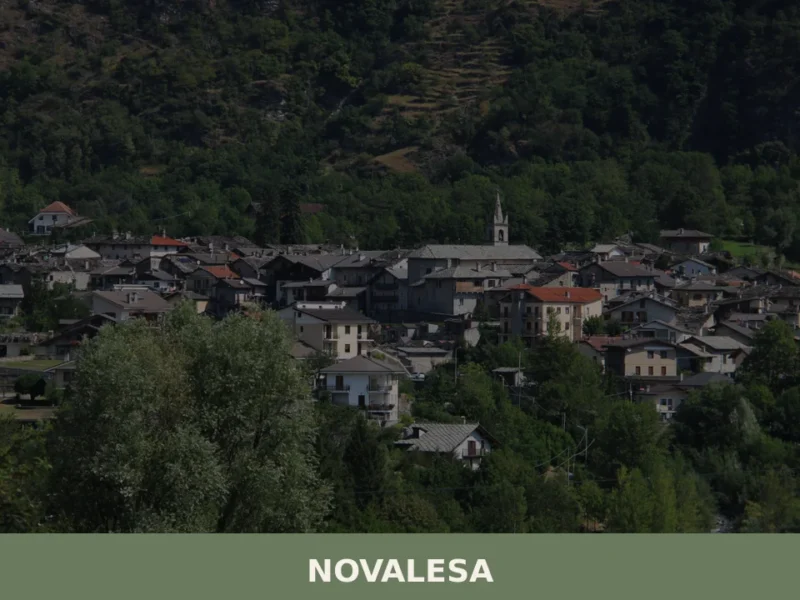
Scopri Novalesa, affascinante borgo medievale del Piemonte: storia, abbazia e paesaggi mozzafiato in Valle di Susa. Visita questo gioiello nascosto!

Castelletto Molina
Hills
137 residents, one patron saint and a golden civic banner: Castelletto Molina rewards slow travellers with genuine Monferrato countryside and Piedmontese village life.

Strambino
Plains
6,000 residents, one castle on a hill, and a church whose floor plan mirrors a frog. Strambino offers a layered Canavese identity few visitors expect.
🏡 Know Pavarolo better than we do?
If you’re a local or have been there, your knowledge matters: add what’s missing or fix a detail on this page.