


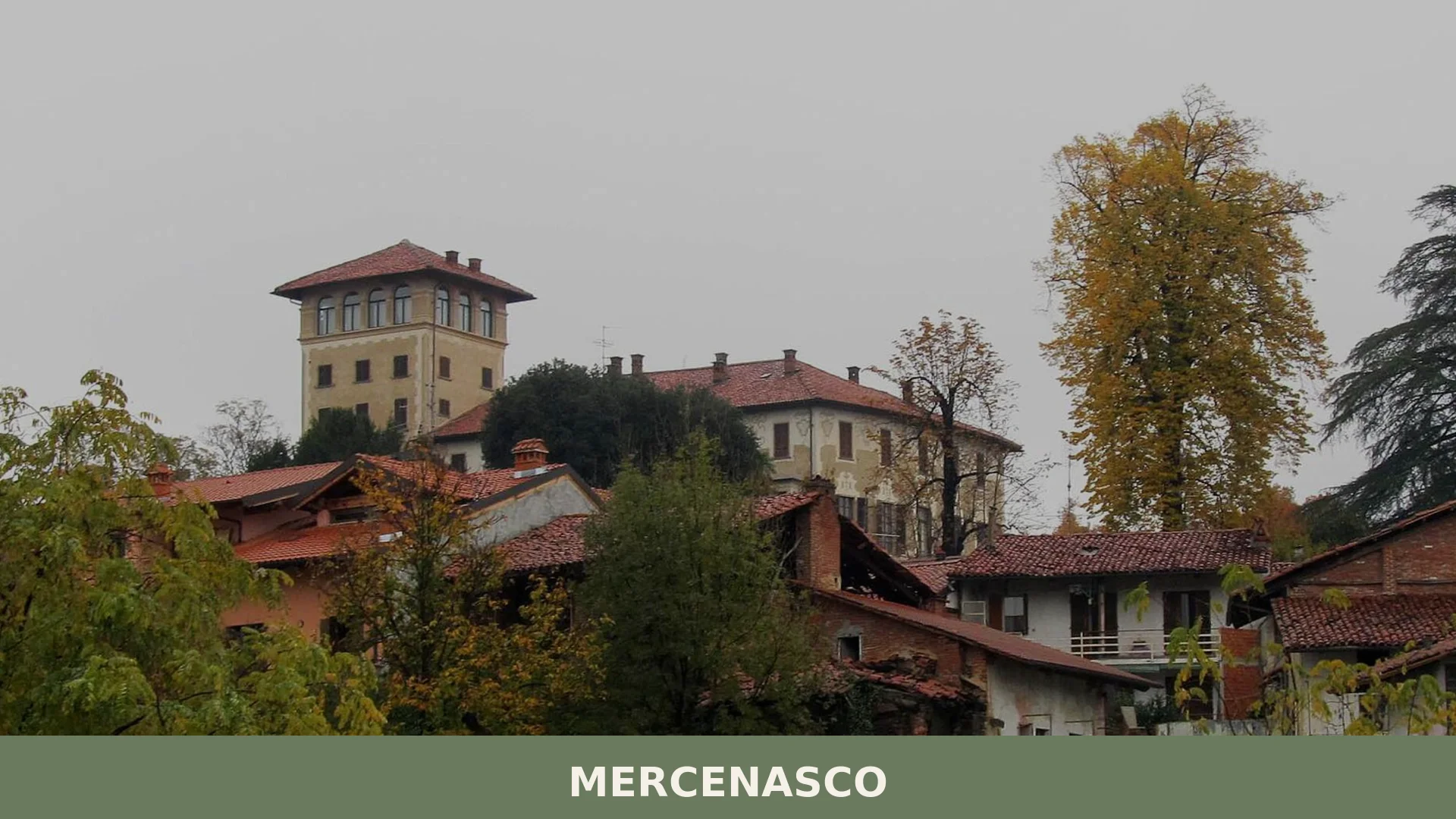
Mercenasco
 Hills
Hills
Two monuments and a millennium of history: Mercenasco draws visitors with its neogothic castle and baroque parish church set among the Canavese hills, 34 km north of Turin.
Mercenasco: a Canavese Village Between a Medieval Castle and Baroque Devotion
A Roman stele stands in front of the parish church, set into the ground of a Piedmontese hill village that most travellers pass without stopping. The stone dates to the first century and says, quietly, that this place has been inhabited for a very long time — long before the medieval castle that marks the skyline, long before the baroque bell tower that rises above the rooftops. The village sits at an elevation of 249 metres above sea level.
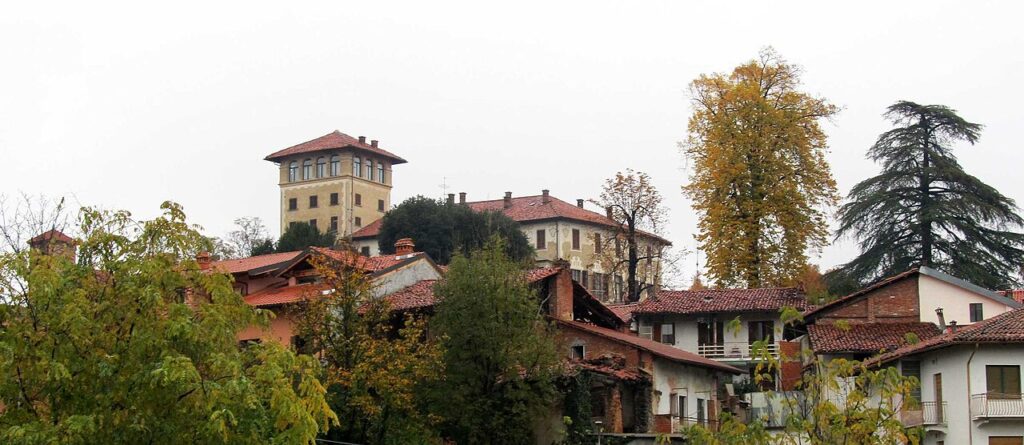
Mercenasco village in Piedmont sits in the Canavese, northeast of Turin, a subalpine territory of glacial moraines, vineyards and small comuni that each hold a distinct local identity. Two things draw visitors here in particular: the Castello Benso di Mercenasco, a neogothic residence with a landscaped park that still hosts private events and guided tours, and the baroque church of Santa Maria Maddalena, whose position at the edge of the village opens onto a broad view of the plain below.
A Thousand Years of Lords, Wars and Quiet Survival
The human presence at Mercenasco long predates any written record. The Roman stele found near the parish church places settlement here in the first century, and before Roman rule the wider region was home to the Salassi, a Gallo-Celtic people known for their skill in metalworking. Roman conquest of the area came in the first century BC, folding this territory into the provincial administration that would last until the fall of the Western Empire. The centuries that followed brought Lombard and Carolingian overlordship in succession, leaving their marks on the organizational landscape if not on surviving monuments.
The first document to name the place directly dates from 1142, when a certain Guillelmus Bogius de Martianasco appears in a written record — a single name anchoring a community that had presumably existed for generations before anyone thought to write it down. By the early thirteenth century, Mercenasco had passed into the orbit of the Bishop of Ivrea, who later transferred the fief to the Marquis of Montferrat. The hamlet of Villate, now a fraction of the municipality, receives its own first written mention toward the end of the thirteenth century, with local tradition holding that it was founded by followers of two Valle d’Aosta saints, Sant’Orso and San Grato.
The fourteenth century brought destruction to the castle during factional fighting. It was subsequently rebuilt, and underwent further transformation in later centuries. Subsequent dominions — French, then Spanish — gave way to definitive Savoyard control in the early seventeenth century. In the nineteenth century the castle was transformed from a medieval fortification into an elegant neogothic residence. The village and Villate both paid a heavy toll in the two world wars; commemorative plaques in the municipality record those losses without ceremony.
The population of Mercenasco has fallen by around 28 percent over the past hundred years — a figure that places it squarely within a pattern of post-agricultural contraction common across the Piedmontese inner hills, and that shapes the texture of daily life here today.
The Places That Define the Village
Castello Benso di Mercenasco
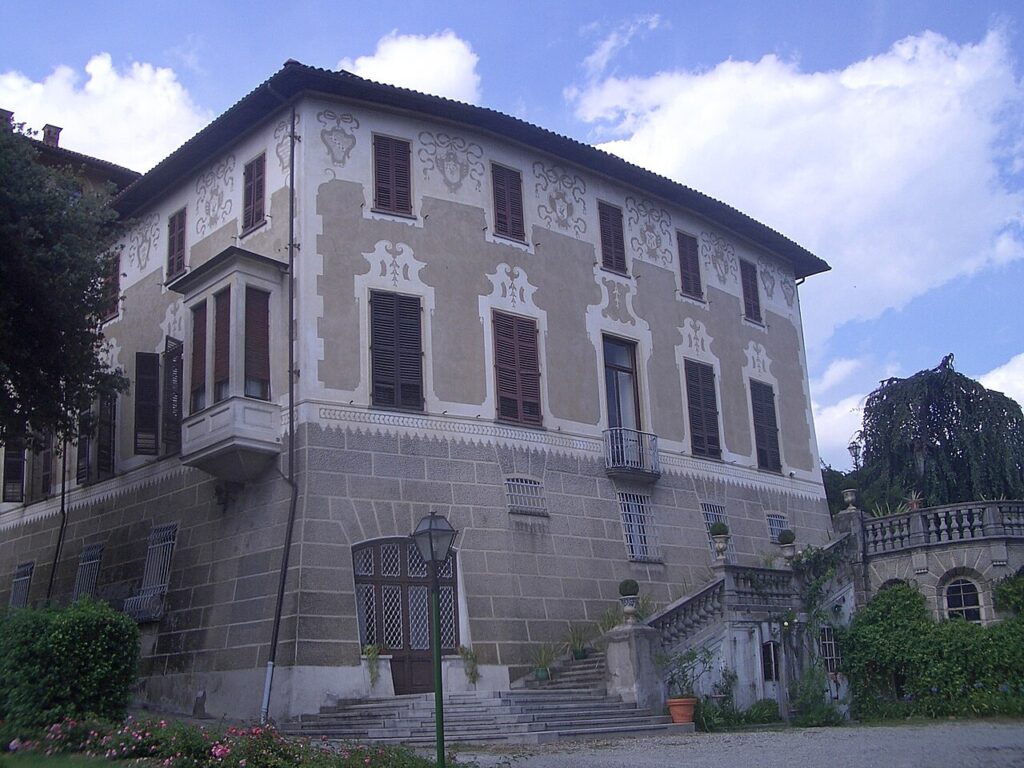
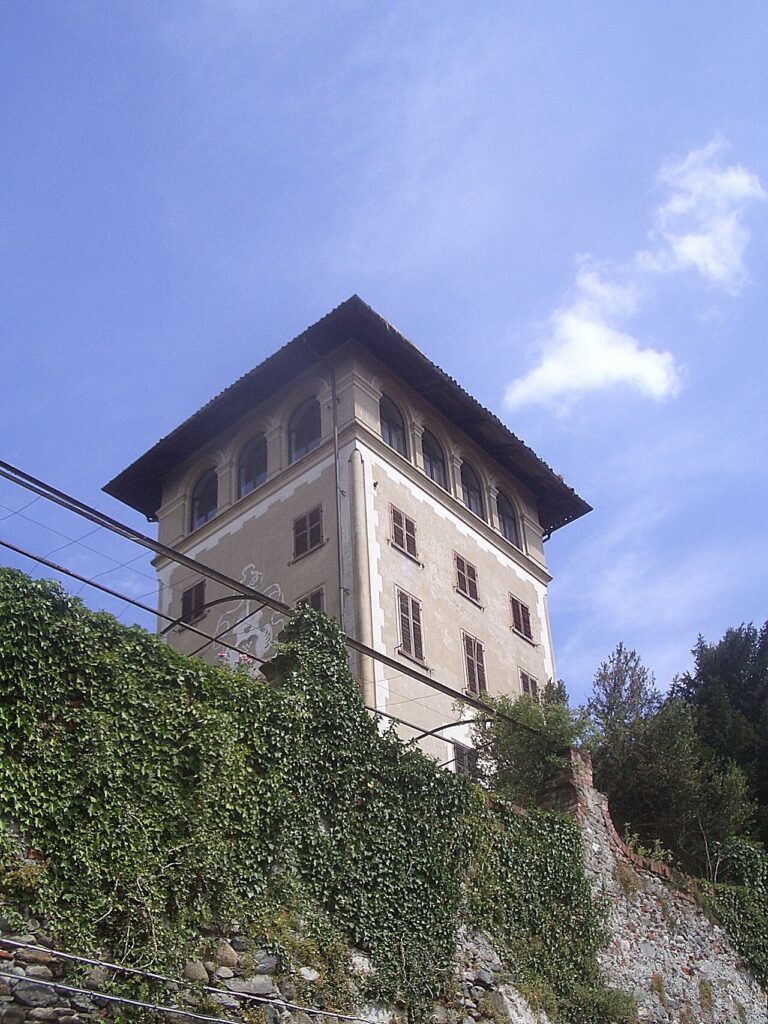
This is the architectural centrepiece of the village. Its origins are medieval, but the structure visitors see today reflects a thorough nineteenth-century transformation into a neogothic residence, a style that was fashionable among Piedmontese noble families of that era. The castle is surrounded by a landscaped park and its interior rooms, decorated in period style, are regularly hired for private events including weddings and corporate gatherings. The property also hosts guided visits and has served as a location for film productions. It remains in private ownership, currently held by the Benso di Villamirana family.
Chiesa Parrocchiale di Santa Maria Maddalena
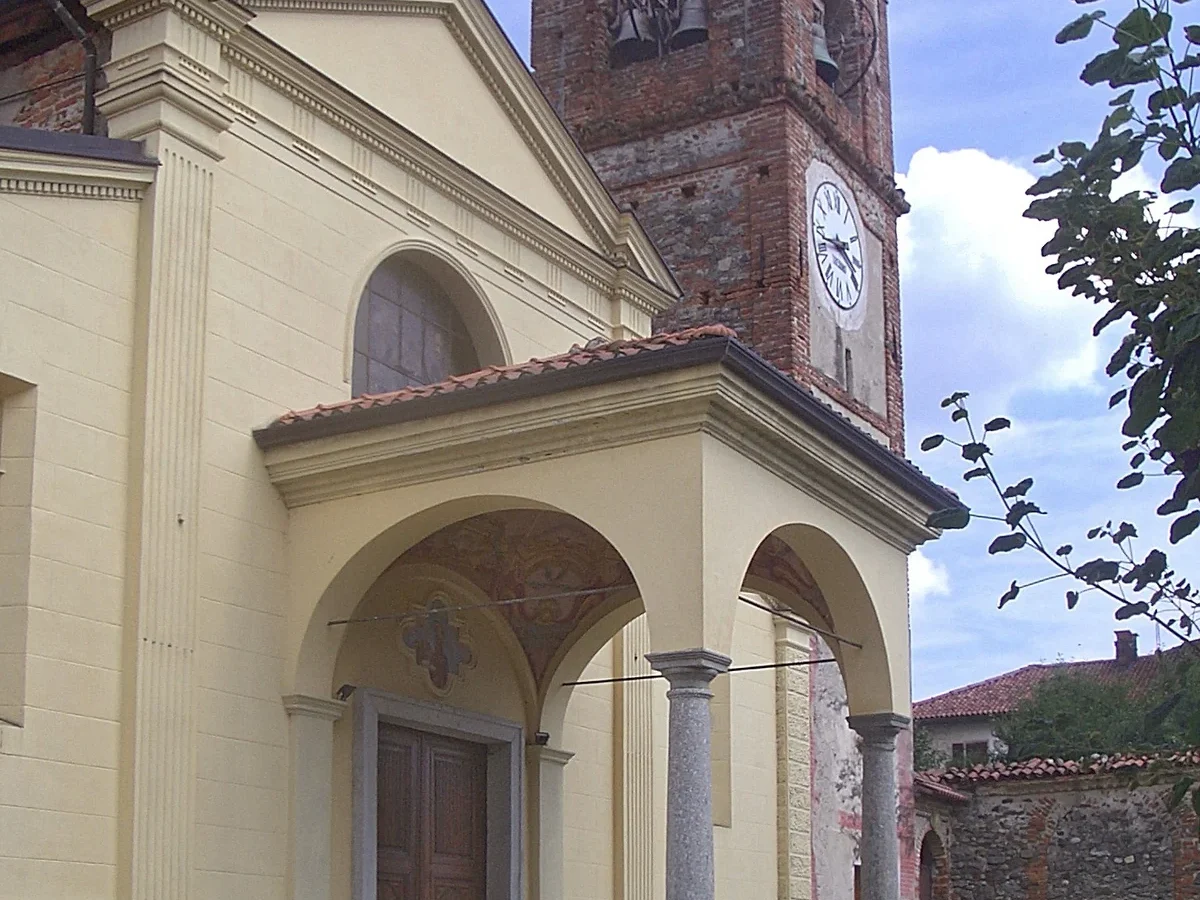
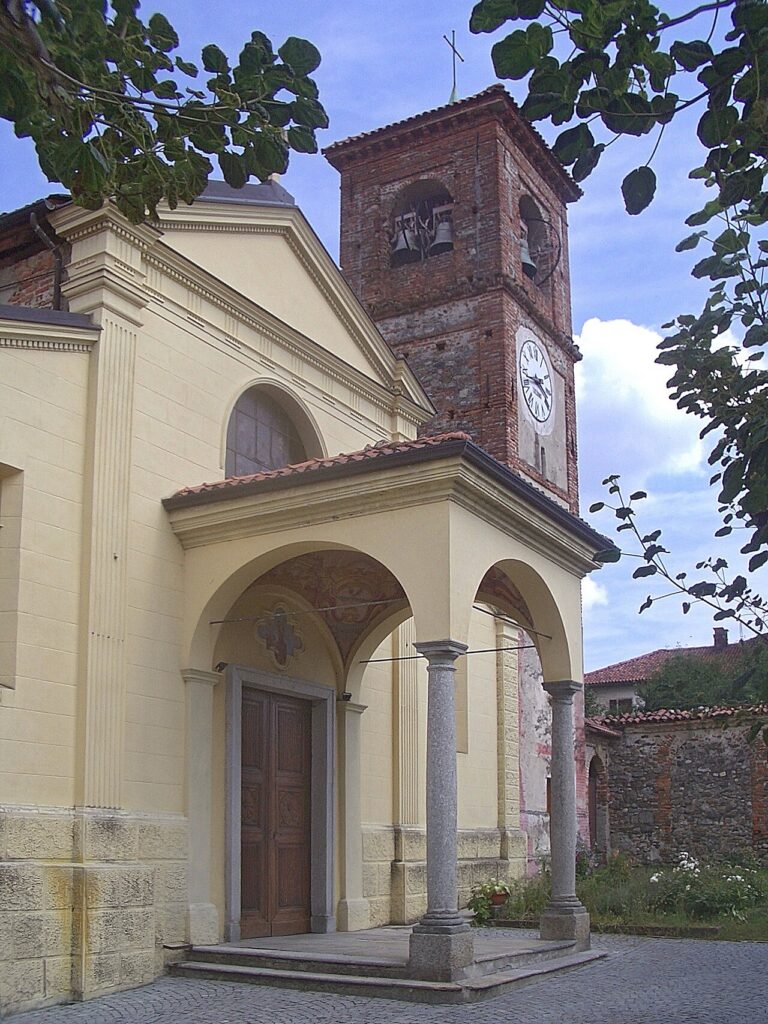
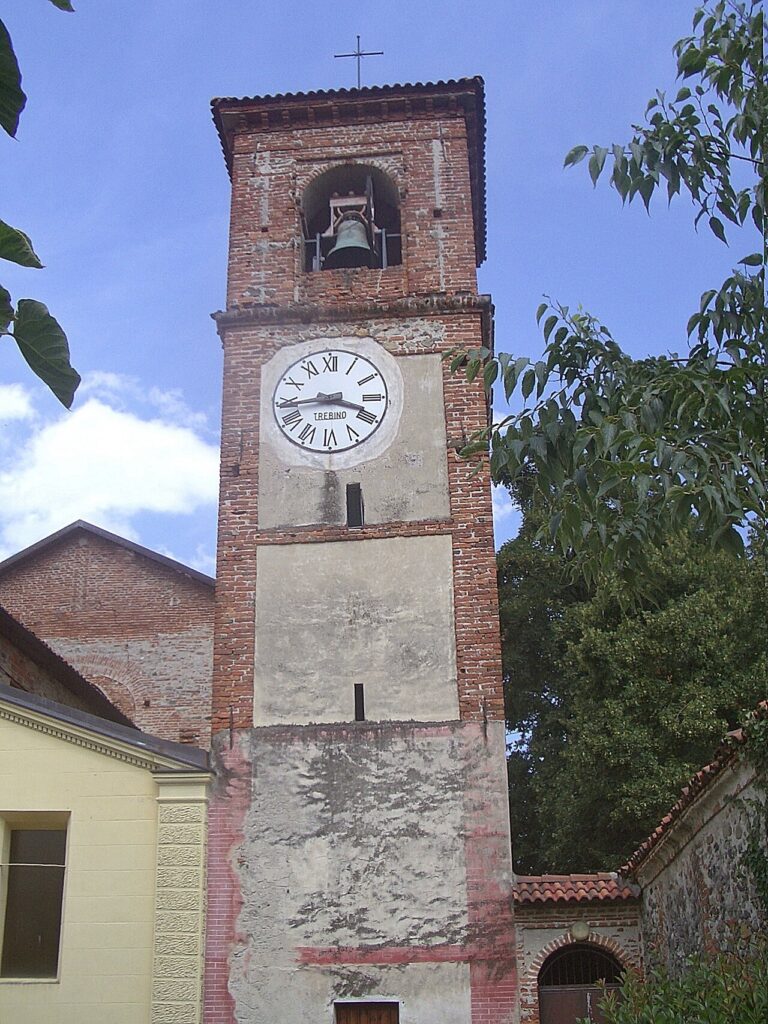
The parish church dedicated to Santa Maria Maddalena — patron saint of the village — was built in the Piedmontese baroque style. Its position gives it an open aspect over the surrounding plain, a quality that has made it a popular choice for weddings. The Roman stele discovered in front of the building is a reminder that the sacred geography of this site has a far longer history than the baroque facade suggests. The church represents the clearest point of continuity between the village’s Roman-era presence and its living religious identity.
Cappella di San Pancrazio
Among the smaller devotional buildings in the territory, the chapel of San Pancrazio represents the kind of rural religious architecture that punctuates the Canavese landscape at intervals — modest in scale, significant in its role as a marker of community boundaries and seasonal rhythms. Chapels of this type were often built or maintained by local families and confraternities; their presence across the municipal territory fills out the picture of a village whose faith was expressed not only in the parish church but in a dispersed network of small sacred places.
Frazione di Villate
Lying along the road toward Montalenghe, Villate is the secondary inhabited nucleus of the municipality. It has its own church, dedicated to San Grato, and holds onto local festivities and traditions that the main village no longer maintains on the same scale. The founding legend connecting Villate to followers of two Valle d’Aosta saints gives the hamlet a distinct origin story within the broader municipal identity. Once more populous than it is today, Villate continues to carry a particular character within the community of mercenaschesi.
Table and Vineyard: the Flavours of the Canavese
Mercenasco has always been an agricultural village, and the land around it produces cereals and supports livestock farming alongside the vine and orchard crops characteristic of the Canavese. The wines of the immediate territory fall within the Erbaluce di Caluso DOCG and Canavese DOC appellations — designations that cover the wider zone and reflect a viticultural tradition of real depth. The Erbaluce grape, grown on the glacially shaped soils of this part of Piedmont, produces both still white wines and the late-harvest passito style that serious wine travellers come to the Canavese specifically to find.
The wider provincial pantry includes Grana Padano DOP and a range of traditional Piedmontese preparations — among them bicerin, the layered coffee and chocolate drink of Turin, and ratafià, a cherry liqueur with deep roots in this part of northern Italy. These are area-wide traditions rather than specialities unique to Mercenasco itself, but they form the culinary backdrop against which any visit to the village takes place. Local trattorie and agritourism operations in the surrounding territory offer the most direct encounter with Canavese food culture.
Planning your visit and getting there
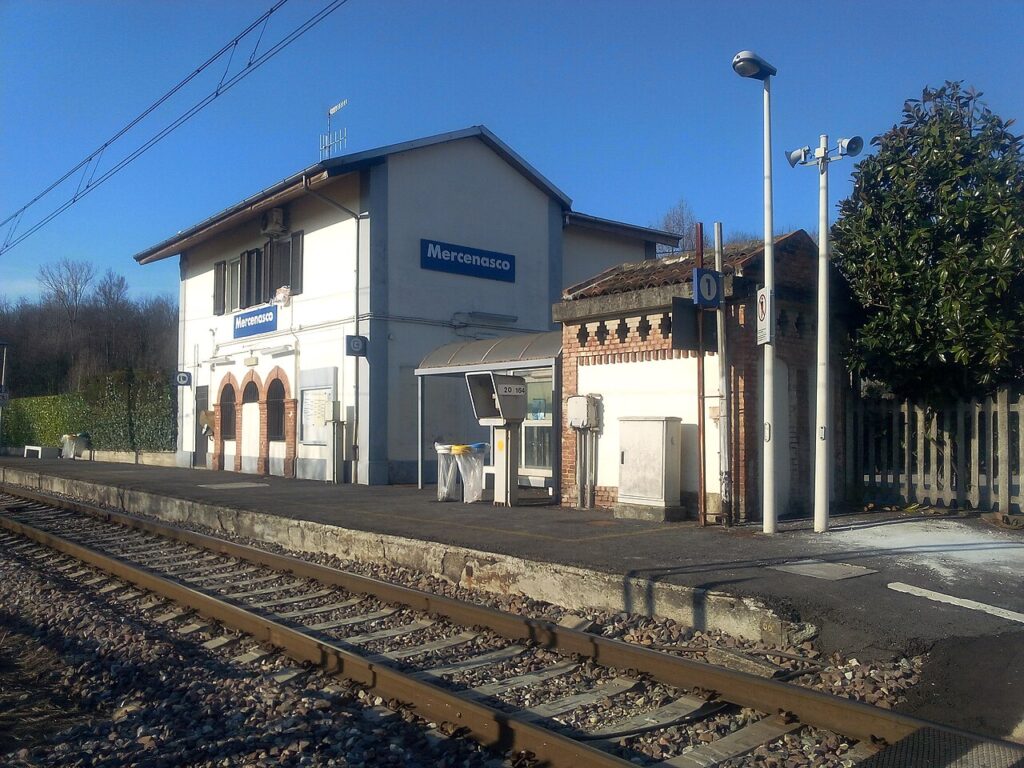
Mercenasco can be reached from Turin and the surrounding Canavese region. The practical distances and journey times below are kept concise on purpose, so the access information stays clear and consistent.
| Departure | Distance | Time |
|---|---|---|
| Turin (city centre) | 34 km | mandno di 40 min |
| Ivrea (stazione FS) | approx. 20 km | approx. 25 min |
| Milano | approx. 110 km | approx. 1 hour and 20 min |
| Turin Caselle Airport | approx. 30 km | approx. 30 min |
These practical reference points are enough to plan the journey without overloading the text with unstable logistics. Once on site, the village is best understood slowly, on foot and in relation to the surrounding landscape.
Frequently asked questions about Mercenasco
How far is Mercenasco from Turin, and what is the best way to reach it by car?
Mercenasco is located approximately 30 kilometres north of Turin in the Canavese region. By car, take the motorway towards Ivrea and exit towards Canavese. The village sits at 249 metres altitude on the Piedmontese hills. Allow 40-50 minutes driving time from Turin city centre. Parking is available in the village centre near the church and castle areas.
When is the best time to visit Mercenasco?
The patron saint feast of Santa Maria Maddalena is celebrated on 22 July, marking the highlight of the local calendar with traditional festivities. Late spring through early autumn offers pleasant weather for exploring the hilltop village and enjoying views across the plain. The Canavese region's vineyards are particularly beautiful during harvest season in September-October.
What are the main attractions to visit in Mercenasco?
Two primary attractions define Mercenasco: the Castello Benso di Mercenasco, a neogothic residence with landscaped park offering private events and guided tours, and the baroque church of Santa Maria Maddalena, positioned at the village edge with expansive views of the plain below. A Roman stele from the first century stands at the parish church, testifying to ancient settlement.
How long should I plan to spend in Mercenasco?
A comfortable visit to Mercenasco typically requires 2-3 hours to explore the village centre, visit the church and castle exterior, and enjoy the hilltop views. If booking a guided tour of Castello Benso di Mercenasco, add 1-2 hours. The small population of 1,334 reflects the village's intimate scale, making it ideal as a half-day excursion from Turin.
Is Mercenasco suitable for cycling enthusiasts?
Yes, Mercenasco's location in the Canavese—a subalpine territory of glacial moraines and rolling hills—makes it attractive for cycling. The region features numerous documented cycling paths connecting small comuni throughout the area. The 249-metre altitude and hill terrain provide moderate cycling challenges suitable for leisure and intermediate riders exploring Piedmont's wine country.
📷 Photo Gallery — Mercenasco
In Piedmont More villages to discover
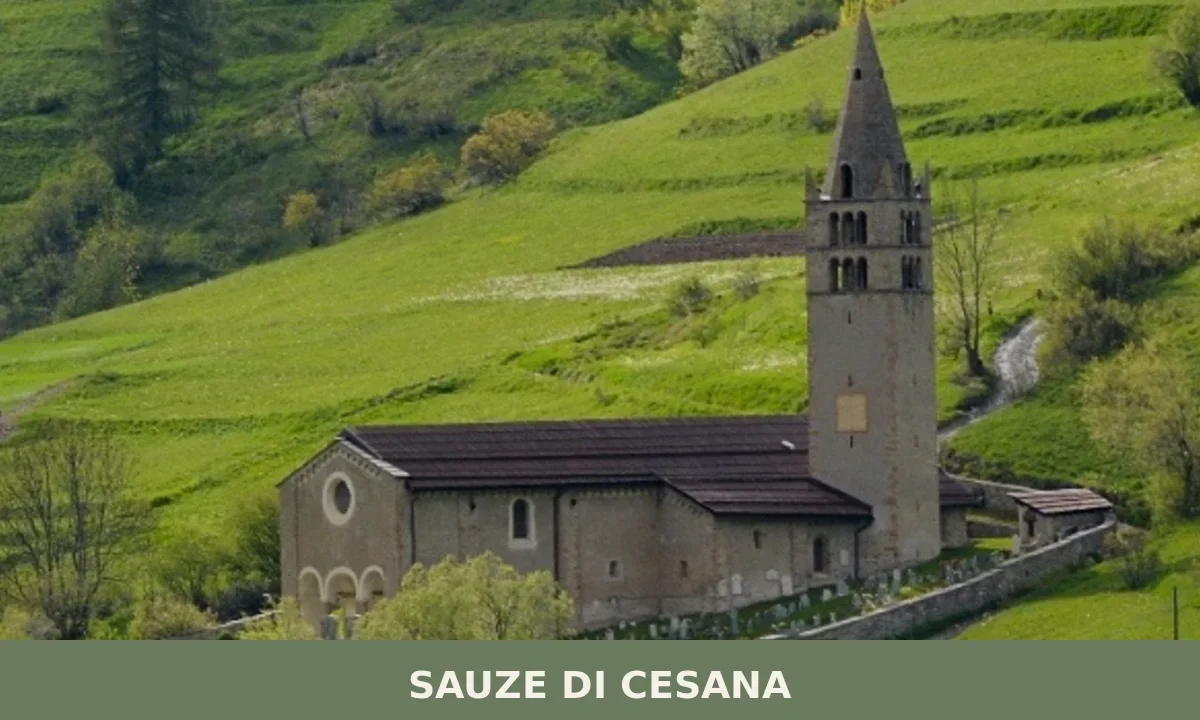
Sauze di Cesana
 Mountain
Population 226. A high-altitude mountain village in Val di Susa where stone architecture and a century of territorial struggle have shaped identity more than monuments.
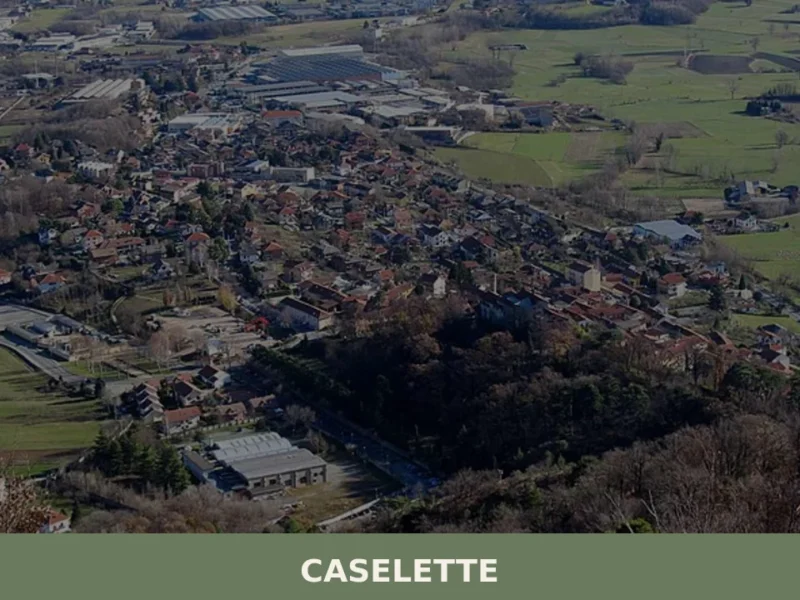
Caselette
Hills
At the foot of Monte Musinè, where the plain of Turin gives way to the first folds of the Val di Susa, a mass of rock the size of a house sits in open ground. The Pietra Alta, one of the largest glacial erratics in the whole of Piedmont, was deposited here by glacial movement […]
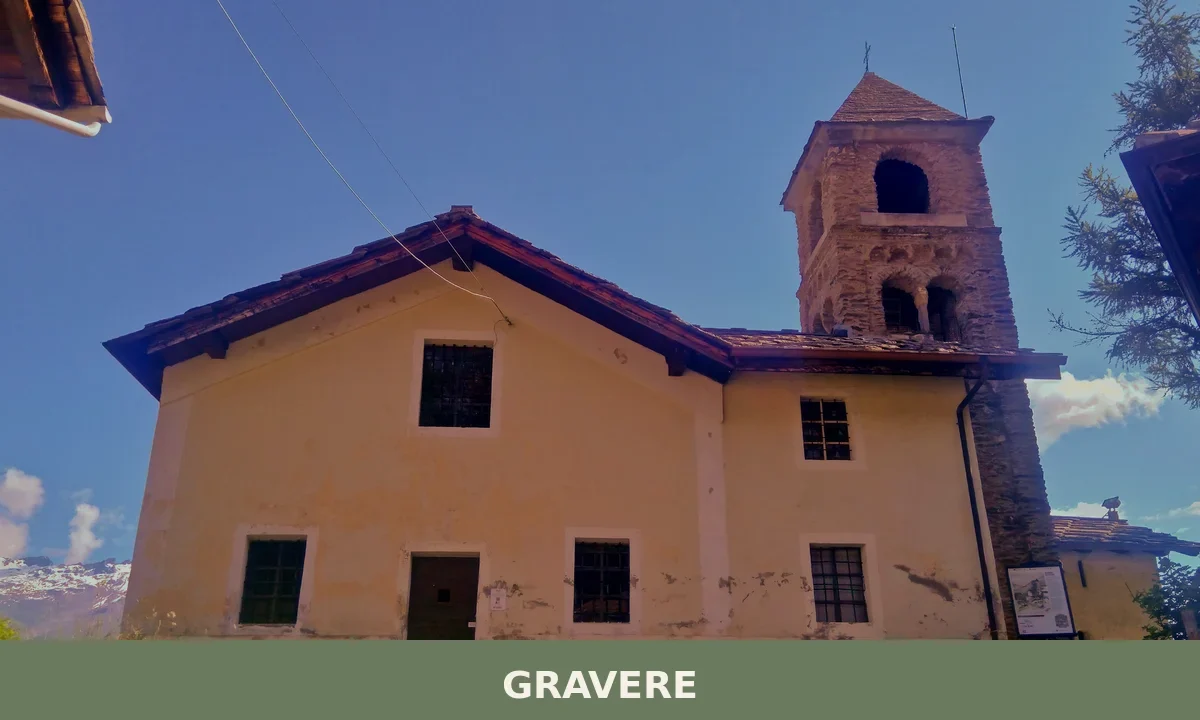
Gravere
Mountain
681 residents, 10 scattered hamlets, and four centuries of life between two kingdoms. Gravere village in Piedmont traces its identity through stone boroughs and seasonal Alpine rhythms.
Oglianico
Hills
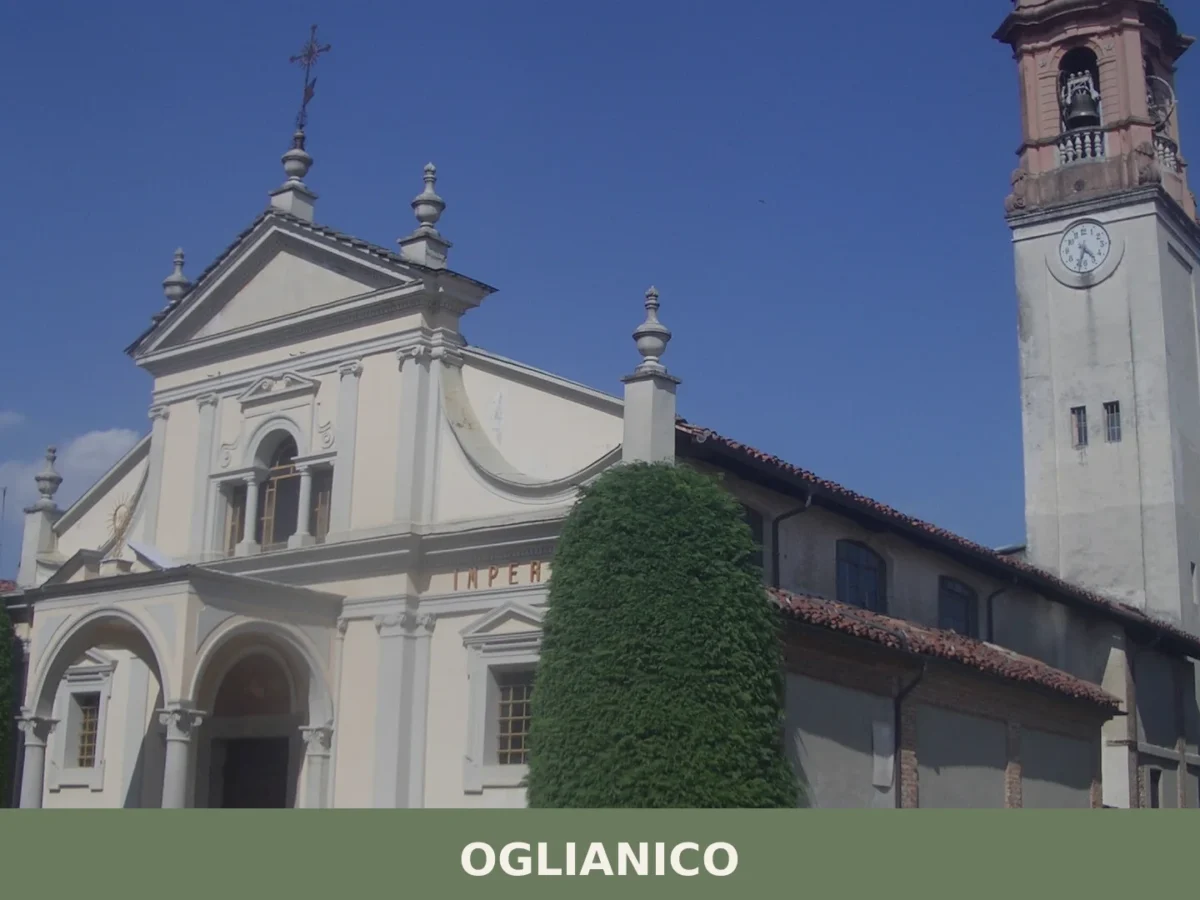
1,428 residents, a medieval gate-tower reproduced in Turin and frescoed chapels: Oglianico offers concentrated Canavese history in a compact, walkable village.
Arignano
Hills
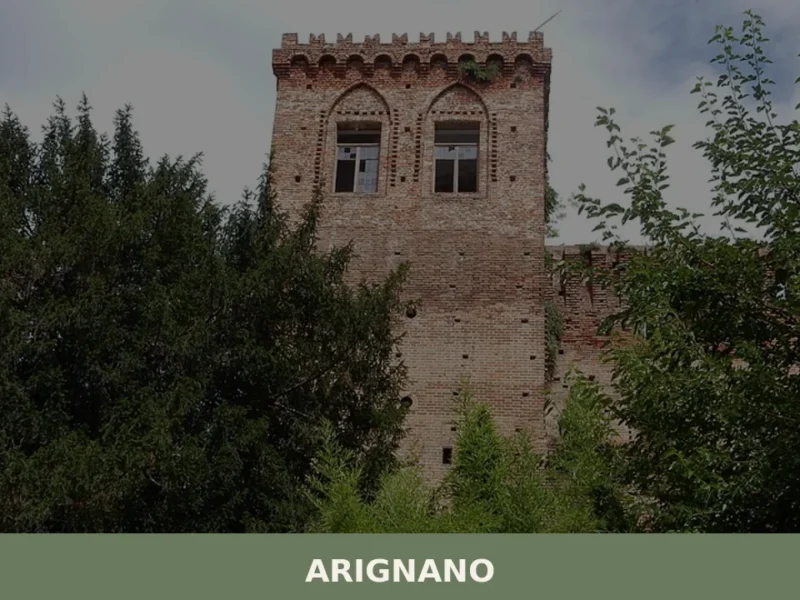
What to see in Arignano in Piedmont: castle, church, hill trails, traditional cuisine, and practical information for visiting the village at 321 m a.s.l.
Foglizzo
 Plains
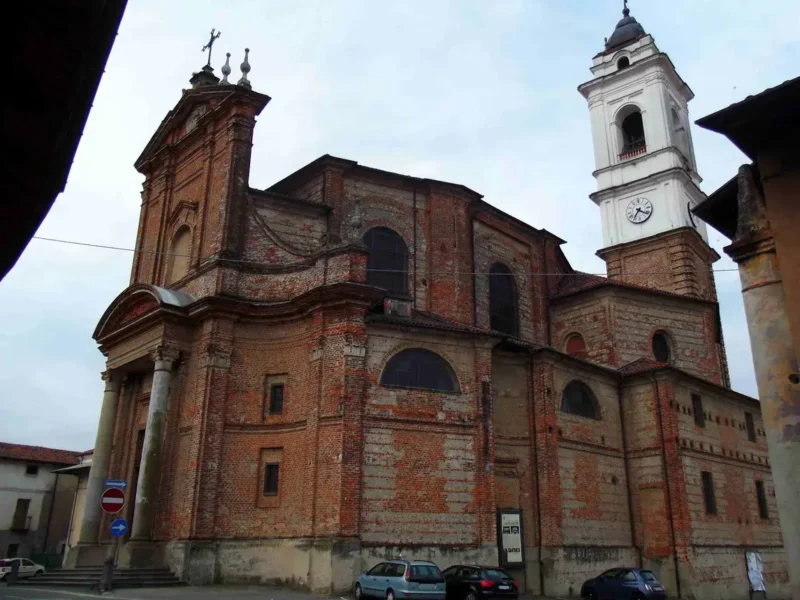
Scopri Foglizzo, affascinante borgo del Piemonte ricco di storia, tradizioni e paesaggi mozzafiato. Una meta imperdibile per chi ama l'Italia autentica.
Bollengo
Hills
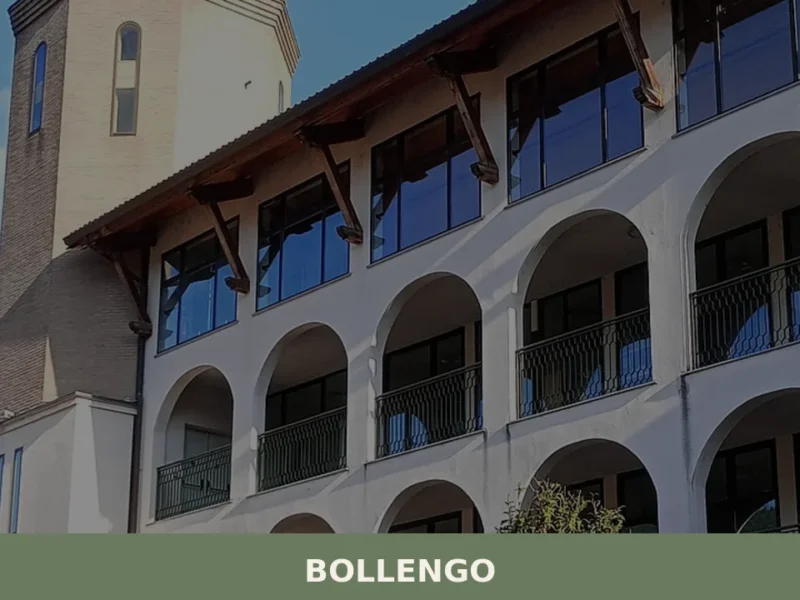
Discover what to see in Bollengo, a 2,089-resident comune in the Canavese area of Piemonte: morainic landscapes, Erbaluce DOCG wines, and rural architecture.
Mezzenile
Mountain
734 residents, one river bank, and a territory stretching from valley floor to high ridge. Mezzenile rewards visitors with cave systems, mountain lakes and a craftsmen's ecomuseum.
Campiglione Fenile
Plains
Fifteen kilometres separate Campiglione Fenile from Pinerolo, and that distance is enough to create a perceptible shift: the noise of the city gives way to the compact silhouette of Piedmontese farmsteads, to the double-pitched roofs that cut across the Po Valley sky towards the Cottian Alps. In this article History and origins of Campiglione Fenile […]

Ostana
Mountain
87 residents, three languages and one of the most dramatic alpine backdrops in Piedmont. Ostana rewards visitors who travel slowly and look closely.
🏡 Know Mercenasco better than we do?
If you’re a local or have been there, your knowledge matters: add what’s missing or fix a detail on this page.