


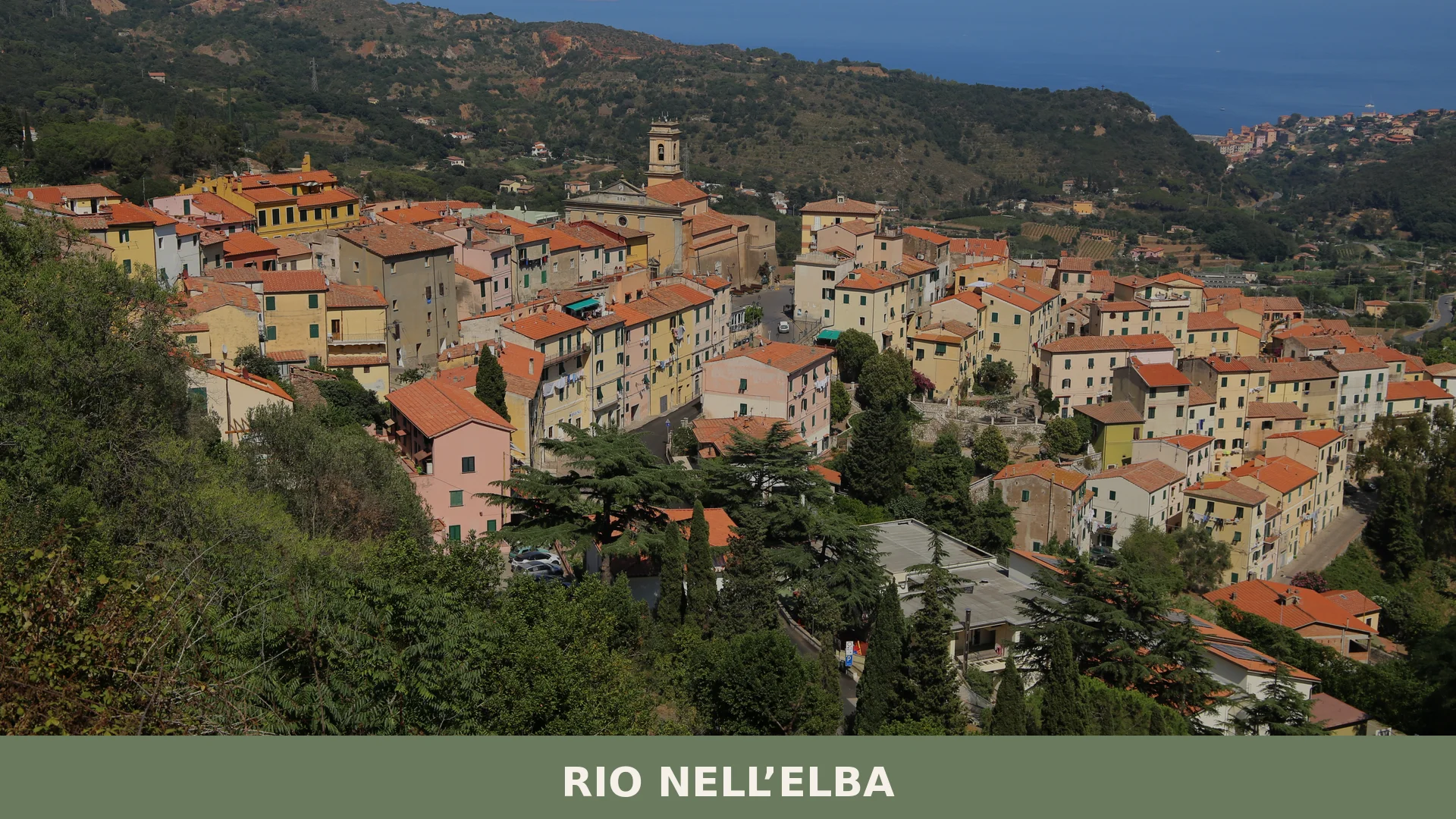

Rio nell’Elba is a historically documented village on the island of Elba, Tuscany, with origins recorded from 1260 and a layered heritage shaped by iron mining, medieval institutions and sixteenth-cen
Discover Rio nell’Elba
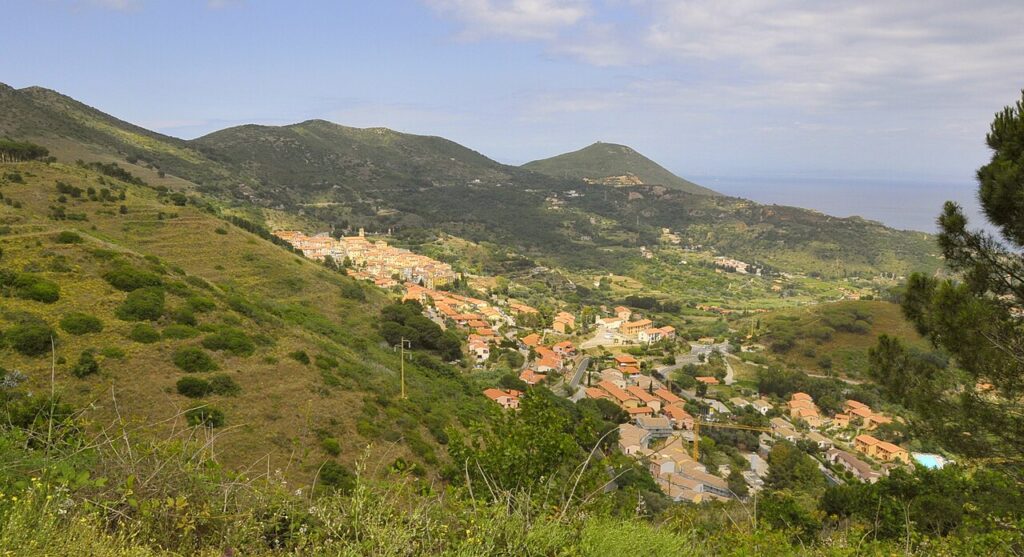
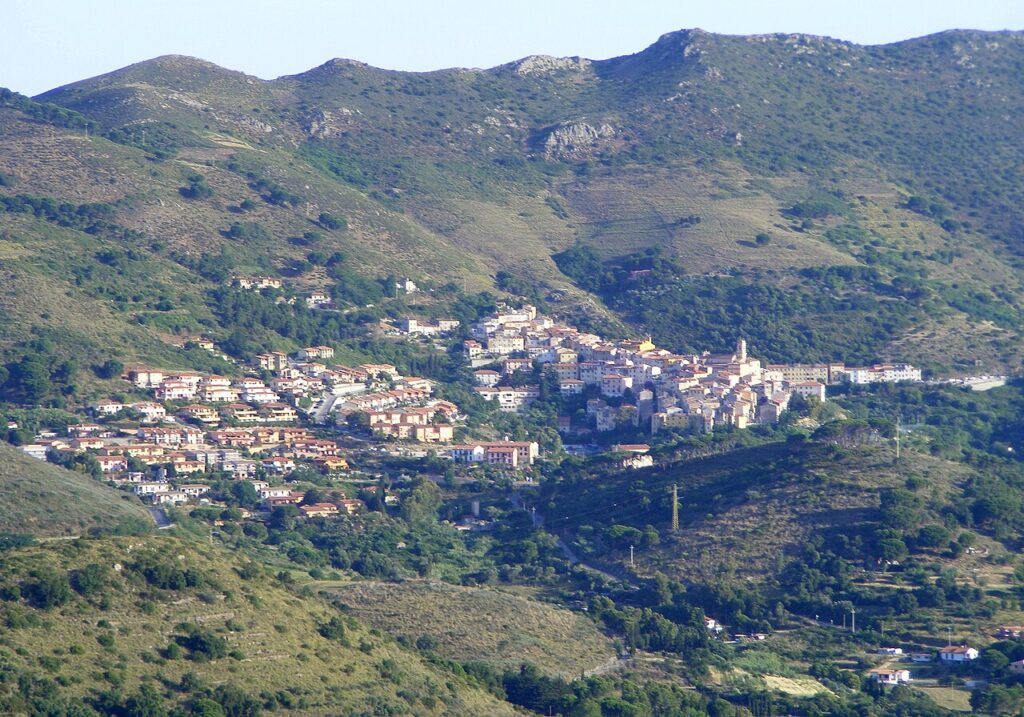
Rio nell’Elba is a village on the island of Elba, in the province of Livorno, Tuscany, with a recorded municipal history dating to 1260, when it appears in documents under the name Comune Rivi — a designation drawn from the Latin rivus, referring to the substantial watercourse that runs nearby. The settlement grew within the eastern Elban iron-mining district, at the foot of Monte Capannello, alongside the neighbouring mining village of Grassera, and its population today stands at 1181 inhabitants within the municipality of Rio, formed on 1 January 2018 by the merger of Rio nell’Elba with Rio Marina.
The Rio nell’Elba village in Tuscany carries its age openly: a church documented since 1361, a hospital once administered from Pisa, records of corsair raids in the sixteenth century, and an iron-mining tradition still visible in the village’s heraldic symbols all give the settlement a layered historical character that sets it apart within the Elban archipelago.
Rio nell’Elba village in Tuscany: history from documented origins to the present
Rio nell’Elba is a settlement on the island of Elba with recorded history stretching back to 1260, when it appears in documents as Comune Rivi, a name derived from the Latin rivus meaning “stream,” in reference to the copious watercourse flowing nearby. The village developed within the eastern Elban iron-mining district, at the foot of Monte Capannello, alongside the neighbouring mining settlement of Grassera. By 1361 the church of San Giacomo Apostolo was sufficiently established to be cited in the Possessiones Hospitalis Sancti Iacopi de Rio Ylbe, a document recording the hospital’s landholdings and the inventory of sacred objects and vestments held there; the associated Spedale di San Giacomo depended, throughout the fourteenth century, on the Ospedale Santa Chiara in Pisa.
Around 1454 the young Pietro Cirneo, employed in transporting iron from the mines to the landing-point at Rio Marina, visited the village and described it as unfortified — «Arigum oppidum non muratum». That vulnerability proved costly: in 1534 a violent night raid by Khayr al-Din Barbarossa destroyed Grassera, and the village was devastated again in 1553 and 1555 by Dragut. A supplica of 1556, addressed by the population of Rio to the Grand Duke Cosimo I de’ Medici, offers direct testimony to the suffering caused by those incursions, with inhabitants describing their church in ruins and appealing for protection against further corsair attacks. The Statuta Rivi, the statutory code governing local social life, took shape from the sixteenth century onwards.
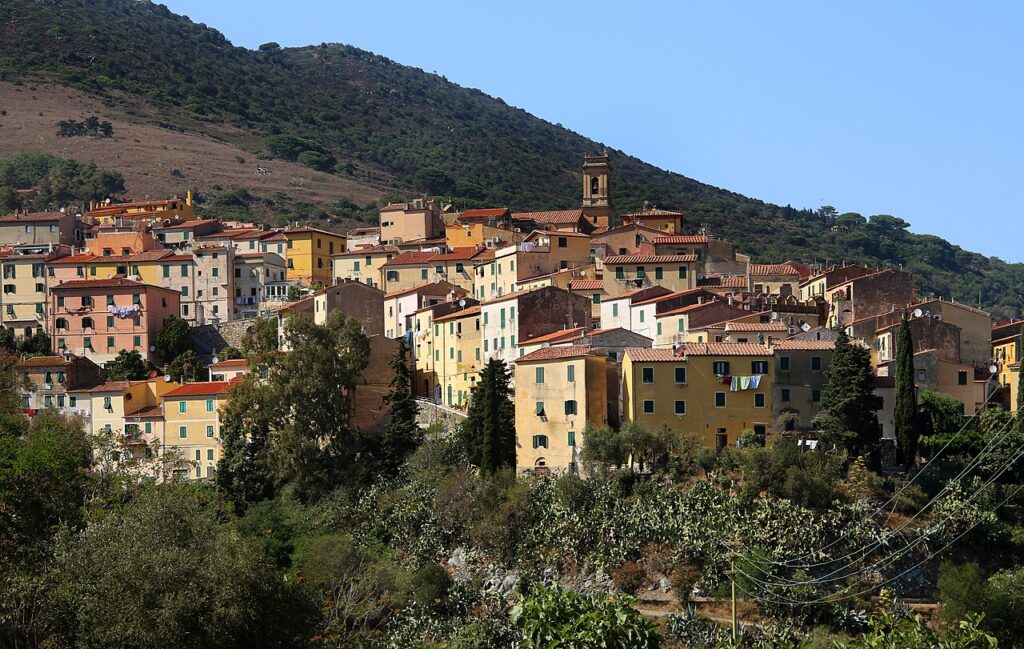
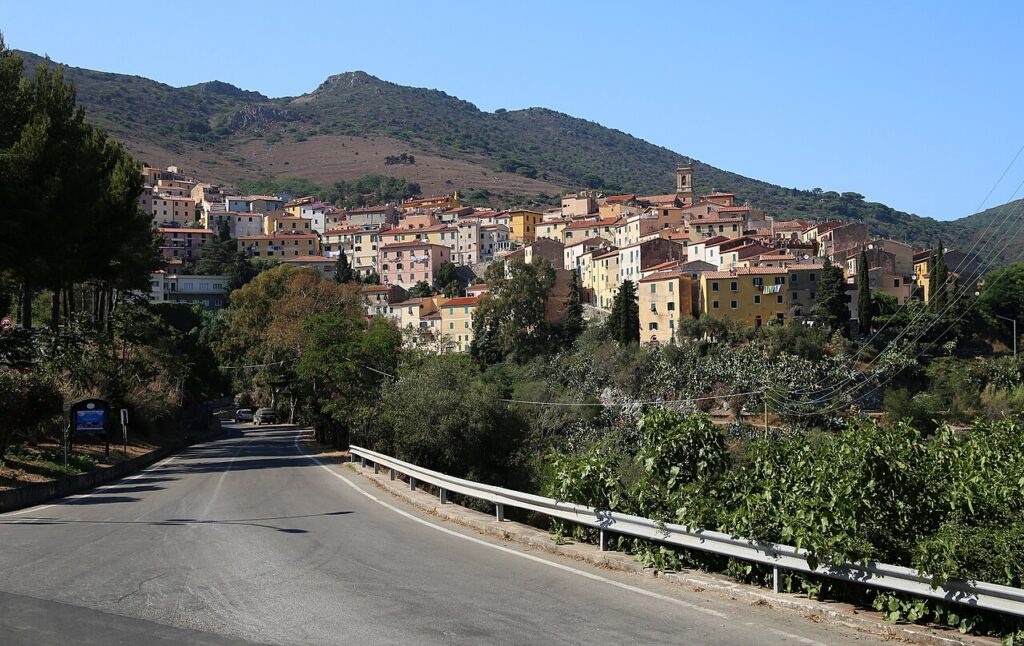
Later centuries brought different preoccupations. In 1762 Alberto Giuseppe Buzzegoli composed a treatise on the mineral water rising near Rio, characterised by iron and aluminium sulphates, a source already known and remarked upon before his writing. The village’s medieval street pattern — narrow, winding lanes opening onto small squares — survived into the modern era and remains a defining physical feature. The Fontana di Barabba, composed of two Carrara marble elements, a bearded mask and a small basin in Lombard style, was produced in Pietrasanta in the early 1970s following a design commissioned by the municipality; its popular name derives from the nickname of the mason who installed it. On 1 January 2018, Rio nell’Elba merged with the neighbouring comune of Rio Marina to form the new comune of Rio, becoming a municipio within that enlarged authority.
Churches, Fountains and Gardens of Rio nell’Elba
Rio nell’Elba has three religious buildings, one notable fountain in marble, and a botanical garden open to visitors.
Chiesa patronale di San Giacomo Apostolo
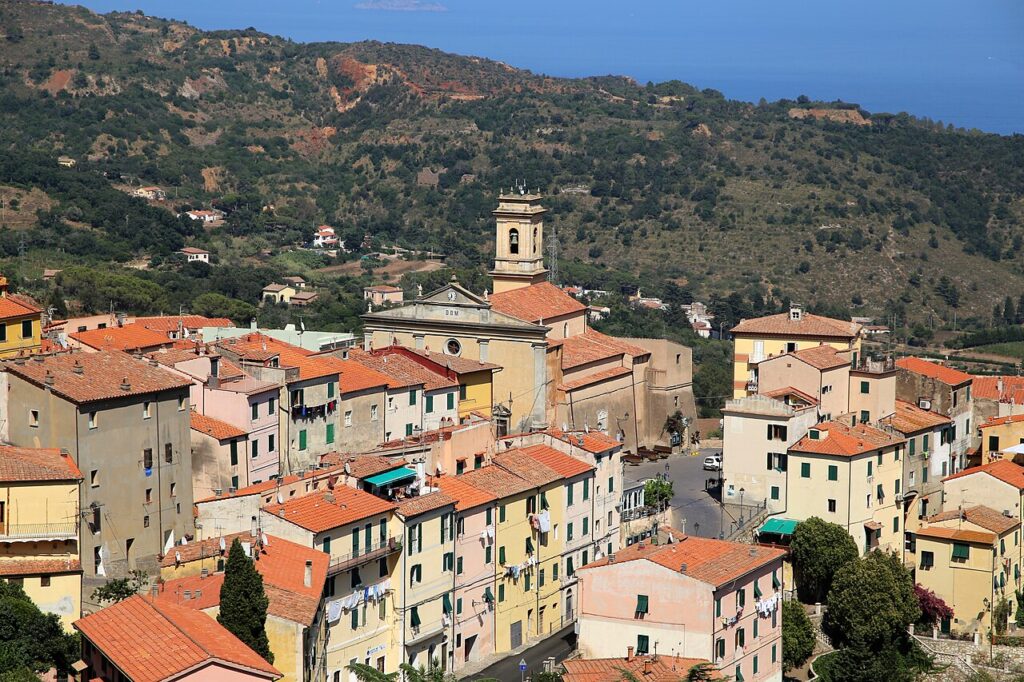
The parish church dedicated to Saint James the Apostle is the oldest recorded religious structure in the village. It appears in a 1361 document, the Possessiones Hospitalis Sancti Iacopi de Rio Ylbe, which lists the possessions of its associated hospital in the territories of Cruce and Grassera and provides an inventory of its sacred objects and vestments. The hospital attached to the church was under the authority of the Ospedale Santa Chiara of Pisa throughout the fourteenth century.
Chiesa del Patreterno e della Santissima Trinità
A second church in the village, dedicated to the Eternal Father and the Most Holy Trinity. The sources record its name and location without further architectural detail.
Eremo di Santa Caterina d’Alessandria
A hermitage dedicated to Saint Catherine of Alexandria. No further descriptive detail is available in the sources.
Fontana di Barabba
The fountain known as the Fontana di Barabba stands in the village and is composed of two elements in Carrara marble: a bearded mask and a small basin in Lombard style. Both pieces were made in Pietrasanta in the early 1970s, following a commission by the municipality of Rio. The popular name derives from the nickname of the mason who installed it.
Orto dei Semplici Elbano
A botanical garden located within the municipal territory of Rio nell’Elba. The sources record its existence without further detail.
Iron-Country Produce: Food and Local Products of Rio nell’Elba and Its Territory
Rio nell’Elba sits within the province of Livorno, a coastal Tuscan province whose waters and agricultural traditions shape the table throughout the island of Elba. The village and its surrounding territory are not associated in the sources with certified DOP or IGP designations, so no such claim is made here.
The broader Tuscan island context — shared with other Elban communities such as Marciana on the western side of the island — includes fish-based dishes, locally caught seafood, and the olive and wine traditions common to the Tyrrhenian coast, though these are regional characteristics rather than produce specific to Rio nell’Elba itself.
Planning your visit and getting there
| Departure | Distance | Time |
|---|---|---|
| Piombino (porto) → Rio Marina (traghetto) | approx. 18 km via marand | approx. 1 hour |
| Rio Marina → Rio nell'Elba | approx. 5 km | approx. 10 min |
| Grosseto → Piombino | approx. 90 km | approx. 1 hour and 15 min |
| Livorno → Piombino | approx. 95 km | approx. 1 hour and 20 min |
These practical reference points are enough to plan the journey without overloading the text with unstable logistics. Once on site, the village is best understood slowly, on foot and in relation to the surrounding landscape.
Frequently asked questions about Rio nell’Elba
When is the feast day of San Giacomo, the patron saint of Rio nell'Elba?
San Giacomo (Saint James) is celebrated on July 25th each year. This is the principal feast day for Rio nell'Elba and typically involves religious ceremonies, local gatherings, and traditional celebrations throughout the village. It represents an important cultural moment in the community's calendar and offers visitors an authentic glimpse into local traditions and village life during this festive period.
How do I reach Rio nell'Elba by car and ferry?
Rio nell'Elba is located on the island of Elba in the province of Livorno, Tuscany. Access requires driving to the Tuscan coast and taking a ferry to Elba. The nearest mainland ports are Piombino (approximately 10 km from ferry terminals) and Porto Azzurro. From Piombino, regular ferries operate to Elba's ports. Once on the island, Rio nell'Elba is accessible by car. Allow time for ferry crossings when planning your journey.
What is the elevation and population of Rio nell'Elba?
Rio nell'Elba sits at an altitude of 150 meters above sea level. The village has a population of approximately 1,181 inhabitants. Following the 2018 municipal merger with Rio Marina, the combined municipality of Rio was formed on January 1st, 2018. This modest population size preserves the village's authentic character and peaceful atmosphere, making it ideal for visitors seeking quieter Tuscan island experiences away from crowded tourist zones.
What historical sites can I visit in Rio nell'Elba?
Rio nell'Elba's Church is documented from 1361, representing over 660 years of continuous religious and community history. The village also preserves evidence of its iron-mining heritage through heraldic symbols and historical records, including documentation of sixteenth-century corsair raids. These layers of history—medieval origins (first recorded as Comune Rivi in 1260), Renaissance institutional presence from Pisan administration, and maritime heritage—create a rich historical tapestry accessible through the village itself.
What does the name 'Rio nell'Elba' mean and why was it chosen?
The village's original medieval name 'Comune Rivi' derives from the Latin word 'rivus,' meaning stream or watercourse. This designation references a substantial watercourse that flows near the settlement. Rio nell'Elba essentially means 'Rio (Stream) in Elba,' preserving this ancient reference to the important water source that historically supported the settlement's development and growth within eastern Elba's iron-mining district.
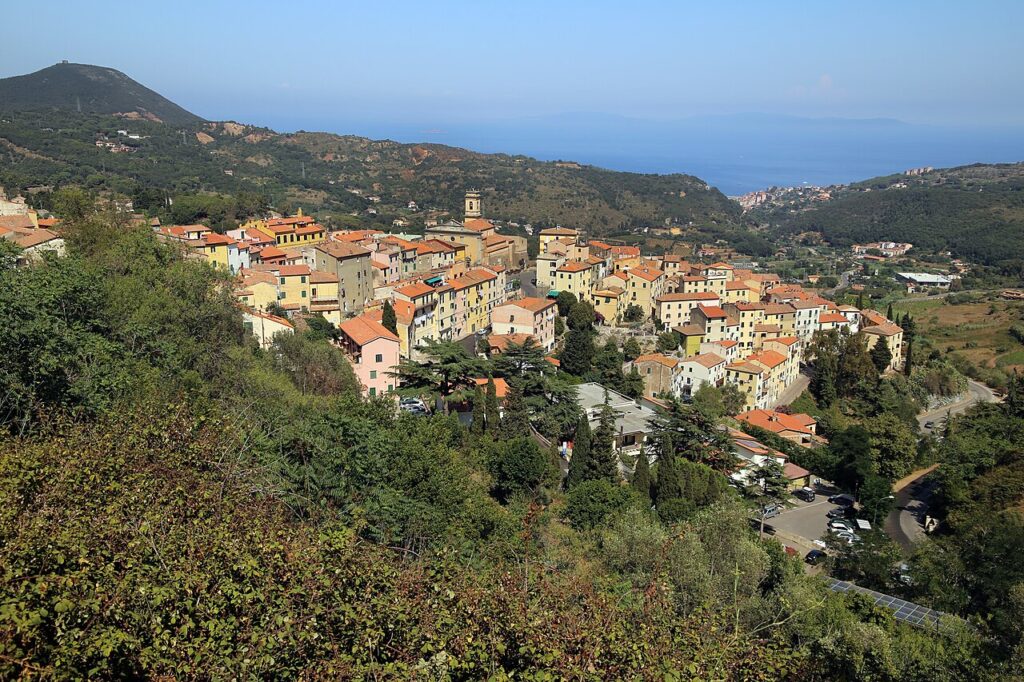
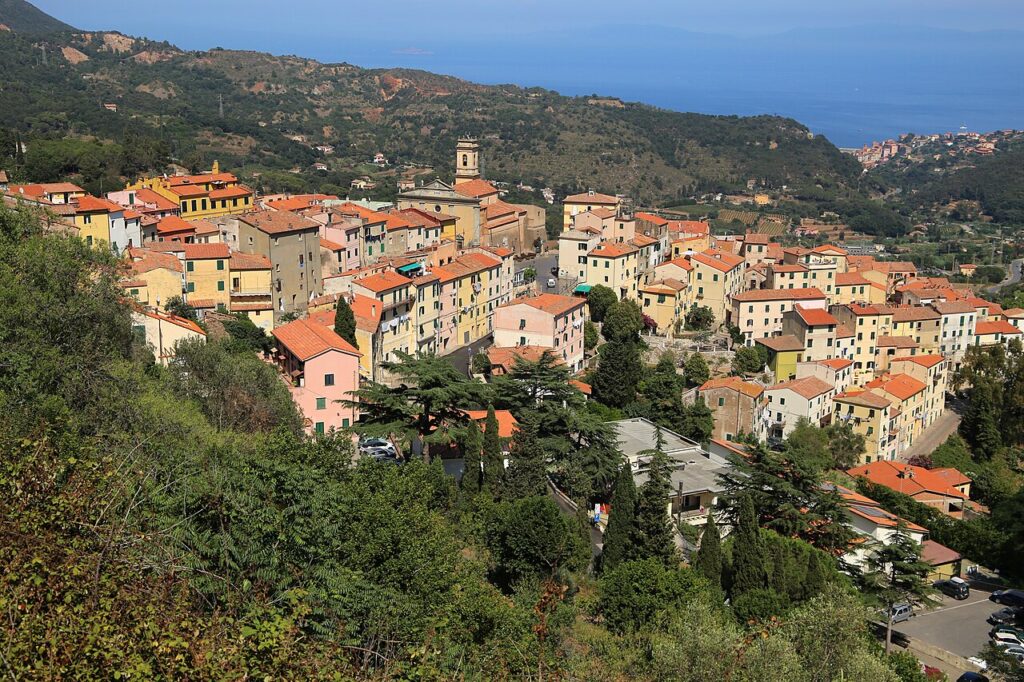
📷 Photo Gallery — Rio nell’Elba
In Tuscany More villages to discover
Pisa
 Sea
Sea
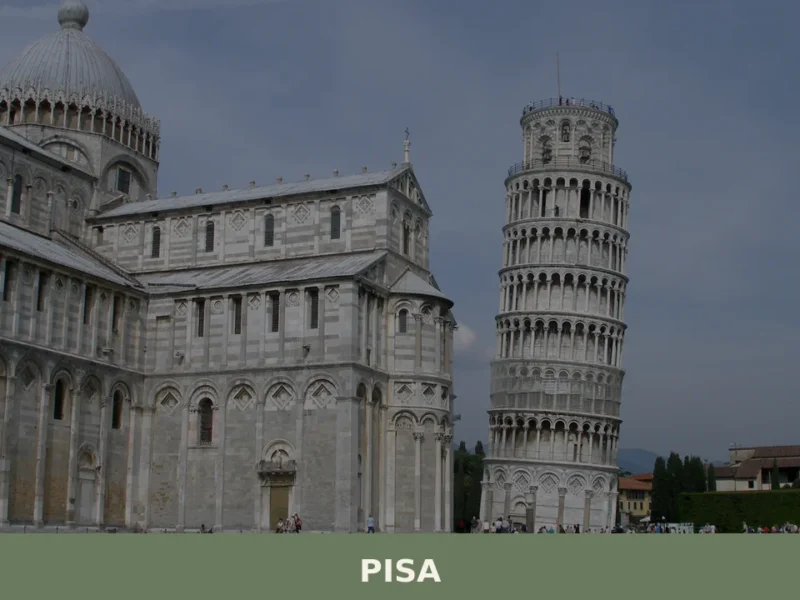
What to see in Pisa: Leaning Tower, UNESCO Piazza dei Miracoli, Regata di San Ranieri on 17 June — city of 86,263. Plan your visit with our complete guide.
Capannori
 Plains
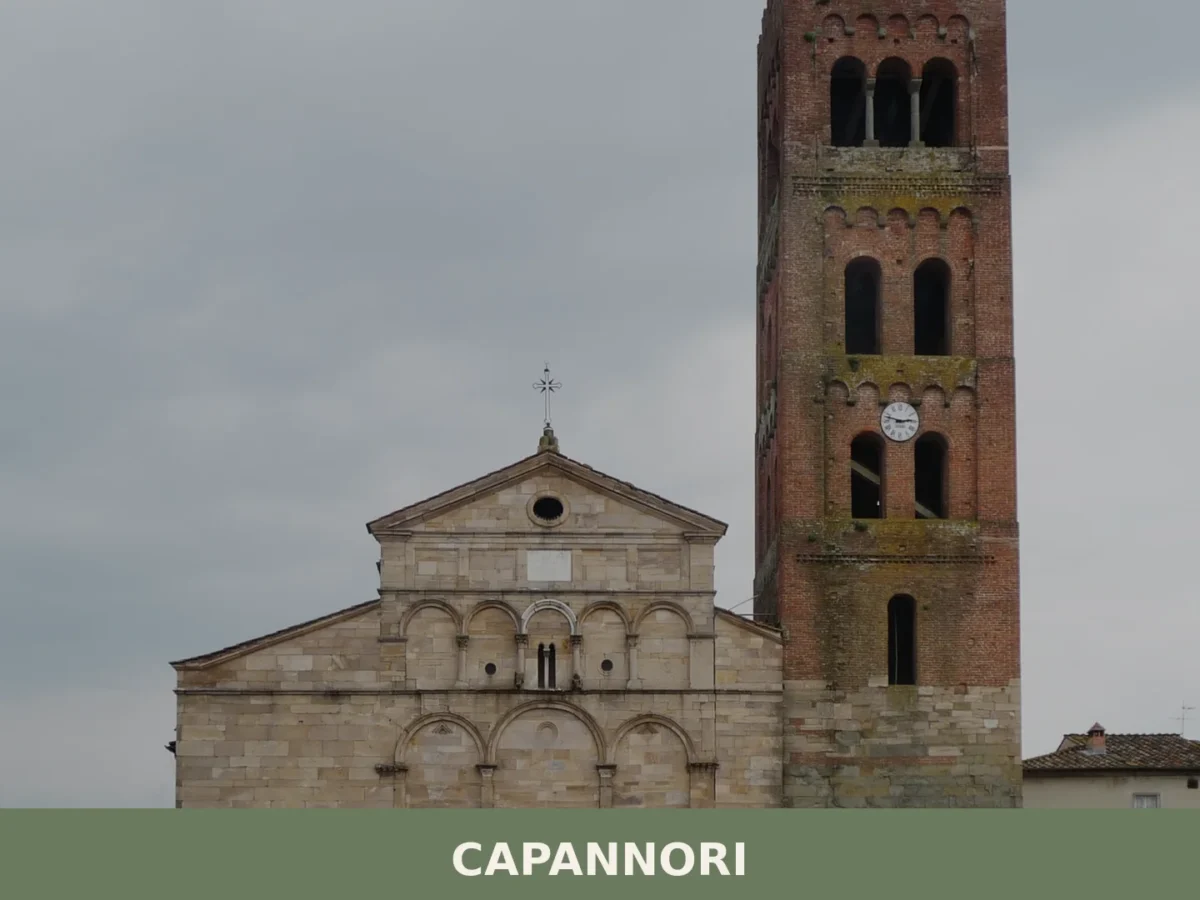
Capannori is a large, multi-hamlet municipality in the province of Lucca, where Baroque villas, medieval churches and the Via Francigena pilgrim route unfold across the Piana di Lucca.
Camporgiano
 Hills
Hills
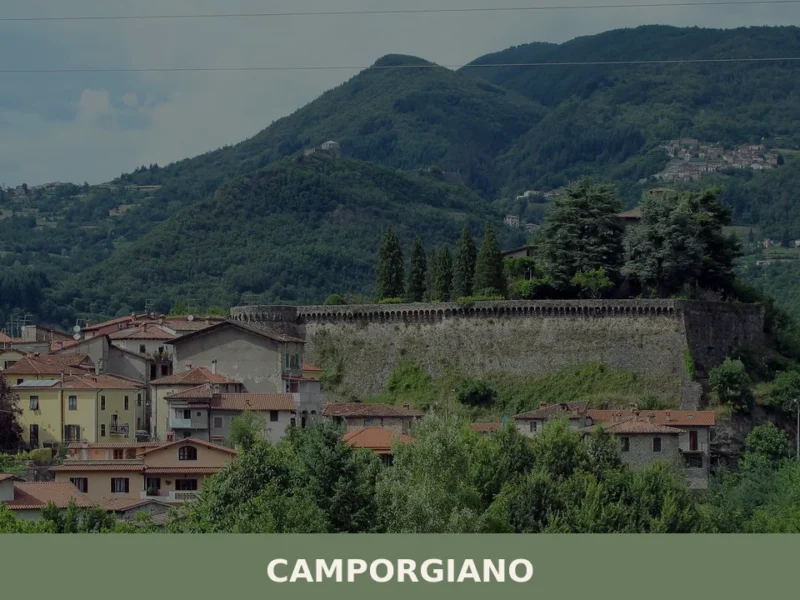
Camporgiano is a mountain comune in the Garfagnana, Lucca province, standing at 486 metres with 1,988 residents and a medieval skyline dominated by the Rocca Estense.
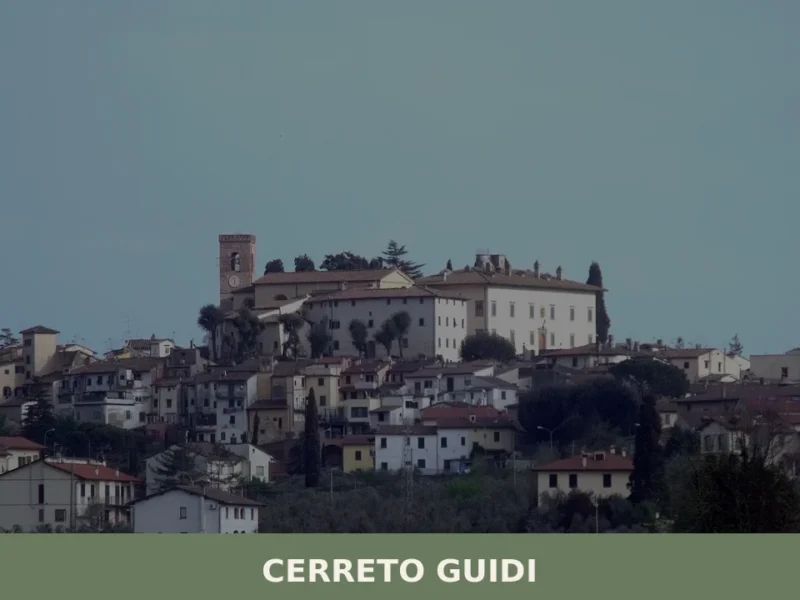
Cerreto Guidi
Plains
A low plain spreads west of Florence, and at 30 kilometres (19 mi) from the city the land rises just enough — to 123 metres (404 feet) above sea level — for a cluster of terracotta rooftops to stand out against the Tuscan sky. The municipality borders Empoli, Fucecchio, Vinci, and Lamporecchio, placing it at […]
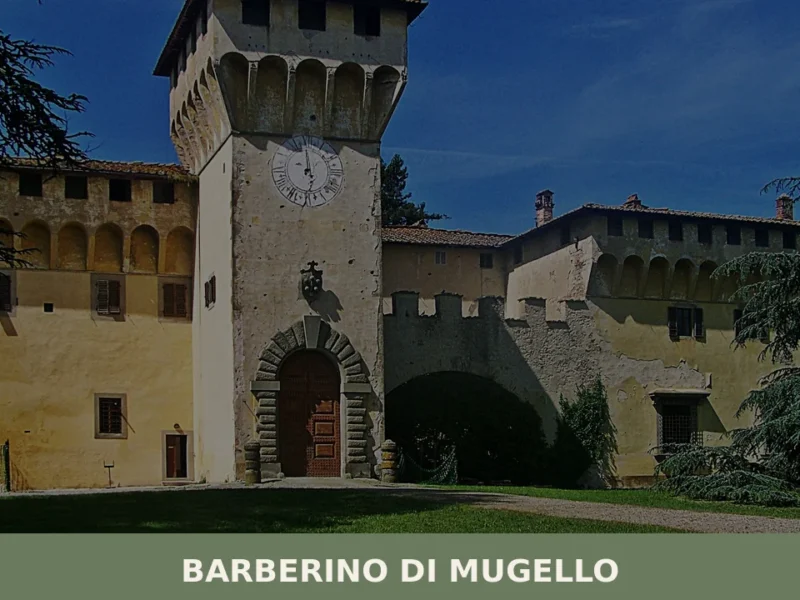
Barberino di Mugello
Hills
Barberino di Mugello is a Florentine hill town of around 10,939 residents in the Mugello valley, where Apennine landscapes, ancient pilgrimage routes and medieval parish churches reward travellers hea
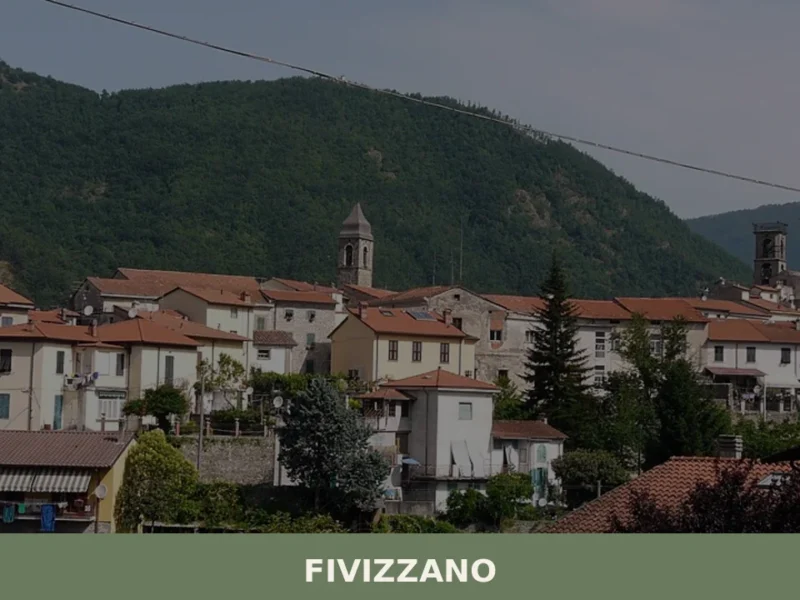
Fivizzano
Hills
In 1477 a printing press active in Fivizzano produced an edition of Cicero’s Epistolae ad familiares, making this Lunigiana town one of the first places in Italy — and in Europe — to host the art of movable-type printing. The village stands at 326 metres above sea level in the province of Massa and Carrara, […]
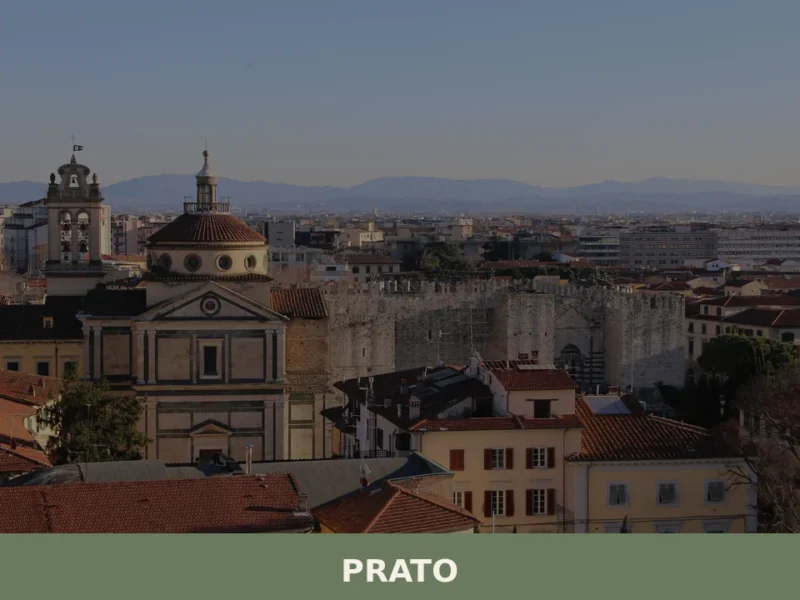
Prato
Plains
With nearly 187,000 inhabitants, Prato is the second most populous city in Tuscany and one of the largest urban centres in central Italy. Located on the plain between the Bisenzio river and the first foothills of the Apennines, the city has built a distinct identity over the centuries, defined by its textile industry, medieval art, […]
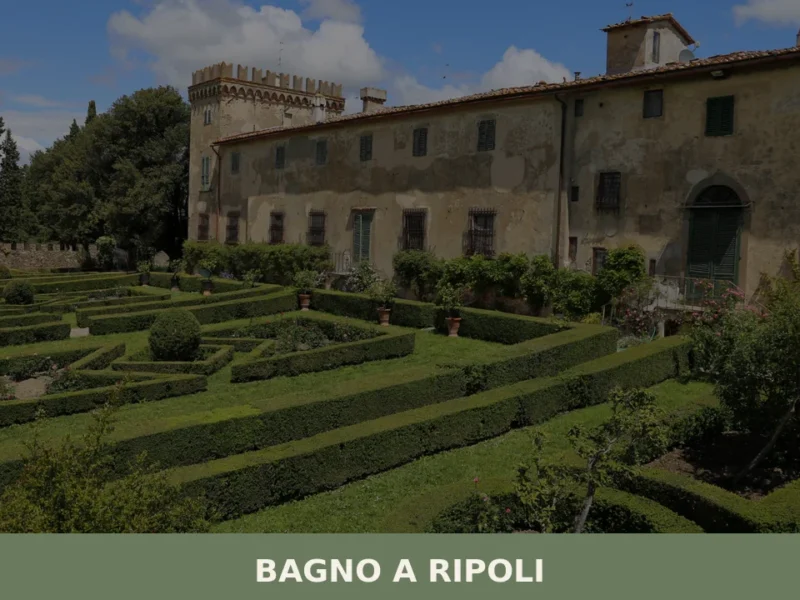
Bagno a Ripoli
Plains
Bagno a Ripoli is a hillside municipality east of Florence where medieval pievi, orchard-covered slopes and centuries-old villa estates make for a rewarding and unhurried Tuscan experience.
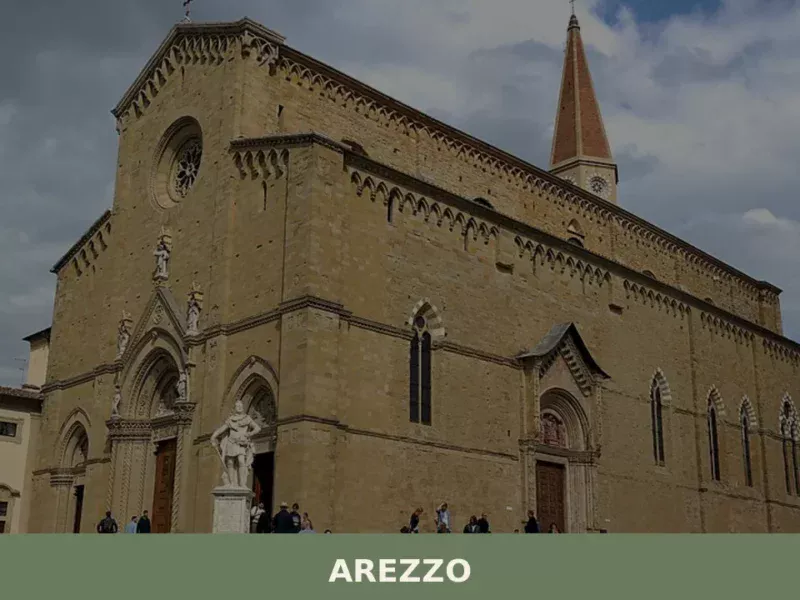
Arezzo
Hills
Discover Arezzo, a charming village in Tuscany, Italy. Explore its rich history, stunning architecture, and vibrant culture nestled in the heart of Toscana.
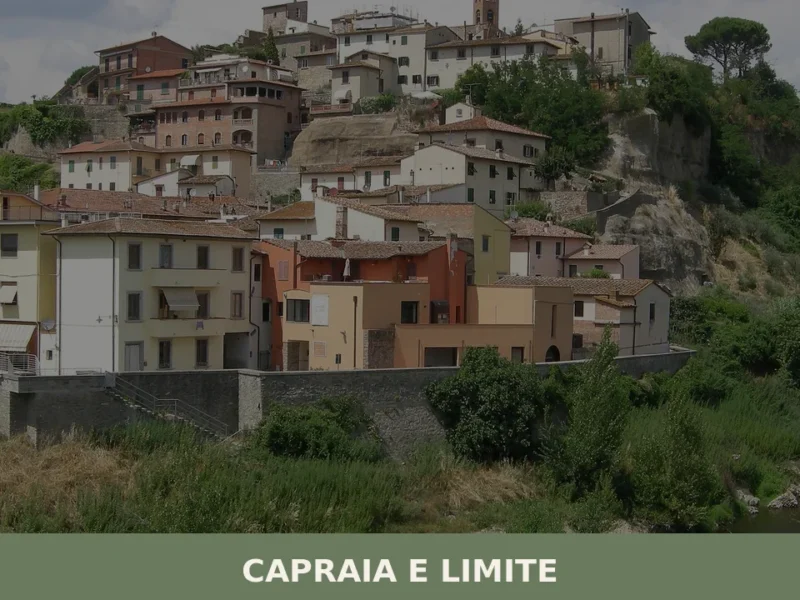
Capraia e Limite
Plains
The Arno moves slowly past the low embankment at Limite sull’Arno, its surface carrying the same grey-green light it has carried for centuries. The riverbank here is not decorative: from the 18th century onward, this stretch of the river functioned as a working yard where timber hulls took shape for the Grand Duchy of Tuscany. […]
🏡 Know Rio nell’Elba better than we do?
If you’re a local or have been there, your knowledge matters: add what’s missing or fix a detail on this page.