


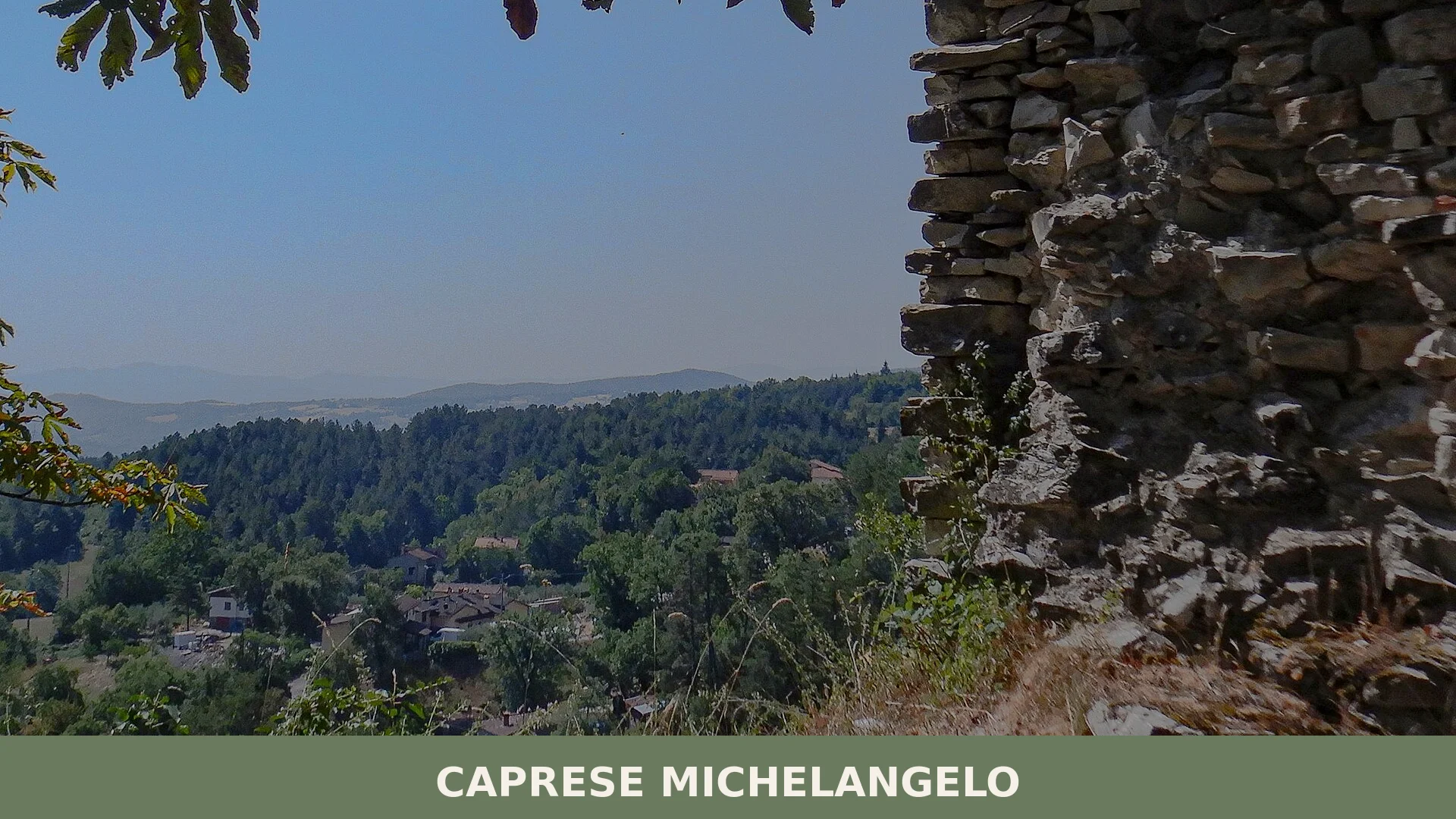

Caprese Michelangelo is a hilltop comune in the province of Arezzo, Toscana, best known as the birthplace of Michelangelo Buonarroti and home to a medieval castle, a dedicated museum, and the DOP-cert
Discover Caprese Michelangelo
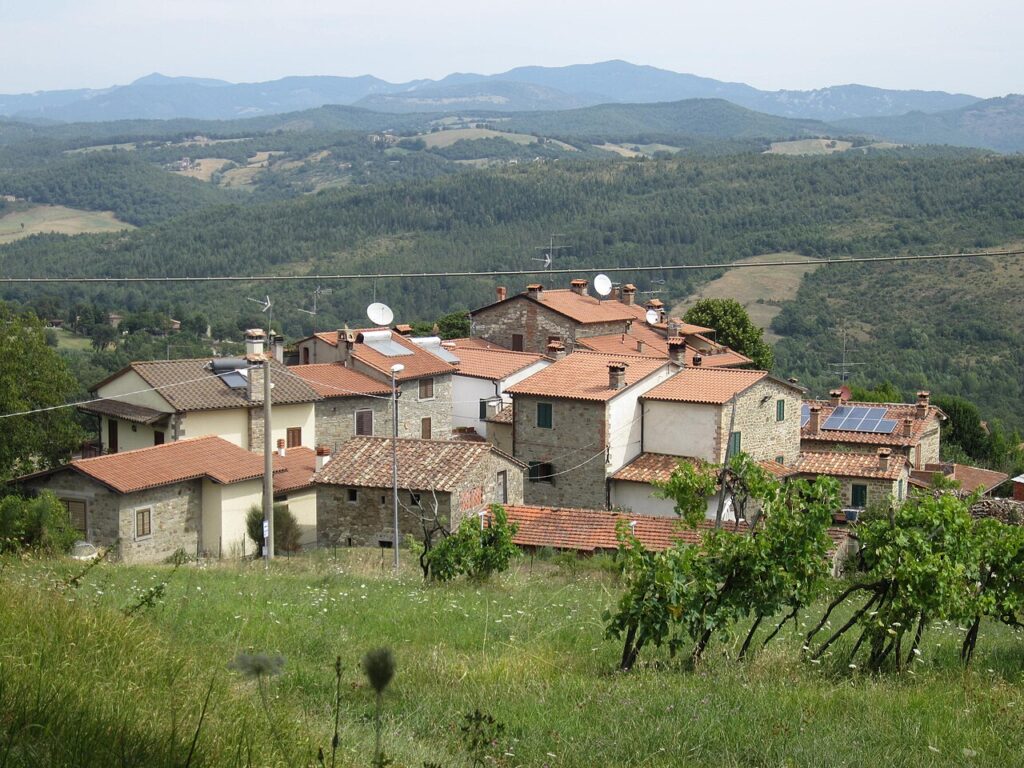
Caprese Michelangelo is a mountain village in the province of Arezzo, Tuscany, standing at 653 metres above sea level with a population of around 1,300 and a municipal area of roughly 67.36 square kilometres. It is known above all as the birthplace of Michelangelo Buonarroti, born here on 6 March 1475, a fact that has shaped the identity of this small community ever since its discovery in the nineteenth century and gave the village the second part of its name, officially added in 1913.
The Caprese Michelangelo village in Tuscany carries a documented past stretching back to at least 1011, when the toponym first appears in written sources, and its medieval castle, its pieve, its chestnut woods, and the museum dedicated to the great Renaissance artist give visitors a compact but genuinely layered destination in the Apennine hills between Arezzo and the Tiber valley.
Caprese Michelangelo village in Tuscany: history and origins
Caprese Michelangelo is a small Tuscan village whose documented history stretches back to at least 1011, when the toponym Caprese first appeared in written records, with the castle itself attested from 1082 as a possession of the lords of Galbino — and it is forever tied to the birth of Michelangelo Buonarroti on 6 March 1475 within its walls. The tradition ascribes the settlement’s earliest roots to the period of conflict between Lombards and Byzantines, though this origin remains traditionally attributed rather than firmly documented. In 1104 the castle and its surrounding territory passed to the Camaldolese order.
The centuries that followed were marked by the gradual decline of the castle, described in various accounts as ruined and uninhabited. A turning point came in the second half of the nineteenth century, when the discovery of Michelangelo’s birth record sparked a wave of restoration works and led to the creation of the first Michelangelo museum, now known as the Museo Casa Natale di Michelangelo Buonarroti. In 1913 the municipality formally added the name Michelangelo to Caprese, and in the same year a second heraldic element inspired by the Buonarroti family blazon was incorporated into the village’s gonfalon.
Birthplace of Michelangelo: the Castle Complex and Its Churches
Caprese Michelangelo preserves the medieval castle where Michelangelo Buonarroti was born on 6 March 1475, now home to the Museo Casa Natale di Michelangelo Buonarroti, along with a dedicated museum of his work, a handful of rural churches, and an abbey scattered across the surrounding hills.
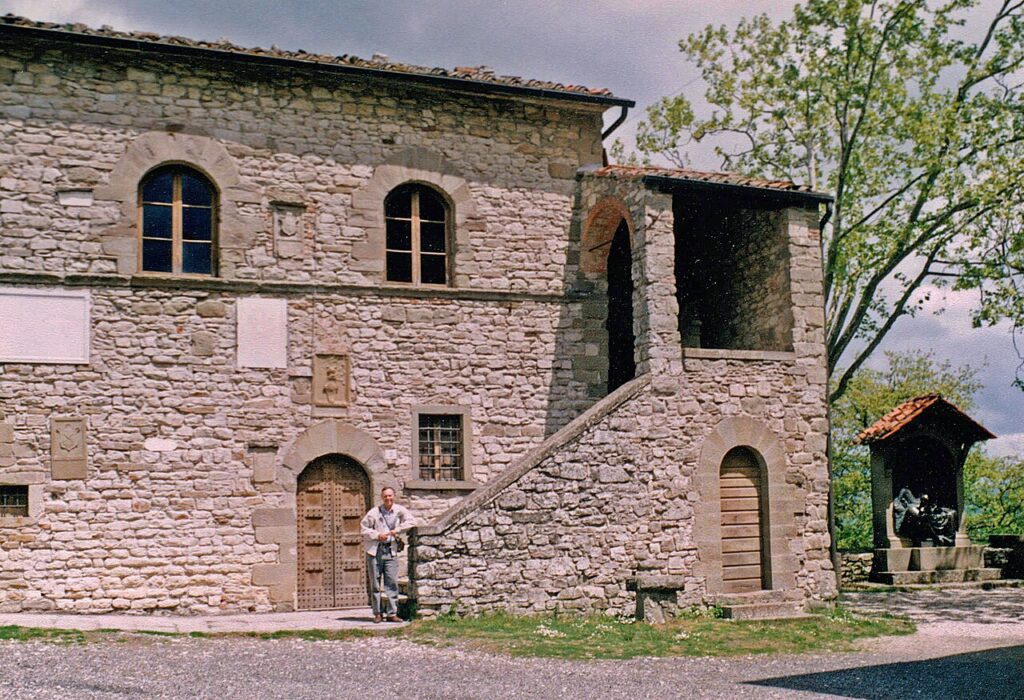
Castello di Caprese — Museo Casa Natale di Michelangelo Buonarroti
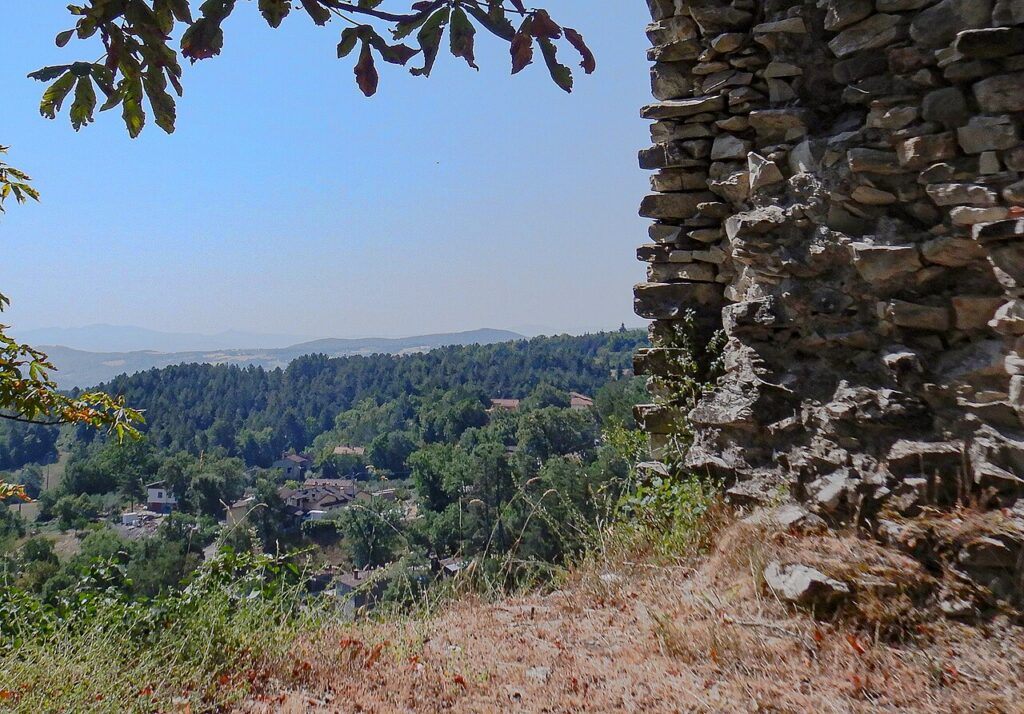
The castle complex at the heart of the village is directly tied to the birth of Michelangelo. After centuries of neglect — historical accounts describe it as ruined and uninhabited — the site was revived in the second half of the nineteenth century following the discovery of Michelangelo’s birth record. Restoration work followed, and the building was converted into a museum dedicated to the artist’s memory.
Museo Michelangiolesco
Though the museum’s origins trace back to the celebrations marking the centenary of Michelangelo’s birth in 1875, it was formally inaugurated in 1964, on the centenary of his death. Its holdings document his output through plaster casts of his works, and bring together sculptural pieces by nineteenth- and twentieth-century artists created in his honour.
Churches and Religious Buildings
Several places of worship are found across the municipal territory. The Chiesa di San Giovanni Battista and the Eremo La Casella are located within or close to the village centre. The Pieve dei Santi Ippolito e Cassiano and the Abbazia di San Martino a Tifi represent the area’s older religious heritage. The Chiesa di San Cristoforo a Monna and the Chiesa di San Paolo a Monna are among the more rural churches in the commune.
The Marrone of Caprese Michelangelo and the Flavours of the Casentino Borderlands
Caprese Michelangelo’s most distinctive food product is the Marrone di Caprese Michelangelo DOP, a variety of chestnut grown on the slopes around the village that earned Protected Designation of Origin status in 2010. Beyond this local pride, the broader provincial and regional table offers a generous range of certified products: Agnello del Centro Italia IGP, Finocchiona IGP, Cinta Senese DOP, and the well-known Cantuccini Toscani IGP are all part of the area’s food culture, though they are not exclusive to this commune.
Wine lovers will find the territory within reach of several Tuscan appellations, including Chianti DOCG, Val d’Arno di Sopra DOC, and Colli dell’Etruria Centrale DOC, among others. The IGT Colli della Toscana Centrale also covers the wider zone. These wines pair naturally with the cured meats and roasted chestnuts that characterise autumn meals in this part of the Apennine foothills.
Reaching Caprese Michelangelo: Practical Advice for Planning Your Visit
Caprese Michelangelo sits at around 653 metres above sea level in the inner mountain zone of Arezzo province, and the most practical base for arrival by road or rail is the city of Arezzo, roughly 40 kilometres to the southwest, from which winding mountain roads lead up into the village in circa 45 min by car. The surrounding landscape and the chestnut harvest make late spring and autumn the most rewarding seasons, while summer offers cooler temperatures than the Tuscan lowlands thanks to the altitude.
Visitors combining the area with a broader itinerary along the upper Arno valley might also consider stopping at San Giovanni Valdarno en route, or exploring the Mugello side of the Apennines via Vicchio. Caprese Michelangelo also lies along the Cammino di Assisi, a long-distance walking route of around 320 kilometres, making it a natural waypoint for pilgrims and hikers moving between Tuscany and Umbria.
| Departure | Distance | Time |
|---|---|---|
| Arezzo | approx. 40 km | approx. 45 min |
| Sansepolcro | approx. 20 km | approx. 30 min |
| Firenze | approx. 100 km | approx. 1 h 30 min |
These practical references help organise the journey clearly, while the village itself is best understood slowly and on foot once you arrive.
Frequently asked questions about Caprese Michelangelo
What is the best time to visit Caprese Michelangelo?
Late spring through early autumn (May–September) offers the most pleasant weather for exploring the mountain village and its surroundings. The patron saint feast of San Giovanni Battista on June 24th brings local celebrations. Summer provides ideal conditions for hiking the Apennine trails, while autumn displays the chestnut woods in vibrant colours. Winter can be cold at 653 metres elevation, making some mountain paths less accessible.
How do I reach Caprese Michelangelo by car?
From Arezzo, drive south on the SR71 towards the Tiber valley for approximately 35–40 kilometres. The village lies in the Apennine hills between Arezzo and the Tiber valley. For motorway access, use the A1 Florence–Rome motorway, exiting at Arezzo or Orvieto depending on your origin. Local roads wind through mountain terrain, so allow extra time and drive carefully on narrower sections near the village.
How long should I plan to spend in Caprese Michelangelo?
A half-day visit (3–4 hours) suffices for the main attractions: the medieval castle complex, the pieve church, and the Michelangelo museum. A full day allows leisurely exploration of the village, surrounding chestnut woods, and nearby walking trails. Visitors combining this with Casentino borderland exploration or Apennine hiking should allocate overnight accommodation to maximise the experience.
Are there documented hiking trails around Caprese Michelangelo?
The village sits within the Apennine hills with established mountain routes ideal for trekking. CAI (Italian Alpine Club) trails connect the area to surrounding peaks and valleys. The chestnut woods provide scenic walking routes. For specific trail details, distances, and difficulty ratings, contact local tourism information or consult CAI maps. Spring through autumn are optimal for hiking in this mountain environment.
What makes Caprese Michelangelo historically significant beyond Michelangelo's birth?
The village has documented origins dating to 1011 in written records, with the medieval castle attested from 1082 as a holding of the lords of Galbino. This pre-Renaissance heritage, combined with its pieve church and fortified structure, reveals layers of feudal Tuscan history independent of its famous son. The castle complex remains a tangible connection to medieval Apennine settlements and power structures.
📷 Photo Gallery — Caprese Michelangelo
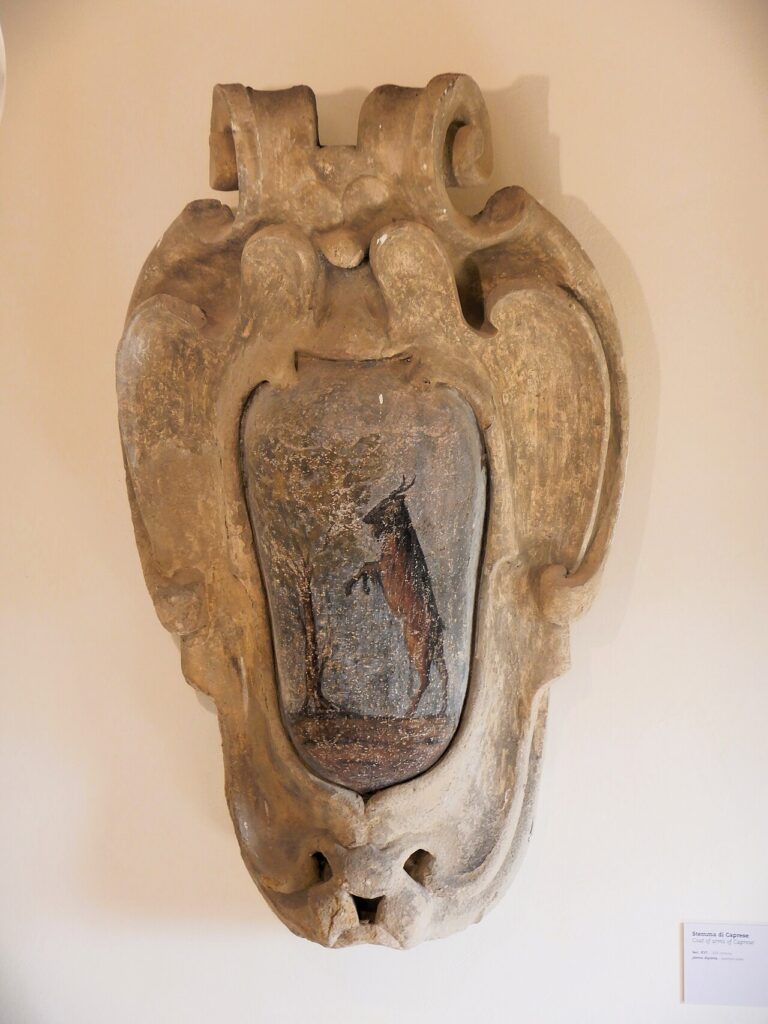


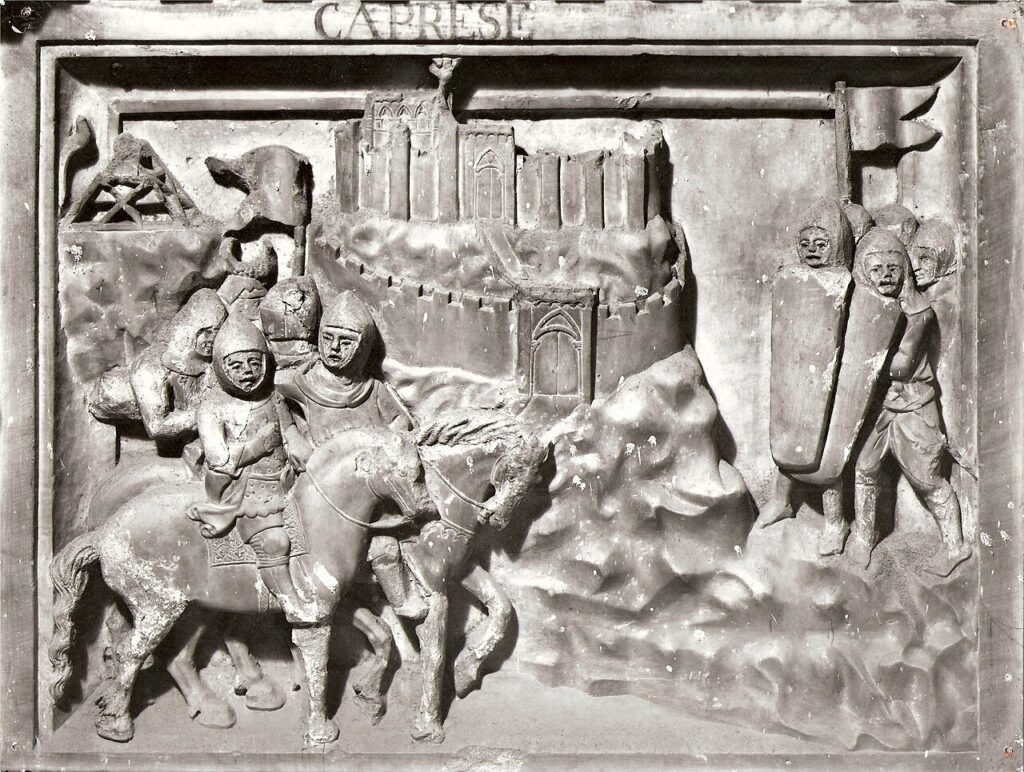
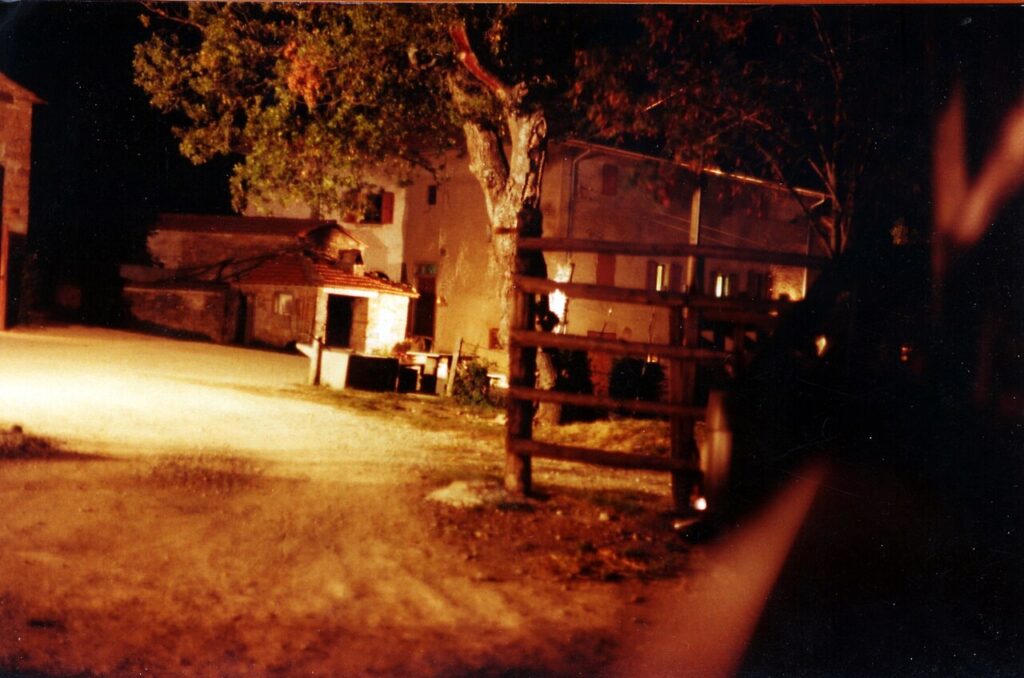
In Tuscany More villages to discover
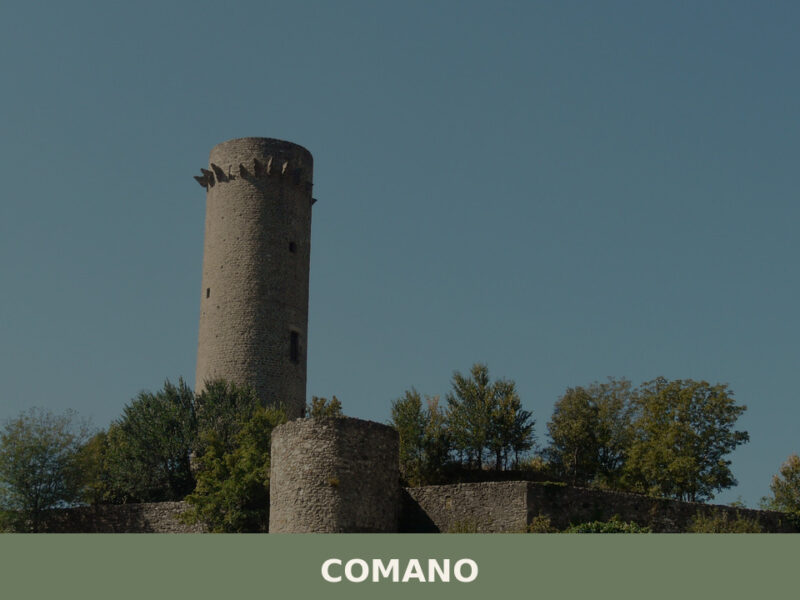
Comano
 Hills
Hills
Morning fog lifts slowly from the Taverone valley, revealing stone walls the colour of weathered bone. A church bell marks the hour — its echo rolls across chestnut groves before dissolving into silence. Comano sits in the upper Lunigiana, a commune of scattered hamlets across the hills of Massa e Carrara province, home to just […]
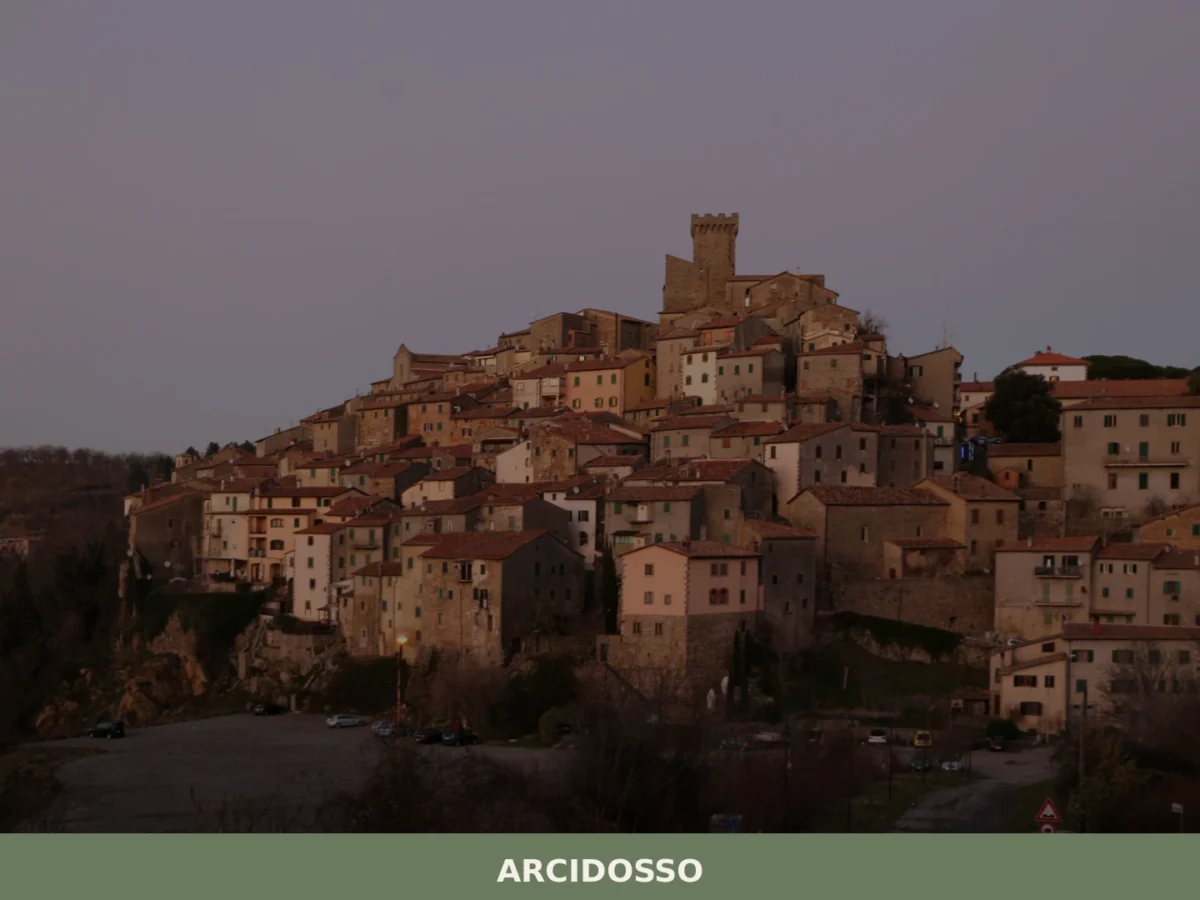
Arcidosso
 Mountain
What to see in Arcidosso, Italy: explore a medieval castle built around 1000 AD, 3 surviving city gates, and local Monte Amiata cuisine. Discover top attractions now.
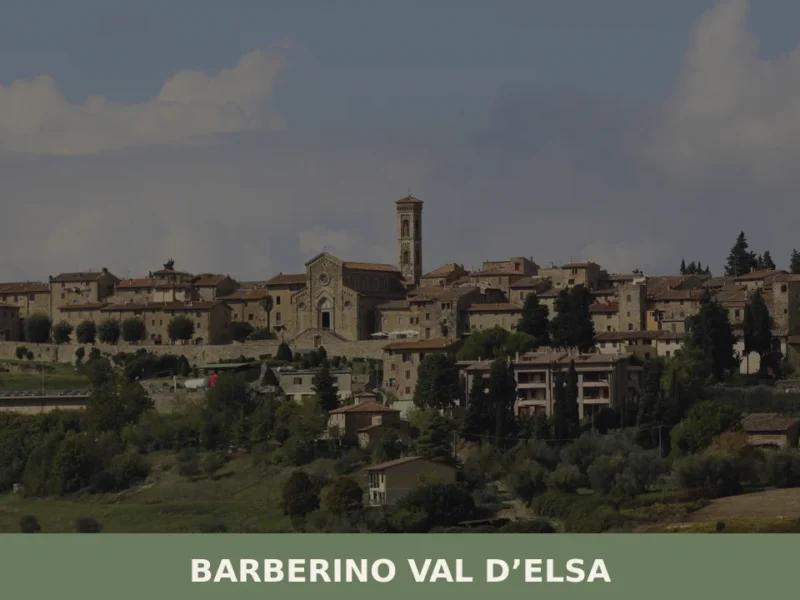
Barberino Val d’Elsa
Hills
The 14th-century walls still enclose the historic centre of Barberino Val d’Elsa within an almost intact perimeter, with two town gates that filter access to the village just as they did six centuries ago. In this article History and origins of Barberino Val d’Elsa What to see in Barberino Val d’Elsa: main attractions Traditional Cuisine […]
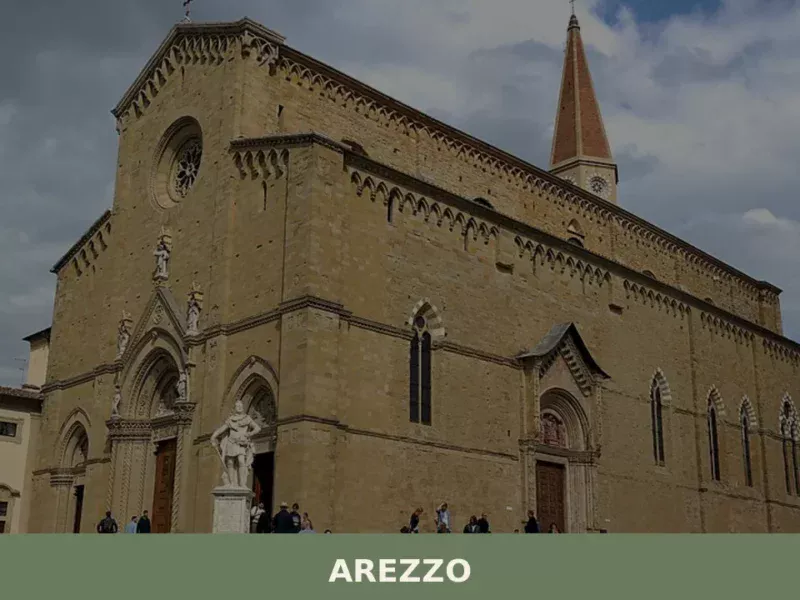
Arezzo
Hills
Discover Arezzo, a charming village in Tuscany, Italy. Explore its rich history, stunning architecture, and vibrant culture nestled in the heart of Toscana.
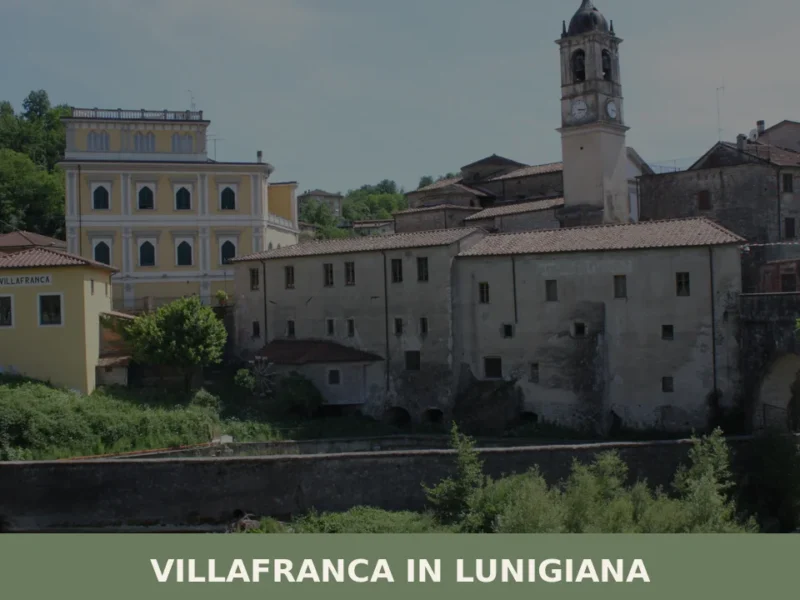
Villafranca in Lunigiana
 Plains
Villafranca in Lunigiana is a 4,729-inhabitant municipality in Massa-Carrara, Toscana, shaped by Malaspina lords and the Via Francigena pilgrimage route.
Camporgiano
Hills
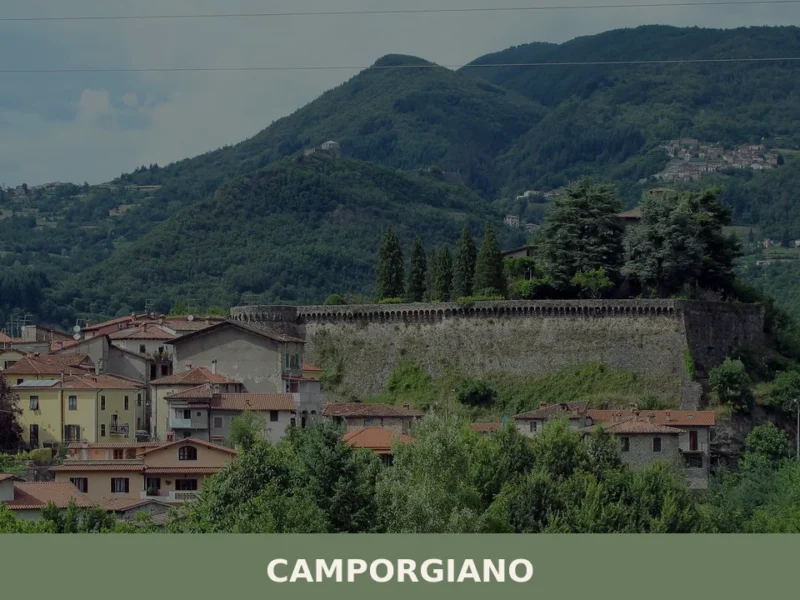
Camporgiano is a mountain comune in the Garfagnana, Lucca province, standing at 486 metres with 1,988 residents and a medieval skyline dominated by the Rocca Estense.
Borgo San Lorenzo
Plains
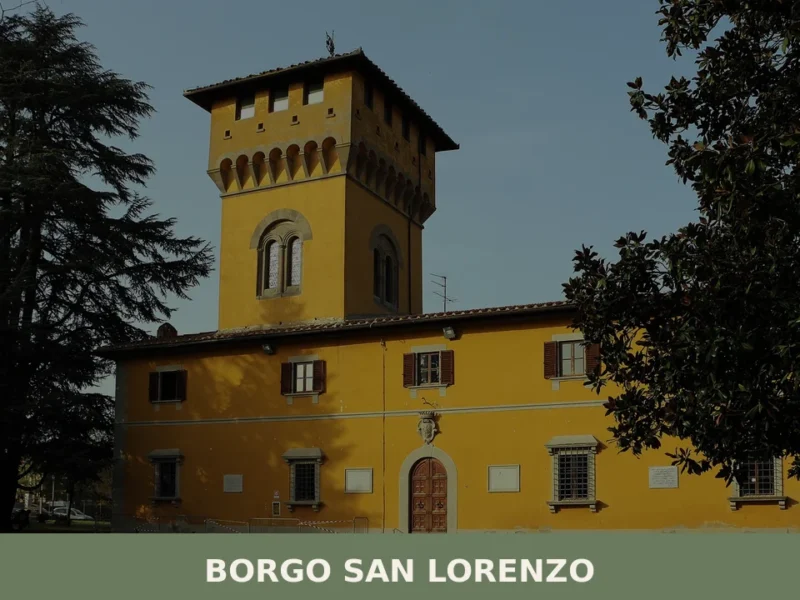
What to see in Borgo San Lorenzo, Italy: top attractions, local food, and how to get there. 20 km from Florence, 193 m altitude. Discover the Mugello valley.
Licciana Nardi
Hills
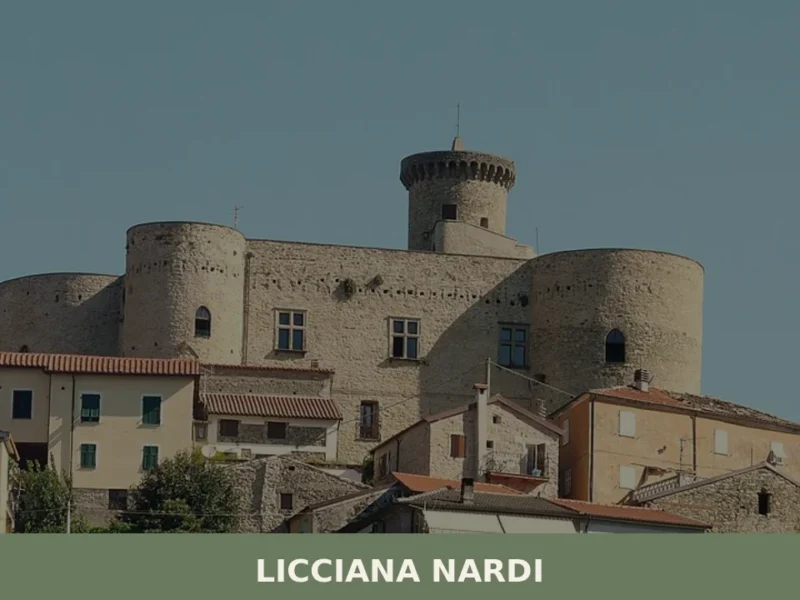
The territory of Licciana Nardi includes six castles spread between the valley floor and the Apennine slopes, a concentration of defensive structures that documents the strategic role of this stretch of Lunigiana in controlling the routes between the Po Plain and the Tyrrhenian coast. With its 4,894 inhabitants distributed across 55 square kilometres at an […]
Casale Marittimo
Hills
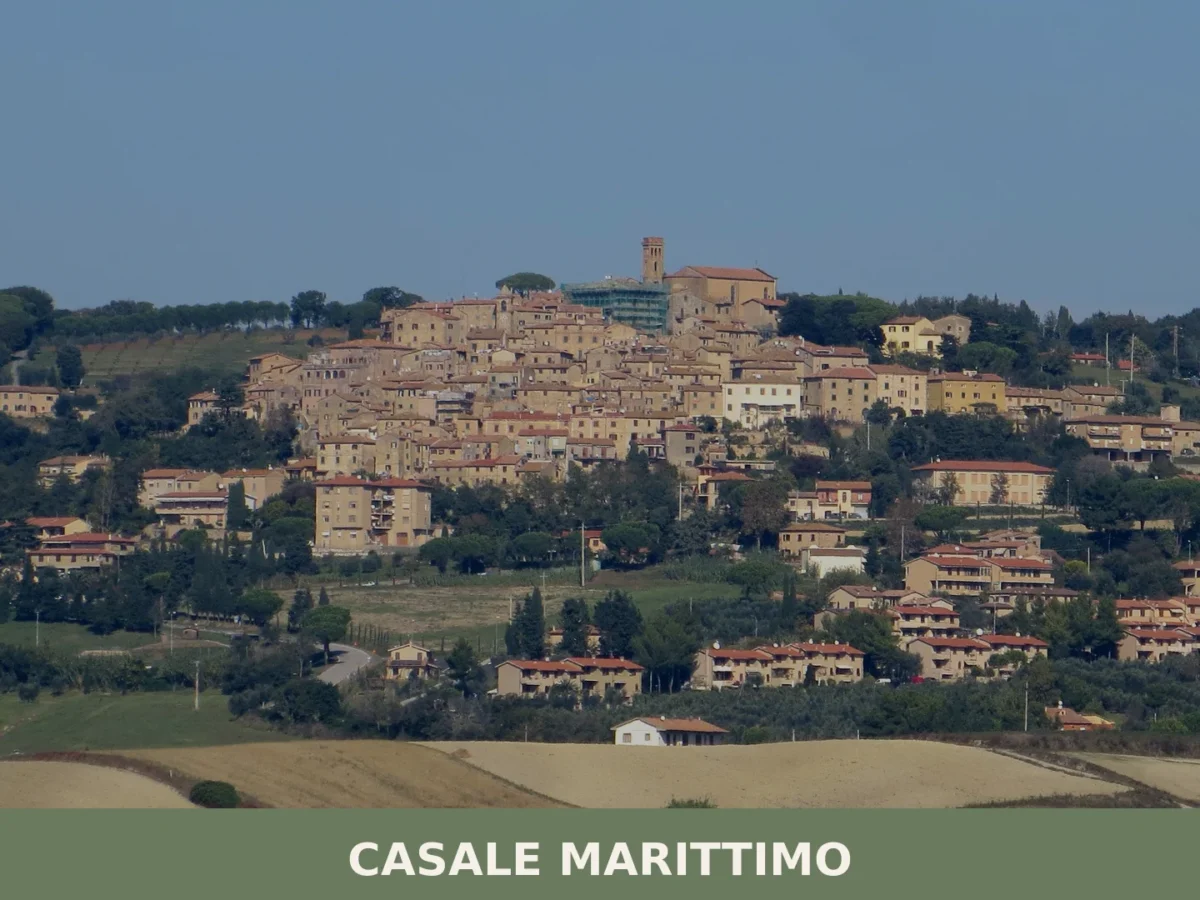
Home to around 1,073 residents, Casale Marittimo offers Etruscan archaeology, medieval architecture and the flavours of the Pisan Maremma in a compact hilltop setting.
Rio nell’Elba
 Sea
Sea
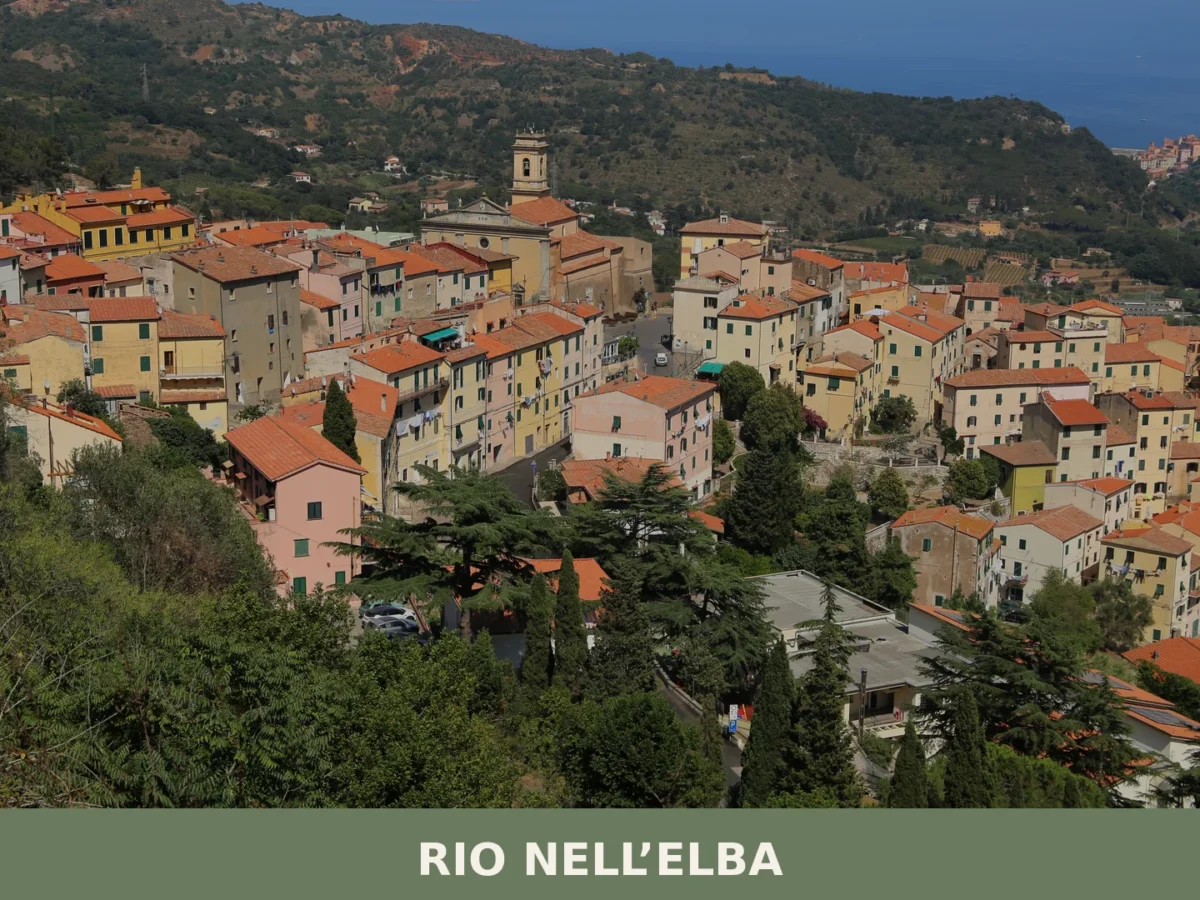
Rio nell'Elba is a historically documented village on the island of Elba, Tuscany, with origins recorded from 1260 and a layered heritage shaped by iron mining, medieval institutions and sixteenth-cen



🏡 Know Caprese Michelangelo better than we do?
If you’re a local or have been there, your knowledge matters: add what’s missing or fix a detail on this page.