 Mountain
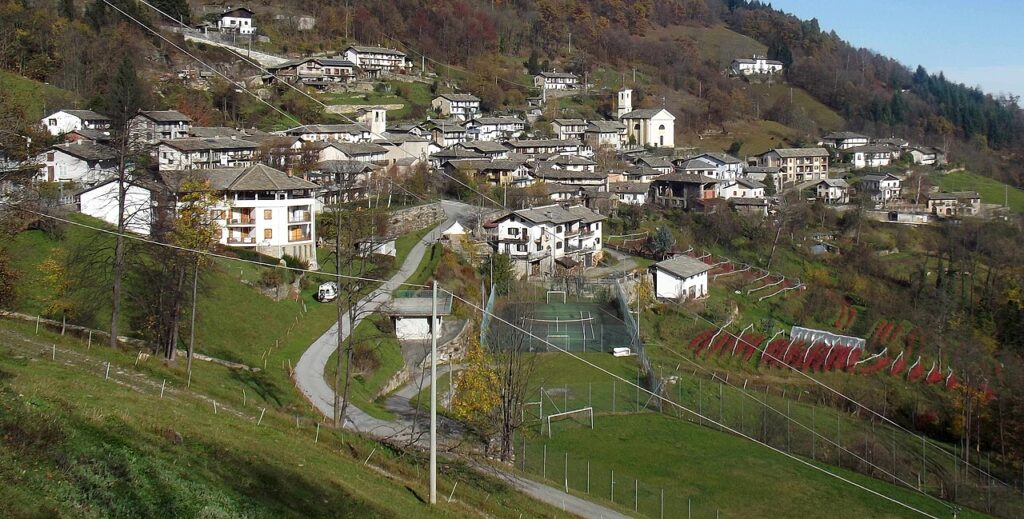
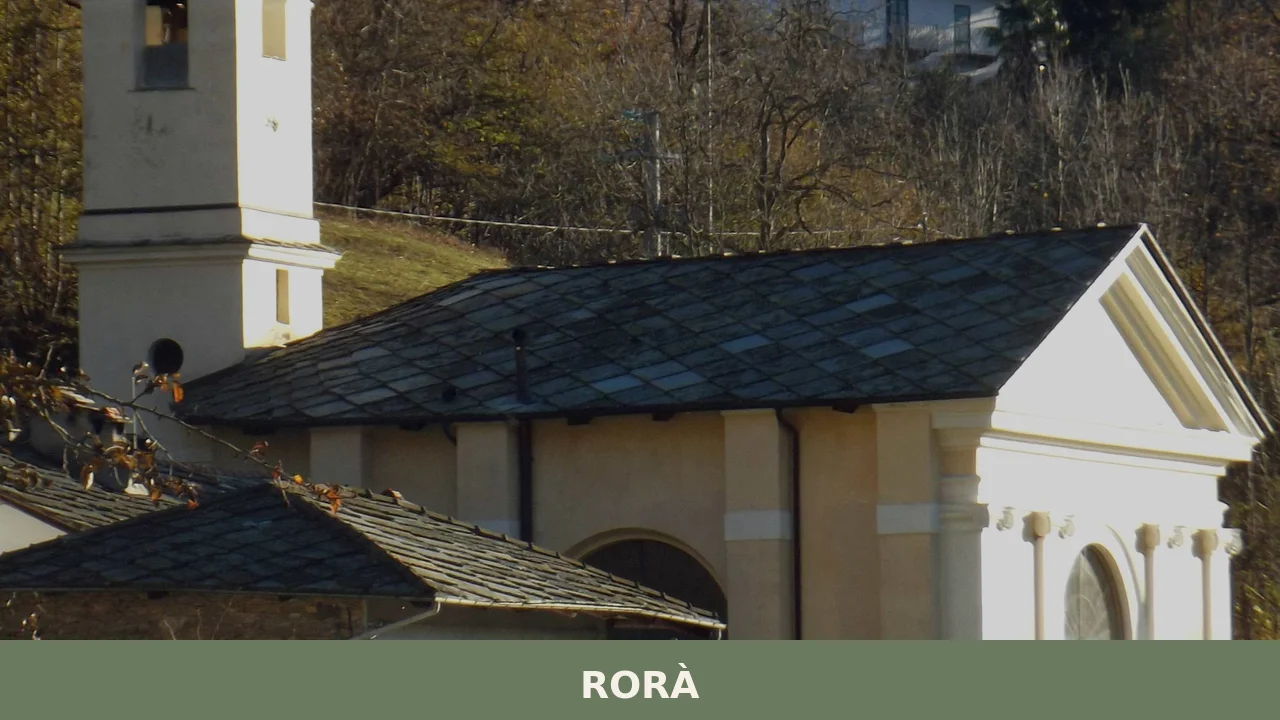
 At 967 metres above sea level, where the air carries the mineral scent of limestone and the light shifts sharply between morning mist and afternoon clarity, Rorà unfolds as a collection of grey stone dwellings arranged without ceremony across a slope. No grand piazza, no monumental staircase—only a modest cluster of buildings where the architecture speaks of survival and adaptation to mountain terrain rather than display.
Rorà village in Piedmont is a comune with a population of 221 in the Turin metropolitan area, where altitude determines as much as history. The village sits within a network of neighbouring mountain communes—Angrogna, Bobbio Pellice, Villar Pellice, Torre Pellice, Lusernetta and Luserna San Giovanni—each linked by ancient routes and shared Alpine conditions. For visitors, the draw lies in authentic mountain settlement and territorial rhythms that reveal how communities persist in high valleys rather than in any single monumental attraction.
Mountain villages survive not through grand gestures but through knowledge of stone, water, season and the neighbours who share the same altitude.
Territory and Alpine Identity
The identity of Rorà emerges from its position within the Turin mountains. At just over 960 metres, the village sits in a zone where summer warmth yields quickly to autumn rain and where winter snow reshapes movement and daily routine. The surrounding landscape—steep, forested slopes and pastured clearings—determines what grows, where paths lead, and which seasons permit easy passage to neighbouring valleys.
The village belongs administratively to the Turin metropolitan area and shares territorial and cultural ties with the Pellice valley communes. These connections are not decorative; they reflect centuries of trade, shared Alpine governance, and mutual dependence during harsh seasons. The architecture of Rorà—compact stone houses with deep roof eaves—reflects this mountain logic: protection, efficiency, and adaptation to conditions that favour neither sprawl nor ornament.
Religious Life and Sant’Anna
Sant’Anna is the patron saint of Rorà, a dedication that shapes the spiritual calendar of the village. The choice of this particular saint reflects local devotion and community identity, though the precise date of the church’s foundation and the full history of religious practice in the settlement remain within the local memory of the parish rather than documented public record. Religious life in Alpine villages like Rorà historically centred on the feast day and seasonal processions—moments when the entire population gathered and the church’s role as communal anchor became visible.
Visiting Rorà: Access and Practical Information
Rorà is reached by car from Turin via provincial roads that climb into the mountain zone. The village lies within the network of Turin province communes and can be visited as part of a broader exploration of the Pellice valley and neighbouring settlements. Access is seasonal; winter snow may affect road conditions, particularly on approach routes from lower valleys. The nearest substantial towns are Torre Pellice and Villar Pellice, each offering services and supplies not always available in the smaller communes.
If you arrive by car, allow time for the climb and plan for narrow, winding approach roads typical of mountain settlements. Mobile phone coverage can be variable; it is wise to download offline maps before departing. The village has no dedicated visitor centre, but the municipal office can provide basic local information. Accommodation and dining options are limited; visitors often base themselves in larger nearby communes such as Bibiana or Torre Pellice and visit Rorà as part of a day trip or a multi-village Alpine itinerary.
| Departure | Distance | Approximate Time |
|---|---|---|
| Turin city centre | c. 60 km | 75–90 minutes by car |
| Turin airport (Caselle) | c. 70 km | 90–110 minutes by car |
| Torre Pellice (main valley town) | c. 8 km | 15–20 minutes by car |
The best season for visiting is late spring through early autumn, when mountain roads are clear and daylight extends into the evening. Winter visits require preparation and local weather checks. The quietness of Rorà—both its physical silence and its small population—is itself the experience; the village offers no crowds, no queues and no commercial tourism infrastructure. This appeals to visitors seeking genuine mountain settlement rather than themed attractions or guided circuits.
The Mountain Landscape and Seasonal Rhythm
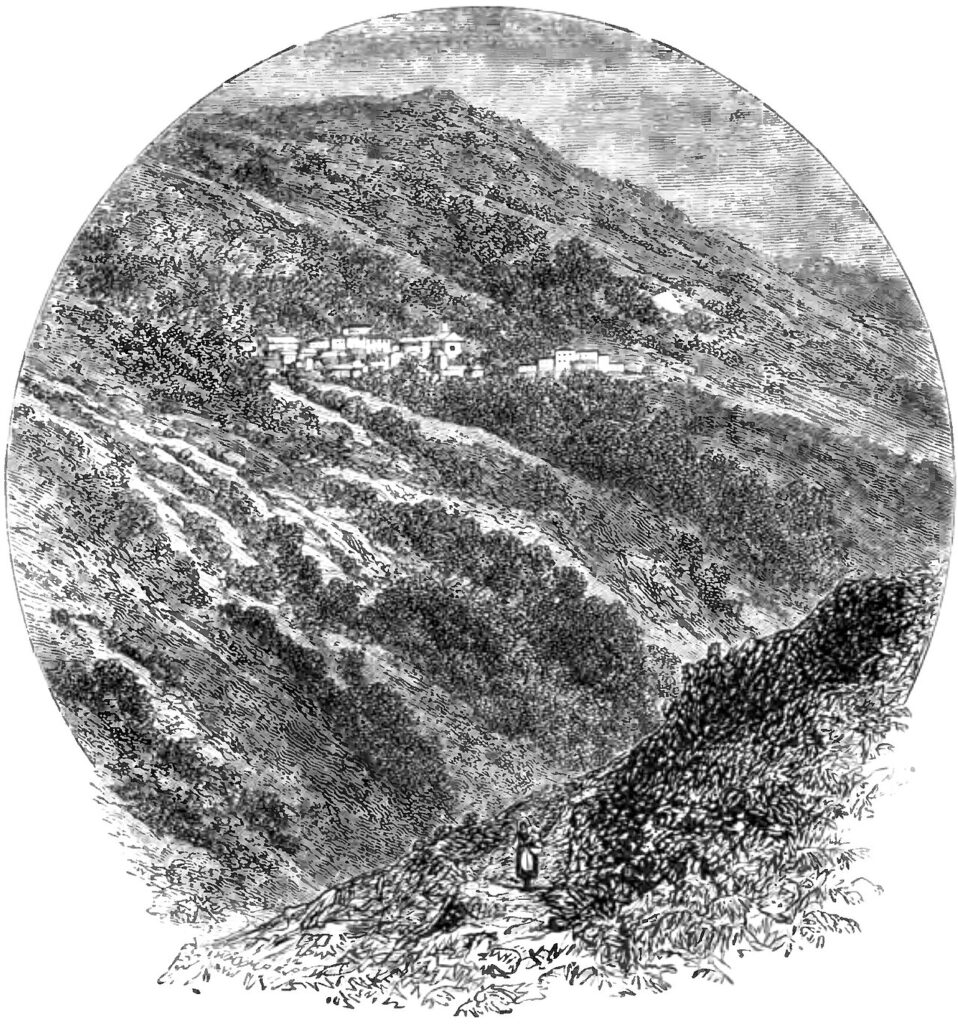
The landscape surrounding Rorà shapes the rhythm of life more than any calendar. Spring brings the greening of pastures and the sound of melting water; summer allows agricultural work and access to higher routes; autumn turns the forest colours and brings the hurried gathering of crops before cold; winter isolates and demands preparation. This cycle is not romantic nostalgia but the lived reality of a settlement at altitude. Houses are oriented and angled to catch warmth and shed water. Fields are small and placed where slope and soil permit. Routes follow contours and ancient drainage lines rather than compass directions.
For visitors, the landscape offers walking routes through forestry and pasture. The terrain itself—the rise and fall of the slope, the texture of stone walls, the seasonal shift in light and vegetation—comprises the primary attraction of the place. A visitor seeking museums, monuments or managed tourist sites will find little; a visitor seeking to understand how settlements adapt to and persist within mountain conditions will find constant evidence.