


Sauze d’Oulx
 Mountain
A mountain village of just over 1,000 residents at 1,509 metres altitude in the high Susa Valley. Winter sports and Alpine heritage define its identity.
Sauze d'Oulx: A Mountain Village Between French and Savoyard Territories
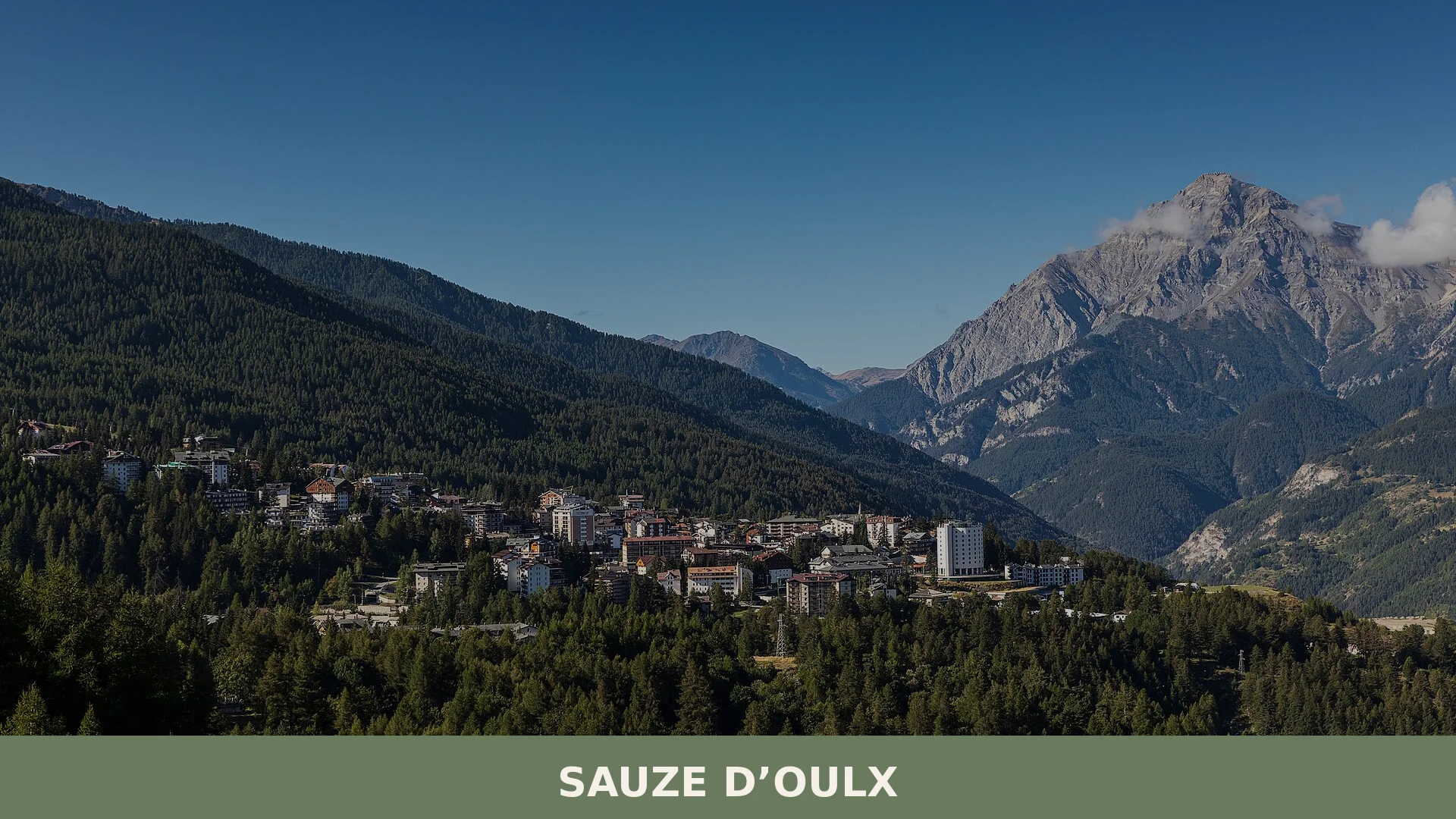
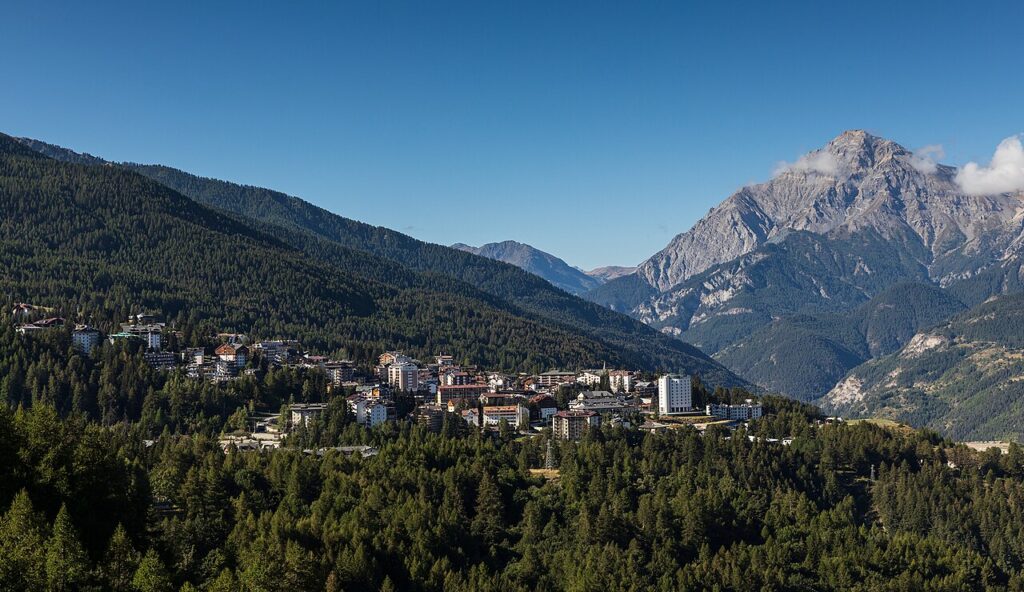
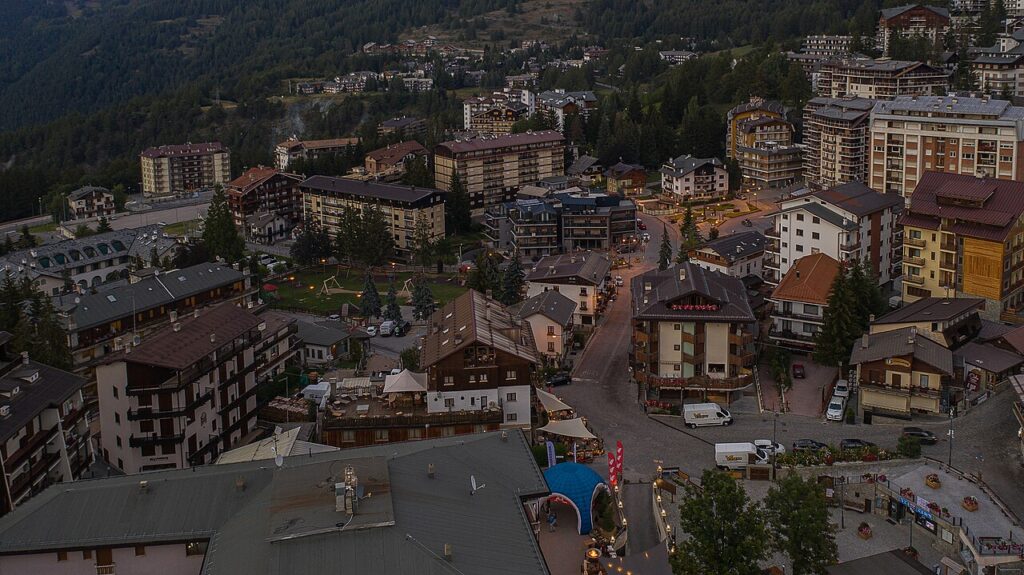
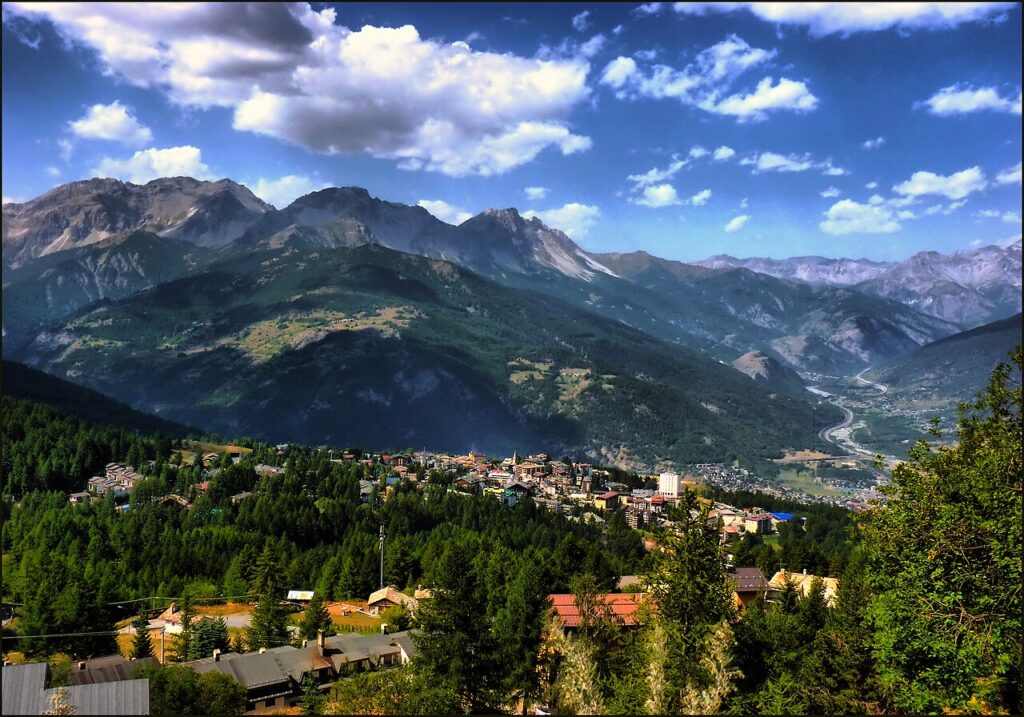
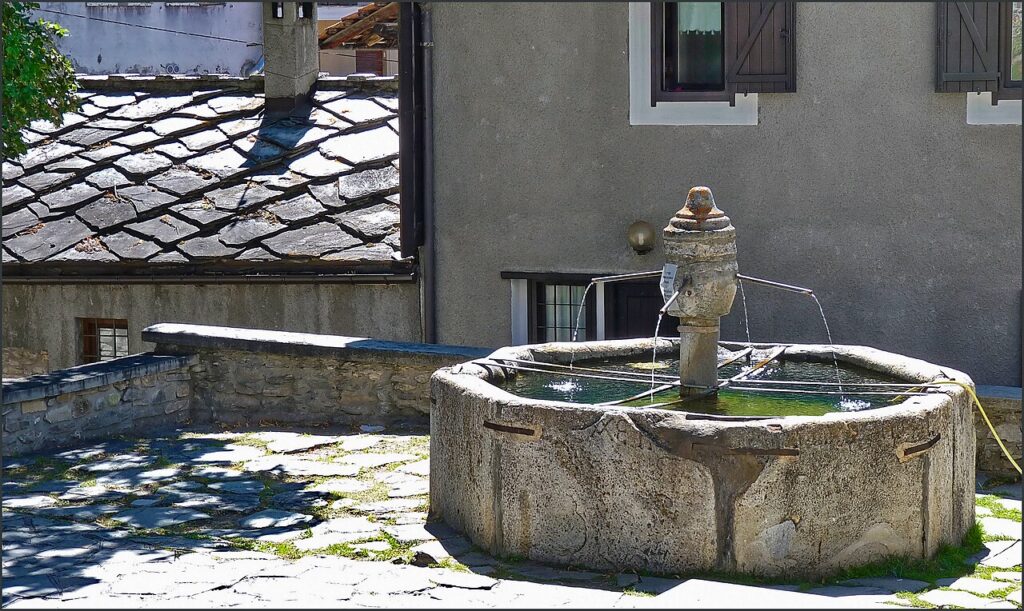
Stone houses cluster against the slope of the Susa Valley at 1,509 metres, where winter transforms the landscape into a sprawl of ski runs and the summer pastures recover their quiet. Sauze d’Oulx appears not as a resort, but as a village: the old Alpine hamlet sits below, the newer villas and hotels rise above, marking two distinct rhythms of settlement in the same space.
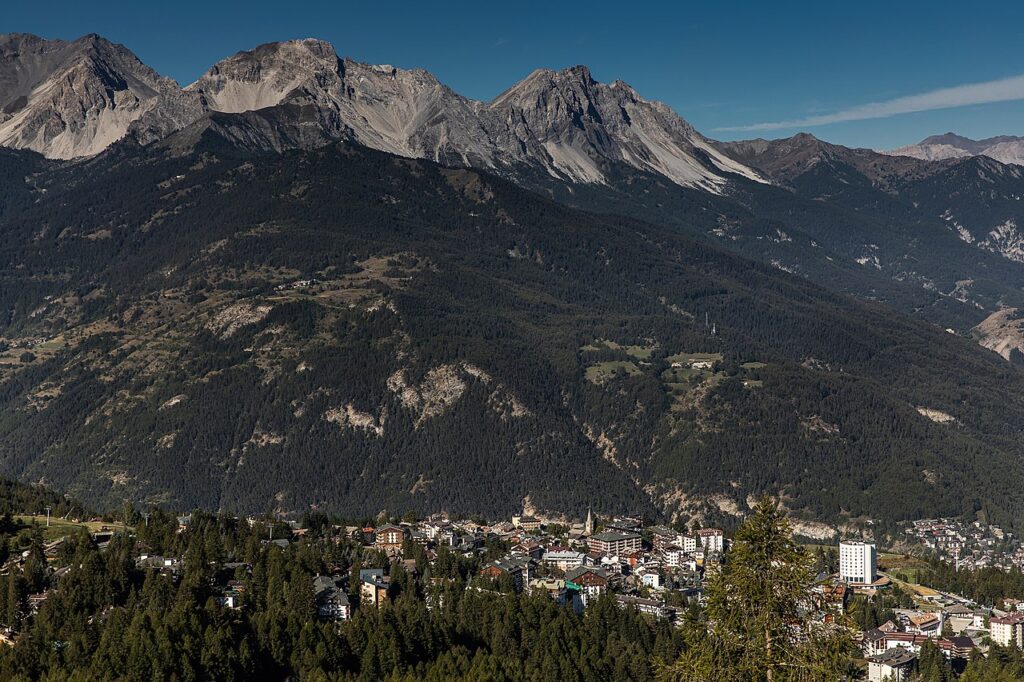
Sauze d’Oulx village in Piedmont occupies the high Susa Valley where it widens into the Oulx basin, on the western slopes of Monte Genevris (2,536 metres). This comune of just over 1,000 residents survives between two identities: a mountain agricultural past and a modern winter sports economy that swells the village to 35,000 people in the skiing season.
From Willow Trees to Disputed Borders
The name Sauze d’Oulx derives from the Latin salix, meaning willow, as confirmed by the recorded form Salice dating to 1223. The village sits on territory that knew Celtic settlement; the Sauvincatii people inhabited the area in antiquity under the mountain king Cozio, and their name survives in the hamlet of Jouvenceaux.
For a thousand years, Sauze belonged to neither Italy nor France outright. From 1000 to 1343 it formed part first of the Dauphiné and then of the independent republic of the Escartons, paying feudal dues alternately to the Dauphin and to the King of France. The village’s coat of arms preserves this dual allegiance: it bears both the dolphin of the Dauphiné and the fleur-de-lis of France. Religious conflict between Catholic and Waldensian communities marked these centuries, as it did much of the upper valley.
The Treaty of Utrecht in 1713 transferred the entire high Susa Valley to the House of Savoy, ending Sauze’s administrative independence. Thirty-four years later, in 1747, the Battle of Assietta took place at the mountain pass during the War of Austrian Succession, when French and Piedmontese forces clashed at the ridge. General Belle-Isle fell in that defeat and was buried here, his memorial marking a turning point in Alpine military history.
The Revolution reached Sauze too: in 1793, an Albero della Libertà (Tree of Liberty) was planted before the parish church to commemorate the French Revolution, a monument that stands to this day as a symbol of that troubled era.
During the Fascist period, from 1928 to 1947, Sauze lost its identity altogether: its name was Italianized to Salice d’Ulzio and the comune was absorbed into neighbouring Oulx. In 1947, after the Second World War, it recovered its autonomy and its original name. The coat of arms and gonfanon were formally granted in 1967, cementing the village’s legal and symbolic standing as an independent municipality.
The Parish Church and Alpine Chapels
Church of San Giovanni Battista
The parish church of San Giovanni Battista dates to the sixteenth century, a period when the valley’s religious architecture was consolidating its forms. Its campanile rises in a pseudo-Romanesque style, topped by an unusually tall octagonal spire that breaks the skyline. Inside, a green stone baptismal font carved with the arms of the French Dauphin recalls the village’s dual allegiance. An eighteenth-century wooden ancona in the style of the Mélézet school adorns the interior, evidence of the craft networks that connected Alpine chapels across the frontier valleys.
Cappella di Sant’Antonio Abate, Jouvenceaux
The hamlet of Jouvenceaux, where the ancient Sauvincatii left their mark, preserves a small chapel dedicated to Saint Anthony the Abbot. Fifteenth and sixteenth-century frescoes, attributed to the Serra brothers’ workshop, decorate its walls—examples of the minor religious art that thrived in these remote communities when travelling painters moved between villages following patronage and seasons.
Chalet del Lago Nero
The Chalet del Lago Nero represents twentieth-century Alpine modernism: designed as an exemplary alpine dwelling, it now hosts cultural initiatives connected to the Grinzane Civiltà della Montagna award. Its presence marks a shift in the village’s self-understanding, from a resource-extracting settlement to a place where mountain culture itself becomes the subject of inquiry and celebration.
From Willows to World Skiing
The economic identity of Sauze d’Oulx rests on livestock husbandry and winter sports. Cattle raising, once subsistence, evolved into a structured enterprise: an experimental zootechnical institute was established to improve dairy production, anchoring the village in Alpine agropastoral networks. Milk from mountain herds was transformed into cheeses that sustained the winter population and linked the village to broader Piedmontese dairy traditions.
Winter sports arrived in the early twentieth century when Adolfo Kind, a Swiss pioneer, introduced alpine skiing to the valley. That single intervention transformed Sauze from a seasonal Alpine town into a destination. The village now comprises the second-largest ski area in the Via Lattea circuit by extension, after Sestriere. In 2006, Sauze hosted freestyle events during the Turin Winter Olympics, accelerating both infrastructure and international visibility. The population swells to 35,000 during the winter season, drawing visitors across Europe who come for the slopes, the après-ski culture, and the Alpine setting.
A small British community has settled in the village, drawn by the skiing and the village’s cosmopolitan winter character. This international presence reflects Sauze’s role as a European destination, not merely an Italian one.
Seasonality and Access
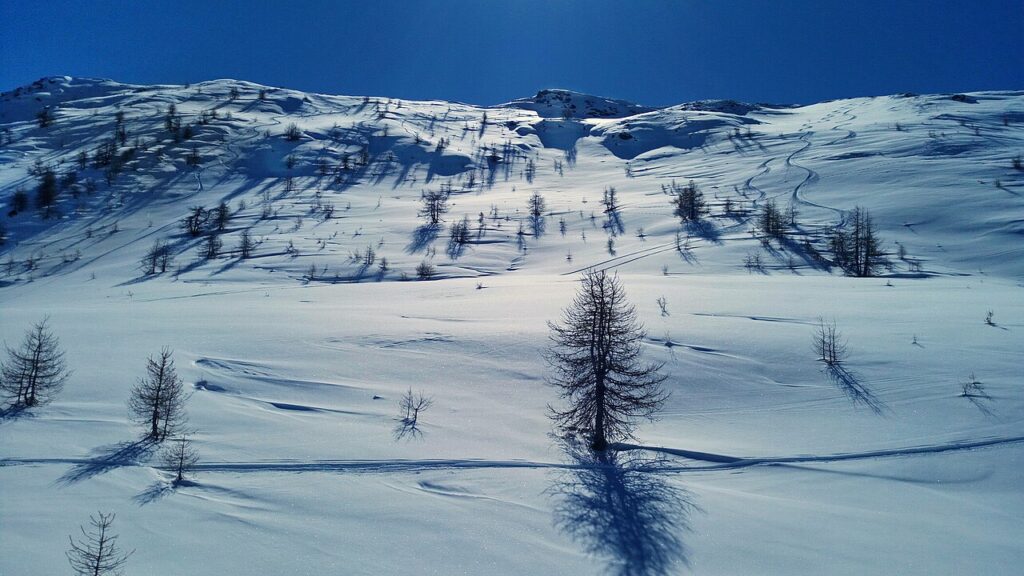
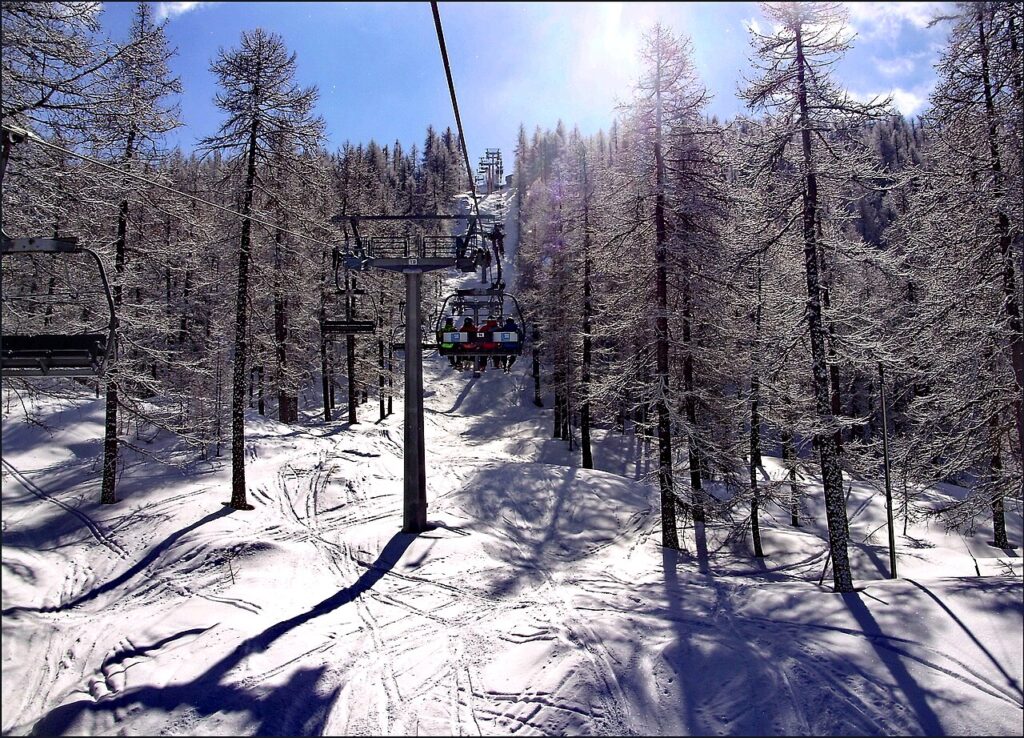
Sauze d’Oulx operates on a pronounced seasonal rhythm. Winter dominates the economy and the visual landscape: groomed runs, ski lifts, and crowded evenings in bars and restaurants define the months from December to March. Summer brings silence, hiking, and the return of shepherds to high pastures. Spring and autumn are brief transitions when the village returns to the rhythm of its permanent residents.
The village lies at 1,509 metres, placing it firmly in the high Alpine zone. Within the comune lies the sports facility of Sportinia (2,137 metres) on the northern slope of Monte Triplex (2,507 metres), higher still and accessible to skilled skiers. The road from the valley floor climbs steadily through switchbacks; winter travel requires care.
The Via Francigena pilgrimage route passes through the upper Susa Valley, connecting Sauze to broader networks of religious and cultural travel. Visitors on foot or by vehicle can link this village to neighbouring communities like Pragelato and Novalesa across the valley system.
| Departure Point | Distance | Approximate Travel Time |
|---|---|---|
| Turin (Torino) | 90 km | 1.5–2 hours by car |
| Oulx (neighbouring comune) | 4 km | 15–20 minutes by car |
| Sestriere | 15 km | 25–30 minutes by car |
| Mont-Genèvre, France | 25 km | 40 minutes by car |
The winter season spans from December to March, when ski areas operate and accommodation fills rapidly. Spring (April–May) sees the pastures greening and hikers returning; autumn (September–October) offers clear weather and fewer crowds. Summer is quieter, suitable for families seeking mountain air and moderate altitude hiking without the winter infrastructure demands.
Feast and Tradition
The village honours San Giovanni Battista (Saint John the Baptist) on 24 June, a date that marks the summer turning point in the Alpine calendar. The feast brings the scattered population together and recalls the saint carved into the baptismal font of the parish church—a direct connection between liturgy, art and stone.
Frequently asked questions about Sauze d’Oulx
What is the best time to visit Sauze d'Oulx?
Sauze d'Oulx thrives in two distinct seasons. Winter (December–March) transforms the village into a major ski destination, with the population swelling to 35,000. Summer (June–September) offers peaceful Alpine pastures and hiking. The patron saint feast of San Giovanni Battista occurs on June 24, featuring local celebrations. Spring and autumn provide quieter visits with moderate weather, ideal for experiencing the authentic village rhythm away from peak crowds.
How do I reach Sauze d'Oulx from Turin?
Sauze d'Oulx lies in the high Susa Valley, approximately 90 kilometres west of Turin. Access is via the A32 motorway toward Bardonecchia, exiting toward Oulx and the Susa Valley. The nearest railway station is at Oulx-Cesana, served by regional trains from Turin. During winter, shuttle buses connect ski resorts. Allow 1.5–2 hours by car from central Turin. Check road conditions in winter, as Alpine routes may require snow chains.
What outdoor activities are available year-round?
Winter dominates with extensive ski runs across the resort infrastructure. Summer hiking accesses Alpine trails in the high Susa Valley and surrounding peaks like Monte Genevris (2,536 metres). Mountain biking and trail cycling operate seasonally on valley routes. The village sits at 1,509 metres on the western slopes of Monte Genevris, offering natural access to CAI-marked footpaths and pastoral walking routes through recovered summer pastures.
What is the historical significance of Sauze d'Oulx's name?
The name derives from the Latin salix, meaning willow, confirmed by the documented form 'Salice' from 1223. The village occupies territory historically inhabited by the Celtic Sauvincatii people under King Cozio in antiquity—their name survives in the nearby hamlet of Jouvenceaux. For approximately 1,000 years, Sauze belonged to neither Italy nor France exclusively, shifting between Dauphiné control and the independent Escartons republic until 1343.
How long should I plan to spend visiting Sauze d'Oulx village?
A day visit (4–6 hours) suffices to explore the historic Alpine hamlet, stone houses clustered on the slope, and the village's dual character between old settlement below and modern villas above. Overnight stays (1–2 nights) allow fuller engagement with local traditions, patron saint celebrations, and surrounding trails. Winter visitors typically extend stays 3–7 days to enjoy the ski resort facilities and seasonal economy.
📷 Photo Gallery — Sauze d’Oulx
In Piedmont More villages to discover

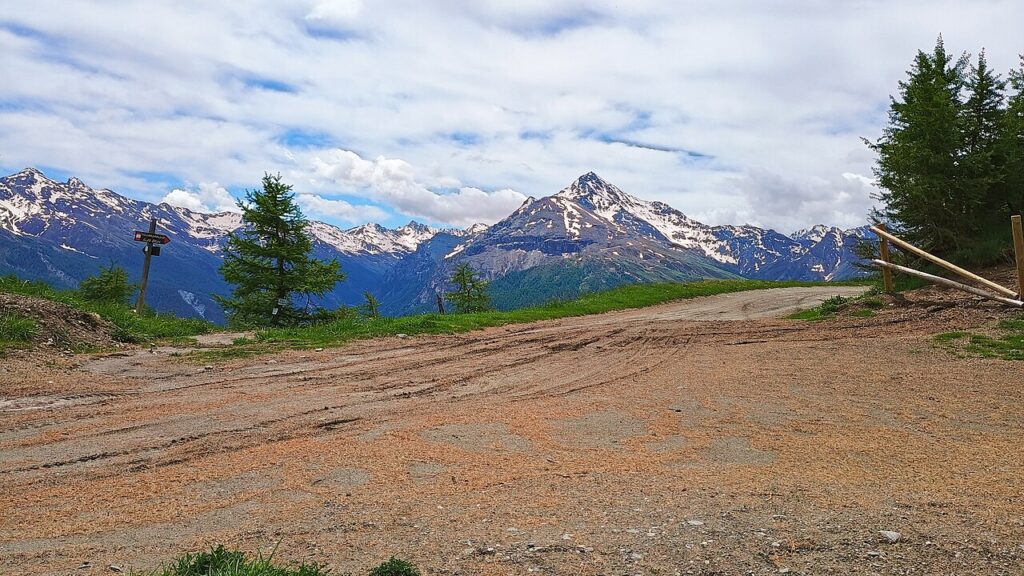
Pomaretto
Mountain
Discover what to see in Pomaretto, a 937-inhabitant Waldensian village in the Val Chisone near Torino — history, food, travel tips and local culture.
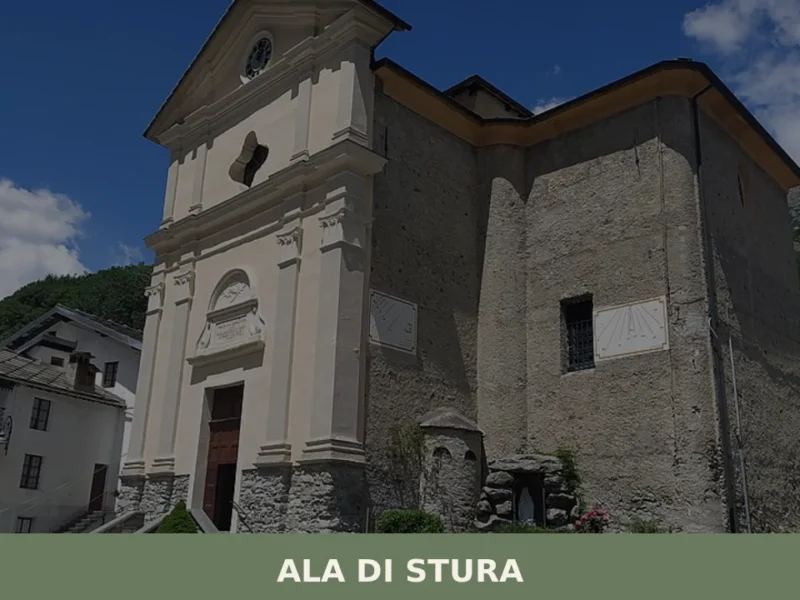
Ala di Stura
Mountain
Every year on 4 September, in Ala di Stura, the bells of the Parish Church of San Grato ring out with special fervour, announcing the patron saint’s feast day. This annual ritual, rooted in centuries of mountain history, is more than a simple religious celebration: it is a call to a community that, at 1,080 […]
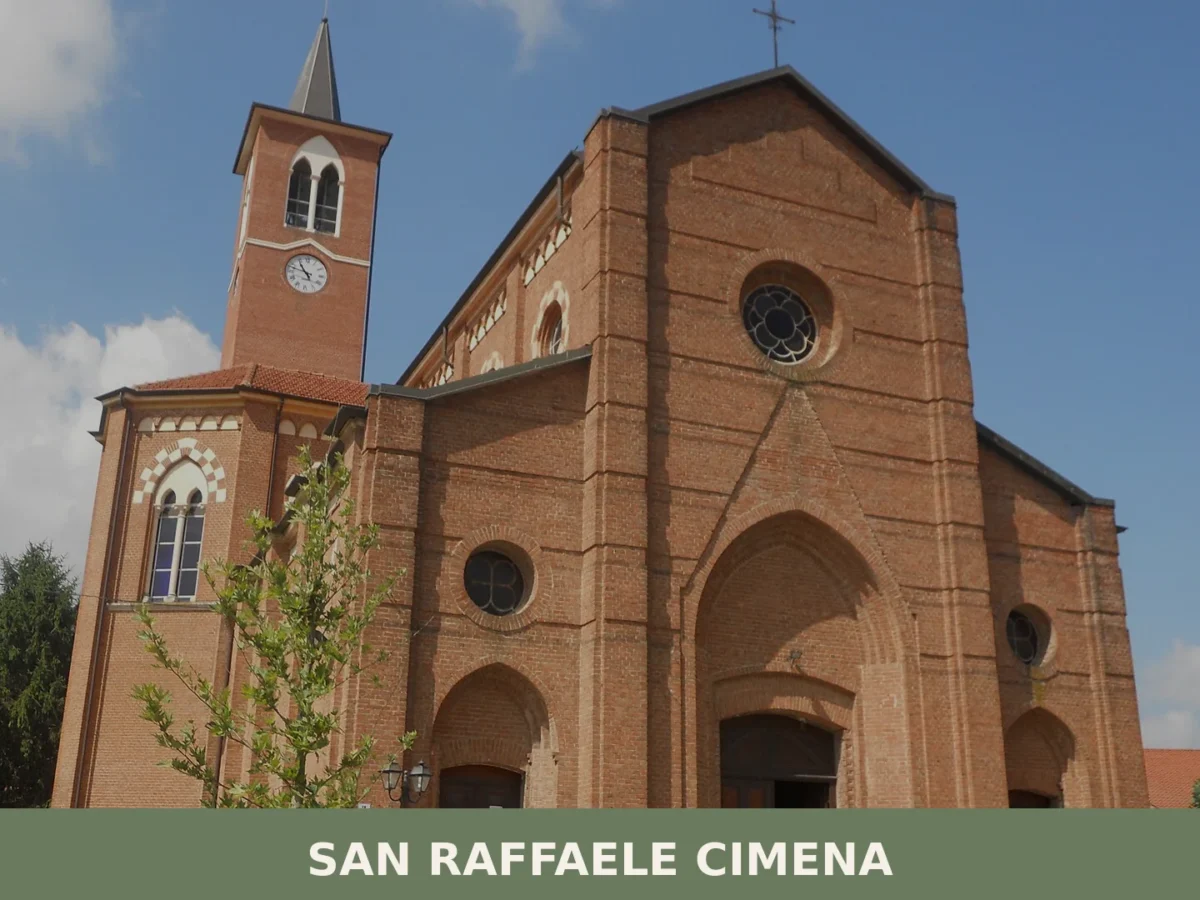
San Raffaele Cimena
 Hills
Hills
3,159 residents. Medieval settlement with Byzantine foundations, now a suburban village anchored by agricultural heritage and an extraordinary microclimate where tropical plants thrive.
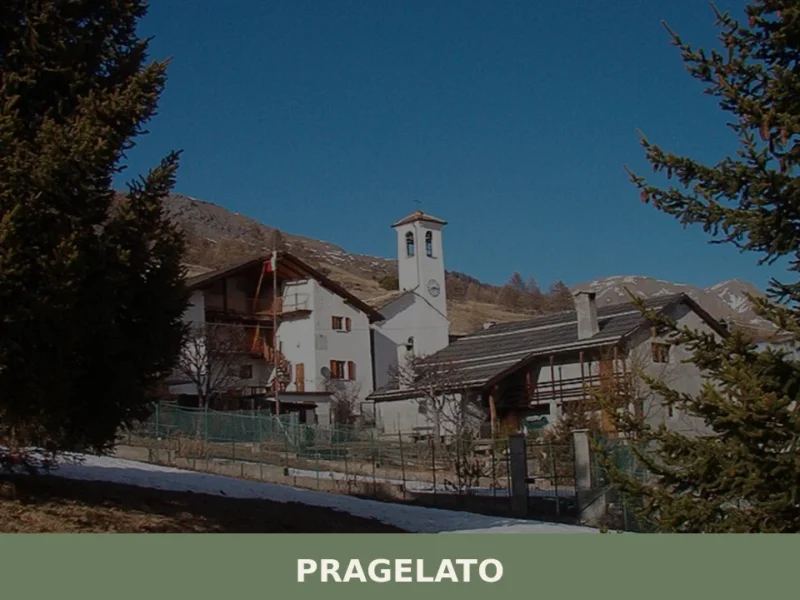
Pragelato
Mountain
Pragelato sits at around 1,524 metres above sea level in Val Chisone, approximately 82 kilometres west of Turin, and its Occitan name — Pradzalà or Prajalats — translates directly as “frozen meadow”, a reference to the high-altitude pastures that define the landscape here. With a resident population of 692, this is a compact Alpine commune […]
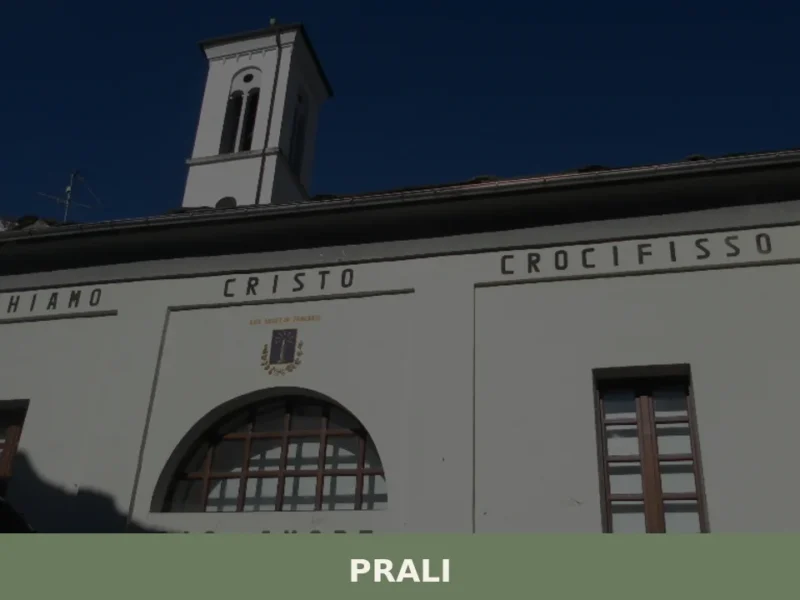
Prali
Mountain
Prali sits at roughly 1,400 metres above sea level in the Germanasca Valley, one of the Waldensian Valleys of the Piedmontese Alps, about 72 kilometres south-west of Turin. With a registered population of 252 inhabitants, it is one of the smaller comuni in the Metropolitan City of Turin — and until 1937 it was officially […]

Pont-Canavese
Hills
A village of 3,020 people where two rivers meet and medieval towers dominate the skyline. Ancient churches, ethnographic collections and industrial heritage reveal centuries of mountain life.
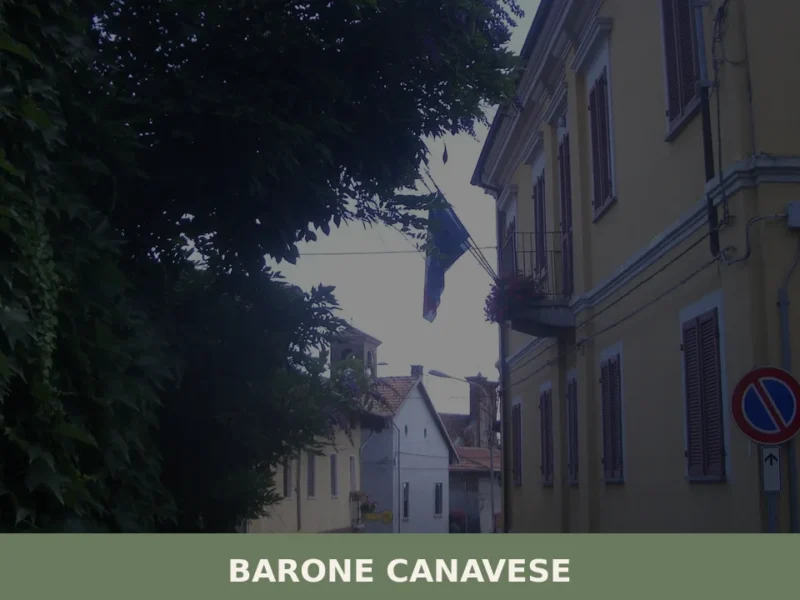
Barone Canavese
Hills
Barone Canavese has 554 inhabitants and sits at 325 metres above sea level, on the hills of eastern Canavese in the province of Turin. Those wondering what to see in Barone Canavese will find a small municipality set within a well-defined hill landscape, notable for its historic religious buildings and a road network connecting the […]
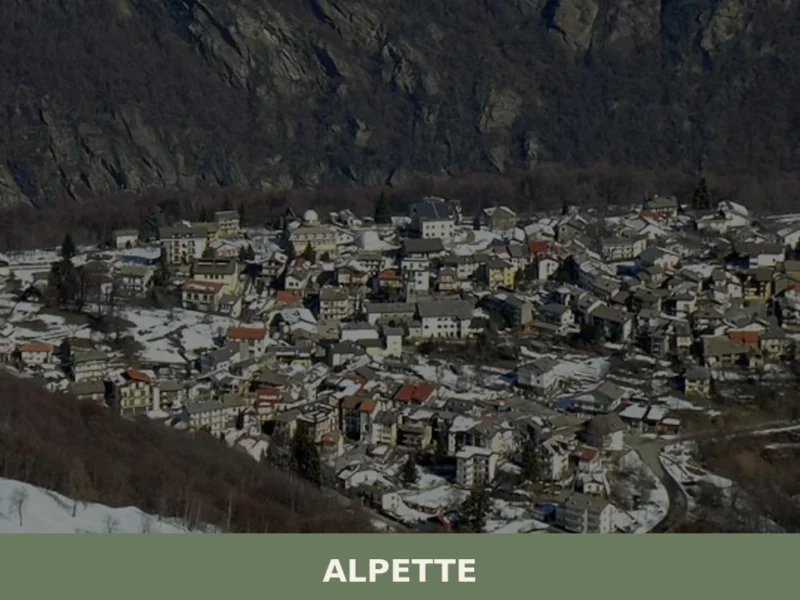
Alpette
Mountain
At 957 metres above sea level, on the eastern slope of Gran Paradiso, Alpette has 251 inhabitants spread between the central settlement and a handful of hamlets scattered along the pastures that climb towards Cima Quinzeina. Those looking into what to see in Alpette will find a village built almost entirely from local stone and […]
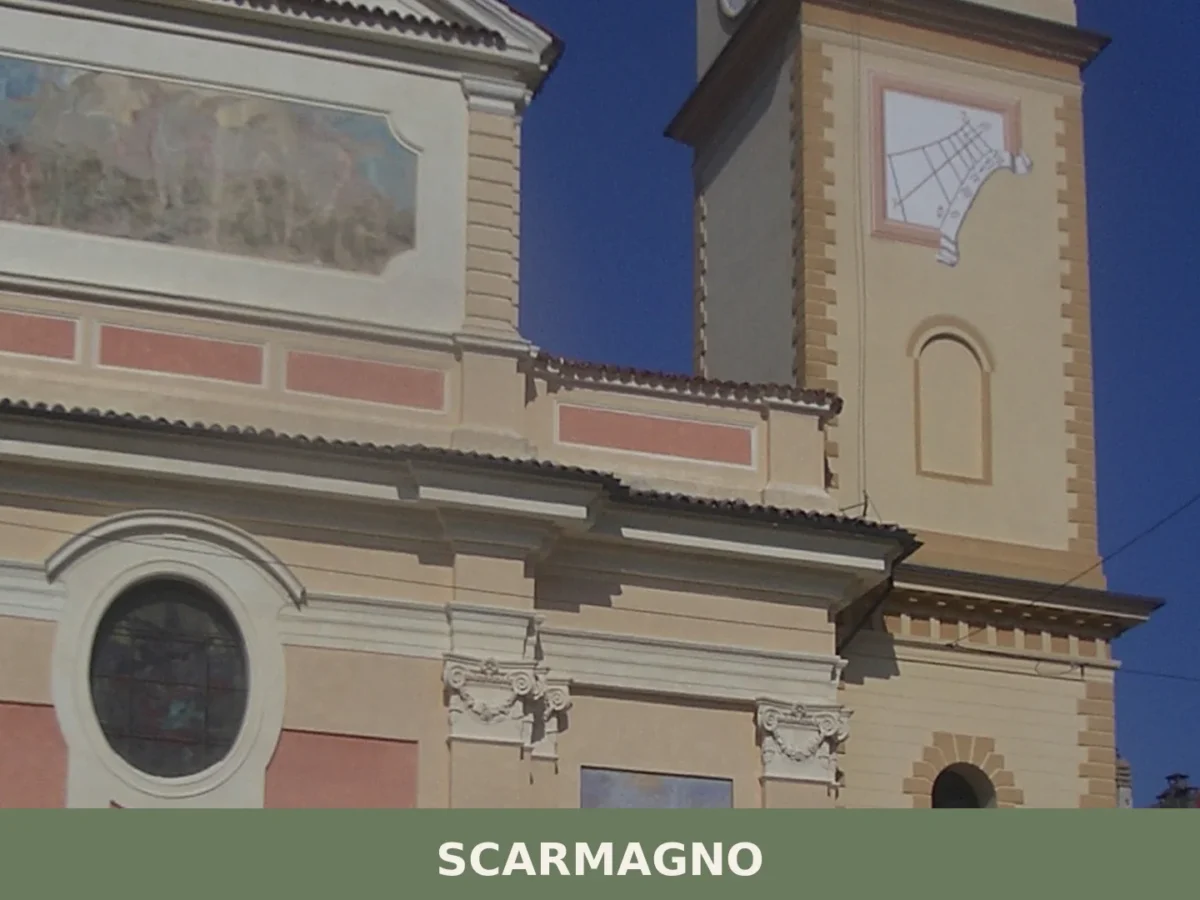
Scarmagno
Mountain
Population 796. A small Piedmontese comune where 10th-century stone chapels stand within sight of the automated Olivetti plant that once produced 200,000 computers annually.
Biella
Hills
what to see in biella, Italy? Explore the UNESCO Sanctuary of Oropa and Biella's historic 420m altitude Piazzo quarter. Read our guide for top attractions.

🏡 Know Sauze d’Oulx better than we do?
If you’re a local or have been there, your knowledge matters: add what’s missing or fix a detail on this page.