


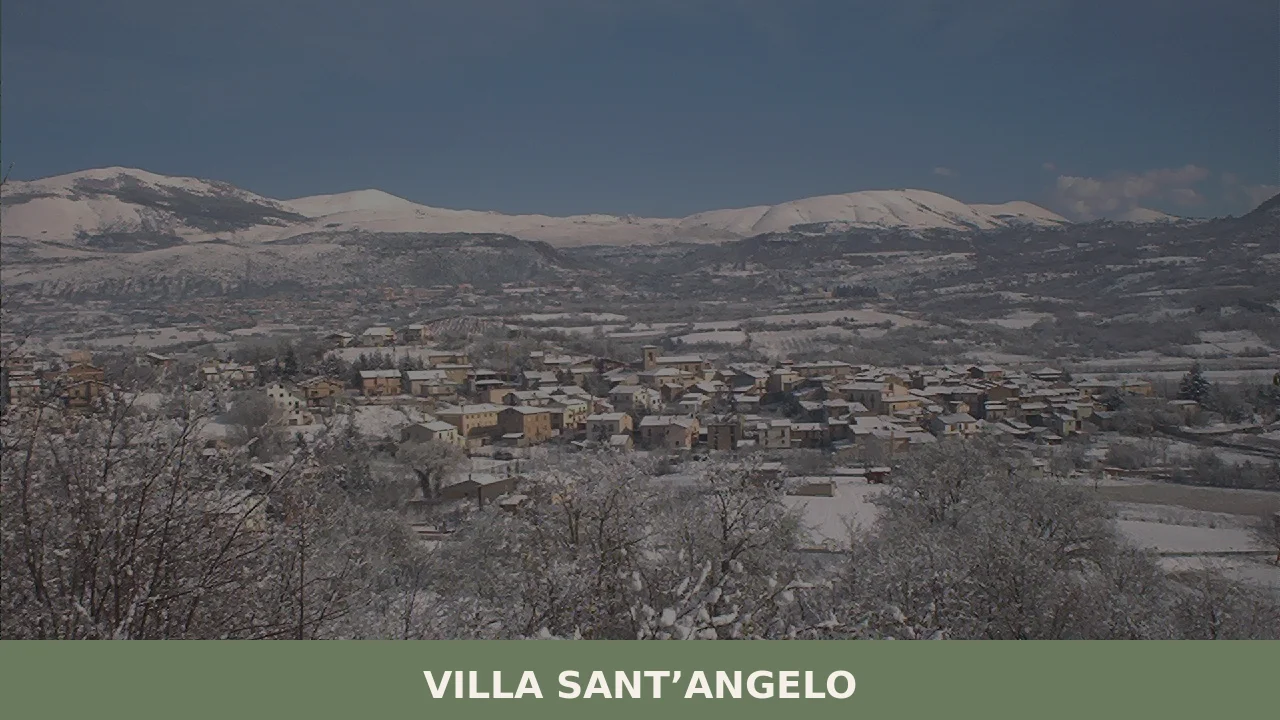
Villa Sant’Angelo
 Mountain
What to see in Villa Santu2019Angelo? Discover 5 must-see attractions and the history of the ancient village. Plan your guided visit now!
Discover Villa Sant’Angelo
With its 514 inhabitants, the municipality of Villa Sant’Angelo stretches across the province of L’Aquila, in Abruzzo, presenting itself as a historic core within the Aterno Valley.
The village, along with its hamlet Tussillo, is an integral part of the Amiternina mountain community, a territory that preserves traces of a distant past and a deep connection with the surrounding landscape.
Its location offers a privileged vantage point over the nature and traditions of this part of central Italy.
Those wondering what to see in Villa Sant’Angelo will find a context where the identity of an ancient village merges with the beauty of the Aterno Valley, a territory offering glimpses of history and natural panoramas.
The five main attractions include its historic center, the charming hamlet of Tussillo, and the broader context of the Aterno Valley itself, elements that define the experience for every visitor.
This small Abruzzese center invites you to discover its atmosphere, away from the most beaten paths, to appreciate a slower and more authentic pace of life.
History and origins of Villa Sant’Angelo
The identity of Villa Sant’Angelo is deeply linked to its designation as an “ancient village,” a term that evokes centuries of history and settlements in a territory characterized by the presence of the Aterno Valley. The foundation and evolution of inhabited centers in this area of Abruzzo are often attributable to complex historical dynamics, which have seen the succession of populations and dominations.
Although sources do not provide precise dates for the founding of Villa Sant’Angelo, its nature as an ancient village suggests a genesis rooted in remote eras, probably between the Roman period and the early Middle Ages, when the need for defense and proximity to watercourses determined the choice of settlement locations.
The Aterno Valley, where Villa Sant’Angelo is located, has for centuries represented an important natural communication route, fostering exchanges and cultural influences between different areas of Abruzzo and beyond.
This has contributed to shaping the architecture and customs of the villages overlooking it, each with its own specificities but united by a shared historical heritage.
Furthermore, belonging to the Amiternina mountain community links the destiny of Villa Sant’Angelo to that of other centers in the area, united by common needs and traditions related to mountain life and territorial management.
The history of Villa Sant’Angelo, while not rich in specific events documented in available primary sources, fits into the broader context of inland Abruzzo, a region marked by earthquakes and a constant resilience of its communities.
The configuration of “town” and “hamlet” (Tussillo) indicates a typical social and territorial organization of many Italian rural areas, where residential nuclei have developed over time, maintaining a close relationship with the agricultural and pastoral environment.
Its existence as an Italian municipality of 514 inhabitants in the 21st century testifies to the continuity of a settlement that has resisted transformations and preserved its historical character.
A similar sense of continuity can be found in other Italian villages, such as Civita d’Antino, also in Abruzzo, which shares a history of ancient settlements and an indissoluble bond with its mountainous landscape.
What to see in Villa Sant’Angelo: main attractions
The Historic Center of the Ancient Village
The heart of Villa Sant’Angelo is revealed through its historic center, an authentic “ancient village” that reflects historical stratification and adaptation to the mountain environment.
Walking through its streets, one perceives the typical urban layout of small Abruzzese towns, with stone houses that follow one another and that, over the centuries, have undergone modifications and additions while retaining their original character.
The compact structure of the village, which houses 514 inhabitants, suggests a defensive and communal logic, characteristic of towns that arose in valleys and on slopes, where protection and social cohesion were fundamental elements for survival.
The predominant building materials, such as local stone, tell a story of self-sufficiency and a deep connection with the territory’s resources.
The Hamlet of Tussillo
A short distance from the main nucleus, the hamlet of Tussillo presents itself as another component of Villa Sant’Angelo’s identity, contributing to the overall charm of the municipality.
Tussillo is also an example of an ancient settlement, sharing its location in the Aterno Valley and architectural characteristics with the main village.
Those who visit Tussillo find an environment that emanates an atmosphere of tranquility, typical of small rural centers that have maintained their character intact.
The hamlet offers a further perspective on local life and traditions, and its exploration allows for a better understanding of the territory’s organization and the distribution of settlements in this part of Abruzzo. The number of inhabitants of Tussillo is integrated into the total 514 residents of the municipality of Villa Sant’Angelo, emphasizing the nature of a widespread community.
The Aterno Valley
The Aterno Valley is not only the geographical context of Villa Sant’Angelo but a true attraction for those who appreciate natural landscapes and the history of the rivers that have shaped the territory.
The Aterno-Pescara river, which flows through the valley, has been a vital element for local communities for millennia, providing water for agriculture and serving as a communication route.
The valley stretches for about 150 kilometers, from its source near the Laga Mountains to the Adriatic, and the section that hosts Villa Sant’Angelo stands out for its beauty and ecological richness.
Here visitors can observe the typical flora and fauna of the Abruzzese Apennines, with a variety of plant and animal species inhabiting the riverbanks and surrounding wooded areas. For those looking for what to see in Villa Sant’Angelo in terms of nature, the Aterno Valley offers numerous opportunities for hikes and walks.
The Landscape of the Amiternina Mountain Community
Villa Sant’Angelo, with its 700 meters above sea level, is part of the Amiternina Mountain Community, an area that extends over a predominantly mountainous and hilly territory, offering a varied landscape of great naturalistic interest. This administrative and geographical affiliation further defines the type of experience visitors can expect.
The surrounding mountains, with their peaks often exceeding 1500 meters, offer wide and unspoiled panoramas, particularly striking during the mid-seasons.
The pure air and tranquility are distinctive elements of this area, which invites one to slow down and enjoy the peace of nature.
Those traveling to see what to see in Villa Sant’Angelo should consider the entire context of the Amiternina Mountain Community as a natural extension of the village itself, a place where the alpine environment manifests with all its might.
The Trails and Surrounding Nature
The natural environment surrounding Villa Sant’Angelo and its hamlet Tussillo offers numerous possibilities for those wishing to explore the territory through walking or cycling routes. The proximity to the Aterno Valley and inclusion in the Amiternina Mountain Community imply the presence of paths and mule tracks that wind through woods and pastures, allowing visitors to reach panoramic viewpoints or discover hidden corners of the Abruzzese countryside.
Although sources do not indicate specific routes with precise names or lengths, the conformation of the territory invites independent exploration, suggesting walks along the river or excursions on the surrounding hills.
It is advisable to inquire with local authorities or tourist information centers in the province of L’Aquila for any maps or updated information on practicable trails and environmental conditions, especially depending on the season.
The village’s altitude of 700 m a.s.l. ensures a mild climate in summer and the possibility of enjoying snow in winter, making the area suitable for various types of outdoor activities.
Typical cuisine and products of Villa Sant’Angelo
The gastronomic tradition of Villa Sant’Angelo, while not specifically documented in available sources regarding exclusive dishes or products of the village, is part of the broader and richer panorama of Abruzzese cuisine. This region is renowned for its robust and genuine gastronomy, strongly linked to local produce and pastoral and rural traditions.
The villages in the province of L’Aquila, in particular, tend to favor simple but quality ingredients, with a preference for cereals, legumes, lamb and pork, and sheep’s cheese.
Local cuisine is often characterized by slow cooking and recipes handed down from generation to generation, which enhance the authentic flavors of the mountain territory.
Within this tradition, it is possible to imagine that dishes reflecting Abruzzese typicality can be found in Villa Sant’Angelo.
Among the most famous and widespread in the region are arrosticini, grilled lamb skewers, and pasta alla chitarra, traditionally prepared with a wooden frame strung with steel wires, served with meat ragù. Legumes, such as lentils and beans, are also widely used in soups and stews, often enriched with wild herbs gathered from the surroundings.
The preparation of bread and desserts, often made with almonds and honey, completes the gastronomic offer that reflects the mountain culinary culture.
Regarding typical products with official certifications, the consulted sources do not indicate any DOP, IGP, PAT, DOC, or DOCG product specifically attributed to the Villa Sant’Angelo area.
This does not exclude the presence of excellent artisan and local productions, such as Pecorino cheeses, cured meats, or olive oil, which, despite lacking formal recognition, represent added value for the local gastronomy. The lack of specific certification for Villa Sant’Angelo means that these products, if present, are generally marketed as part of the broader Abruzzese agri-food production, without precise municipal identification.
Festivals, events, and traditions of Villa Sant’Angelo
The consulted sources do not provide specific details on particular festivals, events, or traditions linked to Villa Sant’Angelo.
Many Italian villages, especially small ones like Villa Sant’Angelo with its 514 inhabitants, preserve rites and celebrations related to religious faith or agricultural seasons, but for this municipality, no specific events or traditional festivals have been documented.
It is common for the social life of these centers to revolve around the main religious holidays, such as Christmas and Easter, and celebrations in honor of the patron saint, whose feast is often a gathering moment for the community and its emigrants.
In the absence of precise information, it can be assumed that Villa Sant’Angelo, like many other centers in the Amiternina Mountain Community and the province of L’Aquila, participates in the broader traditions of the Abruzzo region.
These sometimes include religious processions, country festivals, or seasonal markets that celebrate local produce. To find out about any upcoming events, it is always advisable to consult the official website of the Municipality of Villa Sant’Angelo or the tourist pages of the province of L’Aquila, which may provide updated information on local initiatives, even if minor in nature and not historically documented.
When to visit Villa Sant’Angelo and how to get there
The best time to visit Villa Sant’Angelo and the Aterno Valley depends on the traveler’s preferences and the type of experience sought.
Spring (April-May) and autumn (September-October) offer a mild climate and particularly evocative landscapes, with blossoms or foliage painting the hills with vibrant colors, making walks and excursions ideal.
Summer (June-August) can be pleasant thanks to its altitude of 700 m a.s.l., which guarantees cooler temperatures compared to the coast, suitable for those seeking refreshment and outdoor activities.
Winter, on the other hand, is cold and can bring snowfall, transforming the landscape into a different but equally fascinating scenery, ideal for those who appreciate the tranquility and beauty of mountain villages under the snow.
Those looking for what to see in Villa Sant’Angelo in terms of specific events should check the annual calendar, although sources do not report any particular ones.
To reach Villa Sant’Angelo, the most convenient way is by car. The village is located in the province of L’Aquila and is accessible via the Abruzzo motorway network. Coming from Rome or the Adriatic coast, you can take the A24 motorway (Rome-L’Aquila-Teramo) or the A25 (Pescara-Rome). The nearest exit is L’Aquila Est, from which you continue on the SS17 towards Pescara, then take local detours.
The distance from the L’Aquila Est toll booth is approximately 20-25 kilometers, with an estimated travel time of 25-30 minutes.
For those arriving by train, the nearest railway station is L’Aquila, connected with several Italian cities via the Trenitalia network. From L’Aquila, it is then necessary to use a local bus service or a taxi to reach Villa Sant’Angelo. The nearest airport is Abruzzo Airport in Pescara (Abruzzo Airport), which is about 100 kilometers away, with a travel time of approximately 1 hour and 15 minutes by car.
| Starting Point | Distance | Estimated Time |
|---|---|---|
| L’Aquila (center) | 25 km | 30 minutes |
| Pescara (Abruzzo Airport) | 100 km | 1 hour and 15 minutes |
| Rome (center) | 130 km | 1 hour and 45 minutes |
Frequently asked questions about Villa Sant’Angelo
What is the best time to visit Villa Sant'Angelo?
The ideal time to visit Villa Sant'Angelo is late spring and early summer (May–June), when the Aterno Valley is lush and temperatures are mild. The first Sunday of May is particularly special, coinciding with the feast of the patron saint San Michele Arcangelo, offering a glimpse into local traditions and community life. Autumn (September–October) is equally rewarding for nature lovers, with golden foliage across the Amiternina landscape. Winter brings snow to the surrounding mountains, appealing to visitors who enjoy a quiet, atmospheric setting.
What to see in Villa Sant'Angelo? Main monuments and landmarks
Villa Sant'Angelo offers an authentic historic center built in local stone, reflecting the defensive and communal architecture typical of inland Abruzzo villages. The hamlet of Tussillo, a short distance from the main nucleus, is a second ancient settlement worth exploring for its rural character and quiet atmosphere. The broader context of the Aterno Valley provides a natural and historical backdrop to the entire visit. The village is free to explore on foot; no admission fees apply to the public areas of the historic center.
What are the main natural or scenic attractions of Villa Sant'Angelo?
The Aterno Valley is the primary natural attraction surrounding Villa Sant'Angelo. The Aterno-Pescara river has shaped this landscape for millennia, and the valley hosts diverse flora and fauna typical of the Abruzzese Apennines. Situated within the Amiternina Mountain Community, the village is surrounded by hills and peaks exceeding 1,500 meters, ideal for walks and excursions. Visitors are advised to contact the L'Aquila provincial tourist office for updated trail maps and seasonal accessibility information before heading out.
What can you do in Villa Sant'Angelo? Activities and experiences
Villa Sant'Angelo is well suited for slow tourism: walking through the historic center and the hamlet of Tussillo, exploring the Aterno Valley on foot or by bicycle, and experiencing the rhythms of authentic mountain village life. The feast of San Michele Arcangelo on the first Sunday of May is the main local event, offering a direct encounter with Abruzzese popular traditions. The surrounding territory of the Amiternina Mountain Community also provides opportunities for nature walks and panoramic viewpoints across the Apennine landscape.
Who is Villa Sant'Angelo suitable for? Families, couples, hikers, solo travelers?
Villa Sant'Angelo is best suited for travelers seeking authenticity and tranquility away from mass tourism. Couples will appreciate the intimate, unhurried atmosphere of the ancient village and the romantic scenery of the Aterno Valley. Hikers and nature enthusiasts will enjoy the surrounding Amiternina landscape and river valley. Solo travelers looking for a genuine encounter with rural Abruzzese culture will find the village's small scale and historic character rewarding. Families with older children interested in history and nature will also find it a worthwhile destination.
What to eat in Villa Sant'Angelo? Local products and specialties
Villa Sant'Angelo's cuisine falls within the broader tradition of inland Abruzzo cooking from the province of L'Aquila. Expect hearty mountain fare: arrosticini (grilled lamb skewers), pasta alla chitarra served with meat ragù, legume-based soups with wild herbs, and sheep's cheese (Pecorino). Local cured meats, handmade bread, and almond-and-honey pastries are also characteristic of the area. No DOP, IGP or DOCG product is officially attributed specifically to Villa Sant'Angelo, but artisan local producers in the Aterno Valley area offer quality traditional products.
📷 Photo Gallery — Villa Sant’Angelo
Getting there
Piazza Grande, 67020 Villa Sant'Angelo (AQ)
Nearby Villages near Villa Sant’Angelo
In Abruzzo More villages to discover
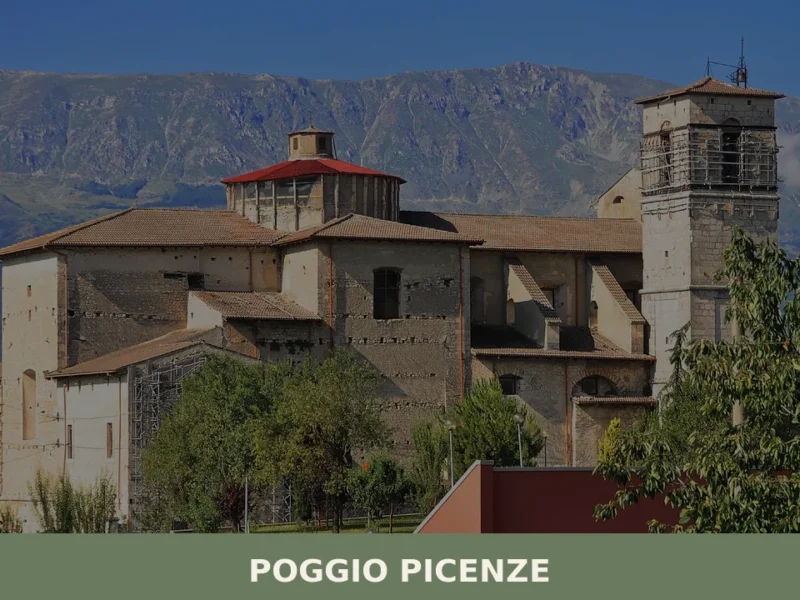
Poggio Picenze
Mountain
What to see in Poggio Picenze, Italy: explore 5 top attractions at 760 m altitude, the Blues festival, and San Felice feast. Discover Abruzzo's limestone village.
Filetto
 Hills
Hills
Filetto, a settlement of 854 inhabitants, is located at 403 meters above sea level in the heart of the province of Chieti. This settlement, documented in historical sources dating its presence back to the medieval era, extends across a hill overlooking the Foro Valley. Its urban layout reflects the layering of different periods, with buildings […]
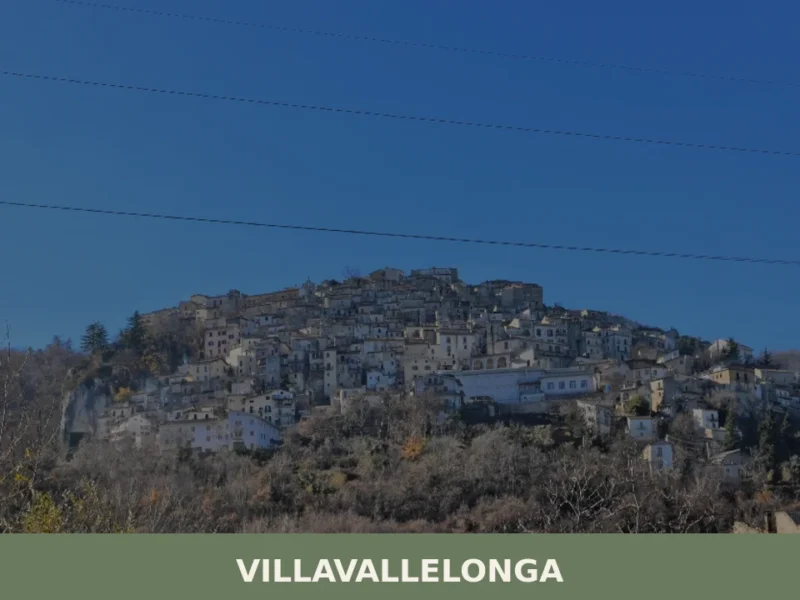
Villavallelonga
Mountain
What to see in Villavallelonga, Italy: explore the national park, botanical garden and 927-inhabitant village of Abruzzo. Discover top attractions and travel tips.

Ateleta
Mountain
Morning fog lifts off the Alto Sangro valley in slow, deliberate sheets, revealing stone houses arranged along a ridge at over 750 metres above sea level. The air carries woodsmoke and the faint sound of a church bell marking seven o’clock. Ateleta, a village of 1,157 inhabitants in the province of L’Aquila, occupies a quiet […]
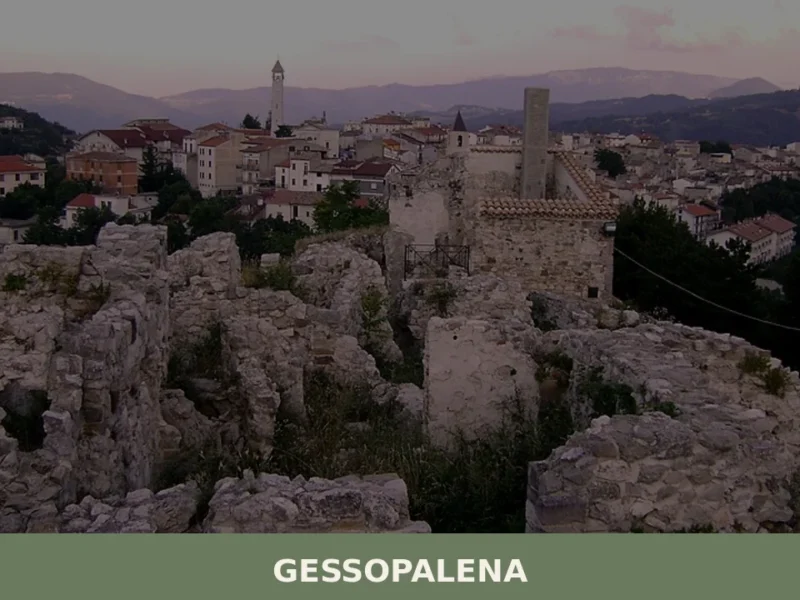
Gessopalena
Mountain
In 1943, retreating German troops dynamited the entire historic core of Gessopalena, reducing to rubble a settlement that for centuries had exploited the geological peculiarity of its terrain: gypsum. That whitish mineral, quarried and worked since Roman times, had given the village its name and shaped its houses, its walls, even the foundations of its […]
Civitella Messer Raimondo
Mountain
Civitella Messer Raimondo has 769 inhabitants and sits at 613 metres above sea level, on the eastern slope of the Maiella massif, in the province of Chieti. The village’s name still bears that of a medieval feudal lord — Raimondo — who shaped its political fortunes between the 13th and 14th centuries. Understanding what to […]
Secinaro
Mountain
what to see in secinaro, Italy: Explore this Abruzzese village at 859m (2,818 ft) above sea level, home to a unique meteor crater field and Monte Sirente's slopes.
Campotosto
 Lake
Mountain
Lake
Mountain
At 1,420 metres beside one of Europe's largest artificial lakes, Campotosto offers wild Apennine landscapes, cured mortadella, and trails into the Gran Sasso National Park.
Chieti
Hills
Chieti, an art city in Abruzzo: discover the National Archaeological Museum, Roman monuments and historic districts. Plan your visit with our guide.
Avezzano
Lake
Mountain
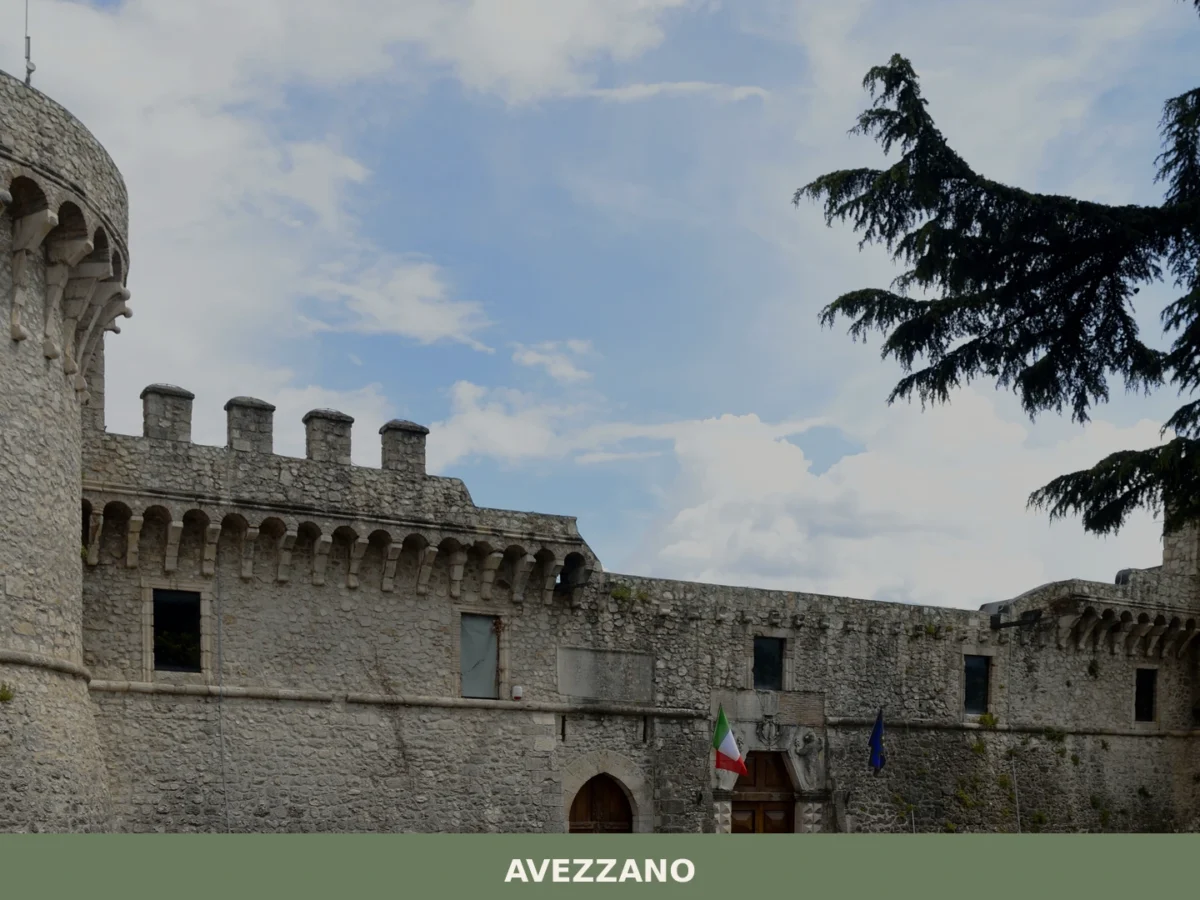
What to see in Avezzano, Italy: explore the Orsini-Colonna Castle, Roman villa, and Fucino PGI potato. 100 km from Rome. Discover Abruzzo's Marsica hub.



🏡 Know Villa Sant’Angelo better than we do?
If you’re a local or have been there, your knowledge matters: add what’s missing or fix a detail on this page.