


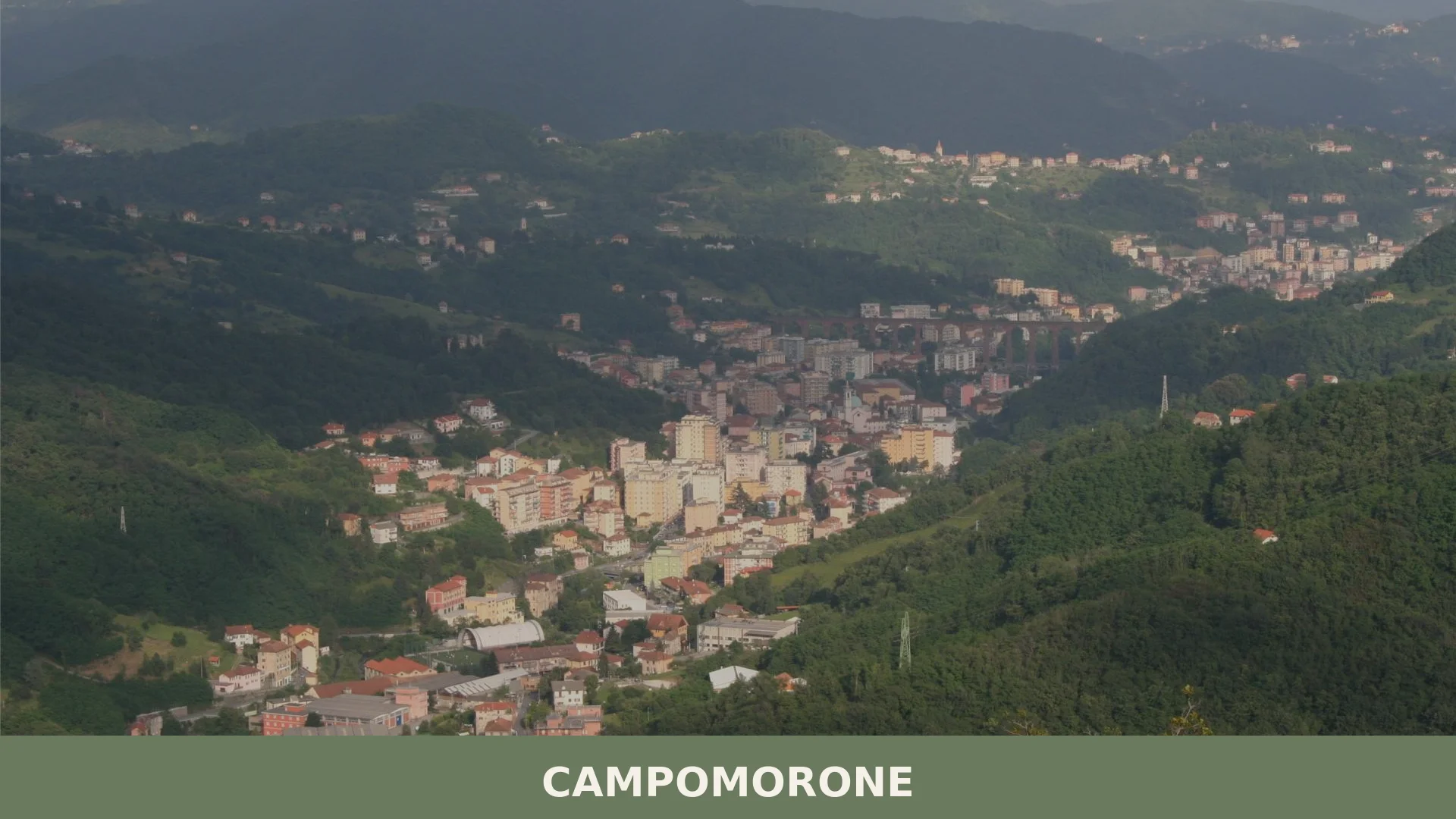

Campomorone is a Ligurian comune of about 6,400 people in the Val Polcevera, 18 kilometres north of Genova, where a seventeenth-century palazzo houses three museums and a long-distance pilgrimage rout
Discover Campomorone
Campomorone is a municipality of roughly 6,456 residents set in the Polcevera valley, about 118 metres above sea level, in the Metropolitan City of Genova, Liguria. The valley road running through it once connected the Ligurian coast to the Padanian plain, and the territory still bears traces of that long role as a passage point, from pre-Roman settlements to the medieval Republic of Genova and the green marble quarries of Pietralavezzara. Today Palazzo Balbi — a seventeenth-century building, incorporating an earlier sixteenth-century structure, and now the seat of the municipal government — anchors a modest but genuinely varied cultural offer, housing museums dedicated to marionettes and palaeontology and mineralogy, while the history of the Italian Red Cross is documented in a separate museum at the local CRI headquarters.
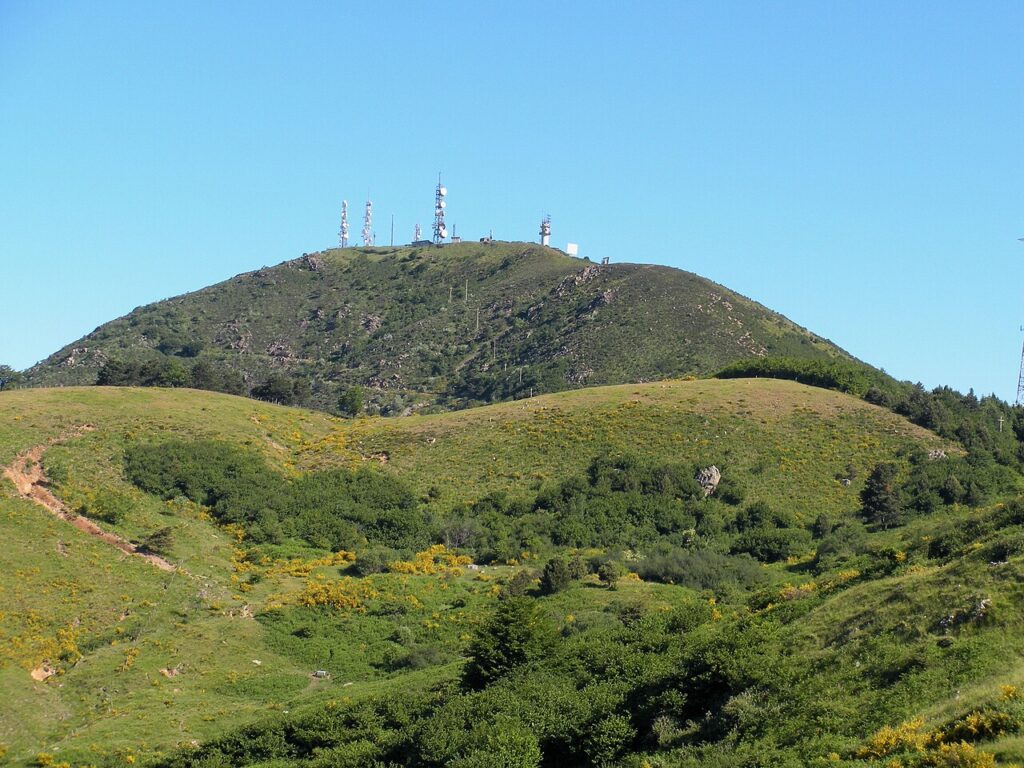
Campomorone village in Liguria sits at the edge of what ISTAT classifies as montagna litoranea, the coastal mountain belt, where the Apennine ridges drop quickly toward the sea. Its roughly 26.14 square kilometres take in several hamlets and churches — among them those dedicated to San Michele Arcangelo, Sant’Andrea, Santo Stefano, San Bartolomeo and San Bernardo — and the territory is crossed by the long-distance Cammino di Sant’Agostino. Each year on the first Sunday of September, the community gathers for the feast of its patron, the Madonna del Santo Amore.
Campomorone village in Liguria: history and origins
Campomorone, a village in the Polcevera valley north of Genova, has roots stretching back to the Iron Age, when human settlements left behind material remains throughout these valleys, and its territory was later crossed by the Via Postumia, a Roman consular road laid out in 148 BC. By the early medieval period, the area passed through Byzantine control around the mid-sixth century, when settlements along the Via Postumia served as political and military outposts, and endured Saracen raids during the ninth and tenth centuries.
The name Campomorone appears in a written document dated 1163, recording the sale of lands and fields to a Genoese consul. From the twelfth century onward, the territory came under the Republic of Genova, which in the late sixteenth century improved the valley road as far as the Bocchetta pass, formally opening the new route in late 1583. The building now known as Palazzo Balbi originated in the sixteenth century, with an earlier structure that would later be incorporated and restructured in the seventeenth century on the initiative of Francesco Maria Balbi, while quarrying of the distinctive green marble of Pietralavezzara was already under way before the century’s end.
The eighteenth century brought armed conflict: between 1746 and 1747, during the War of the Austrian Succession, Austrian forces occupied the area, pillaging several hamlets including Cravasco and largely destroying the Romanesque church of Santo Stefano, leaving only its bell tower standing. Under Napoleonic reorganisation at the close of the eighteenth century, Campomorone was incorporated into the department of Polcevera within the Ligurian Republic, and after 1815 it passed to the Kingdom of Sardinia following the Congress of Vienna. The commune, previously known as Larvego and administered from that hamlet, took the name Campomorone officially in 1871 when its seat was transferred to the present-day main village.
Palazzo Balbi, Museums, and Churches of Campomorone
Campomorone’s main points of interest are concentrated around Palazzo Balbi, a seventeenth-century building that now serves as the municipal seat and houses three distinct museum collections, alongside a number of parish churches spread across the comune’s various fractions.
Palazzo Balbi
The palace was built in the seventeenth century on the initiative of Francesco Maria Balbi, incorporating and restructuring an earlier sixteenth-century building that had likely belonged to the Pinelli family. The intervention — attributed in sources to Pier Antonio Corradi, an architect active in the latter decades of the seventeenth century, though the attribution is noted as uncertain — merged the existing structure into a larger complex. Today the building, also known as Palazzo Delle Piane, sits on Via Antonio Gavino and functions both as the town hall and as the home of two municipal museums: the Museo delle Marionette and the Museo di Paleontologia e Mineralogia.
Museo delle Marionette “Collezione Cenderelli”
Established in February 1996 and housed within Palazzo Balbi, this museum preserves the collection of Angelo Cenderelli, who worked as creator, builder, set designer, and performer in his own marionette theatre. The collection documents a tradition of marionette performance that developed in Genoa during the nineteenth century.
Museo di Paleontologia e Mineralogia
Inaugurated in 1980 and also located in Palazzo Balbi, the museum traces the geological history of the Earth through an itinerary that begins with rocks and minerals and moves through fossil records to address the origins and evolution of human life.
Museo Storico della CRI
Founded in 1981 and opened to the public in November 1986, this museum dedicated to the Italian Red Cross occupies the second floor and a specially fitted attic of the local CRI headquarters in Campomorone. The sources describe the building as a unique facility within the CRI network.
Churches
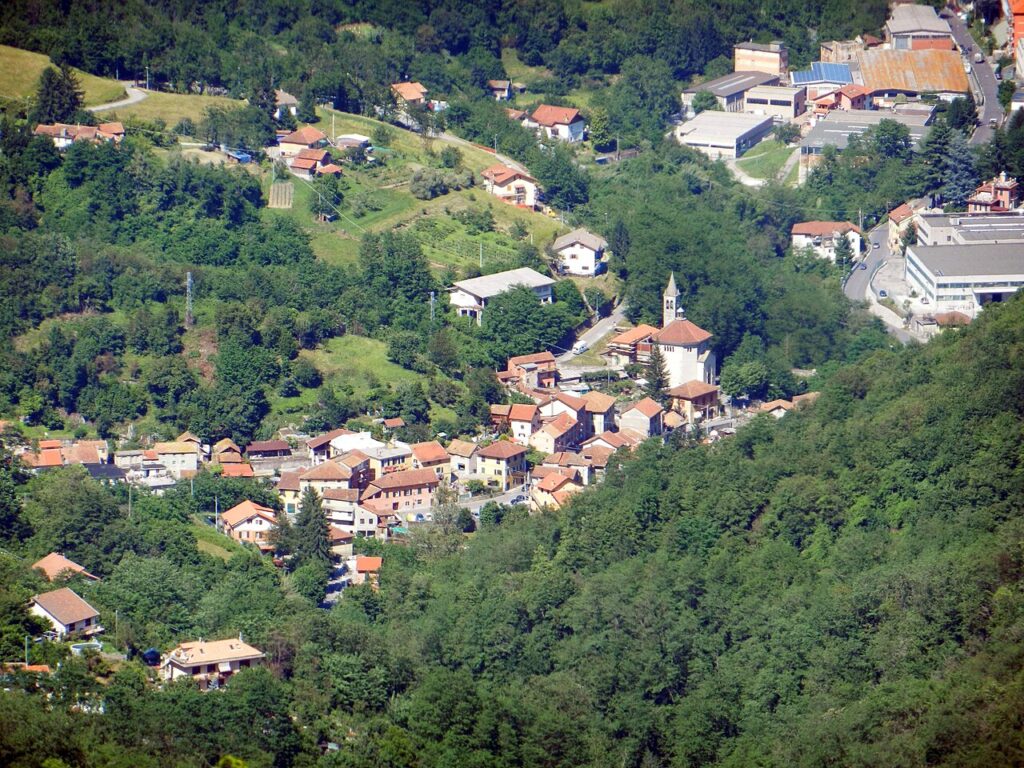
Several parish churches are distributed across the territory. The church of San Bernardo stands in the main village centre; San Bartolomeo is located in the fraction of Cravasco; San Michele Arcangelo serves the fraction of Gallaneto. The comune also includes the churches of Sant’Andrea and Santo Stefano. Among these, the church of Santo Stefano carries particular historical weight: its Romanesque structure was heavily damaged during the mid-eighteenth century, and only the bell tower was left standing at that time.
Campomorone and the Flavours of the Ligurian Apennine Table
Campomorone sits within a province and region celebrated for some of Italy’s most prized certified ingredients, from Genovese Basil DOP and Riviera Ligure olive oil DOP to IGP-protected salted anchovies from the Ligurian Sea and the iconic Focaccia di Recco col Formaggio IGP — products of the wider Genoese hinterland that set the culinary backdrop for any visit to this valley.
The Val Polcevera territory, of which Campomorone is part, also falls within the production area of the Val Polcèvera DOC and the broader Colline del Genovesato IGT, two designations that reflect the long vine-growing tradition of the hills surrounding Genova. Local tables may also feature traditional Ligurian preparations catalogued among regional heritage foods, including apple vinegar, amaretto, and fruit distillates — modest, artisanal products tied to the mountain-meets-sea character of Ligurian domestic cooking. None of these are exclusive to Campomorone itself, but together they paint an honest picture of what to expect on the plate in this corner of the Ligurian Apennines.
Reaching Campomorone and Planning Your Stay in the Val Polcevera
Campomorone is easily reached from Genova along the Val Polcevera corridor, lying roughly 15 kilometres north of the city centre at an elevation of 118 metres — a straightforward drive or rail connection that makes it a practical base or day-trip destination within the Genoese metropolitan area.
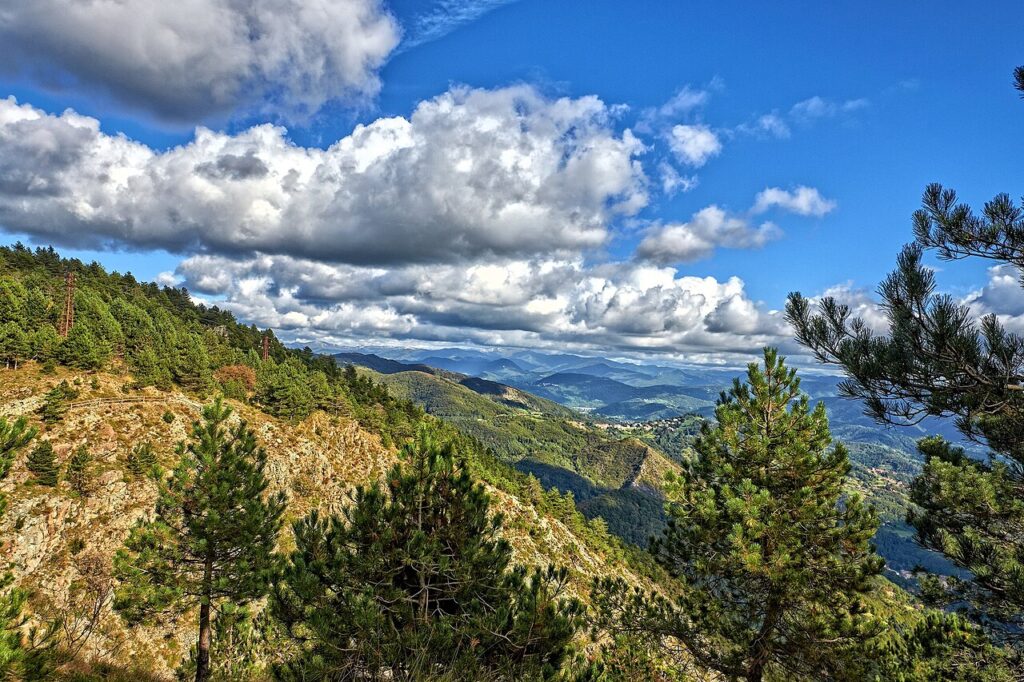
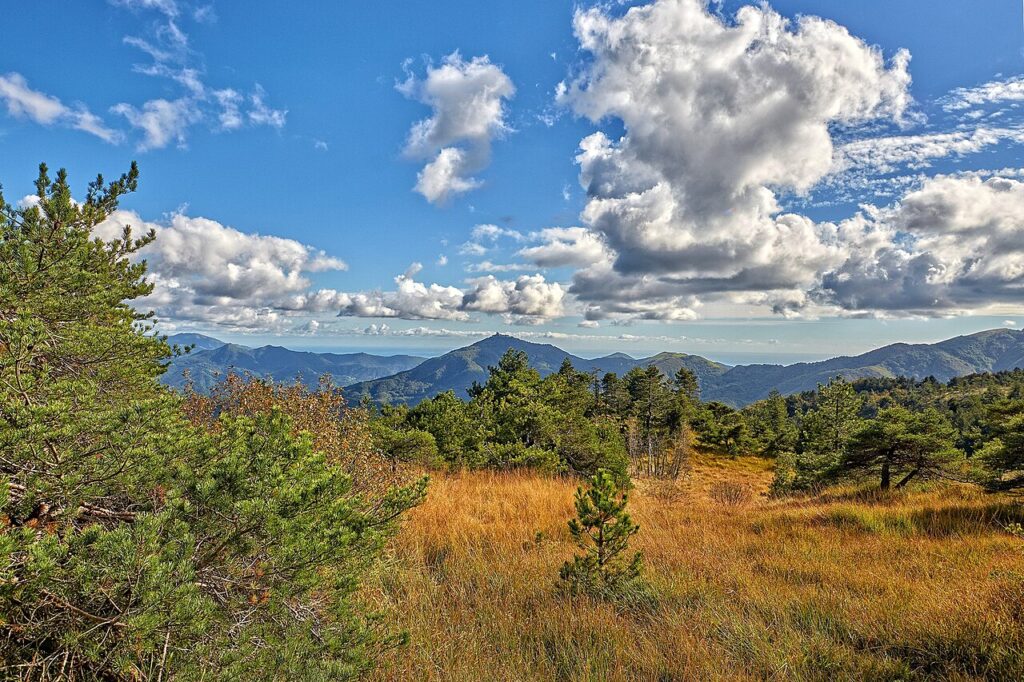
The village sits at the mouth of the Val Verde, a quieter lateral valley branching off the upper Val Polcevera, and is connected northward over the Bocchetta pass at 118 metres to the Piedmontese town of Voltaggio in the Lemme valley. This mountain threshold marks the boundary between the Ligurian and the Po basin watersheds, adding scenic interest to any approach from the north. Walkers will note that the territory is crossed by the Cammino di Sant’Agostino, a long-distance route of some 770 kilometres, offering opportunities for staged hiking in the surrounding Apennine hills.
Spring and early autumn offer the most comfortable conditions for exploring the area on foot or by bicycle, while the first Sunday of September brings the festa patronale of the Madonna del Santo Amore, giving visitors a reason to time their visit around local tradition. Those wishing to explore nearby villages in the Genoese highlands may also consider Crocefieschi or Davagna as complementary stops.
| Departure | Distance | Time |
|---|---|---|
| Genova | approx. 15 km | approx. 20 min |
| Passo della Bocchetta | approx. 10 km | approx. 15 min |
| Voltaggio (AL) | approx. 25 km | approx. 30 min |
These practical references help organise the journey clearly, while the village itself is best understood slowly and on foot once you arrive.
Frequently asked questions about Campomorone
How do I get to Campomorone from Genova?
Campomorone is easily reached from Genova by regional train on the Genova–Ovada or Genova–Busalla line, with Campomorone station served regularly. By car, take the A26 motorway and exit at Bolzaneto, then follow the SS35bis into the Polcevera Valley; the journey from central Genova takes roughly 20–25 minutes. Regional buses operated by AMT and Riviera Trasporti also connect the village to Genova's urban network, making it accessible even without a private vehicle.
When is the best time to visit Campomorone?
Early September is the highlight of the local calendar, when Campomorone celebrates its patron feast of the Madonna del Santo Amore on the first Sunday of the month, drawing pilgrims and visitors from across the Polcevera Valley. Spring and early autumn offer the most pleasant hiking conditions in the surrounding Ligurian Apennines, with mild temperatures and good trail visibility. Summer is warm but less crowded than the Ligurian coast, making the village a peaceful alternative to seaside destinations.
Are there hiking or trekking routes near Campomorone?
Yes. Campomorone lies along the Cammino di Sant'Agostino, a long-distance pilgrimage and trekking route crossing the Ligurian Apennines. The surrounding hills are also crossed by trails maintained by the CAI (Club Alpino Italiano), linking the Polcevera Valley to nearby Apennine ridges. The terrain is well suited to day hikes and multi-day treks, with marked paths connecting to the broader network of Ligurian ridge routes. Detailed CAI maps are available at local outdoor shops and on the official CAI website.
What practical information should I know before visiting Campomorone?
Palazzo Balbi, which houses the three museums dedicated to marionettes, palaeontology, and the Italian Red Cross heritage, is the main cultural stop; visitors should check current opening hours directly with the municipality or local tourism contacts before arrival, as hours may vary seasonally. A half-day is generally sufficient to explore the village centre and its museums. Street parking is available near the town centre. The nearest large supermarkets and services are in the greater Genova metropolitan area, easily reachable by train.
Is there any historical curiosity about Campomorone not widely known?
Campomorone sits along the route of an ancient Roman consular road that connected the Ligurian coast to the Po Plain, making it a historically strategic passage long before modern infrastructure was built. The area's human presence has been documented since the Iron Age, and the village appears in medieval commune records centuries before its formal incorporation into unified Italy in 1861. This layered history — Roman, medieval, and Risorgimento — gives Campomorone an unusually rich timeline for a small Apennine settlement of just over 6,400 residents.
📷 Photo Gallery — Campomorone
In Liguria More villages to discover
Coreglia Ligure
 Plains
Coreglia Ligure, a comune of just 257 inhabitants in the province of Genova, sits at 65 metres above sea level on the eastern slope of the Fontanabuona valley — one of the most densely settled inland corridors of the Ligurian Apennines. The village’s economy historically revolved around slate extraction and olive cultivation, two activities that […]
Favale di Malvaro
 Hills
Hills
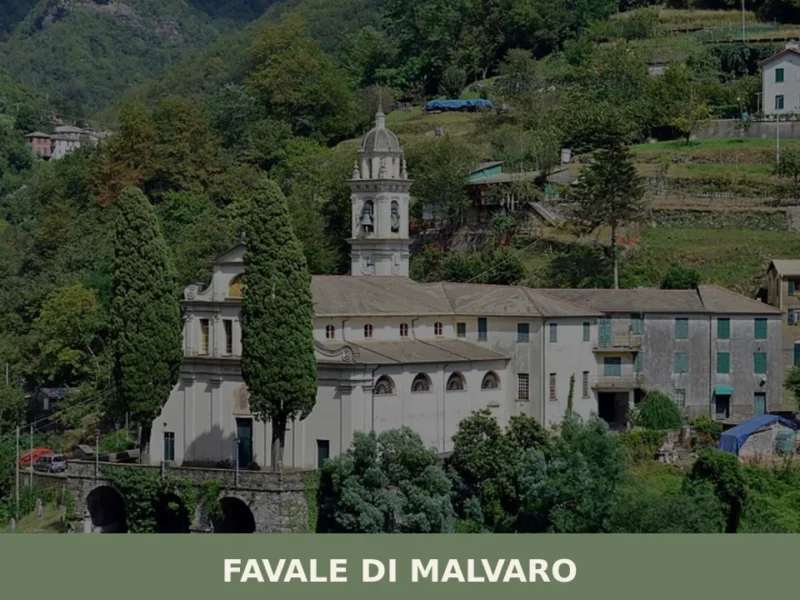
In 1892, Amadeo Pietro Giannini left Favale di Malvaro for America. The son of Ligurian emigrants, he went on to found the Bank of Italy in San Francisco in 1904, which later became Bank of America — for decades the largest banking institution in the world. This small village in the Fontanabuona valley, home to […]
Sesta Godano
 Mountain
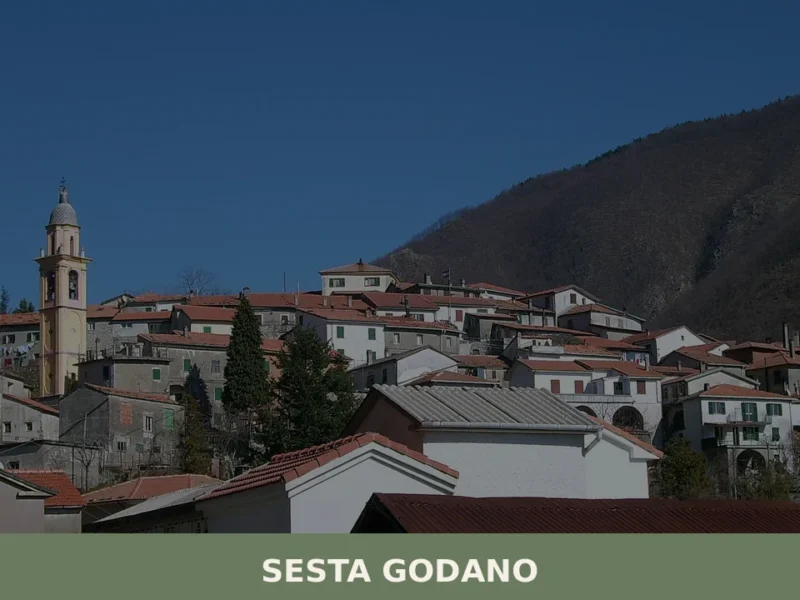
Sesta Godano is a mountain village of 1,266 residents deep in the upper Val di Vara, where the Gottero torrent, chestnut forests and medieval stonework define a side of Liguria far removed from the co
Aquila d’Arroscia
Mountain
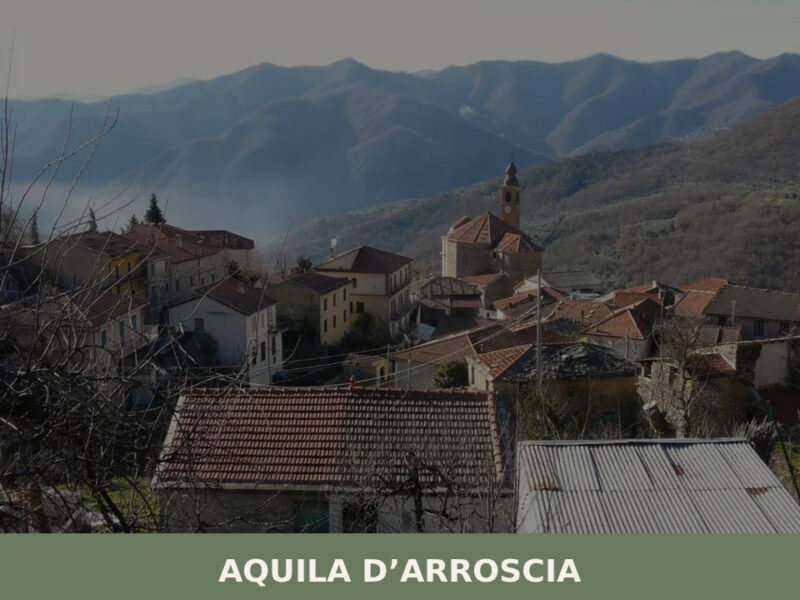
From the heights of the Arroscia Valley, the stone facades and light plasterwork of Aquila d’Arroscia stand out against the intense green of the Mediterranean maquis, dotted with olive groves that trace the slopes. The profile of the parish bell tower, with its slender spire, emerges among the slate roofs, marking the highest point of […]
Orco Feglino
Mountain
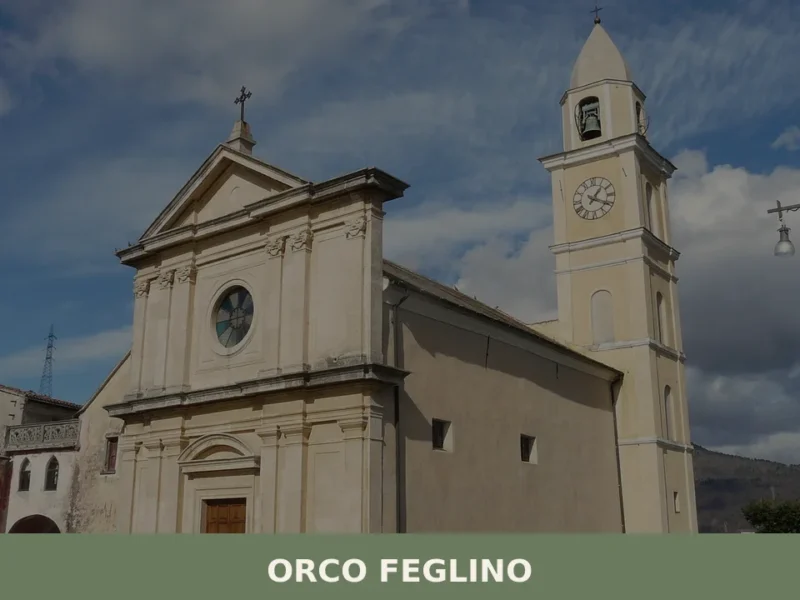
What to see in Orco Feglino, Italy? Located 50 km (31 mi) from Genoa, this village of 889 inhabitants offers castle ruins and historic churches. Explore its rich past.
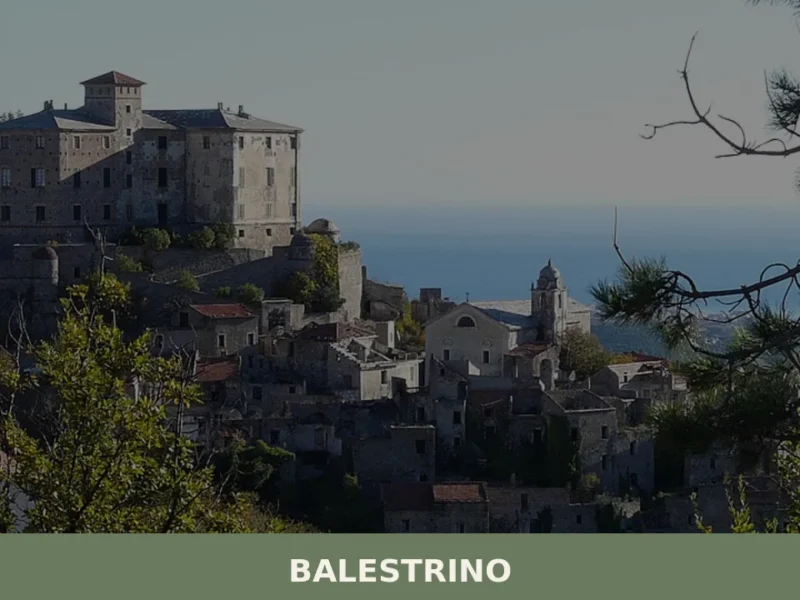
Balestrino
Hills
In 1963 a landslide forced the evacuation of the upper part of Balestrino, leaving the old village uninhabited and intact in its sixteenth- and seventeenth-century structure. Today the municipality has 530 residents, spread between the modern settlement in the valley below and the hillside hamlets, at 371 metres above sea level on the ridge separating […]
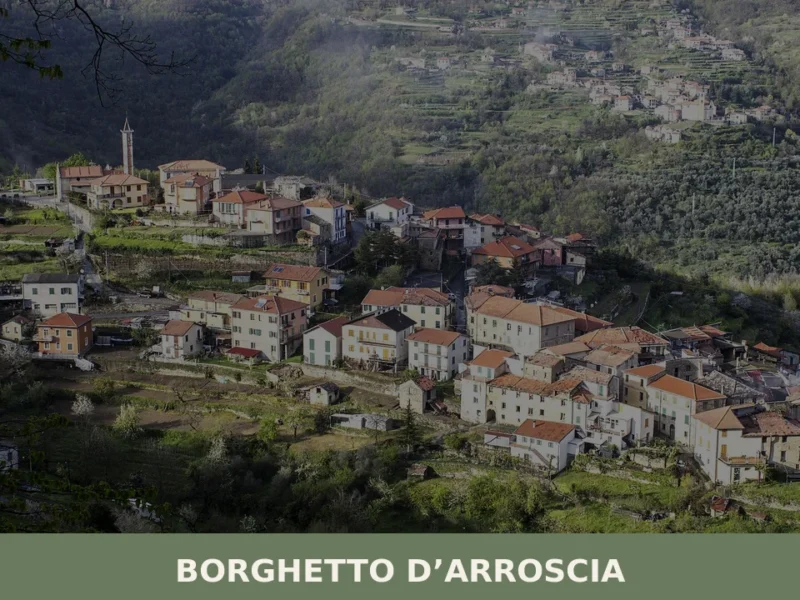
Borghetto d’Arroscia
Plains
Along the banks of the Arroscia river, amidst centuries-old olive groves and cultivated terraces, lies the territory of Borghetto d’Arroscia, a scattered municipality in the province of Imperia. Its hamlets, such as Gavenola and Bastia, preserve the appearance of small Ligurian settlements, characterized by stone buildings and narrow streets that follow the contours of the […]
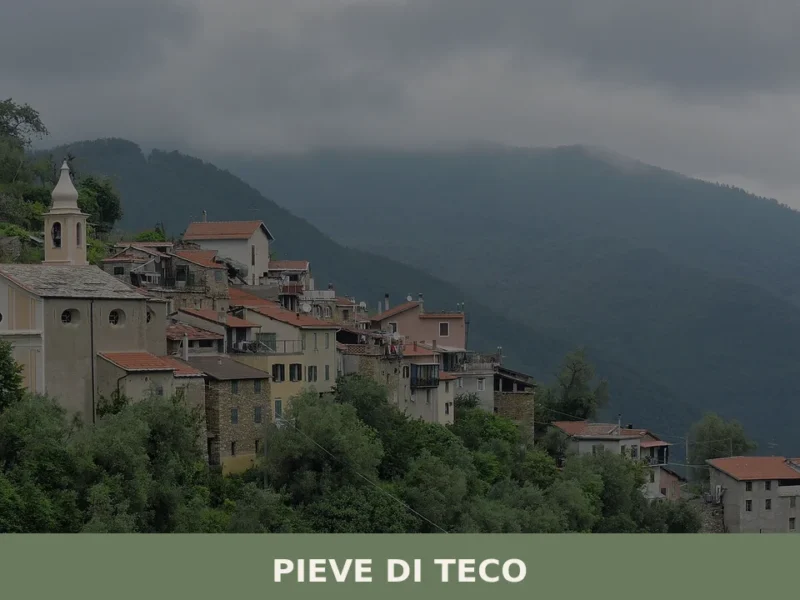
Pieve di Teco
Mountain
A medieval market town in the Ligurian Alps, Pieve di Teco was built at the junction of three valleys to receive merchants and trade caravans — and its arcaded streets still tell that story.
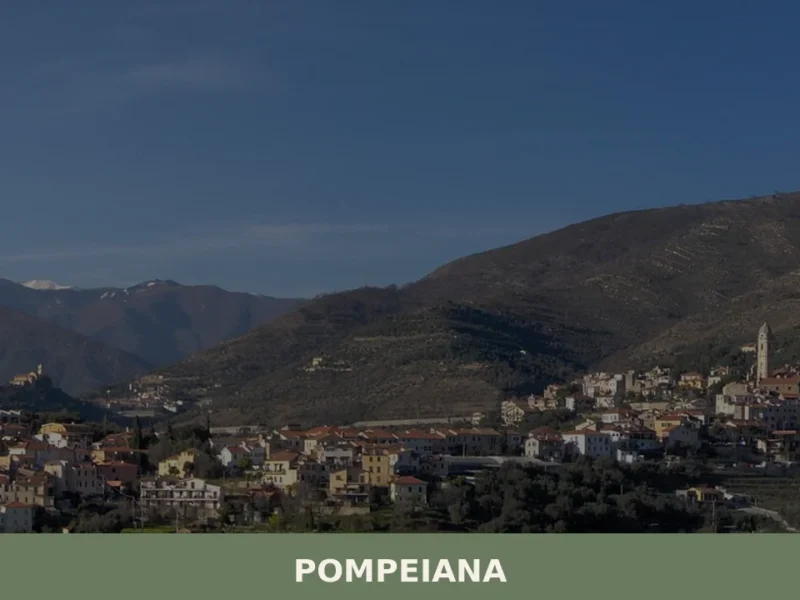
Pompeiana
 Sea
Sea
Perched at 156 metres above the Ligurian coast, Pompeiana is a compact hillside village whose medieval watchtower and scattered hamlets still reflect centuries of life between sea and hill.
Vasia
Hills
What to see in Vasia, Liguria, Italy: explore a village of 418 inhabitants 9 km from Imperia. Discover top attractions, local food, and how to get there.





🏡 Know Campomorone better than we do?
If you’re a local or have been there, your knowledge matters: add what’s missing or fix a detail on this page.