


Acceglio
 Mountain
Discover what to see in Acceglio, a 170-resident mountain village at the head of Valle Maira in Cuneo, Piemonte — trails, churches, alpine pastures and local food.
Discover Acceglio
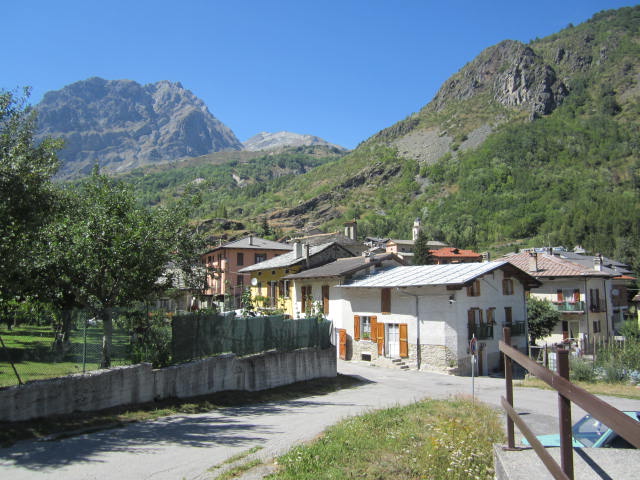
Acceglio is the highest municipality in the Valle Maira, a long glacial valley cutting through the Cottian Alps in the province of Cuneo, Piemonte. With a resident population of around 170 people, it sits at an elevation that keeps its upper hamlets snowbound for months each year. For anyone asking what to see in Acceglio, the answer begins with geography: this is a valley-end village, a place where the road runs out and the mountains begin, and that physical fact has determined everything about its architecture, its economy, and its survival across the centuries.
History of Acceglio
The name Acceglio carries traces of its pre-Latin past. In the local Occitan dialect it is rendered as Acelh, and in Piedmontese as Assèj — both forms pointing toward a root connected to the Latin aquilegium, referring to a place where water collects or is channelled, which would make linguistic and topographical sense for a settlement positioned at the confluence of mountain streams in the upper Maira valley. The Valle Maira was historically part of the broader Occitan-speaking arc of the southern Alpine communities, a cultural and linguistic identity that distinguishes this area of Cuneo province from the Piedmontese plains to the north and east.
During the medieval period, control of the upper Valle Maira — including the territory around Acceglio — passed through the hands of various feudal lords operating under the broader authority of the Duchy of Savoy. The valley’s remoteness gave it a degree of administrative autonomy, and communities here developed self-governing structures centred on local councils and communal land management, particularly for the high alpine pastures essential to transhumance. Wool, livestock, and timber were the economic pillars. Seasonal migration was not unusual: men from Acceglio and similar valley-end villages would descend to the plains for work during the harshest winter months, a pattern well-documented across the Cuneese Alps from the early modern period onward.
The administrative reorganisation of the Napoleonic period folded much of this area into the French departmental system before it was reassigned to the Kingdom of Sardinia and, after 1861, to unified Italy. Acceglio was formally constituted as an independent comune within the province of Cuneo, a status it retains today. The twentieth century brought severe depopulation, as it did to virtually every valley-end settlement in the Italian Alps — the combination of two world wars, agricultural decline, and the pull of industrial employment in cities like Turin reduced communities such as Acceglio to a fraction of their nineteenth-century populations. The village’s current figure of approximately 170 residents reflects that long demographic contraction.
What to see in Acceglio: 5 must-visit attractions
1. The Parish Church of Sant’Eusebio
The parish church dedicated to Sant’Eusebio anchors the lower village and is the oldest continuously functioning religious structure in the commune. Built in the Romanesque-influenced style typical of Cuneese valley churches, it features a bell tower in local stone that rises visibly above the roofline of the surrounding hamlets. Interior frescoes, characteristic of the devotional art of the southern Alpine parishes, survive in partial form.
2. The High Alpine Pastures (Alpeggi)
Above the village, the open alpine meadows — locally called alpeggi — rise toward the Franco-Italian border ridge. These pastures were the economic foundation of Acceglio’s existence for centuries, used for summer transhumance of cattle and sheep. The dry-stone enclosures, water channels, and stone shepherd shelters scattered across the terrain are structures that in some cases date to the early modern period and remain largely intact.
3. The Hamlets of Saretto and Chialvetta
Acceglio’s administrative territory includes several distinct hamlets, among them Saretto and Chialvetta, each with its own small chapel and cluster of stone houses. Saretto sits near an artificial lake — the Lago di Saretto — created by a mid-twentieth-century dam project on the Maira river, which altered the upper valley’s landscape and hydrology in a manner still visually legible today.
4. Lago di Saretto
The reservoir formed by the dam on the upper Maira is one of the most significant landscape features of the Acceglio area. At altitude, the lake reflects the surrounding ridge lines of the Cottian Alps and provides a reference point for walkers traversing the valley. The dam infrastructure itself, built in the mid-twentieth century for hydroelectric purposes, is an example of the engineering interventions that reshaped many high Alpine valleys during Italy’s postwar industrial expansion.
5. The Valle Maira Trail Network
Acceglio sits at the head of one of Piemonte’s most developed long-distance trail systems. The Valle Maira trail network connects upper valley villages via paths that follow historic transhumance and trading routes. Several itineraries of varying length depart directly from Acceglio’s hamlets, including cross-border paths into France through the Colle della Gardetta and adjacent passes.
Local food and typical products
The food culture of the upper Valle Maira belongs to the broader tradition of Cuneese mountain cooking, in which economy and altitude dictate the ingredients. Polenta — made from the stone-ground maize flour still produced in some valley mills — remains a staple, served with local cheeses and, in season, with wild mushrooms gathered from the surrounding forests. The most representative cheese of the area is the Castelmagno DOP, one of Italy’s oldest protected designation cheeses, produced in the neighbouring valleys of the Cuneese Alps and widely available throughout the area. Its flavour develops with age from a relatively mild, crumbly young form into a sharper, more complex aged wheel with characteristic blue veining.
For visitors seeking to eat in the valley, the options in Acceglio itself are limited by the village’s small resident population — a handful of establishments, typically small trattorie or rifugi, operate seasonally and focus on straightforward alpine cooking rather than elaborate menus. The Cuneo Holiday portal maintains updated listings of accommodation and eating options in the Valle Maira for those planning ahead. Purchasing local products directly from producers in the valley — cheese, honey, and cured meats — is a practical and common approach for self-catering visitors.
Best time to visit Acceglio
The upper Valle Maira is a four-season destination with very different characters depending on when you arrive. Summer — June through early September — is the primary walking season, when the high passes are clear of snow, the alpeggi are in use, and daylight extends well into the evening. Temperatures at village altitude are moderate even in July and August, with cool nights, making it a practical destination during periods when the Cuneese plain is under intense heat. Winter brings reliable snowfall and the possibility of snowshoeing and cross-country skiing, though access to some upper hamlets may require chains or four-wheel drive. Spring arrives late at this altitude, with snow persisting on the high routes into May or even June in heavy years.
There are no large-scale festivals in Acceglio that generate significant visitor numbers, which means the village absorbs its seasonal visitors without the crowding that affects better-known destinations. The period between mid-July and mid-August sees the highest concentration of visitors — Italians from the plains, particularly from Cuneo and Turin, who use the valley as a base for multi-day walking. Those who prefer solitude on the trails should consider the shoulder weeks of late June or early September, when conditions are comparable but foot traffic considerably lighter.
How to get to Acceglio
Acceglio is reached entirely by road: there is no rail connection into the upper Valle Maira. The nearest railway station with regular service is at Cuneo, the provincial capital, located approximately 60 kilometres from Acceglio by road — a drive of roughly one hour to one hour and fifteen minutes depending on conditions in the valley. From Cuneo, the route follows the SS22 state road up the Maira valley through Dronero, the valley’s main town, and continues through a sequence of progressively smaller settlements before reaching Acceglio at the road’s end.
- By car from Turin: approximately 2 hours via the A6 motorway toward Savona, exiting at Fossano or Cuneo, then following the Maira valley road.
- By car from Cuneo: approximately 1 hour via the SS22 through Dronero.
- By rail: Cuneo is connected to Turin by direct regional train (approximately 1 hour). From Cuneo station, a car or taxi is required to continue into the valley — there is no scheduled public bus service to Acceglio’s upper hamlets year-round.
- Nearest airport: Turin Caselle Airport (TRN), approximately 2.5 hours by car. Nice Côte d’Azur Airport (NCE) in France is a practical alternative for those arriving from the west, at roughly 2 hours via the A10 and then inland roads through Cuneo.
The Province of Cuneo’s official website provides updated information on road conditions and access to high mountain routes, which can be subject to seasonal closures.
Where to stay in Acceglio
Accommodation in Acceglio and its hamlets is small in scale and predominantly seasonal. The most common options are agriturismo properties, mountain rifugi (alpine huts with dormitory or private room facilities), and a limited number of holiday apartments and rooms for rent in the stone houses of the various hamlets. Given the village’s position at the end of the valley road, staying within the commune itself puts visitors within direct walking distance of the high trail network — the practical advantage over basing oneself further down the valley in Dronero, which offers more conventional hotel accommodation but requires driving to reach the upper paths each day.
For multi-night walking itineraries, some visitors use a combination of hamlet accommodation in Acceglio and mountain refuges along the trail routes, carrying minimal kit between stops. Booking well in advance is strongly advised for July and August, when available beds are taken quickly by returning visitors who know the valley. Outside those peak weeks, last-minute availability is more likely. Self-catering apartments represent the most flexible option for families or small groups, and several are available through general rental platforms as well as through local contacts in the valley.
More villages to discover in Piemonte
Piemonte’s diversity extends well beyond its Alpine valleys. Travellers who have explored the upper Cuneese can find a very different face of the region in its lowland settlements. Buriasco, in the Turin metropolitan area, sits in the Po plain and offers a contrast in landscape and scale — a small agricultural community surrounded by rice fields and poplar stands rather than glacial rock. Further north, Balangero in the Lanzo valleys carries an industrial history connected to what was once one of Europe’s largest asbestos mines, now closed and in environmental remediation — a rare example of an industrial heritage site embedded in an otherwise rural Alpine foothill landscape.
Eastward across the region, Alessandria represents Piemonte at its most urban and historically layered, a provincial capital on the Po plain with a baroque centre and a military fortress that once made it strategically vital to Napoleonic campaigns. For a quieter eastern counterpoint, Andezeno in the Chieri hills produces wine in the Freisa tradition and sits in a gently rolling landscape quite unlike the high Alpine terrain of the Maira valley — a reminder that Piemonte compresses an extraordinary range of environments within a single administrative region.
📷 Photo Gallery — Acceglio
In Piedmont More villages to discover
Novara
 Plains
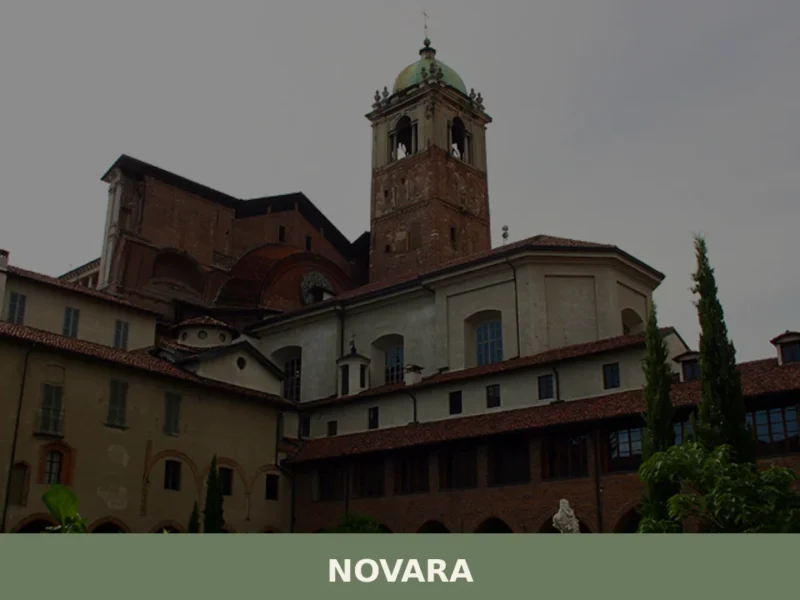
What to see in Novara: city at 162 m with 101,000 residents. Explore the Antonelli dome, 4th-century baptistery, paniscia and Colline Novaresi DOC wines.

San Bernardino Verbano
Mountain
San Bernardino Verbano unites 3 historic hamlets at 304 m above Lake Maggiore, offering Val Grande trails, partisan history, and genuine Piedmontese cuisine.
Banchette
 Hills
Hills
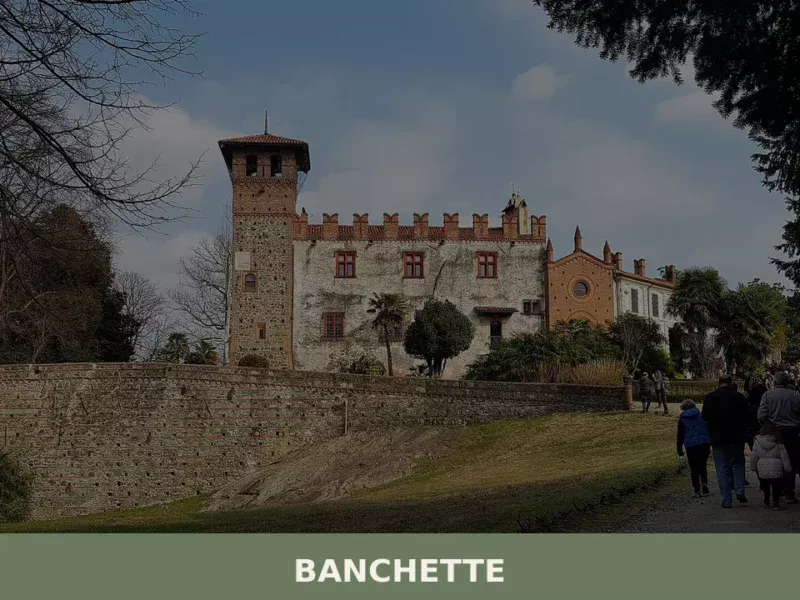
Banchette is a municipality of 3,087 inhabitants in the province of Turin, situated at 266 metres above sea level on the Canavese plain, a few kilometres from Ivrea. Those wondering what to see in Banchette will find a settlement whose modern identity owes more to industry than to the Middle Ages: the area underwent significant […]
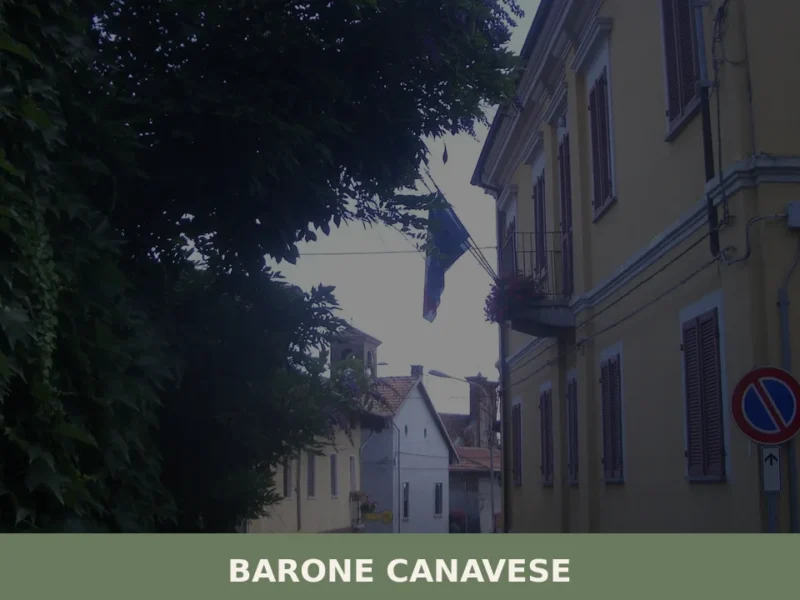
Barone Canavese
Hills
Barone Canavese has 554 inhabitants and sits at 325 metres above sea level, on the hills of eastern Canavese in the province of Turin. Those wondering what to see in Barone Canavese will find a small municipality set within a well-defined hill landscape, notable for its historic religious buildings and a road network connecting the […]
Campiglione Fenile
Plains
Fifteen kilometres separate Campiglione Fenile from Pinerolo, and that distance is enough to create a perceptible shift: the noise of the city gives way to the compact silhouette of Piedmontese farmsteads, to the double-pitched roofs that cut across the Po Valley sky towards the Cottian Alps. In this article History and origins of Campiglione Fenile […]
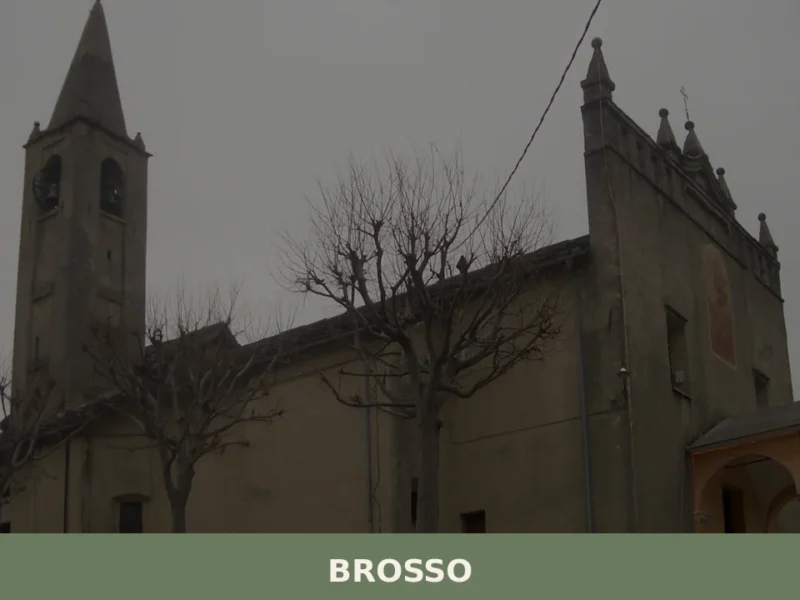
Brosso
Mountain
Brosso has a population of 391 and sits at 797 metres above sea level in the Valli del Canavese, in the province of Turin, on the south-eastern slopes of the Serra di Ivrea. The area was historically defined by mining activity — particularly iron and copper extraction — a practice that left lasting physical marks […]
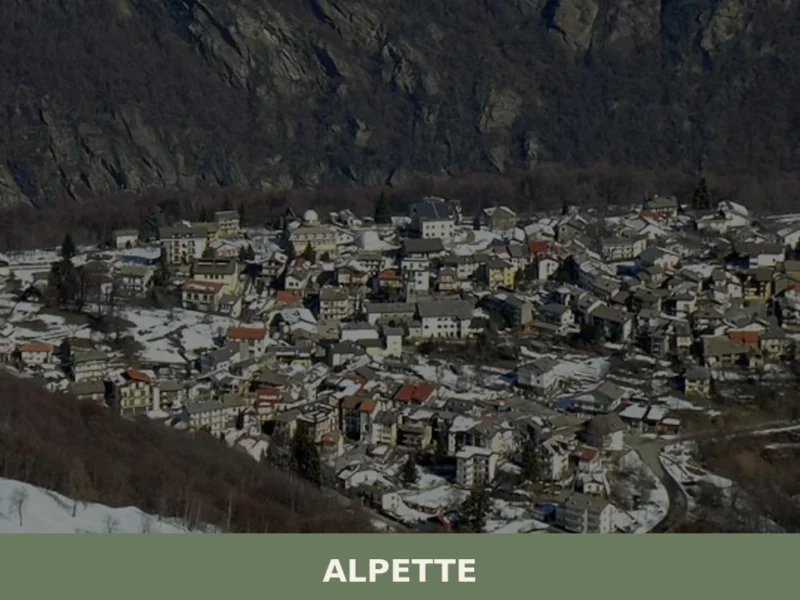
Alpette
Mountain
At 957 metres above sea level, on the eastern slope of Gran Paradiso, Alpette has 251 inhabitants spread between the central settlement and a handful of hamlets scattered along the pastures that climb towards Cima Quinzeina. Those looking into what to see in Alpette will find a village built almost entirely from local stone and […]
Pecco
Mountain
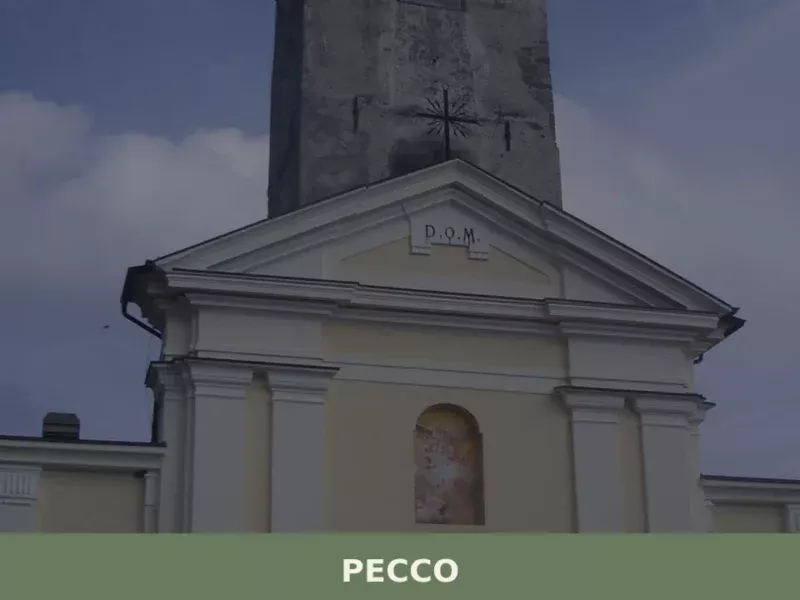
On 1 January 2019, Pecco ceased to exist as an independent municipality when it merged with Alice Superiore and Lugnacco to form the new comune of Val di Chy, in the metropolitan city of Torino. Before that administrative change, Pecco — known in Piedmontese dialect as Pech — held its own civic identity, governing a […]
Piscina
Plains
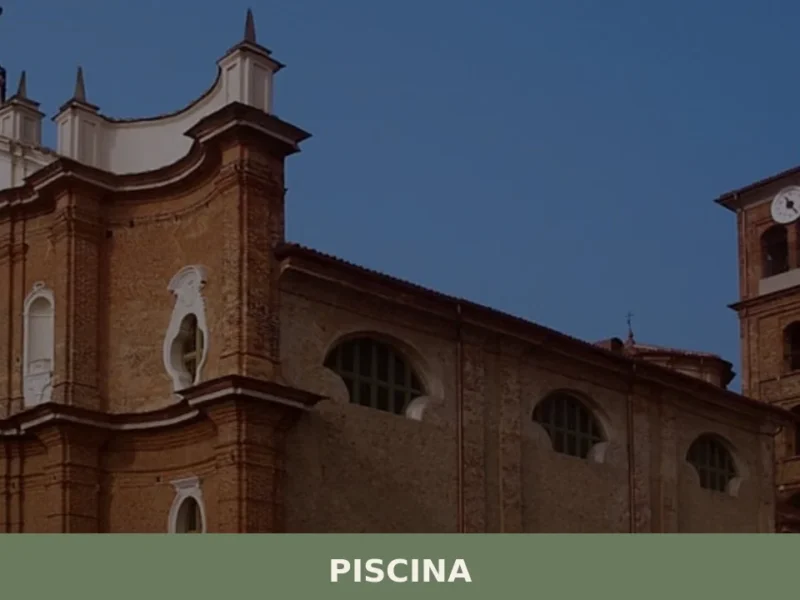
Scopri Piscina borgo Piemonte: storia, tradizioni e attrazioni di questo affascinante comune piemontese tutto da esplorare.
Pragelato
Mountain
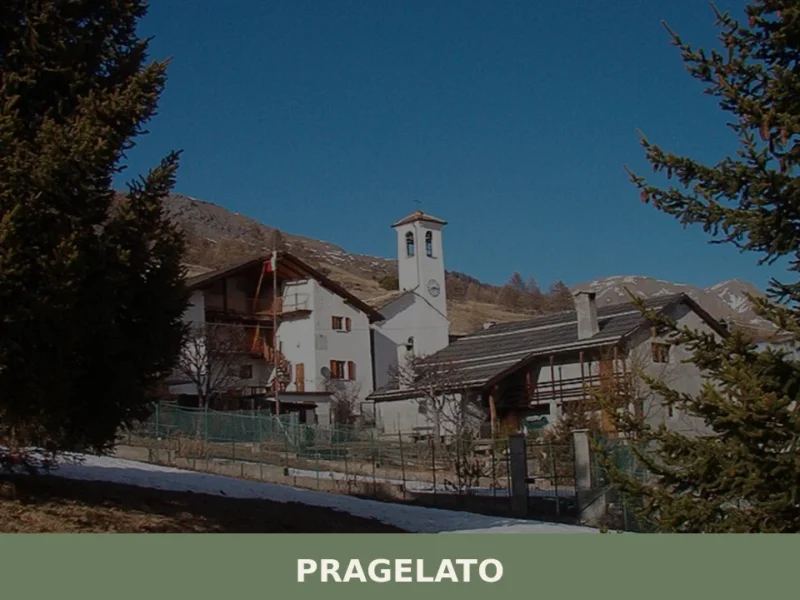
Pragelato sits at around 1,524 metres above sea level in Val Chisone, approximately 82 kilometres west of Turin, and its Occitan name — Pradzalà or Prajalats — translates directly as “frozen meadow”, a reference to the high-altitude pastures that define the landscape here. With a resident population of 692, this is a compact Alpine commune […]



🏡 Know Acceglio better than we do?
If you’re a local or have been there, your knowledge matters: add what’s missing or fix a detail on this page.