


Albera Ligure
 Mountain
What to see in Albera Ligure, Italy: 120 km from Turin, 5 verified attractions, local food traditions and how to get there. Discover this Alessandria village.
Discover Albera Ligure
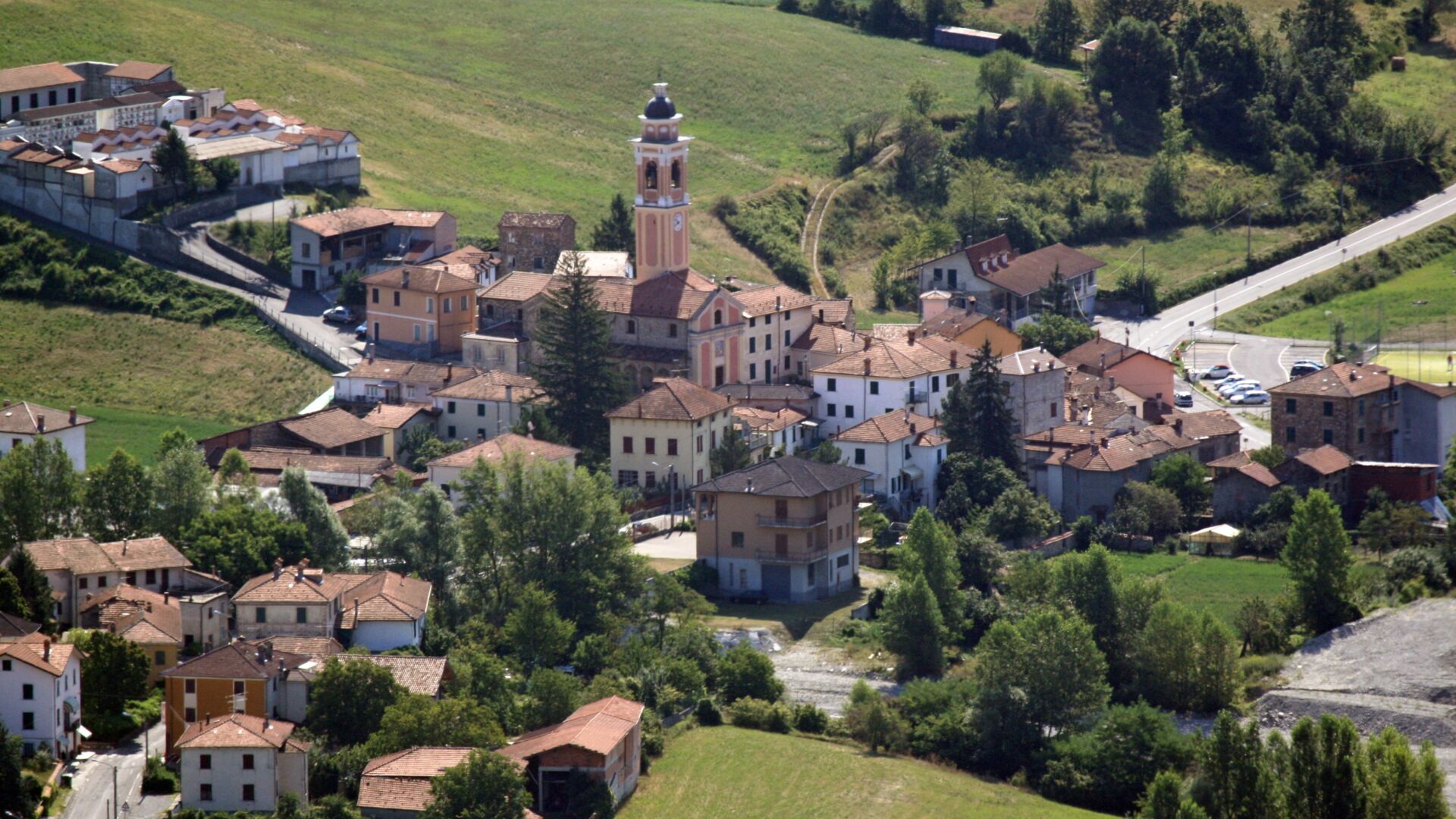
The ridge that separates Piedmont from Liguria runs close enough to Albera Ligure that the air in autumn carries both the dampness of the Ligurian valleys and the drier cold that rolls down from the Po plain. The village sits in the Province of Alessandria, bordered by five municipalities — Cabella Ligure, Cantalupo Ligure, Fabbrica Curone, Montacuto, and Rocchetta Ligure — each occupying its own fold of the Ligurian Apennines.
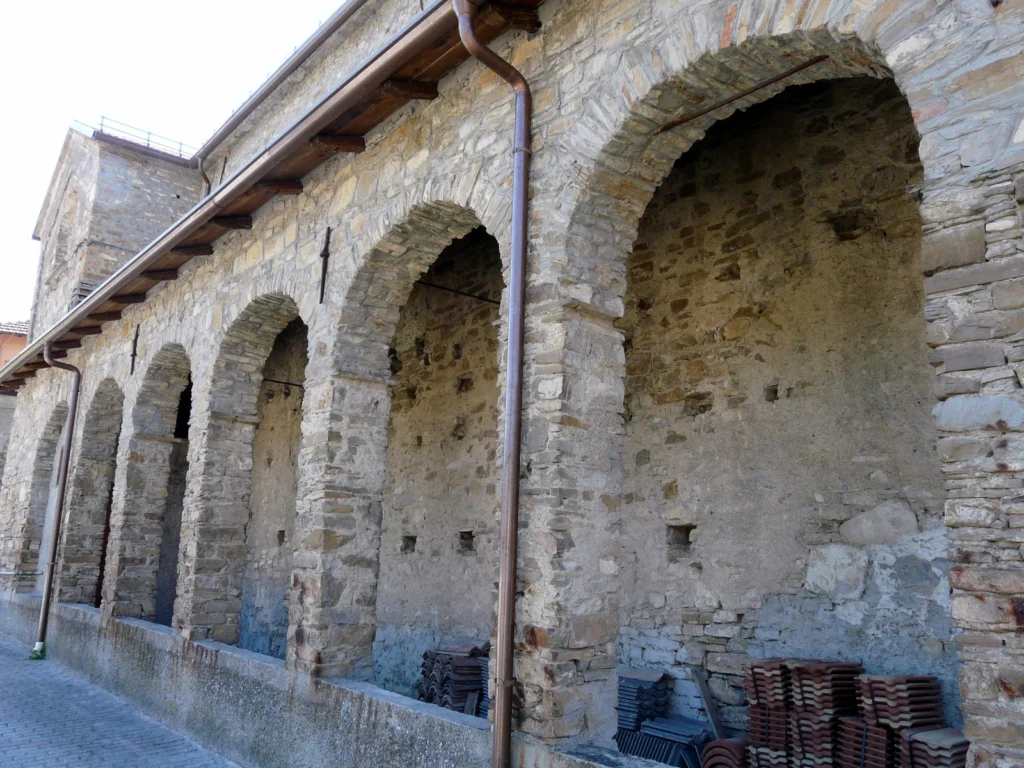
Stone walls follow the contour lines here with the logic of a place where gravity, not urban planning, decided the layout.
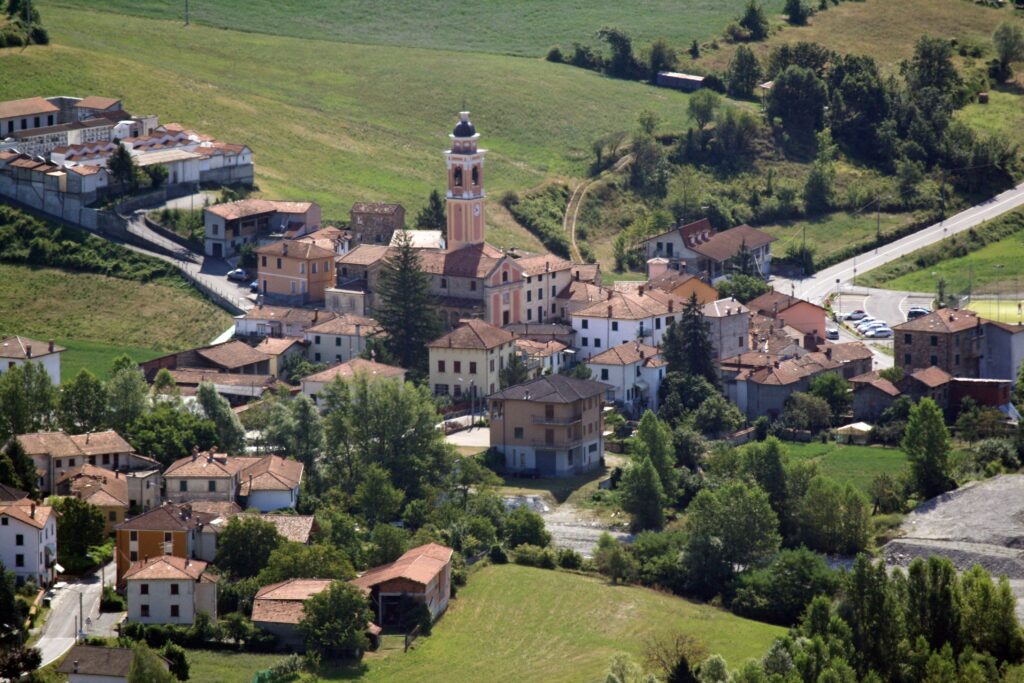
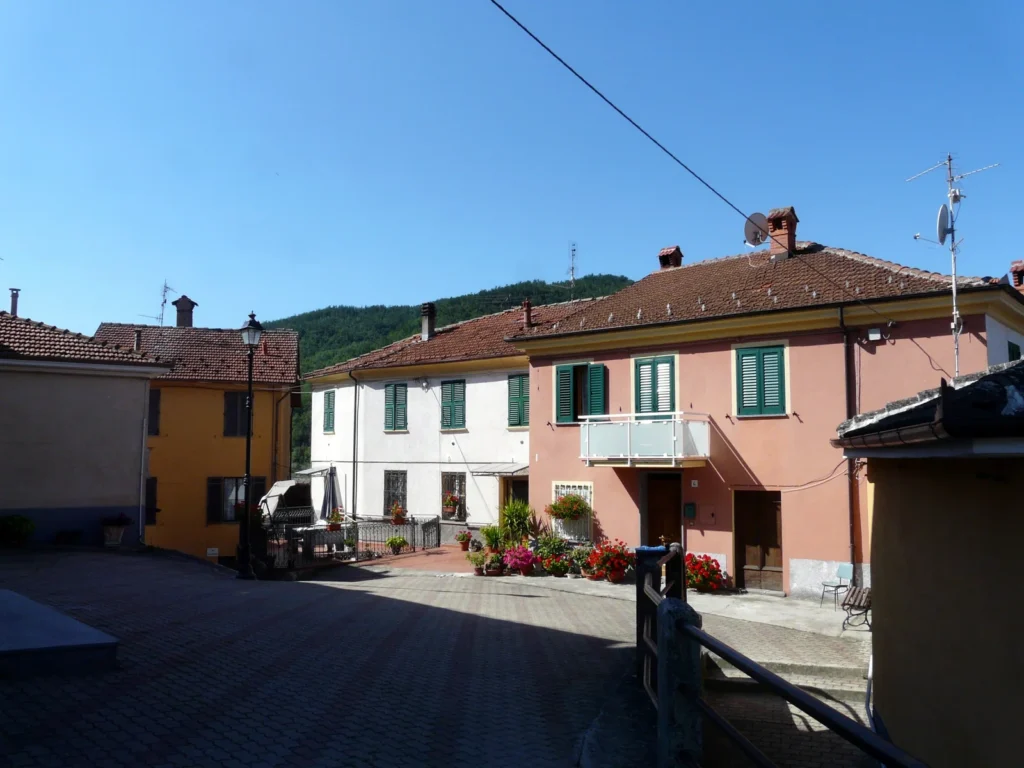
For anyone asking what to see in Albera Ligure, the answer starts with geography: the comune sits about 120 kilometres (75 mi) southeast of Turin and approximately 45 kilometres (28 mi) southeast of Alessandria, placing it firmly in Piedmont’s Apennine fringe. Visitors to Albera Ligure find a compact settlement where the parish church, the surrounding countryside, and the network of rural paths connecting it to neighbouring communes define the daily rhythm. The landscape itself — steep gradients, wooded slopes, and narrow valley floors — is the primary draw for walkers and anyone seeking a slower pace in northern Italy.
History of Albera Ligure
The name Albera Ligure carries two layers of meaning that reflect the village’s dual identity. The suffix Ligure — meaning Ligurian — acknowledges the pre-Roman Ligures, the ancient population who occupied these Apennine territories long before Roman consolidation reached the upper valleys. This naming convention was applied administratively to distinguish the settlement from other localities sharing similar root names elsewhere in northern Italy, and it survives today as a direct reference to the ethnic and cultural geography of the region before the modern provincial borders were drawn.
The Apennine corridor in which Albera Ligure stands served for centuries as a transit zone between the Ligurian coast and the Po plain.
Control over these passes and valleys shifted repeatedly among medieval powers — local lords, the communes of Genoa and Pavia, and later the Duchy of Milan — each of whom recognised the strategic value of managing movement across the watershed. Small settlements in the area functioned as way stations and agricultural communities simultaneously, their economies shaped by the need to feed travellers and to cultivate terraced land on slopes that offered limited but reliable yields of cereals, chestnuts, and grapevines.
Under the Savoy administration, which consolidated control over Piedmont through the seventeenth and eighteenth centuries, villages such as Albera Ligure were folded into the bureaucratic structure of the Kingdom of Sardinia and later, after 1861, into unified Italy. The Province of Alessandria, established under Napoleonic reorganisation and confirmed in the post-unification period, became the administrative home of the comune.
The twentieth century brought demographic change common to many Apennine communities: rural depopulation accelerated after the Second World War as younger generations moved to industrial centres in Turin, Genoa, and Milan. The village today preserves the physical fabric of an earlier era — the compact building clusters, the mule tracks converted to footpaths, the parish as the spatial centre — while functioning within contemporary Piedmontese municipal governance.
What to see in Albera Ligure, Piemonte: top attractions
The Parish Church of Albera Ligure
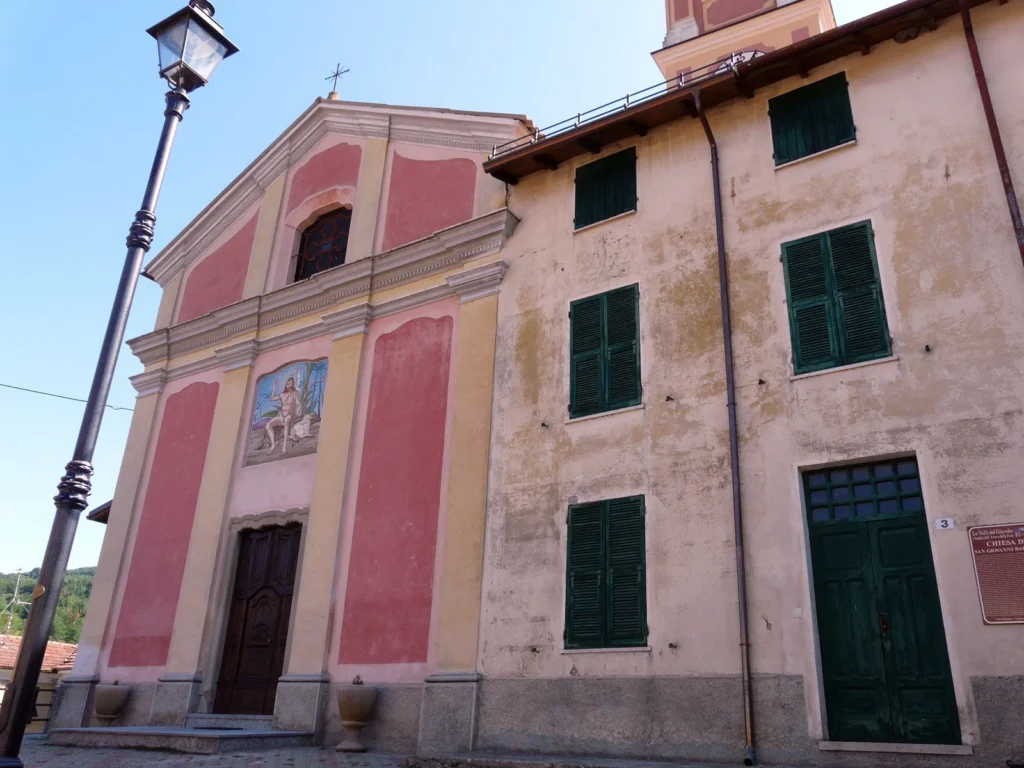
The parish church stands at the centre of the village’s built fabric, its bell tower rising above the surrounding roofline and providing a vertical reference point visible from the approach roads on all sides. Religious architecture in this part of the Alessandria province typically combines Romanesque structural elements with Baroque interior decoration applied during the seventeenth and eighteenth centuries, when the Savoy-aligned clergy invested in the renovation of rural churches across the Apennine territories. The interior holds locally venerated devotional works and painted altarpieces that document the artistic patronage available to small communities in this period.
Visit in the morning when light enters from the east-facing windows and illuminates the nave most clearly.
The Village Core and Historic Street Layout
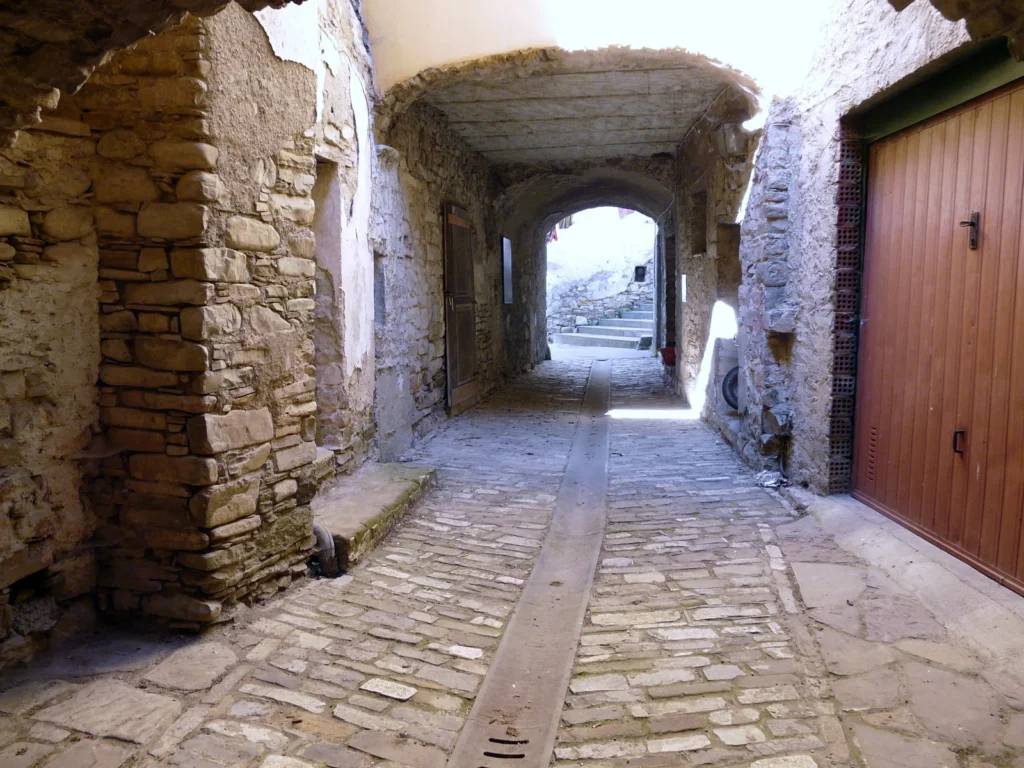
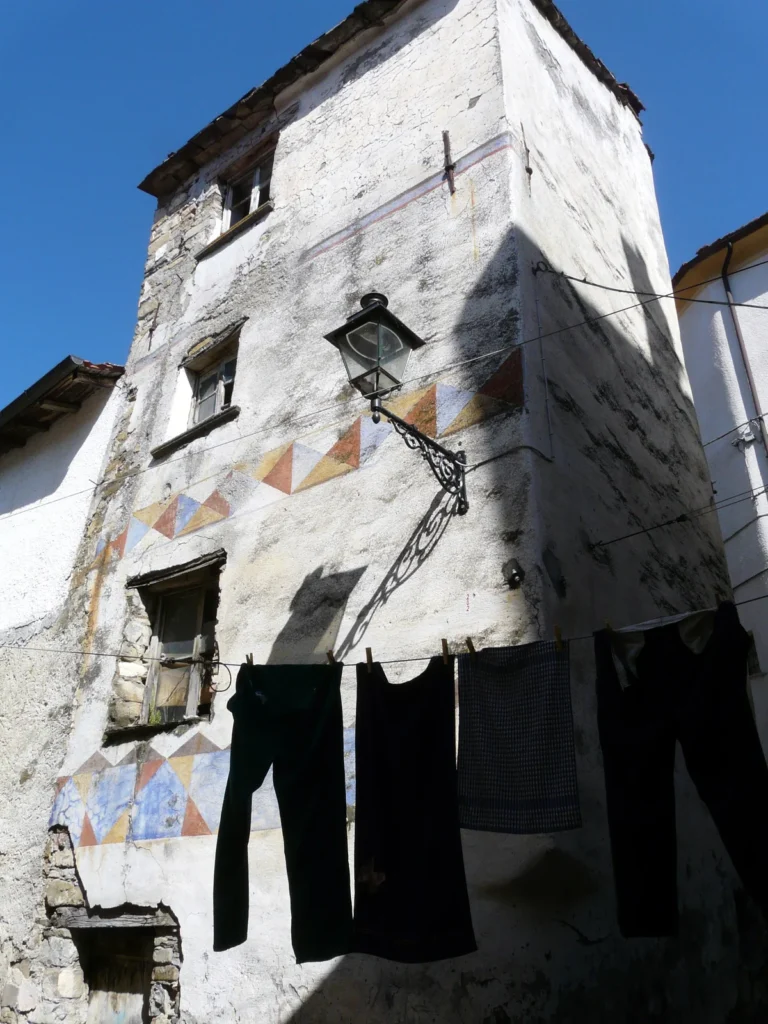
The historic centre of Albera Ligure preserves a street plan determined by the gradient of the hillside rather than by any formal urban design. Narrow lanes — some no wider than 2 metres (6.5 ft) — connect residential buildings constructed from locally quarried stone, their facades showing the characteristic grey-brown tones of the Apennine lithology. The spatial compression of the settlement, typical of defensive hilltop communities across the Province of Alessandria, means that a thorough walk through the entire built core takes less than 30 minutes, but the density of architectural detail repays slow movement. Look for the external staircases and covered passages that allowed movement between floors and between buildings without descending to street level.
The Surrounding Apennine Landscape and Walking Routes
Albera Ligure sits within a section of the Ligurian Apennines where the terrain shifts altitude rapidly: the valley floors lie at roughly 400 m (1,312 ft) while the ridge crests above the village reach beyond 900 m (2,953 ft). A network of marked footpaths connects the village to its five bordering municipalities — Cabella Ligure, Cantalupo Ligure, Fabbrica Curone, Montacuto, and Rocchetta Ligure — and experienced walkers can complete inter-village routes in half-day stages.
The spring months between April and June offer the most reliable trail conditions, when snowmelt has cleared the higher paths and the woodland undergrowth has not yet become dense. Autumn, from September to October, provides dry ground, cooler temperatures, and the seasonal colour change across the mixed oak and chestnut forest.
The Agricultural Terraces and Chestnut Woodland
Dry-stone terracing covers the slopes below the village in a pattern that represents centuries of organised land management. Each terrace wall, built without mortar from flat Apennine sandstone, retains a horizontal strip of cultivable soil on a hillside that would otherwise shed rainfall directly into the valley. Many terraces that were actively farmed until the mid-twentieth century have partially reverted to woodland, creating a layered landscape where mature chestnut trees — a key food source in the pre-industrial economy of the area — grow above the old wall lines.
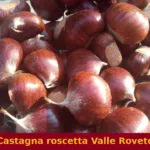
The chestnuts reach harvestable maturity in October, and the ground beneath them in that month carries the particular smell of wet leaves and split husks that defines the Apennine autumn in this part of Piedmont.
Views Toward the Bordering Municipalities
From the upper edge of the village, the sight lines extend across the valley systems shared with Cabella Ligure to the southeast and Cantalupo Ligure to the northwest, giving a clear spatial sense of how these communities relate to one another across the Apennine topography. On clear days — most frequent in late autumn and early spring after atmospheric pressure stabilises following rainfall — the distance to the Po plain is perceptible as a change in light quality on the northern horizon, roughly 50 km (31 mi) away. This elevated vantage point is accessible on foot from the village centre in under 10 minutes and requires no specialist equipment. Early morning visits avoid the midday haze that collects in the valley floors during summer.
Local food and typical products of Albera Ligure
The culinary tradition of the Alessandria Apennines reflects the position of villages like Albera Ligure at the boundary between two distinct food cultures: the butter-and-rice-based cooking of the Po plain and the olive oil and vegetable-focused cuisine of coastal Liguria. At this altitude and distance from the coast, the Ligurian influence arrives filtered through the mountain economy — dried legumes, foraged mushrooms, preserved meats, and chestnuts replace the fresh seafood and basil that characterise the coastal table. The result is a distinctly inland version of the border cuisine, heavier and more dependent on stored ingredients than either of its source traditions.
Pasta made from egg dough remains the foundation of local first courses.
Tajarin, the thin egg pasta typical of southern Piedmont, appears across the Alessandria area and is served in Apennine villages with meat ragù prepared from locally raised beef or pork, or simply dressed with butter and local mushrooms gathered from the chestnut and oak woodland. Minestrone in this area is a denser, more legume-heavy preparation than its coastal counterpart, built on dried borlotti beans, potato, and winter squash, finished with a spoonful of lard rendered from the household pig rather than with olive oil. Polenta, coarsely ground and cooked slowly in a copper pot, accompanies braised meats and serves as the winter staple in households that maintained the practice into the late twentieth century.
Pork preservation is central to the food economy of the entire Alessandria Apennine zone. Salumi produced at the household or small artisan level — cured loin, coarsely ground salame, and air-dried cuts — follow techniques passed down within families rather than formally codified in regional certification schemes. The chestnuts harvested from the woodland above the village are used both fresh, roasted over open fire in October, and dried for flour that extends through the winter months in flatbreads and simple cakes.
No DOP or IGP certified products have been documented specifically for Albera Ligure in the available sources, but the broader Alessandria Apennine food tradition to which the village belongs is well established across the province.
Local food is most accessible during the autumn harvest period, from late September through November, when the combination of mushroom season, chestnut harvest, and the post-summer slaughter of pigs concentrates food-related activity in the village and surrounding countryside. Visitors who arrive in this window have the best opportunity to encounter locally produced food at its most seasonal and direct. Small family-run agriturismi — farm-stays offering meals prepared from on-site or neighbourhood produce — operate in the broader Alessandria Apennine area and provide the most consistent access to this cooking for travellers without local contacts.
Festivals, events and traditions of Albera Ligure
The liturgical calendar organises the public life of Italian comuni of this size, and Albera Ligure follows the pattern common across the Province of Alessandria: the feast day of the parish patron saint anchors the summer social calendar and draws residents who have moved to larger cities back to the village for a weekend of shared activity. The celebrations typically include a solemn Mass in the parish church, a procession through the village streets, and an outdoor gathering in the evening with food, music, and fireworks. The specific date of the patron feast follows the universal Catholic calendar for the saint to whom the parish is dedicated, and local municipal sources confirm the annual recurrence of this celebration.
Beyond the patron feast, the autumn months bring the informal but consistent rhythm of chestnut-related gatherings that characterise Apennine communities across Piedmont and Liguria.
The sagra, a traditional local food festival organised around a seasonal product, takes the chestnut as its subject in many villages of this area, typically scheduled for late October when the harvest is complete. These events involve roasting chestnuts in perforated iron pans over open wood fires in the village square, accompanied by local wine and occasional musical performance. The format is informal and community-run rather than commercially organised, which means the programme varies year to year and visitors are advised to check with the local municipal office before planning a visit around a specific event.
When to visit Albera Ligure, Italy and how to get there
The best time to visit Albera Ligure depends on what a traveller prioritises. Spring, from April to early June, offers mild temperatures, accessible walking trails, and the full flowering of the surrounding woodland without the summer heat that can make the steep village lanes uncomfortable in the middle of the day. Autumn, particularly October, is the most productive season for food-related visits: the chestnut harvest is underway, mushrooms are at peak availability in the woodland, and the temperature on the ridge paths is cool enough for sustained walking.
Summer brings the patron feast and the return of former residents, making July and August sociable but also the period when accommodation in the surrounding area is most in demand. Winter closes many of the higher paths and reduces services, but the village is accessible by road year-round under normal weather conditions.
Albera Ligure is reached most directly by car. From , approximately 45 km (28 mi) to the northwest, the route follows the SS35bis and then provincial roads into the Staffora and Borbera valley systems. From Turin, 120 km (75 mi) to the northwest, the A26 motorway toward Genoa provides the fastest approach before transitioning to provincial roads for the final Apennine section. If you arrive by car from Genoa, the distance is shorter — approximately 70 km (43 mi) — and the road climbs from the coast through the Ligurian Apennine passes before descending into the Alessandria valleys.
The nearest mainline rail connection is at Alessandria, served by Trenitalia with regular services from Turin, Milan, and Genoa; from Alessandria station, onward travel to Albera Ligure requires a car or local bus connection on provincial routes. The nearest international airport is Genoa Cristoforo Colombo, approximately 90 km (56 mi) to the south, with road transfer time of around 90 minutes under normal traffic conditions. International visitors should carry cash in euros, as card payment acceptance in smaller village shops and rural establishments in this part of Piedmont is not guaranteed, and English is spoken only sporadically outside the main tourist centres.
Albera Ligure works well as a day trip from Alessandria or as one stop within a longer circuit of the southern Piedmont Apennines. Those travelling from Milan, 140 km (87 mi) to the north, can reach the area in under two hours by car via the A7 motorway and make a comfortable return the same day. For walkers planning a multi-day route through the bordering municipalities, the village serves as a logical overnight base if accommodation is arranged in advance through the surrounding agriturismo network.
Visitors extending their time in Piedmont may find it worthwhile to combine a visit to Albera Ligure with a stay in Alice Superiore, another small Piemontese comune that shares the region’s characteristic mix of Apennine landscape and well-preserved rural architecture.
Those travelling further north through the region might also consider Biella, which sits approximately 120 km (75 mi) north of the Alessandria Apennines and offers a different register of Piedmontese heritage, including its textile industry history and the access point to the Oasi Zegna upland area.
Frequently asked questions about Albera Ligure
How do I reach Albera Ligure by car from Turin?
Albera Ligure lies approximately 120 kilometres southeast of Turin. Take the A7 motorway toward Genoa, then exit toward Alessandria and follow regional roads into the Ligurian Apennines. The journey takes roughly 2.5 hours. The village sits about 45 kilometres southeast of Alessandria city. Roads are winding through mountain terrain, so allow extra time during winter months when conditions may be challenging.
What is the best time to visit Albera Ligure?
Autumn is particularly rewarding, when the air carries both Ligurian dampness and cooler mountain breezes, creating dramatic weather contrasts. The patron saint feast of San Giovanni Battista occurs on 24 June, offering cultural immersion. Summer provides warmth for hiking. Winter brings snow to this 415-metre elevation, limiting accessibility. Spring offers mild conditions and wildflowers. For outdoor walking, late spring through early autumn is ideal.
What outdoor activities and hiking trails are available?
Albera Ligure is primarily known for walking and trekking across the Ligurian Apennines. A network of rural paths connects the village to neighbouring comuni including Cabella Ligure, Cantalupo Ligure, and Rocchetta Ligure. The steep gradients and wooded slopes provide scenic routes for hikers of varying abilities. The landscape itself—with narrow valley floors and contoured stone walls—guides walkers through traditional mountain terrain ideal for slower-paced exploration.
How long should I plan to spend in Albera Ligure?
Most visitors allocate a day or weekend for Albera Ligure. The compact settlement can be explored in a few hours, but the appeal lies in rural walking and soaking in mountain atmosphere. A 2–3 day visit allows time for nearby trails connecting to neighbouring villages, exploration of the parish church, and appreciation of the slower pace. Many visitors use it as a base for multi-day Apennine hiking.
What is the patron saint celebration in Albera Ligure?
San Giovanni Battista (Saint John the Baptist) is the village's patron saint, celebrated annually on 24 June. This feast day typically involves religious observances at the parish church and local community gatherings. It offers visitors insight into traditional Piedmontese mountain village customs. The celebration reflects the deep-rooted spiritual identity of this small 313-person comune nestled in the Apennines.
📷 Photo Gallery — Albera Ligure
In Piedmont More villages to discover
Borgiallo
 Hills
Hills
Borgiallo has 579 inhabitants and sits at 540 metres above sea level on the hills of the Valle Sacra, in the province of Turin. Travellers who take the road climbing from Castellamonte towards the Canavese uplands find a compact settlement of stone and brick houses that follow the line of the ridge. Understanding what to […]

Salbertrand
Mountain
A 627-soul mountain village at 1,032 metres, rooted in Occitan tradition and medieval pilgrimage routes. Stone fountains, frescoed churches and views of the Ambin peaks define its character.
Osasco
 Plains
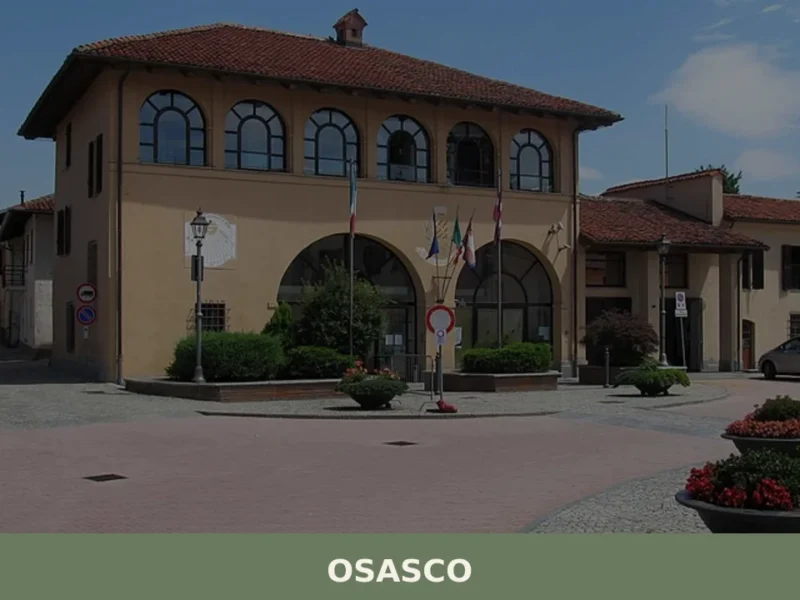
Osasco is a comune of 1,161 inhabitants in the Metropolitan City of Turin, sitting in the Piemonte region of northwestern Italy. Known in the local Piedmontese language as Osasch, the village occupies a modest position in the hills and plains south of Turin, one of dozens of small agricultural and residential communes that form the […]
Cascinette d’Ivrea
Hills
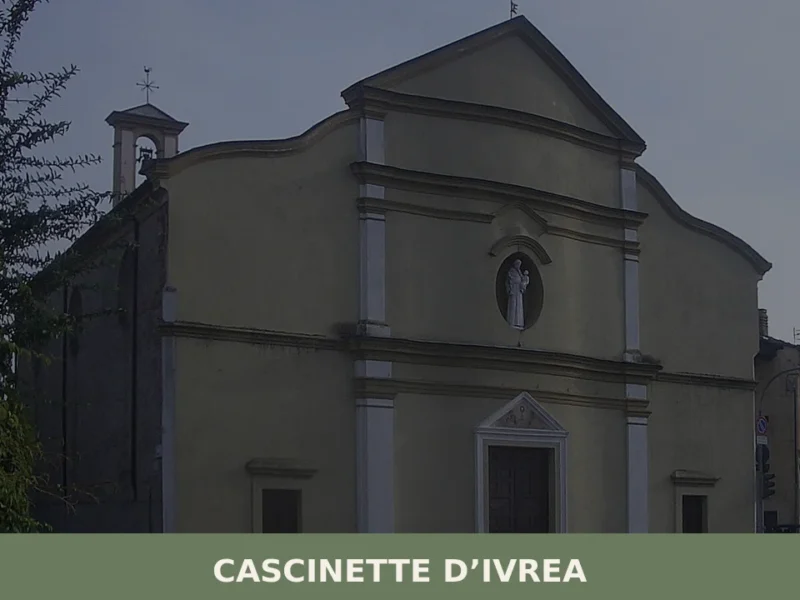
Scopri Cascinette d'Ivrea, un incantevole borgo piemontese ricco di storia e paesaggi mozzafiato. Tutto quello che devi sapere su questo gioiello d'Italia.
Rubiana
Mountain
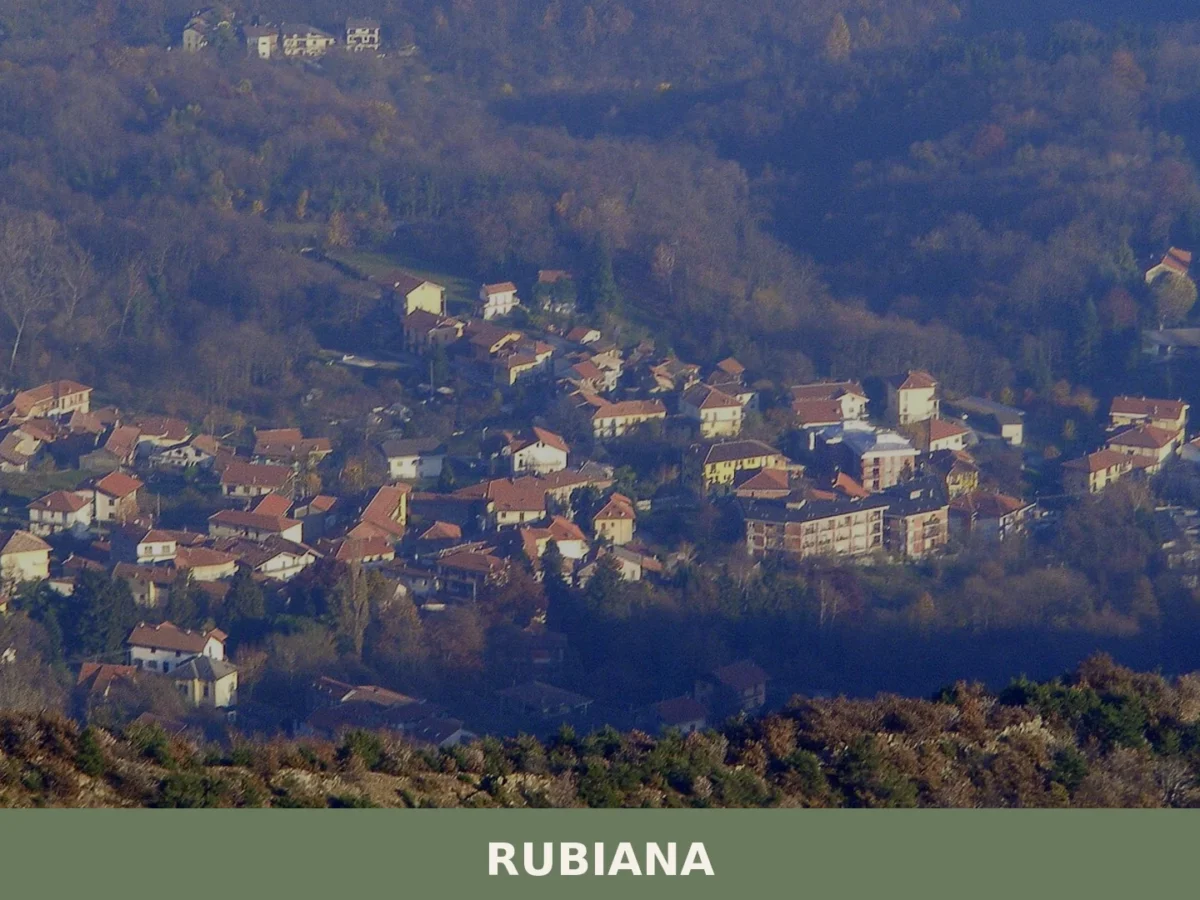
Population 2,516. Rubiana sits in a mountain amphitheatre at 640m altitude, with documented origins in a 1029 charter and a landscape shaped by Celtic settlement and 18th-century pilgrimage.

Balme
Mountain
Population 97. Balme stands at 1,432 metres in the Valli di Lanzo, where stone architecture and seasonal rhythms anchor a centuries-old mountain community.
Mathi
Hills
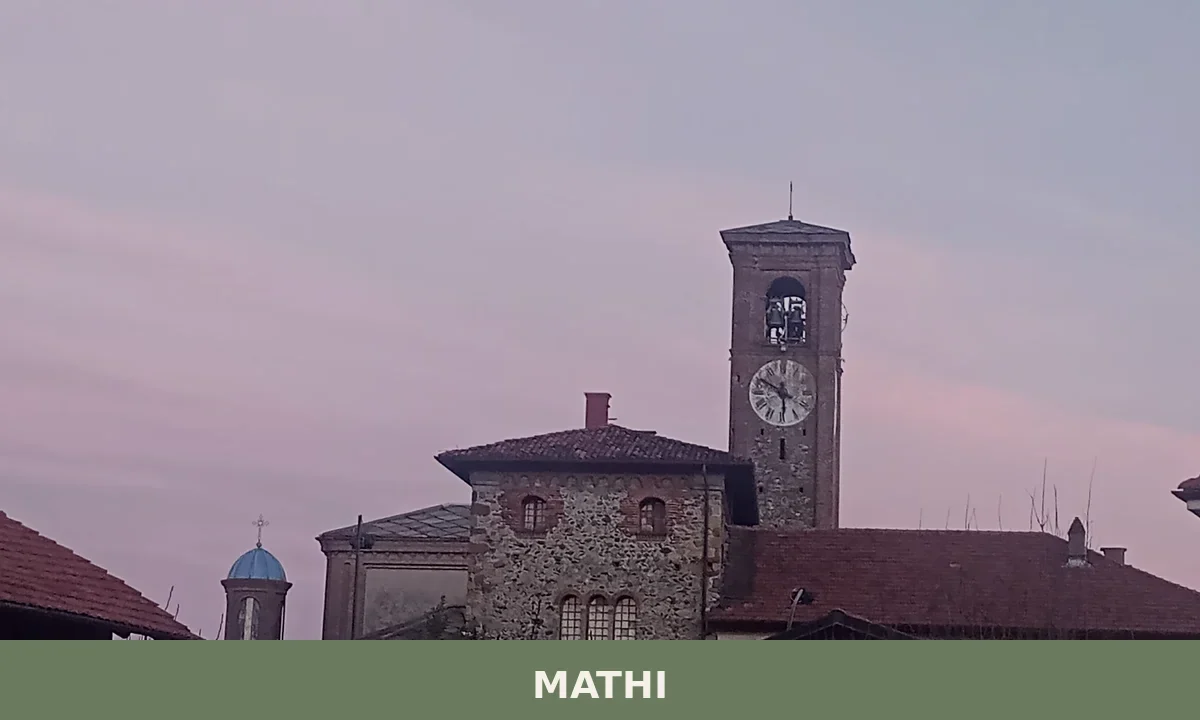
3,729 residents, a Benedictine tower still standing behind the parish church, and an industrial paper mill story linked to Don Giovanni Bosco. Mathi rewards those who look closely.
Novalesa
Mountain
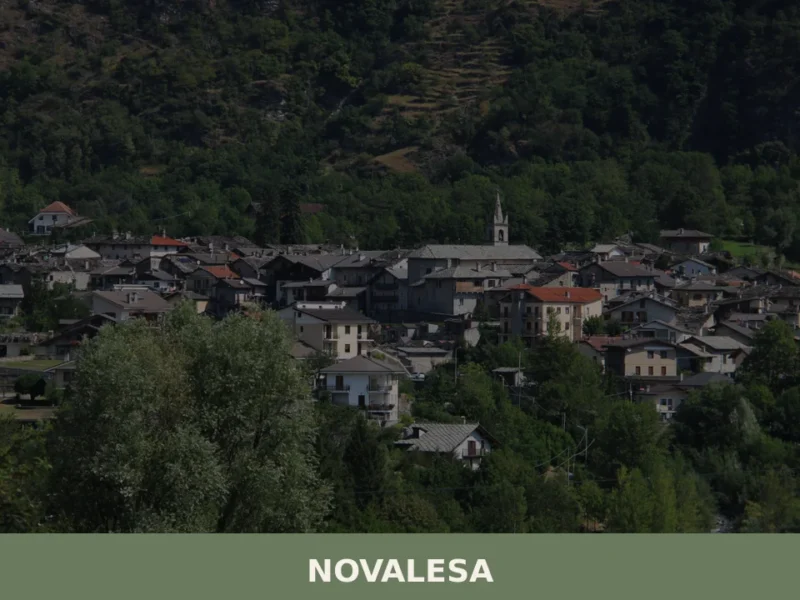
Scopri Novalesa, affascinante borgo medievale del Piemonte: storia, abbazia e paesaggi mozzafiato in Valle di Susa. Visita questo gioiello nascosto!
Canischio
Mountain
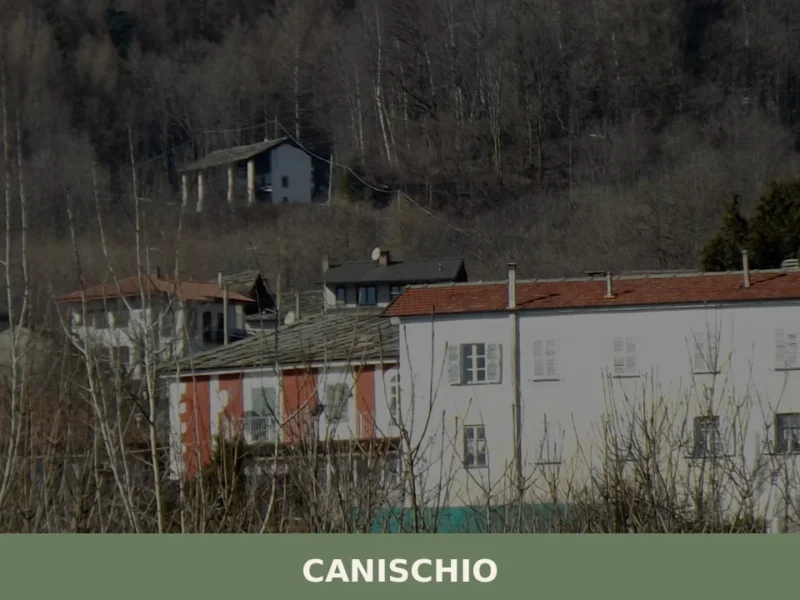
Scopri Canischio borgo Piemonte: storia, tradizioni e paesaggi mozzafiato tra le colline canavesane. Una meta autentica da non perdere!
Lusigliè
Plains
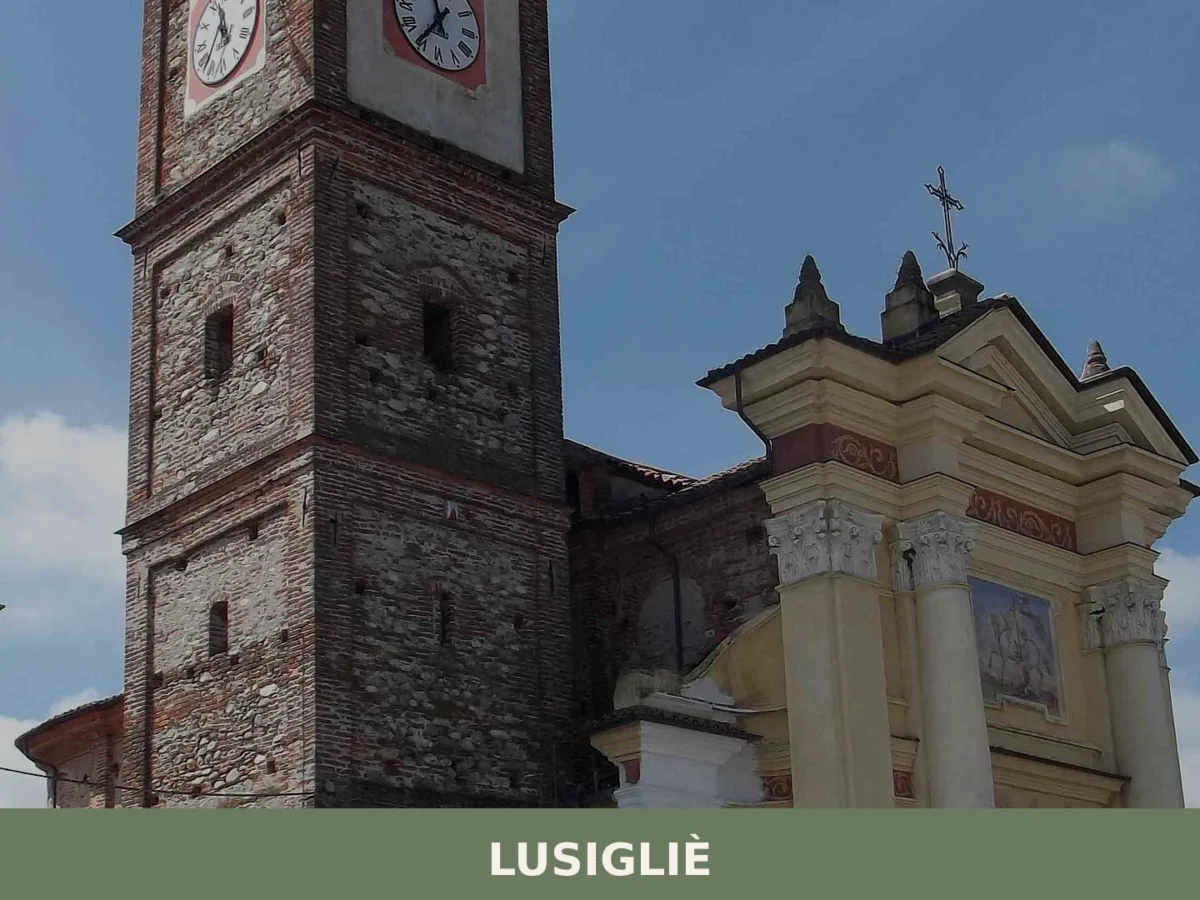
554 residents, a medieval parish and two millennia of layered history make Lusigliè a compelling stop in the Alto Canavese, 30 km north of Turin.


🏡 Know Albera Ligure better than we do?
If you’re a local or have been there, your knowledge matters: add what’s missing or fix a detail on this page.