


Arguello
 Hills
Hills
Arguello is a small hilltop comune in the Langhe area of Cuneo province, Piedmont, shaped by centuries of dynastic rivalry and a quiet agricultural tradition.
Discover Arguello
Arguello is a small municipality in the province of Cuneo, Piedmont, covering just over 5.04 square kilometres of inland hill country at an elevation of 661 metres, with a resident population of around 194. It sits within the Langa hills, where agriculture — including the local cultivation of a large white variety of bean known as gigante bianco di Spagna — has long shaped daily life alongside the rhythms of the surrounding landscape.
Arguello village in Piedmont: history and feudal rivalries
Arguello’s history is defined above all by a long succession of competing dynasties who fought over control of this small settlement in the Langa hills of Cuneo province, with the Cortemilia, Del Carretto, Angevin, Monferrato, and Acaia princely families all claiming possession at various points across the centuries, before the House of Savoy finally asserted its authority in the early eighteenth century.
The Del Carretto left a tangible mark on the village: the remains of a castle belonging to that family still stand near the parish church of the Angeli Custodi, a quiet reminder of the feudal contests that shaped Arguello’s past. The church itself, built in baroque style in the eighteenth century, occupies the foot of a levelled rocky height where a fortified structure once rose.
Churches, a Ruined Castle and a Hilltop Chapel
Arguello’s points of interest are three religious buildings and the remains of a medieval castle, all concentrated in or near the village centre.
Church of San Frontiniano
The oldest documented structure in the area, this church was established by Benedictine monks from the abbey of San Frontiniano in Alba. Written records confirm its existence as far back as the twelfth century.
Parish Church of the Angeli Custodi
Built in the eighteenth century to replace San Frontiniano as the main parish church, this building stands in Baroque style at the foot of a levelled rocky outcrop where a castle once rose. Further alterations were carried out at the beginning of the twentieth century. Close by, partial remains of the old castle belonging to the Del Carretto family are still visible.
Chapel of San Michele
A small, plain chapel regarded as an expression of local rural religious tradition.
Arguello’s Table: Fagioli, Cured Meats and the Wines of the Langhe
Arguello is locally known for the cultivation of a large white bean — the gigante bianco di Spagna variety — making this modest hilltop comune one of the few places in the Langhe where fagiolo cultivation is a genuine part of the village’s agricultural identity. The broader Cuneo province supplies further notable ingredients: the Fagiolo Cuneo IGP and Castagna Cuneo IGP represent the area’s certified plant heritage, while Crudo di Cuneo DOP and the cheeses Bra DOP and Castelmagno DOP anchor a charcuterie and dairy tradition that reaches deep into the surrounding valleys.
On the wine side, Arguello sits within reach of some of Italy’s most celebrated appellations. The rolling hills nearby yield grapes destined for Barolo DOCG, Barbaresco DOCG, Alta Langa DOCG, and Dogliani DOCG, among others. The Alta Langa in particular — the high, cooler terrain of southern Piemonte — surrounds the comune and shapes its agricultural character as much as any single crop.
Getting to Arguello: Roads, Seasons and Practical Planning
Arguello is most easily reached by car along secondary provincial roads through the Alta Langa hills, with Cuneo serving as the main gateway city roughly 40 km to the southwest; the drive from Cuneo takes some time on winding hill roads. The village sits at 661 metres in the Cuneo province’s internal hill zone, which means spring and early autumn offer the most comfortable conditions for a visit — mild temperatures, clear views across the Langhe, and the landscape at its most expressive.
The patronal festival in the last week of August gives late summer a particular draw, coinciding with warm weather and the village at its most animated. Those combining Arguello with wider Alta Langa exploration might also consider Acceglio to the west for mountain contrast, while the valleys around Montà to the north complete a varied itinerary through Piemonte’s hill and valley countryside.
| Departure | Distance | Time |
|---|---|---|
| Cuneo | approx. 35-40 km | |
| Alba | approx. 25 km | |
| Turin (city centre) | approx. 90 km | approx. 90 min |
These practical references help organise the journey clearly, while the village itself is best understood slowly and on foot once you arrive.
Frequently asked questions about Arguello
When is the best time to visit Arguello?
September is ideal, coinciding with the Feast of Saint Michael the Archangel on September 29th, the village's patron saint celebration. The Langa hills offer pleasant autumn weather perfect for exploring the countryside and enjoying local harvests. Spring and early summer are also excellent for hiking and appreciating the rolling landscape, while winters can be cold at 661 metres elevation.
What agricultural products is Arguello known for?
Arguello is renowned for cultivating gigante bianco di Spagna, a large white bean variety that has shaped local agriculture for centuries. The village's position in the Langa hills has made bean cultivation central to its culinary identity and economy. These beans remain a cornerstone of traditional Arguello cuisine alongside regional cured meats and Langhe wines.
What historical sites can be visited in Arguello?
The village features a ruined castle belonging to the Del Carretto family, a feudal dynasty that left a lasting mark on Arguello's medieval history. The baroque Church of the Angeli Custodi, built in the eighteenth century, stands near the castle remains. A hilltop chapel also exists within the village, reflecting Arguello's complex feudal past under competing dynasties including the Cortemilia, Monferrato, and House of Savoy families.
How long should I plan to spend in Arguello?
A half-day visit is suitable for exploring the village's churches, castle ruins, and hilltop chapel. However, to fully appreciate the Langa hills landscape, sample local cuisine, and undertake walking routes through the surrounding countryside, plan a full day or overnight stay. Many visitors combine Arguello with nearby villages and wine regions in Cuneo province.
In Piedmont More villages to discover
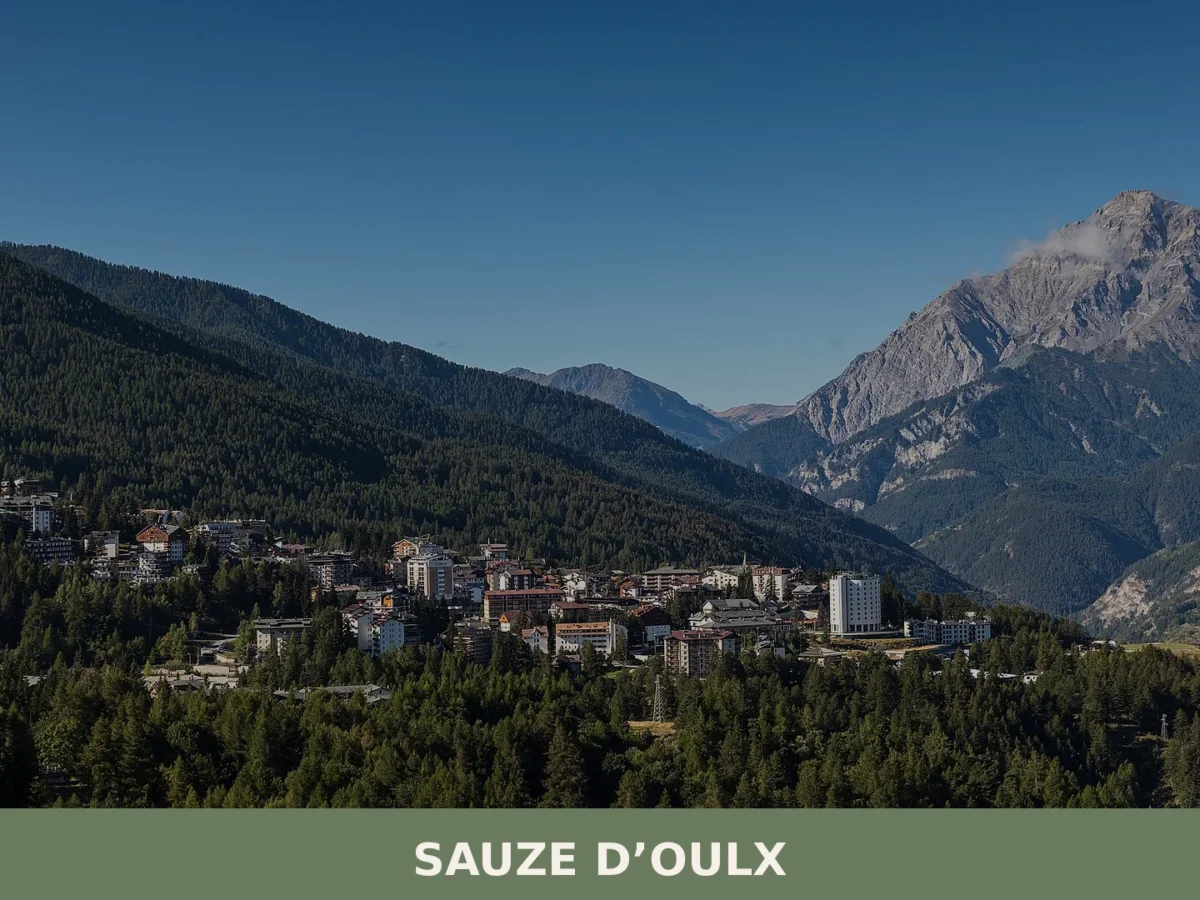
Sauze d’Oulx
 Mountain
A mountain village of just over 1,000 residents at 1,509 metres altitude in the high Susa Valley. Winter sports and Alpine heritage define its identity.
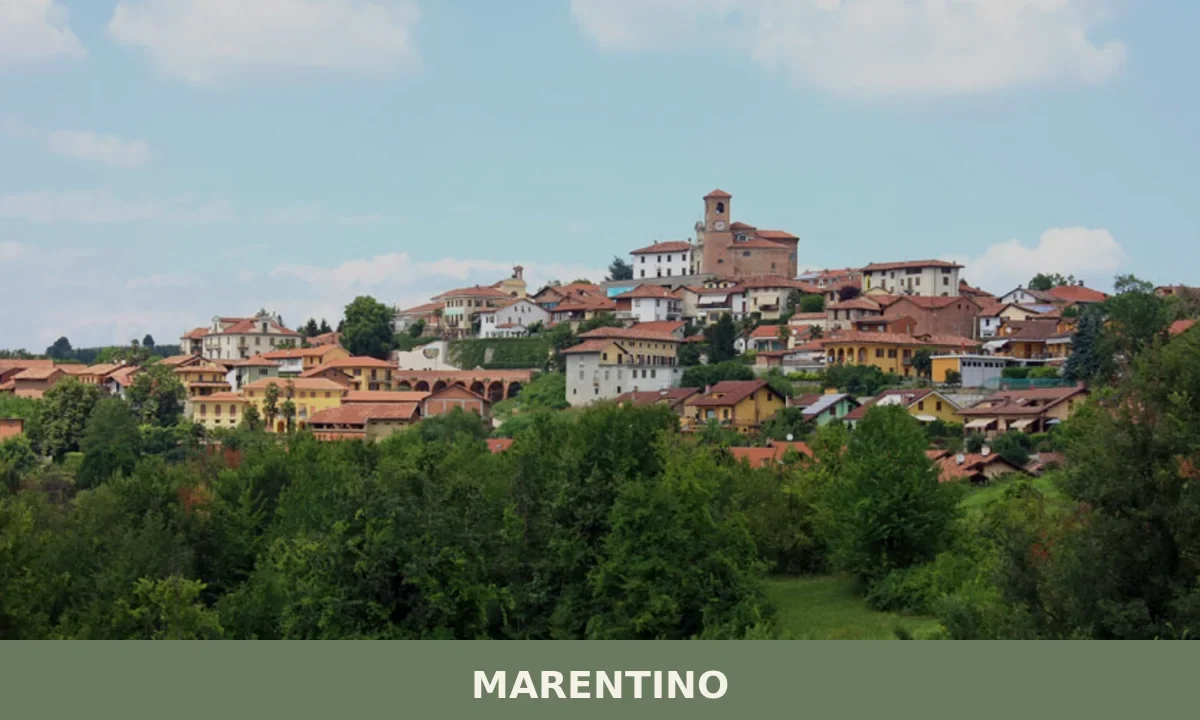
Marentino
Hills
Three ancient boroughs, six historic churches and a Romanesque monument listed since 1888 make Marentino a compact but layered destination east of Turin.
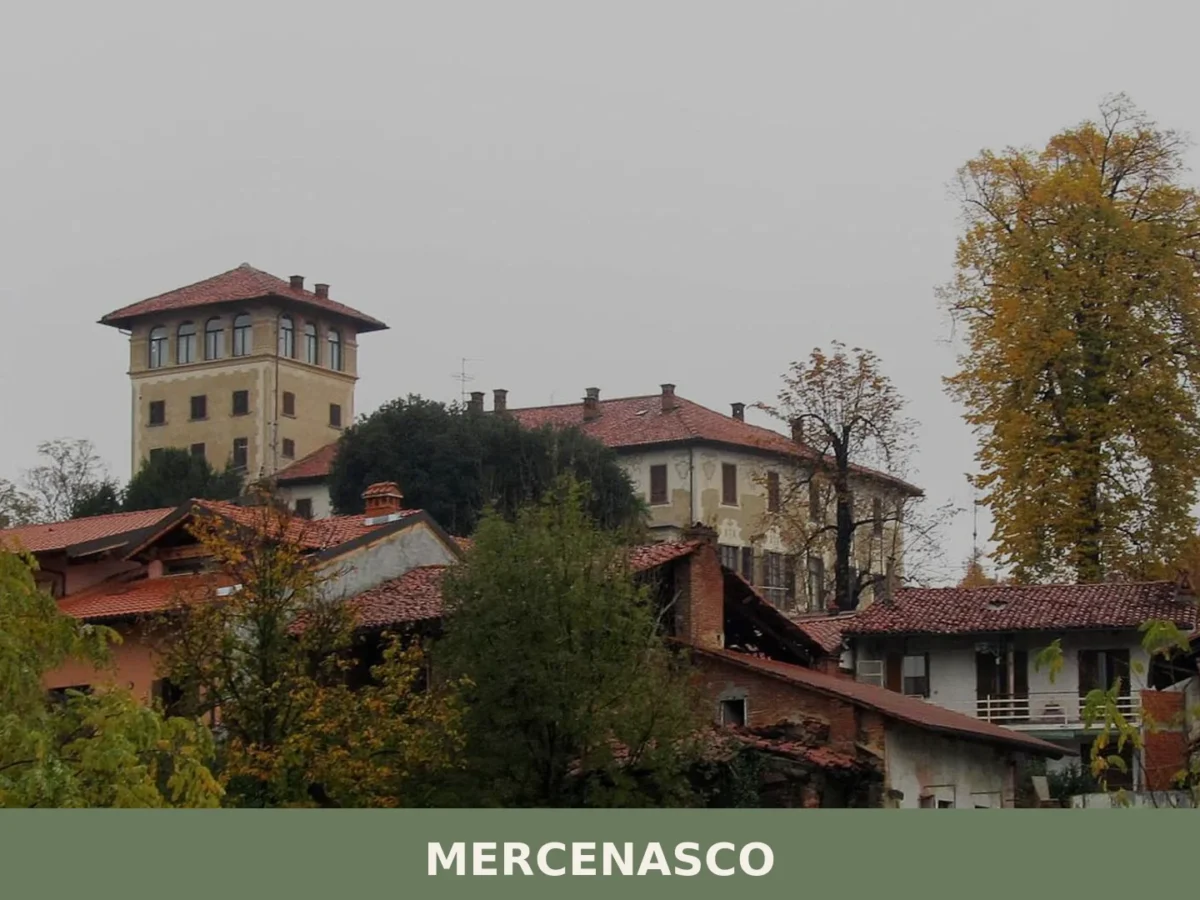
Mercenasco
Hills
Two monuments and a millennium of history: Mercenasco draws visitors with its neogothic castle and baroque parish church set among the Canavese hills, 34 km north of Turin.
Argentera
Mountain
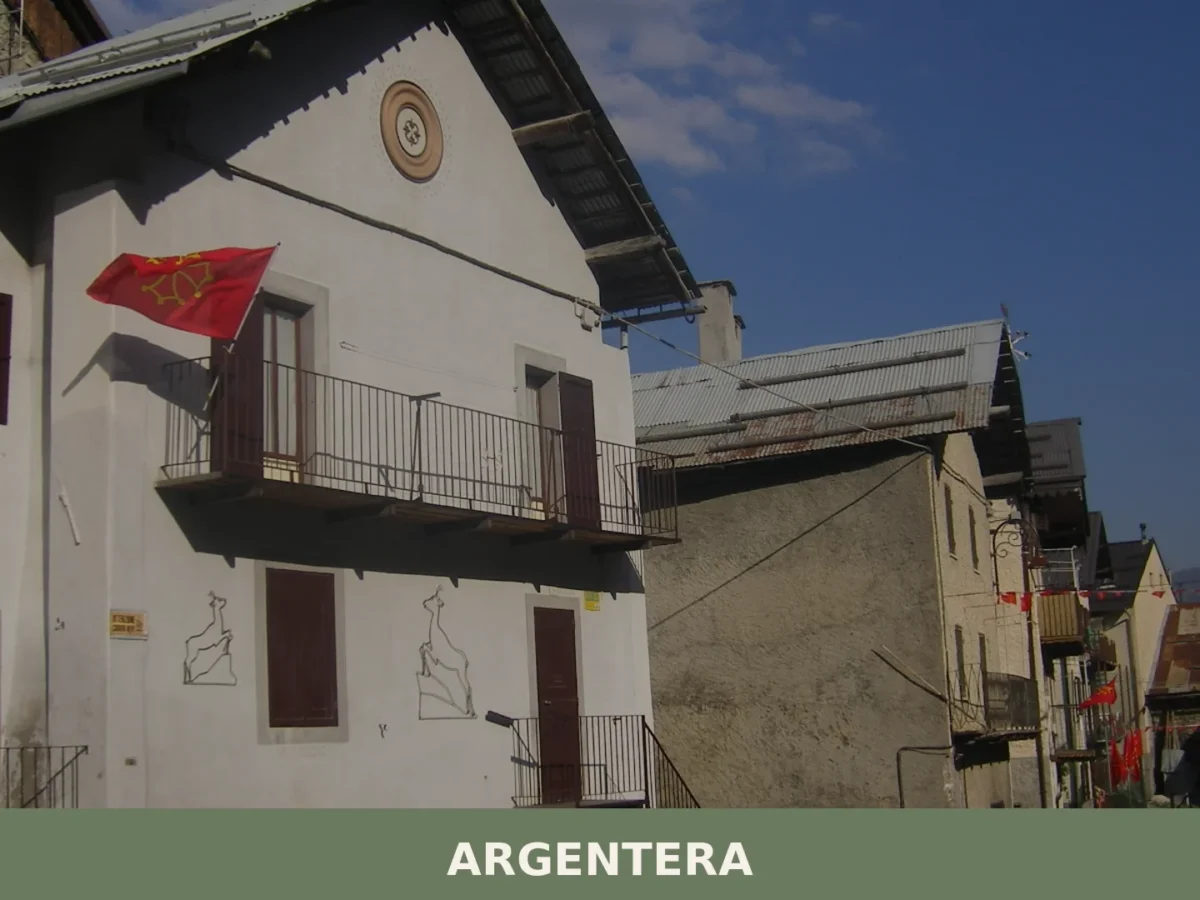
Argentera is a high-altitude mountain commune of 77 inhabitants in the upper Valle Stura di Demonte, Cuneo, at 1,618 metres above sea level, about 60 kilometres from Cuneo.

Pralormo
Hills
Population 1,852. A hilltop comune marked by its 13th-century castle, a 1930s parish church sheltering Renaissance art, and a medieval tower that once guarded Asti's trade routes.
Piverone
Hills
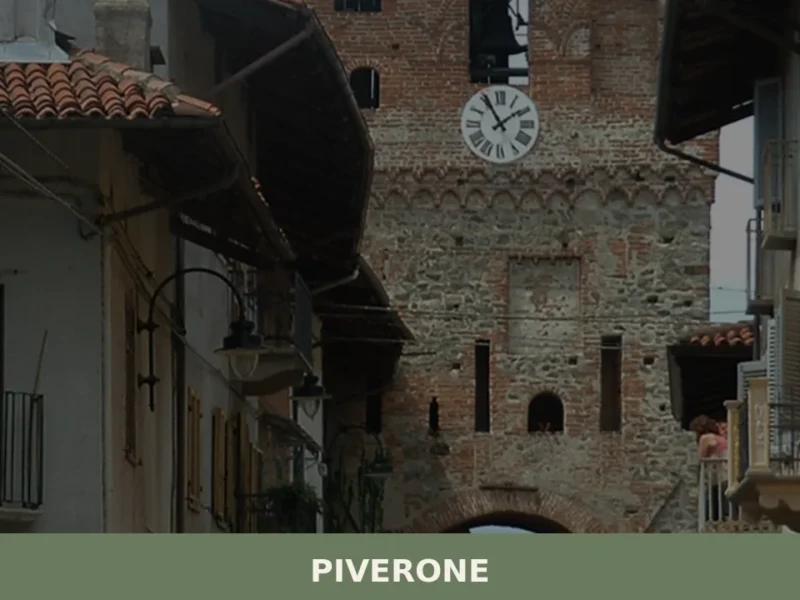
Piverone is a comune of 1,225 inhabitants in the Metropolitan City of Turin, sitting in the Canavese district of Piemonte at the foot of the Monferrato hills. Its Piedmontese name, Pivron, pronounced /pɪw’rʊŋ/, signals a linguistic heritage rooted deep in the region’s Franco-Provençal and Occitan-influenced dialects. For anyone researching what to see in Piverone, the […]
Anzola d’Ossola
Mountain
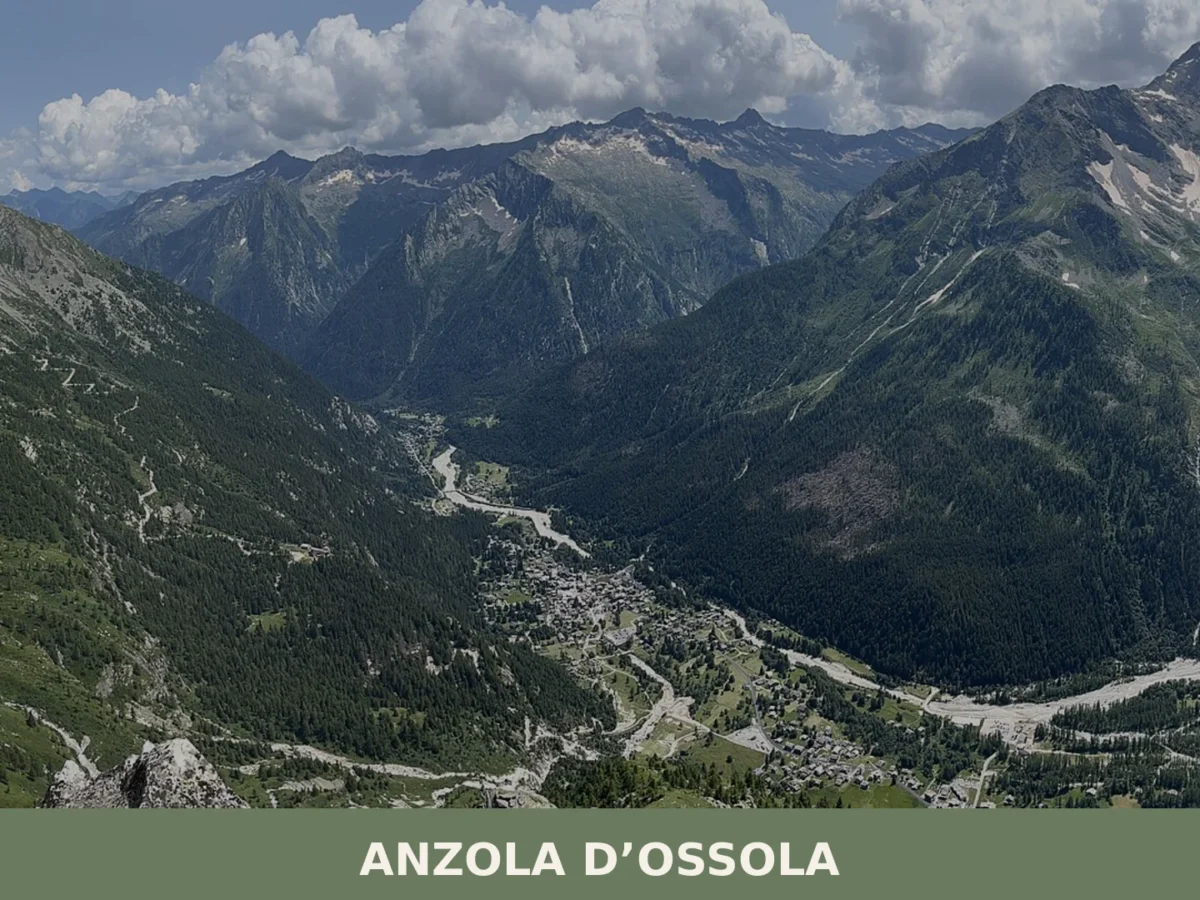
Macugnaga is a Walser mountain commune in Verbano-Cusio-Ossola, Piemonte, set at the head of the Valle Anzasca beneath the 2,600-metre eastern wall of Monte Rosa.

Volpiano
 Plains
3 Baroque churches and a Roman centuriation grid still visible in the fields make Volpiano a rewarding stop in the Canavese between Turin and the Alps.
Albiano d’Ivrea
Hills
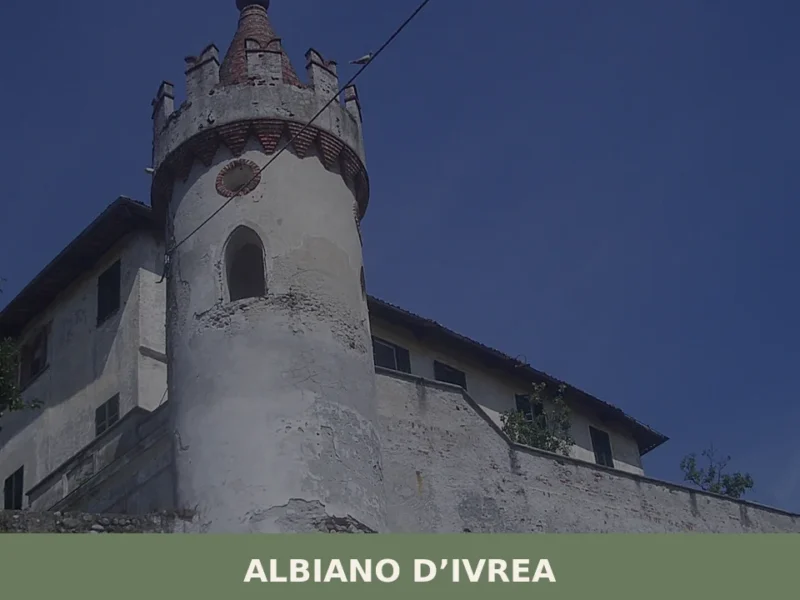
what to see ad Albiano d’Ivrea: con 1.628 abitanti, esplora la Chiesa Parrocchiale e i resti del ricetto medievale. Pianifica il tuo viaggio ora!

Pomaretto
Mountain
Discover what to see in Pomaretto, a 937-inhabitant Waldensian village in the Val Chisone near Torino — history, food, travel tips and local culture.


🏡 Know Arguello better than we do?
If you’re a local or have been there, your knowledge matters: add what’s missing or fix a detail on this page.