


Mathi
 Hills
Hills
3,729 residents, a Benedictine tower still standing behind the parish church, and an industrial paper mill story linked to Don Giovanni Bosco. Mathi rewards those who look closely.
Mathi: Identity, History and Landscape of a Piedmontese Village
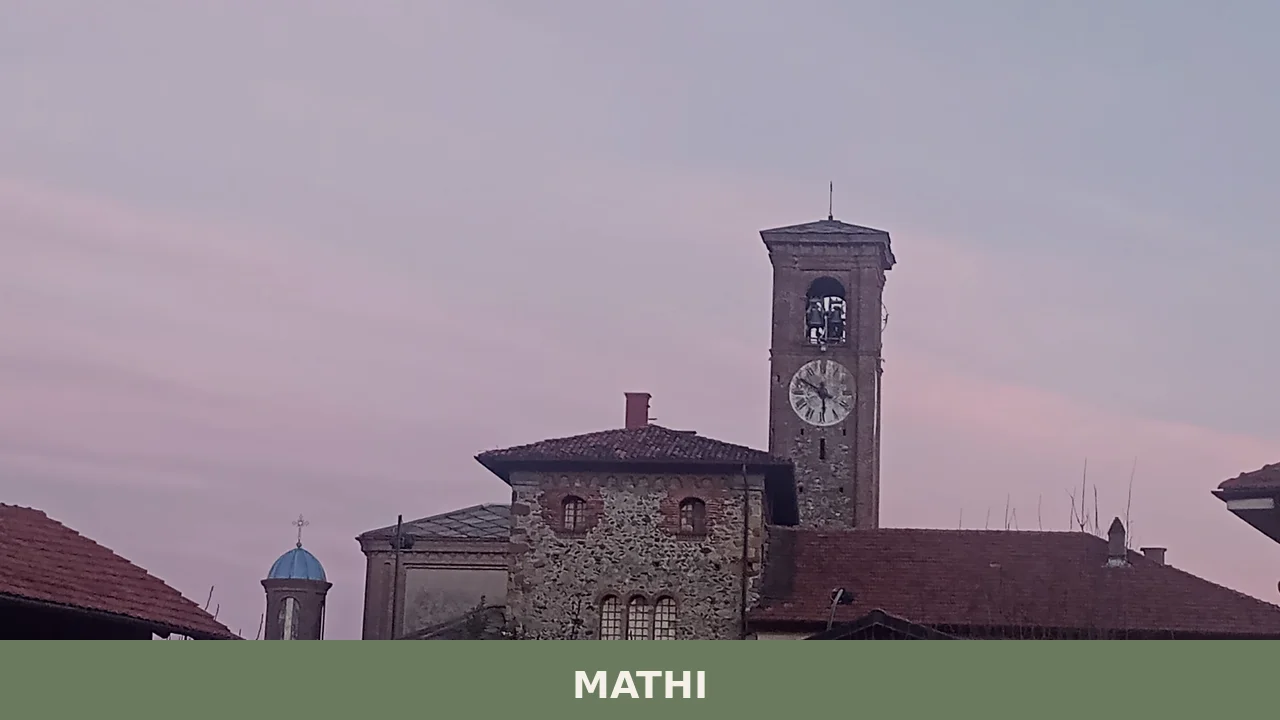
Stand at the base of the old Benedictine tower behind the church of San Mauro Abate on a January morning, when the village gathers to pull the saint’s float through the streets, and you understand Mathi on its own terms. The stone tower rises above the rooftops as it has for centuries, a fixed point around which the rhythms of a working hill community have turned, from medieval fires and French raids to the thrum of paper machinery in the valley below.
Mathi village in Piedmont sits about 27 kilometres northwest of Turin, at roughly 410 metres above sea level, and draws two kinds of attention: that of visitors tracing the Benedictine heritage of the Lanzo valleys, and that of those curious about the industrial history that brought figures such as Don Giovanni Bosco into the economic life of a small Piedmontese comune. Neither story is exhausted by a single afternoon.
From Longobard Territory to Industrial Village: Mathi Through the Centuries
The earliest layers of Mathi’s history belong to the Benedictine monks who settled here when the village was still a handful of farming households. They built their quarters where the church of San Mauro Abate and the oratory of San Raffaele now stand, and they raised a tower that has outlasted every subsequent ownership. On 4 May 991, in the Alessandrian comune of Visone, the settlement then known as Matingo was formally donated to the Benedictines of the abbey of Pulcherada, marking the beginning of a monastic presence that would shape the village’s physical and cultural identity for several centuries. The abbot-geographer Lirelli, a member of the Reale Accademia delle Scienze di Torino, later recorded the ancient valley territory in his cartographic work, noting the Vallem dicta Amathegis that once formed the broader geographical region identified with Mathi.
Medieval life here was not calm. In 1342, Prince Giacomo d’Acaia ordered the construction of a ricetto — a collective fortified enclosure designed to shelter people, livestock and goods during periods of armed conflict. The structure enclosed roughly 14,000 square metres, with a perimeter wall, two gates and an internal street grid. Fewer than fifty years later, in 1391, a fire destroyed every building inside it; the enclosure was subsequently rebuilt along the same lines. A medieval castle also stood in the village, though today only one tower survives: the structure known locally as il Torrione. By the late eighteenth century, as Benedictine influence waned, Mathi passed into the castellany of Balangero. The early nineteenth century brought a sharp change of register: industrial activity accelerated, with workshops, spinning mills, paper mills and textile manufactories establishing themselves in the area. The Leumann textile concern, for instance, operated here with a workforce running to some 250 employees.
The paper mill founded in 1836 by Michele Antonio Varetto became the defining enterprise of modern Mathi. After Varetto’s death, his widow sold the facility to Don Giovanni Bosco for 100,000 lire; Bosco relaunched it with considerable commercial energy. In 1919 the entire plant passed to the entrepreneur Giacomo Bosso, whose management transformed it into a significant productive centre. The Finnish multinational Ahlström entered the ownership structure in 1964 and remains the current proprietor. The paper mill is still the principal industrial employer in the village today. Between 1939 and 1959, the comune’s name was officially italianised to Mati before the original spelling, Mathi, was restored.
Towers, Chapels and the Traces of a Medieval Enclosure
Church of San Mauro Abate and the Benedictine Tower
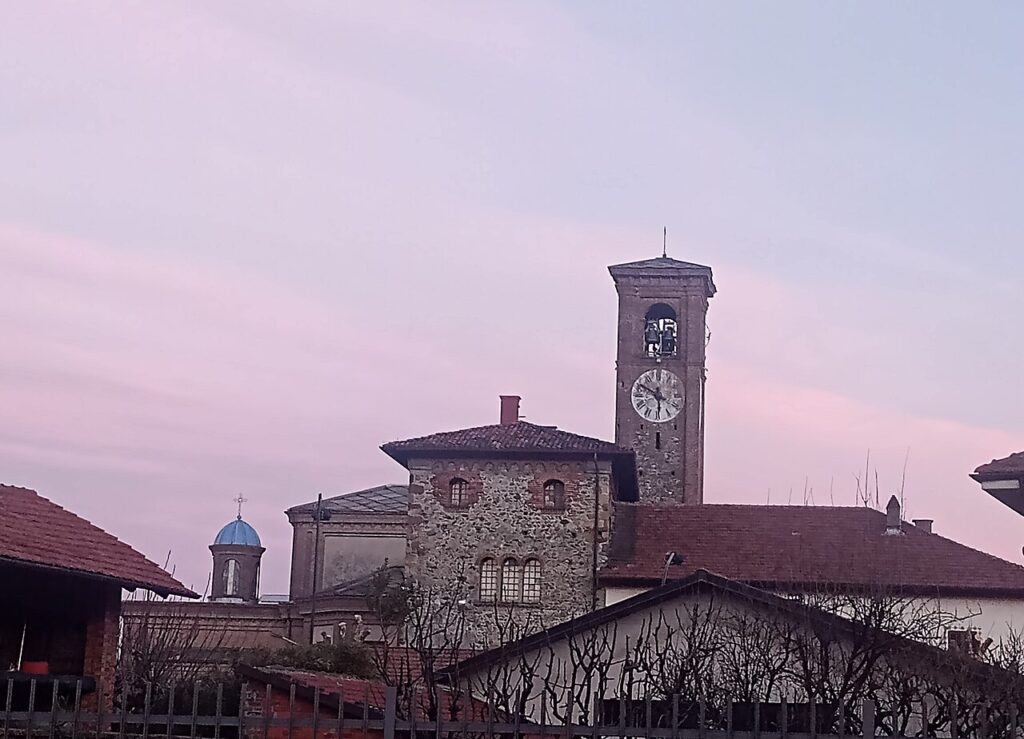
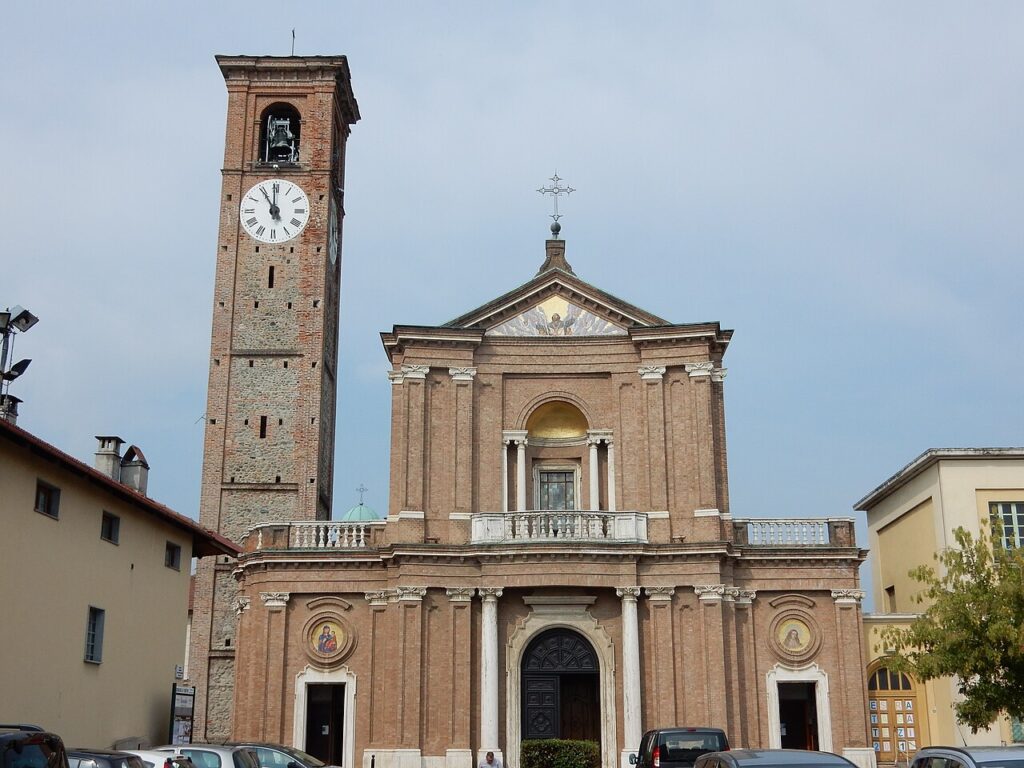
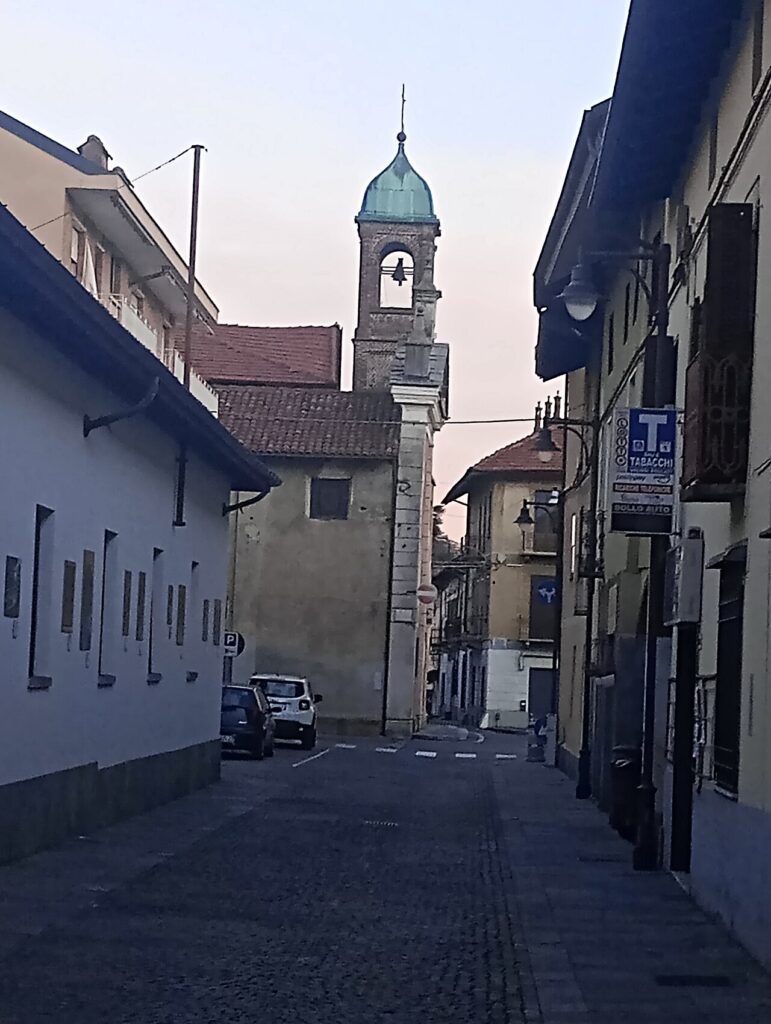
The parish church dedicated to San Mauro Abate anchors the historic core of the village both visually and liturgically. Behind it, the tower raised by the early Benedictine community remains standing, and the two structures together are recognised as the symbolic landmarks of Mathi. The tower’s stonework conveys the settlement’s monastic origins more directly than any document, and the spatial relationship between the church, the oratory of San Raffaele and the tower repays careful observation on foot. The feast of San Mauro on 15 January draws the community together for a religious procession in which the saint’s statue, placed on a float, is pulled through the village streets by young people who have recently turned eighteen.
Il Torrione
The solitary tower known as il Torrione is what survives of a medieval castle that once dominated the village. Stripped of the structure that surrounded it, the tower stands as a physical record of a defensive and residential complex that characterised Mathi’s landscape during the medieval period. It is one of the more immediate and legible historical markers in the village, requiring no specialist knowledge to appreciate its scale and function. Visitors moving through the older parts of the village will encounter it without difficulty.
Traces of the Medieval Ricetto
The ricetto ordered by Giacomo d’Acaia in the mid-fourteenth century no longer stands intact, but its outline has not entirely disappeared. Walking along the bealera — the traditional irrigation channel — near the parish church, or taking the route between via Rivera and via Grosso, it is still possible to read faint traces of the enclosure’s perimeter in the fabric of the village. These remnants, fragmentary as they are, place Mathi within the broader tradition of collective fortified structures found across medieval Piedmont. They are easy to overlook; they reward attention from visitors with an interest in vernacular defensive architecture.
The Village Chapels
Mathi preserves several smaller religious buildings in addition to the parish church: the Cappella di San Rocco, the Cappella di San Grato and the Cappella di Santa Lucia punctuate the village territory and its margins. Chapels of this kind served historical functions that were as much social as devotional, marking boundaries, providing focal points for local feasts and forming the nodes of a devotional geography that still structures the calendar of religious events. The feast of San Grato is among the occasions that continue to animate community life through the year.
The Paper Mill
The Ahlström paper mill is not a heritage site open to visitors in the conventional sense, but it shapes the experience of arriving in Mathi and understanding the village’s economic identity. Its history — running from Varetto’s mid-nineteenth-century enterprise through Don Bosco’s ownership and Giacomo Bosso’s industrial expansion to its current international ownership — is inseparable from the social history of the community. The stadium named after Giacomo Bosso, home ground of A.C. Mathi, reinforces the sense that the industrial and civic spheres in this village have long been intertwined.
In 1342, by order of Prince Giacomo d’Acaia, a ricetto was raised to shelter people, animals and goods in times of war. Less than fifty years later, fire destroyed every building inside it. The enclosure was rebuilt, in the same form, almost immediately.
At the Table: Agricultural Context and Local Flavours
Mathi sits within a provincial food landscape that includes several protected designations well known across the Turin area. The territory falls within reach of Erbaluce di Caluso DOCG, one of the more distinctive white wines of northern Piedmont, as well as the Canavese DOC and the Collina Torinese DOC, which together reflect the varied wine character of the hills between Turin and the pre-Alpine valleys. Among local food traditions, the Sagra della Castagna — the chestnut festival — has a particular resonance in the village calendar, connecting Mathi to the broader culture of mountain and hill harvests that defines much of this part of Piedmont.
The area also falls within the production zone of Ratafià and traditional alpine herb liqueurs, preparations with deep roots in Piedmontese domestic and monastic culture. None of these products is exclusive to Mathi, and the village makes no claim to specialisation in any single foodstuff. What the village does offer, more reliably, is the kind of working-community eating culture — modest, seasonal and local — that fits the profile of a comune whose identity has been shaped more by manufacturing and agriculture than by gastronomy tourism.
Planning your visit and getting there
Mathi is located in the Lanzo valleys, northwest of Turin. The Val Pellice is a different valley system to the southwest near Pinerolo, entirely unconnected to Mathi. The practical distances and journey times below are kept concise on purpose, so the access information stays clear and consistent.
| Departure | Distance | Time |
|---|---|---|
| Turin (city centre) | approx. 27 km | approx. 35-40 min |
| Turin Caselle Airport | approx. 15 km | approx. 20-25 min |
| Lanzo Torinese | approx. 5 km | approx. 10 min |
| Cirié (stazione ferroviaria) | approx. 10 km | approx. 15 min |
Frequently asked questions about Mathi
How do I reach Mathi from Turin by car?
Mathi lies approximately 27 kilometres northwest of Turin at 410 metres elevation. Head north from Turin toward the Lanzo valleys. The journey typically takes 40–50 minutes by car depending on traffic and your exact departure point. Use the SS565 road toward Lanzo d'Intelvi or follow regional routes through the hills. Parking is available in the village centre near the church of San Mauro Abate.
When is the best time to visit Mathi?
Visit in January to witness the Saint Mauro procession, when villagers pull the patron saint's float through the streets—a defining moment in Mathi's calendar. Spring and autumn offer mild weather ideal for exploring the Benedictine heritage sites and surrounding hill landscape. Summer suits outdoor walks through the Lanzo valleys. Winter brings crisp mountain air but fewer visitors, making it peaceful for contemplative visits to the medieval tower and churches.
What historical sites should I see in Mathi?
The medieval Benedictine tower behind the church of San Mauro Abate is the village's most iconic landmark, standing for centuries as a fixed point in the community. The church of San Mauro Abate itself marks the original Benedictine settlement. The oratory of San Raffaele also reflects monastic heritage. These sites document Mathi's journey from Longobard territory through medieval times to its industrial period in the valleys below.
How long should I plan to spend in Mathi?
A half-day visit allows you to tour the church, explore the medieval tower, and absorb the village atmosphere. A full day enables deeper engagement with Benedictine heritage sites, walks through the surrounding hills, and conversations with locals. The article notes that neither the religious nor industrial history is exhausted by a single afternoon, suggesting two visits or an overnight stay for comprehensive exploration of the Lanzo valleys context.
What is the connection between Mathi and Don Giovanni Bosco?
Don Giovanni Bosco entered the economic life of Mathi and the surrounding Piedmontese region during the industrial period. The village evolved from purely agricultural Benedictine foundations to an industrial centre with paper machinery operating in the valley below. Bosco's presence reflects the social and economic transformations of 19th-century Piedmont, linking monastic heritage to modern industrial and charitable work.
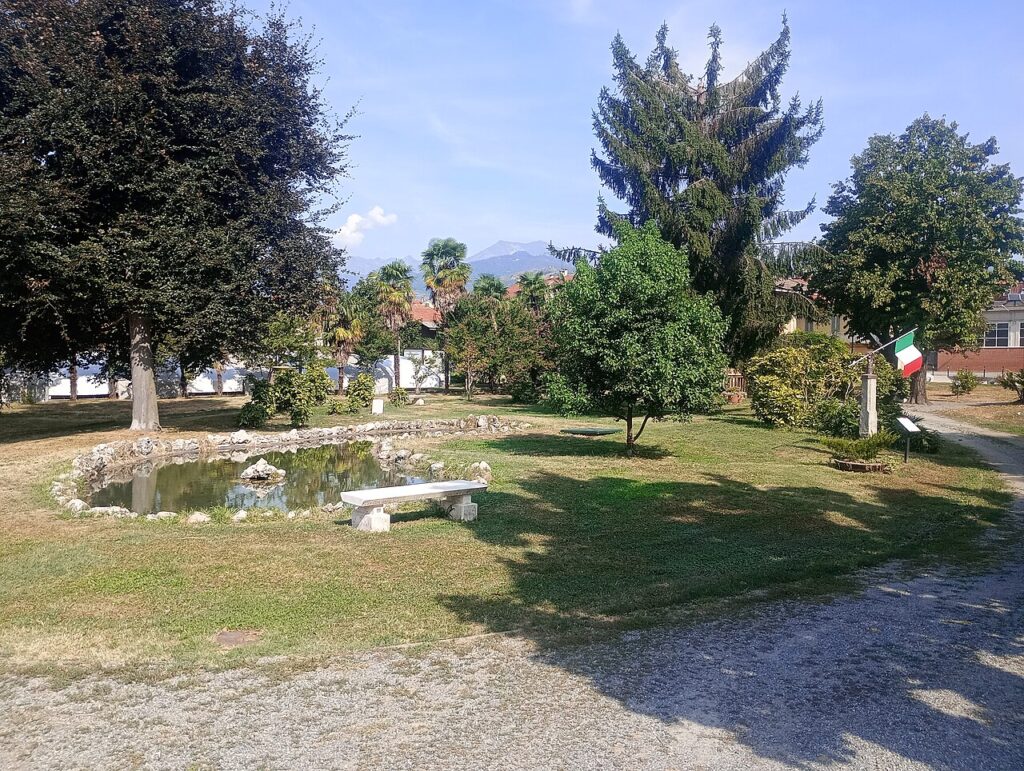
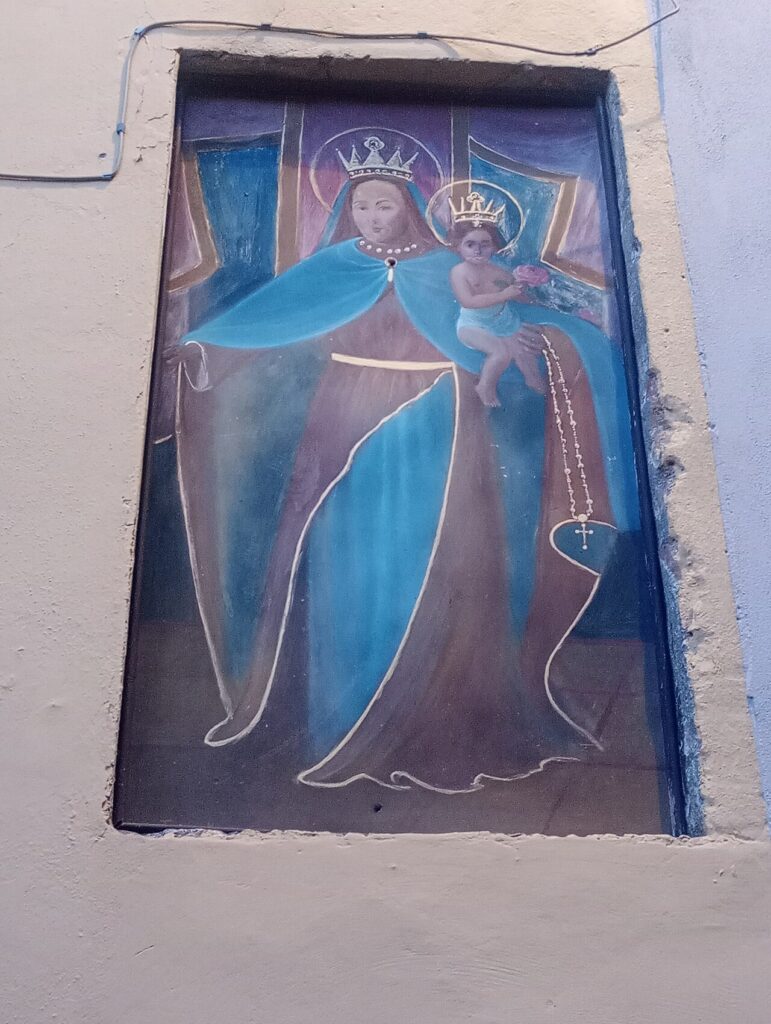
📷 Photo Gallery — Mathi
In Piedmont More villages to discover
Albera Ligure
 Mountain
What to see in Albera Ligure, Italy: 120 km from Turin, 5 verified attractions, local food traditions and how to get there. Discover this Alessandria village.
Massello
Mountain
55 residents, one valley, and a waterfall at 2,000 m. Massello preserves Waldensian memory and mountain trails few travellers reach.
Mombello di Torino
Mountain
399 residents, three churches and eight centuries of documented history. Mombello di Torino rewards visitors drawn to genuine Piedmontese hill culture and Romanesque architecture.
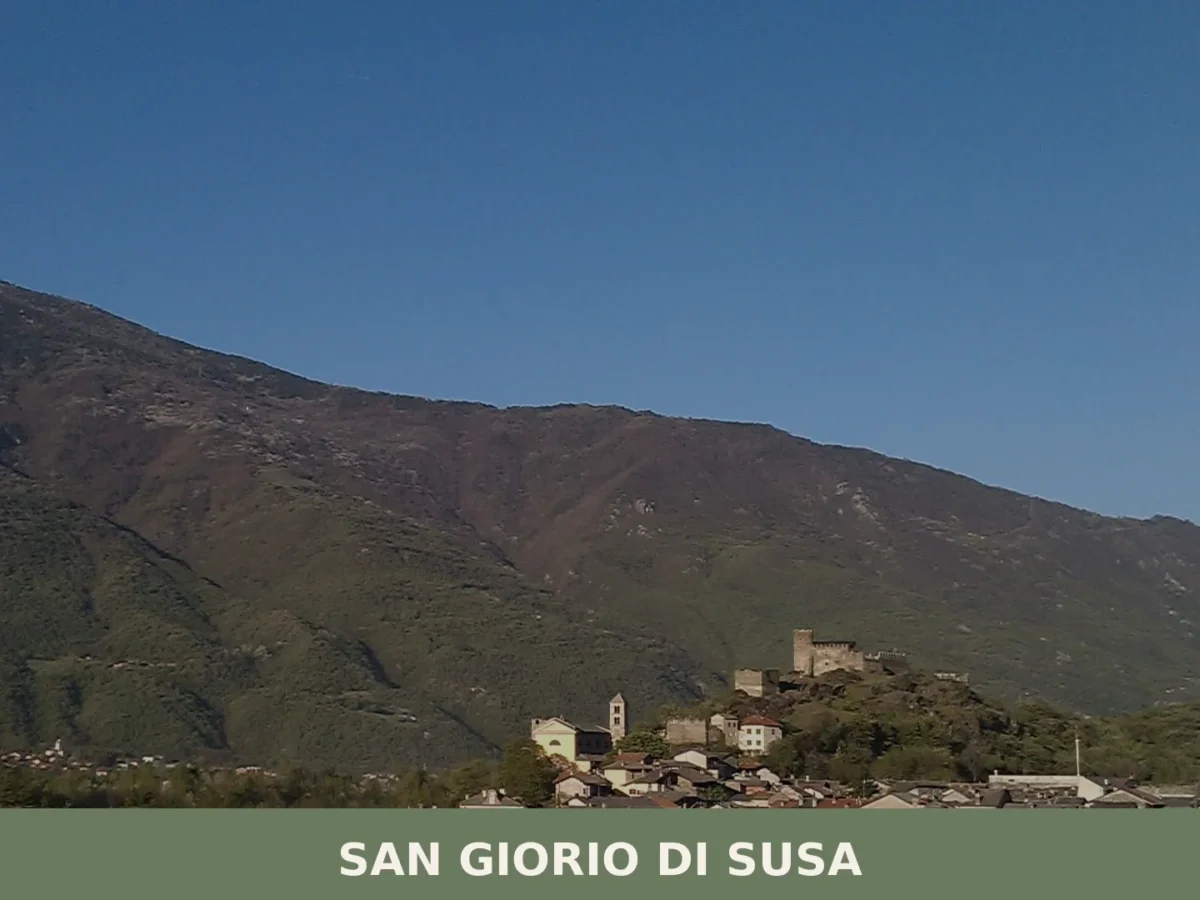
San Giorio di Susa
Mountain
Population 958. Medieval castle with franco-Piemontese frescoes of 1328, alpine hamlets up to 2,801 m, and a living tradition of medieval pageantry on the feast of San Giorgio.
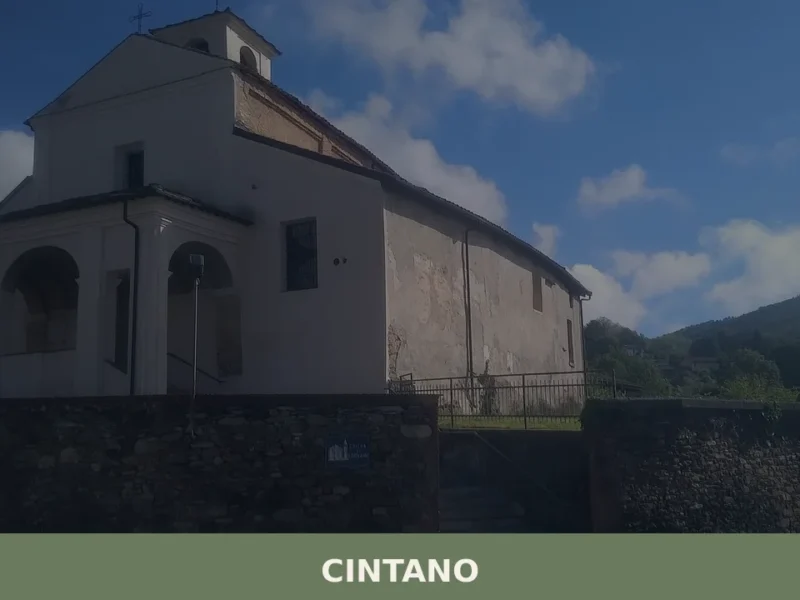
Cintano
Mountain
Scopri Cintano, un affascinante borgo del Piemonte ricco di storia, natura e tradizioni. Lasciati conquistare dalla sua bellezza autentica!

Pomaretto
Mountain
Discover what to see in Pomaretto, a 937-inhabitant Waldensian village in the Val Chisone near Torino — history, food, travel tips and local culture.
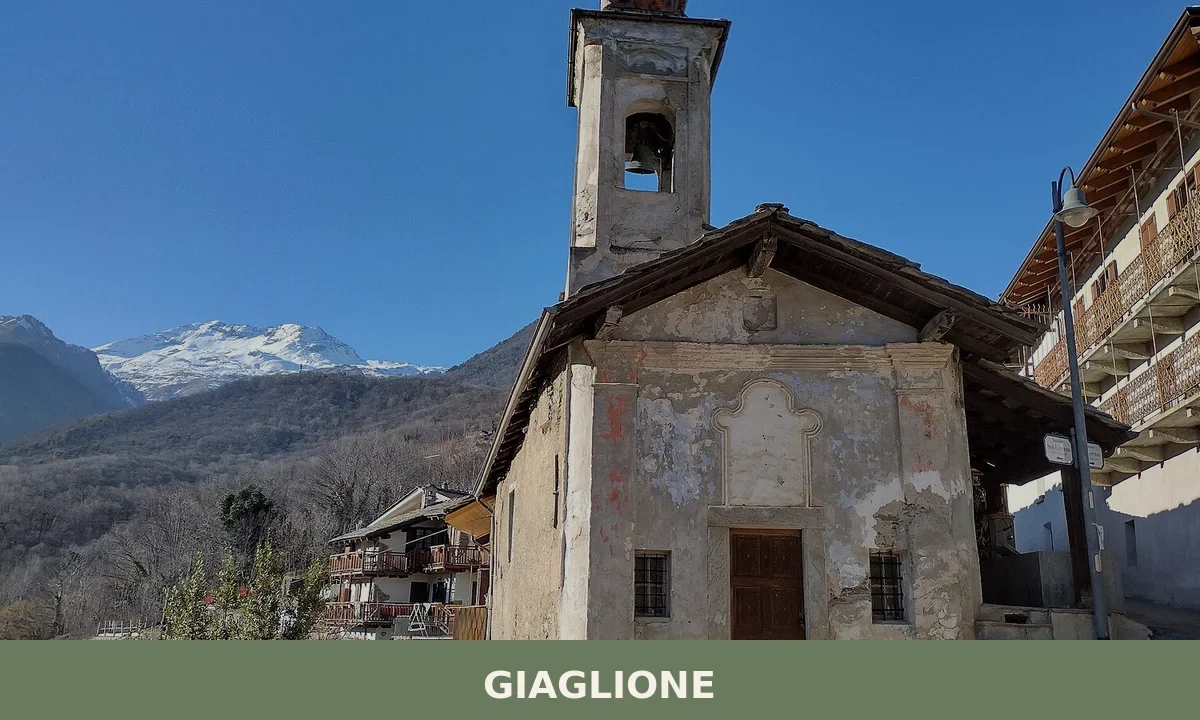
Giaglione
Mountain
Population 595. Medieval fortified settlements, a 15th-century fresco chapel, and a living folk tradition that marks the feast of the patron saint each January.
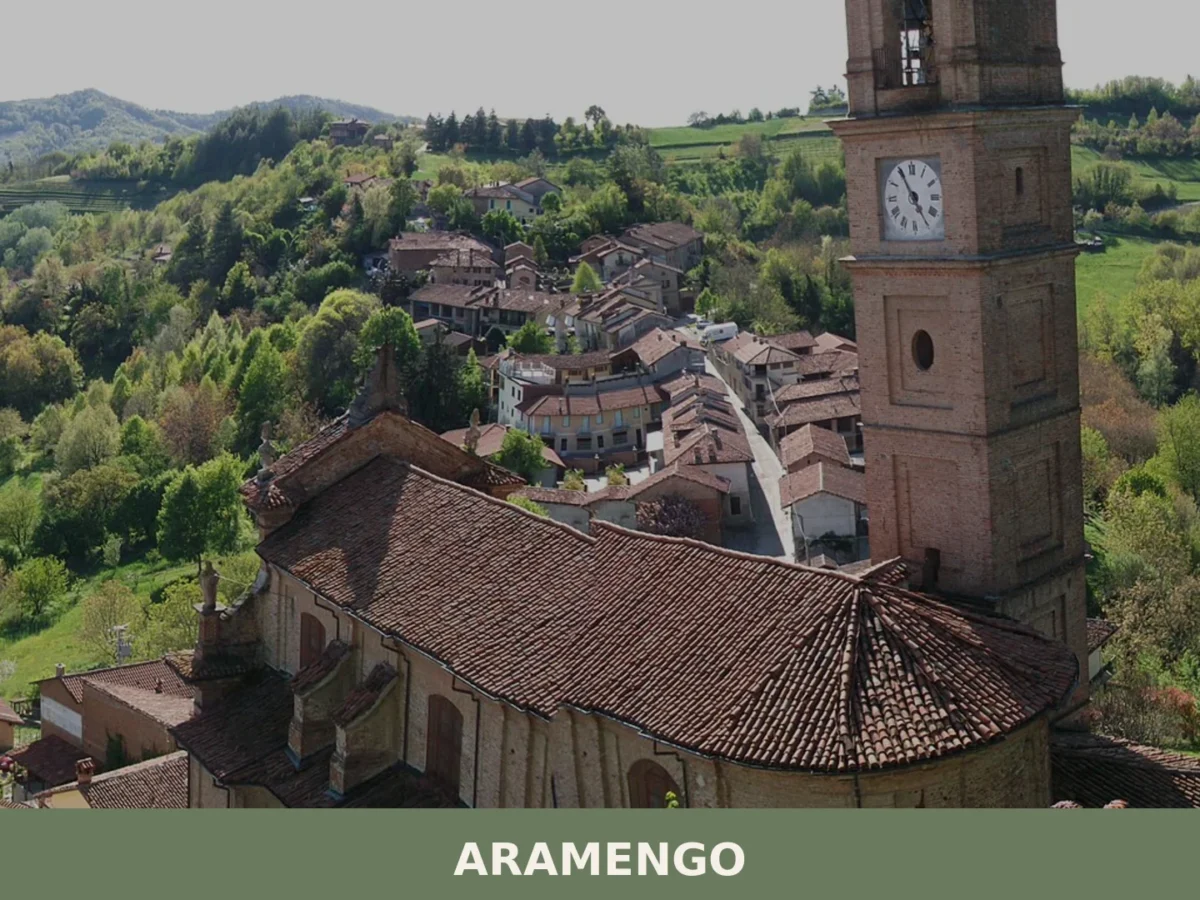
Aramengo
Hills
Aramengo is a small comune in the province of Asti, set among the inland hills of the northern Monferrato at 364 metres, with centuries of feudal history, notable religious architecture, and a living
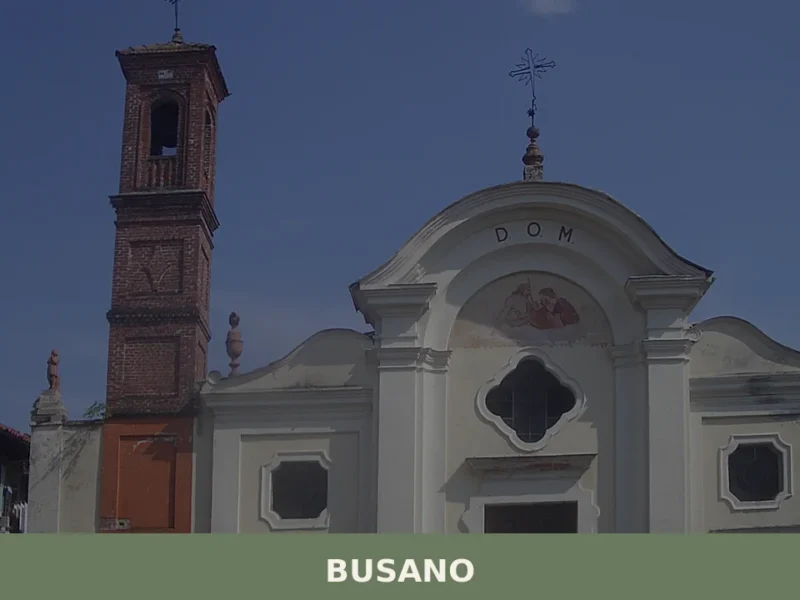
Busano
 Plains
What to see in Busano, Piemonte, Italy: 30 km from Turin, explore the Canavese landscape, local cuisine, and festivals. Discover how to get there and when to visit.
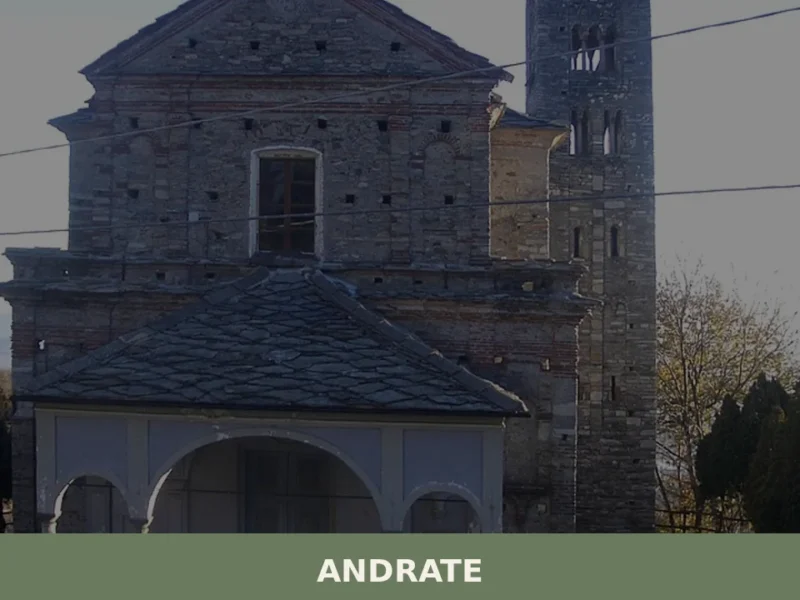
Andrate
Mountain
What to see in Andrate in Piedmont: panoramic views over the Serra d'Ivrea, trails, chestnut groves, Canavese cuisine. Complete guide with history and practical information.
🏡 Know Mathi better than we do?
If you’re a local or have been there, your knowledge matters: add what’s missing or fix a detail on this page.