


 Mountain
Albosaggia is a mountain comune of around 2,985 inhabitants in the province of Sondrio, on the Orobian slope of the middle Valtellina, with a layered history stretching from prehistoric finds to early
Discover Albosaggia
Albosaggia is a mountain comune of around 2985 inhabitants in the province of Sondrio, Lombardia, sitting at 490 metres on the Orobian slope of the middle Valtellina, directly across the valley from the city of Sondrio. Roughly 3 kilometres and about ten minutes by road from Sondrio — and around 90 kilometres, or approximately 90 minutes, from Lecco — it occupies a position where the valley floor meets rising terrain, with the river Adda running along its lowest edge and mixed woodland climbing toward higher ground.
What makes Albosaggia village in Lombardy worth a closer look is the unusual depth of its human story for a settlement of this size: a flanged bronze axe found within the communal territory, a medieval nucleus already called Paradiso by the thirteenth century, centuries of influence exercised by the noble Paribelli family across European courts, and a hydroelectric plant on the Torchione stream that announced the shift from an agricultural economy to an industrial and commercial one. Annual events — from the literary festival held each May to the Scargaámuut gathering in early October, dedicated to the world of alpine herders — keep that layered past alive for both residents and visitors.
Albosaggia village in Lombardy: history and identity
Albosaggia is a comune of around 2985 inhabitants on the Orobian slope of the middle Valtellina, whose recorded history stretches from a prehistoric bronze axe found on its territory to a first documentary mention in the thirteenth century, running through the ambitions of the noble Paribelli family and the construction of a hydroelectric plant in 1922. That long arc — prehistoric traces, medieval foundations, aristocratic patronage, and early industrial enterprise — gives the village a layered character unusual for a settlement of its size.
The earliest material evidence of human presence is a flanged bronze axe unearthed within the communal boundaries, suggesting occupation well before written records begin. During the Roman imperial period, the Valtellina served as a significant corridor linking Gallia Cisalpina with Raetia, though this transit role did not prompt the founding of forts or new urban centres in the area. The first written trace of Albosaggia itself dates to the thirteenth century, when the nucleus of the settlement — known as Paradiso — appeared in documentary acts. Between 1354 and 1357 the original core of what would become the parish church of Santa Caterina was erected, establishing a landmark that still anchors the upper part of the village.
Churches, a Noble Palace, and a Hydroelectric Station: the Built Heritage of Albosaggia
Albosaggia has three principal churches, one historic noble residence, and an early twentieth-century hydroelectric station, distributed across its four distinct neighbourhoods.
Church of Santa Caterina
The parish church of Santa Caterina stands in the upper neighbourhood known as Centro, or Paradiso — the oldest documented nucleus of the settlement. Its first structural core was raised between 1354 and 1357, making it the earliest datable building in the comune. The sources record no further details of its architecture or interior furnishings.
Church of Santi Giacomo e Filippo
This church is located in the eastern neighbourhood of Moia. Beyond its dedication and its position in that quarter of the village, the available sources provide no further description of its fabric or contents.
Palazzo Paribelli
The family palace of the Paribelli occupies an elevated position above the built-up area of Albosaggia, from which it overlooks the lower neighbourhoods. The Paribelli were granted the title of noble of the Holy Roman Empire in 1581, and members of the family served as diplomats at European courts; one, Cesare Paribelli, sat in the provisional government of the Neapolitan Republic in 1799. The building remains standing today. The sources provide no description of its architectural character or interior.
Hydroelectric Station on the Torchione
Built in 1922 on the torrent Torchione, this station is now the property of Enel Green Power. It represents an early example of industrial infrastructure in the valley and a visible marker of the economic transition Albosaggia underwent after the close of the agricultural era. No further architectural detail is recorded in the sources.
Flavours of Albosaggia and the Valtellina
Albosaggia sits within one of Lombardy’s most celebrated food territories: the Valtellina, home to protected products including Bresaola della Valtellina IGP, Bitto DOP, Pizzoccheri della Valtellina IGP, and Mela di Valtellina IGP, alongside the aged hard cheese Grana Padano DOP. None of these are exclusive to Albosaggia itself, but any visit to the comune places you squarely within the area where they are produced and best enjoyed.
Bresaola della Valtellina IGP is the valley’s renowned air-cured beef, while Bitto DOP is an alpine cheese made at high pasture during the summer months. Pizzoccheri della Valtellina IGP are buckwheat pasta strips, a staple of mountain cooking across the province. The local apple, Mela di Valtellina IGP, thrives on the sunny terraces of the Adda valley below the village.
The wines of the surrounding territory are equally distinguished. Sforzato di Valtellina DOCG and Valtellina Superiore DOCG are the two top appellations, both built on Nebbiolo grown on steep terraced vineyards. A broader range of reds falls under the Valtellina Rosso DOC and the Terrazze Retiche di Sondrio IGT designations.
Getting to Albosaggia and Planning Your Visit
Albosaggia is reached most easily by road from Sondrio, approximately 3 km and around 10 minutes away, making it a practical base for exploring the middle Valtellina; from Lecco, the gateway to the lake district to the south, the drive covers roughly 90 km and takes around 90 minutes via the SS36 and SS38 along the Adda valley.
The comune sits at 490 metres above sea level on the orobic slope facing Sondrio, and its terrain rises through broadleaf woodland up to about 490 metres, where conifer forest takes over. Spring and early autumn are particularly rewarding seasons: the Festival della Letteratura “Il Paese delle Storie” takes place each May, while the Scargaámuut festival, dedicated to the world of alpine herders and organised together with the neighbouring comune of Caiolo, is held each year at the start of October. Christmas markets are a further reason to visit in the winter months.
The lowest part of the settlement, the Porto quarter, sits directly on the Adda river and includes a stretch of the Sentiero Valtellina, a long-distance riverside path that connects many communities along the valley floor. Walkers and cyclists using this route will find Porto the natural point of entry from the valley bottom. The upper part of the village, Centro/Paradiso, where the municipal offices and the parish church of Santa Caterina are located, is reached by road climbing above Porto. Those travelling through the broader region may also wish to combine a visit here with a stop at Losine during a wider Lombardy itinerary.
| Departure | Distance | Time |
|---|---|---|
| Sondrio | approx. 3 km | approx. 10 min |
| Lecco | approx. 90 km | approx. 90 min |
| Losine (Val Camonica) | approx. 100 km | approx. 2 hours |
These practical references help organise the journey clearly, while the village itself is best understood slowly and on foot once you arrive.
Frequently asked questions about Albosaggia
How far is Albosaggia from Sondrio, and what is the best way to reach it by car?
Albosaggia lies approximately 3 kilometres from Sondrio city centre, reachable in about ten minutes by road. The village sits on the opposite side of the valley from Sondrio. From Lecco, the journey takes roughly 90 minutes and covers around 90 kilometres. Follow regional roads through Valtellina toward Sondrio, then cross to the Orobian slope where Albosaggia is positioned at 501 metres elevation.
When is the best time to visit Albosaggia?
Visit Albosaggia during May for the literary festival, or in early October for the Scargaámuut gathering, an event celebrating alpine herding culture. The patron saint feast of Santa Caterina d'Alessandria is celebrated on 25 November. As a mountain village, spring through autumn offers pleasant weather for exploring the mixed woodland terrain and the valley setting where the Adda river flows along its lowest edge.
What historical attractions does Albosaggia offer visitors?
Albosaggia contains notable historical layers: a medieval nucleus once called Paradiso in the thirteenth century, a hydroelectric plant on the Torchione stream marking the shift from agricultural to industrial economy, and heritage linked to the influential Paribelli noble family, whose members held sway across European courts. Archaeological finds include a flanged bronze axe discovered within the commune's territory, reflecting ancient settlement.
What annual events take place in Albosaggia?
Two principal annual events draw visitors: a literary festival held each May, and the Scargaámuut gathering in early October dedicated to alpine herding traditions and mountain pastoral culture. The patron saint feast of Santa Caterina d'Alessandria is celebrated on 25 November. These events keep the village's layered historical narrative alive for both residents and visitors.
📷 Photo Gallery — Albosaggia
In Lombardy More villages to discover
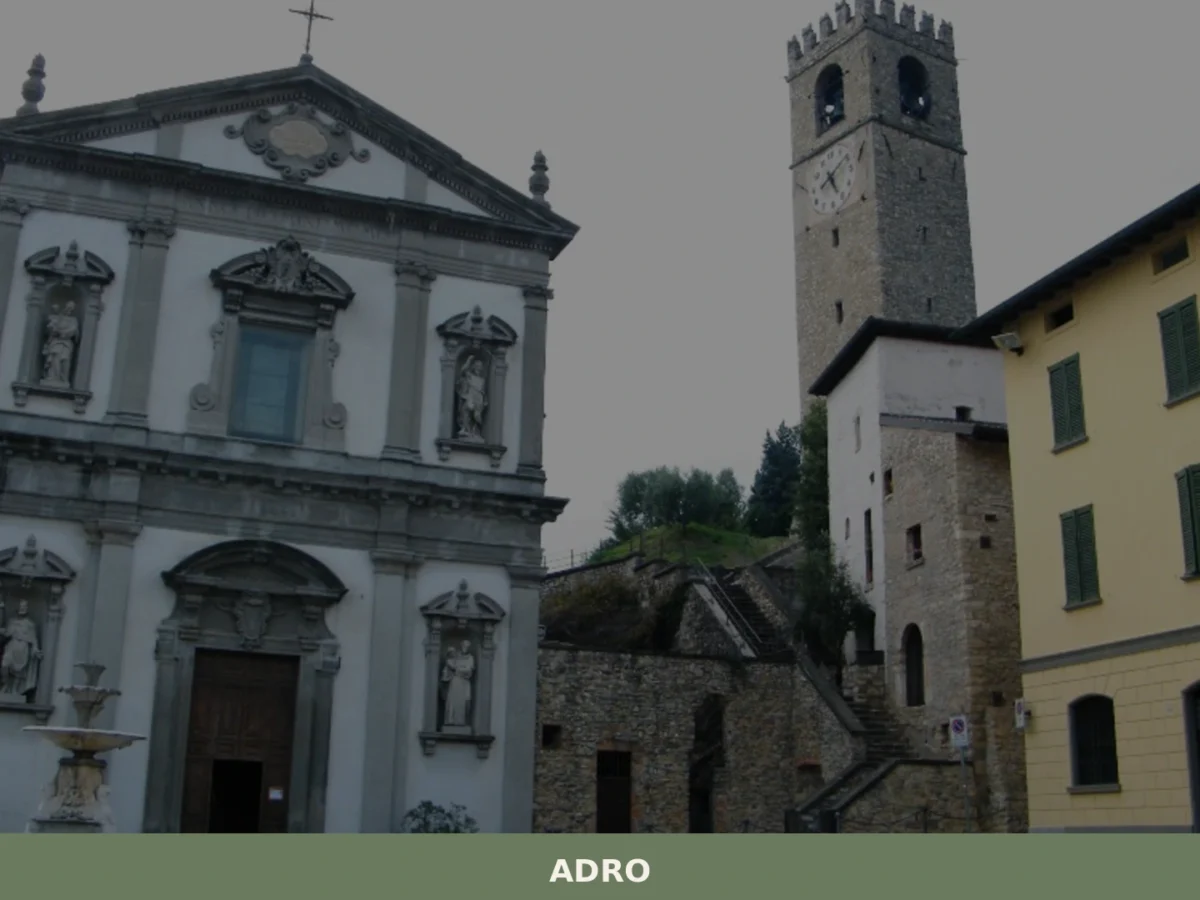
Adro
 Plains
What to see in Adro, Lombardia, Italy: explore 5 verified attractions, Franciacorta wines, and a medieval tower. Discover how to get there from Milan.
Abbiategrasso
Plains
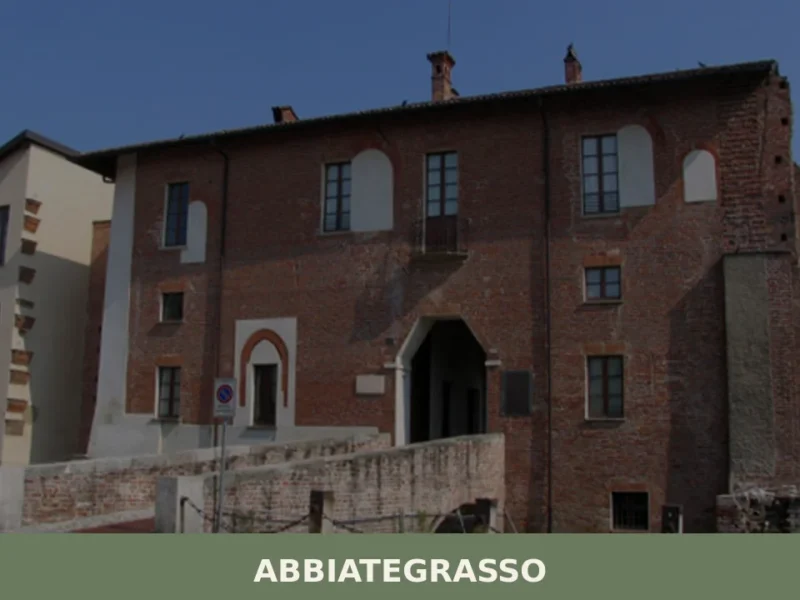
Discover what to see in Abbiategrasso: a Visconti castle, a Renaissance church portico, the Naviglio Grande canal, and the Ticino valley park in Lombardia.
Cadrezzate
 Hills
Hills
 Lake
Lake
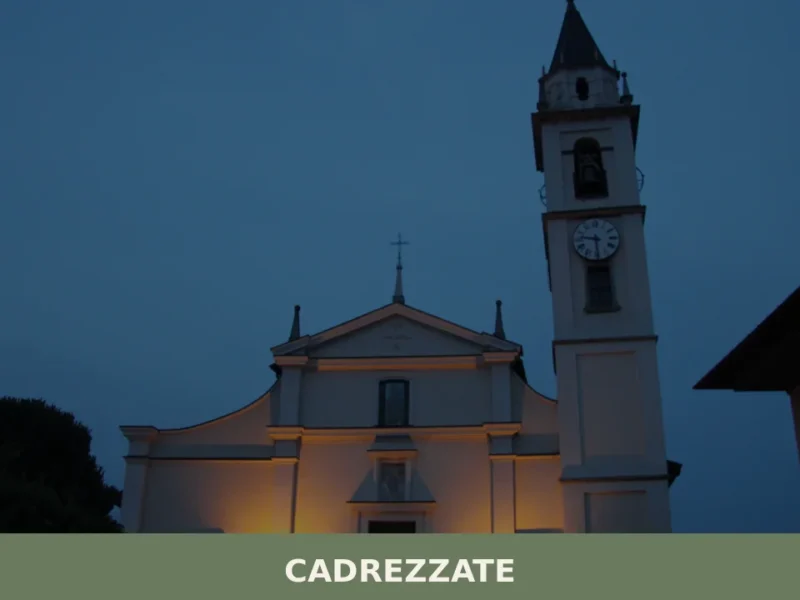
Cosa vedere a Cadrezzate: borgo a 281m sul Lago di Monate, 1.854 abitanti. Lago limpido, chiesa patronale, sentieri collinari e cucina varesina. Guida completa.
Abbadia Cerreto
Plains
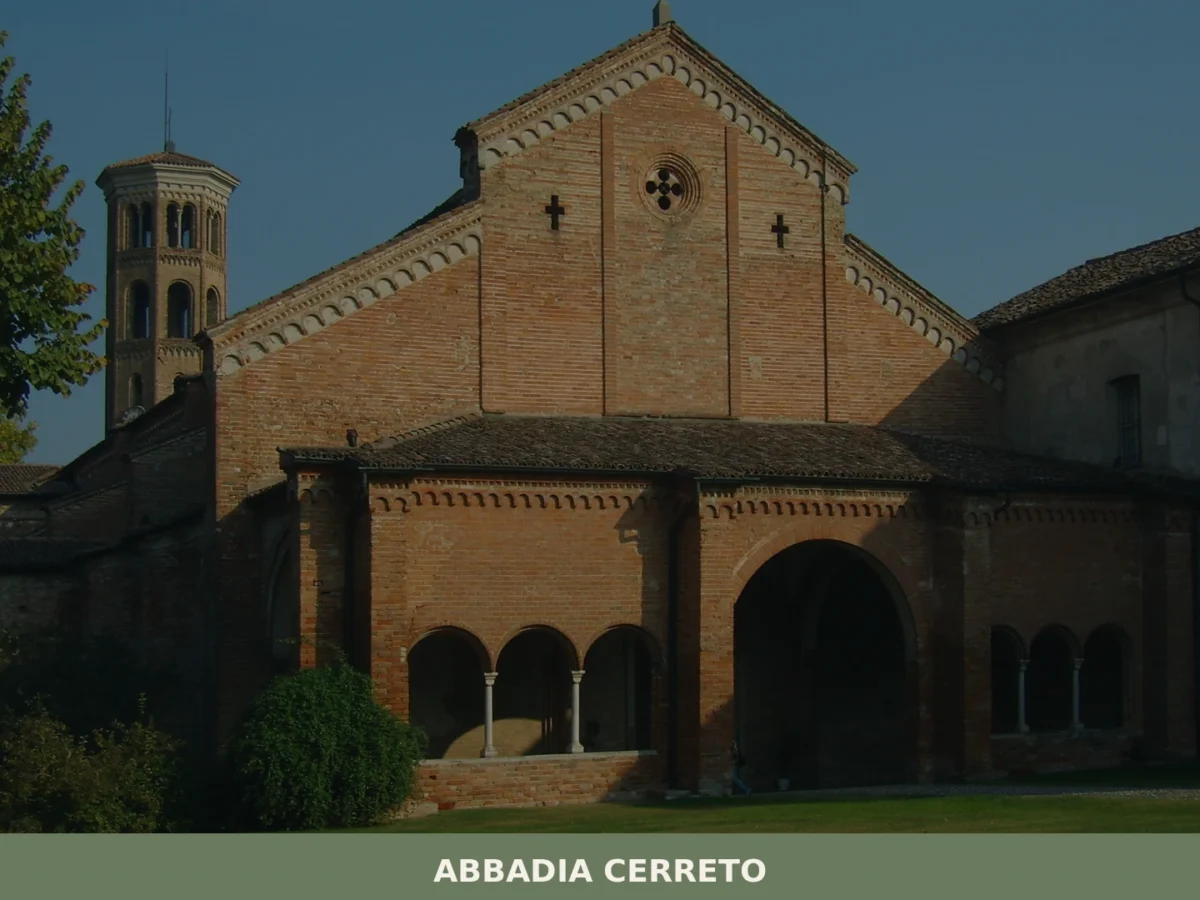
Discover what to see in Abbadia Cerreto, a 280-person Lombard village in the province of Lodi with Cistercian roots and Po Valley landscapes.
Besozzo
Hills
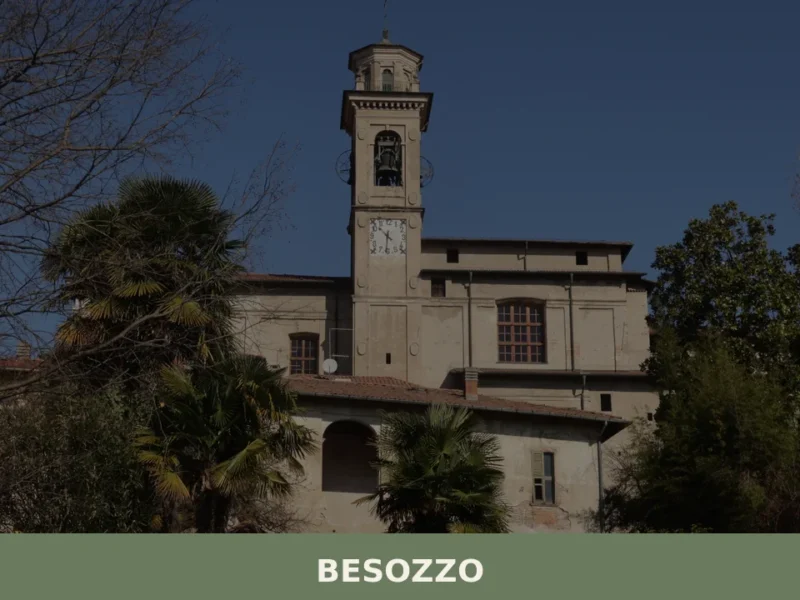
What to see in Besozzo, Italy: Explore the historic upper village (240 m a.s.l.), its noble Palazzi, and proximity to Lago Maggiore. Discover this Lombardian gem.
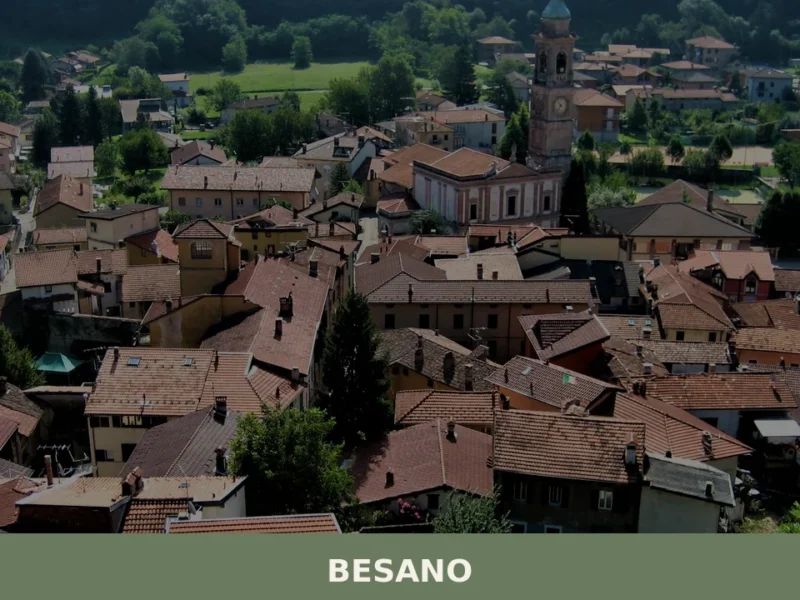
Besano
Hills
What to see in Besano, Italy: Explore the paleontological site and discover village life at 350 m (1,148 ft) a.s.l. Read our guide to Lombardy's unique corners.
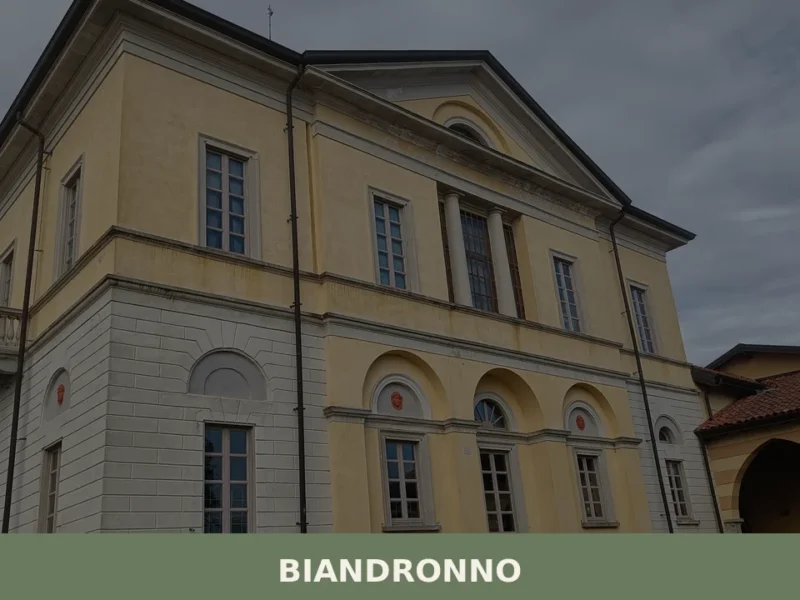
Biandronno
Hills
Lake
At 262 m a.s.l., Biandronno extends across the gentle hills that characterize the province of Varese, offering a panorama that opens onto the surrounding reliefs and the plain. The village, with its population of 3,162 inhabitants, maintains a discreet atmosphere, typical of smaller Lombard centers where life flows at rhythms tied to the territory. In […]
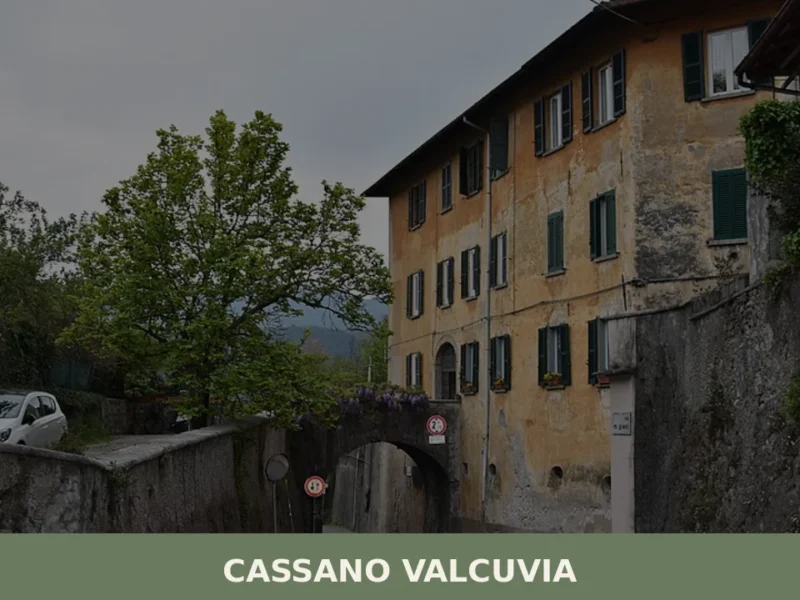
Cassano Valcuvia
Hills
Cassano Valcuvia is a compact mountain municipality in the province of Varese, Lombardia, set at 300 metres in the Valcuvia valley with a population of 639.
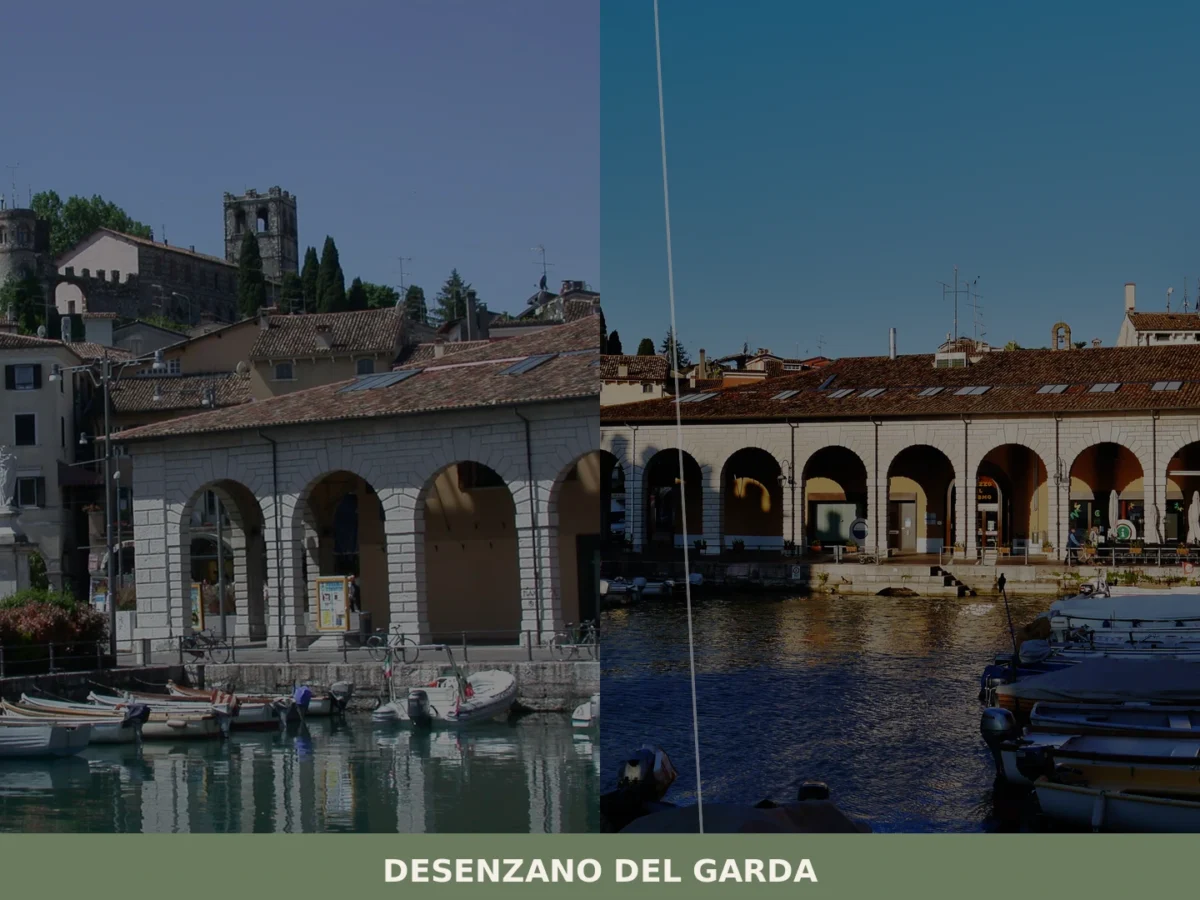
Desenzano del Garda
Lake
Plains
what to see in desenzano del garda in Italy. Explore Desenzano del Garda, Lombardia, Italy, at 67 m a.s.l., from its Roman Villa to the Old Port. Discover its history and attractions.
Almenno San Bartolomeo
Hills
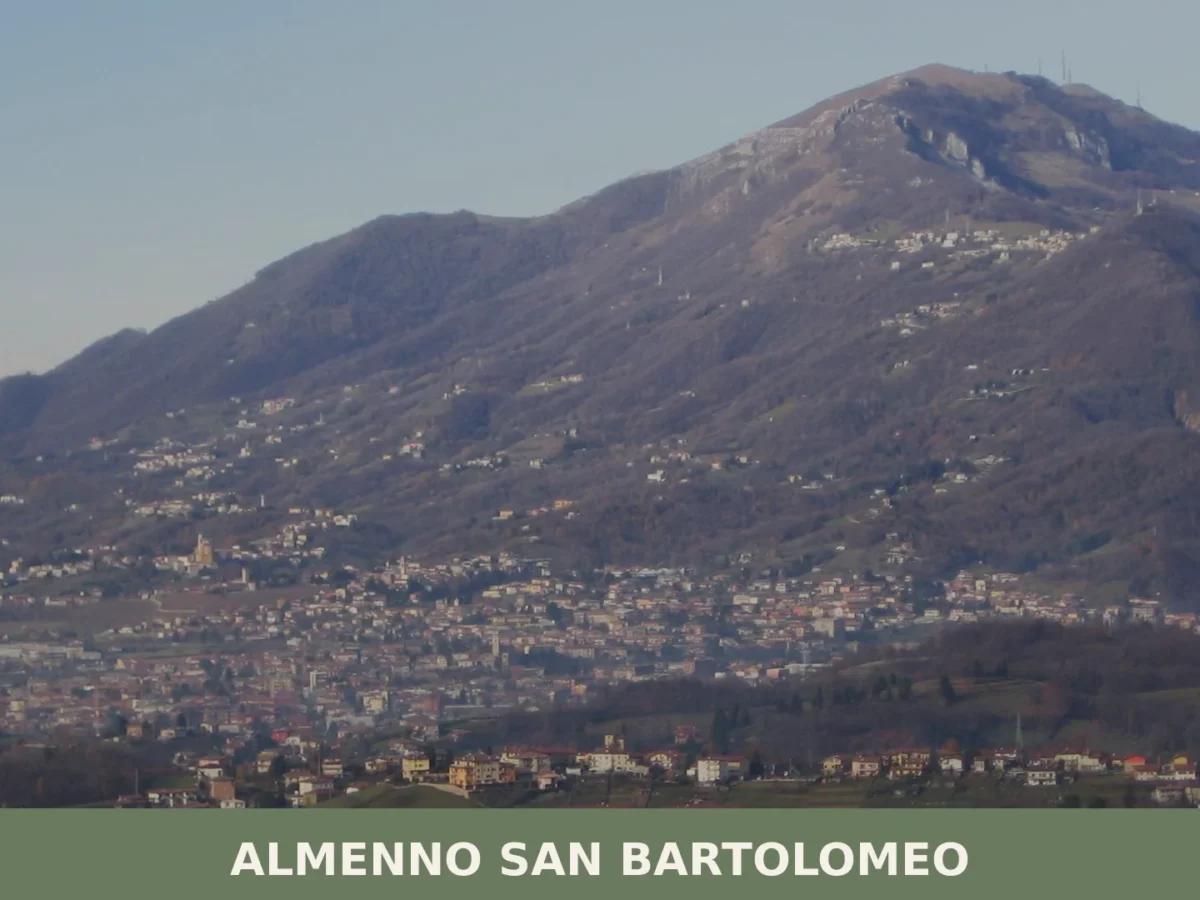
Almenno San Bartolomeo is a hilltop comune in the province of Bergamo, Lombardia, notable for its Romanesque Rotonda di San Tomè, a celebrated museum of woodworking and a layered history stretching ba

🏡 Know Albosaggia better than we do?
If you’re a local or have been there, your knowledge matters: add what’s missing or fix a detail on this page.