


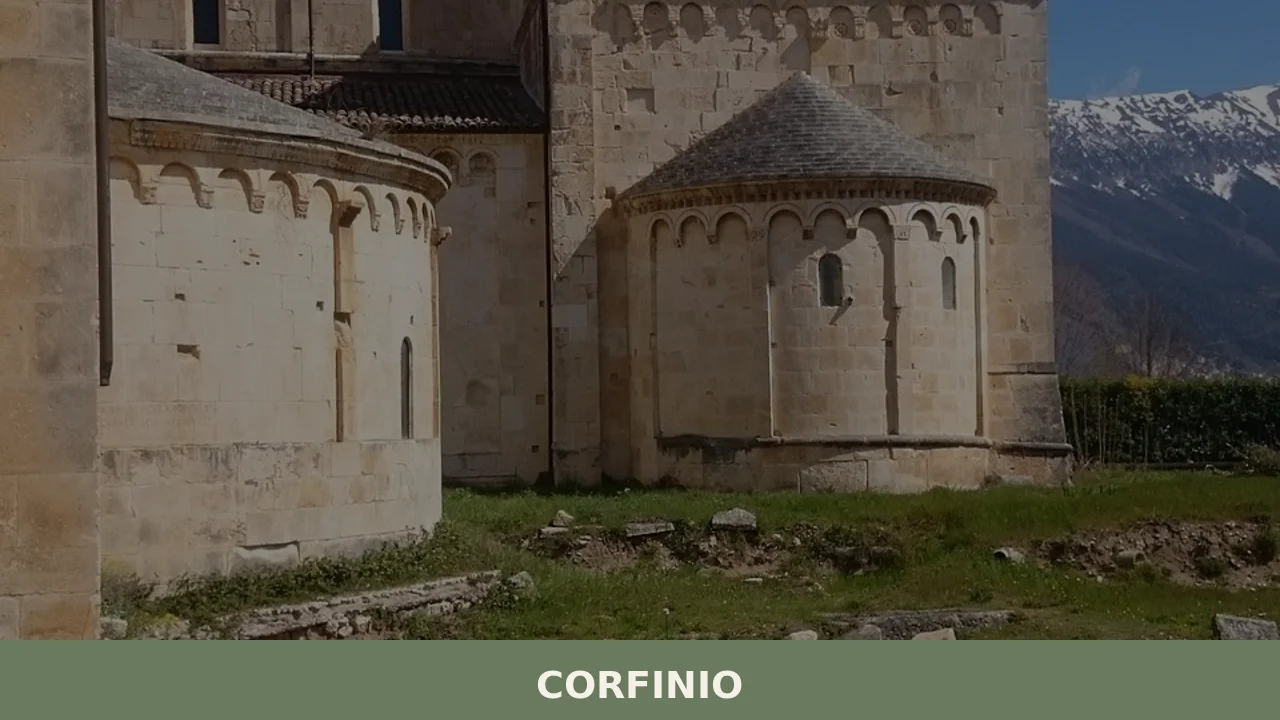
Corfinio
 Hills
Hills
what to see in Corfinio, Italy: Explore this Abruzzese village at 346 m a.s.l., from its Roman past to the Museo Antonio De Nino. Discover Corfinio.
Discover Corfinio
At an altitude of 346 m (1,135 ft) above sea level, Corfinio showcases its deep historical roots in the heart of Abruzzo. This village, currently home to 970 inhabitants, preserves the echoes of ancient civilizations and medieval transformations within its boundaries. Its position in the province of L’Aquila offers a distinctive perspective on the region’s diverse landscape and cultural heritage, inviting exploration.
For those wondering what to see in Corfinio, this guide highlights the profound historical narrative of its past and present.
Visitors exploring Corfinio, Abruzzo, Italy, will find themselves traversing archaeological sites that reveal its Roman heritage, alongside the significant Museo civico archeologico Antonio De Nino. The village, situated at 346 m (1,135 ft), provides a compelling blend of historical depth and local character for an engaging travel experience, truly defining what to see in Corfinio.
History of Corfinio
The historical roots of Corfinio extend deep into antiquity, where it was known as Corfinium, a significant Roman settlement. This ancient city played a crucial role during the Social War (91-88 BC), briefly serving as the capital of the Italic League under the name Italica, highlighting its strategic importance.
Its location in the Peligna Valley, within what is now the Abruzzo region of Italy, made it a key administrative and military center, fostering development and cultural exchange across the central Apennines for centuries and leaving substantial archaeological traces, which are among the primary elements of what to see in Corfinio today. Villages like Sante Marie in the same region also bear witness to ancient origins and subsequent medieval transformations.
Following the Roman era, Corfinium’s identity evolved, and in the Middle Ages, the settlement became known as Valva. This period marked a profound shift, as Valva rose to prominence as the seat of a bishopric, an ecclesiastical jurisdiction headed by a bishop, which underscored its spiritual authority. The establishment of a bishopric cemented Valva’s status as a spiritual and cultural hub, influencing the religious practices, artistic expressions, and social organization of the surrounding communities for many hundreds of years, making it a focal point of medieval life.
The legacy of Valva’s episcopal past endures, notably preserved in the name of the united diocese of Sulmona-Valva, which continues its spiritual work in the region today, linking modern faith to ancient roots.
Corfinio, as it is officially known, functions as a comune (municipality) within the province of L’Aquila, Abruzzo, Italy. This modern administrative structure connects directly to its ancient and medieval foundations, representing a continuous thread of human settlement and institutional life that has adapted through successive historical epochs, demonstrating remarkable resilience.
What to see in Corfinio, Abruzzo: top attractions
Museo civico archeologico Antonio De Nino
The Museo civico archeologico Antonio De Nino offers a comprehensive insight into the rich history of Corfinio and its surrounding territories. Housed within a historical building, the museum showcases artifacts recovered from the ancient Roman site of Corfinium, providing tangible evidence of its past prominence. Visitors can examine archaeological finds that illustrate daily life, religious practices, and political structures from antiquity, gaining a deeper understanding of the region’s heritage. The exhibits are curated to tell the story of Corfinio’s evolution, from its earliest settlements through its Roman and medieval phases, making it a key educational stop for those keen to understand what to see in Corfinio‘s past.
The Archaeological Area of Roman Corfinium
Venturing beyond the museum, visitors can explore the actual Archaeological Area of Roman Corfinium, where the ancient city once thrived.
This site, though perhaps not fully excavated, allows one to walk amidst the subtle contours and visible remnants of a significant Roman settlement. Evidence of public buildings, residential areas, and the urban layout of Corfinium can be discerned, offering a direct connection to its past as a strategic center. Understanding the scale of this former city, which briefly served as Italica, provides context to its historical importance in the region, particularly for those interested in what to see in Corfinio‘s ancient past.
The Historic Center of Valva
The modern village of Corfinio retains much of the character of its medieval predecessor, Valva, especially within its historic core. Walking through these narrow streets, one can observe architectural elements that speak to its past as a significant bishopric. The layout of the village, with its compact houses and perhaps the remnants of older defensive structures, reflects centuries of development. This area provides a tangible link to the period when Corfinio was an ecclesiastical powerhouse, offering a glimpse into the daily life and spiritual importance of medieval Valva, a key aspect of what to see in Corfinio today.
The Church of Papa Alessandro I
As the patron saint of Corfinio, Papa Alessandro I is honored through the village’s main ecclesiastical structure, the Church of Papa Alessandro I.
While specific historical details of its construction may vary, the presence of a church dedicated to the patron saint is a central element of Italian village life. This sacred building serves as a focal point for the community’s spiritual life and traditions, particularly during annual celebrations. Visitors can appreciate the local artistry and devotion embedded within its architecture and interior, making it a significant cultural and religious landmark to include in what to see in Corfinio.
The Panoramic Vistas of Corfinio
Situated at an elevation of 346 m (1,135 ft) above sea level, Corfinio offers expansive Panoramic Vistas across the Peligna Valley and the surrounding Abruzzese landscape. From various points within the village, observers can take in the rolling hills, distant mountain ranges, and the fertile plains that characterize this part of Italy. The views provide a striking contrast between the historical density of the village and the vast natural beauty of the region.
These sweeping outlooks are particularly captivating during sunrise or sunset, presenting a serene perspective on the territory that is an essential part of what to see in Corfinio.
Local food and typical products of Corfinio
The culinary identity of Corfinio is deeply intertwined with the broader gastronomic traditions of Abruzzo, a region celebrated for its robust and hearty cuisine. This mountainous and hilly terrain has historically fostered a self-sufficient agricultural economy, leading to dishes rich in local ingredients and long-established preparation methods. The cooking reflects both the pastoral heritage of the Apennine mountains and the agricultural bounty of the valleys, providing a distinct flavor profile that visitors can experience throughout their stay, adding another dimension to what to see in Corfinio.
Visitors to Corfinio can expect to find dishes that exemplify Abruzzese cooking, often featuring lamb, sheep, and a variety of pasta. One such staple is Maccheroni alla Chitarra, a fresh egg pasta cut into square-edged strands using a traditional tool resembling a guitar. This pasta is typically served with a rich ragù, often made with mixed meats like lamb and pork. Another common dish is Arrosticini, skewers of tender lamb meat, grilled over charcoal and seasoned simply, showcasing the region’s strong pastoral legacy.
While specific certified products uniquely attributed to Corfinio are not extensively documented, the village benefits from the wider Abruzzese tradition of high-quality agricultural produce.
The region is renowned for its Pecorino d’Abruzzo cheese, a firm sheep’s milk cheese often aged for several months, and the vibrant red saffron from L’Aquila, known for its intense aroma and color. The olive groves surrounding the area also yield excellent olive oil, reflecting the Mediterranean influence on Abruzzo’s agricultural landscape, and these products are readily available in local markets and eateries. This regional culinary excellence is also a highlight in areas such as Casacanditella, which shares a similar agricultural heritage within Abruzzo.
For those seeking to experience local flavors directly, the best approach is to visit village markets or family-run trattorias in and around Corfinio. Although specific food fairs dedicated solely to Corfinio are not listed, the broader Abruzzo region hosts numerous sagre (traditional local food festivals) throughout the warmer months. These events offer opportunities to sample regional specialties, purchase local produce directly from producers, and immerse oneself in the community spirit that celebrates the harvest and culinary heritage.
Festivals, events and traditions of Corfinio
The cultural calendar of Corfinio revolves around its deep-seated traditions, prominently featuring the celebration of its patron saint, Papa Alessandro I.
While specific dates for local festivities are often tied to historical religious calendars, the feast day for Pope Alexander I is traditionally observed on May 3rd. During this period, the village typically comes alive with religious processions, which might involve carrying a statue of the saint through the streets, accompanied by local bands and communal participation. These events are not just spiritual but also social gatherings, reinforcing community bonds and preserving ancestral customs.
Beyond the patron saint festivities, Corfinio, like many Abruzzese villages, likely hosts other smaller, community-focused events throughout the year, though specific details are not readily available. These could include seasonal harvests, local craft markets, or musical performances that reflect the regional folklore. Such gatherings provide visitors with an opportunity to observe local life and traditions firsthand. The emphasis remains on communal participation and the preservation of customs passed down through generations, offering a genuine glimpse into the cultural heartbeat of the village.
When to visit Corfinio, Italy and how to get there
Determining the best time to visit Abruzzo, and Corfinio specifically, largely depends on your travel preferences.
Spring (April to June) and early autumn (September to October) are often considered ideal, offering mild temperatures, blooming landscapes, and fewer crowds. These seasons are perfect for exploring the archaeological sites and historic center comfortably, as well as enjoying the panoramic views without the intense heat of summer. Summer months (July and August) bring warmer weather and a higher likelihood of local festivals and events, though also more visitors.
Corfinio’s terrain, characteristic of a collina (hill) village, may involve some inclines and uneven surfaces in its historic core, which is typical for many ancient Italian settlements. For those planning a day trip from nearest major city hubs like Rome, Corfinio is readily accessible. To reach Corfinio, Abruzzo, Italy, by car from Rome, take the A25 motorway towards Pescara, exiting at Sulmona. The drive covers approximately 150 km (93 mi) and typically takes around 1 hour and 45 minutes, making it a feasible excursion. For the most up-to-date information on local events and services, visitors can consult the official Corfinio municipality website.
For visitors relying on public transportation, the nearest major train station is Sulmona, located approximately 10 km (6.2 mi) from Corfinio.
Train schedules and tickets can be checked on the Trenitalia website. From Sulmona, local bus services or taxis can complete the journey. The closest international airport is Abruzzo Airport (PSR) in Pescara, situated about 60 km (37 mi) away, with a driving time of approximately 45 minutes. Rome Fiumicino Airport (FCO) is a larger international hub, about 170 km (105 mi) distant, with a driving time of roughly 2 hours. When traveling in smaller Italian villages, it is advisable for international visitors to carry some Euros cash, as card payments may not be universally accepted in all small shops or eateries, and English may be limited. Another charming Abruzzese destination easily reachable from Sulmona is Dogliola, offering further exploration of the region.
Beyond the immediate vicinity of Corfinio, the Abruzzo region offers a wealth of other historical and natural attractions. Travelers interested in exploring more of the diverse landscapes and traditions of this part of Italy might consider a visit to nearby Palombaro, a village that presents its own unique blend of history and regional charm, complementing the experience of Corfinio.
Photo Gallery of Corfinio
Do you have photos of Corfinio?
Share your photos of the village: the best ones will be added to the official gallery, with your credit.
Send your photosFrequently asked questions about Corfinio
What is the best time to visit Corfinio?
The ideal times to visit Corfinio are from April to June and from September to October. During these months, the weather in the Peligna Valley is pleasant, allowing for comfortable exploration of the archaeological sites and the historic Basilica of San Pelino. The patronal feast of Sant'Alessandro, celebrated on May 3rd with a procession, offers a unique cultural experience. While summers are hot, they provide opportunities to combine your visit with hikes in the nearby Majella and Morrone massifs. Winters can be cold with snow, but the quiet atmosphere offers a unique perspective on the village's heritage.
What to see in Corfinio? Main monuments and landmarks
Corfinio is rich in historical and archaeological treasures. Don't miss the majestic Basilica of San Pelino, an 11th-12th century cathedral with intricate Romanesque capitals and a stunning 13th-century Cosmatesque ambo. Adjacent is the Oratory of Sant'Alessandro, featuring ancient frescoes. Explore the Museo Civico Archeologico Antonio De Nino, housing finds from the Peligni necropolis and Italic League coins. The Archaeological area of Piano San Giacomo reveals foundations of an Italic temple and Roman public buildings. Finally, visit the Fonte di Bagnara and visible stretches of the Roman aqueduct, essential to ancient Corfinium. For museum hours, it's advisable to check the official Municipality website.
Where to take the best photos in Corfinio?
For captivating photographs in Corfinio, the Basilica of San Pelino offers exceptional opportunities, especially for its Romanesque architectural details, carved capitals, and the exquisite Cosmatesque ambo. The adjacent Oratory of Sant'Alessandro, with its ancient frescoes, also provides unique shots. The Archaeological area of Piano San Giacomo allows for panoramic views of the ancient city's layout against the backdrop of the Peligna Valley. Capturing the visible sections of the Roman aqueduct near Fonte di Bagnara can also yield striking images that connect the past with the present landscape.
Are there museums, churches or historic buildings to visit in Corfinio?
Yes, Corfinio offers several significant cultural and historical sites. The main attractions include the grand Basilica of San Pelino, also known as Valvense Cathedral, an important example of Abruzzese Romanesque architecture. Adjacent to it is the smaller, centrally-planned Oratory of Sant'Alessandro, which preserves medieval frescoes. The Museo Civico Archeologico Antonio De Nino is essential for understanding the area's ancient past, displaying artifacts from the Peligni and Roman eras. Additionally, the Archaeological area of Piano San Giacomo showcases the foundations of ancient Corfinium. The museum is open year-round, but checking the Municipality's official website for current hours, especially in winter, is recommended.
What can you do in Corfinio? Activities and experiences
In Corfinio, visitors can immerse themselves in history and culture by exploring its rich archaeological sites, including the Basilica of San Pelino, the Museo Civico Archeologico, and the Archaeological Area of Piano San Giacomo. Engage in culinary experiences by tasting the traditional Peligna Valley cuisine at local agriturismi, featuring dishes like maccheroni alla chitarra and arrosticini, alongside local cheeses and wines. If visiting on May 3rd, experience the vibrant patronal feast of Sant'Alessandro. The flat, well-maintained roads of the Peligna Valley also make Corfinio an excellent starting point for cycling excursions to nearby towns.
Who is Corfinio suitable for? Families, couples, hikers, solo travelers?
Corfinio is ideally suited for history and archaeology enthusiasts eager to delve into Italy's pre-Roman and Roman past, particularly those interested in the Italic League. Culture lovers will appreciate the Romanesque Basilica of San Pelino and its medieval art. Food and wine tourists will enjoy the authentic Abruzzese cuisine and local products. It's also perfect for solo travelers or couples seeking a tranquil, authentic Italian village experience away from mass tourism. While not a primary hiking destination itself, its proximity to the Majella and Morrone massifs makes it a good base for those wishing to combine cultural visits with mountain excursions.
What to eat in Corfinio? Local products and specialties
The cuisine of Corfinio reflects the rich agro-pastoral traditions of the Peligna Valley. Must-try dishes include maccheroni alla chitarra with lamb ragù, sagne e fagioli, and the renowned arrosticini (mutton skewers). Local specialties feature Sulmona's red garlic, frequently used in preparations, and excellent extra-virgin olive oil from the Gentile di Chieti variety. For desserts, savor ferratelle and the famous confetti from nearby Sulmona. The area also produces delicious pecorino cheeses aged in caves, spicy liver sausages, and the esteemed Montepulciano d'Abruzzo DOC and Cerasuolo wines.
Nearby Villages near Corfinio
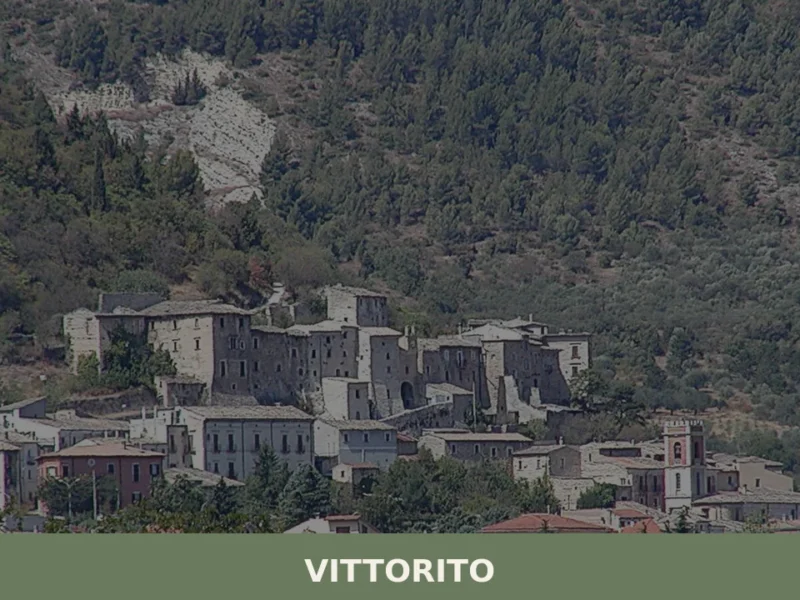
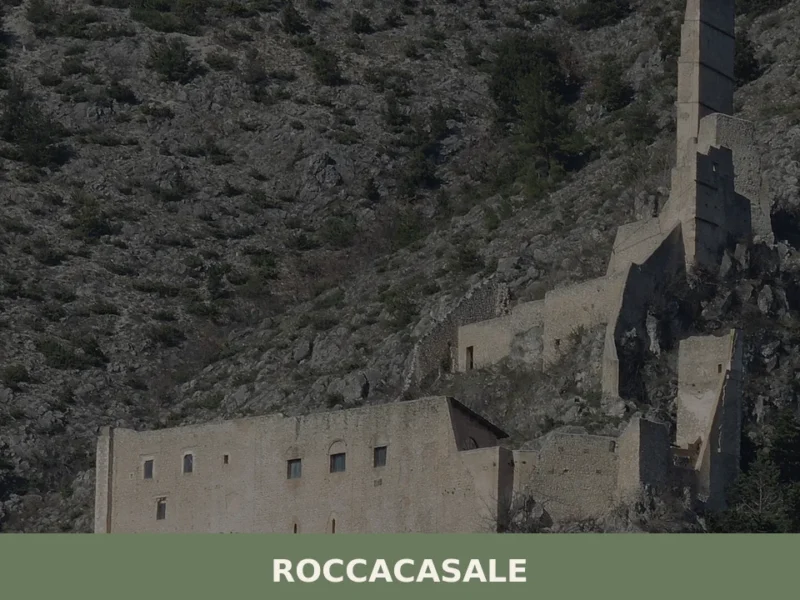
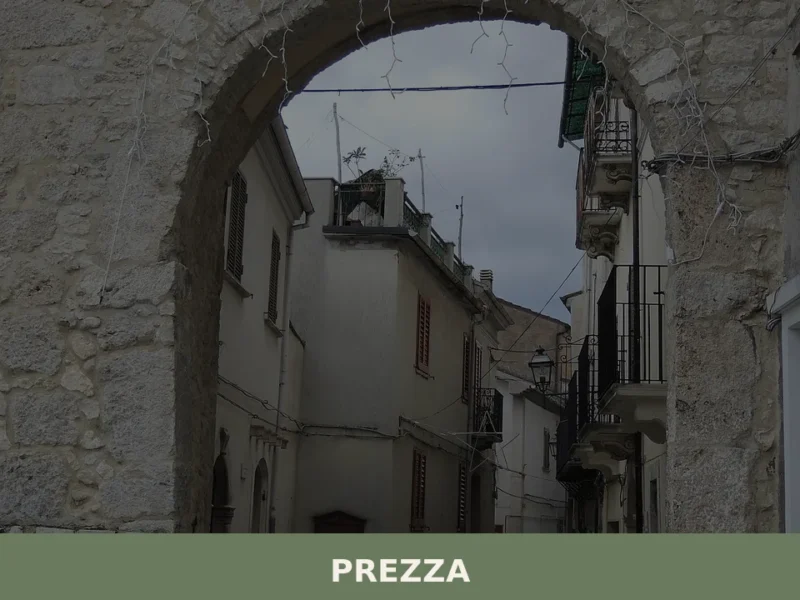
In Abruzzo More villages to discover
Castelguidone
 Mountain
Castelguidone has 294 inhabitants and occupies a ridge at 775 metres above sea level in the upper Trigno valley, on the border between Abruzzo and Molise. The place name, documented in Angevin records from the 13th century, points to a fortified settlement linked to a feudal lord named Guidone. Anyone looking for what to see […]
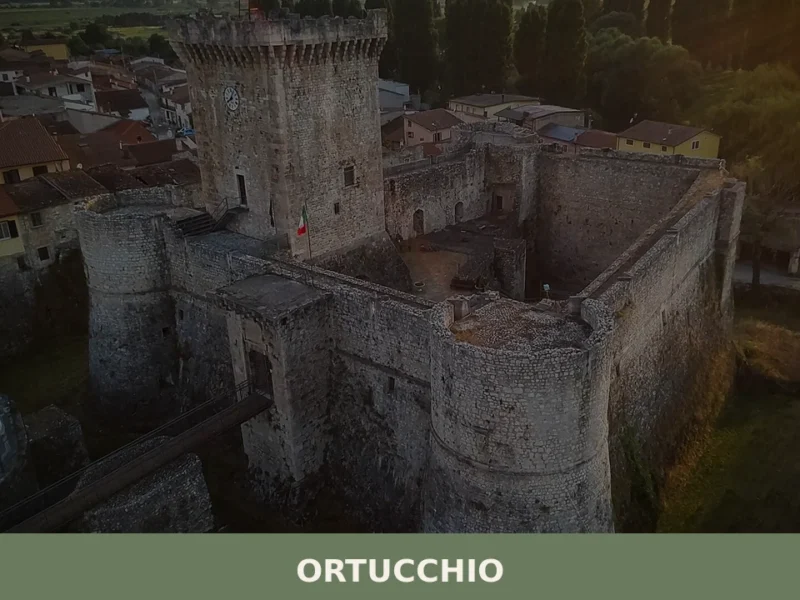
Ortucchio
Mountain
What to see in Ortucchio? Explore Piccolomini Castle and the historic center. Discover the natural beauty of this Marsican village in Abruzzo. Plan your visit!

Ateleta
Mountain
Morning fog lifts off the Alto Sangro valley in slow, deliberate sheets, revealing stone houses arranged along a ridge at over 750 metres above sea level. The air carries woodsmoke and the faint sound of a church bell marking seven o’clock. Ateleta, a village of 1,157 inhabitants in the province of L’Aquila, occupies a quiet […]
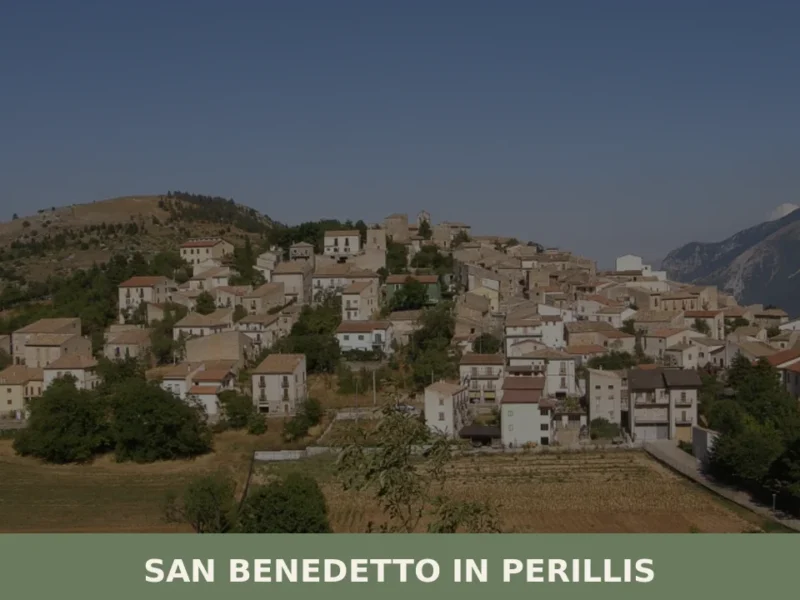
San Benedetto in Perillis
Mountain
What to see in San Benedetto in Perillis, Abruzzo, Italy: 2 churches, a medieval monastery used in a 1985 film. Population 120. Discover top attractions and how to get there.
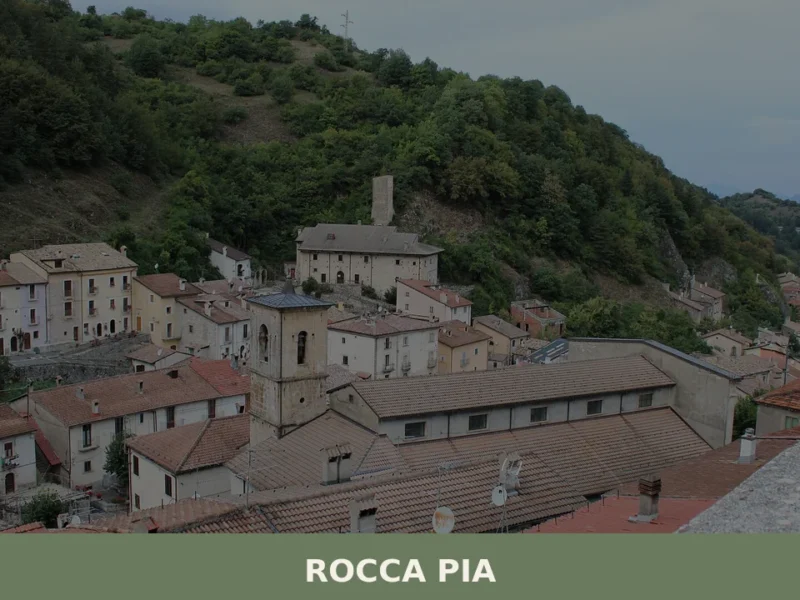
Rocca Pia
Mountain
what to see in rocca pia, Italy: Explore this Abruzzo comune near L'Aquila. Discover its territory extending to the Cinquemiglia Plain. Read our guide.
Corvara
Mountain
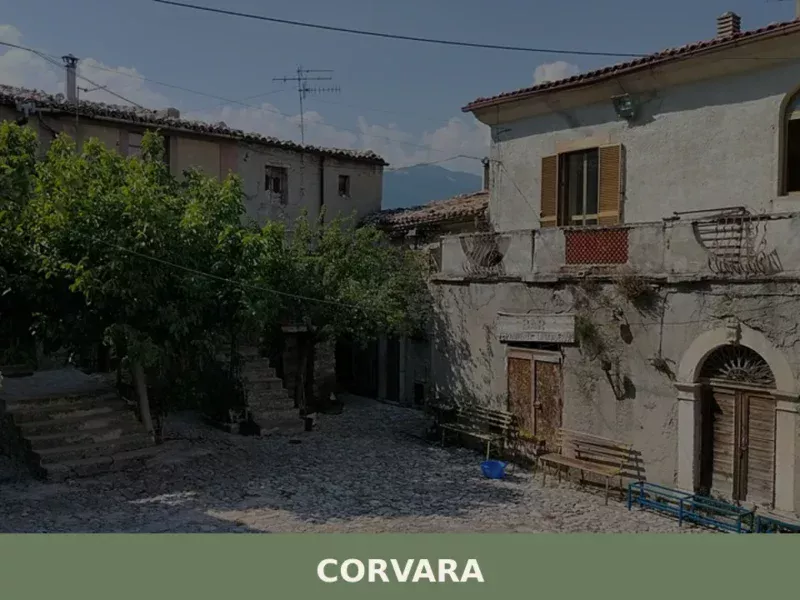
Corvara, a municipality of 210 inhabitants in the province of Pescara, is located 625 meters above sea level in the Pescara valley. Its territory, documented as early as the medieval period, shows traces of settlements dating back to the Neolithic, highlighting a continuous habitation linked to its strategic position. For those wondering what to see […]
Carsoli
Mountain
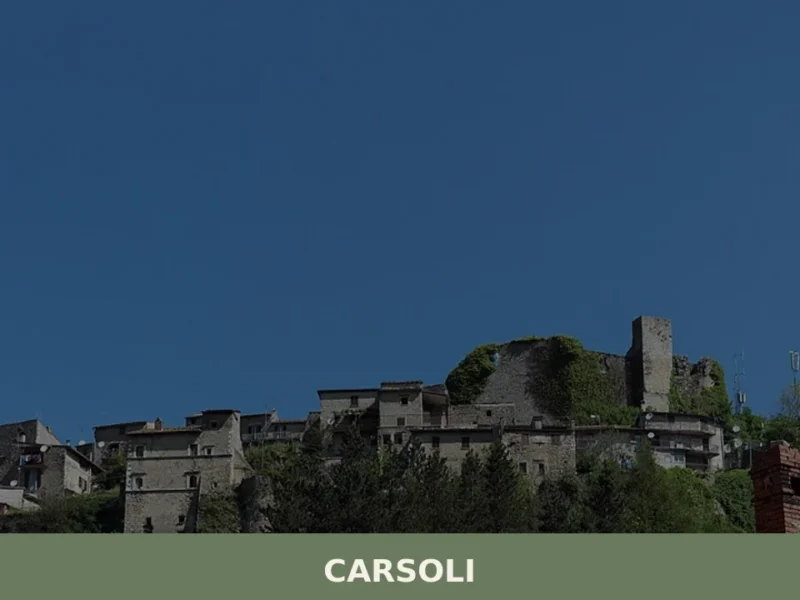
At 616 metres above sea level, along the route connecting Rome to L’Aquila across the Piana del Cavaliere, Carsoli has 5,518 inhabitants and occupies a position that over the centuries has defined its role as a junction between Lazio and the interior of the Apennines. Asking what to see in Carsoli means exploring a territory […]
Bellante
Hills
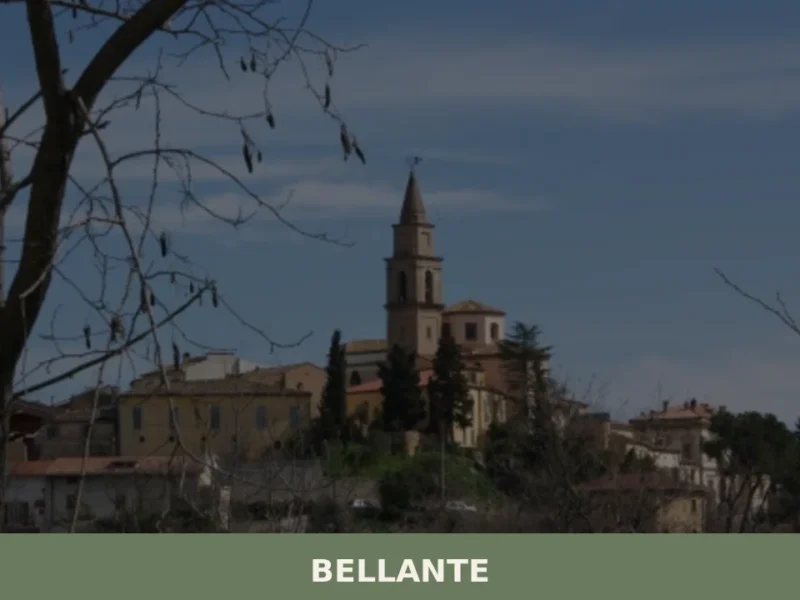
The road into Bellante rises through a sequence of switchbacks that open, at the last bend, onto a compact hilltop settlement in the Teramo hills of Abruzzo. Stone buildings press close against one another along the ridge, and the Torre Civica — the civic tower at the center of the old settlement — marks the […]
Carpineto Sinello
Hills
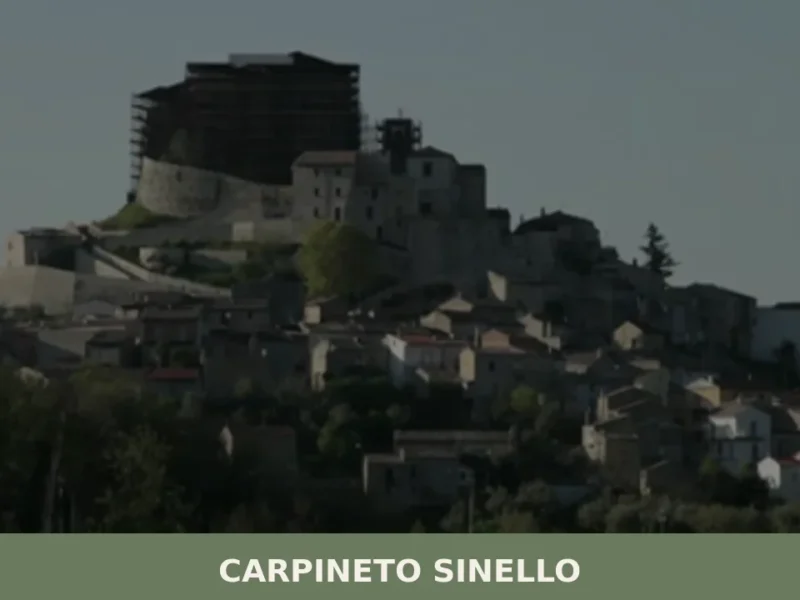
At 381 metres above sea level, on the ridge line separating the Sinello valley from the Appello stream valley, Carpineto Sinello has just 480 inhabitants today — less than a fifth of the nearly two thousand recorded in early twentieth-century censuses. The demographic data tells the story of a hilltop centre in the Chieti area […]
Balsorano
Hills
The Val Roveto divides southern Abruzzo from Lazio along a fault line that has determined earthquakes, migrations and feudal borders for over seven centuries. Balsorano occupies the valley floor and the hillside at 340 metres above sea level, with its 3,617 inhabitants spread between the upper historic centre — Balsorano Vecchio — and the modern […]




🏡 Know Corfinio better than we do?
If you’re a local or have been there, your knowledge matters: add what’s missing or fix a detail on this page.