


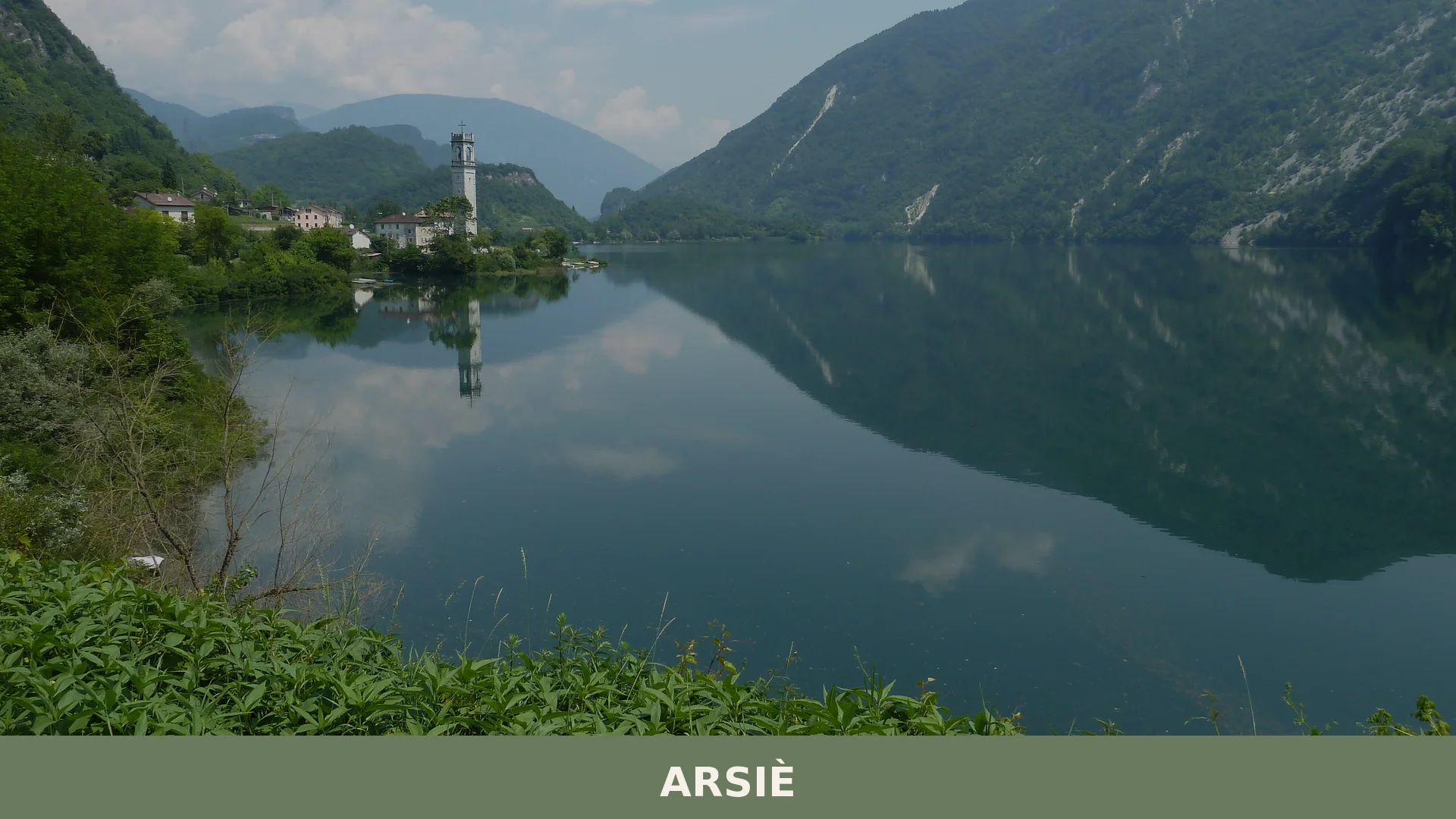

Arsiè is a mountain comune of around 2,170 inhabitants in the province of Belluno, Veneto, shaped by medieval origins, First World War fortifications, and the artificial Lago del Corlo created in 1954
Discover Arsiè
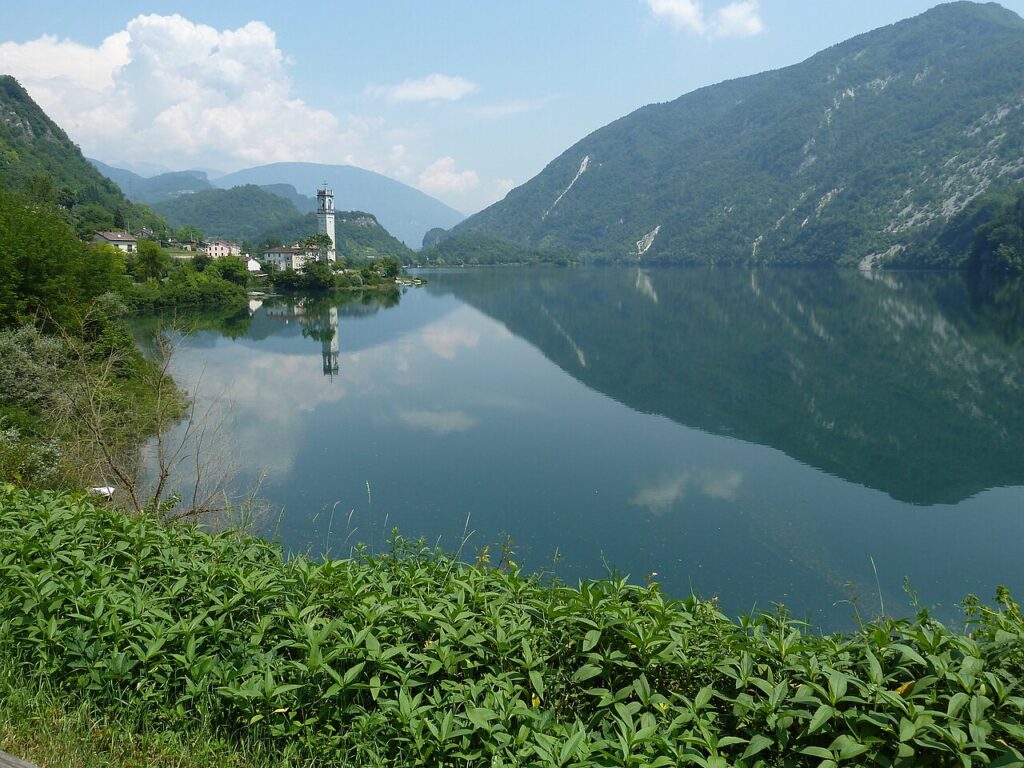
Arsiè is a mountain comune of around 2168 inhabitants in the province of Belluno, Veneto, sitting at 314 metres above sea level across a surface of roughly 64.96 square kilometres. The built-up centre occupies a small plain enclosed by peaks, with the artificial Lago del Corlo — formed by damming the Cismon torrent in 1954 — lying to the south, and the slopes of Monte Grappa extending across part of the municipal territory. The administrative seat is complemented by several smaller inhabited centres, including Fastro, Incino, Mellame, Rivai, Rocca and San Vito, alongside other localities such as Corlo, Duri and Tol. Winters are cold and regularly snowy despite the modest elevation; summers are tempered by the surrounding mountains.
Arsiè village in Veneto rewards visitors who come prepared to read a layered landscape: medieval church foundations beneath a baroque nave, wartime fortifications half-hidden in the woods, a Liberty-style villa that briefly served as an American headquarters, and a lakeshore that is, in geological terms, barely seventy years old. The local calendar adds further texture, from the centuries-old Festa delle Anime — formalised by papal bull in 1666 — to the Fiera delle Anime held each third Sunday of October, a gathering that evolved from agricultural barter into one of the most attended events in the surrounding area.
Arsiè village in Veneto: history across the centuries
Arsiè has a long and sometimes turbulent history, shaped by medieval religious foundations, the wars of the early twentieth century, and a pattern of emigration that reshaped its population from the nineteenth century onward. Excavations carried out in 1982 during work on the floor of the parish church uncovered the remains of a building dating to the fifth or sixth century and those of a three-apsed temple from around the tenth century, confirming that the site has been continuously significant for well over a millennium.
During the First World War, much of the surrounding territory became a theatre of conflict, lying close to the old state border. After the defeat at Caporetto, Arsiè found itself behind Austrian lines until the armistice. Austro-Hungarian troops advanced by besieging the Forte Tagliata della Scala at the midpoint of the Primolano passes. Several fortifications had been built within the municipality: the Forte Cima Lan was demolished by Italian forces themselves to prevent it falling to the enemy, while the Forte di Cima Campo — also known as Forte Leone — was never used and never destroyed; its commander had the gun barrels replaced with painted wooden logs to conceal the disarmament from aerial observation. The Second World War brought further upheaval: after the armistice of 8 September 1943, Belluno, Trento and Bolzano were annexed directly to Germany under the Operationszone Alpenvorland, entrusted to Franz Hofer, and the province of Belluno was not returned to Italian administration until 1 January 1946. From May 1945, American forces established a headquarters at Arsiè in the Liberty-style villa on Via Primo Maggio.
Emigration has left a lasting mark on the community. Beginning in the nineteenth century, residents left for Brazil and Argentina; later waves reached the United States, France, and Belgium, and by the 1960s many were heading to Milan and Turin. This prolonged outflow, driven by a difficult climate, limited communications, and an agricultural economy based on increasingly fragmented landholdings, is a defining thread in the modern identity of the village.
Churches, Fortifications and a Liberty Villa in Arsiè
Arsiè has a parish church with documented medieval origins, several smaller churches distributed across its territory, a pair of First World War fortifications, and a Liberty-style villa that served as an American headquarters in 1945.
Church of Santa Maria Assunta
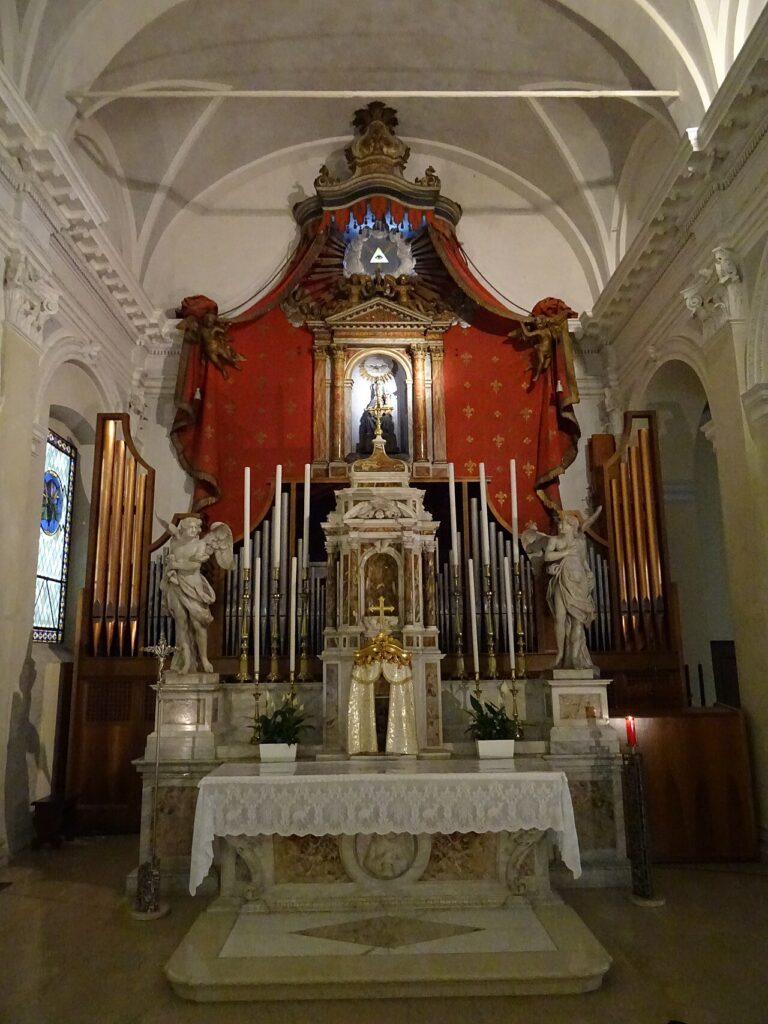
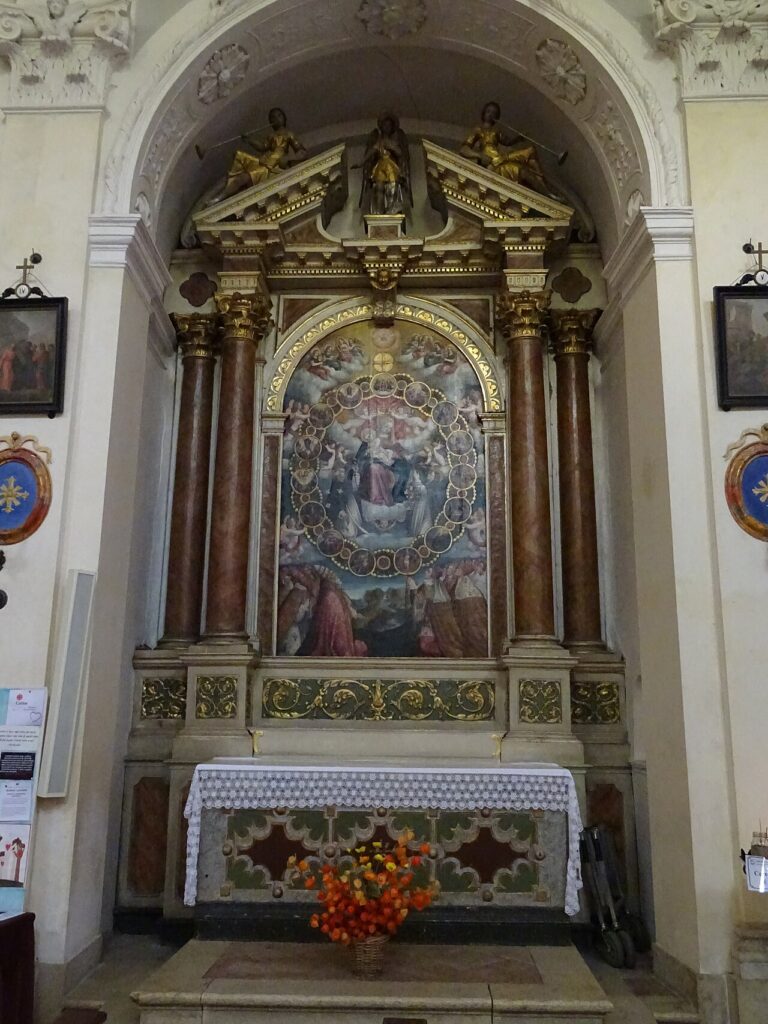
The parish church is dedicated to Santa Maria Assunta and has a single nave with four chapels on each side. During floor renovations in 1982, workers uncovered remains of a building dating to the fifth or sixth century and the traces of a three-apse church from the tenth century. A pastoral visit by Bishop Pietro Barozzi in 1488 described the building as large and well-appointed, furnished with rich fittings. The church was destroyed by imperial forces during the War of the League of Cambrai and subsequently rebuilt; the works were completed under the parish priest Don Giovanni Dal Castello, who served from 1680 to 1702. The facade was remade between 1734 and 1736, and a formal reconsecration followed a restoration in 1816. The most recent works were blessed on 24 August 2008 by the Bishop of Belluno-Feltre.
The church contains two late-seventeenth-century canvases by Giovanni Battista Volpato: a Nativity and a Sacra Famiglia with Saints Sebastian and Roch.
Other Churches
The commune also has the church of Santi Vito, Modesto e Crescenzia, the church della Beata Vergine Maria, the church of Santi Ippolito, Cassiano e Antonio da Padova, a church dedicated to Sant’Antonio da Padova, and a cemetery chapel. The sources record their names without further architectural or artistic detail.
Castello del Covolo
The Castello del Covolo is the one castle recorded within the commune’s territory. No further details about its current state or history appear in the available sources.
First World War Fortifications
Several military structures were built across the commune’s territory to defend the nearby state border. The Forte Tagliata della Scala stood at the midpoint of the Primolano steps and was besieged by Austro-Hungarian forces following the rout of Caporetto. The Forte Cima Lan was never used in combat; Italian troops destroyed it themselves to prevent it from falling into enemy hands. The Forte di Cima Campo, also known as Forte Leone, was likewise never used and was not blown up. Its commander had the gun barrels replaced with painted wooden logs to deceive aerial reconnaissance. This fortification survives and can be visited at the locality of Cima Campo.
Liberty Villa in Via Primo Maggio
A villa in the Liberty style, located in Via Primo Maggio, served as an American military headquarters from May 1945. The sources record this function without additional architectural description.
Food and Produce of Arsiè and the Belluno Area
Arsiè shares the food traditions of Belluno province, where the most recognised certified product is the Fagiolo di Lamon della Vallata Bellunese IGP, a bean cultivated in the nearby Lamon valley and prized across the region. Alongside it, the area is associated with Miele delle Dolomiti Bellunesi DOP, a mountain honey reflecting the alpine environment surrounding the village, and with Piave DOP, a cow’s-milk cheese produced in the broader Belluno territory.
Other certified products linked to the wider provincial and regional area include Montasio DOP, Mortadella Bologna IGP, and Salame Cremona IGP. None of these should be read as exclusive specialities of Arsiè itself; they represent the broader food landscape within which the village sits.
Among regionally documented traditional preparations, the Veneto territory includes liqueurs and infusions such as the Liquore del Cansiglio and various herbal and fruit-based spirits, though these are territorial rather than locally produced in Arsiè. The vineyards of the Veneto region, from Conegliano Valdobbiadene Prosecco to Amarone della Valpolicella, belong to the wider DOC and DOCG geography of the region, at a considerable distance from this mountain commune.
Reaching Arsiè and Planning Your Stay
Arsiè is most easily reached by road from Bassano del Grappa, approximately 30 km away and roughly 35 minutes by car, making it a practical starting point from the south; from Belluno to the north the distance is approximately 40 km, or about 45 minutes, while Trento lies roughly 80 km away, around 1 hour and 15 minutes by car. The village sits at 314 metres above sea level, within a surface area of approximately 64.96 square kilometres.
Summer is the most comfortable season to visit: temperatures are moderated by the surrounding mountains, the shores of the artificial Lago del Corlo invite relaxation, and the high-altitude pastures are accessible. Winter brings heavy snowfall every year, which suits visitors seeking mountain scenery but requires preparation for road conditions on the mountain approaches.
Two events shape the autumn calendar: the Fiera delle Anime, held on the third Sunday of October, draws people from across the surrounding area and retains its origins as a market for agricultural produce and livestock, while the Festa delle Anime has its roots in a seventeenth-century tradition of gathering former parishioners in memory of the dead. The summer sports festival Arsiè Summer Fest takes place in the second half of June.
The village of Alano di Piave lies in the same general area south of Belluno and can be combined with a visit to Arsiè for those exploring the foothills between the Dolomites and the Veneto plain. Agordo, to the north, offers an alternative base for visitors interested in the wider Belluno province. A tunnel opened in 1997 improved road connections between Arsiè and the Valsugana valley, making access from the east noticeably easier than before.
| Departure | Distance | Time |
|---|---|---|
| Belluno | approx. 40 km | approx. 50 min |
| Bassano del Grappa | approx. 35 km | approx. 40 min |
| Trento | approx. 70 km | approx. 70 min |
These practical references help organise the journey clearly, while the village itself is best understood slowly and on foot once you arrive.
Frequently asked questions about Arsiè
What is the best time to visit Arsiè?
Summer is ideal for outdoor activities around Lago del Corlo and Monte Grappa's slopes, with mild temperatures moderated by surrounding mountains. Winter brings regular snow despite modest elevation, offering alpine scenery but requiring preparation. The Festa delle Anime celebrations occur in October, with the Fiera delle Anime held the third Sunday of each month—a major regional event. August 15th marks the Feast of the Assumption, the village's patron saint celebration.
How do I reach Arsiè from major cities?
Arsiè is located in the province of Belluno, Veneto. The nearest significant railway station is Belluno, approximately 30 kilometres away. The village sits at 314 metres elevation in a mountain setting. For precise directions by car, motorway exits, and current transport schedules, consult Google Maps, Trenitalia for rail connections, or contact the Belluno province tourist information office directly.
What outdoor activities are available in Arsiè?
Lago del Corlo, created in 1954, offers lakeshore walks and water activities. Monte Grappa's slopes extend across municipal territory, providing hiking opportunities. The mountain landscape supports various trekking routes. For documented CAI (Italian Alpine Club) trails and cycling paths, consult official Belluno tourism portals or the local comune office, which can provide detailed maps and current trail conditions.
What historical sites should I see in Arsiè?
The village features a medieval church with baroque additions, wartime fortifications partially hidden in surrounding woodlands, and a Liberty-style villa that briefly served as American headquarters during wartime. The Festa delle Anime, formalized by papal bull in 1666, reflects centuries of local religious tradition. Lago del Corlo itself represents post-war engineering history, created just seventy years ago by damming the Cismon torrent.
📷 Photo Gallery — Arsiè
In Veneto More villages to discover
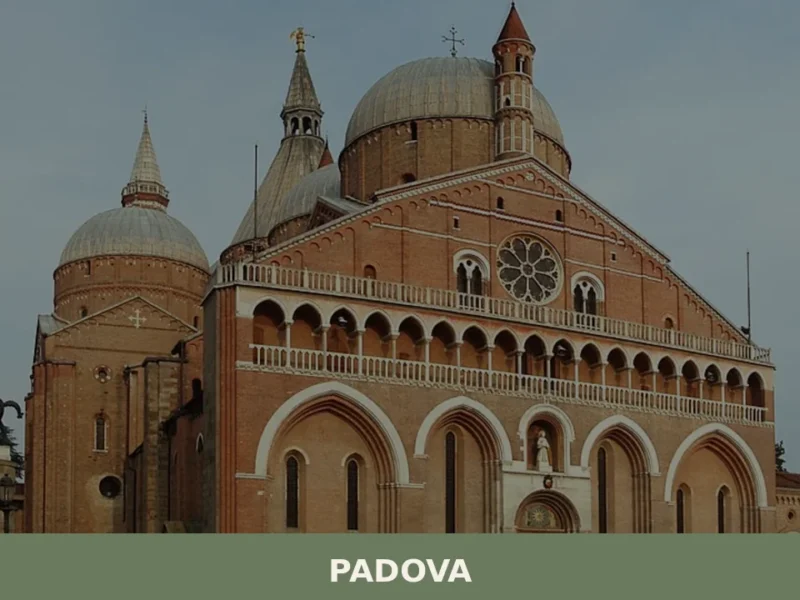
Padova
 Plains
A city of 208,202 inhabitants where Trojan legend meets Renaissance innovation. UNESCO-listed art cycles and the world's oldest botanical garden define this Veneto capital.

Salzano
Plains
A lowland comune of 12,770 people where thermal springs, industrial heritage and religious art converge. Home to Pope Pius X and a bell tower that has stood since the 1700s.
Conegliano
 Hills
Hills
2 reasons to visit: the Renaissance cathedral housing works by native painter Cima, and hillside vineyards producing DOCG Prosecco. A crossroads between plain and mountain, 30 km from Treviso.
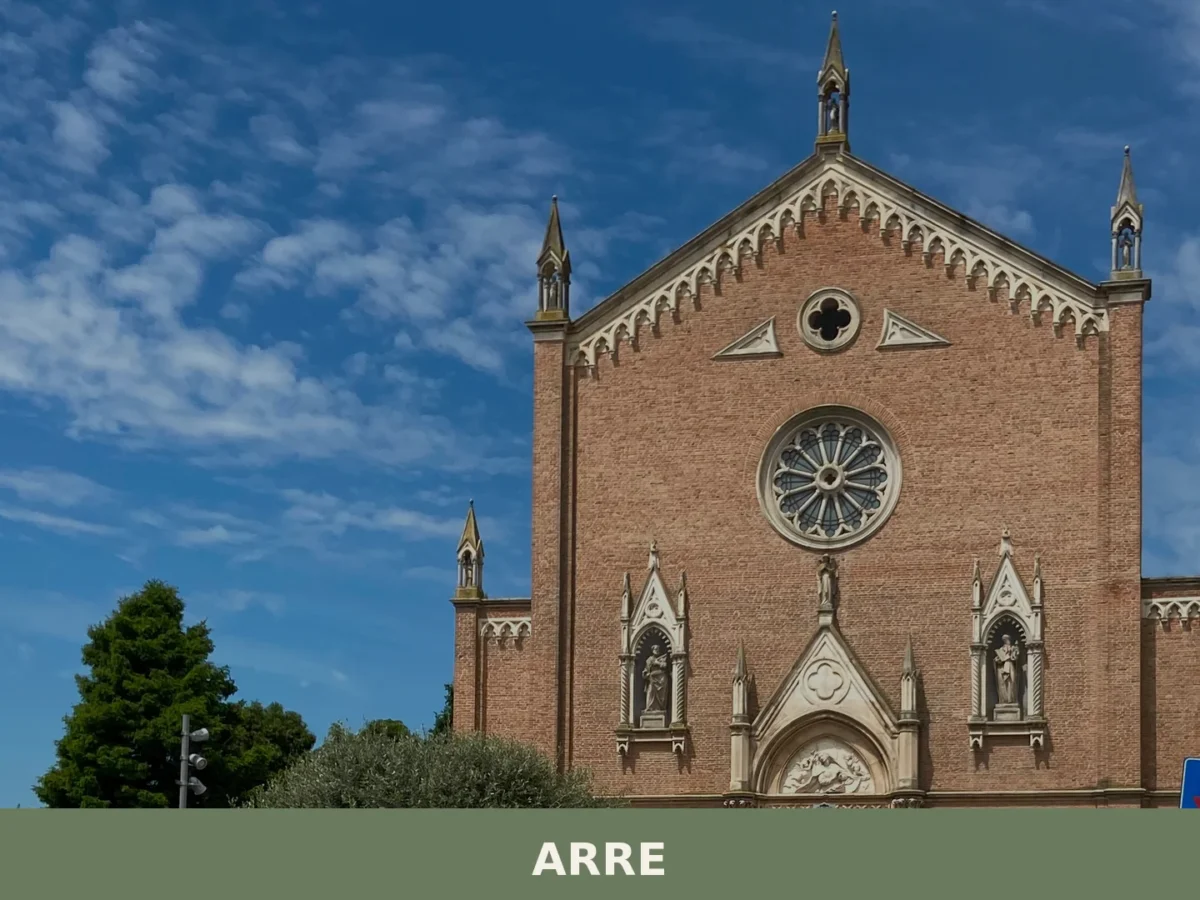
Arre
Plains
Arre is a small rural comune in the province of Padova, set on the flat alluvial plain between the Adige and Bacchiglione rivers, about 23 kilometres from the city.
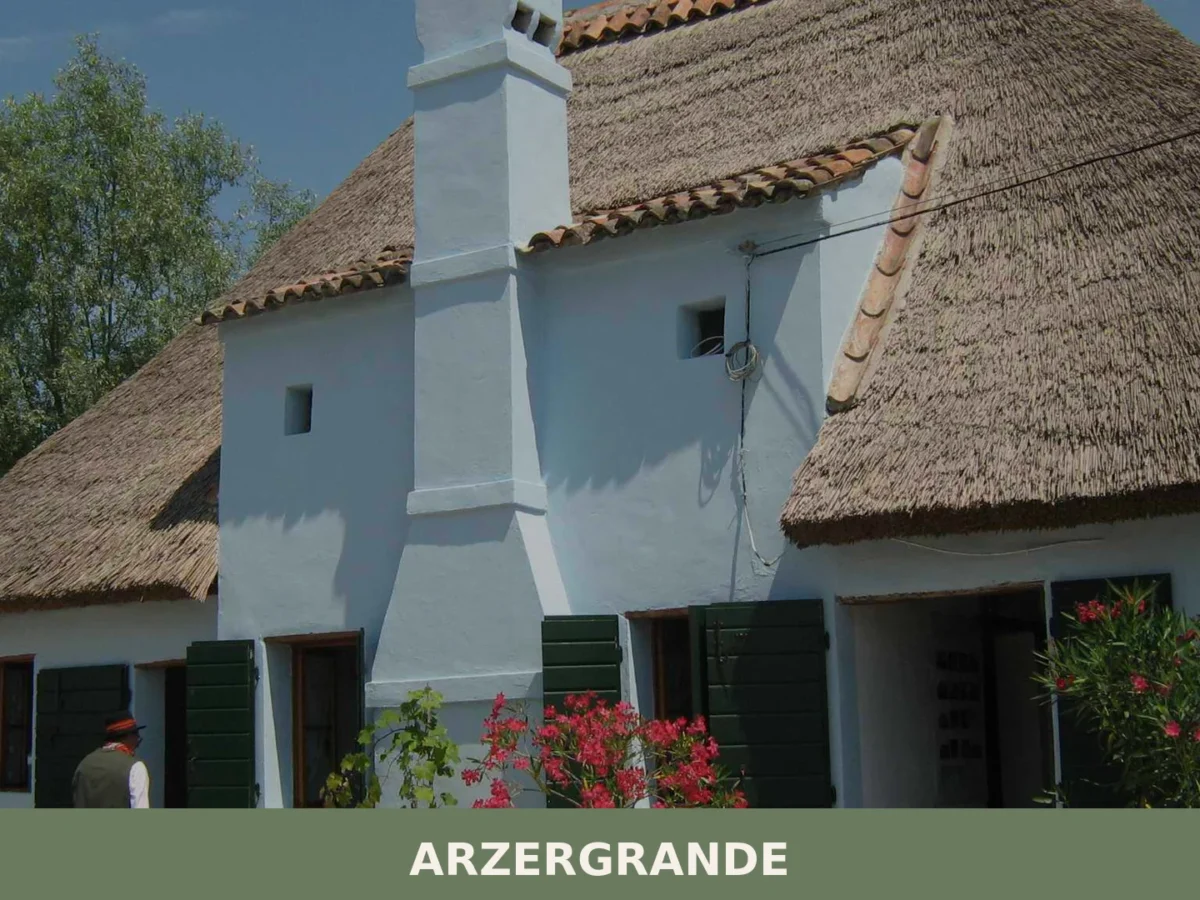
Arzergrande
Plains
Arzergrande is a small municipality in the Padova plain, Veneto, with around 4,850 inhabitants and a history stretching back to Venetic settlements of around 1200 BC.
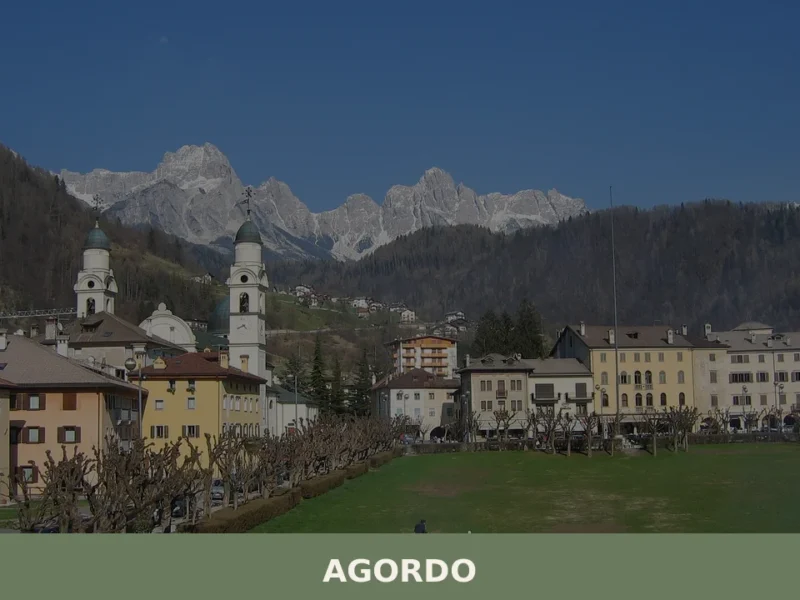
Agordo
 Mountain
Discover what to see in Agordo, Veneto: the Valle Imperina mine, the 1867 Mining School, Ladin culture, and the Cordevole valley in the Belluno Dolomites.

Marostica
Hills
Marostica draws visitors with its world-famous living chess match and over 600 years of Scaligeri and Venetian architecture. The IGP cherry alone is worth the detour.
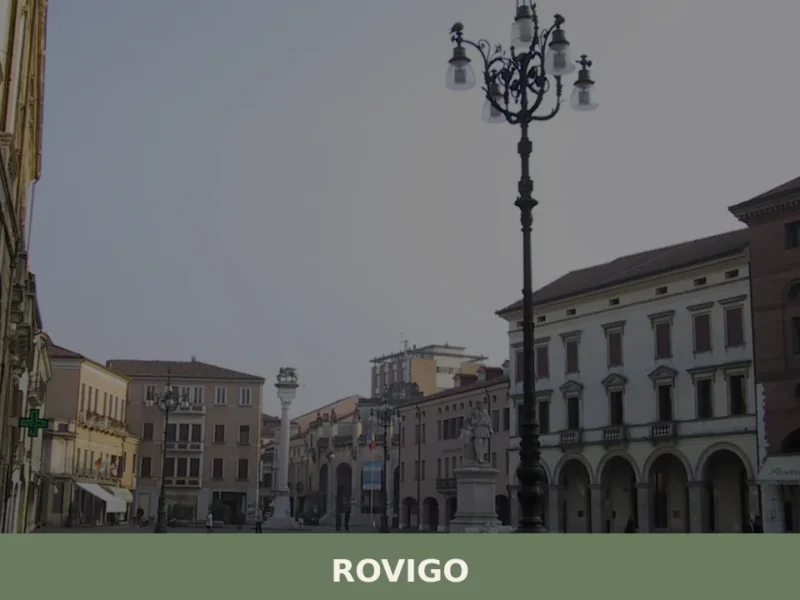
Rovigo
Plains
what to see in rovigo? Discover 5 top attractions in this city of 50,000 residents, from Rovigo Castle to La Rotonda. Explore the Polesine region.
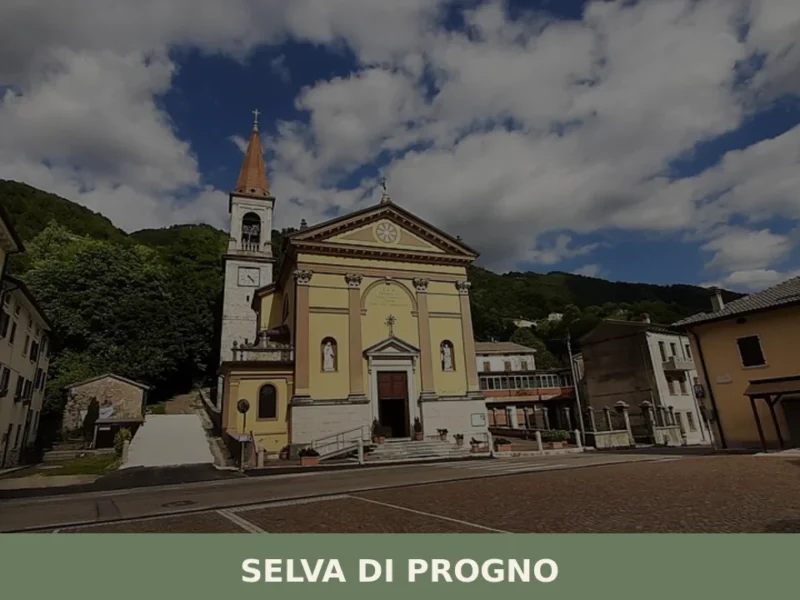
Selva di Progno
Hills
At 570 metres above sea level, where the Val d’Illasi narrows and gives way to the eastern Lessinia plateau, Selva di Progno has 923 inhabitants spread between the main settlement and the scattered hamlets on the surrounding slopes. The municipality belongs to the Comunità Montana della Lessinia and preserves in its place names and local […]

Monfumo
Hills
Home to 1,292 people and a centuries-old rivalry between noble families, Monfumo rewards visitors with hill landscapes, local produce and an unhurried pace.

🏡 Know Arsiè better than we do?
If you’re a local or have been there, your knowledge matters: add what’s missing or fix a detail on this page.