


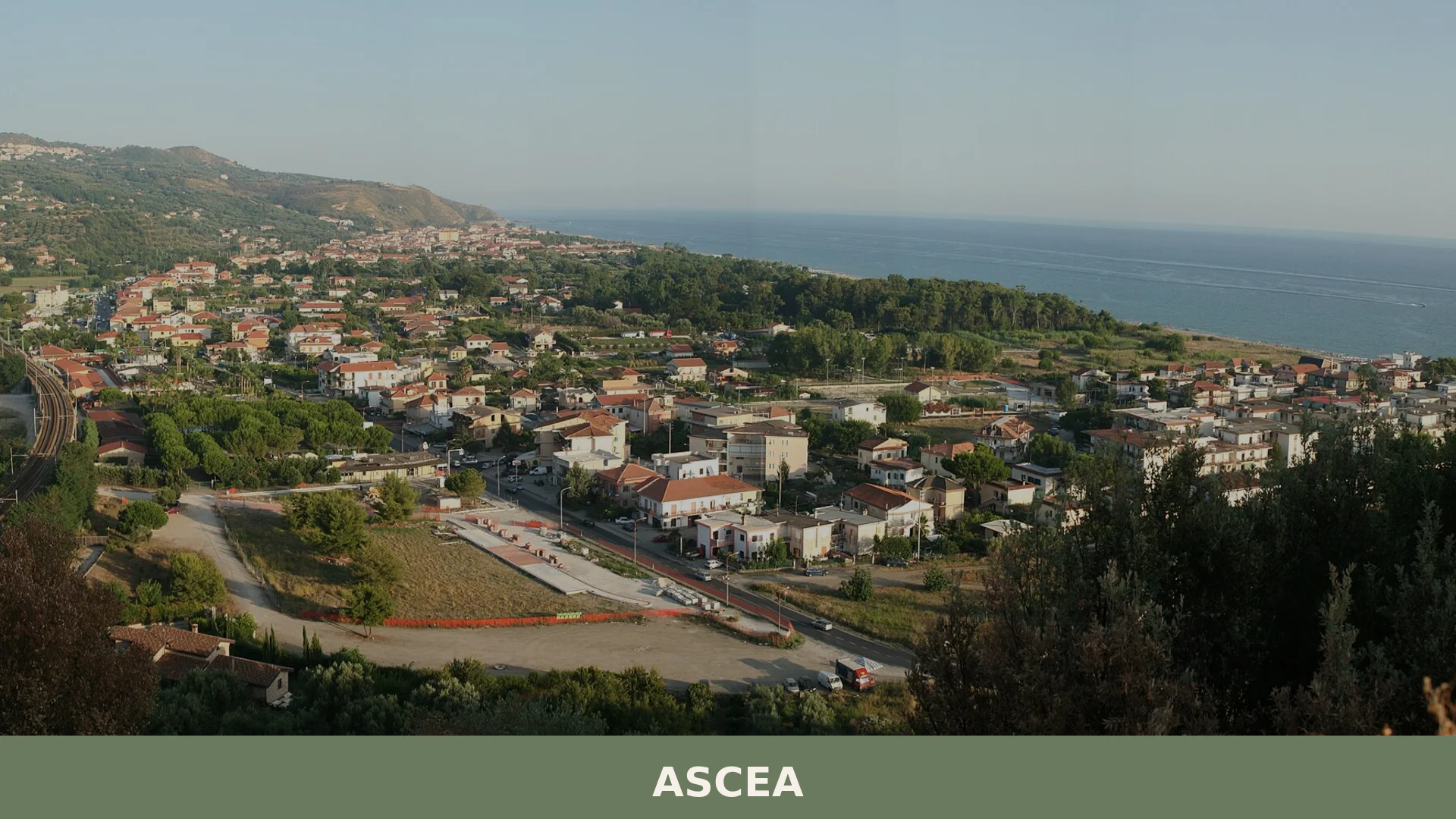

Ascea is a hillside comune in the province of Salerno, Campania, combining the Greek-Roman ruins of Elea-Velia, a medieval coastal stronghold and a Tyrrhenian shoreline recognised with the Bandiera Bl
Discover Ascea
Ascea is a hilltop comune in the province of Salerno, Campania, home to around 5,800 residents and sitting at roughly 235 metres above sea level, a short distance from its own stretch of Tyrrhenian coastline. The municipal territory extends across some 37.61 square kilometres within the Parco Nazionale del Cilento, Vallo di Diano e Alburni, and takes in several frazioni — including the busy seaside settlement of Marina di Ascea — as well as the celebrated archaeological site of ancient Elea-Velia, founded around the mid-sixth century BC by Phocaean exiles.
History, archaeology and the sea converge here in ways that are rare even by southern Italian standards, and the full picture becomes clear only when you trace the settlement from its probable medieval origins through to its modern identity as Ascea village in Campania: a community that grew, in part, because the inhabitants of the coastal predecessor Castellammare della Bruca were driven inland by malaria, and that today draws visitors equally to the ruins of a Greek philosophical city and to the Blue Flag beaches of its marina.
Ascea village in Campania: history and origins
Ascea village in Campania is a settlement traditionally dated to around the year 1000, which grew substantially when residents of the nearby medieval coastal town of Castellammare della Bruca — built on the site of ancient Velia — were forced to relocate inland as malaria spread through the flooded plain of the Alento river.
For much of the medieval and early modern period, Ascea was a feudal holding of the Sanseverino family. Following the so-called “fellonia” of Tommaso Sanseverino — his participation in the Congiura dei Baroni around 1450 — the fief passed into the hands of the Maresca family. The town’s political identity was shaped further during the Napoleonic reorganisation of southern Italy: from 1811 to 1860 Ascea belonged to the circondario of Pisciotta within the district of Vallo, under the Kingdom of the Two Sicilies, and then from 1860 to 1927 it formed part of the mandamento of Pisciotta in the circondario of Vallo della Lucania under the Kingdom of Italy.
Between Ancient Elea and the Cilento Coast: Ascea’s Key Sites
Ascea’s main attractions are the archaeological area of Elea-Velia, the Museo del Paradosso housed in Palazzo Alario, the medieval settlement of Castellammare della Bruca, and the beach at Marina di Ascea, which has received the Bandiera Blu award for several consecutive years.
Archaeological Area of Elea-Velia
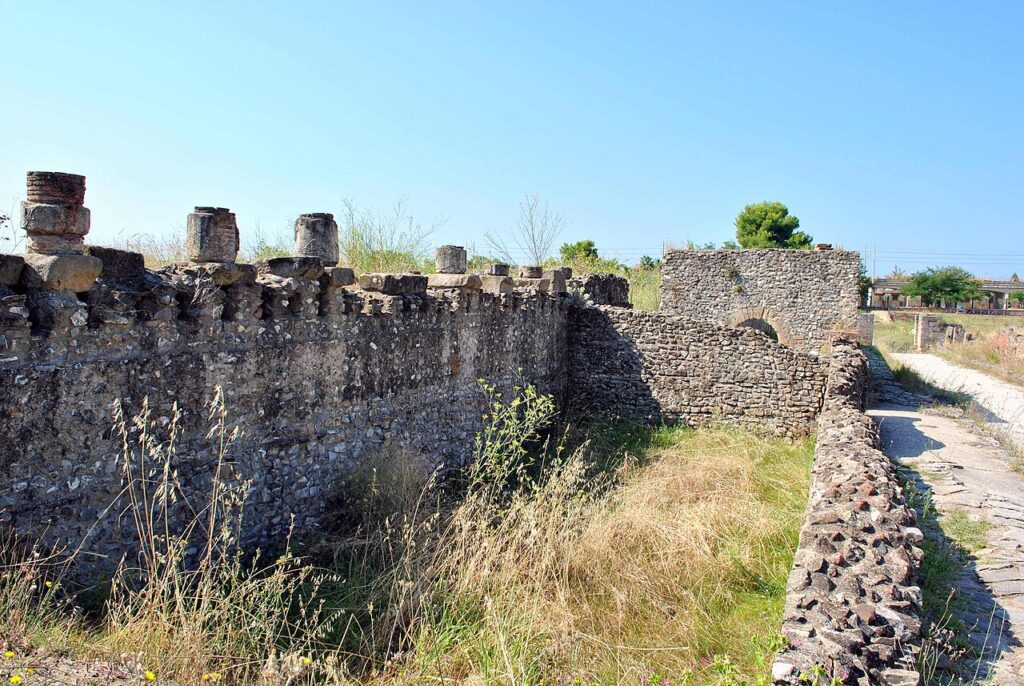
The ancient city was founded around 540 BCE by Phocaean exiles fleeing Persian occupation of their homeland in what is now Turkey. The settlement grew on two harbours, one to the north and one to the south, connected by a road the inhabitants called “the way of the Deity,” itself divided into “the way of night” (the northern, shadowed stretch) and “the way of day” (the southern one). The philosopher and statesman Parmenide — later known as a pre-Socratic thinker — played a central role in reconciling the Phocaean settlers with the local Sybarite population, and subsequently served as the city’s lawgiver and chief citizen. The city reached a period of significant development during the Hellenistic era and through much of the Roman period, when its name shifted to Velia. With the arrival of the Middle Ages, the inhabited nucleus retreated to the Acropolis, where a castle was built. The site falls within the broader Parchi Archeologici di Paestum e Velia.
Museo del Paradosso
Situated roughly two kilometres from the archaeological area, the museum is housed inside Palazzo Alario and was inaugurated on 11 September 2015. It was established by the Fondazione Alario with the aim of bringing together works by young artists — all minors — on the theme of paradox, a concept linked to the figure of Zenone di Elea. The museum grew out of the competition “Pensare per paradossi,” promoted jointly by the Fondazione Alario and Diogene Multimedia since 2013.
Castellammare della Bruca
This medieval settlement, identified with ancient Velia, was gradually abandoned after the marshalling of the Alento plain caused a spread of malaria, prompting its inhabitants to relocate to what would become Ascea. A castle stands on the site.
Marina di Ascea and the Coastal Area
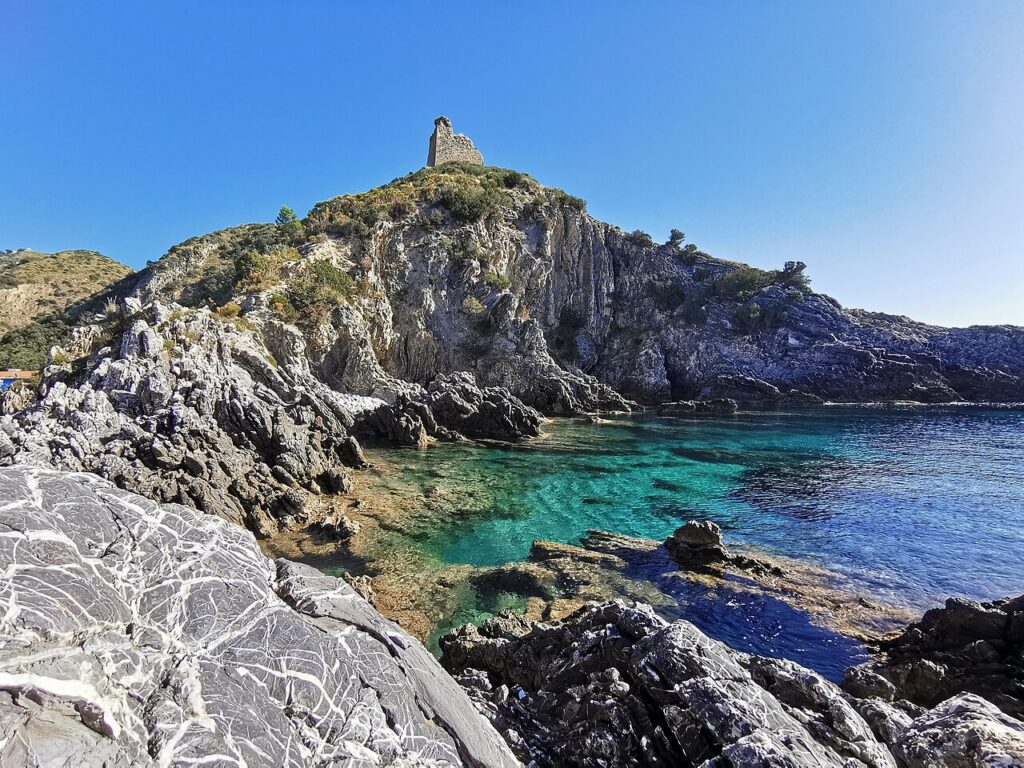
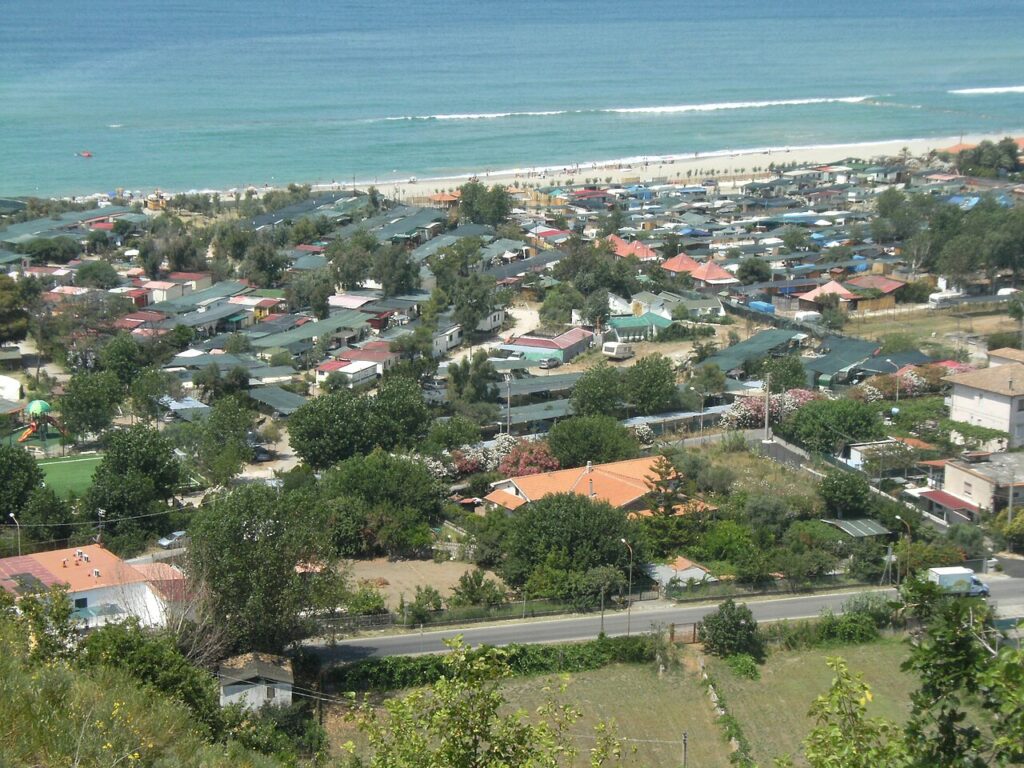
The seaside fraction of Ascea Marina lies at about 235 metres above sea level, roughly four kilometres from the main town centre, and is home to around 2,400 residents. Its beach has earned the Bandiera Blu award in recent years. A Bourbon watchtower stands on the Ascea side of the inlet that separates the municipality from neighbouring Pisciotta.
Religious Buildings
The parish church of Santa Maria di Portosalvo is the one religious building explicitly named in local sources. The municipality also counts four further Catholic parishes — San Nicola di Bari, Santa Barbara, San Giovanni Battista, and San Michele Arcangelo — as well as a Pentecostal evangelical mission.
Flavours of Ascea and the Cilento Coast
Ascea sits within a stretch of the Campanian coast and hinterland that holds a remarkable concentration of certified products, from the DOP olive oil labelled Cilento to the Colatura di alici di Cetara DOP, an intensely savoury anchovy condiment that has defined the flavour of this coastline for centuries.
The surrounding province of Salerno adds further DOP and IGP credentials to the table: Caciocavallo Silano DOP, a stretched-curd aged cheese with a firm, slightly piquant character; Carciofo di Paestum IGP, prized for its tenderness and lack of thorns; and Cavolfiore della Piana del Sele IGP, cultivated on the fertile plain to the north. The Cipollotto Nocerino DOP rounds out the list of certified vegetables from the broader Salerno territory.
On the wine side, the Cilento DOC covers the vineyards closest to Ascea, while the Paestum IGT and Colli di Salerno IGT offer a wider umbrella for local producers. Further afield within Campania, the four DOCG denominations — Taurasi, Fiano di Avellino, Greco di Tufo and Aglianico del Taburno — represent the region’s most prestigious appellations and are worth seeking out in wine lists across the area.
Among regional traditional products cited for this territory, fig vinegar, liqueurs based on lemon cream or black truffle, and a chocolate made with limoncello reflect the artisan production culture of the Campanian interior, though none of these is exclusive to Ascea itself.
Getting to Ascea and Planning Your Visit
Ascea is most conveniently reached by train — the station at Marina di Ascea, on the main Rome–Naples–Reggio Calabria line, sits roughly 4 km from the hilltop village centre, making rail travel a practical option from either direction — while the best time to visit combines the mild climate (average August temperatures around 25 °C, January averages near 9 °C) with the archaeological season at Elea-Velia, typically at its liveliest from late spring through early autumn.
By car, Ascea is reached via the SS 447 and the provincial road network through the Cilento. The village stands at about 225 m above sea level, with Marina di Ascea at 13 m on the coast below. A fiordo — a narrow coastal inlet shared with the neighbouring municipality of Pisciotta — lies roughly 2 km from the village, and a Bourbon watchtower marks the Ascea side of this natural boundary. Drivers exploring the wider Cilento can combine a stop here with a visit to the archaeological parks of Paestum, about 50 km to the north, or with other villages of the national park such as Agropoli, which guards the northern gateway to the Cilento coast.
For those approaching from the interior of the Salerno province, the route through the hills also connects to quieter destinations such as Albanella, offering a gentler introduction to the landscape before descending to the coast. Visitors with more time can extend their itinerary northward toward Acerno, deeper in the Campanian Apennines.
Marina di Ascea holds a Bandiera Blu beach award, which makes the summer months the peak season for coastal visitors. Those primarily interested in the archaeology and philosophy heritage of Elea-Velia may prefer the shoulder seasons of April–May or September–October, when crowds are thinner and temperatures remain comfortable for walking the site.
| Departure | Distance | Time |
|---|---|---|
| Salerno | approx. 90 km | approx. 1 h 30 min (auto, SS 18 / SS 447) |
| Napoli | approx. 145 km | approx. 2 h (auto, A3 + viabilità cilandntana) |
| Paestum | approx. 50 km | approx. 1 h (auto, viabilità costiandra) |
| Ascea Marina (stazione FS) | approx. 4 km | approx. 10 min (auto o navandtta localand) |
These practical references help organise the journey clearly, while the village itself is best understood slowly and on foot once you arrive.
Frequently asked questions about Ascea
What is the best time to visit Ascea?
Summer months (June to September) offer ideal beach conditions and warm Mediterranean weather. The patron saint feast of San Nicola di Bari on December 6th draws local celebrations. Spring (April-May) and early autumn (September-October) provide pleasant temperatures with fewer crowds, making them excellent for exploring both the archaeological site of Elea-Velia and coastal trails without peak season congestion.
How do I reach Ascea by car?
Ascea is located in the province of Salerno, Campania. The nearest motorway access is via the A3 Naples-Salerno autostrada. From Salerno, take the SS163 southbound toward the Cilento coast. The drive takes approximately 90 minutes from Naples. The village sits at 235 metres elevation, with Marina di Ascea providing coastal access. Parking is available in both the hilltop village and marina areas.
What archaeological sites can I visit near Ascea?
The celebrated archaeological site of ancient Elea-Velia, founded around the mid-sixth century BC by Phocaean Greek exiles, is located within Ascea's municipal territory. This Greek philosophical city offers substantial ruins and museum exhibits. The site lies within the Parco Nazionale del Cilento, Vallo di Diano e Alburni. Specific opening hours should be verified directly with the site administration or local tourism offices.
What beaches and seaside activities are available?
Marina di Ascea is the main coastal settlement featuring Blue Flag beaches, indicating high environmental and safety standards. The sandy beaches are ideal for swimming and relaxation. The settlement offers typical seaside amenities and restaurants. The Tyrrhenian Sea provides opportunities for water activities. The area is perfect for combining beach time with nearby archaeological exploration and coastal walking routes through the national park.
What is the population and geography of Ascea?
Ascea has approximately 5,832 residents and covers roughly 37 square kilometres within the Cilento national park. The main village sits at 235 metres elevation, while the coastal frazioni, particularly Marina di Ascea, provide beachfront access to the Tyrrhenian Sea. The territorial extension includes several settlements, creating distinct zones for mountain village exploration and seaside recreation.
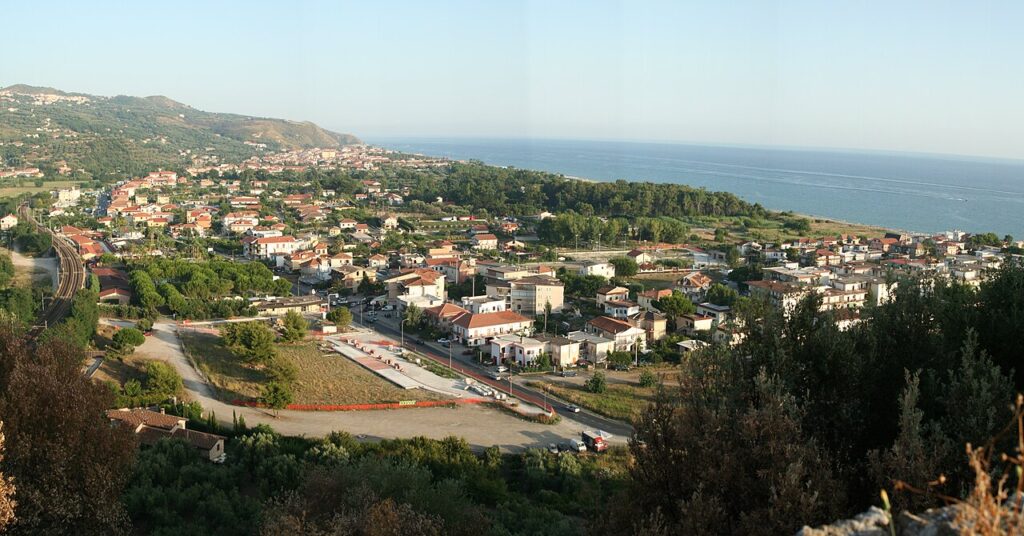
📷 Photo Gallery — Ascea


In Campania More villages to discover
Fontegreca
 Hills
Hills
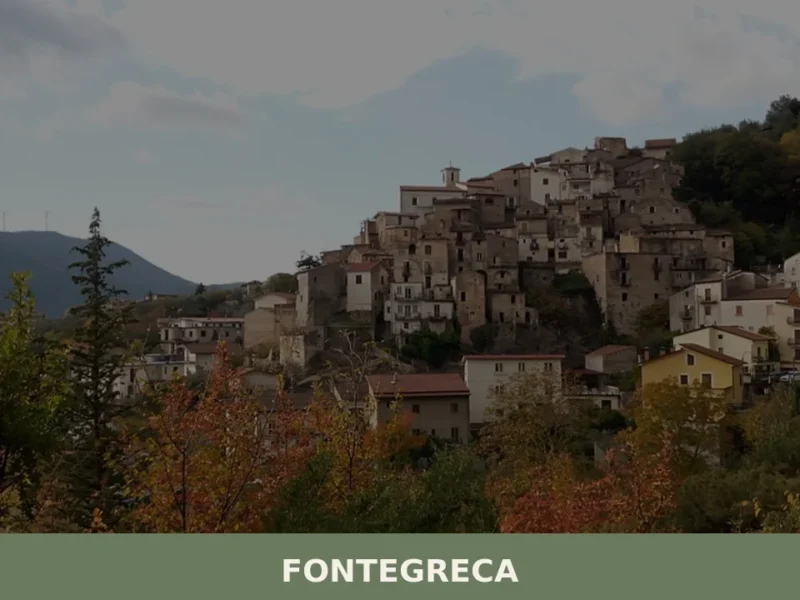
Fontegreca, a municipality in the province of Caserta, is home to the Cipresseta, a protected natural area recognized for its size and for the presence of centuries-old cypress trees, a distinctive feature of the local landscape. With a population of 834 inhabitants and situated 320 meters above sea level, this hill village develops on a […]
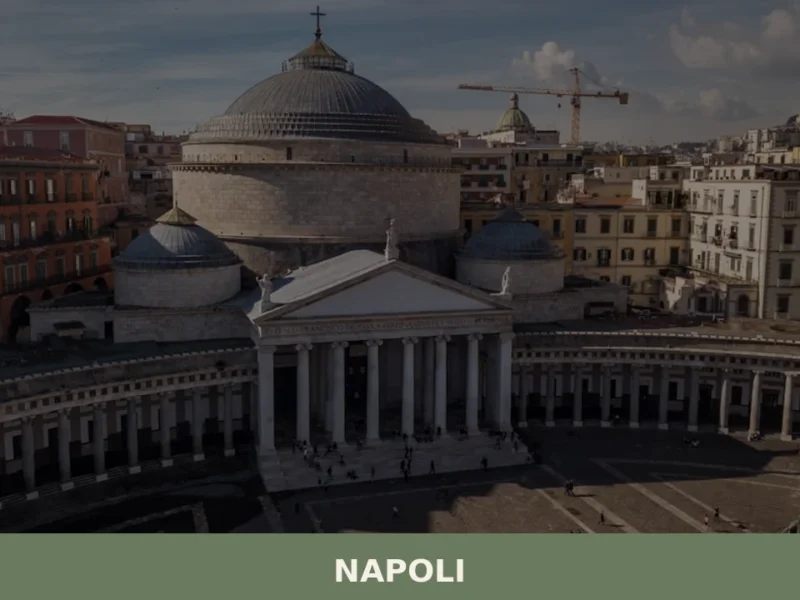
Napoli
 Sea
Sea
What to see in Napoli: 959,052 residents, UNESCO historic centre and Teatro San Carlo (1737). Discover the National Archaeological Museum, Neapolitan pizza and the 19 September San Gennaro feast.

Palma Campania
 Plains
16,356 residents and one of Campania's most distinctive carnivals: Palma Campania draws visitors with its Roman heritage and the living spectacle of the Quadriglie.
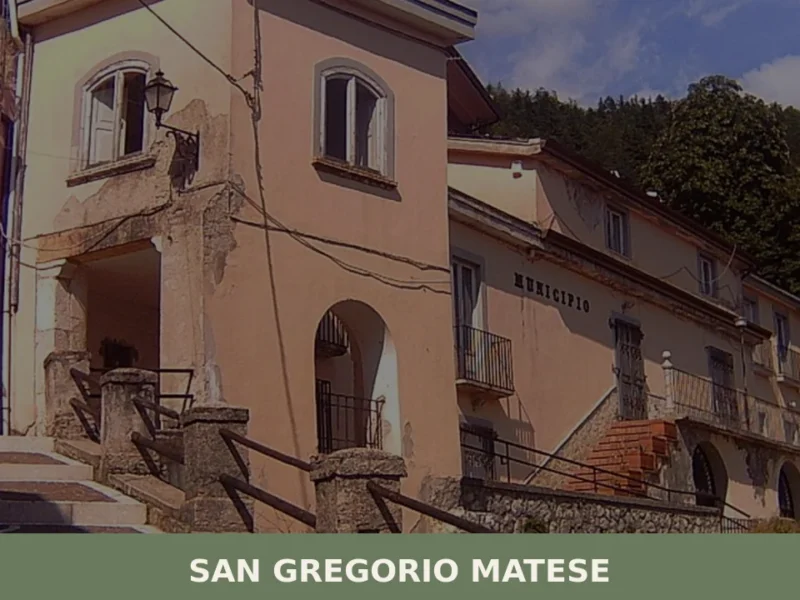
San Gregorio Matese
 Mountain
What to see in San Gregorio Matese, Italy: Explore this mountain village at 765 m altitude. Discover its historic core and annual patron saint feast. Read our guide.
Valle Agricola
Mountain
Valle Agricola, a municipality of 960 inhabitants in the province of Caserta, rises to 691 meters above sea level, representing a mountain settlement within the Matese Massif. Its geographical position, between peaks and valleys, has for centuries determined the social and economic dynamics of the place, oriented towards livestock farming and subsistence agriculture. For those […]

Torre Annunziata
Sea
Nearly 40,000 residents live above the UNESCO-listed ruins of ancient Oplontis. Torre Annunziata offers archaeology, industrial heritage and a black-sand shoreline on the Gulf of Naples.
Pontelatone
Plains
what to see in pontelatone, Italy? Explore this Caserta village at 120 meters altitude. Discover the ancient city of Trebula and local traditions. Read more.
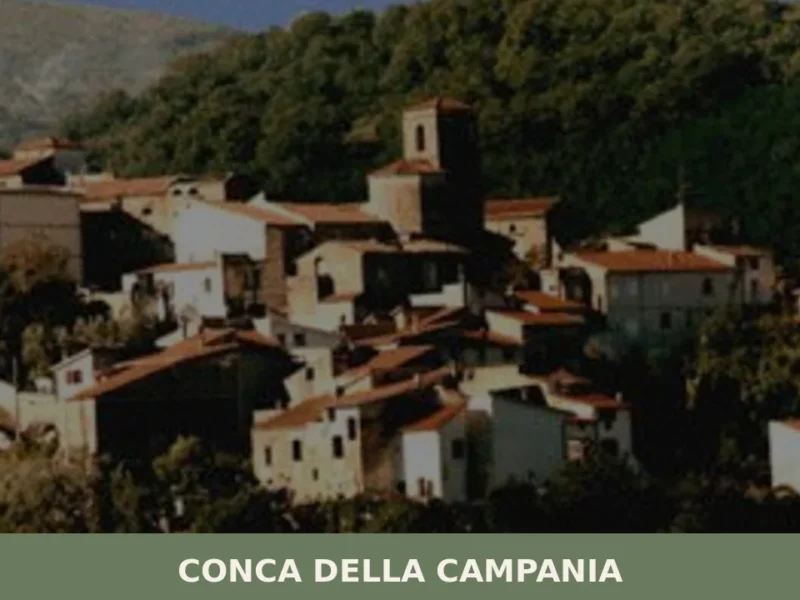
Conca della Campania
Hills
At 420 metres above sea level, on the hilly ridge separating the Volturno valley from the Lazio side, Conca della Campania today has 1,154 inhabitants spread between the main settlement and the hamlets scattered along the ridgelines. The municipal territory falls within the province of Caserta, on the border with Molise and Lazio, a frontier […]
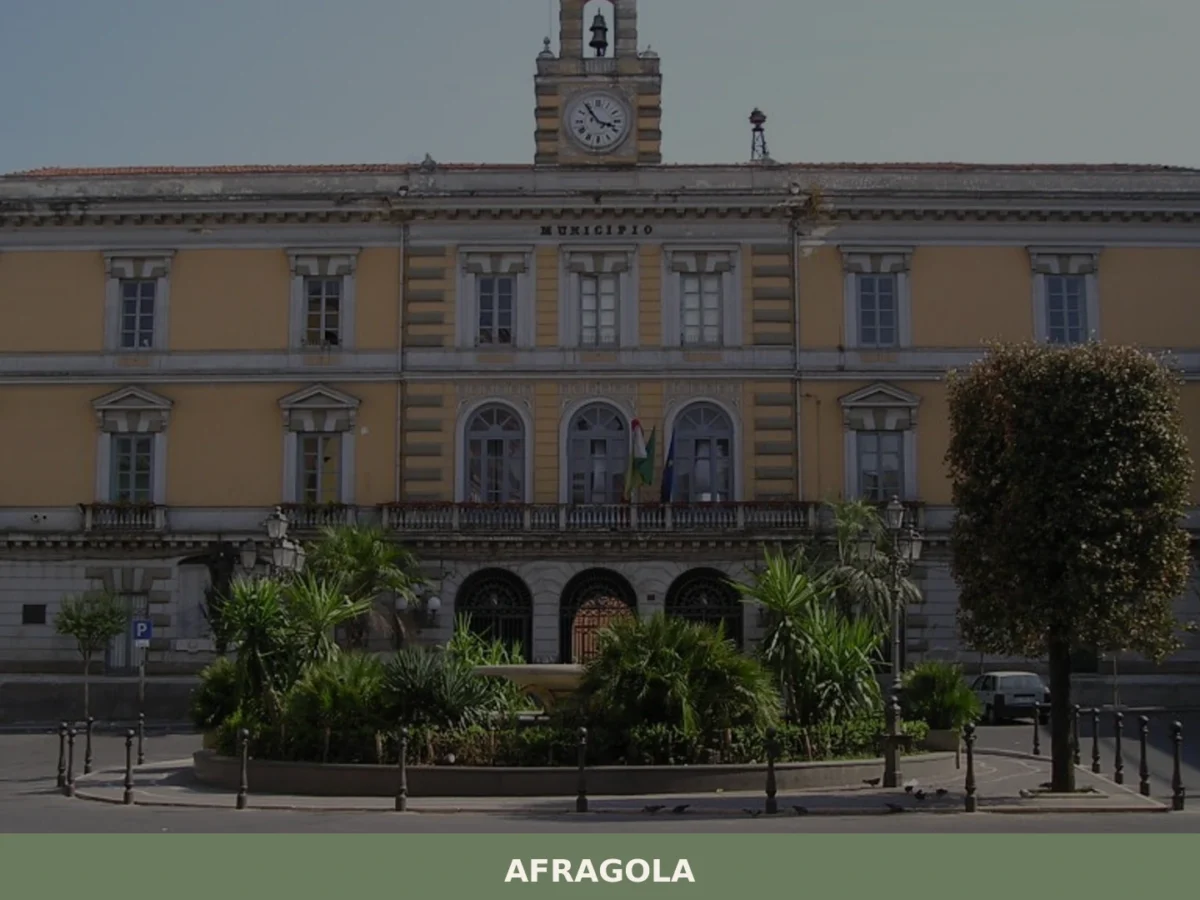
Afragola
Plains
Discover what to see in Afragola, Campania: Zaha Hadid's station, Baroque churches, local food, and practical travel tips for this Naples hinterland town.
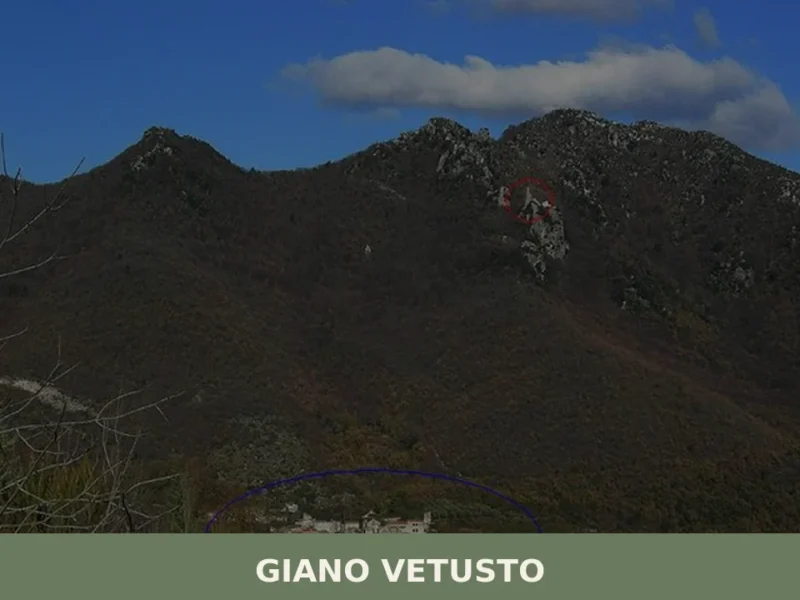
Giano Vetusto
Hills
What to see in Giano Vetusto: Church of Sant'Antonio, historic centre, agricultural landscape, local cuisine and how to reach this hillside village near Caserta.




🏡 Know Ascea better than we do?
If you’re a local or have been there, your knowledge matters: add what’s missing or fix a detail on this page.