


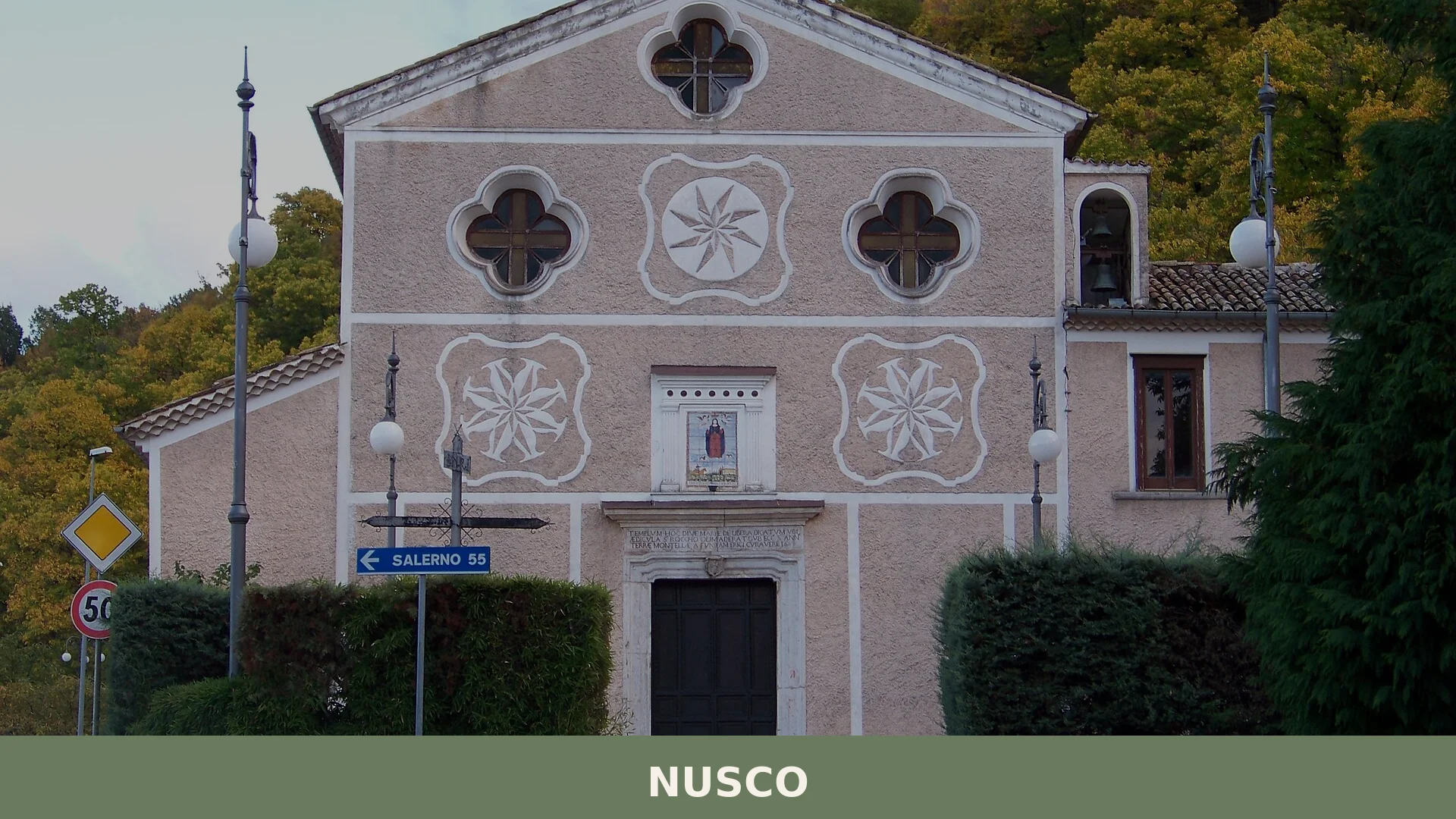

Nusco is a mountain comune at 878 metres in the province of Avellino, Campania, known for its medieval castle, centuries-old cathedral and the sweeping panorama that earned it the name ‘balcone dell’I
Discover Nusco
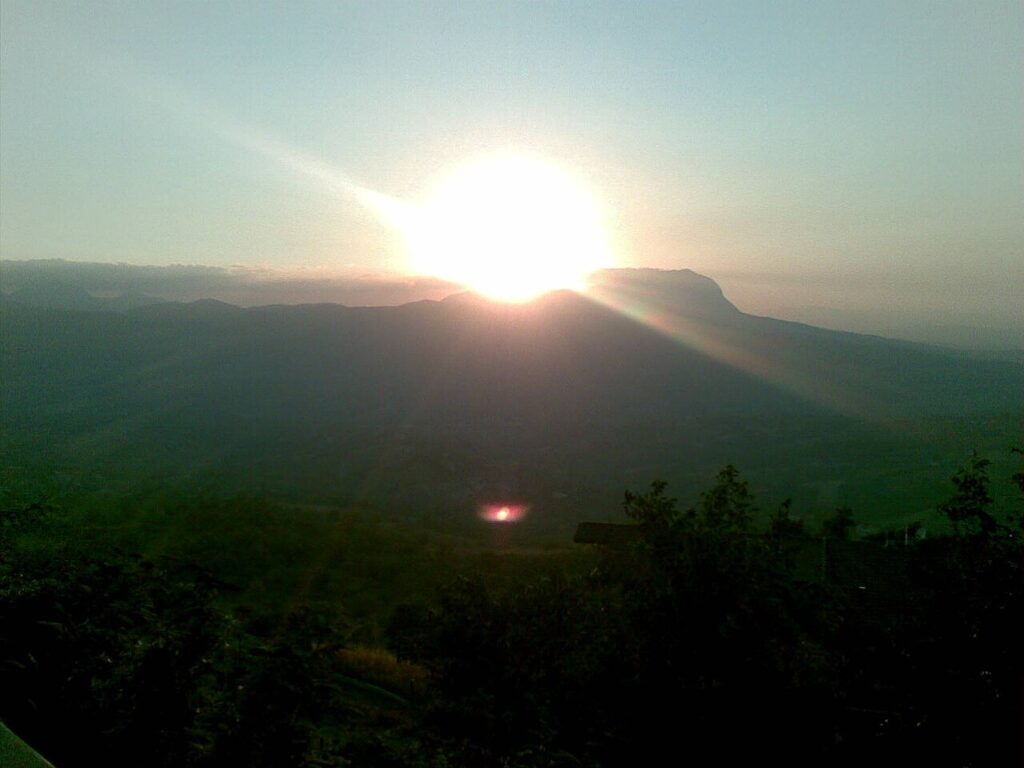
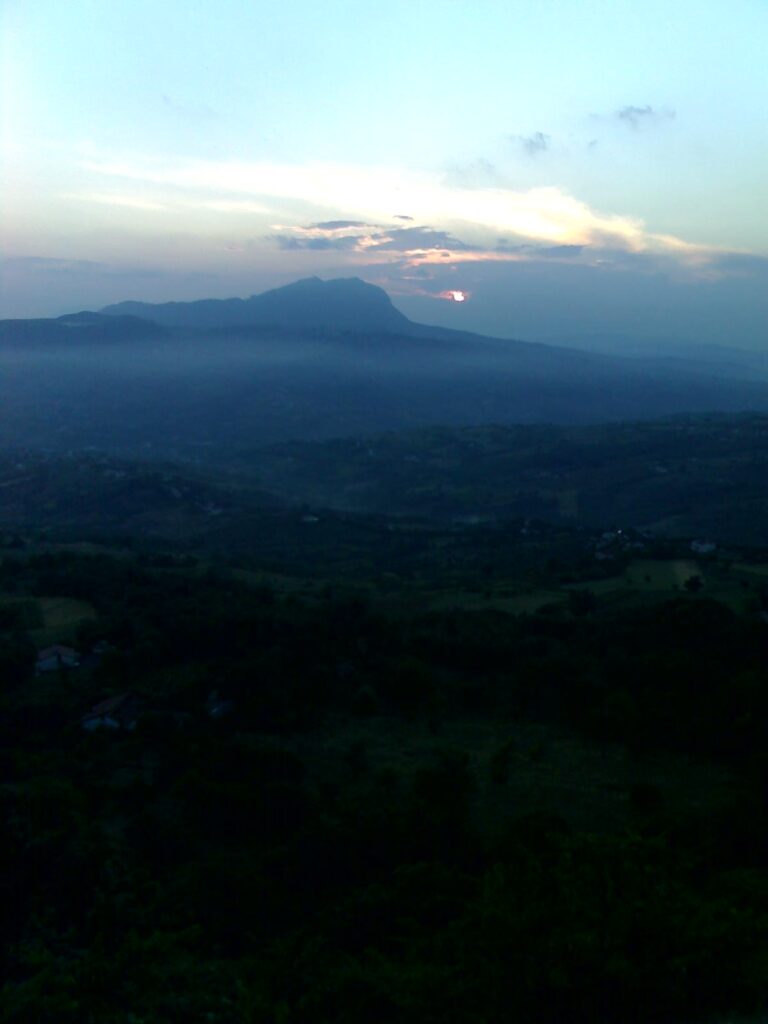
Nusco is a mountain commune in the province of Avellino, Campania, standing at 914 metres above sea level on a ridge between Montella and Lioni, with a population of around 3,800 and a surface area of roughly 53.46 square kilometres. Positioned along the Apennine watershed between the upper Ofanto — which drains towards the Adriatic — and the upper Calore Irpino — which flows eventually to the Tyrrhenian — the town commands sweeping views reaching from the Vulture massif to the Terminio, the Partenio, the Taburno, the Matese and the Monti Dauni, a panorama that has earned it the informal title of balcone dell’Irpinia, the balcony of Irpinia.
Nusco village in Campania carries more than a thousand years of documented history within its streets and stones: a cathedral that preserves a parchment from 1093 written in Lombard Beneventan script, a ruined medieval castle that once sheltered figures of dynastic consequence, and a diocesan museum of sacred art that gathers the devotional inheritance of one of the oldest episcopal sees in the region.
Nusco village in Campania: history, feudal lords and ecclesiastical heritage
Nusco rose to the status of civitas in the second half of the eleventh century — either as a ducal city or as a newly established episcopal seat — and from the twelfth century until 1806 it passed through the hands of some of the most prominent feudal dynasties of the Kingdom of Naples, including the De Tivilla, the D’Aquino, the De Giamvilla and the Imperiale, while its earliest recorded bishop, Sant’Amato, a native of the town, remains its patron saint to this day. The cathedral preserves the Chartula Iudicati of September 1093, written in Lombard Beneventan script, one of the oldest documentary witnesses to the town’s institutional life.
The castle of Nusco served as a refuge for Guglielmo, last duke of Puglia, in 1122, and again for Manfredi in 1254, testament to its strategic importance along the Apennine watershed. The De Giamvilla dynasty shaped much of Nusco’s medieval story: Filippo De Giamvilla, known as Filippotto, secured a weekly market at Ponteromito in 1308 and was elevated to the offices of justiciar of Terra di Lavoro and the Molise and captain general of the Province before his death on 20 August 1315. His widow Ilaria De Souz, hated by the townspeople — a revolt in 1311 cost the life of the feudal vicar Riccardo Parler — married twice more after Filippo’s death, first Benedetto Caetani and then Tommaso III De Aquino, who became the new lord of Nusco. The last De Giamvilla feudatory, Ilaria de Giamvilla, died in 1522, closing a line that had endured for some three centuries.
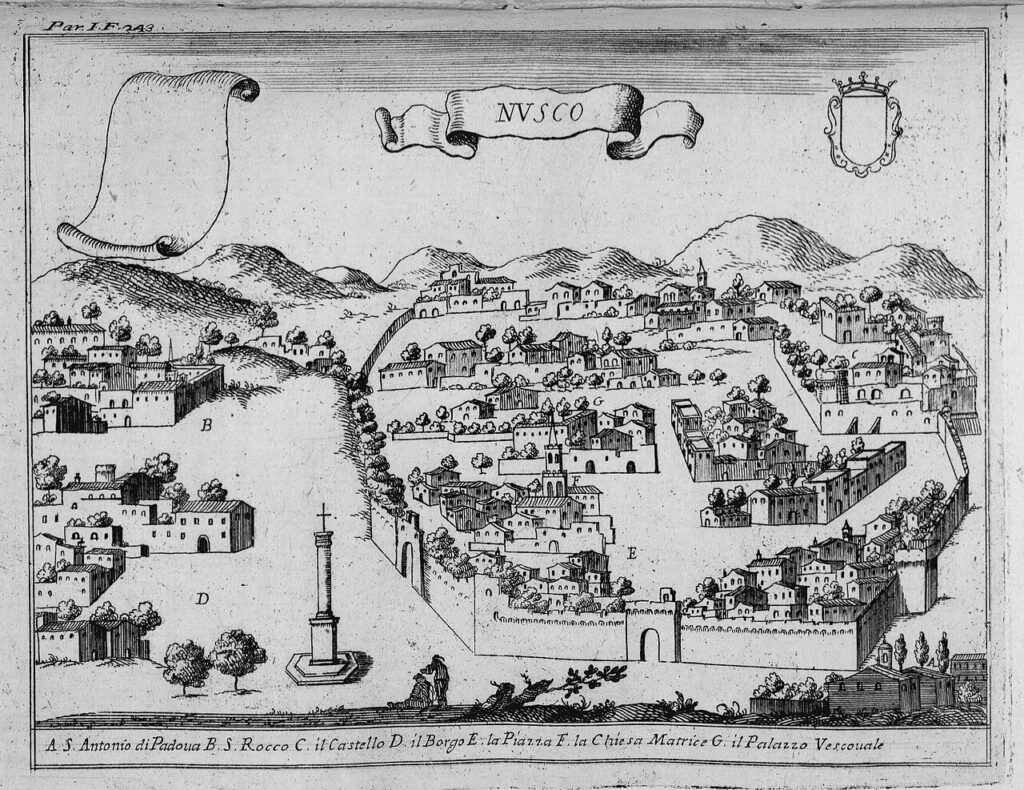
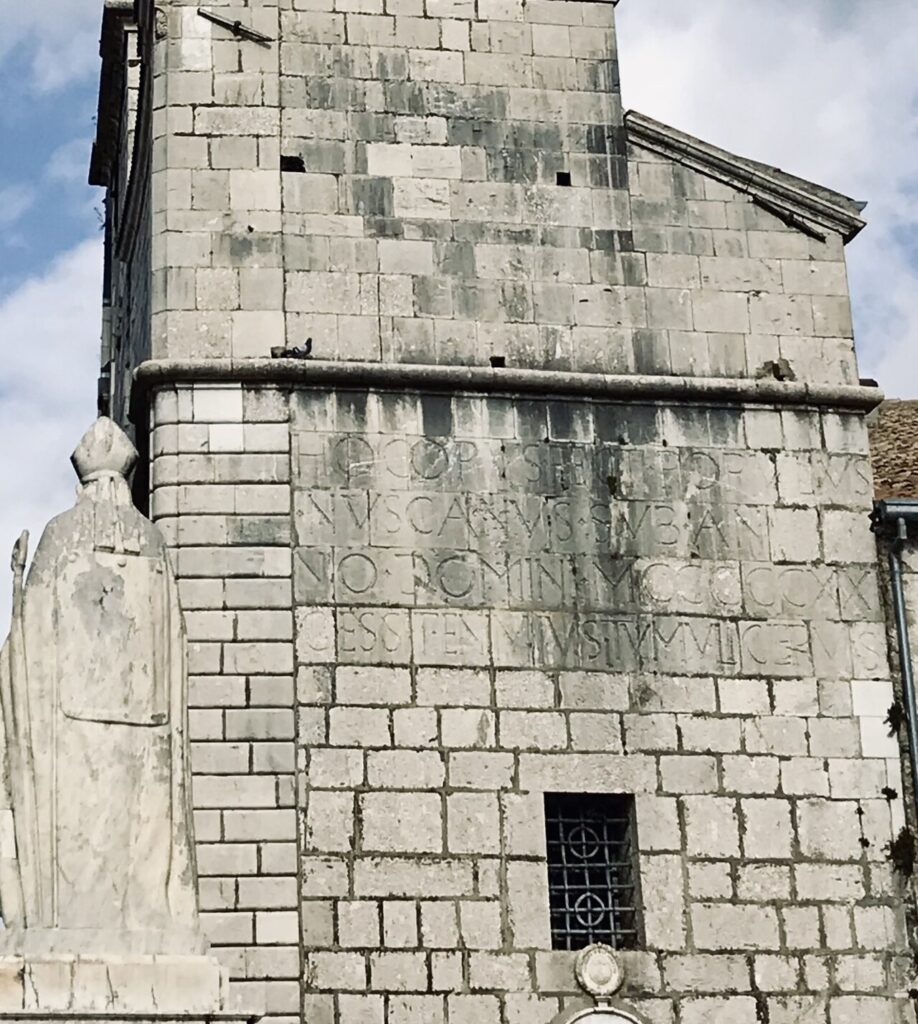
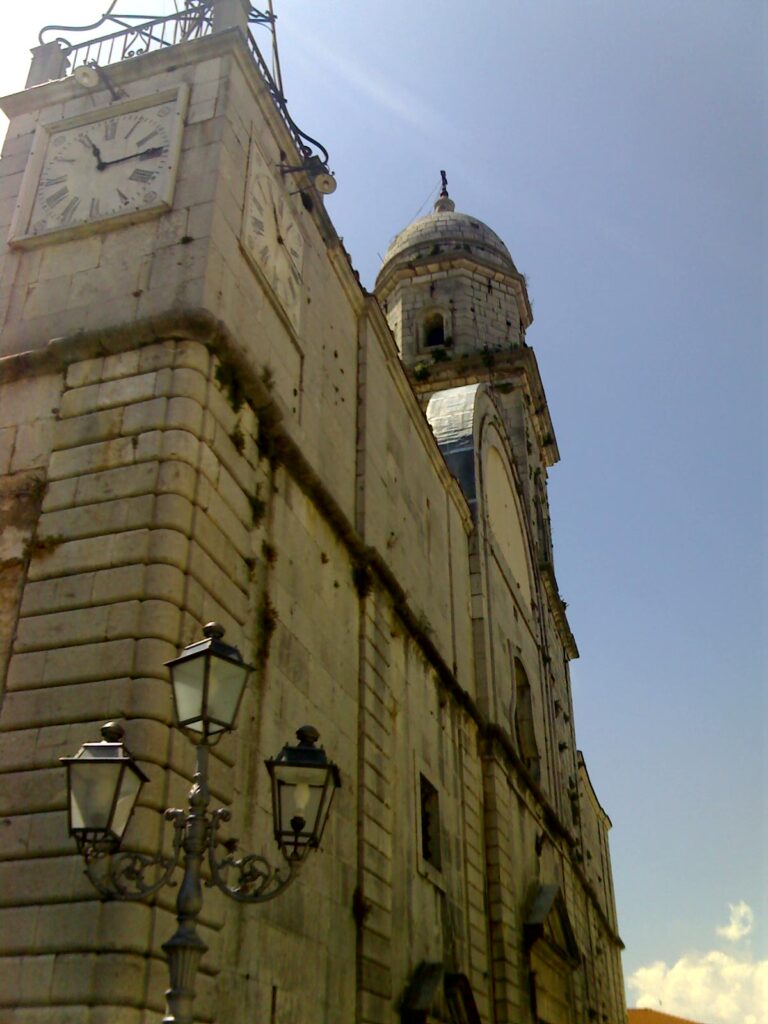
In the early modern period, the plague of 1656 killed more than a third of Nusco’s inhabitants, dealing a severe blow to demographic growth. Between 1743 and 1746 the territory fell under the jurisdiction of the royal commercial consulate of Ariano within the province of Principato Ultra. Throughout these centuries, the town’s civil history remained closely intertwined with its ecclesiastical one: at least sixty-seven bishops, all historically documented, succeeded one another on the episcopal throne, and their presence fostered a diocesan seminary whose library and the archive of the bishop’s curia survive as important repositories of local memory. The facade of the cathedral and its bell tower were built in 1521 at the expense of the municipal community, following an agreement between the clergy and the civic administration strongly promoted by Geronima Brancaccio and Marino De Aczia. Of the original castle only fragments remain, chiefly the imposing ruins of the tower and the north-facing walls.
Castles, Cathedrals and Sacred Art on Nusco’s Ridgeline
Nusco preserves a medieval castle, a concattedrale with a façade and bell tower dating to 1521, and a Diocesan Museum of Sacred Art, all concentrated in a hilltop centre that sits at roughly 914 metres along the Apennine watershed.
Castle of Nusco
The castle is today largely in ruins, though remains of the tower and the northern walls are still standing. Its position on the ridge gave it genuine strategic value: in 1122 it sheltered Guglielmo, the last duke of Puglia, and in 1254 it offered refuge to Manfredi. Within the castle complex there was once a chapel dedicated to Saint Peter. The panorama visible from the old ramparts — spanning from the Vulture massif to the Terminio, the Partenio, the Taburno, the Matese and the Monti Dauni — is what earned Nusco the informal designation of balcone dell’Irpinia.
Concattedrale di Nusco
The concattedrale is the historic seat of a diocese that has counted at least 67 bishops, all historically documented. Its current façade and bell tower were built in 1521, funded by the town’s civic administration following an agreement between the local clergy and the municipal authorities — an accord strongly promoted by Geronima Brancaccio and Marino De Aczia. The building houses the relics of Sant’Amato, the town’s first bishop and patron saint, as well as the Chartula Iudicati of September 1093, a document written in Lombard Beneventan script.
Museo Diocesano di Arte Sacra
The Diocesan Museum of Sacred Art holds the artistic heritage connected to the long episcopal history of Nusco. The sources identify it among the town’s principal buildings of historical and artistic interest; beyond that, no further details about its collections are documented here.
Seminary, Library and Episcopal Archive
The diocesan seminary, its library and the archive of the bishop’s curia round out the institutional and cultural fabric of the town, reflecting centuries of uninterrupted ecclesiastical presence in Nusco.
Nusco and Its Territory: Certified Products and Local Flavours
The Nusco area sits within one of southern Italy’s most celebrated food and wine landscapes, where certified designations from the Irpinia and wider Campania region include the Fiano di Avellino DOCG, Greco di Tufo DOCG, and Taurasi DOCG — three of the most prestigious white and red wines produced anywhere in the Italian south — alongside the broader Irpinia DOC and Campania IGT appellations.
Among food products, the territory falls within the production zones of the Caciocavallo Silano DOP, a firm aged stretched-curd cheese long associated with Apennine mountain communities, and the Castagna di Montella IGP, whose orchards grow in the hills not far from Nusco itself. The Melannurca Campana IGP, a small, crisp apple with a distinctive red blush, and the Marrone di Serino / Castagna di Serino IGP round out a picture of mountain and foothill agriculture deeply rooted in this corner of Avellino province. The Pomodoro San Marzano dell’Agro Sarnese-Nocerino DOP is produced elsewhere in Campania but remains part of the regional culinary identity visitors will encounter across the area.
None of these certified products should be understood as exclusive to Nusco’s municipal territory; they belong to a wider provincial and regional context. What Nusco itself contributes is the setting — a mountain village at around 914 metres, placed on the Apennine watershed, where traditions of pastoral and chestnut-grove farming have shaped local eating habits for centuries.
Reaching Nusco and Planning Your Visit to the Balcony of Irpinia
Nusco is best reached by car, ideally in spring or early autumn, when the panoramas from this mountain village at 914 metres — earning it the nickname balcone dell’Irpinia — are at their most rewarding, and the climate zone E classification (2,695 GR/G) signals cold winters that can complicate travel on Apennine roads.
The village stands on the internal Apennine ridge between Montella and Lioni, along the watershed separating the upper Ofanto basin (draining to the Adriatic) from the upper Calore Irpino (draining toward the Tyrrhenian via the Volturno). The provincial capital Avellino is the natural gateway, connected to Nusco by provincial roads through the Irpinia hills. From Avellino, allow roughly an hour by car. Visitors travelling from Naples should budget around 90 minutes by road.
The surrounding Irpinia highlands reward unhurried exploration. Andretta, another Apennine comune in the province, lies within the same mountain arc and can be combined into a longer itinerary. Closer to the provincial capital, Aiello del Sabato offers a contrasting valley setting for those building a multi-stop visit across Avellino province.
| Departure | Distance | Time |
|---|---|---|
| Avellino | approx. 50 km | approx. 1 hour |
| Napoli | approx. 100 km | approx. 1 hour and 45 min |
| Salerno | approx. 80 km | approx. 1 hour and 30 min |
There is no rail connection directly serving Nusco; a private vehicle or organised tour from Avellino or Naples is the practical choice. Accommodation options in the village itself are limited, making Avellino a sensible base for day-trip visits to this and neighbouring Irpinian comuni.
Frequently asked questions about Nusco
What is the best time to visit Nusco?
Late spring through early autumn offers ideal conditions for exploring Nusco's mountain terrain and panoramic viewpoints. The patron saint feast of Sant'Amato occurs annually and draws pilgrims and visitors. Summer temperatures at 914 metres elevation remain pleasantly cool compared to lower Campania. Winter can bring snow, making access challenging. September-October provides autumn landscapes and comfortable hiking weather across the Apennine ridgeline.
How do I reach Nusco by car?
Nusco is located in the province of Avellino, approximately 60 kilometres from Naples. From the A16 motorway (Naples-Canosa), exit at Avellino and follow provincial roads towards Montella and Lioni. The drive takes roughly ninety minutes from Naples. The village sits on a ridge at 914 metres, accessible via well-maintained mountain roads. GPS coordinates help navigate the winding approach through the Irpinia highlands.
What is the nearest railway station to Nusco?
Avellino railway station, served by regional trains from Naples, is the nearest major transport hub, approximately 50 kilometres away. The station connects to the Naples-Salerno line. From Avellino, travellers must arrange onward transport by car or local bus services to reach Nusco. Journey time by bus typically exceeds two hours due to mountain road terrain and elevation gain.
How long should I plan to spend in Nusco?
A half-day visit suffices for the cathedral and diocesan museum of sacred art. Full-day visits allow exploration of the medieval castle ruins and appreciation of panoramic views across the Apennine watershed. Longer stays enable hiking routes along the ridge between Montella and Lioni, visits to surrounding villages, and sampling local mountain products and traditional cuisine.
What outdoor activities are available in Nusco?
The ridge location between the upper Ofanto and Calore Irpino basins offers walking and hiking opportunities. The panoramic position overlooking the Vulture, Taburno, Matese, and Monti Dauni mountains provides scenic trails. Mountain biking is possible on surrounding roads. The Apennine watershed ridge itself offers documented hiking routes. Local guides and CAI (Italian Alpine Club) information should be consulted for specific trail conditions and seasonal accessibility.
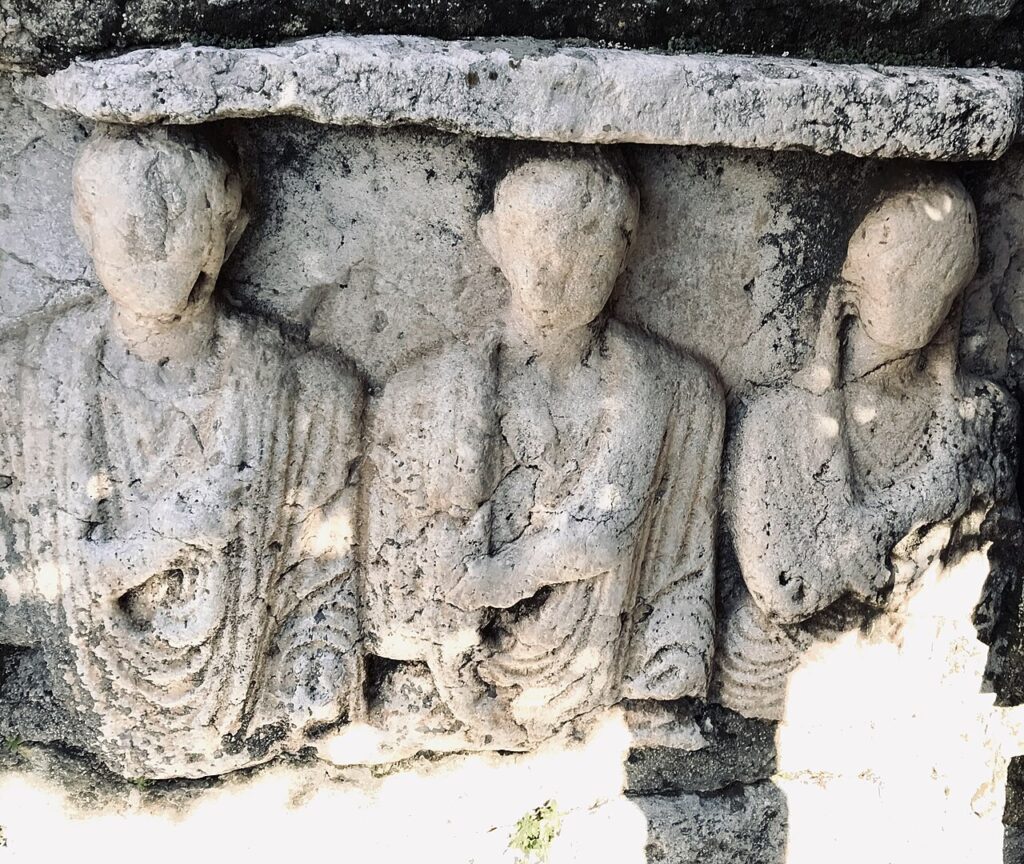
📷 Photo Gallery — Nusco
In Campania More villages to discover
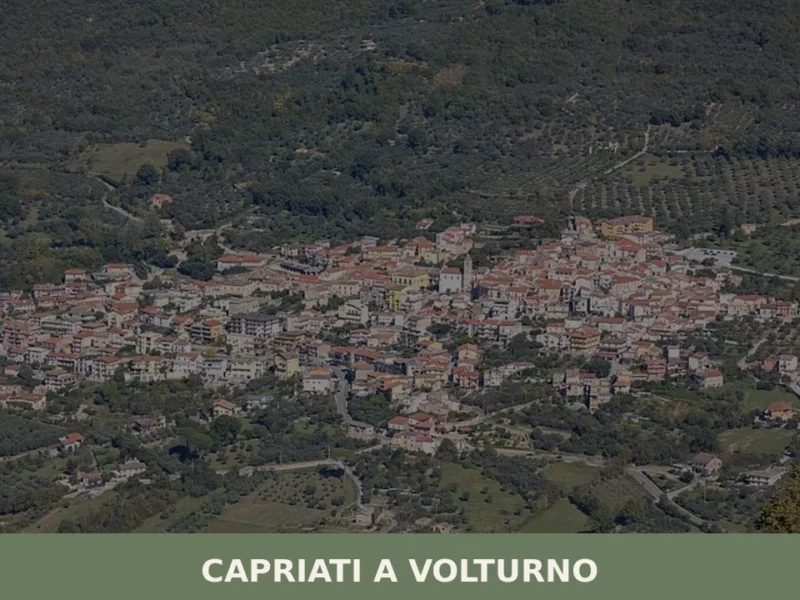
Capriati a Volturno
 Hills
Hills
At 290 metres above sea level, along the right bank of the Volturno, Capriati has a current population of 1,440 residents spread between the historic centre and the hamlets scattered across the valley. The river, which here sweeps through a wide bend before continuing towards the Campanian plain, has shaped the town’s economy and layout […]
Albanella
 Plains
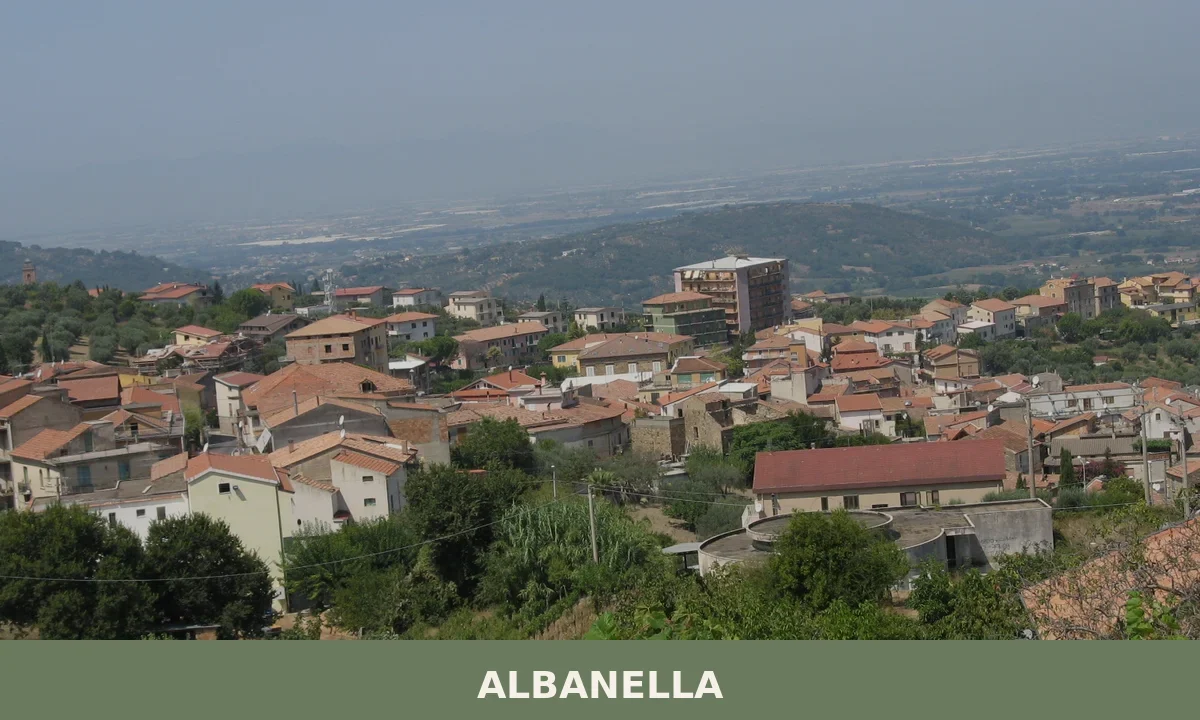
Founded in 1003 by refugees fleeing saracen raids, Albanella sits on a strategic hill between the Alburni mountains and the Salerno gulf, home to the restored Santuario di Santa Sofia.
Afragola
Plains
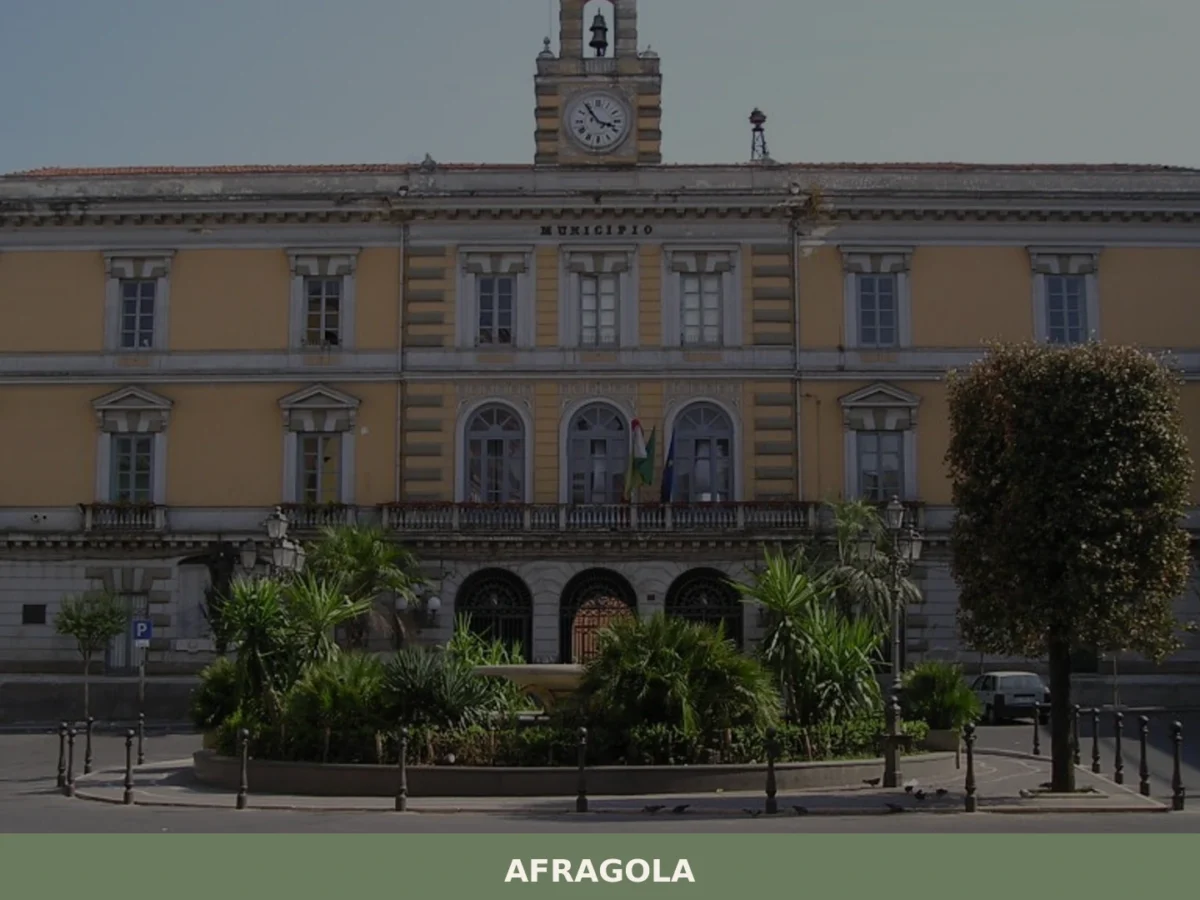
Discover what to see in Afragola, Campania: Zaha Hadid's station, Baroque churches, local food, and practical travel tips for this Naples hinterland town.
Ailano
Hills
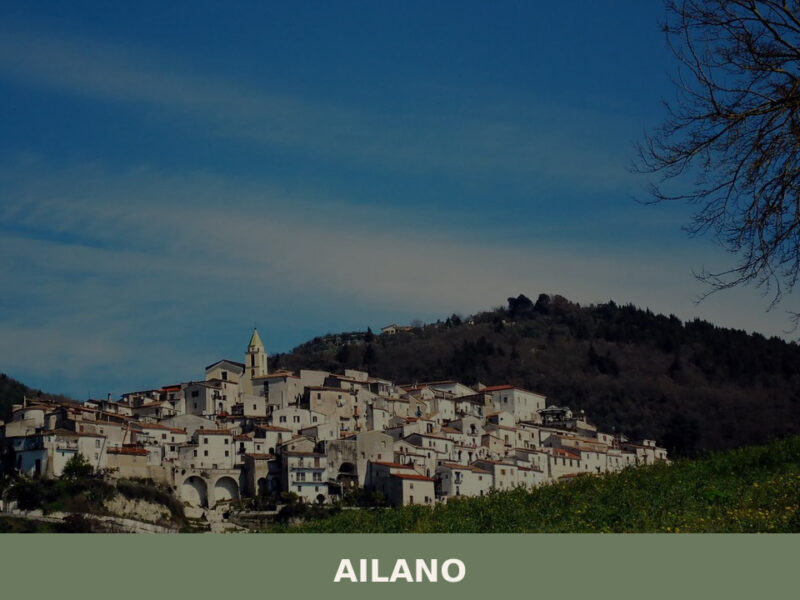
A complete guide to what to see in Ailano, a village of 1,198 inhabitants in the Caserta province of Campania, with its medieval centre, parish churches, and Volturno valley views.
Arzano
Plains
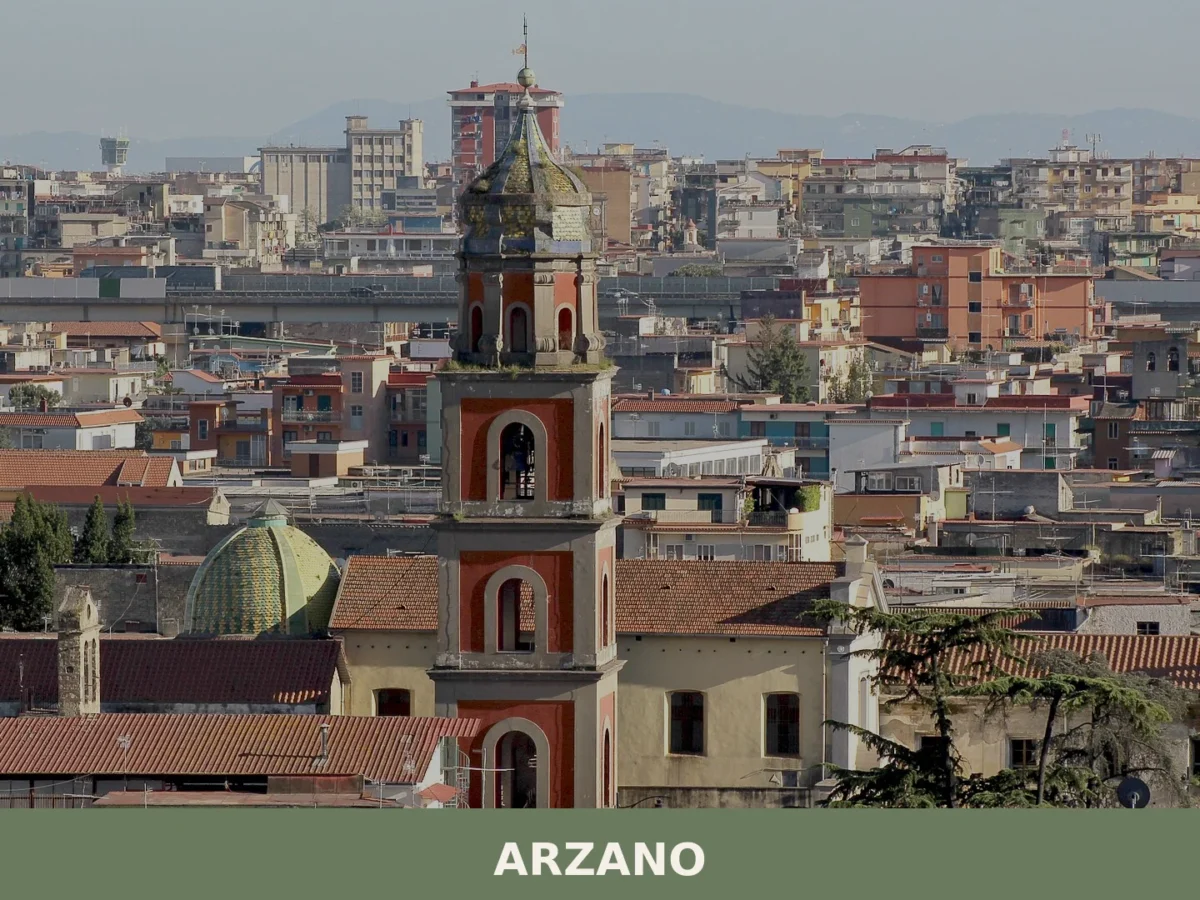
Arzano is a municipality of around 31,800 inhabitants on the central Campanian plain, a few kilometres north of Naples, with documented origins stretching back to 937 AD.
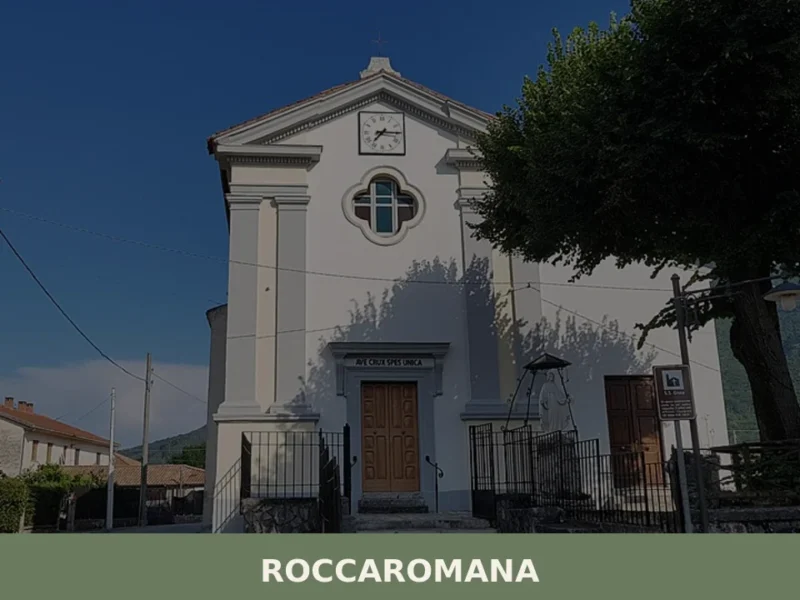
Roccaromana
Plains
What to see in Roccaromana, Italy: Explore its 180m altitude, discover historic churches and enjoy San Cataldo feast. Learn more about visiting this quaint village.
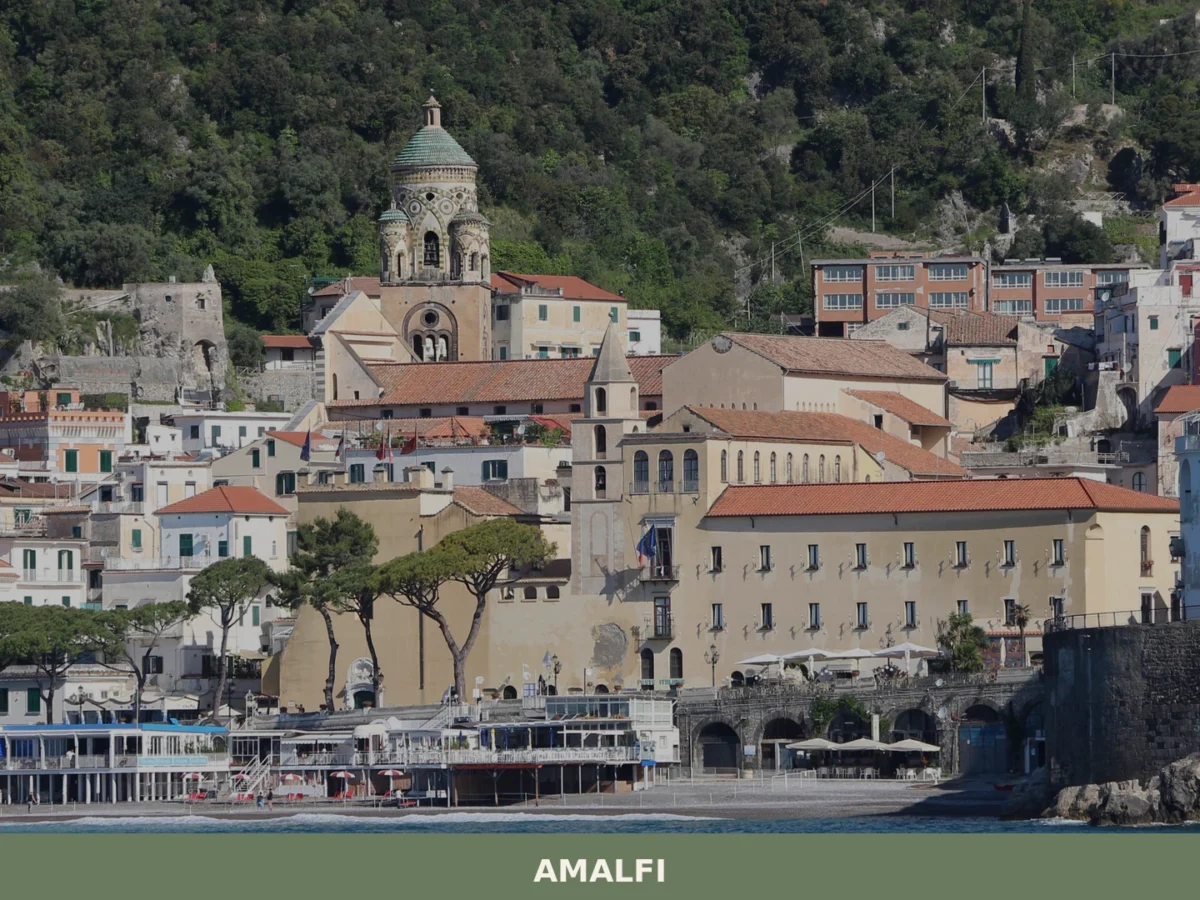
Amalfi
Hills
 Sea
Sea
What to see in Amalfi, Campania, Italy: explore the Cathedral of Sant'Andrea, the Arsenal of the Maritime Republic, and the Compass Museum. Discover 4,611 residents' town.
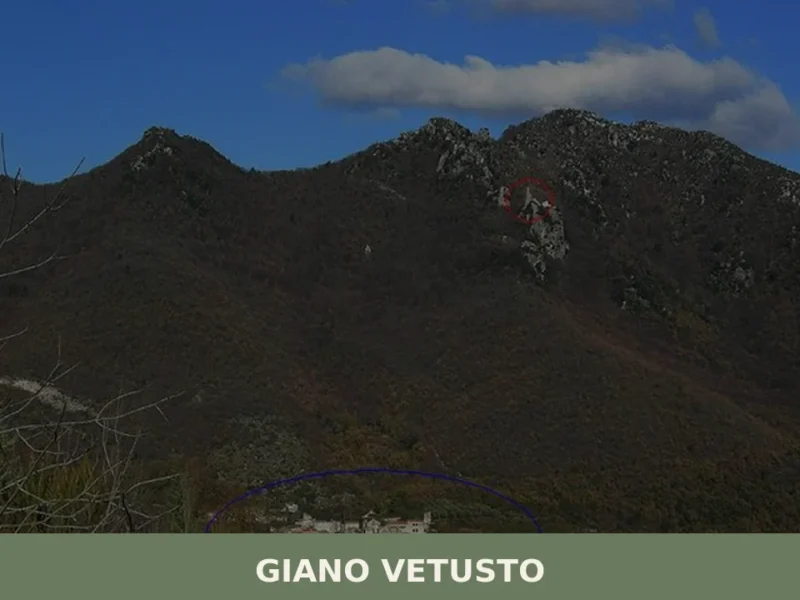
Giano Vetusto
Hills
What to see in Giano Vetusto: Church of Sant'Antonio, historic centre, agricultural landscape, local cuisine and how to reach this hillside village near Caserta.
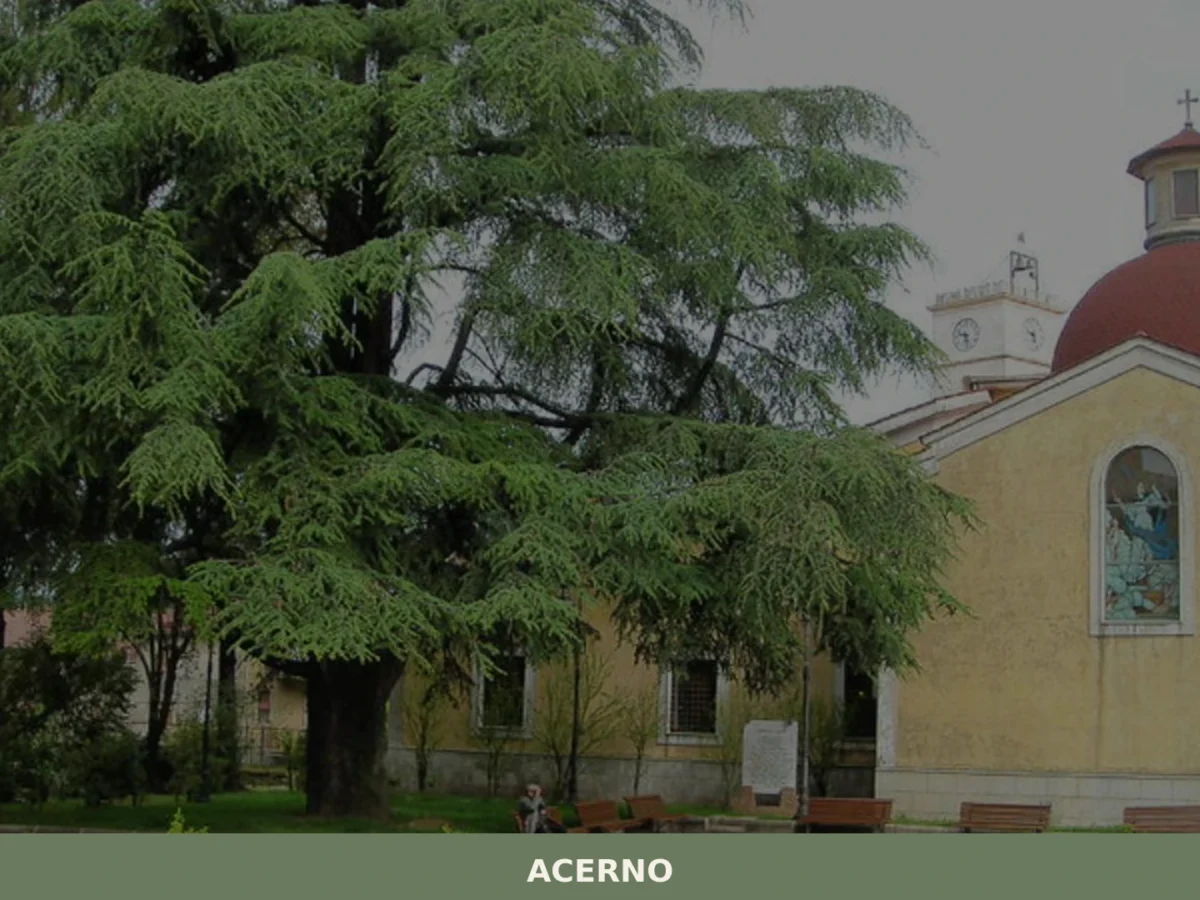
Acerno
 Mountain
Discover what to see in Acerno, a 2,419-person village in Salerno's Picentini Mountains: medieval cathedral, chestnut forests, and a nine-century diocesan history.
Ciorlano
Hills
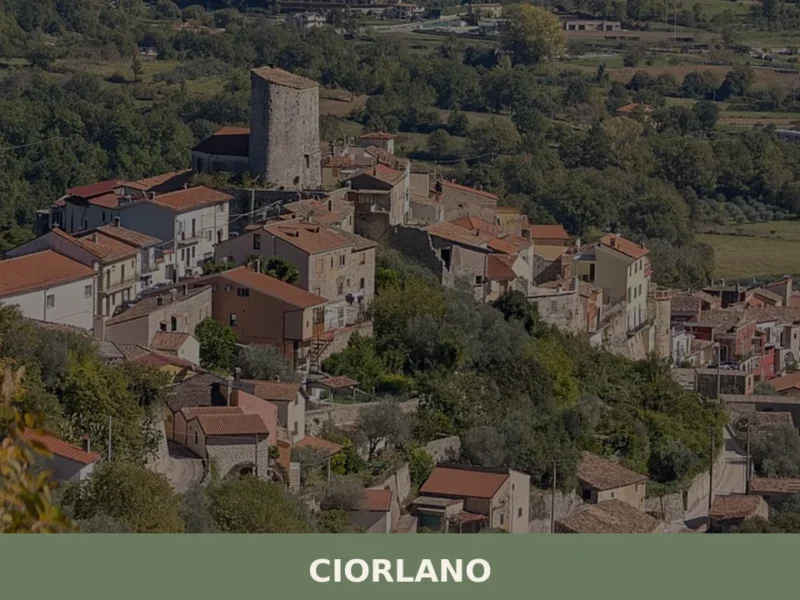
With its 370 inhabitants spread across an elevation of 330 metres above sea level, Ciorlano is one of the least populated municipalities in the province of Caserta. The village sits in the middle Volturno valley, along the hillside that separates the Matese massif from the Alife plain. Anyone wondering what to see in Ciorlano will […]





🏡 Know Nusco better than we do?
If you’re a local or have been there, your knowledge matters: add what’s missing or fix a detail on this page.